You Need To Know About This Magical Wildlife Refuge In Maryland
Your phone has buzzed forty times today, and not one of those buzzes made you happy. The usual fix is another scroll session on the couch.
You deserve a much better reset than that. Picture an entire island on the Chesapeake Bay, Maryland, set aside for wildlife.
It sits right where the Chester River meets the bay, and the views are huge. Boardwalks and trails lead you through marsh, forest, and open fields.
Herons and egrets stalk the tidal flats like they own the place. In winter, thousands of waterfowl arrive, including graceful tundra swans.
A red fox might cross your path if you stay quiet. The visitor station sits inside a historic hunting lodge with exhibits about the island’s past.
The bugs love summer here almost as much as the birds do. Pack binoculars and plenty of bug spray.
Move slowly, speak softly, and let the whole island surprise you.
An Island Built For Birds
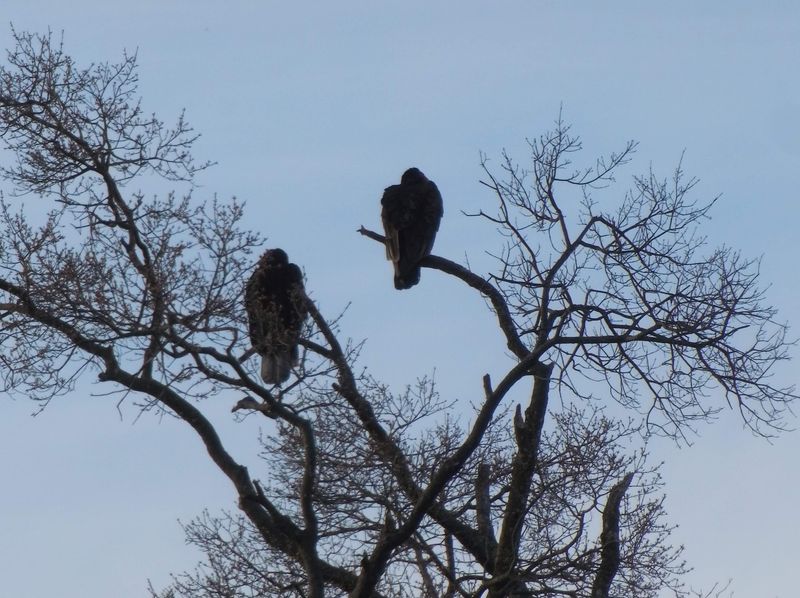
Birds got their own private island, and they were kind enough to share it. Eastern Neck National Wildlife Refuge covers 2,285 acres where the Chester River meets the Chesapeake Bay.
The refuge was set up in December 1962. Its main job was simple: give migratory birds a safe place to rest and feed.
Think of it as a highway rest stop with a much better view. Tired travelers with feathers drop in, grab a snack, and take a nap before flying on.
The U.S. Fish and Wildlife Service runs the refuge today.
It is part of the Chesapeake Marshlands National Wildlife Refuge Complex, a group of protected lands in the region.
The National Audubon Society also named it an Important Bird Area. That title is not handed out for fun.
It goes to places that truly matter for bird survival.
So when you drive across the bridge onto the island, you are entering serious bird territory. Keep your eyes open, even from the car window.
Deer often wander near the road too, so drive slowly. The locals with antlers do not always look both ways before crossing.
Pack patience along with your snacks. The island rewards visitors who slow down and let nature show up on its own schedule.
You will find it at 1730 Eastern Neck Road, Rock Hall, Maryland.
Marsh, Forest, And Everything In Between
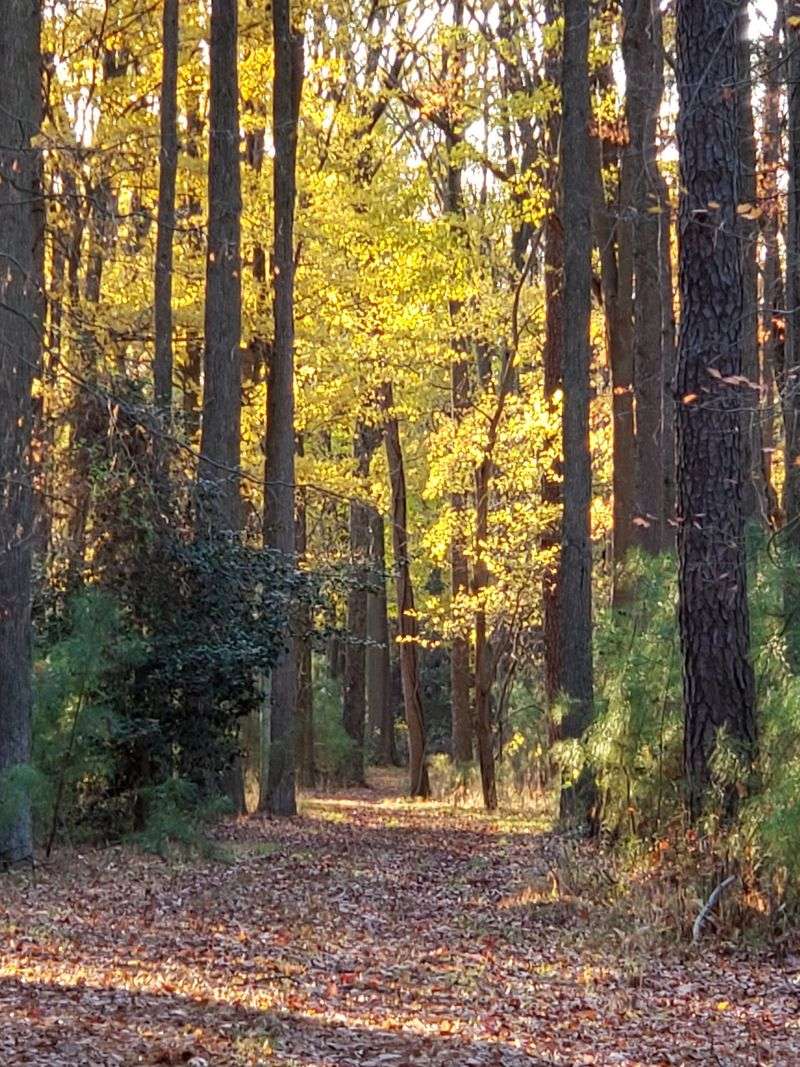
Few places can switch scenery faster than a TV remote. At Eastern Neck National Wildlife Refuge, you can go from salty marsh to shady woods in a few minutes.
About forty percent of the island is brackish tidal marsh and tidal ponds. Brackish means the water is a mix of salt and fresh, thanks to the bay and river meeting here.
The other sixty percent holds upland forest, grasslands, and shrub lands. There are also managed croplands, freshwater ponds, and moist soil units.
Why does all this variety matter to you? Different habitats bring different animals.
A heron wading in the marsh would look silly perched in a pine tree.
Walking the island feels like flipping through a nature book. One page shows swaying grass and open water.
The next shows tall trees and cool shade.
Visitors often mention how peaceful the marsh landscape feels. The wind moves through the reeds, and water birds call in the distance.
Bring layers, because the breeze by the water can feel cooler than the forest trails. Good shoes help too.
Bug spray is a smart move in warm months. The marsh is lovely, but mosquitoes and ticks think you are lovely too.
Snakes also live here, so watch your step and admire them from a distance.
A Checklist That Keeps Growing
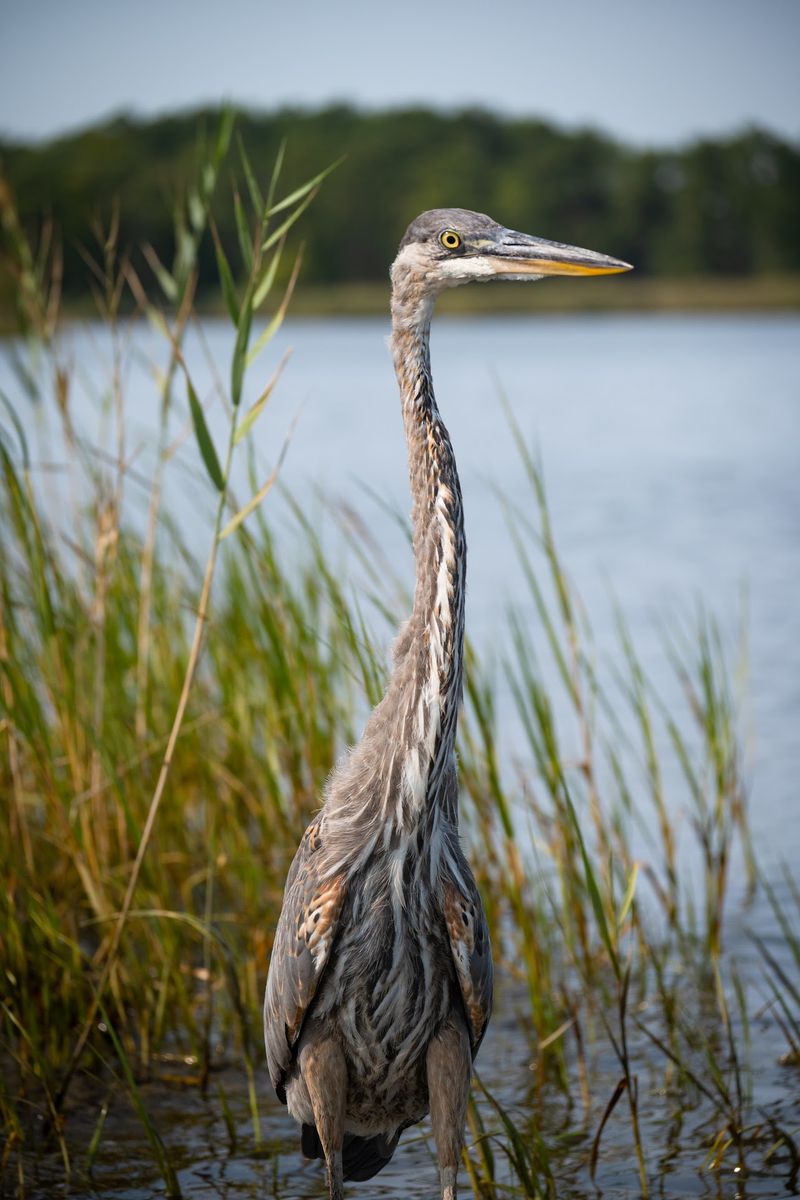
Bring your binoculars, and maybe a second notebook. More than 240 bird species have been reported at Eastern Neck National Wildlife Refuge.
That number is big enough to make any birder grin. Even beginners can rack up a solid list in one afternoon.
Winter is the headline season. The refuge is one of the top spots around for wintering waterfowl.
Staff have recorded peaks of more than 50,000 waterfowl from 33 species. Picture a crowded stadium, except everyone has webbed feet and nobody sells snacks.
Canada Geese, Mallards, and Canvasbacks are common guests. Canvasbacks are handsome ducks with reddish heads and pale backs, so they are easy to spot.
Several trails include wildlife blinds. These are small shelters that let you watch birds without scaring them off.
Here is a helpful tip. Sit still for a few minutes and let the birds forget you are there.
Movement is what sends them flying.
Visitors also report red-winged blackbirds, blue jays, turkeys, and vultures along the way. There is always something moving if you look closely.
A field guide or a bird app makes the trip more fun. Naming what you see turns a nice walk into a treasure hunt.
The Great White Swan Parade
Winter visitors get a show that summer crowds miss entirely. Thousands of Tundra Swans arrive at Eastern Neck National Wildlife Refuge starting in late November.
These big white birds fly in from far northern breeding grounds. They stay through the cold months and head north again in March.
Seeing them gather on the water is something special. Their bright feathers stand out against gray winter skies like snow that learned to float.
Listen as well as look. Tundra Swans make soft, musical calls that carry across the water.
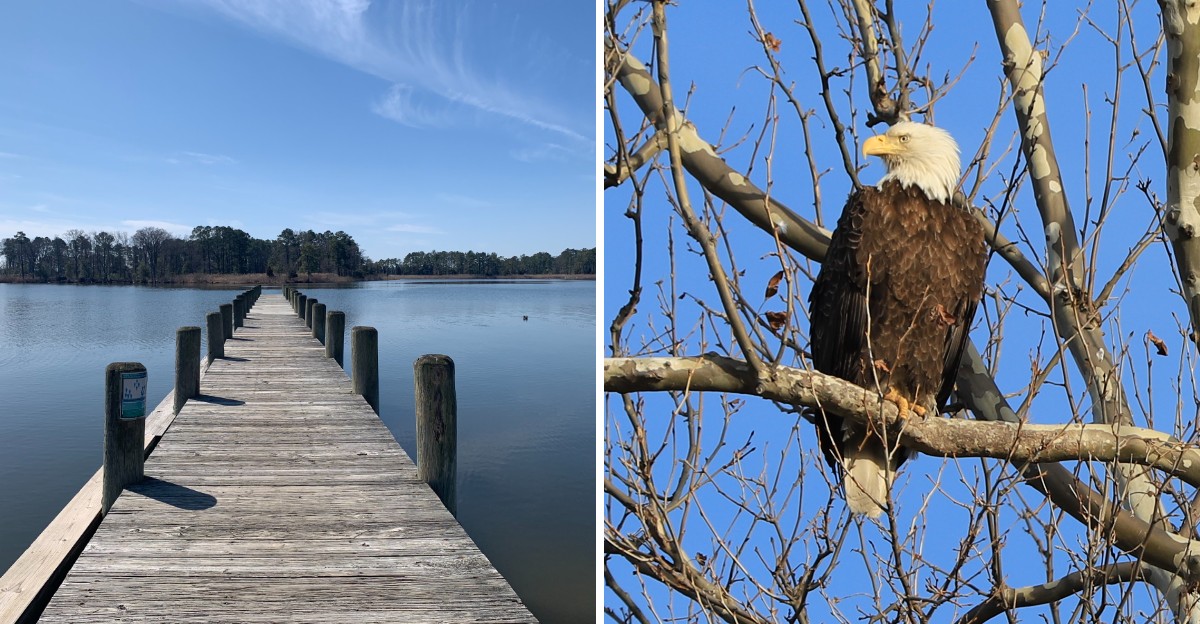
The Tundra Swan Boardwalk is a natural place to start. The name gives away exactly who the guests of honor are.
Some visitors assume December is too quiet for birding. Many leave happily surprised after spotting swans and plenty of other waterfowl.
Dress warmly, because bay winds can bite. A hat, gloves, and a thermos of hot cocoa make the wait much cozier.
Winter also means fewer people on the trails. You may feel like you have the whole island to yourself, apart from a few thousand feathered neighbors.
Mark your calendar between late November and early March. Few winter outings feel this calm and this grand at the same time.
Eagles, Ospreys, And Elegant Waders
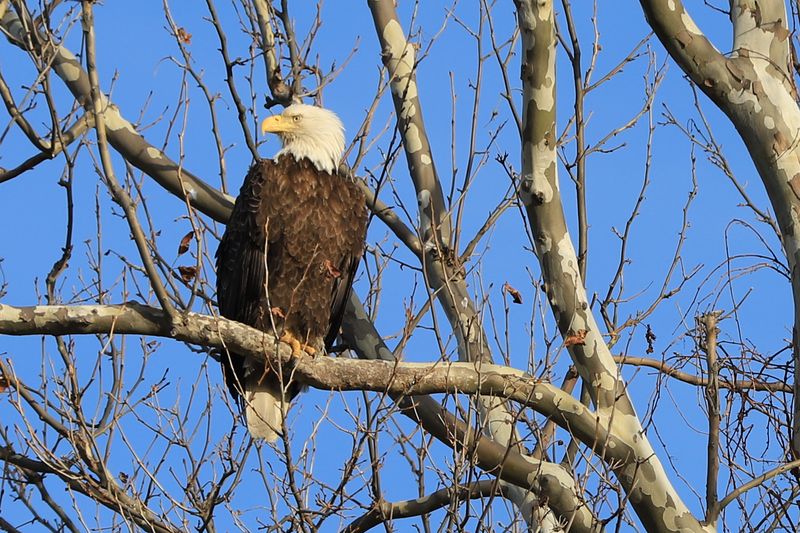
Look up, because royalty lives in the treetops here. Bald Eagles nest at Eastern Neck National Wildlife Refuge all year.
Eaglets have successfully left the nest here since 1986. That is decades of eagle families growing up on one small island.
Some longer trails may close during nesting season to protect them. Consider it a polite do-not-disturb sign from America’s national bird.
Ospreys add even more drama from March through July. They build bulky stick nests and dive feet first into the water to catch fish.
Watching an osprey hunt feels like catching a sports highlight live. The splash, the struggle, and the flight away with lunch happen in seconds.
Down in the marshes, Great Blue Herons stand still as statues. They wait patiently, then strike with lightning speed.
Snowy Egrets bring a touch of style. Look for their bright white feathers, black legs, and yellow feet that seem borrowed from a cartoon.
Frequent visitors say you will almost always see an eagle or an osprey during a trip. The odds are in your favor.
A zoom lens or strong binoculars help a lot. These birds often perch high and far, and the details are worth seeing.
Trails That Treat Your Feet Kindly
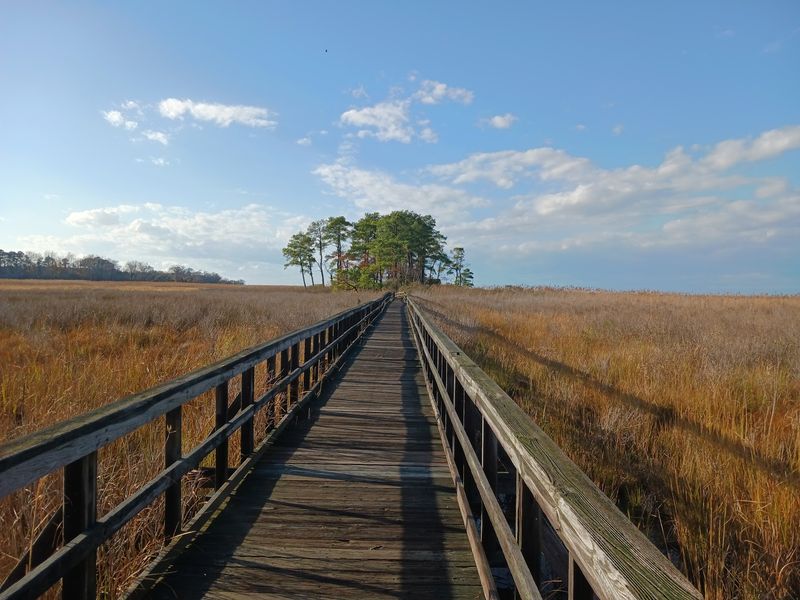
Good news for anyone who dislikes steep hills. The trails at Eastern Neck National Wildlife Refuge are mostly flat and friendly.
Seven hiking trails add up to nearly nine miles. Most are short, often a mile or less, so you can easily explore several in one day.
The Tidal Marsh Trail and Tubby Cove Boardwalk are wheelchair accessible. Families with strollers will appreciate them too.
Crowd favorite status goes to the Bayview/Butterfly Trail. It features a pollinator garden bursting with flowers in warmer months.
Butterflies, skippers, and dragonflies flutter through the blooms. Zebra Swallowtails, with their striped wings, are among the showy visitors.
An observation platform sits along this trail as well. On clear days, you might even see Baltimore and the Bay Bridge across the water.
Many trail signs do not list distances, so a map helps. You can grab one at the visitor contact station if it is open.
Summer is the best time to see the garden in full color. Flowers peak, insects buzz, and the whole field feels alive.
A tip for your walk: move slowly near the flowers. Butterflies are easier to photograph when they do not feel chased.
Pedals, Paddles, And Crab Lines
Walking is great, but the refuge has more tricks up its sleeve. Eastern Neck National Wildlife Refuge offers plenty for people who like wheels, water, or a fishing pole.
Cyclists can ride about four miles of paved roads. Another three miles of dirt roads add a little adventure.
Keep an eye out for deer while riding. They tend to appear suddenly, as if they rehearsed their entrance.
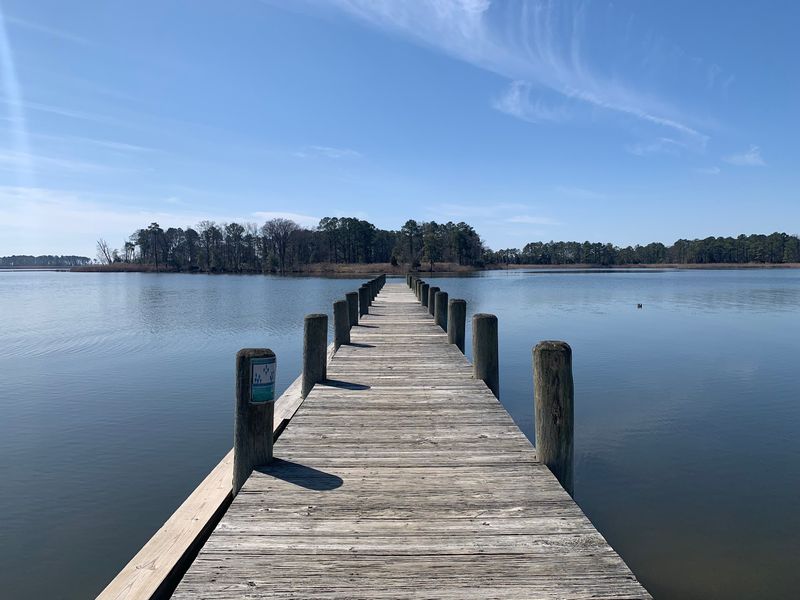
Fishing and crabbing are allowed in certain spots, including the Tundra Swan Boardwalk. Dropping a line on a calm morning is pure Chesapeake tradition.
Always check the refuge rules before you go. Limits and allowed areas help keep the habitat healthy for everyone.
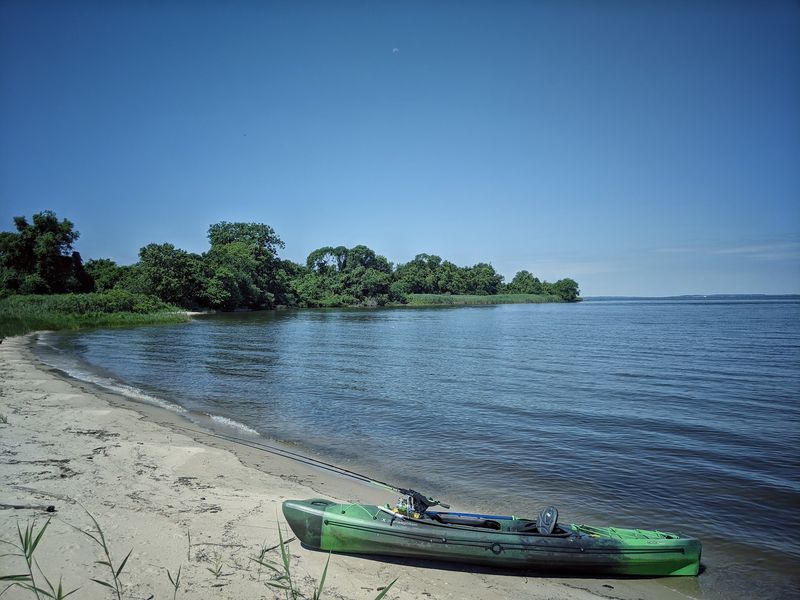
Paddlers get their own treat. A 10-mile water trail starts at Bogle’s Wharf for kayaks, canoes, and other non-motorized boats.
Gliding through the marsh by kayak gives you a whole new view. Birds often let quiet paddlers drift closer than walkers.
Pack a picnic for afterward. There is a small picnic area near the visitor station, perfect for a lunch break.
Sunset on the water is a great way to end the day. Visitors often call it one of the most relaxing views around.
Old Stories On A Quiet Island

Long before binoculars arrived, people were already drawn to this island. Native Americans visited Eastern Neck in precolonial times and left behind artifacts.
Those finds offer clues about daily life here centuries ago. The island has welcomed visitors for a very long time.
Later, it became one of the earliest settled areas in Maryland. Farms and homes shaped the land for generations.
Here is a fun twist. The current visitor contact station was built in 1930 as a lodge for hunters.
Today, that same building helps people learn about protecting wildlife. That change of purpose is a pretty great plot twist.
The U.S. Fish and Wildlife Service bought the island between 1962 and 1967.
The goal was to keep it safe from heavy development and preserve habitat.
If the station is open, step inside. Friendly volunteers share stories about the island, its history, and its animals.
A small gift shop and restrooms are there as well. There is also a short trail right behind the building.
Honestly, a visit here feels like reading a history book written in marsh grass and feathers. My advice is simple: go once, and you will likely plan a second trip before you leave the parking lot.