This Connecticut City Keeps Its Polish Heritage Alive Through Pierogi, Bakeries And Old-World Traditions
Heritage has a way of showing up in the most delicious places. A bakery counter or restaurant menu can tell you plenty about the generations that shaped a city.
That history remains especially visible here.
Polish culture continues to influence one Connecticut city, where food and community traditions keep a strong connection to the old country alive.
You can notice it in everyday places rather than behind museum glass. Recipes have survived because people still cook them, while specialty businesses give another generation somewhere to find flavors their families grew up with.
That makes exploring the city particularly rewarding when you arrive hungry.
Pierogi may provide an easy introduction, but they are only one piece of a much larger story. The deeper you look, the clearer those cultural roots become.
Some cities remember their immigrant history with plaques. This one still lets you taste part of it, which may be a much more enjoyable history lesson.
1. Polish Heritage Runs Deep Through The City
This city has serious Polish roots. And they run much deeper than a plate of pierogi.
What visitors experience today grew from generations of families who brought their language, food, faith, and traditions with them.
The story took off around the turn of the 20th century. Factory jobs were booming, helping New Britain earn its famous “Hardware City” nickname.
Workers arrived from across Europe, and Polish immigrants became an especially important part of that growing population.
They built lives around their new community. Churches opened, businesses appeared, and familiar customs became part of everyday life.
By 1930, roughly a quarter of the city’s residents were Polish or of Polish descent, giving the community an influence that could be felt far beyond the factory floor.
That connection did not simply disappear as decades passed. Later generations kept traditions going, while additional immigrants from Poland strengthened the language and culture already established here.
Even the playful nickname “New Britski” hints at how closely Polish identity became linked with the city.
Today, that history is still easy to experience. Bakeries, markets, restaurants, churches, and community traditions continue telling the story in delicious and unexpected ways.
Come hungry. The next part of this story is best explored one bite at a time.
2. Broad Street Forms The Heart Of Little Poland
Walk about a mile along Broad Street and you will notice the signs first. Many storefronts show Polish words right beside English ones, and conversations in Polish drift out of doorways.
It is a street that feels lived in, not staged for tourists.
Broad Street became the Polish main street of New Britain in the early 1900s. In 2008, the stretch was officially named Little Poland.
Around that time, a newer wave of Polish business owners had already helped bring fresh energy to the area, starting in the late 1990s.
Today, roughly 70 percent of the storefronts here are run by Polish Americans. You will find restaurants, delis, bakeries, gift shops, and everyday services all within easy walking distance.
The city has also added brick sidewalks, new lighting, and historical markers that explain the neighborhood’s past.
Here is a helpful tip for your visit. Park once and explore on foot, since the shops sit close together and the pace is relaxed.
Bring an appetite and maybe a cooler bag for goodies. Little Poland has even caught the eye of national newspapers and TV travel shows, so do not be surprised if you spot other curious visitors doing the same thing.
3. Pierogi Remain Part Of Everyday Food Culture
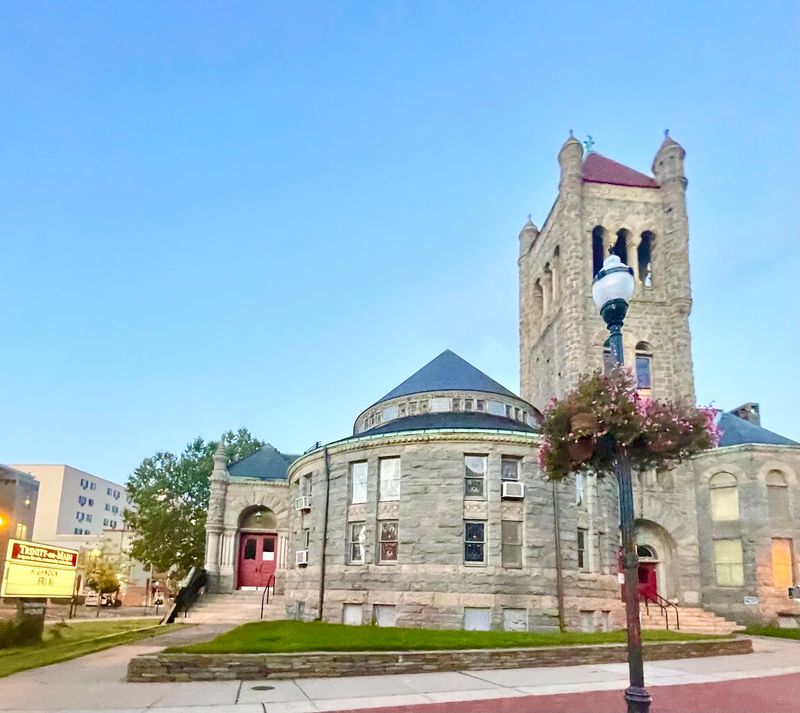
What should you eat first? Pierogi make a pretty convincing case.
In New Britain, these soft Polish dumplings are much more than an occasional holiday food.
They appear on restaurant menus throughout Little Poland, keeping one of the country’s best-known comfort foods firmly connected to everyday life. Part of their appeal is the variety hiding beneath that delicate dough.
Pierogi ruskie are an easy place to begin. Their potato-and-cheese filling is simple, rich, and comforting, while other versions may come packed with sauerkraut and mushrooms or seasoned meat.
Preparation changes the experience, too. Some arrive soft and boiled, while others are pan-fried for lightly crisp edges.
Several Polish restaurants around the city prepare pierogi by hand, continuing techniques that have been passed between generations. Many also offer them to go, making it easy to bring a mixed selection home and sample different fillings around the table.
One name can cause a little confusion. Despite how “ruskie” may sound to English speakers, the traditional name refers historically to Ruthenia rather than modern-day Russia.
That little detail makes each bite even more interesting.
Pierogi here are not simply something delicious to order. They connect today’s Little Poland with culinary traditions that traveled across the Atlantic generations ago.
4. Polish Bakeries Keep Traditional Recipes Going
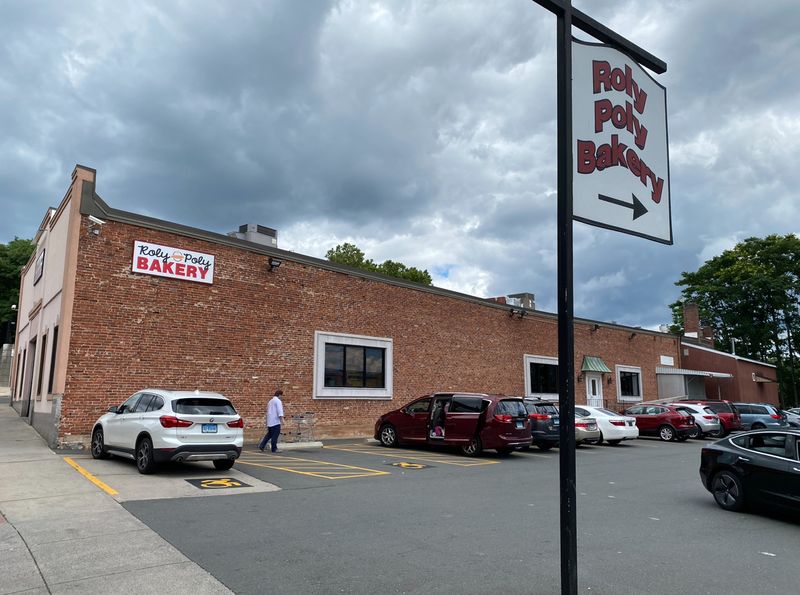
Sugar dust on your fingers is almost a badge of honor in New Britain. The city’s Polish bakeries turn out treats that taste like they came straight from a grandmother’s kitchen in Kraków.
For many locals, a bakery stop is simply part of the week.
The star is the paczki, a rich, puffy doughnut usually filled with fruit or cream. Across much of America, people line up for them only before Lent.
In New Britain, you can often find them well beyond that season.
Roly Poly Bakery is well known for its paczki in many flavors, plus a hearty rye bread that fans call deeply satisfying. Kasia Bakery also earns steady praise for its paczki, cakes, and breads.
Both help keep old recipes alive for a new generation.
Some shops in town mix a bakery with a deli and grocery, so you can grab a loaf and dinner fixings in one trip. Plan to go earlier in the day for the best selection, since popular items can sell out.
Try buying a few different pastries to share. Comparing flavors with friends is half the joy, and you may discover a new favorite you never expected.
5. Markets Stock Familiar Old-World Ingredients
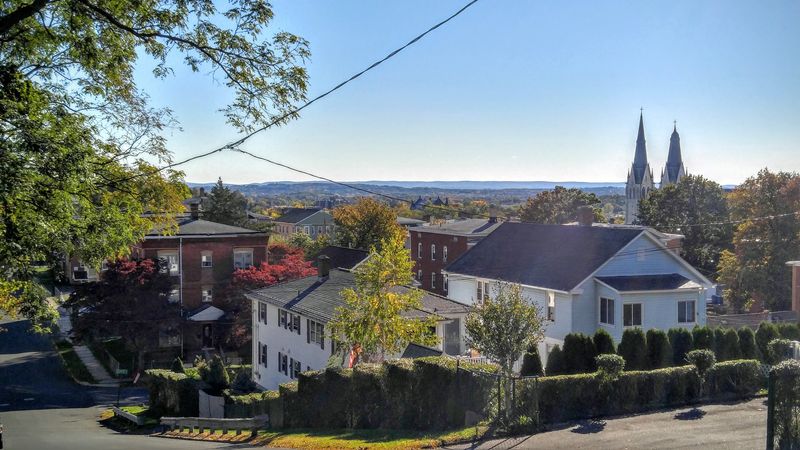
Shopping lists get longer the moment you enter a Polish market in New Britain. Shelves overflow with products that can be tricky to track down in regular supermarkets.
For home cooks, these stores are a real gift.
Polmart, at 123 Broad St, New Britain, CT, is described as one of the largest Polish-themed stores on the East Coast. Its deli cases hold cold cuts, smoked sausages, and cheeses.
Nearby aisles offer spices, teas, coffees, baking supplies, preserves, and jars of dill and garlic pickles.
Freshness matters here. Some markets bring in meats and cold cuts several times a week from suppliers in Chicago, New York, and around Connecticut.
That steady flow keeps the deli counters full and flavorful.
Groceries are only part of the story. You may also spot tablecloths, napkins, traditional clothing, and scented candles imported from Europe.
These make thoughtful gifts for anyone with Polish roots.
Staff members who speak Polish add to the welcoming feel, and they can be happy to help if you are unsure what to buy. Not sure where to start?
Pick up some smoked kielbasa, a jar of pickles, and fresh rye bread for an easy, delicious picnic.
6. Festivals Bring Generations Together Through Tradition
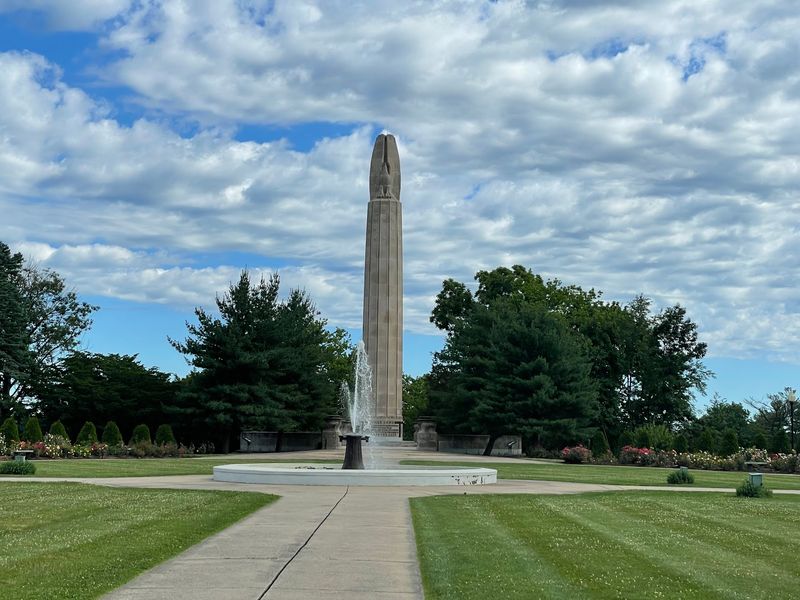
Over 30,000 people. That is how many fans the Little Poland Festival has drawn to Broad Street in recent years, which is remarkable for an event that began modestly in 2012.
On festival day, the whole neighborhood turns into one big celebration.
Folk dancers twirl in bright embroidered costumes while bands play on several stages. Vendor booths sell Polish crafts and souvenirs, and antique cars shine along the route.
Kids get their own activities, so families can easily spend the day.
Food, of course, is everywhere. Expect the smell of grilled sausage and fresh pastries to follow you from block to block.
Wear comfortable shoes and come hungry.
Another favorite is the Dożynki Harvest Festival, an older tradition rooted in Polish farm life. Traditionally, dożynki marked the end of the harvest season.
In New Britain, it usually features polka music, classic dishes, and lively dancing.
What makes these gatherings special is who shows up. Grandparents teach grandchildren the steps, and people with Polish roots reconnect with their past.
Many visitors say it feels like a trip to Poland without leaving the state. Check local event listings ahead of time, since dates can change from year to year.
7. Churches Reflect A Long Immigrant History
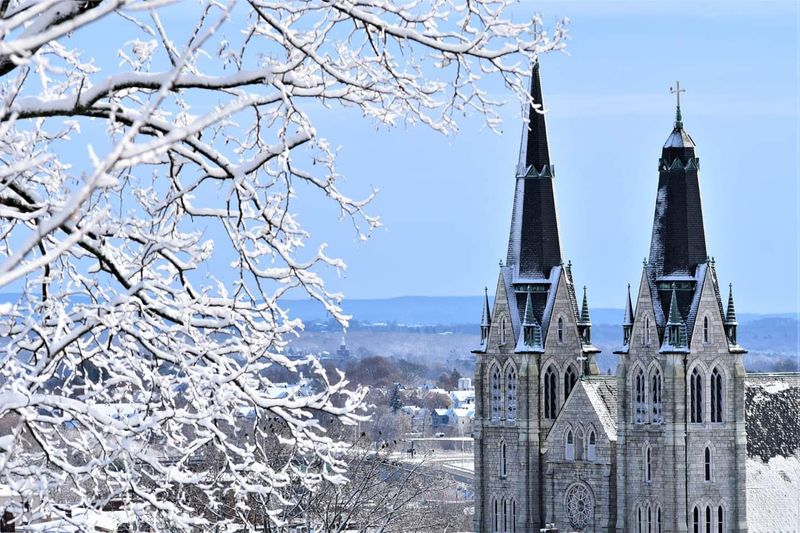
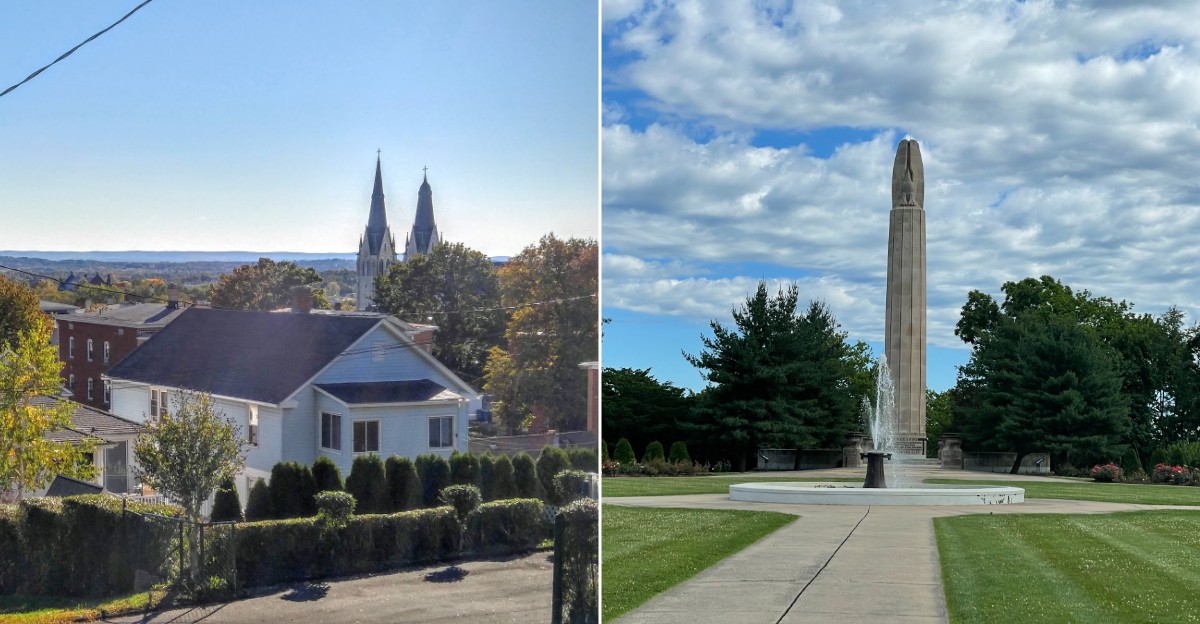
Long before Little Poland had an official name, its tallest landmarks were already rising above Broad Street. The city’s Polish churches tell the story of families who built new lives while holding tight to their faith.
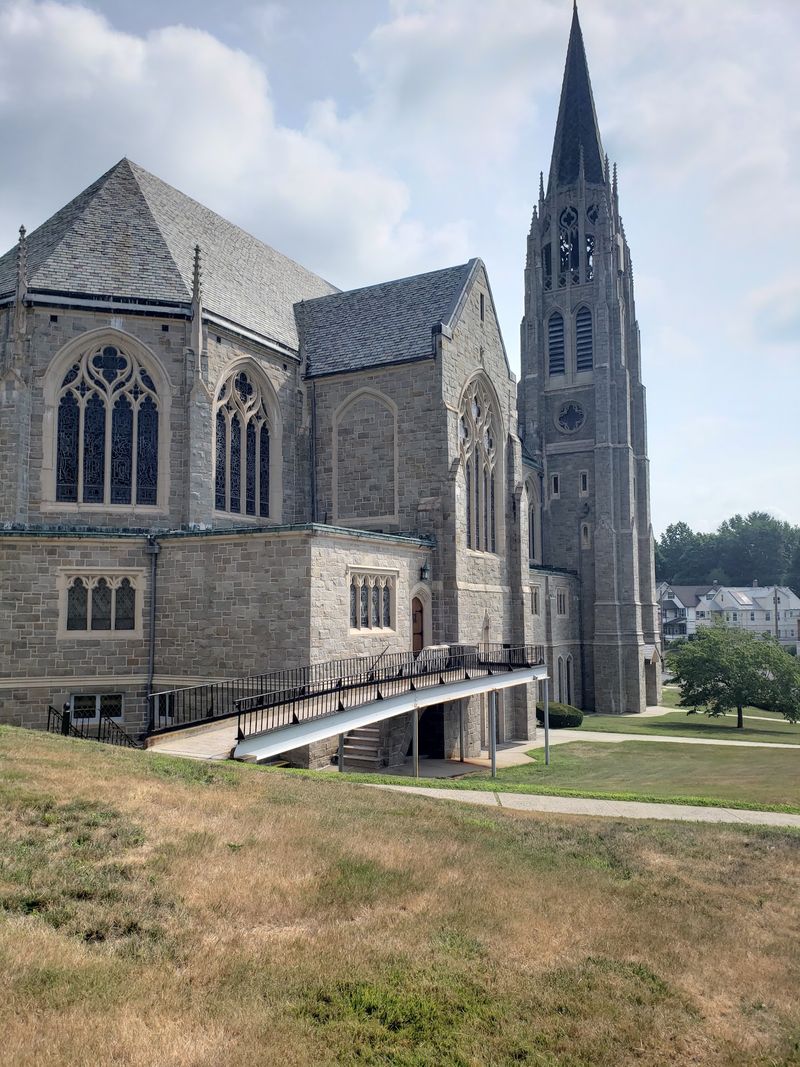
Sacred Heart Church, founded in 1894, is one of the oldest Polish American Roman Catholic parishes on the East Coast. Its current building went up between 1902 and 1904.
Made of white sand marble in the Gothic style, it has soaring spires that echo grand churches across Europe.
For generations, local families have gathered there for weddings, baptisms, and holidays. That long history makes the church feel personal to many residents.
Even if you only admire it from the sidewalk, the details are worth a slow look.
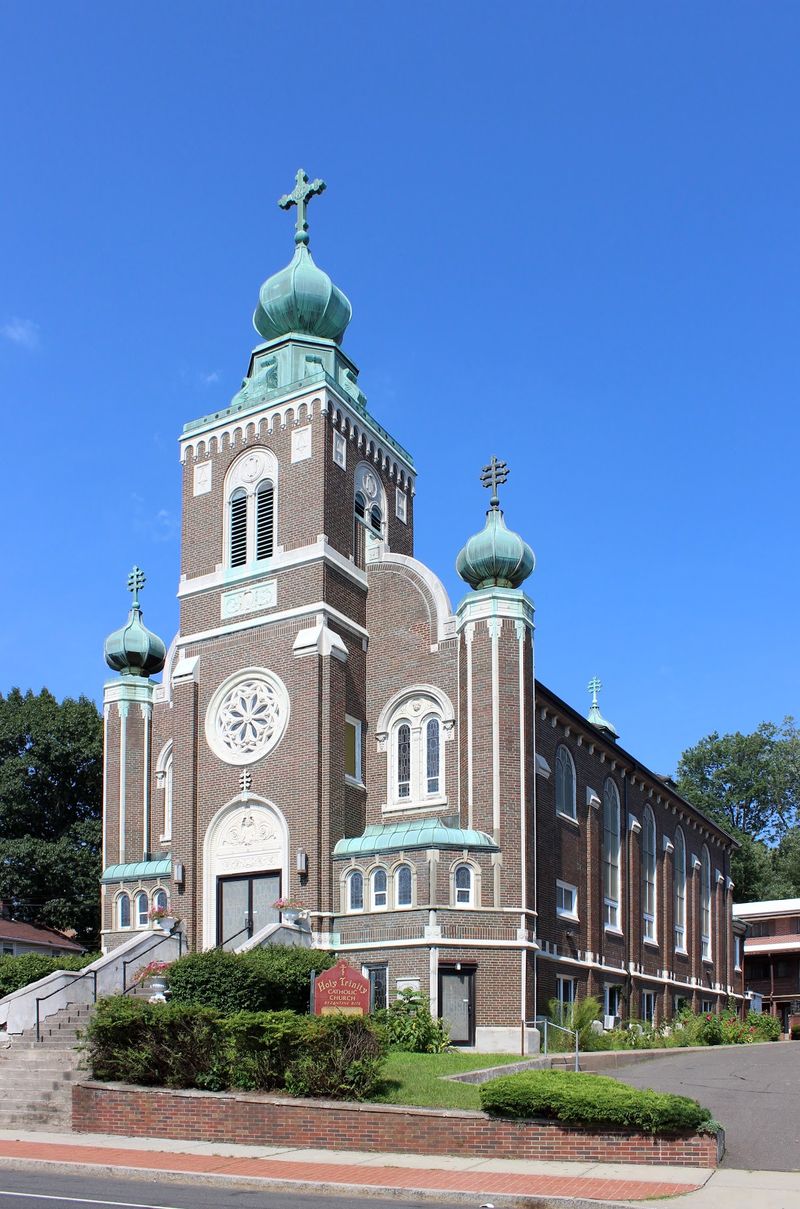
As the community grew, Holy Cross Parish was formed in 1927 as the city’s second Polish Catholic parish. Its neo-Gothic church was finished in 1936.
The city also cares for two Polish cemeteries. Sacred Heart Cemetery, opened in 1912, is known as the largest Polish cemetery in New England.
If you plan to visit any of these sacred spaces, be respectful and check service times first so you do not interrupt worship.
8. Family Businesses Keep The Neighborhood’s Identity Strong
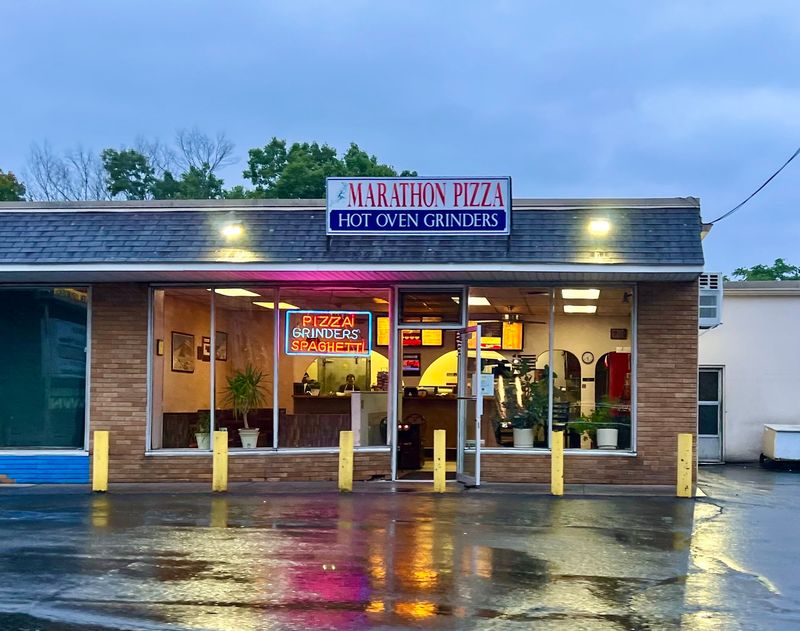
Behind nearly every counter on Broad Street, there is a family story. Recipes handed down from parents and grandparents shape what lands on your plate or in your shopping bag.
That personal touch is a big reason Little Poland feels so warm.
More than 100 businesses line this stretch, and most are Polish owned. Along with restaurants, delis, and bakeries, you will find gift shops and professional services.
Together, they make the street useful for locals and fun for visitors.
Many of these shops focus on homemade, authentic products. Shoppers often mention the home-style feeling, as if they were invited into someone’s kitchen.
Some businesses have served the community for generations.
Community teamwork played a major role too. In 2007, residents and business owners formed the Polonia Business Association.
The group helped lead the push to revitalize the area and earn the official Little Poland name the following year.
So how can you help keep this special place going? Shop small, try something new, and chat with the folks behind the counter.
Learning a simple Polish word like dziękuję, which means thank you, can bring a smile. Every visit supports the traditions that make New Britain truly one of a kind.