10 Spectacular Day Trips In Missouri That Turn The Train Ride Into The Main Attraction
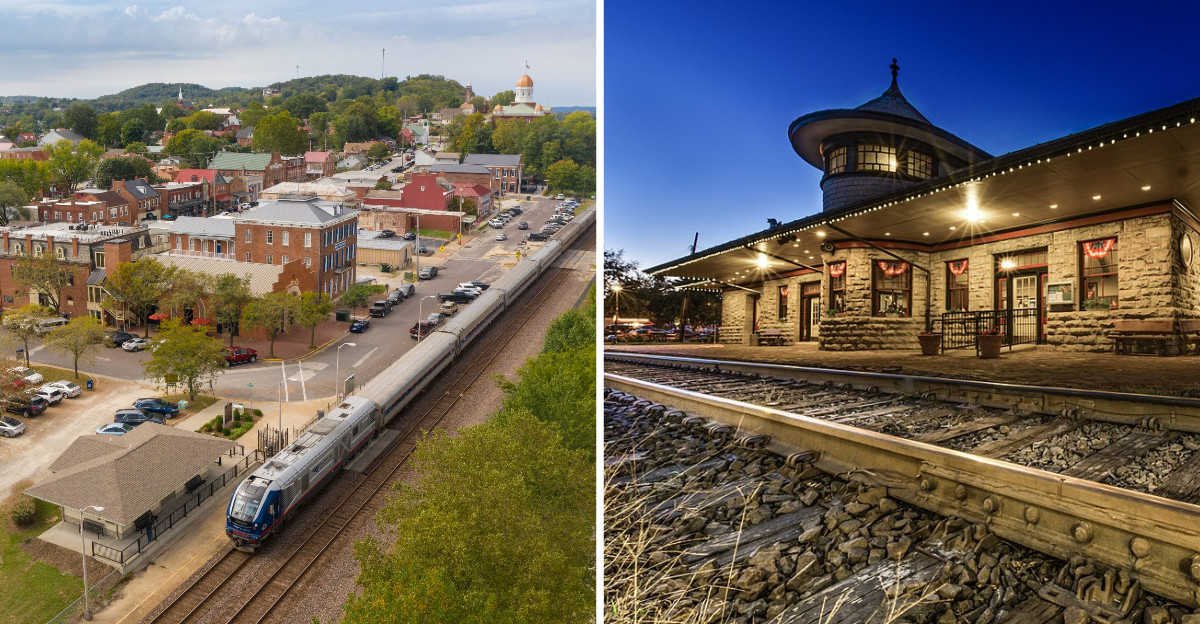
All aboard, because the boring part of the trip just got canceled!
Missouri train day trips make the journey itself worth paying attention to, with rivers, fields, towns, and city streets sliding past the window before you even arrive.
That changes the whole mood of the day. Nobody is staring at traffic or arguing over directions.
The scenery handles the entertainment while the destination waits ahead. Then, after exploring, the return ride feels like a built-in wind-down.
You get adventure on both sides of the station.
Honestly, when the window seat is this good, arriving almost feels like only half the point.
1. Kansas City Union Station, Kansas City
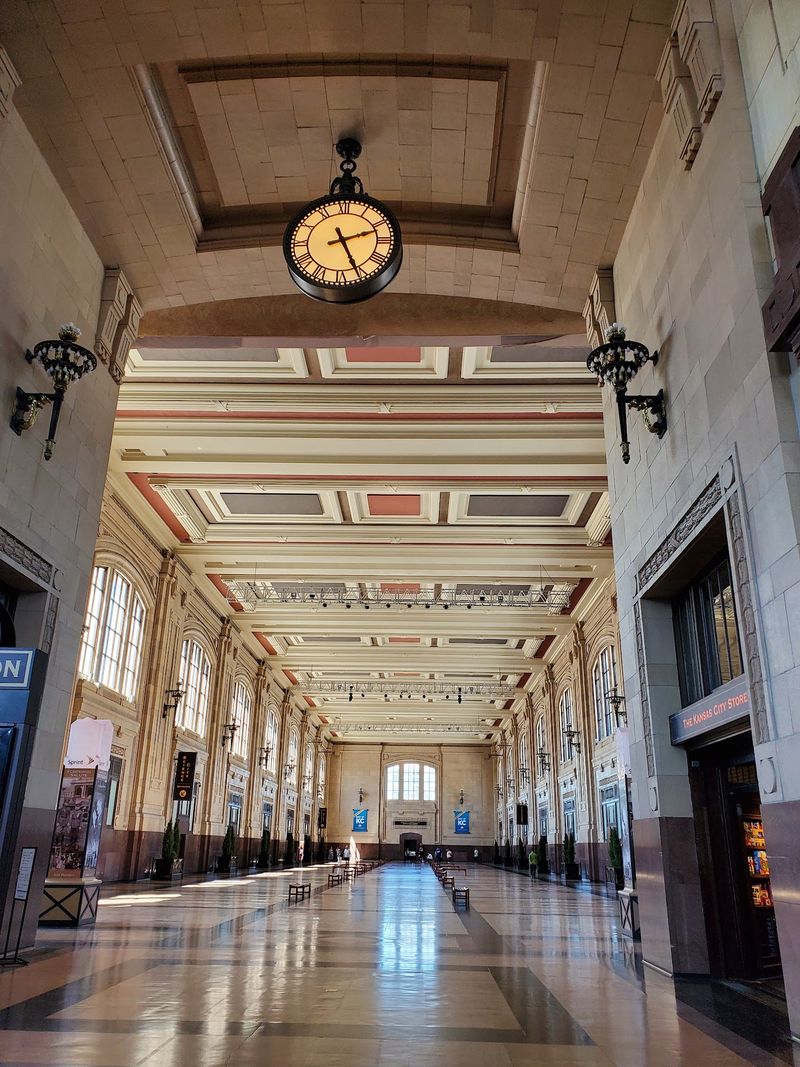
That ceiling deserves a longer look than most departure boards.
Kansas City Union Station opened in 1914, and the building gives a rail day trip a strong beginning before the train even moves.
The Grand Hall rises beneath a 95-foot ceiling, with three massive chandeliers and a six-foot clock creating an arrival space that still feels tied to the golden age of passenger rail.
There is enough inside the station to build an entire outing around the stop. Science City offers more than 300 interactive exhibits, while the Arvin Gottlieb Planetarium adds full-dome astronomy programs.
The free Model Train Gallery covers about 8,000 square feet, making it an easy choice for anyone who wants the rail theme to continue after leaving the platform.
Union Station also connects with the Kansas City streetcar and local transit, so exploring beyond the building does not require returning to a car. Crown Center sits nearby, and the station itself includes dining and rotating attractions.
The Amtrak stop remains at 30 W Pershing Rd. The Beaux-Arts setting makes even a brief station layover feel substantial.
When departure time approaches, the passenger platforms remain within the same historic complex, keeping the transition back to the train straightforward.
The station can carry a short visit on its own, while transit connections leave room for a broader city day.
2. Independence Amtrak Station
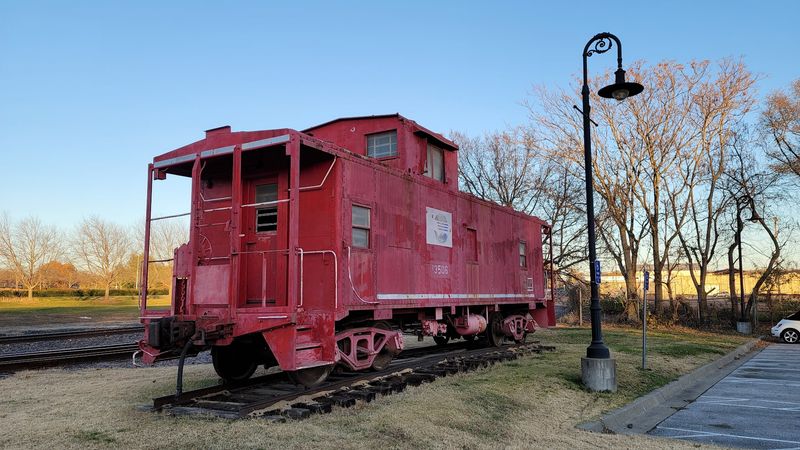
Here is a thought: the quietest stop might spark the best conversation. I like watching the view settle into neighborhood streets before the train arrives.
Independence offers a very different rail outing from Kansas City.
The Amtrak stop at 600 S Grand Ave uses a red-brick depot built in 1913 for the Missouri Pacific Railroad, and its long connection with the city’s presidential history helped earn National Register recognition.
History is the natural theme beyond the platform. Independence Square centers on a historic courthouse, shops, restaurants, and markers connected with westward migration.
A citywide Truman Trail links more than 40 places associated with the 33rd president, while the presidential library and museum adds a deeper look at major twentieth-century events.
Not every attraction sits directly beside the station, so a focused route makes the day easier. Walking can cover part of the historic core, while the city’s on-demand IRIS service can bridge longer gaps when needed.
The depot itself deserves more than a quick glance before the return trip. Its broad roof, brick walls, and railroad history give the stop a sense of place before any museum visit begins.
Choose one major historical site, leave room for the square, and avoid turning the afternoon into a checklist. Independence works best when the train ride and the city’s layered history share equal space in the day.
3. Lee’s Summit Amtrak Station
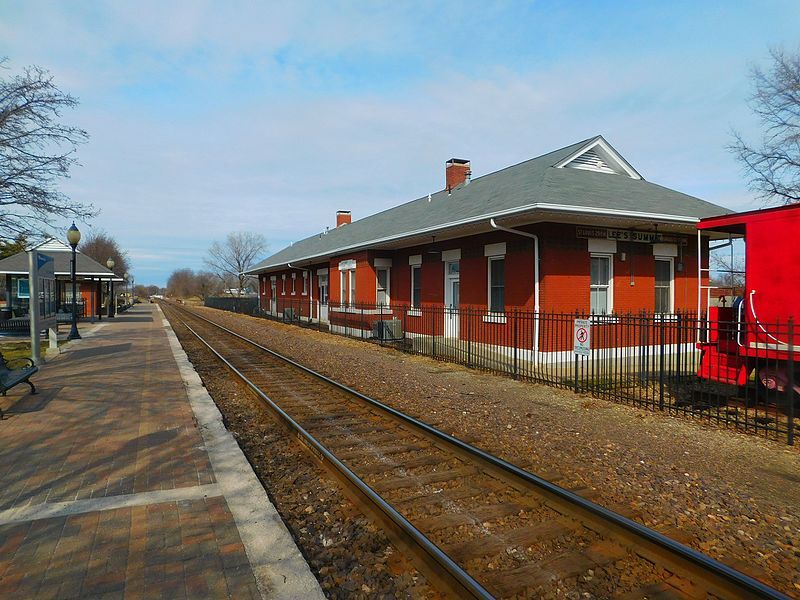
Call me easily impressed, but arriving near downtown changes the whole day. There is no need to make a complicated plan right away.
Lee’s Summit may be one of the easiest Missouri River Runner stops for a simple park-free outing.
The station sits at 217 SW Main St, only steps from downtown restaurants and shops, so the move from train to sidewalk happens quickly. The compact center suits travelers who would rather browse than chase a checklist.
Local storefronts, dining rooms, seasonal events, and public spaces are clustered close to the tracks. That makes it possible to fill several hours without arranging another ride after arrival.
The station has a covered waiting area, while the surrounding downtown district gives the stop a much stronger sense of place than a bare platform. Public parking nearby also helps travelers beginning their rail trip here.
For a calmer afternoon, build the visit around a stroll, a meal, and one or two shops that catch your attention. Comfortable shoes matter more than a packed itinerary.
Once seated again, notice how quickly the downtown blocks give way to broader views. Lee’s Summit proves that a rail day does not need a major museum or famous landmark to feel complete.
Sometimes the convenience of stepping off a train directly into an active downtown is the attraction that matters most.
4. Warrensburg Amtrak Station
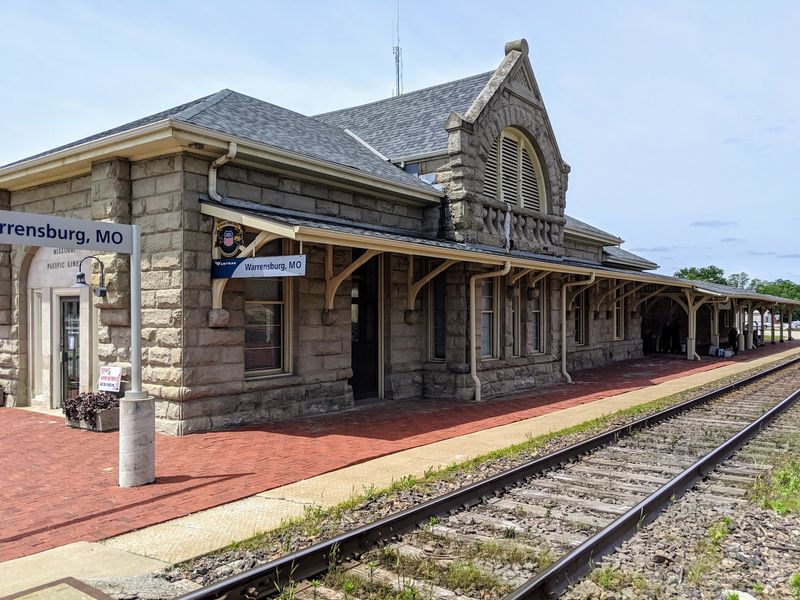
Something about a small station makes me slow down immediately. Maybe it is the chance to hear the train before seeing it.
Warrensburg’s depot gives that feeling some architectural weight.
The sandstone station opened in 1889 and stands at 100 S Holden St in the heart of downtown, only a few blocks north of the University of Central Missouri campus.
The building itself makes a worthwhile first stop. Downtown offers restaurants, shops, public art, galleries, and historic sites within a relatively compact area.
The original Johnson County Courthouse and museum complex add context to the town’s nineteenth-century history, while the Old Drum statue recalls the famous court case connected with the phrase “man’s best friend.”
A longer walk can reach the university, where rotating art exhibitions and campus spaces add another direction for the afternoon.
Several Victorian homes also survive southeast of downtown, giving architecture fans something to notice beyond the commercial blocks.
The station’s light gray sandstone and Richardsonian Romanesque character separate it from the simpler platforms elsewhere on the route.
Its central location also means the town unfolds naturally from the tracks rather than requiring a complicated transfer. Before boarding again, return with enough time to appreciate the depot from the platform.
In Warrensburg, rail history, downtown streets, public art, and the university all sit close enough together to make a relaxed outing feel varied without becoming rushed.
5. Sedalia Amtrak Station
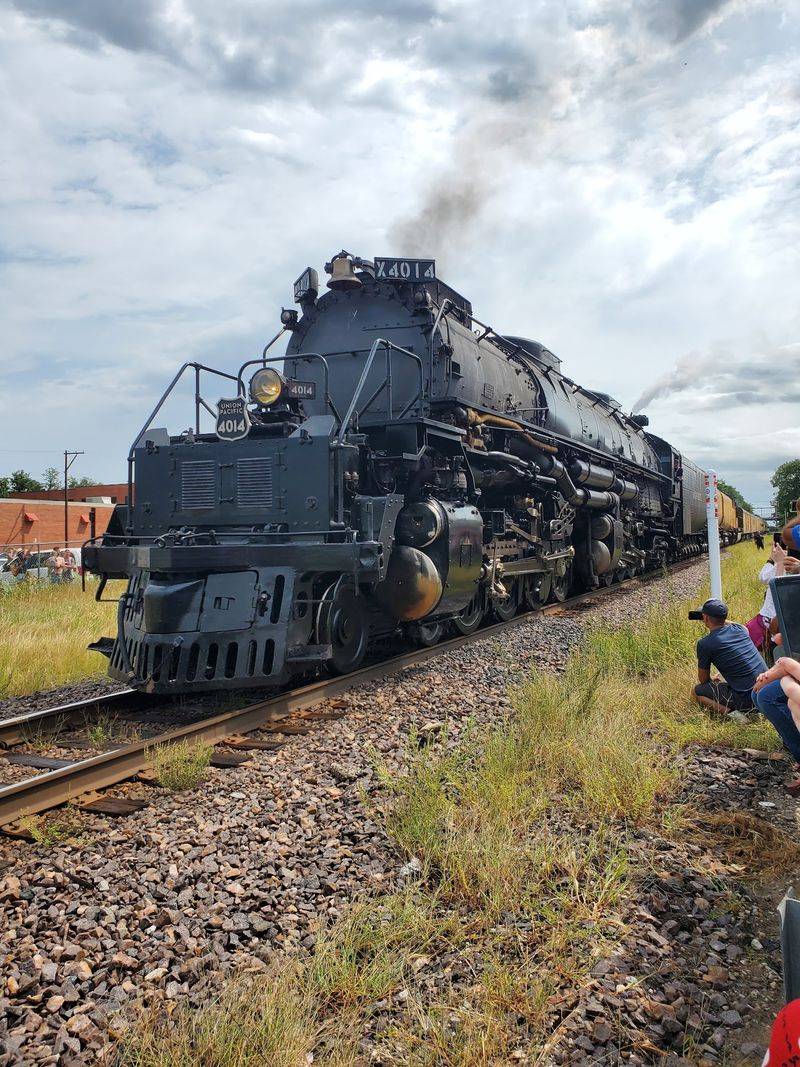
Have you noticed how a train window makes ordinary details interesting? Even a familiar street can look different beside the tracks.
Sedalia gives rail travelers more than one reason to keep that mindset after arrival.
The Amtrak depot sits at Pacific Street and North Osage Avenue, a few blocks north of downtown and about six blocks from the Katy Trail. That location makes history and rail culture easy to combine.
Downtown Sedalia includes a National Historic District, restaurants, shops, and cultural stops. The Katy Depot, reached by a short street connection from the Amtrak station, serves as a trailhead and interprets the city’s railroad heritage.
From there, the Katy Trail stretches far beyond town, though a short section is enough for a day visit.
The current station building dates to 1886, although a major 1951 remodeling gave it much of its present mid-century appearance.
That contrast between an older railroad story and a later exterior makes the depot more interesting than its simple profile first suggests.
A manageable afternoon works best here. A downtown loop, a museum or gallery, and a brief trail walk provide enough variety without creating a race back to the platform. Leave a few minutes at the end to watch the tracks again.
6. Jefferson City Amtrak Station
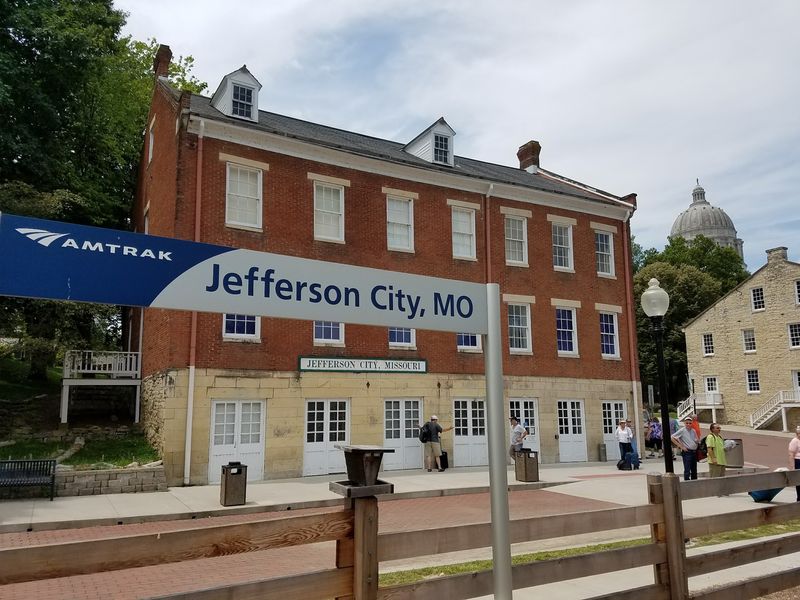
Here is my favorite rail trick: save a window seat for the river approach.
The changing view gives this outing a strong opening before you arrive.
Jefferson City is well suited to travelers who want to step off the train and begin exploring almost immediately.
The station at 101 Jefferson St sits beside Jefferson Landing State Historic Site and below the Missouri State Capitol, placing major attractions within a compact downtown loop.
The Capitol contains the Missouri State Museum and an extensive public-art collection, including prominent murals. Guided Capitol tours operate year-round, while public areas can also be explored independently.
Nearby, the Governor’s Mansion, memorials, gardens, and historic buildings add more stops without requiring a car. For river views, the Bicentennial Bridge crosses the railroad tracks from the Capitol complex to Deborah Cooper Park on Adrian’s Island.
The pedestrian route leads to trails, public art, and open views of the Missouri River. Local tourism officials specifically promote the station as a starting point for exploring downtown on foot, and the geography explains why.
History, government, architecture, and river scenery fit inside a small area. The terrain rises away from the water, so comfortable shoes still matter.
Keep the itinerary centered on the Capitol district, and Jefferson City delivers one of the route’s clearest examples of a train arrival becoming the beginning of the sightseeing rather than a transfer between places.
7. Hermann Amtrak Station
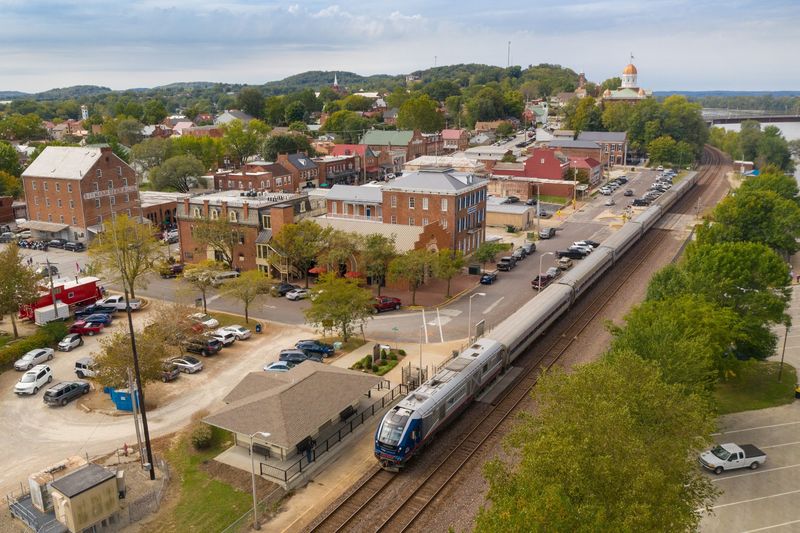
Just imagine opening your curtains to river scenery instead of traffic.
I would spend much of this ride watching the changing shoreline. Hermann turns that river approach into a convenient arrival.
The Amtrak station at 301 Wharf St contains the visitor information center and sits between the Missouri River and the historic downtown grid.
Maps, local information, restrooms, and free luggage lockers are available at the station, making it easy to begin walking without extra logistics. A self-guided route can lead through nineteenth-century streets, small parks, shops, and museums.
Deutschheim State Historic Site preserves two mid-1800s homes and interprets the German immigrant heritage that shaped the community.
The riverfront walking tour adds historic commercial buildings, the courthouse, and other landmarks within the central district.
The town actively promotes rail day trips because so much of the historic core is within walking distance of the platform. That compact layout leaves more time for wandering and less time figuring out transportation after arrival.
George Johnson Park sits beside the tracks and river, offering a simple place to pause between downtown stops. Passing trains reinforce the sense that rail travel still belongs to the town’s everyday rhythm.
Leave some time unscheduled near the water. Historic brick buildings, the Missouri River, and the station share the same small area, giving Hermann an arrival scene that feels complete before the first planned attraction even begins.
8. Washington Amtrak Station
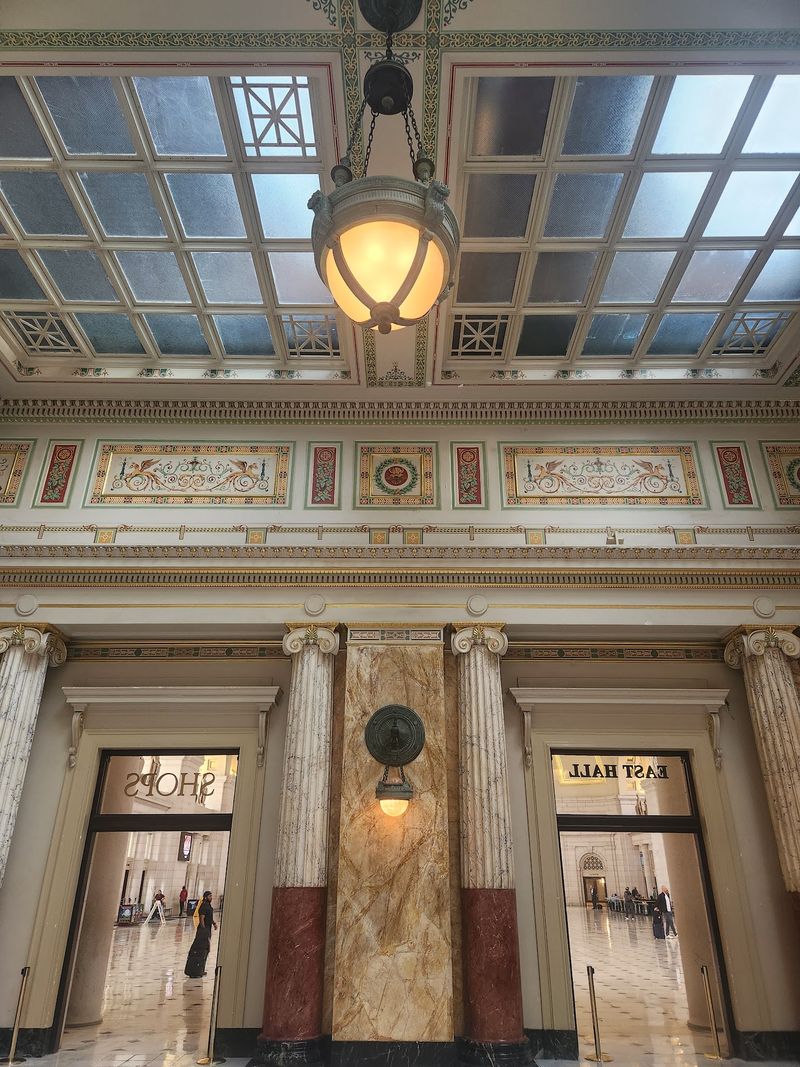
I had to check my map before heading out, then the riverside set the pace.
A little planning leaves more time to enjoy the view. Washington makes that approach simple because its Amtrak stop is already part of the riverfront district.
The 1923 depot at 301 W Front St houses a passenger waiting room, the city visitor center, and the Mid-Missouri Fine Arts Gallery.
The Missouri River sits directly beside this part of town, so a relaxed day can combine the riverfront, historic streets, galleries, and local museums without arranging a complicated transfer.
Washington’s long manufacturing history also includes its association with corncob pipes, a story interpreted through local displays.
Missouri tourism officials specifically promote the St. Louis-to-Washington segment as a practical day trip, and the station’s location explains the appeal. The riverfront park, historic district, and visitor services all begin close to the tracks.
The depot itself is part of the experience rather than a place to hurry through. Its historic role, current gallery space, and riverfront setting make arrival feel connected to the town instead of separated from it.
When the weather cooperates, begin near the water and work inward through downtown. That keeps the route compact while still allowing time for a meal, a gallery, and a slower look at the historic streets before returning to the platform.
9. Kirkwood Amtrak Station
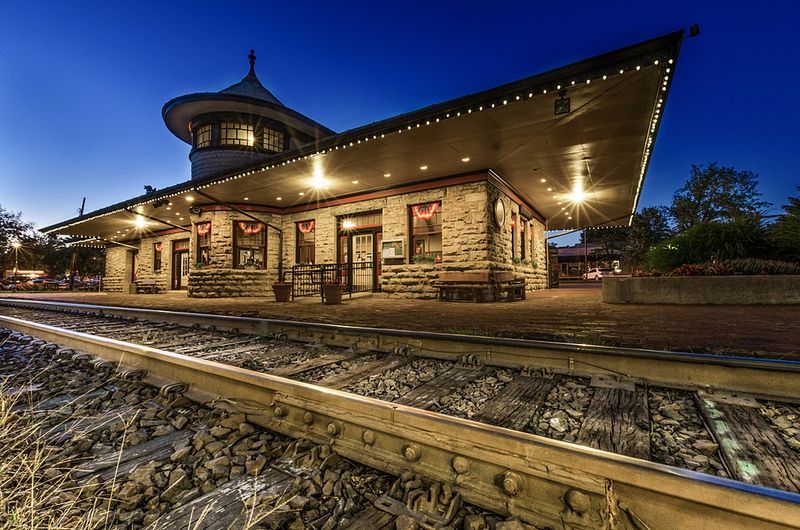
Look closely at the station before hurrying into town. Its historic character makes waiting for a train part of the outing.
Kirkwood’s depot was built in 1893 in the Richardsonian Romanesque style and was listed on the National Register of Historic Places in 1985.
A major restoration reached a public milestone with a ribbon cutting in September 2026, while final work continued.
Passenger service remains at 110 W Argonne Dr. The location is one of its biggest advantages.
Downtown Kirkwood surrounds the station with restaurants, shops, and the city’s farmers market, while the broader downtown district is itself listed on the National Register.
The restored depot also includes displays tied to local rail history. Travelers who want more than a downtown stroll can look toward nearby cultural and family attractions, but a simple station-and-main-street plan already fills a comfortable visit.
The Magic House and local historical sites provide additional options without pushing the day into central St. Louis.
The renovation gives a train-focused outing extra relevance because the station remains a civic landmark rather than a purely functional platform. Its preservation has been treated as part of downtown Kirkwood’s identity for decades.
Give the building a second look before boarding. Stone walls, restored details, rail history, and the surrounding business district create a departure scene strong enough to make the station itself one of the day’s memorable stops.
10. St. Louis Gateway Station
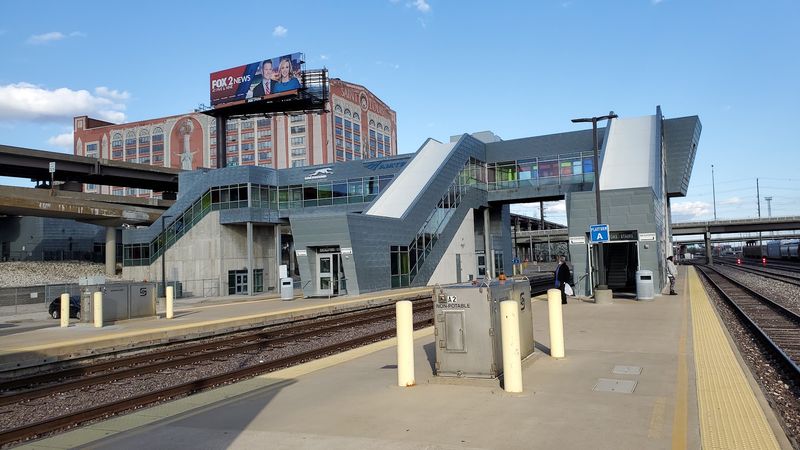
A busy terminal can be exciting and confusing. I make my return plan before I start exploring.
St. Louis Gateway Station is the most urban stop on the Missouri River Runner and differs from the smaller depots.
The intermodal terminal at 430 S 15th St opened in 2008 and brings Amtrak, light rail, city buses, and intercity buses together downtown. That network makes a car-free day possible, but it also means choosing a focused plan.
Downtown attractions are spread across a larger area than in Hermann or Lee’s Summit. MetroLink can shorten the distance, while walking works for selected destinations closer to the station.
The Gateway Arch is an obvious landmark for first-time visitors. The 630-foot monument anchors a riverfront national park, with a museum below and timed tram trips to the top.
Other downtown museums and parks can fill the remaining hours. Gateway Station also serves Amtrak routes beyond the Missouri River Runner, reinforcing its role as a regional transportation hub rather than a decorative historic depot.
Inside, the emphasis is on connections and practical travel rather than sightseeing. Keep one major attraction at the center of the plan and use transit for the longer jumps.
St. Louis rewards ambition, but a rail day feels far better when the city becomes a focused sample instead of a race across downtown.