A Forest Service Cabin Sits Beside These Oregon Hot Springs For An Unforgettable Overnight Escape
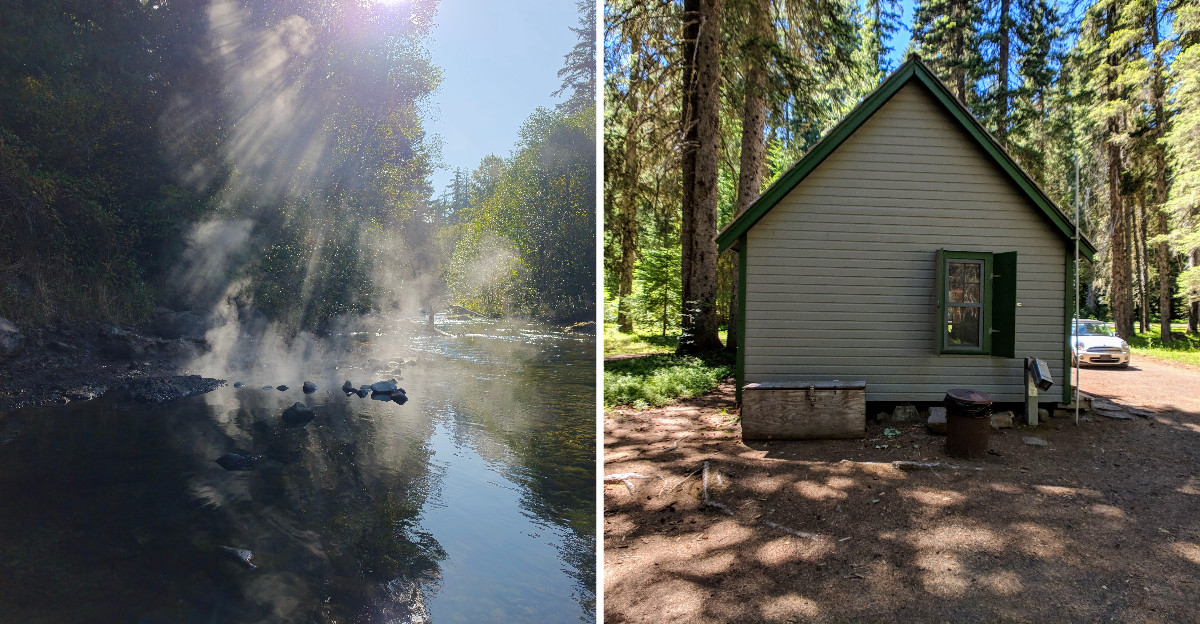
Hold on, can you actually sleep beside these Oregon hot springs?
Not quite, and that twist is worth knowing before the overnight fantasy gets too comfortable.
The old cabins belong to the area’s history, while today’s visit is better planned as a daytime soak beside the creek. Honestly, the setting hardly needs a cabin to feel special.
Warm pools sit beneath tall trees while rushing water changes the atmosphere from one moment to the next.
Temperatures can shift too, so the experience never feels completely predictable.
The resort story may live in the past, but the hot springs still know how to steal an afternoon.
The Easy Forest Approach
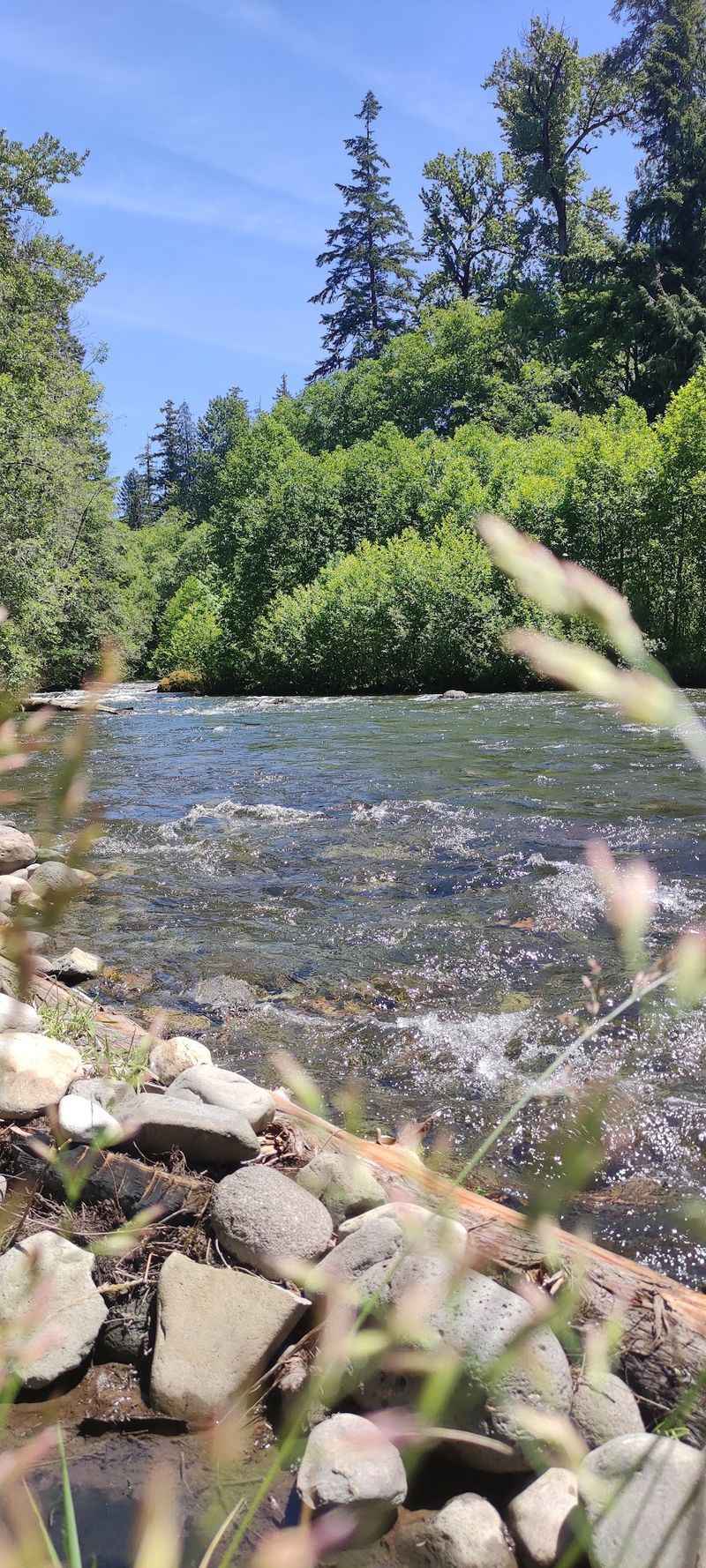
The north bank requires very little hiking. A short path links the signed day-use parking area with the creekside pools.
Shoes with good grip still help because damp roots, mud, and uneven ground can make a short walk awkward.
McCredie Hot Springs sits near Oakridge, Oregon, in the United States. The springs lie within Willamette National Forest, beside Salt Creek and Oregon Route 58. The signed day-use area is the simplest place to begin.
Traffic passes nearby, even when the trees make the setting feel quiet.
Before leaving Oakridge, saving an offline map is a sensible precaution. Phone service can vary through this mountain corridor, and a saved route helps with the return drive.
Current Forest Service notices and road conditions are also worth checking before setting out.
There is no conventional street number to look for among the trees. The developed access point is McCredie Day Use Area along Oregon Route 58 near milepost 46.
The parking area is small, with basic day-use facilities rather than the services of a developed resort.
The Cabin That Vanished
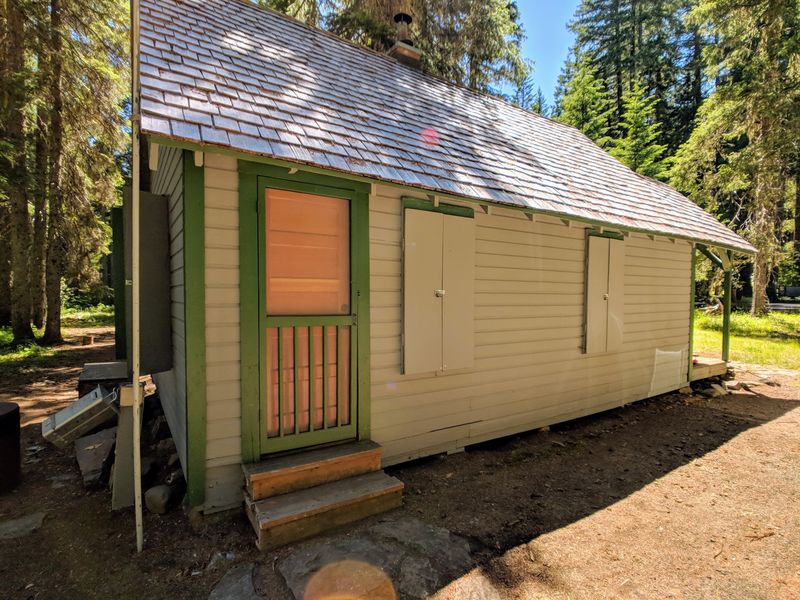
That overnight cabin in the headline calls for a reality check.
The springs themselves are a day-use destination, and overnight camping is not allowed at the soaking area. No Forest Service rental cabin stands beside the pools today.
The cabin story belongs to the site’s past. A trapper built a cabin near the springs in 1878 and lived there for a time. Later, the Forest Service required him to leave.
The area eventually gained a resort with lodging. Its hotel was lost to a fire in 1958, and a flood struck in 1964. Afterward, the Forest Service ended the lease and removed the remaining buildings.
The undeveloped banks visitors see today reflect that long change.
Box Canyon Guard Station is a reservable Forest Service cabin elsewhere in Willamette National Forest, but it is a separate destination rather than lodging beside McCredie Hot Springs.
Plan the soak during daylight hours and leave before the nighttime closure. Any overnight stay needs to happen at a legal campground, lodging property, or rental away from the springs.
Nearby camping options exist elsewhere in the forest, but they should be planned separately from the day-use visit.
Pools That Keep Changing
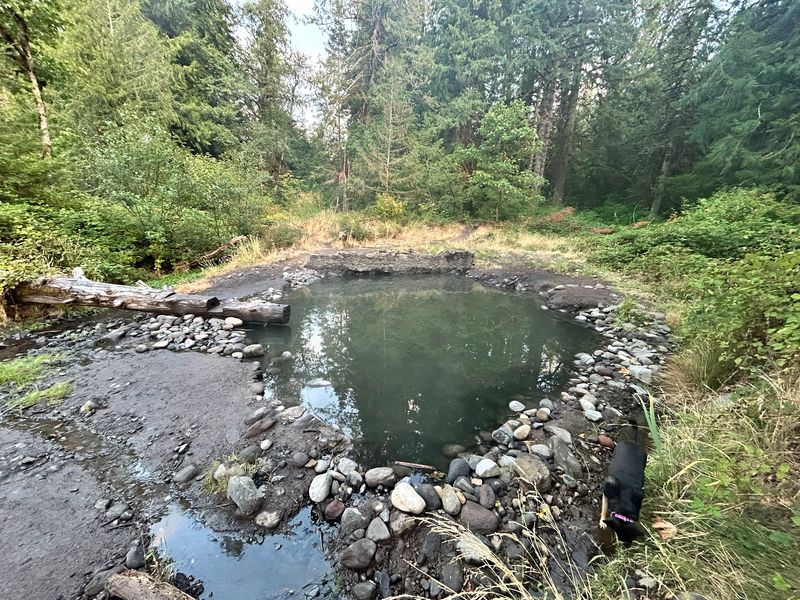
A pool can look inviting and still need a careful test.
At McCredie Hot Springs, water rises far hotter near its source than in many soaking spots. Creek water cools some pools, but the mix changes across short distances.
Test the water cautiously before putting a foot in.
Rock walls help shape the pools, while silt settles on their bottoms. Neither feature makes the water temperature steady. Enter slowly, keep your balance, and avoid places where spring water enters directly.
If one area feels too hot, move away instead of trying to adjust.
Salt Creek also changes the pools themselves. Higher water can shift rocks and cover familiar soaking spots, especially during runoff or after storms. A pool shown in an older photograph may not have the same shape during a later visit.
That makes patience more useful than chasing a particular picture.
Drink water and take breaks outside the pools. The hottest source water is not a place to test your courage. Oregon’s wild springs reward careful attention, not speed.
Two Banks To Explore
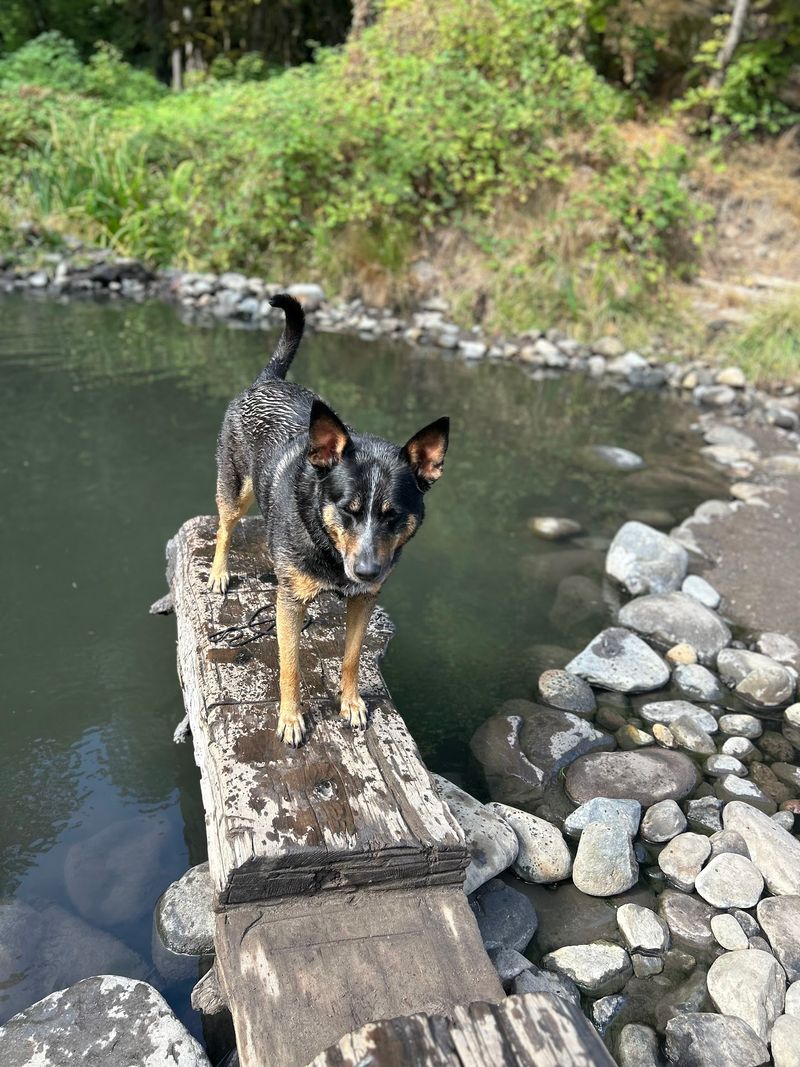
The creek divides the visit into two different approaches. The north bank is reached by a short path from the day-use parking area. Its easy access provides a simple first look at current creek and pool conditions.
South bank pools have a separate land approach. Current directions describe continuing east on Route 58, turning onto Shady Gap Road, and crossing a one-lane bridge.
An unpaved road leads toward a pullout, followed by a short trail downstream. Road and trail conditions are worth confirming before driving there.
Salt Creek should not be treated as a shortcut between banks. Water can run fast, and its depth changes with weather and season. Logs and loose stones are not reliable bridges.
Staying on the established land route lets the creek remain part of the view, not a crossing plan.
The south bank walk is longer than the north bank approach. Leave enough daylight to return without hurrying along an unfamiliar path.
A Forest With Sound
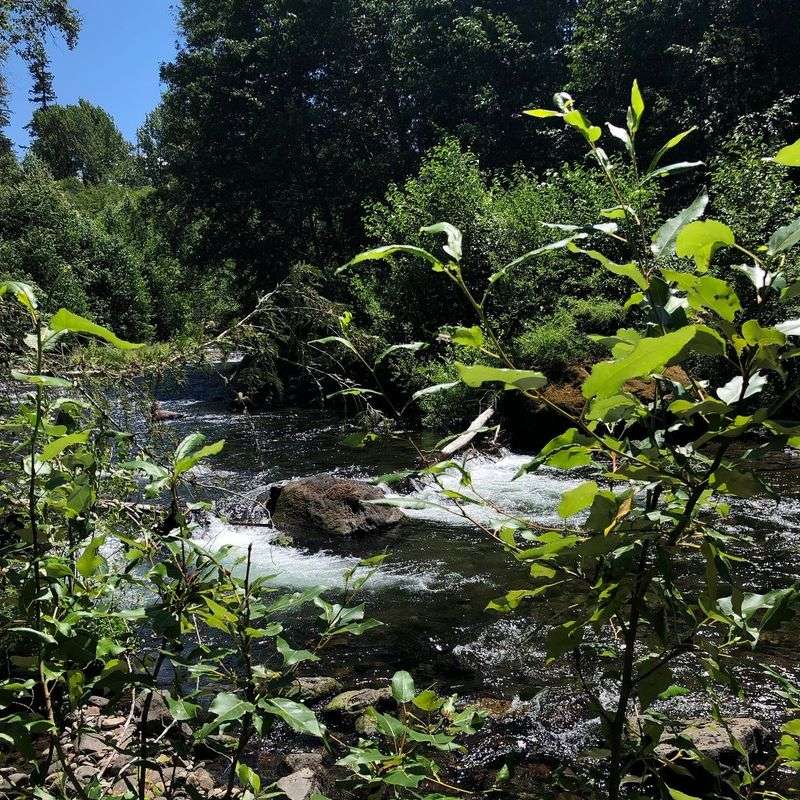
Even before reaching the water, Salt Creek can be heard moving through the trees.
That steady sound gives the place much of its character. Douglas fir and hemlock surround the banks, and moss adds color to shaded branches.
The setting is natural, not a polished spa. Mud, fallen needles, and uneven ground are part of the visit. A small bag for damp clothes can keep the rest of the day’s gear dry.
Simple planning keeps belongings off the wet ground.
Oregon weather can change a forest visit quickly. A dry layer is useful even when the parking area feels warm. Shade beside the creek may feel cooler after a soak.
Keeping a towel ready makes that transition easier.
Music and voices are best kept low near the water. The creek already provides enough sound for the afternoon. Small courtesies help everyone enjoy the same stretch of bank without competing for space.
A quiet minute beside the creek is easy to overlook when the pools get all the attention.
Resort Days By The Creek
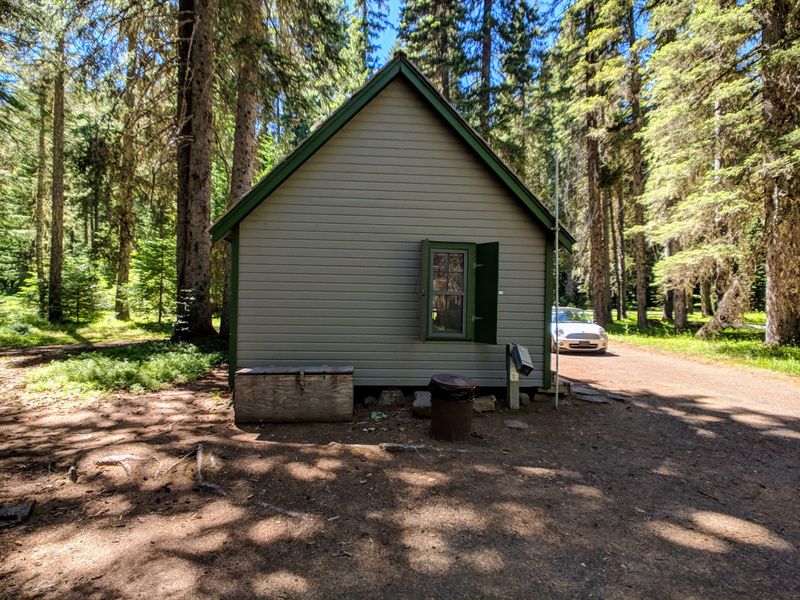
It’s easy to miss how busy these banks once were.
McCredie Hot Springs developed into a resort after its early cabin years. A hotel opened in 1914, when the site was called Winino Springs. A later leaseholder gave the springs the name visitors know now.
The resort eventually included cabins, a store, and a swimming pool. Passenger trains also served the area during its popular years. That history adds context to today’s open creek bank.
The contrast helps explain why an older cabin story still circulates.
The hotel’s fire in 1958 changed the resort. A major flood in 1964 damaged the bridge and swimming pool. After the lease ended, the remaining structures were removed.
There are no resort buildings to search for along the soaking area today.
History feels clearest here when the current landscape is allowed to speak for itself. The creek continues past the former resort area, and the spring water still reaches the pools.
That lasting feature connects the old destination with the day-use site visitors can experience now.
Good Manners At The Pools
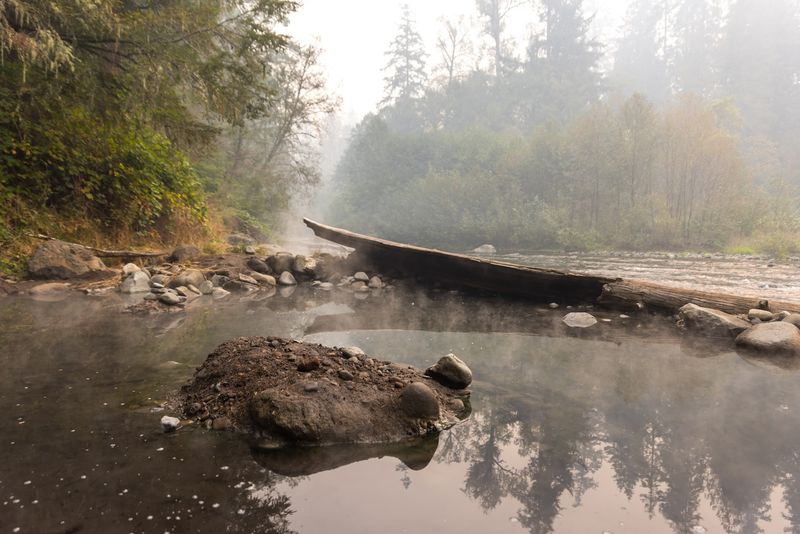
Shared pools work better when visitors arrive ready to share them.
Clothing-optional use is common here, so expect people to make different choices. Give everyone room and keep cameras pointed away from strangers. If the pools feel crowded, waiting is better than squeezing in.
There are no changing rooms or showers at the springs. Practical layers make it easier to keep clothes dry.
The north-side day-use parking area has a basic toilet, but visitors should bring their own drinking water and plan to carry waste back out.
Dogs should remain leashed and out of the soaking pools. Their comfort also matters if the visit includes a long soak. Every scrap of rubbish should leave with the people who brought it.
Glass does not belong near bare feet and rocky water.
Caring for an undeveloped site means leaving its simple features intact. Keep soap and shampoo out of the pools and creek. Quiet conversation and a tidy bank make the next visitor’s arrival easier.
Plan A Daytime Escape
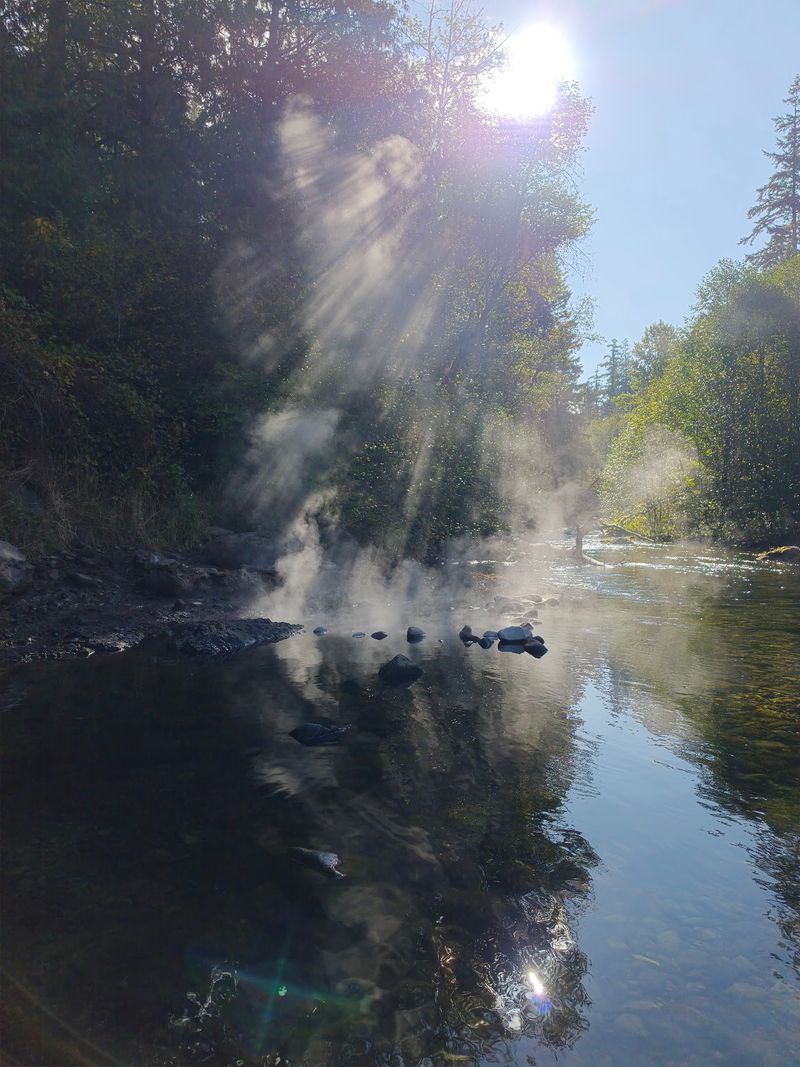
The smartest overnight plan starts by knowing where the day visit ends.
At McCredie Hot Springs, arrive with enough daylight for the trail, a soak, and an easy return. The site is day-use only, so do not set up camp beside the pools.
Before driving, check current Forest Service notices and weather. Creek levels can change access to natural pools, especially during wet periods and spring runoff.
Summer and fall often bring more stable soaking conditions, but the forecast matters more than the calendar. Skip any pool that looks unsafe or flooded.
A simple bag can hold drinking water, a towel, dry clothes, and sturdy shoes. Saved directions are useful for the drive back.
At the parking area, check posted rules for current day-use or recreation-pass requirements. That takes less effort than guessing once you arrive.
The cabin promise belongs to history, yet the daytime visit still has plenty to offer. Visitors can hear the creek, test a comfortable pool, and leave the banks clean. Overnight plans simply need to happen somewhere else.