A $100 Billion Project Is Headed To This Town, And It Could Change Western Kentucky Forever
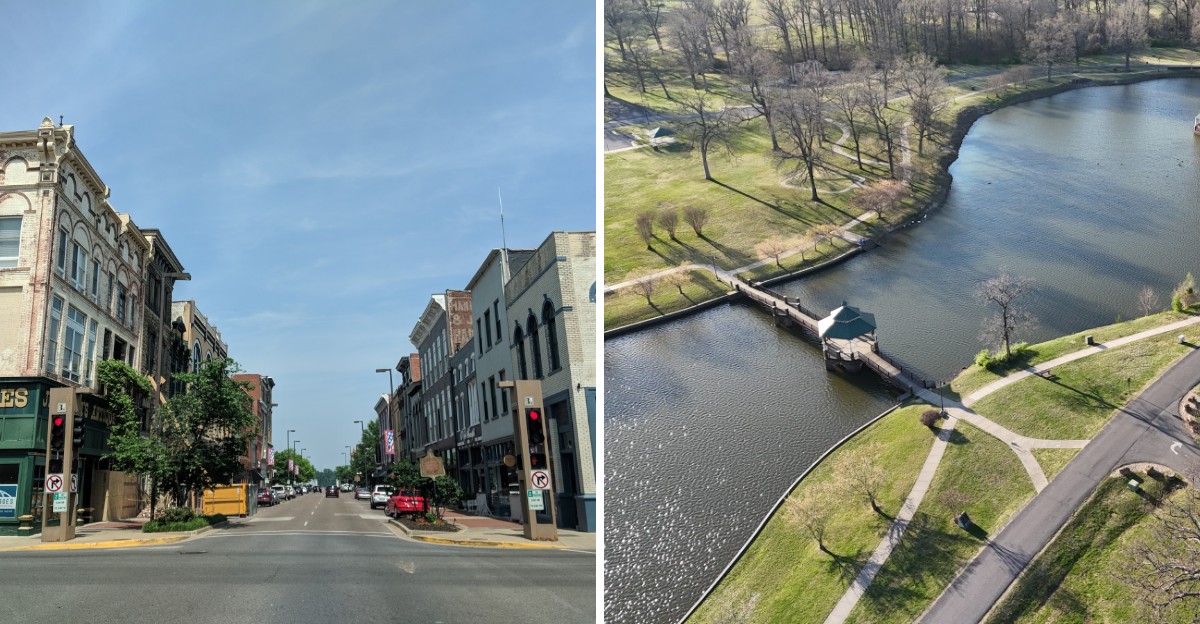
Most towns celebrate a new coffee shop or a fresh coat of paint on Main Street. This western Kentucky community just heard a number with eleven zeros attached.
A project worth more than one hundred billion dollars is planned for a former uranium enrichment site nearby. Yes, you read that correctly, and yes, the calculator is still recovering.
The plan calls for a massive campus built to power artificial intelligence. Officials expect it to bring around eight thousand construction jobs and six hundred permanent ones.
It would also come with its own new energy infrastructure. That’s a lot of change for a place better known for quilts and river views.
Of course, big plans come with big questions, and it’s fair to have some. Construction isn’t expected to wrap up until 2031.
Until then, though, you get a front row seat to one of the largest investments in Kentucky history.
The Price Tag That Made Everyone Look Twice
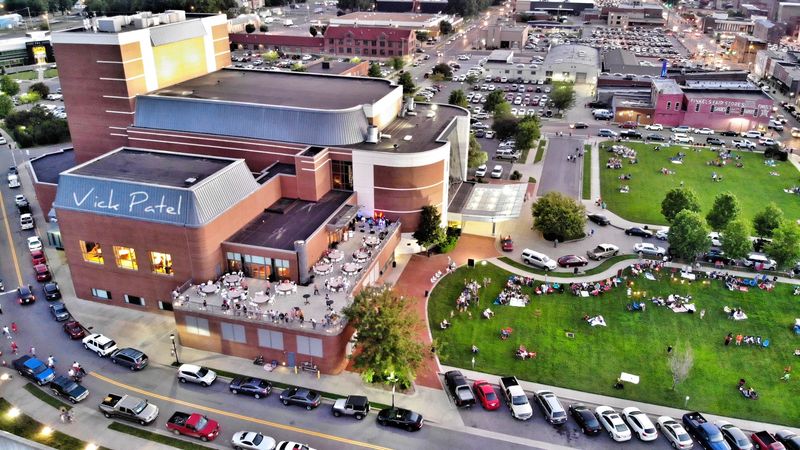
Paducah, Kentucky, is used to river barges and quilt fans, not twelve-digit numbers. Yet a private investment of more than $100 billion is now aimed at land just outside town.
That figure ranks among the largest financial commitments in Kentucky history. You could line up a lot of state projects and still not match it.
The effort is called the Paducah American Energy Hub. It will redevelop part of the U.S.
Department of Energy site west of the city.
At its heart sits a massive campus for artificial intelligence and high-performance computing. New energy infrastructure will be built right alongside it to keep everything running.
Why does the money matter so much to you? Big investment tends to bring roads, services, and new businesses along for the ride.
Local shops may see more customers, and schools may see more families. Of course, a plan this size also brings big questions worth asking.
Think of it as a giant puzzle with many pieces still being placed. Some pieces are firm, like the partners and the site.
Others, like final approvals, are still waiting their turn. Keeping an eye on the news will help you understand each step as it unfolds.
For now, the headline is simple. Western Kentucky just landed on a very big map.
An Old Plant Gets A Second Act
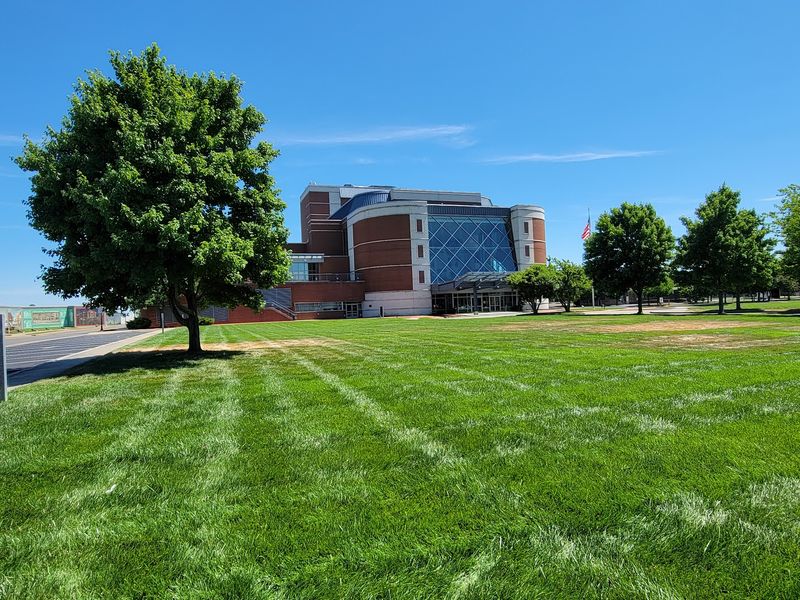
Some places retire quietly, but this one is gearing up for an encore. The project will reshape part of the former Paducah Gaseous Diffusion Plant site near Paducah, Kentucky.
The whole property covers about 3,550 acres. That is a lot of room, and planners have their eyes on only a slice of it.
For decades, the plant was a major employer in McCracken County. Many local families have stories tied to that land and the work done there.
Now it may become a symbol of a very different kind of work. Instead of old-school industry, the focus shifts to computing and modern power.
Here is a detail that matters to anyone living nearby. Environmental cleanup at the site will keep going while the new development moves forward.
So the past and the future will share the same address, in a way. Crews cleaning up old spaces may work not far from crews building new ones.
If you enjoy local history, this is a rare chance to watch it change in real time. Old photos of the plant may soon sit next to fresh photos of a tech campus.
Few towns get to rewrite the story of a place like this. Paducah is getting that chance, one acre at a time.
Six Hundred Acres Of Serious Brainpower
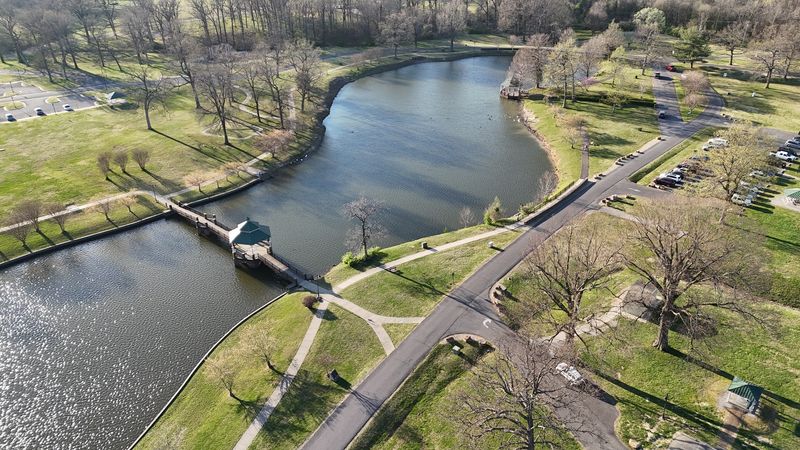
Computers do not nap, and the ones planned here will work around the clock. The data center campus outside Paducah, Kentucky, will take up about 600 acres of the larger site.
To picture that, imagine hundreds of football fields packed with high-tech buildings. Now fill them with machines that never ask for a lunch break.
The campus is designed to support 1.8 gigawatts of AI and high-performance computing workloads. In plain words, that is a huge amount of computing muscle.
These systems help train artificial intelligence, run complex science models, and crunch data. Many apps you use daily depend on centers like this somewhere.
Brookfield has been chosen to develop and operate the campus. The company will handle the buildings and keep daily operations moving.
Why pick Paducah? The site already offers strong transmission lines, solid water systems, fiber internet connections, and open land.
That mix is surprisingly hard to find in one place. Many regions have one or two of those features, but rarely all four together.
So the next time your phone answers a tricky question in seconds, think about places like this. Soon, some of that thinking could happen right in Western Kentucky.
Power Plants With A Bigger Plan
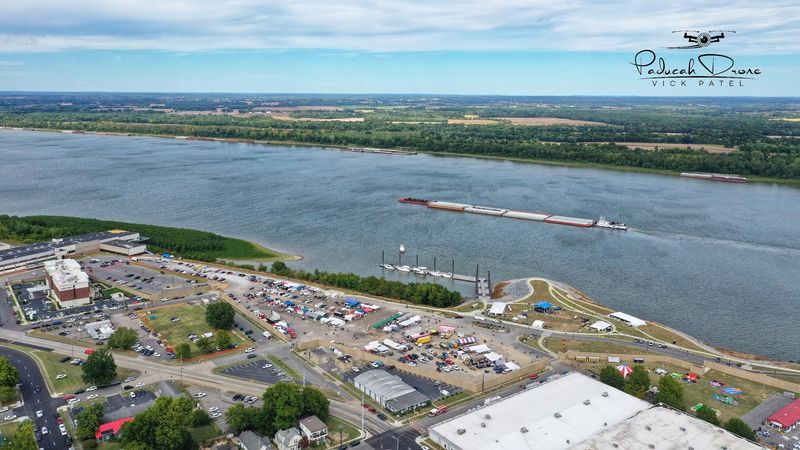
Hungry computers need a serious power snack. NextEra Energy will build and own the energy system that feeds the campus near Paducah, Kentucky.
The plan includes 2 gigawatts of new natural gas-fired generation. That would make it the largest natural gas plant of its kind in Kentucky.
Next comes the battery side of the story. Up to 2.6 gigawatts of battery storage systems are part of the design.
Batteries like these store electricity for later use. They can help smooth out busy times when everyone cranks up the air conditioning.
Here is the clever part. The energy setup is meant to produce more power than the data center actually needs.
Extra electricity would flow into the regional grid. Supporters say this could make the local system more reliable during tough weather.
You may wonder what that means for your monthly bill. The design aims to protect homes and small businesses from higher costs tied to the project.
That promise will get plenty of attention as approvals move forward. It is smart to follow how regulators review it and what they decide.
Either way, the power story here is bigger than one campus. It touches every light switch in the region.
Local Utilities Join The Team
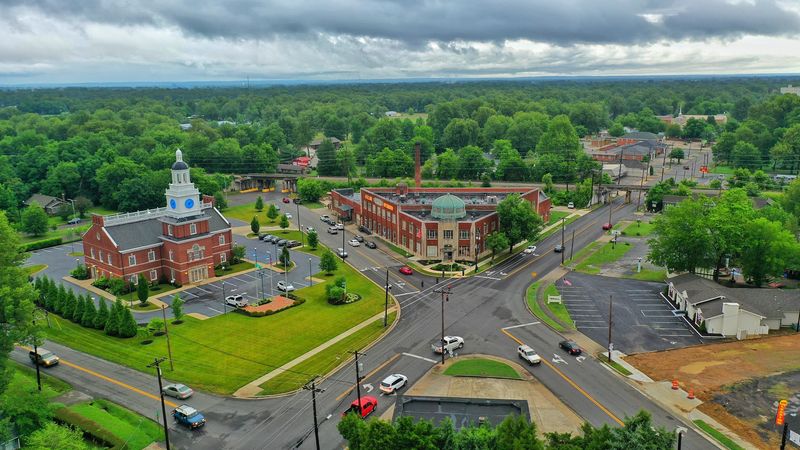
Big projects rarely win with outside players alone. Paducah, Kentucky, has three regional utilities stepping onto the field with the national partners.
Big Rivers Electric Power Corporation will provide wholesale electric service. Jackson Purchase Energy Cooperative will handle retail distribution.
Paducah Power System rounds out the group as a community partner. Its role keeps a hometown voice in the conversation.
Why should you care about who does what? These are companies many local customers already know by name.
Having familiar utilities involved can make the process feel less distant. Questions have a local place to land, not just a faraway office.
The Department of Energy leads the overall partnership. It works with Brookfield, NextEra Energy, and these regional groups together.
Picture a relay race where each runner carries the power a bit further. One makes it, one moves it, and one delivers it to customers.
If you are curious, check updates from the utility that serves your home. Many post plain-language news that explains changes step by step.
Knowing the players helps you follow the headlines without a headache. It also shows how deeply this project connects to everyday Western Kentucky life.
Thousands Of Hard Hats On The Way
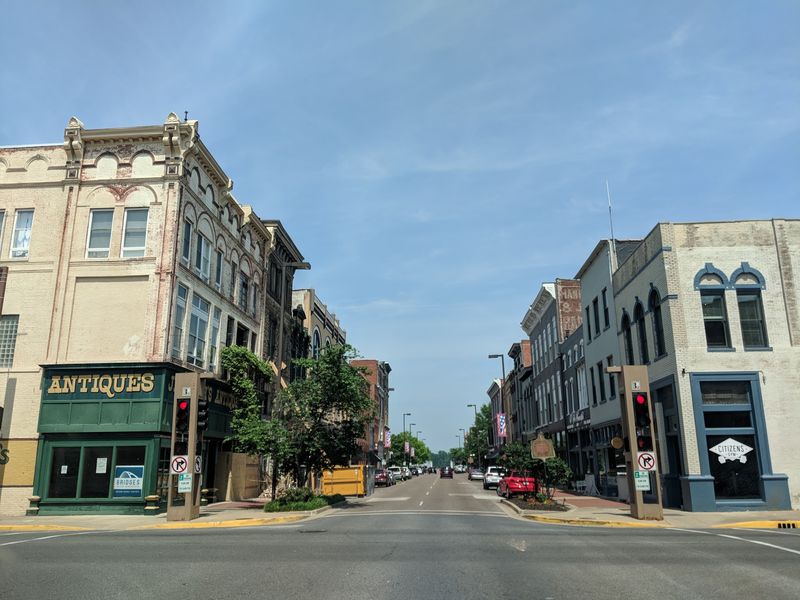
Hard hats may soon outnumber ball caps at the local diner. The project near Paducah, Kentucky, is expected to create about 8,000 construction jobs.
That is a massive wave of electricians, welders, drivers, and equipment operators. Many trades will be busy for years.
After the building phase, about 600 permanent full-time jobs are expected. These roles will help run and maintain the campus day after day.
Permanent jobs often mean steady paychecks and families putting down roots. That can boost everything from youth sports to neighborhood bakeries.
If you are a student, this is worth thinking about now. Skills in electrical work, computers, and engineering could open real doors close to home.
Local community colleges and trade programs may become even more valuable. Planning early can put you ahead of the crowd.
Parents might see new options for teens who want to stay in the region. Workers thinking about a career switch could find fresh paths too.
Of course, thousands of workers also need places to live and eat. That could bring more housing, restaurants, and services to the area.
For job seekers, the message is simple. Start learning, start watching postings, and be ready.
Mark Your Calendar For 2028 And Beyond
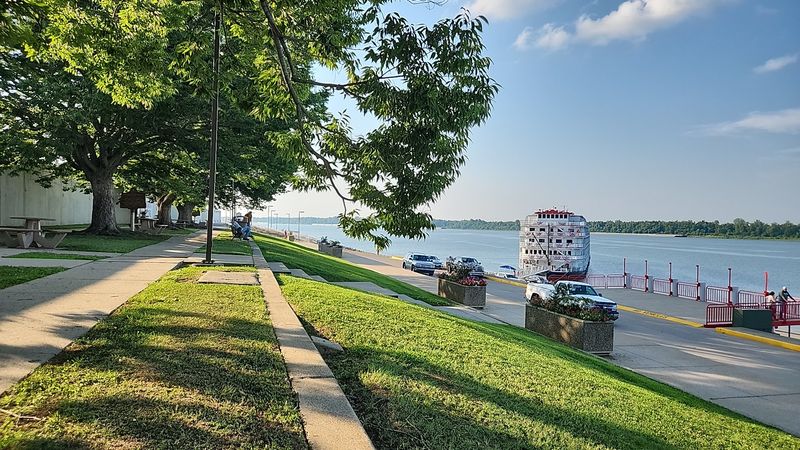
Patience is part of any megaproject recipe. Plans for Paducah, Kentucky, stretch across several years, with clear milestones along the way.
The first parts of the campus could come online as early as 2028. That is the moment when the idea starts turning into working machines.
Much of the construction is expected to wrap up by 2031. Full construction is slated for 2032, according to project timelines.
So kids in middle school today may be finishing high school by then. Some might even end up working there.
A timeline this long means changes will come gradually. You will likely notice more trucks, road work, and activity near the site first.
Later, new buildings and power equipment will rise into view. Watching it grow could feel like seeing a city block appear piece by piece.
Here is a helpful tip. Keep an eye on local news for updates on traffic and road changes.
Construction schedules can shift, and plans sometimes get adjusted. Staying informed helps you plan your drives and daily routines.
By the early 2030s, the landscape west of town may look very different. The years in between are where the real story happens.
The Final Green Light And The Big Questions
Every big plan still needs a permission slip. For Paducah, Kentucky, that slip comes from the Kentucky Public Service Commission.
The project’s power service agreement must be approved before everything fully moves ahead. Until then, some key pieces remain on hold.
Plenty of people welcome the economic boost. Others in the area have raised concerns that deserve a fair hearing.
Worries include water use, possible changes to utility rates, and noise. These are real questions for anyone living close to the site.
You have a voice in processes like this. Public comment periods let residents share thoughts with regulators.
Reading official updates can help you separate facts from rumors. It also helps you ask sharper questions at community meetings.
The project is part of the Department of Energy’s American Energy Hubs program. That program looks at federal sites as places for new energy and tech growth.
So Paducah is not just a local story. It is a test case the whole country may watch.
Whatever happens next, the town is standing at a real turning point. Staying curious and informed is the best way to be part of it.