Model Railroad Lovers Could Spend Hours Browsing This Old-School California Hobby Shop
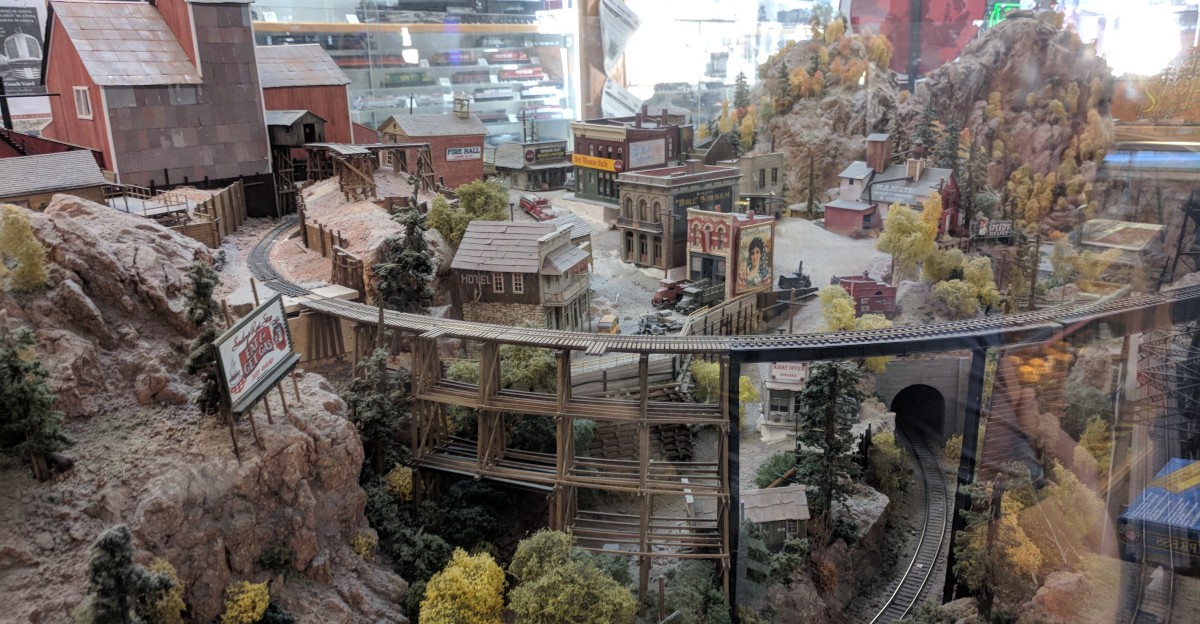
Some hobby shops are built for grabbing one thing and heading home. Others make that plan fall apart somewhere between the first miniature locomotive and the shelf full of tiny scenery.
For model railroad fans, an old-school shop can feel like a playground with much smaller tracks.
Trains, parts, accessories, and all the little details that bring a layout to life give curious shoppers plenty of reasons to keep browsing.
California gets wonderfully miniature when an entire shop is devoted to life along the rails.
That sense of discovery makes the visit fun even when you arrive without a specific purchase in mind.
One display can spark an idea for a new scene, while an unexpected find may send an existing project in a completely different direction.
It Has Been Around Since 1951
Few shops get to celebrate more than seven decades of opening their doors every morning.
The business first opened in 1951 as a small gift and hobby shop in Pasadena. Over time, the focus shifted more and more toward model railroading until trains became the heart of the store.
That kind of slow change says a lot about how a local shop survives. Customers kept asking for trains, and the shelves followed along. Trains won out, and they never really left.
Stepping inside feels a bit like visiting a place that remembers an older way of shopping.
Items sit on shelves and walls where they can be picked up, turned over and studied up close. Conversations at the counter often move at an easy pace instead of a rushed one.
Families who shopped here decades ago may now bring their own kids or grandkids along. That handed-down feeling is part of the charm for many local hobbyists.
A long history also means the shop has watched the hobby itself grow and change.
Simple electric trains, newer digital control systems and highly detailed modern models have all had their moment in the hobby over the years.
You can enjoy the wonders of this place at 23 N Altadena Drive, Pasadena, California 91107.
Model Trains Are The Main Attraction
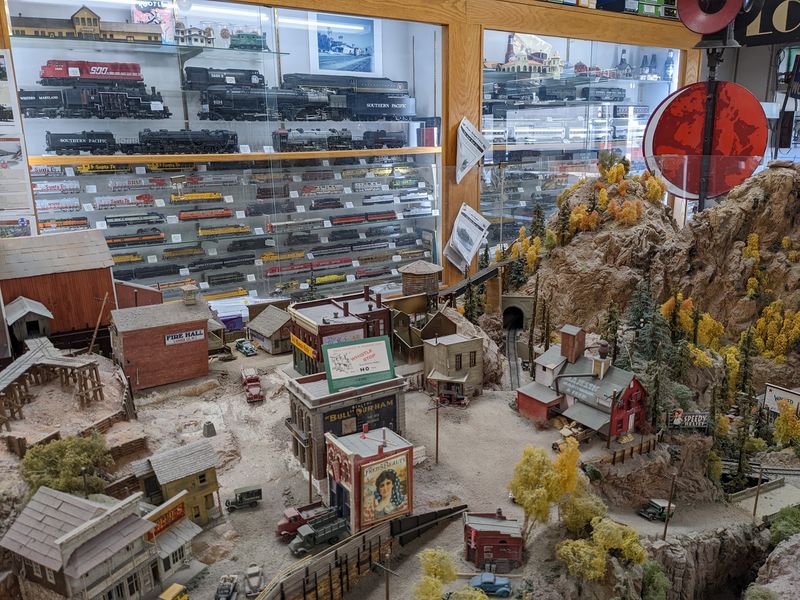
Plenty of hobby stores tuck a single train aisle between the craft paints and the remote control cars.
The setup here works the other way around. Trains take center stage, and almost everything else in the room supports them.
The shop describes itself as a model hobby store specializing in trains for beginners through experienced railroaders. That range matters more than it might seem at first.
A newcomer and a longtime builder can walk in the same door and both find something useful.
For beginners, a focused shop can take away some of the confusion. Starter sets, track pieces and basic accessories are easier to understand when staff members spend their days around trains.
Asking simple questions is a smart move, since there is no such thing as a silly one in this hobby.
Experienced railroaders often look for something different. They may want a specific part, a certain road name or advice on a tricky wiring issue.
A train-first store tends to be a better match for those needs than a general toy shop.
Keep in mind that stock levels can change, and some shelves may look fuller than others depending on the week. Calling ahead for a specific item can save a wasted trip.
The Locomotive Selection Can Keep Collectors Browsing
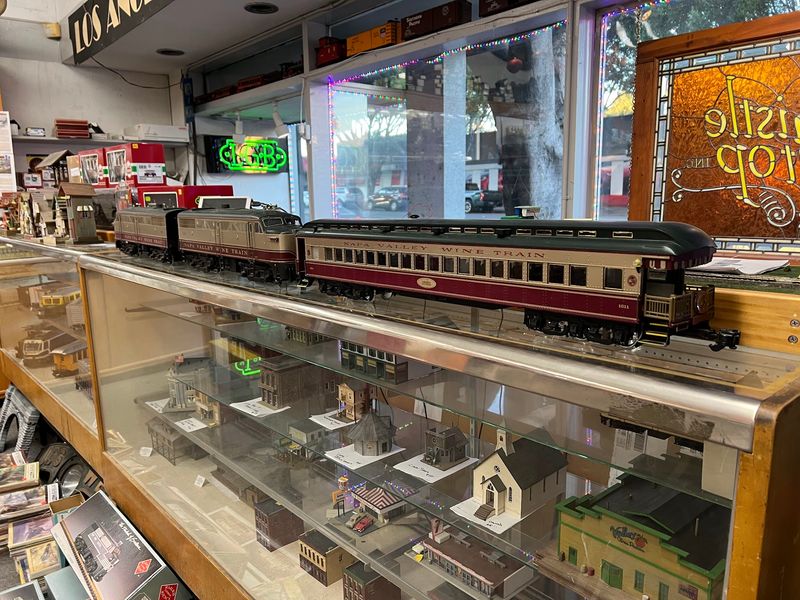
A locomotive is often the star of any layout, the piece that gives the whole scene its personality.
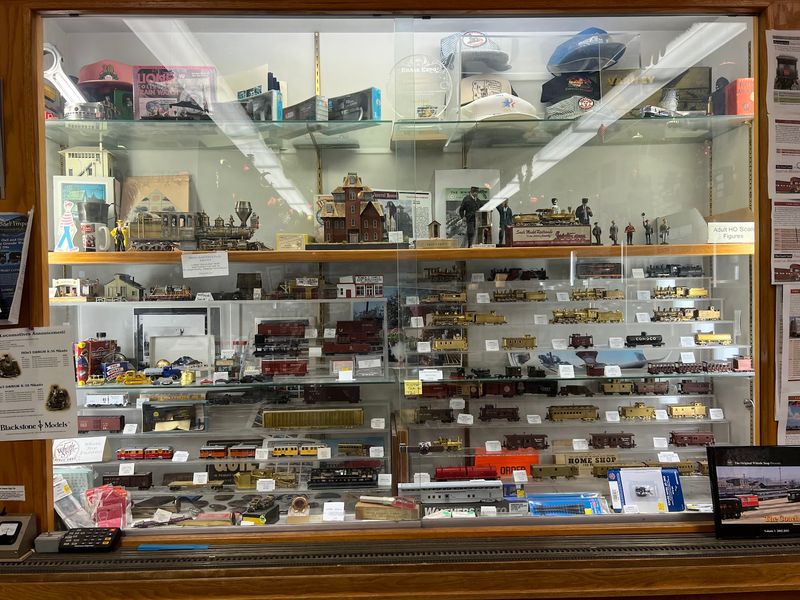
Shelves at the store hold locomotives alongside rolling stock and full train sets. Specialized equipment and individual components share the space too.
Rolling stock is a railroad term for the cars that follow behind the engine. That group includes boxcars, tank cars, passenger coaches and cabooses.
Complete train sets can be a smart starting point for newcomers. They usually bundle an engine, a few cars, track and a power source in one box.
Collectors often move slowly through this part of the shop.
Small differences in paint schemes, railroad names and era details can make one model far more interesting than another. Reading the labels closely is part of the fun.
What sits on the shelves can shift over time, so the exact mix will vary between visits. Some days may bring a strong selection, and other days may feel thinner.
Special orders are available, which can help when a certain model is not in stock.
Brass Trains Give Serious Collectors Something To Hunt For
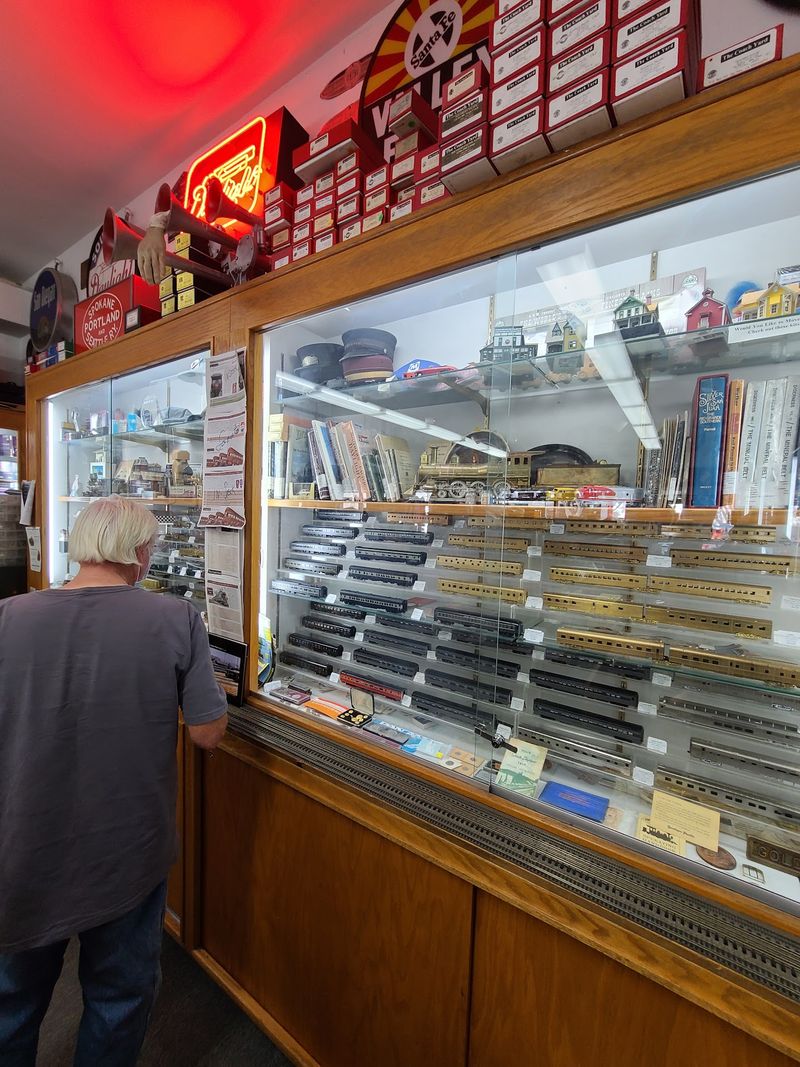
Brass models sit in a class of their own among serious train collectors.
They are often made in small batches with fine hand-assembled details. The shop has a longstanding connection to these collectible models, stretching back to its early years.
Brands such as Overland Models, The Coach Yard, Key Imports, PSC, Challenger Imports and Division Point have been part of the brass lineup.
Each one has its own following among collectors. Some focus on steam engines, while others lean toward passenger cars or specific railroads.
Both new and used brass may show up at the store. Used pieces can be a good way to find an older model that is no longer produced.
Checking the condition closely is always wise before buying.
Brass trains are usually priced higher than regular plastic models because of the craftsmanship involved.
That makes them more of a special purchase than an everyday one. It helps to set a budget before looking so the excitement does not take over.
Asking about how a model runs can be useful too. Some brass engines are mostly display pieces, and others are built to run smoothly on track.
The difference matters for anyone planning to use one on a layout. For many hobbyists, just seeing a shelf of gleaming brass up close is worth the stop.
There Are Parts For People Building Their Own Layouts
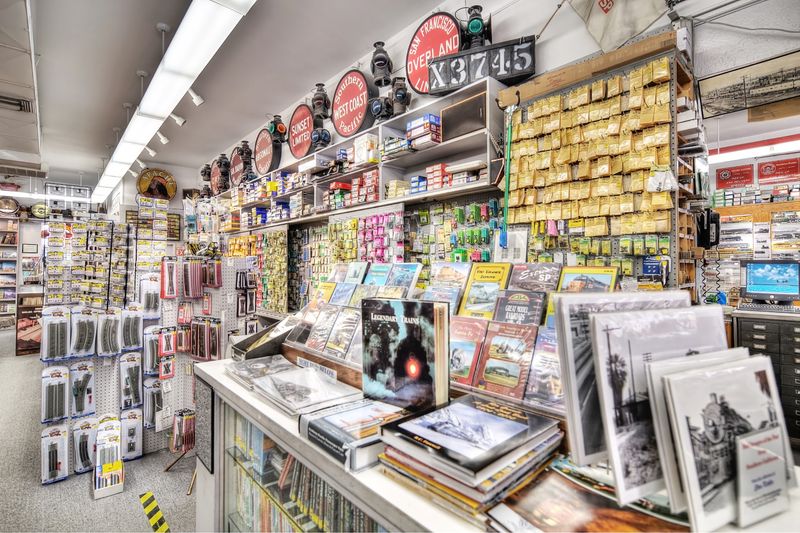
Every layout eventually needs a small fix, a missing piece or a bit of extra detail. The shop carries detail parts and other model railroad supplies for exactly those moments.
Detail parts are the tiny extras that make a model look more lifelike.
They might include ladders, horns, grab irons, lights or small signs. Adding a few of them can make a plain car look like it just rolled out of a real rail yard.
Track pieces and couplers are also part of the mix. Couplers are the small hooks that link cars together, and they wear out over time.
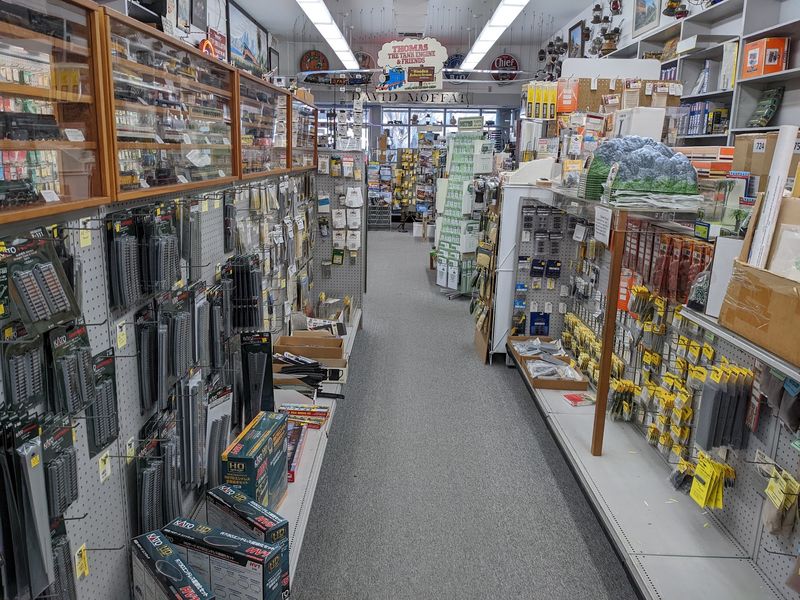
A large wall of HO parts stands out for many visitors. It can look overwhelming at first, with rows of small packages hanging side by side.
Taking a photo of the broken or missing piece at home can make the search much faster.
Smaller scales may have fewer parts on hand than HO. Even so, basic items such as track and couplers can often be found at this California spot.
Writing down the scale, brand and model number before visiting saves time and guesswork. That simple step can turn a confusing search into a quick win.
Repairs Are Part Of The Business Too
A locomotive that suddenly stops running can feel like a small heartbreak for any hobbyist.
Model repair is one of the services the shop lists, and certified repairs are part of its offerings. That service is another reason longtime railroaders may already know the store.
Repairs can cover a range of problems. A motor may be worn, wheels may need cleaning, or wiring may have come loose.
Digital control systems can also cause confusion when settings get mixed up.
Having a test track on site can help staff check how a train is running. Watching a model move under power often shows problems that are hard to spot on a shelf.
A practical tip is to bring the model in its original box if possible. The box protects fragile parts and often lists helpful details such as the maker and model number.
Repair times and costs can vary depending on the issue and the workload. Asking for an estimate before work begins is always a good idea.
For newer hobbyists, repair help can be a real confidence boost. It turns a frustrating setback into a chance to learn how the machine actually works.
Railroad Memorabilia Appeals Beyond Model Builders
Not everyone who loves trains wants to build a layout. Plenty of people simply enjoy the look, sound and history of real railroads.
The shop carries railroad memorabilia and collectibles that speak to that wider group.
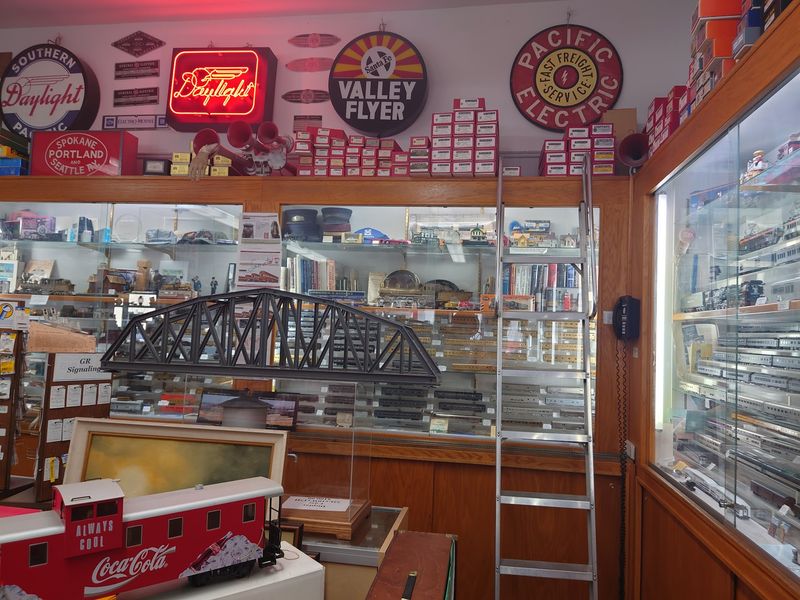
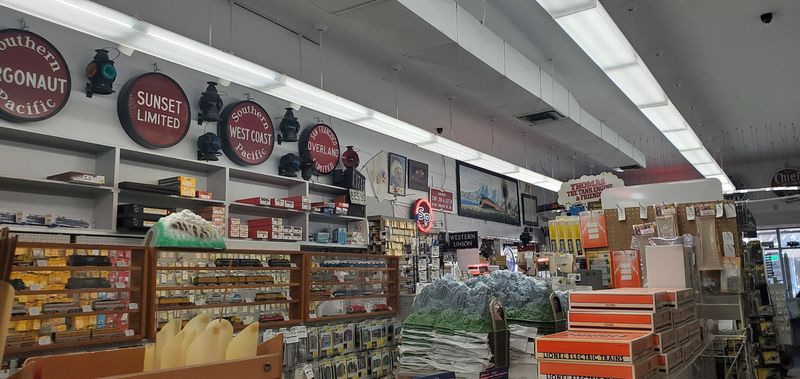
Memorabilia can include items connected to real rail lines and their long history. Old signs, lanterns and similar objects often carry stories from a different era of travel.
Seeing them up close can spark curiosity about how people once moved across the country.
Some pieces on display are simply for looking rather than buying. Visitors have noticed a model train hanging from the ceiling along with full-size vintage railroad items.
That mix of for-sale and display-only items adds a small museum feel to the visit. It can make the shop enjoyable even for family members who are not deep into the hobby.
Asking before touching any display piece is good manners. Some items may be fragile or part of a personal collection.
For gift shoppers, collectibles can be a thoughtful choice for a train lover who already owns plenty of models. Train-themed shirts for kids have also turned up here as a simpler gift option.
Major Model Railroad Brands Are Represented
Familiar names on a box can make choosing a model feel a lot less risky.
Listed brands at the store include Lionel, Bachmann, Athearn, Kato, Atlas, Märklin, Micro-Trains and Broadway Limited. Many other makers appear on the list as well.
Each brand tends to have its own strengths.
Lionel is closely tied to classic larger trains that many families remember from childhood. Bachmann is often linked with approachable sets that suit newcomers.
Kato and Micro-Trains are well known among fans of smaller scales. Atlas is a common name for track and other layout basics.
Broadway Limited is associated with detailed models that often include sound features.
Märklin brings a European touch to the list. Its trains follow different traditions and railroad styles from much of what American shoppers see.
Brand names alone do not tell the whole story, though. It helps to check whether a model matches the scale and control system already used at home.
Mixing parts from different makers usually works fine, but some combinations need small adjustments.
Asking a quick question at the counter can prevent a disappointing surprise later. What is actually on the shelf may vary, so special orders can fill in the gaps.
You Can Visit Seven Days A Week
Weekend plans and weekday errands can both leave room for a train shop stop.
Current hours at this California place run Monday through Saturday from 10 a.m. to 5 p.m. Sunday hours are a little shorter, from 11 a.m. to 4 p.m.
Having a schedule that covers every day of the week makes planning easier. A quick stop after a morning errand works just as well as a slow Saturday visit.
Timing still matters for anyone hoping to really explore. Arriving earlier in the day leaves more room to browse without watching the clock.
The store closes at 5 p.m. on most days, so a late afternoon arrival can feel rushed.
Quieter times may make it easier to chat with staff about a repair or a special order. Busier stretches can bring a livelier buzz as hobbyists compare notes.
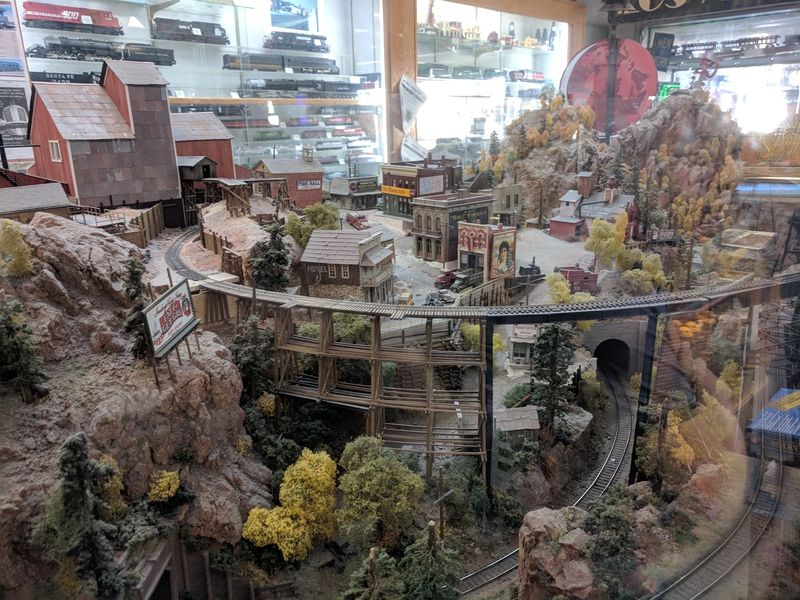
Kids often enjoy watching a running layout, and the store has had a small HO setup that young visitors seem to like.
Keeping little hands gentle around displays helps everyone enjoy the space.
Hours can change around holidays or special events, so checking the official website first is a smart habit.