Step Inside This Florida Museum Where Monet Meets Chihuly’s Dazzling Glass Ceiling
I walked into this building expecting a quick look around and a polite nod at some paintings. Two hours later, I was standing under a glowing ceiling of glass, neck craned like a kid at a fireworks show.
Florida has plenty of beaches, but this museum proves the state also holds Monet, Picasso, and O’Keeffe under one roof. Wear comfy shoes, leave time for the garden, and remember to look up.
A Palm Beach Art Landmark on Dixie Highway
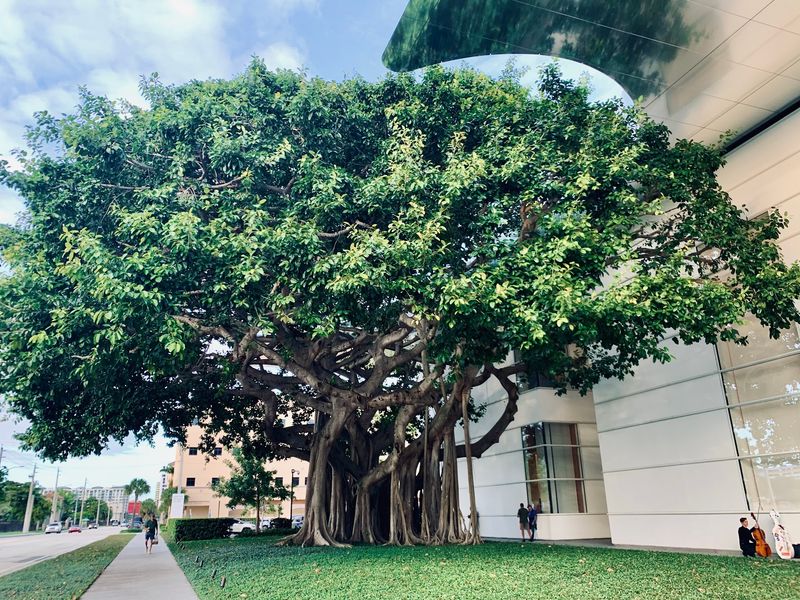
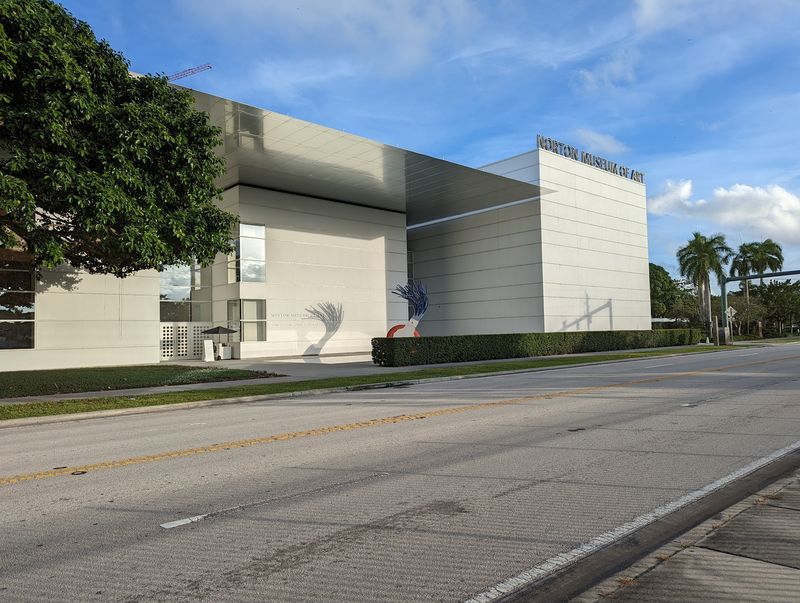
Palm trees line the road, traffic hums along South Dixie Highway, and then a clean white building appears with a giant old tree spreading shade across the front lawn. That tree makes a handy landmark, and it also gives you a cool spot to pause before heading inside.
The Norton Museum of Art is the name on the building, and it ranks among the most complete art museums in South Florida. Its collection covers American, European, Chinese, and contemporary art, plus photography.
That adds up to more than 8,000 works, which is a lot of art for a city better linked with sunshine and sailboats.
Can a single afternoon cover it all? Not quite, but it can come close.
The galleries mix famous names with artists you may be meeting for the first time, and the layout makes moving from room to room feel easy instead of tiring.
Getting here is simple for anyone driving along the coast. The museum sits a short hop off I-95, close to downtown West Palm Beach, so it works well as a half-day outing from Fort Lauderdale or the Treasure Coast.
The full address is 1450 S Dixie Hwy, West Palm Beach, Florida 33401.
Roots in a Steel Executive’s Private Collection
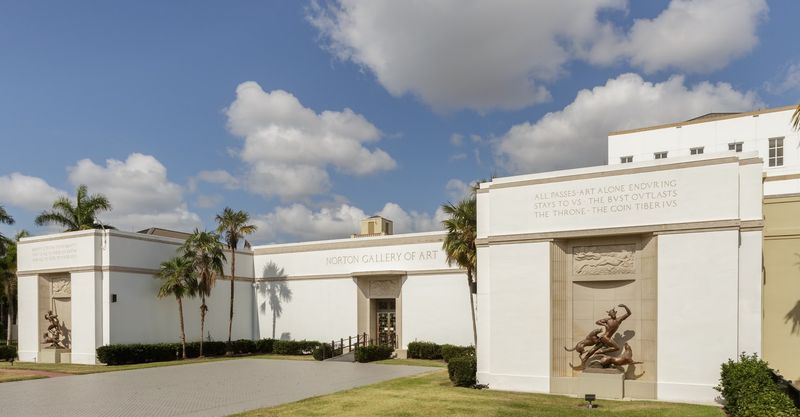
Back in 1941, a retired businessman made a generous choice. Ralph Hubbard Norton, who had led Acme Steel Co. in Chicago, moved to Florida with his wife, Elizabeth Calhoun Norton, and decided his paintings and sculptures belonged to everyone.
Their museum opened in February 1941 inside a building designed by Marion Sims Wyeth. The style blended Art Deco with Neoclassical touches, a very Palm Beach look at the time.
It was graceful, but small compared with what stands on the site now.
Here is a fun detail. Ralph Norton bought many works, including a Picasso, shortly after they were created.
In other words, he was collecting modern art while it was still fresh, long before those names became household words.
Over the decades, the museum kept growing. A 1997 expansion more than doubled its size.
Another project in 2003 added gallery space and better amenities. Each round of building made room for new gifts and bigger shows.
Standing in the galleries today, you can still sense one collector’s taste at the heart of it all. The founder’s eye shaped the core, and the museum has spent more than eighty years building outward from that start.
The Foster + Partners Makeover
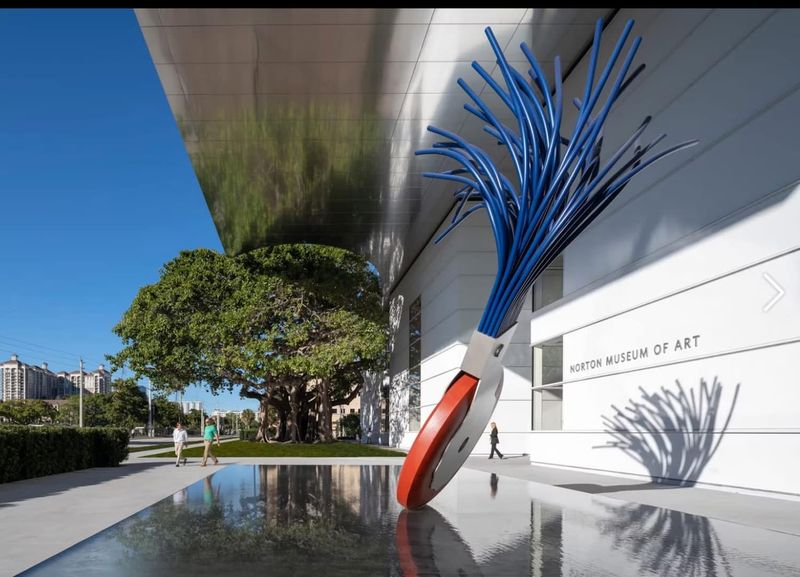
Sunlight is the first thing you notice after passing through the doors. The Great Hall opens up tall and bright, with clean lines that let the art and the Florida light share the stage.
That space came from a major redesign by Foster + Partners, the famous London architecture firm, completed in 2019. The project gave the museum a dramatic central hall and tied the galleries more closely to the gardens outside.
Walking from one area to the next now feels smooth and logical.
Compare that with older museums, where you can get lost in a maze of dim hallways. Here, the building helps you find your way.
Wide walkways and plenty of benches let you rest your feet while still looking at something interesting.
The interior stays spacious and clean, and elevators connect the floors. Galleries are laid out so that classic European paintings, modern pieces, and Chinese works each get room to breathe.
My tip: spend a minute in the Great Hall before rushing into the galleries. Look at how the light falls, where the doors lead, and how the garden peeks through.
It is a nice way to get your bearings and plan your route.
Chihuly’s Persian Sealife Ceiling
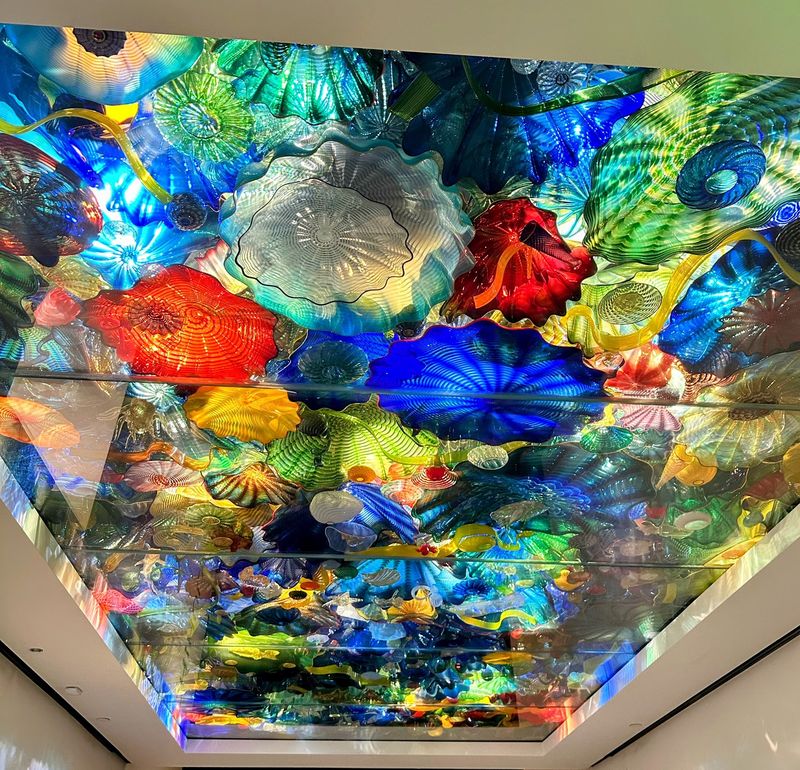
Look up. Seriously, stop walking and tilt your head back, because the best piece in this room is above you.
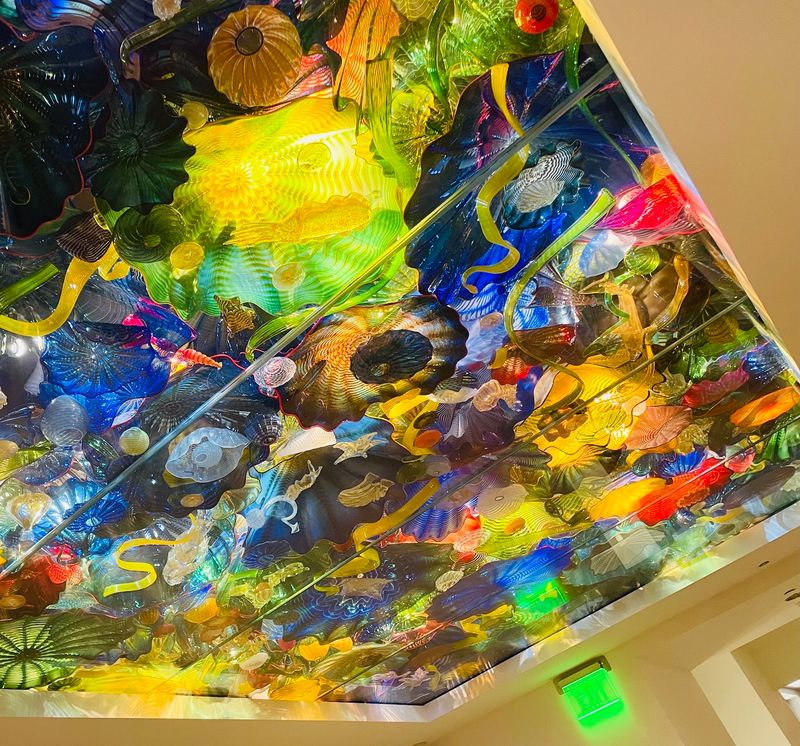
Dale Chihuly, the glass artist whose flowing forms appear in museums around the world, created the Persian Sealife Ceiling installed here in 2003. It measures roughly 132 by 252 inches, and it is packed with swirling, colorful glass shapes lit from above.
Some look like shells, some like jellyfish, and some like flowers drifting in a warm current.
For a museum in a coastal Florida city, the ocean theme fits perfectly. Light passes through the glass and throws soft colors around the space, so the ceiling seems to glow and shift as you move beneath it.
What makes Chihuly so fun is how his work changes a room. A plain ceiling becomes a window into an underwater dream, and suddenly people of every age are pointing and smiling.
Photographers, bring patience. The best shot comes from standing near the center and angling straight up, letting the frame fill with color.
Kids tend to love spotting sea creatures in the shapes, so turn it into a quick game before moving on to the next gallery.
Monet’s Sunlit Italian Garden
Think Monet only painted foggy French rivers and lily ponds? One canvas here tells a sunnier story.
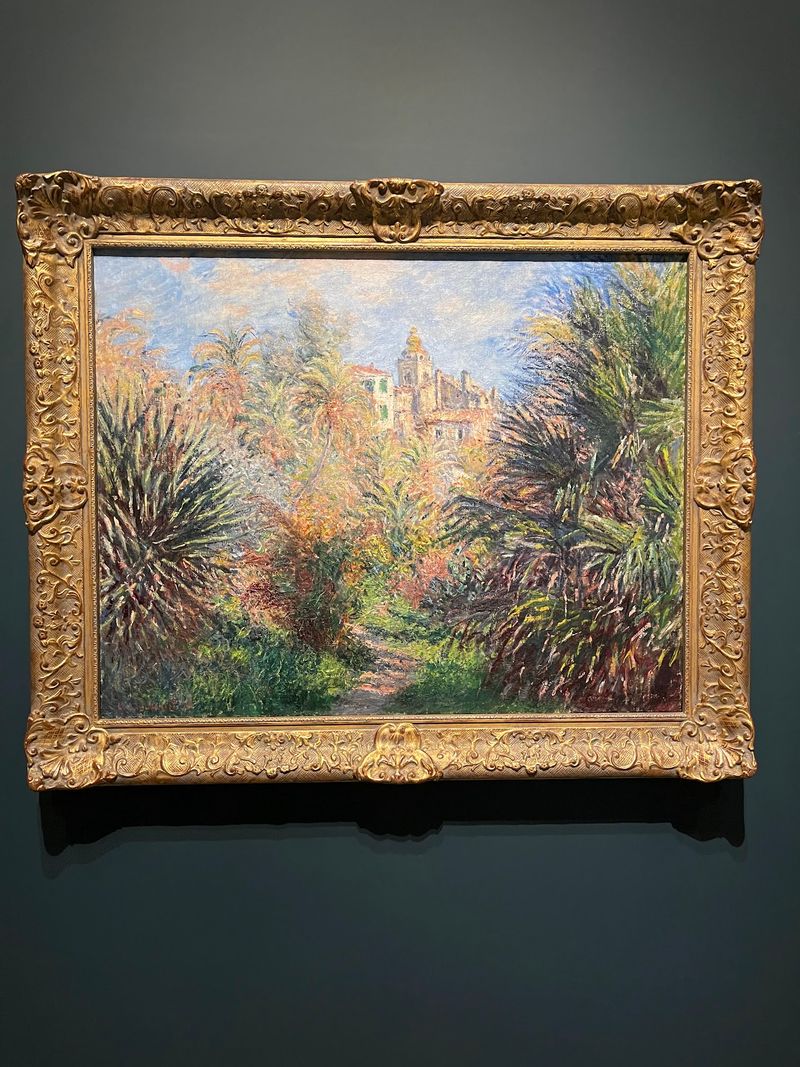
The museum owns Claude Monet’s Gardens of the Villa Moreno, Bordighera, painted in 1884. That year, Monet traveled south to the Italian Riviera and found a very different kind of light.
The painting bursts with thick green plants, bright sky, and palms that could almost pass for a garden in Palm Beach.
Standing close, you can see quick dabs of color that seem messy up close. Step back a few feet, and they blend into shimmering leaves and warm sunshine.
That little trick is what Impressionism is all about.
The collection also includes one of Monet’s water lily paintings, so you can compare his northern and southern moods in a single visit. Seeing both side by side shows how much a place can change an artist’s colors.
Nearby rooms hold more European favorites, including works by Degas, Cézanne, Matisse, and Van Gogh. Give the Monet a few quiet minutes before moving on.
Few spots in Florida let you study a masterpiece this closely without flying to Paris, and the benches make lingering easy.
Picasso, O’Keeffe, and a Roomful of Famous Names
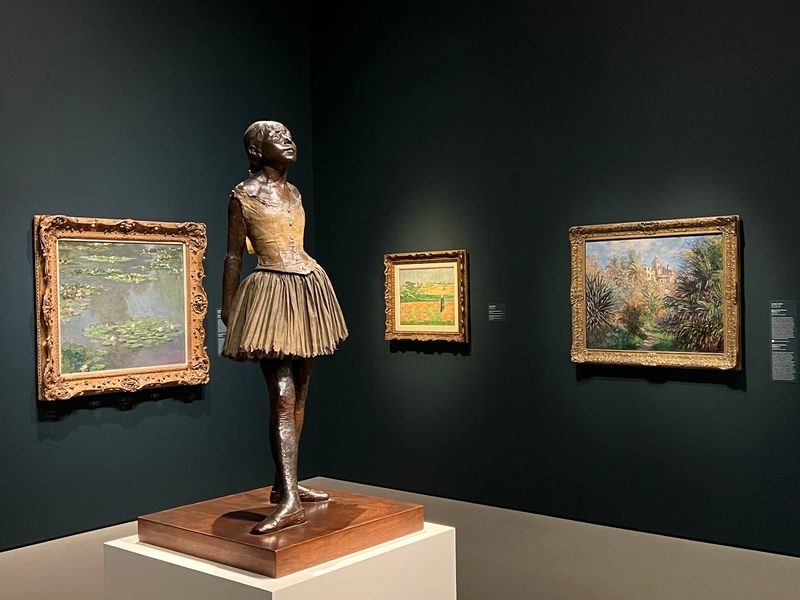
A Degas ballet sculpture stands frozen mid-pose, and a few rooms away, a Jackson Pollock splatter painting crackles with energy. The range of big names under this roof is surprising.
Picasso shows up in several works, some bought by the founder soon after they were made. Georgia O’Keeffe brings her bold American shapes.
Miró, Calder, Rodin, and Duane Hanson round out a lineup that could fill an art history textbook.
Here is the fun part for newcomers. You may recognize a painting from a book or a poster and then realize the real thing is right in front of you.
That moment hits differently in person, with the brushwork and texture visible up close.
American art gets strong attention too, and photography has its own space. Japanese block prints add another flavor, with fine lines and flat, bright color.
Plan on two to three hours for the permanent collection if you like to read labels. A smart approach is to pick five pieces you want to see, find those first, then wander freely.
Staff members are knowledgeable and happy to share stories about the paintings, so ask a question or two along the way.
Chinese Art and Changing Exhibitions
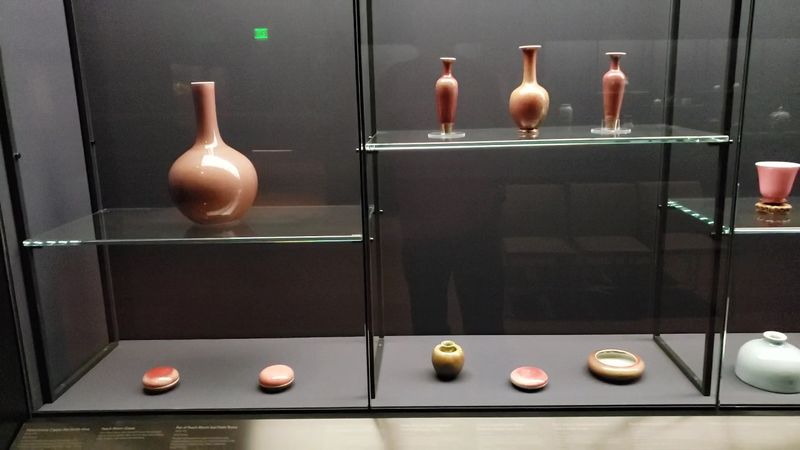
Jade carvings, ancient bronzes, and delicate ceramics fill the Chinese galleries, one of the museum’s longtime strengths. The pieces reward slow looking, with tiny details carved into surfaces that are centuries old.
Why does a Florida museum hold so much Chinese art? It traces back to the founder’s collecting, and the museum has kept building that area ever since.
For many first-timers, these rooms are the biggest surprise of the day.
Temporary exhibitions keep things fresh, too. Large gallery spaces host traveling shows that change through the year.
Recent examples included a Rembrandt show drawn from the Leiden Collection and a Frida Kahlo exhibit, along with spotlights on newer artists like Danielle McKinney through the RAW series.
Popular shows can get crowded, especially in smaller rooms, so a weekday morning tends to be calmer than a weekend afternoon. Some upper floor spaces may close during installations, which is another good reason to check the schedule first.
On the second floor, student artwork adds a hopeful note. Seeing young artists displayed near world-famous names is a sweet reminder that every master started somewhere, and it is a good conversation starter with kids.
Where Sculpture Meets Shade
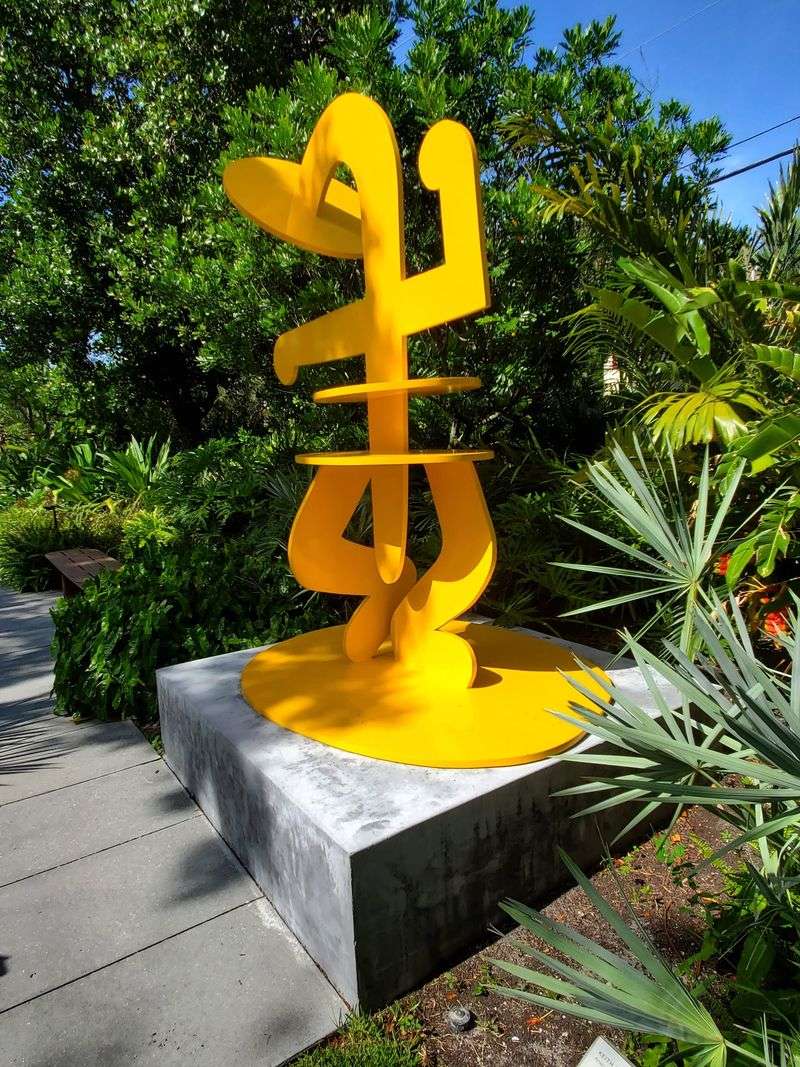
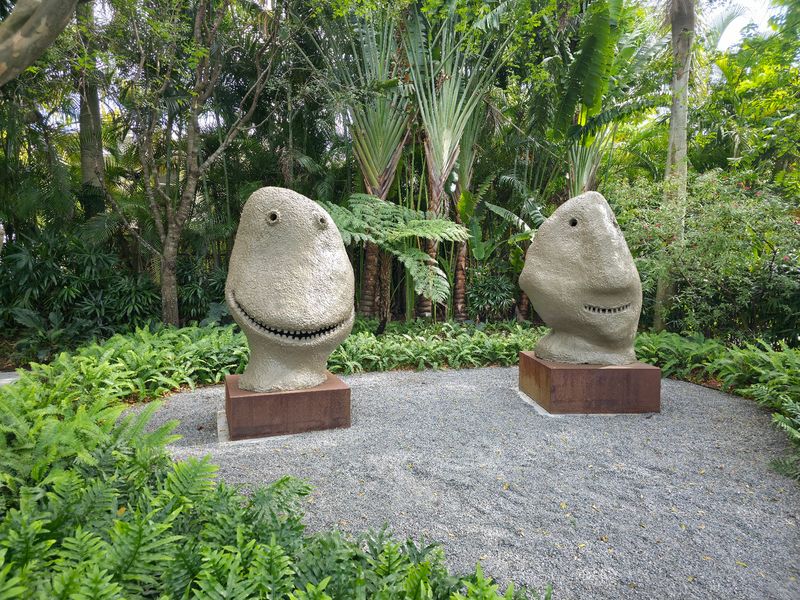
Birds chirp, leaves rustle, and a large sculpture rises from the green like it grew there. Stepping out into the garden feels like pressing a reset button after hours of gallery time.
The outdoor sculpture garden ranks among the most peaceful corners of the whole campus. Artwork sits among tropical plants and palms, so you get art and nature in the same view.
Big figures and modern shapes make the grounds feel like a gallery without walls.
Don’t skip it. Many people head straight for the exit once the indoor rooms are done, and they miss one of the best parts.
Even a short loop is enough to slow your heartbeat and enjoy the fresh air.
Summer brings real Florida heat and afternoon thunderstorms, so aim for the garden earlier in the day during those months. In the cooler winter season, it is a lovely place to linger longer.
Bring a phone for photos. The mix of sculpture, sky, and greenery makes for great pictures, and the old tree near the front adds even more shade.
Families with small children will find it an easy place to let little legs stretch a bit.
Friday Nights, Festivals, and Sensory-Friendly Sundays
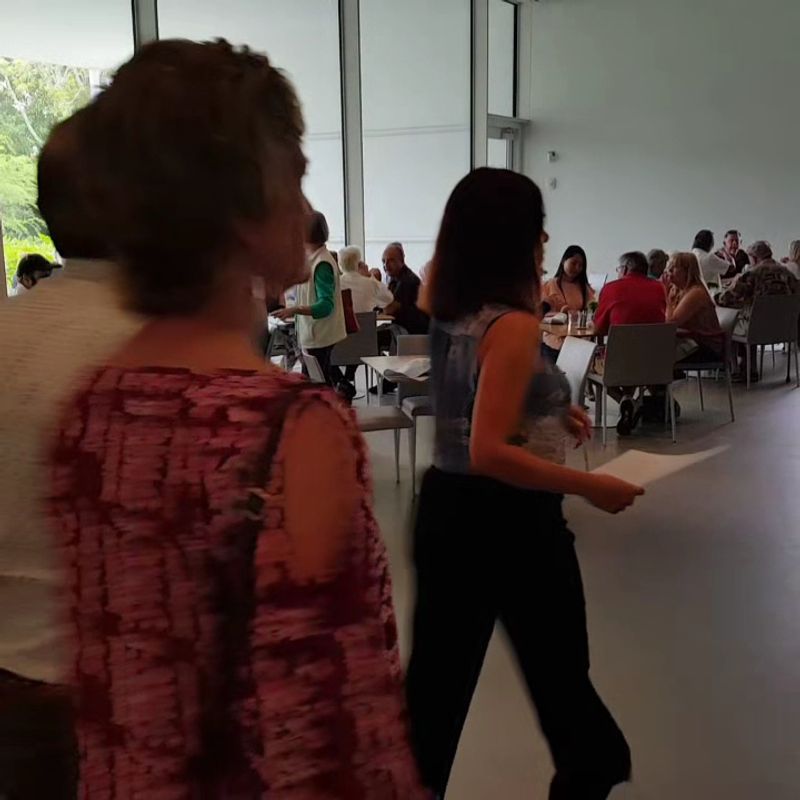
After sunset on Fridays, the whole building takes on a new personality. Art After Dark runs into the evening with live music, performances, talks, tours, and classes, and admission for the event is kept low.
Picture opera singers echoing through a gallery while you stand in front of a famous painting. It turns a quiet museum trip into a night out, and it suits anyone who works during the day.
Families get their own highlights. Sensory-Friendly Sundays offer a calmer setting with hands-on activities for kids, and the staff goes out of their way to help.
Every year, the Lunar New Year Community Day brings lion and dragon dances, storytelling, painting, music, and food, with fireworks the night before.
Lectures and classes run through the year for adults who want to learn more. Members get extra perks, including access to special events.
Summer can bring deals too. In recent seasons, Palm Beach County residents enjoyed free admission on Saturdays through Labor Day weekend.
Programs change, so check the museum’s calendar before planning around one. Signing up for a class is also a clever way to see the collection again without the rush.
Practical Tips Before You Drive Out
Tickets can be bought ahead of time on the museum’s website, and the process is quick. Doing it before you arrive saves time at the front desk, especially during big shows.
Parking sits across the street in a paid self-pay lot. Watch the time on your parking payment carefully, since the lot is monitored.
Driving from I-95 is easy, and the exit puts you close by.
Skipping the car works too. The Brightline train reaches West Palm Beach from Fort Lauderdale and Miami, and a short, inexpensive Circuit ride can take you to the museum door.
Hours vary by day, with late openings on Friday and at least one closed day each week, so confirm the schedule before leaving home. College students can find discounted admission.
Inside, The Restaurant at the Norton offers a proper sit-down meal, and a coffee space serves lighter bites. The gift shop carries art books and design items that make easy souvenirs.
Accessibility is solid, with elevators, ramps, and accessible restrooms. Plenty of benches let you rest between galleries, which matters on a long day.
A Rainy-Day Plan That Outshines the Beach
Cloudy skies ruin a beach day. Here, they barely matter.
Over a few hours, you can go from Monet’s sunny garden to Chihuly’s glowing ceiling, then out into a quiet sculpture garden. Add Chinese jade, a Picasso or two, and a rotating exhibit, and the day fills up fast.
The mix works for art lovers, curious beginners, and families hunting for something cool and indoors during the summer heat.
Timing helps. Winter brings snowbird crowds and blockbuster shows, while summer tends to feel calmer and may bring resident deals.
Weekday mornings usually offer the most elbow room in popular galleries.
Once you leave, downtown West Palm Beach sits close by with cafes, bakeries, and the waterfront along the Intracoastal. A walk by the water pairs nicely with a morning of art.
My own plan for next time is simple. Start with the Chihuly ceiling, visit Monet, grab a coffee, then finish outside among the sculptures before the afternoon storms roll in.
Bring a friend who swears they are not into museums. Chances are good they leave talking about that glass ceiling all the way home.