12 Georgia Towns That Feel Far Removed From The State’s Biggest Cities
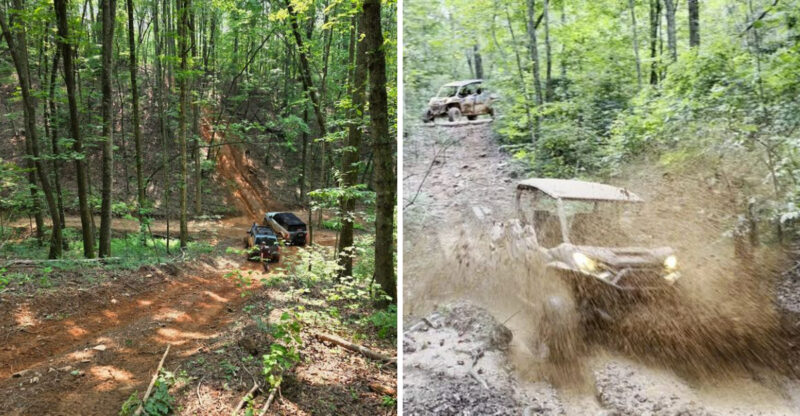
The traffic thins first. Then the billboards fade, the lanes shrink to two, and the sky suddenly looks bigger.
That is usually the sign you have left the city behind. Georgia is full of towns that move at their own pace, far from gridlock and endless construction.
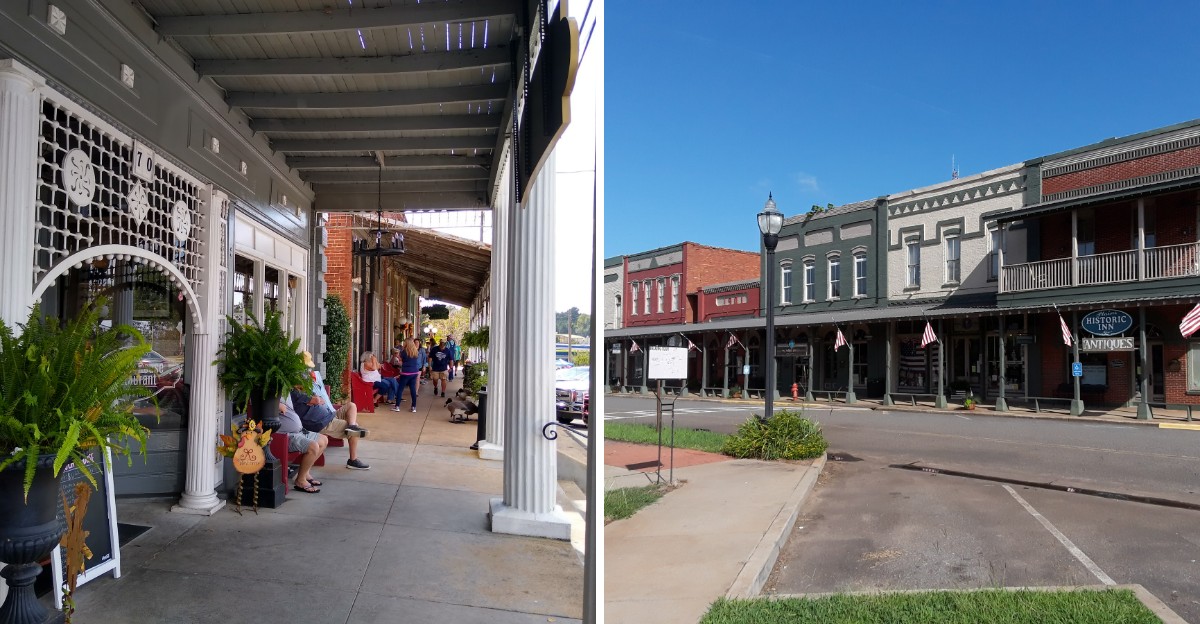
Front porches still get used here. Diners know regulars by their coffee order.
Courthouse squares fill up for festivals, farmers markets, and plenty of lazy afternoons. I have always believed a place shows its true character in its quiet moments, and these towns have quiet to spare.
Some sit near rivers and mountain trails. Others stretch across peaceful farmland and along old railroad lines.
Each one offers a slower rhythm and a stronger sense of home. If you are craving a break from the noise, Georgia has a small town ready to welcome you.
1. Hiawassee
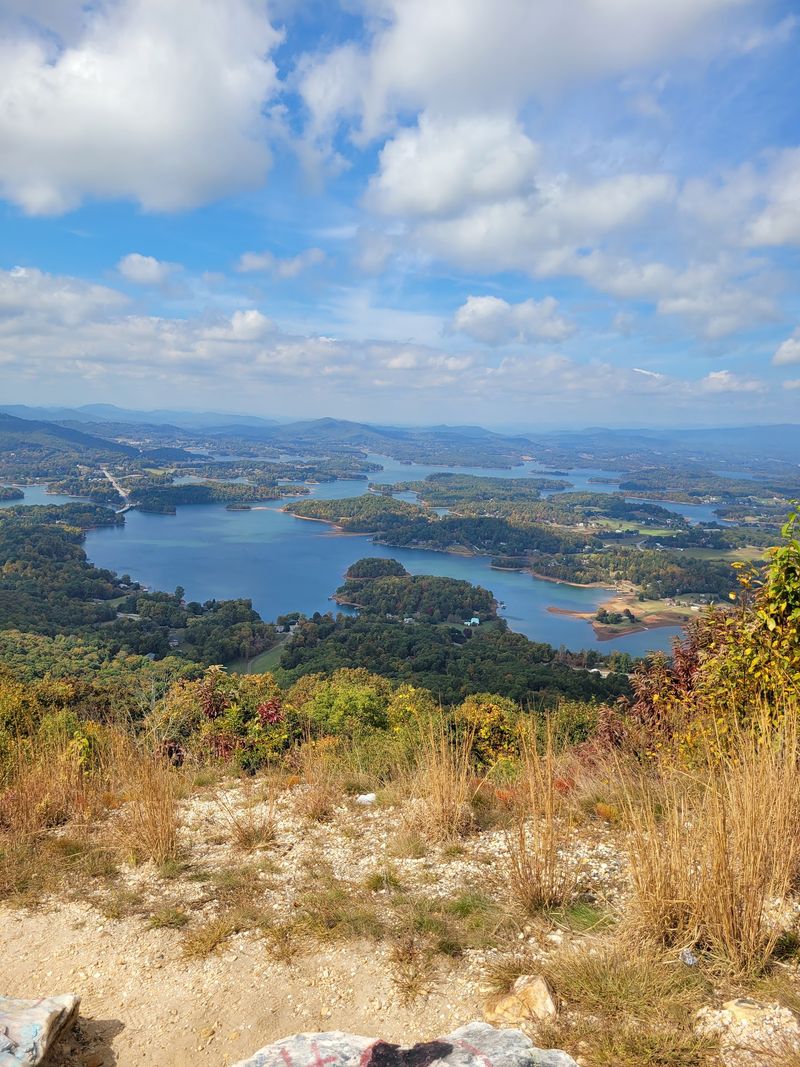
Mountains ring this lake like guests at a quiet party. Lake Chatuge covers about 7,000 acres, and it sits right at the heart of town.
Boating and fishing are the big draws here. My favorite plan is simpler, though, with a picnic blanket and a slow lunch by the water.
Bell Mountain offers a view that feels almost unfair for how easy it is. A paved road climbs close to the top, so you get sweeping lake views without a hard hike.
Brasstown Bald, the highest peak in the state, rises nearby. On a clear day, the ridges roll out like blue waves stacked behind each other.
Flowers steal the show each spring at the Fred Hamilton Rhododendron Garden. It holds one of the largest rhododendron collections in the Southeast, and the colors are wild.
Plan a spring visit if you can, since peak bloom usually comes in late April or May. Bring a camera and comfortable shoes for the winding paths.
Music fans should circle the Georgia Mountain Fair on the calendar. The event fills town with crafts, food, and toe-tapping tunes each summer.
History pops up too, like the old Towns County Jail built around 1935. Hiking boots come in handy here, because the Appalachian Trail and Chattahoochee National Forest sit close by.
Honestly, the pace is the real treat. Nobody seems in a hurry, and after one day, you will not be either.
2. Blairsville
Cabbage fields and courthouse clocks set the tempo in this mountain town. Blairsville moves at the speed of a Sunday drive, even on a Tuesday.
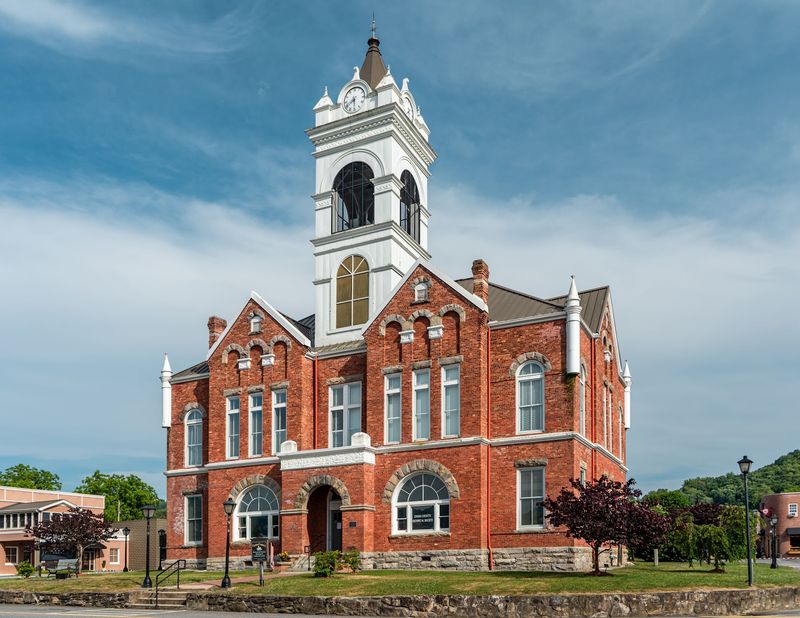
The old Union County Courthouse anchors the square with red brick charm. Built in 1899, it now works as a history museum you can stroll through.
Apples might be the local celebrity. Orchards around the county open their doors in late summer and fall, with cider, fried pies, and bushels to fill your trunk.
I left one farm stand with more apples than any sane person needs. My kitchen smelled like cinnamon for a week, so I call that a win.
Vogel State Park sits just south of town, near Neel Gap. It is one of the oldest state parks in the area, with a peaceful lake and mountain trails.
Families love the easy loop around Lake Trahlyta. Stronger hikers can tackle longer routes that climb into the surrounding forest.
Sorghum syrup gets its own party each October at the Sorghum Festival. Watching the old-fashioned syrup making feels like a trip back in time.
Food here leans hearty and homemade. Think biscuits, country ham, and pies that make you rethink your dinner plans.
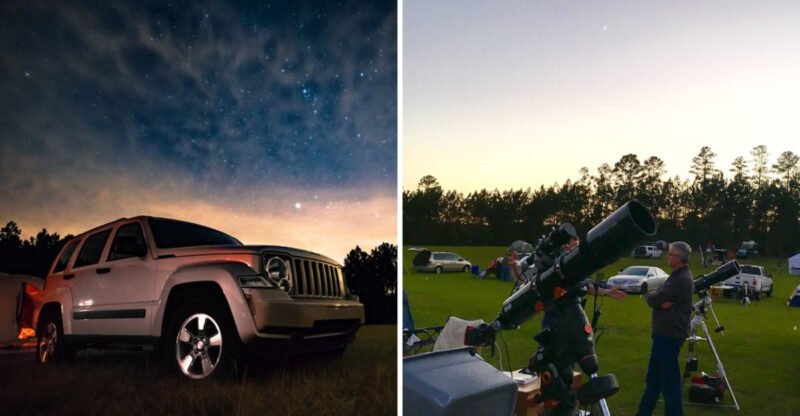
Nights get dark enough for real stargazing. Step outside after sunset, look up, and let the quiet do its thing.
3. Clayton
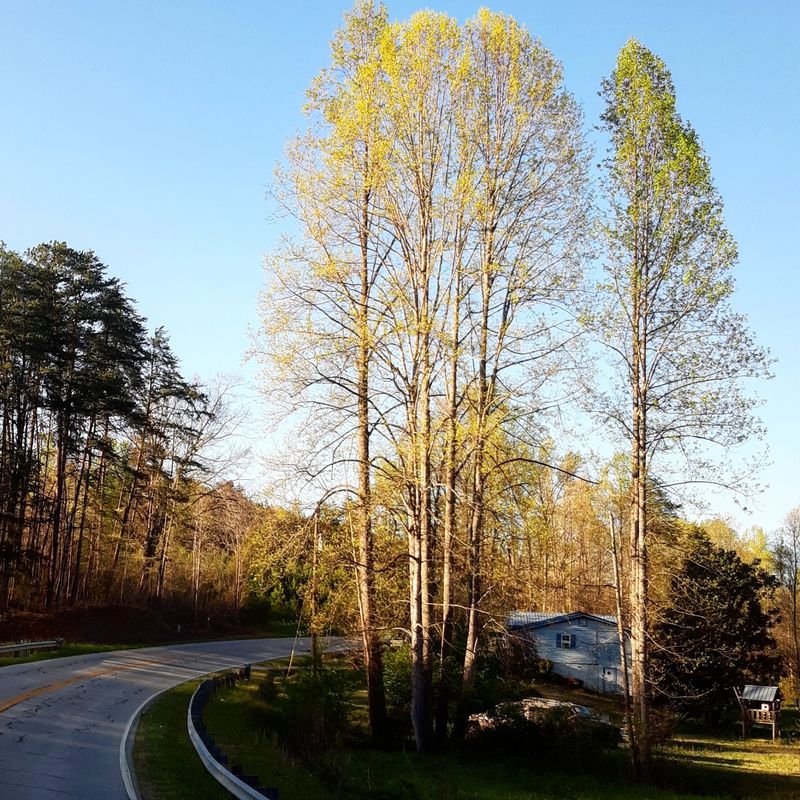
Waterfalls outnumber traffic lights in this corner of the mountains. Rabun County, where Clayton sits, is packed with trails that end at rushing water.
Main Street feels small but lively. You will find art galleries, cozy cafes, and shops selling handmade goods from local makers.
Tallulah Gorge is the jaw-dropper nearby. The canyon is about two miles long and nearly 1,000 feet deep, with a swaying suspension bridge over the rocks.
Crossing that bridge made my knees wobble a little. The view below was worth every nervous step, though.
Black Rock Mountain State Park sits just outside town. At 3,640 feet, it is the highest state park in Georgia, with overlooks that stretch for miles.
Sunrise at the summit is a real treat for early birds. Pack a warm jacket, since mornings up high can bite even in summer.
Food lovers get plenty to enjoy here too. Farm-to-table cooking has become a quiet point of pride around town.
Lake Burton and Lake Rabun offer glassy water and shady shores. Renting a kayak is a lovely way to spend a calm afternoon.
4. Ellijay
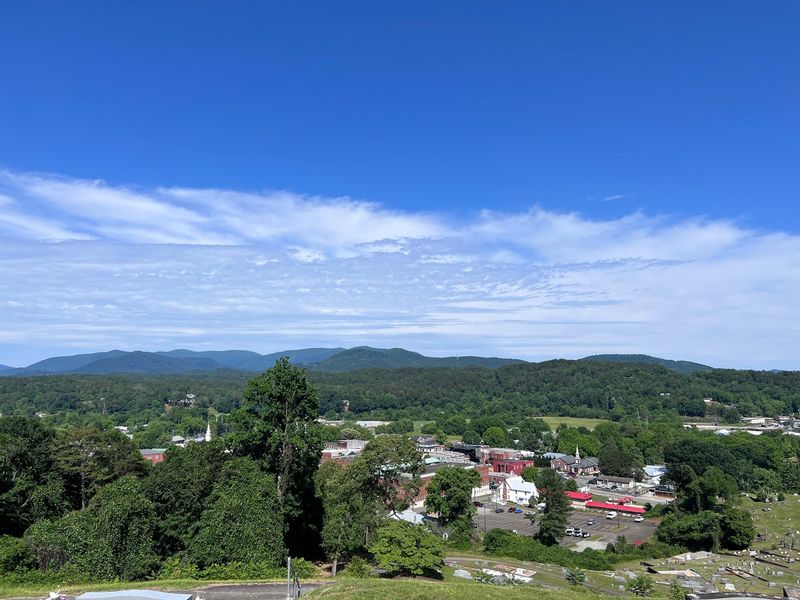
Apples rule the road here, and nobody argues. Ellijay calls itself the Apple Capital of the state, and the orchards back it up.
Driving Highway 52 in fall feels like touring a giant fruit basket. Stands sell fresh apples, cider, jams, and warm apple bread.
Picking your own is half the fun. Many orchards let you grab a bag and wander the rows, choosing the shiniest ones yourself.
My first trip, I bit into a Honeycrisp right off the tree. It was so crisp it echoed, and I was hooked for life.
The Georgia Apple Festival lands every October. It brings crafts, music, and more apple treats than one stomach can handle.
Downtown has a charming square with antique shops and small cafes. It is great for a slow stroll after a busy orchard morning.
Rivers are another big deal around here. The Cartecay and Ellijay rivers meet near town, and tubing and kayaking are popular in warm months.
Hikers can head toward nearby trails in the Chattahoochee National Forest. Fall color turns the hills into a patchwork of red and gold.
Pro tip: weekends in October get busy. A weekday visit gives you the same apples with fewer elbows.
5. Dahlonega
Gold fever struck these hills long before California caught it. In 1828, gold was found nearby, sparking one of the first major gold rushes in the country.
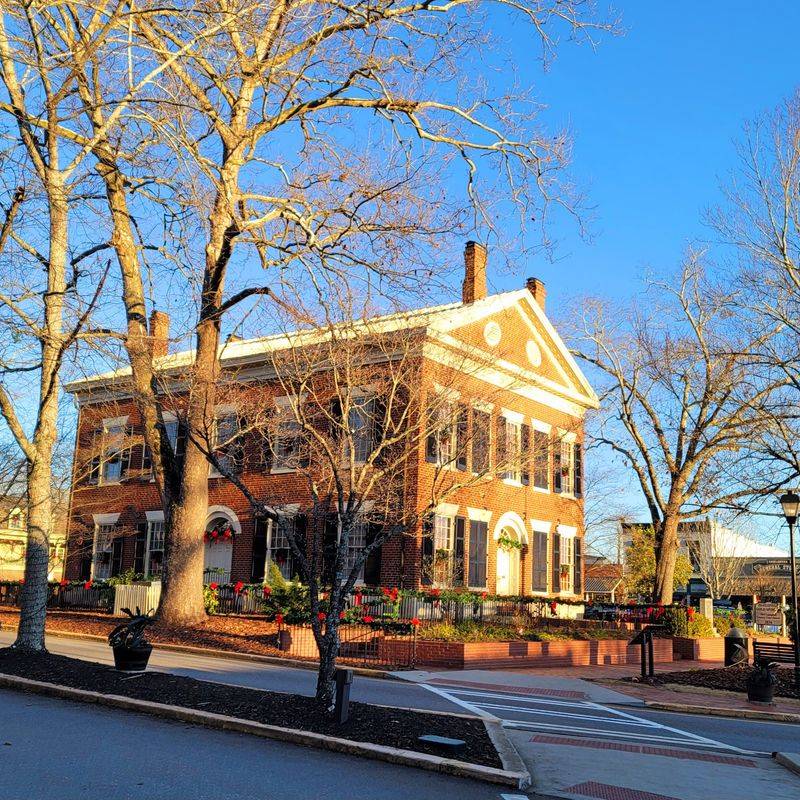
The Dahlonega Gold Museum sits inside the old Lumpkin County Courthouse, built in 1836. It is one of the oldest courthouse buildings still standing in the state.
Panning for gold is a fun hands-on stop. Local mines let you swirl a pan in the water and hunt for shiny flakes.
I found exactly three tiny specks on my try. They were too small to pay for lunch, but I kept them anyway.
The town square is full of brick buildings and cheerful shops. Candy stores, bookshops, and cafes make browsing easy and tasty.
Music floats around the square on many weekends. Old-time mountain tunes feel right at home among the historic storefronts.
Waterfalls hide in the forests around town. DeSoto Falls and Amicalola Falls are both a short drive and worth the trip.
Amicalola is especially impressive, dropping about 729 feet. It ranks as one of the tallest waterfalls in the Southeast.
Visit during the holidays for a real treat. The square glows with lights and feels like a scene from a snow globe.
6. Madison
Stately white columns line the streets like a parade of old friends. Madison is famous for its well-kept historic homes, many built before the Civil War.
The town has one of the largest historic districts in the area. Walking the shady streets feels like flipping through a living history book.
Heritage Hall is a great first stop. The 1811 home is open for tours and shows how families lived long ago.
I planned a quick walk and ended up wandering for two hours. Every porch seemed prettier than the last one.
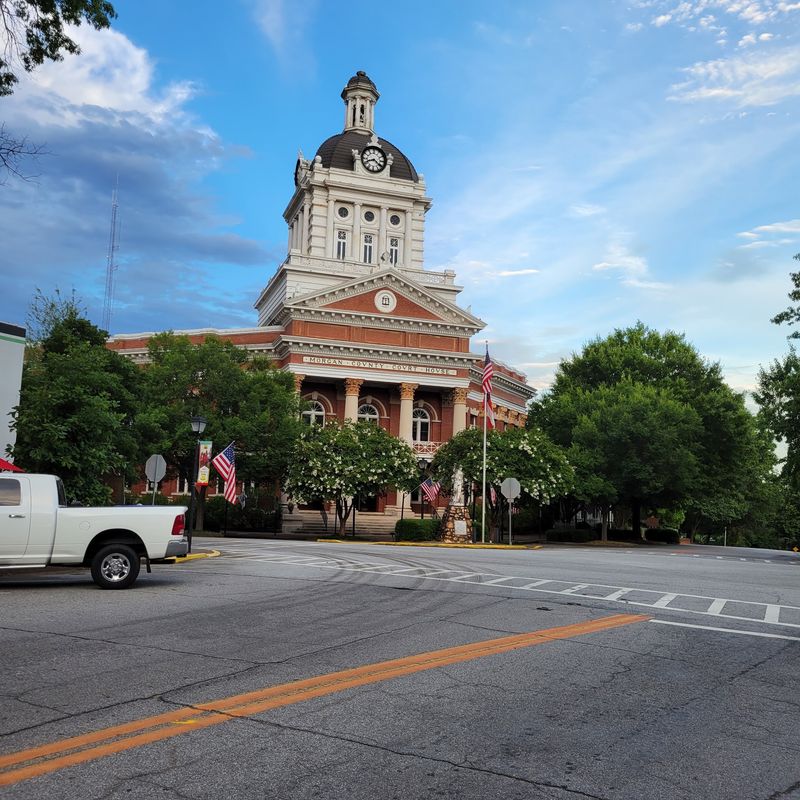
Downtown offers antique shops, boutiques, and friendly cafes. The courthouse square makes a fine place for people-watching over a sweet tea.
Spring brings blooms that seem almost showy. Azaleas and dogwoods add bright pops of pink and white to the old homes.
Morgan County African American Museum shares another important side of local history. It tells stories of community, culture, and strength.
The Madison-Morgan Cultural Center lives in an 1895 schoolhouse. Today it hosts art shows, concerts, and a restored old classroom.
Madison sits east of the big metro area, but it feels a world away. Slow down, grab a map, and let the street views guide you.
7. Warm Springs
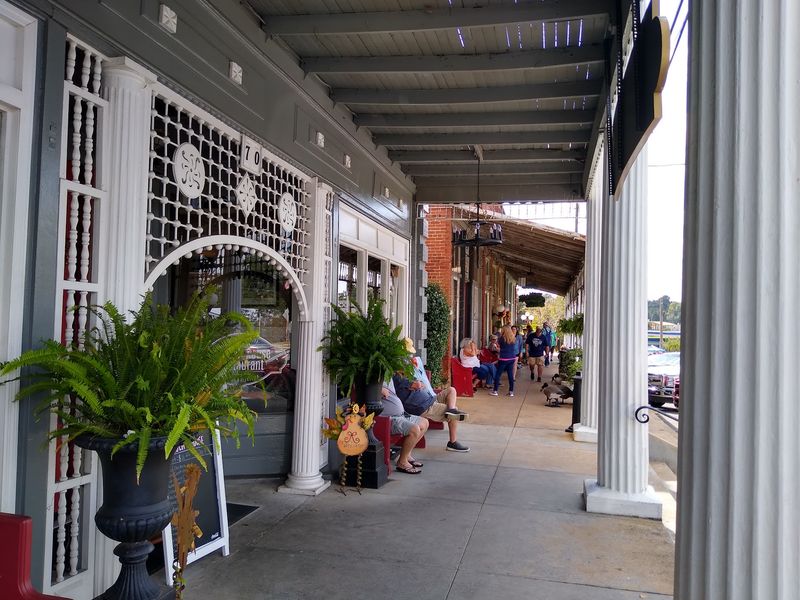
A president once came here looking for healing waters. Franklin D.
Roosevelt visited the warm mineral springs to help ease the effects of polio.
His modest home, known as the Little White House, still stands. It is now a state historic site filled with his car, furniture, and personal items.
The house is surprisingly small and simple. Standing inside, I felt like I had peeked into a quiet chapter of history.
The pools where he soaked are also part of the story. Roosevelt later founded a rehabilitation center here that helped many people.
Downtown is tiny and easy to explore on foot. Little shops and sweet treats make a nice break between historic stops.
Nature lovers should head to nearby F.D. Roosevelt State Park.
It is the largest state park in the area, with lots of trails and scenic views.
Dowdell Knob is a favorite overlook in the park. Roosevelt liked to picnic there, and a statue of him sits near the edge.
The Pine Mountain Trail winds through the park for about 23 miles. You can hike short sections if you just want a taste.
Callaway Gardens is also close by. Spring flowers there make the drive even more worth it.
8. Plains
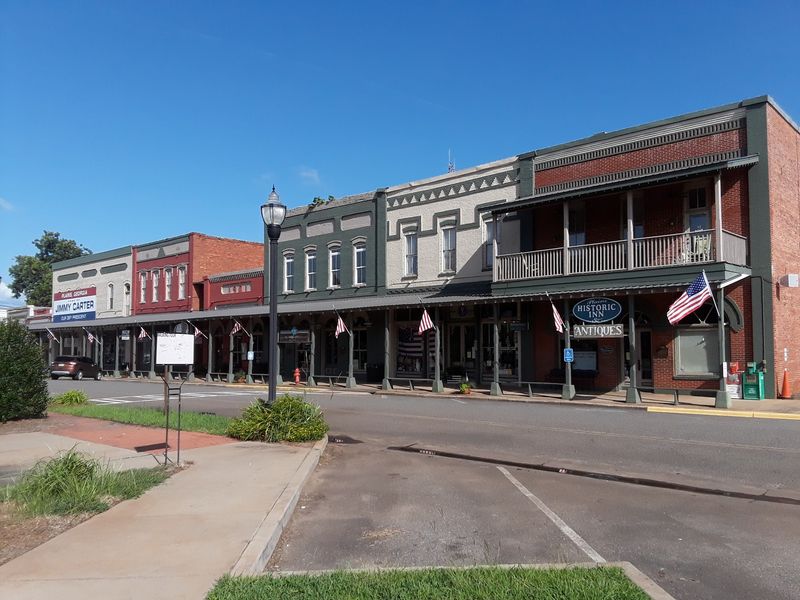
Peanut fields stretch for miles around a town of fewer than 600 people. Plains is small, but its story reaches all the way to the White House.
Jimmy Carter, the 39th president, grew up here. The Jimmy Carter National Historical Park includes several sites tied to his life.
His boyhood farm is a highlight. The simple home, barn, and fields show what rural life looked like in the 1930s.
I stood on that dirt road and heard nothing but birds. It was hard to believe a future president once did chores right there.
The old train depot served as his 1976 campaign headquarters. Today it holds exhibits about that exciting race.
Plains High School is now a museum too. The classrooms tell the story of how education shaped his path.
Main Street is short and sweet. A few shops sell peanut treats, souvenirs, and ice cream on hot days.
Look for the giant smiling peanut statue near town. It stands about 13 feet tall and makes a very silly photo.
A trip here feels calm and thoughtful. Wide skies, quiet roads, and real history make it an easy day to remember.
9. Thomasville
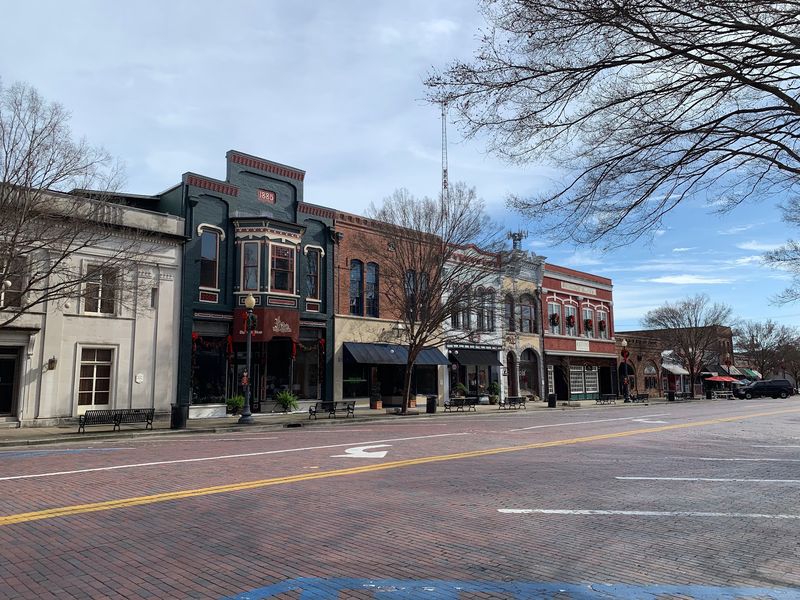
Roses get the royal treatment in this southern city. Thomasville has held a Rose Show and Festival for more than 100 years.
Back in the late 1800s, wealthy northern visitors came here for winter. They built grand winter estates that remain part of the area’s architectural history.
Pebble Hill Plantation is open for tours. The home, gardens, and grounds offer a peek into that golden era.
The Big Oak is another must-see. This live oak is over 300 years old, with branches that stretch more than 150 feet wide.
I stood under it and felt very, very small. Honestly, it is the best shade I have ever found.
Downtown Broad Street is lined with brick shops and restaurants. Many buildings date back over a century and have been lovingly restored.
Food here is a real highlight. Local bakeries, cheese makers, and cafes give the town a tasty reputation.
Visit in December for Victorian Christmas. Carolers, horse-drawn carriages, and twinkling lights turn downtown into a holiday postcard.
Thomasville sits near the Florida line, far from any big city. That distance gives it a relaxed, unhurried feel you notice right away.
10. Folkston
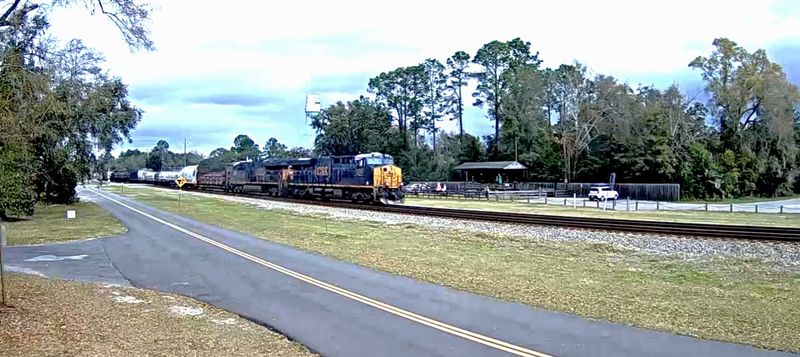
Trains and alligators share the spotlight in this small southern town. Folkston sits at the doorstep of the Okefenokee Swamp, one of the largest blackwater swamps in North America.
The Okefenokee National Wildlife Refuge covers about 400,000 acres. Its east entrance is just a short drive from town.
Swamp Island Drive lets you explore by car or bike. Along the way, you can stop at boardwalks and an observation tower.
I spotted my first wild alligator here, basking like it owned the place. I kept a respectful distance and a very tight grip on my camera.
Guided boat tours glide through dark, glassy water. Cypress trees, lily pads, and birds make the ride feel like a nature film.
Back in town, the Folkston Funnel draws train fans. Dozens of trains roll through each day on a double track.
A viewing platform lets you watch them up close. It has lights, a scanner, and seats, so you can stay a while.
The small downtown is calm and friendly. It makes a nice stop for lunch after a morning in the swamp.
Bring bug spray and water for outdoor trips. Early mornings and late afternoons are best for spotting wildlife.
11. Darien
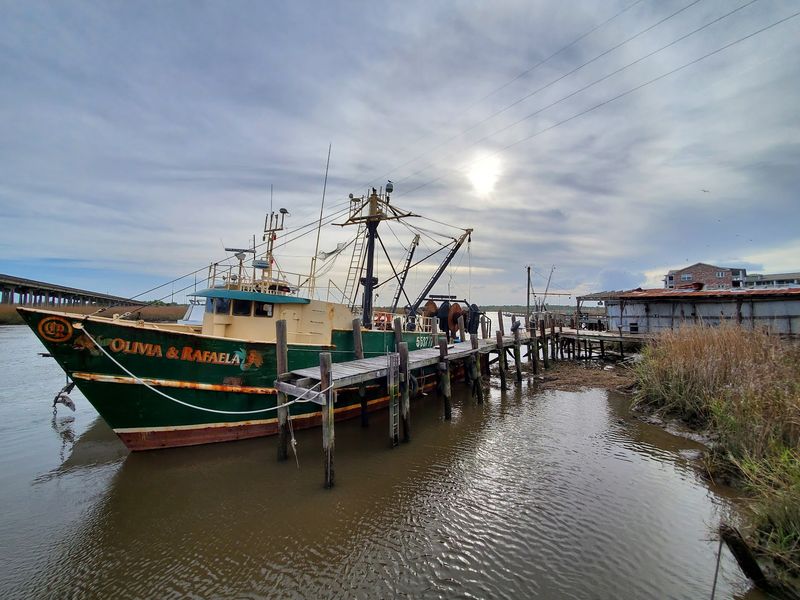
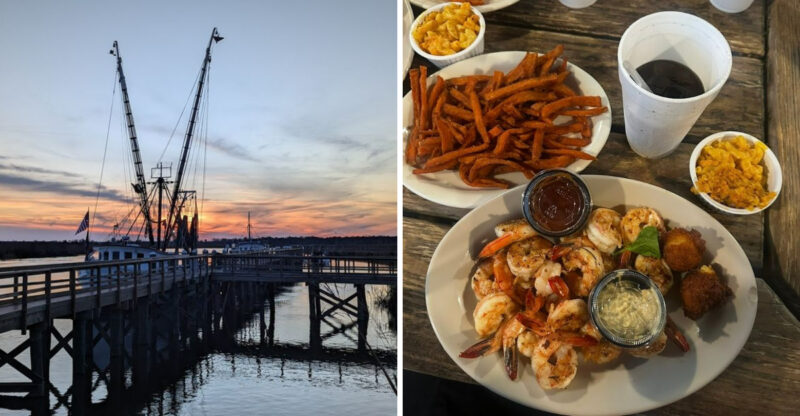
Shrimp boats bob at the docks like they are waiting for applause. Darien is one of the oldest towns on the coast, founded in 1736.
The waterfront is the place to be at sunset. Boats line up along the river, and the sky glows orange over the marsh.
Wild shrimp are a local pride. Fresh from the water, they taste sweet and simple, no fancy sauce needed.
My first plate here was fried golden and still warm. I ordered a second round before finishing the first.
Fort King George Historic Site sits nearby. It was the oldest English fort on the coast of what is now this state, and the reconstructed blockhouse is fun to explore.
Hofwyl-Broadfield Plantation shows another part of coastal history. It was once a rice plantation, and the marsh views are lovely.
Sapelo Island is reached by ferry from the nearby Meridian dock. The island has a striped lighthouse and a Geechee community with deep roots.
The Blessing of the Fleet festival happens each spring. Decorated shrimp boats parade down the river in a cheerful celebration.
Life moves with the tides here. Slow down, breathe in the salty air, and enjoy the easy rhythm.
12. St. Marys
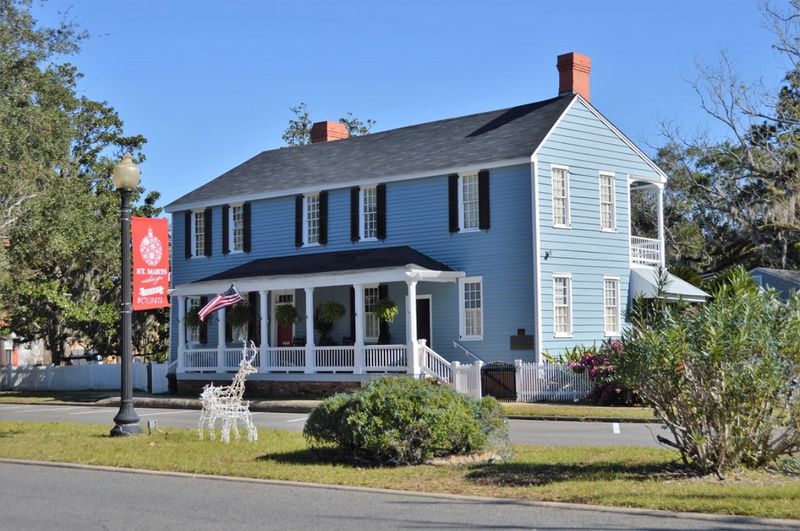
Wild horses roam a nearby island, and the ferry to see them leaves from downtown. St. Marys is the gateway to Cumberland Island National Seashore.
The ferry ride takes about 45 minutes. Once there, you find beaches, maritime forest, and horses wandering free.
The Dungeness Ruins are a highlight on the island. These remains of a grand mansion stand among moss-draped oaks.
I watched a horse stroll past the ruins like a tour guide. It did not even glance at me, which felt fair.
Plan ahead, since ferry seats fill quickly. There are no stores on the island, so pack food, water, and sunscreen.
Back in town, the waterfront is calm and pretty. You can find the visitor center near the docks at 113 St. Marys Street West.
The St. Marys Submarine Museum is a quirky stop. It is packed with models, uniforms, and a working periscope.
Crooked River State Park sits just north of town. It offers trails and marsh views, with historic tabby sugar mill ruins located nearby.
Evenings here feel soft and slow. Grab a bench by the water and watch the boats drift home.