Fewer Than 500 People Live In This Idaho Mountain Town Where The Main Street Is One Block Of Old Storefronts
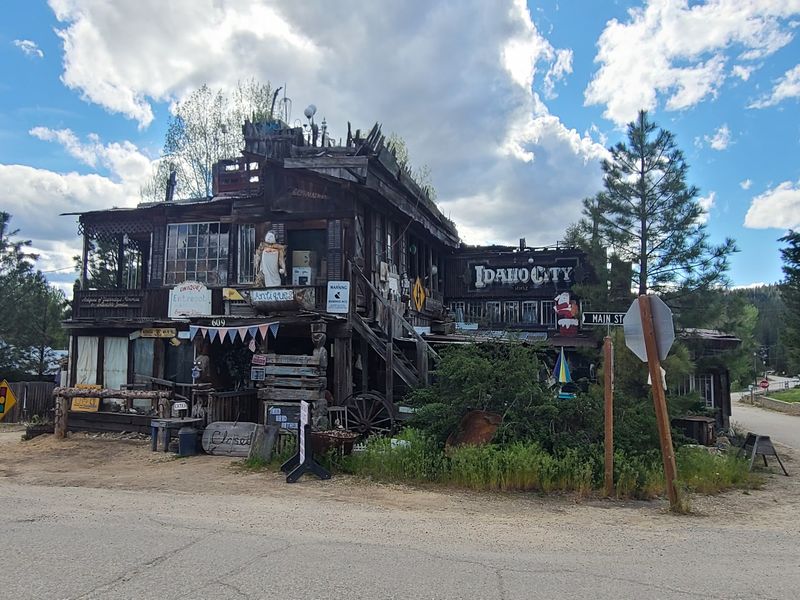
Gold once pulled thousands of fortune seekers up a winding canyon road in Idaho, and today you can walk the whole downtown they left behind in a few minutes. One short block of weathered storefronts holds the story of a mining boom, a county seat, and a community that never packed up and left.
Fewer than 500 people call this mountain town home now, yet it still feels busy with history. It makes an easy day trip from the Treasure Valley, and it rewards anyone who slows down long enough to look closely.
A Mining Town Above Boise
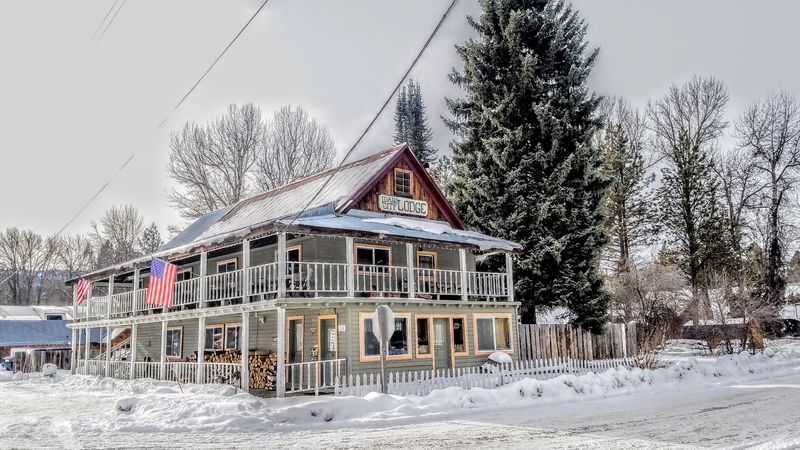
Gold built this place, and you can still sense it in the bones of the buildings. Idaho City is a historic mining town in the mountains of west-central Idaho, sitting in Boise County, where it has served as the county seat for generations.
At first glance, the town looks almost too small to matter. A single block of old storefronts makes up the heart of downtown, with timbered hills pressing close on every side and the sky feeling a little bigger than it does down in the valley.
Size, though, has never been the full story here. Behind those faded facades sits a history that shaped much of early Idaho, from the rush for gold to the growth of the capital city below.
Plenty of travelers pass through on their way to somewhere else and never realize what they just drove past.
Stopping changes that. A short walk down the main street offers a close look at a frontier town that refused to fade away, even after the miners moved on.
The payoff is quiet, physical, and real, the kind of discovery that sticks with you long after the drive home.
Thirty-Six Miles Up The Canyon
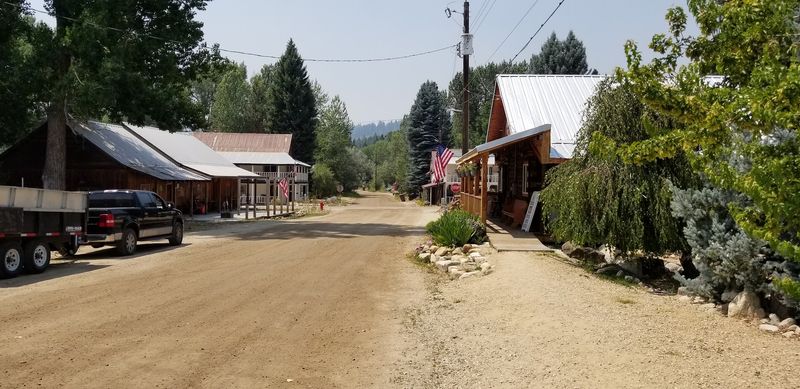
Distance is part of the appeal. Idaho City sits about 36 miles northeast of Boise, which puts it close enough for a lazy Saturday outing but far enough to feel like a real escape from Treasure Valley traffic.
For mapping purposes, the town’s listed address is simply Idaho 83631, USA. That short line says a lot about the place.
Nobody needs a long street name to find downtown when the whole thing fits on one block.
Most visitors reach town by heading up from Boise into the hills, trading subdivisions and shopping centers for curves, pine trees, and creek bottoms. The change in scenery happens fast, and many travelers say the drive itself feels like the first chapter of the visit rather than a chore to get through.
Families from Meridian, Nampa, and Eagle can leave after breakfast and be strolling past old storefronts well before lunch. Near-retirees looking for an unhurried afternoon will find the pace suits them nicely.
Mountain roads deserve respect, so give yourself extra time, especially in poor weather. Arriving relaxed makes the small details downtown much easier to enjoy.
Gold Rush Roots In The Boise Basin
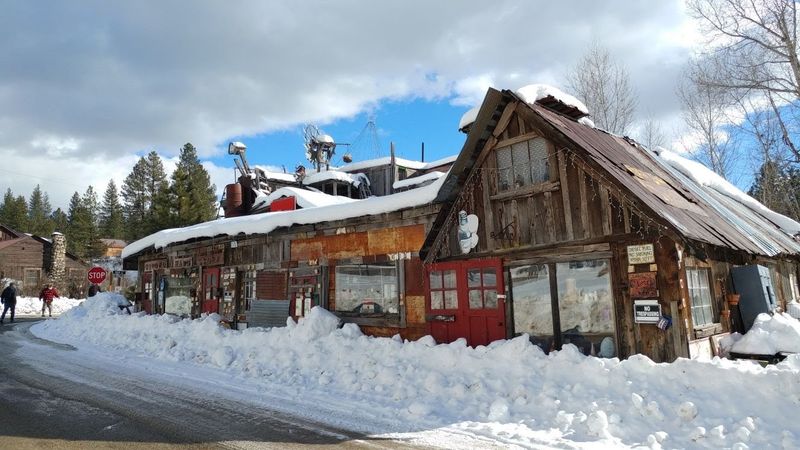
Back in the 1860s, word of gold in the Boise Basin sent people scrambling into these mountains. Idaho City grew out of that frenzy, springing up as a mining camp that quickly became one of the most important settlements in the region.
Miners worked the creeks and hillsides, and merchants followed close behind with supplies, food, and tools. Storefronts went up to serve the crowds, and a town took shape almost overnight in a place that had been wild forest only a short time before.
Booms rarely last forever, and this one was no exception. As the easy gold ran out, many fortune seekers drifted off to the next strike.
What makes Idaho City special is that it did not vanish the way so many mining camps across the West did.
Instead, the town held on. Its status as the seat of Boise County helped keep it alive, giving residents a reason to stay and buildings a reason to stand.
Walking downtown today means stepping onto ground that once buzzed with dreamers and hard workers. Every creaky board and old window carries a small echo of that restless era.
One Block Of Weathered Storefronts
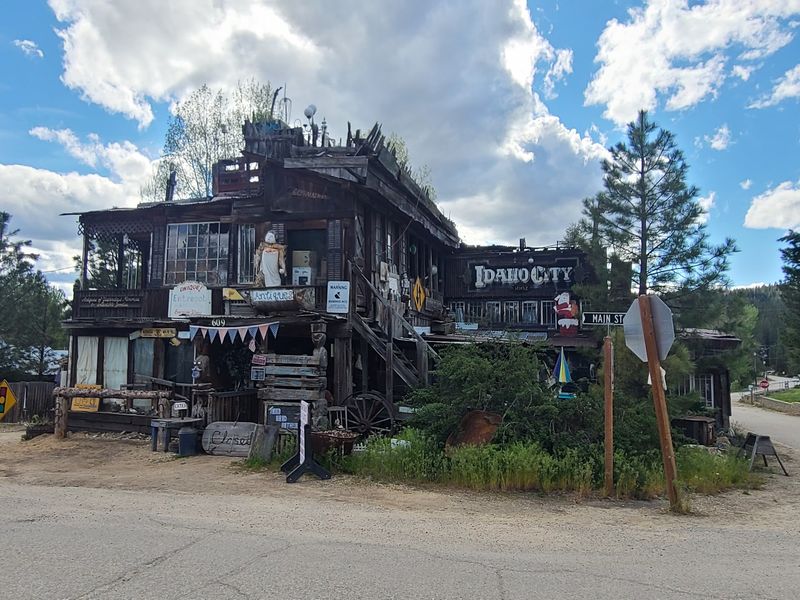
Count the steps if you like. The entire main street in Idaho City stretches just one block, lined with old storefronts that look like they were pulled straight from a frontier photograph.
Weathered wood, faded paint, and simple false fronts give the street its personality. Some buildings lean into their age with rough siding and old-style signs, while others have been cared for and updated just enough to keep them useful.
A short street has a surprising benefit. With nothing sprawling in every direction, your eyes slow down and start noticing things, like the grain in an old door, the shape of a window frame, or the way sunlight hits a rooftop in late afternoon.
Photographers often find this block rewarding because so much history sits in such a small space. Kids tend to enjoy it too, since the whole thing feels like a real-life movie set they can explore without getting tired.
Nobody needs a map to see downtown. Walk one direction, turn around, and walk back, and you will have seen the core of the town.
Doing it twice, slowly, usually reveals details you missed the first time.
Life With 466 Neighbors
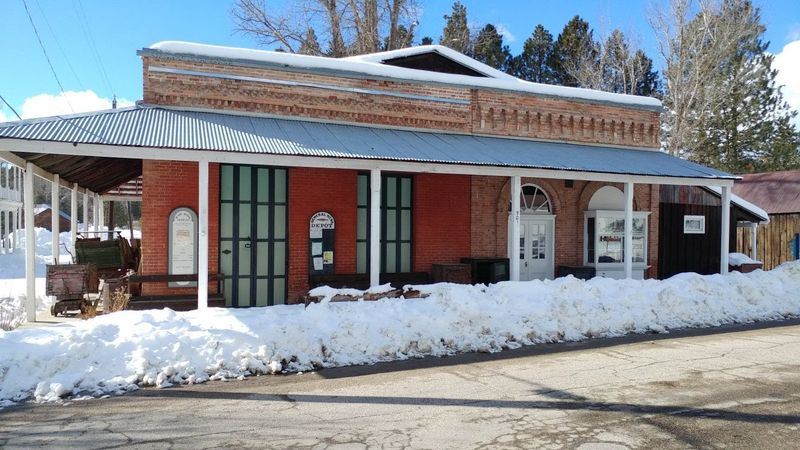
Here is a number worth remembering: 466. That was the population of Idaho City at the 2020 census, which means the whole town could fit inside a single large high school gym.
Small numbers shape daily life in big ways. In a town this size, faces become familiar quickly, and a trip to pick up mail or run an errand can easily turn into a friendly chat on the sidewalk.
Visitors sometimes forget that people actually live here year-round. The old storefronts are not just a museum display; they sit in the middle of a working community where residents raise families, go to work, and deal with mountain winters like everyone else.
Treating the town with respect goes a long way. Park considerately, keep voices friendly, and remember that the quiet you came to enjoy is also the quiet locals depend on.
For Idahoans watching their own hometowns grow fast, a place like this can feel like a reminder of how things used to be. Fewer than 500 residents in a historic mountain town is a rare sight these days, and that small headcount is a big part of what makes a visit feel so different.
Where Boise County Does Business
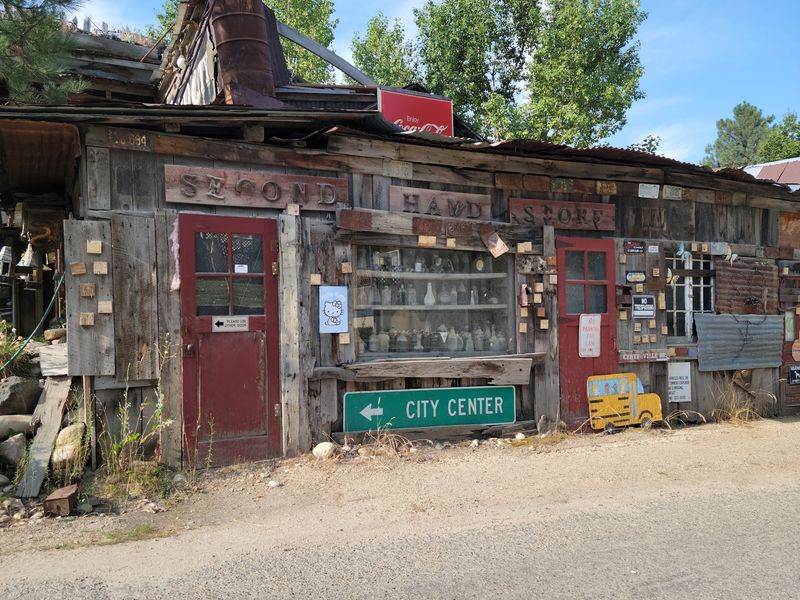
Few people expect a town of fewer than 500 residents to run a whole county. Idaho City does exactly that as the county seat of Boise County, a role that gives this tiny place more weight than its size suggests.
Being the county seat means official business happens here. Records get kept, decisions get made, and residents from across the county have reasons to make the trip into town.
That steady purpose has helped Idaho City outlast the mining boom that created it. Many old gold camps faded once the gold ran out, but a town with government work to do has a reason to keep its lights on and its doors open.
Here is a fun bit of trivia for your next road trip: the county is named Boise County, yet the city of Boise sits in a completely different county. Plenty of Idahoans have mixed that one up at least once.
Knowing about the town’s official role adds a new layer to a stroll downtown. Those storefronts belong to a community that still matters to the region, not just a pretty relic hanging on by a thread.
A Pace Measured In Footsteps
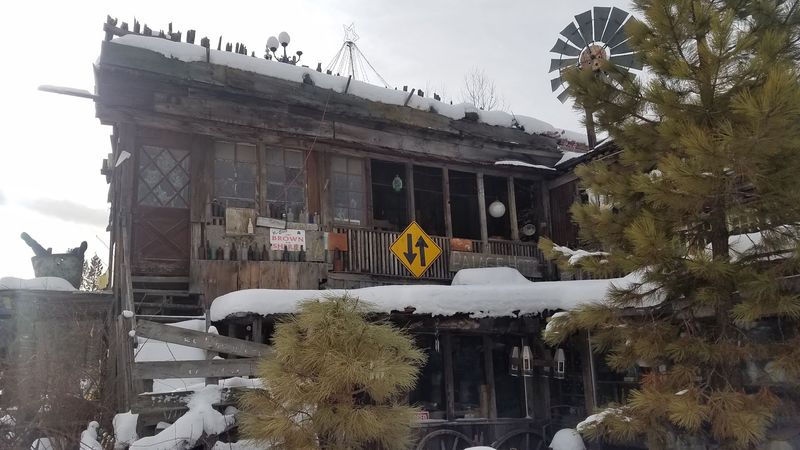
Slow down, and the town opens up. Idaho City is not a place to rush through with a checklist, because the whole downtown can be covered in minutes if you hurry.
Walking at an easy pace works best. Stop to read signs, peek at old building details, and notice how the hills frame the end of the street.
A single block becomes surprisingly full when you give it your attention.
Families often appreciate how manageable everything feels. Little legs do not get worn out, and parents do not have to worry about crossing busy intersections or keeping track of kids in a crowd.
Older visitors tend to enjoy the unhurried rhythm too. Benches, shade, and short distances make it easy to take breaks and simply people-watch for a while.
Many visitors say the best moments come from doing almost nothing. Standing on the street, listening to the breeze in the pines, and imagining miners walking the same route more than a century ago can feel surprisingly powerful.
In a world that moves so fast, a town that asks you to take your time is a small gift worth accepting.
Pine Hills On Every Side
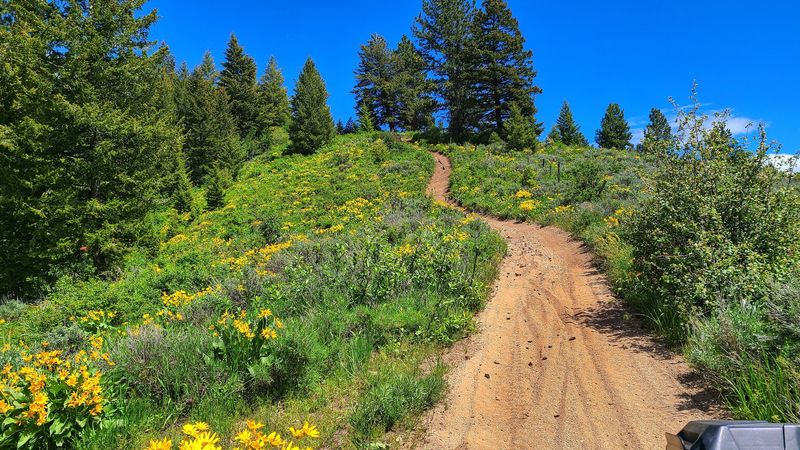
Look up from any storefront and trees fill the view. Idaho City sits in the mountains of Boise County, where forested hills rise close around town and give the whole place a tucked-in, sheltered feeling.
Mountain air is part of the experience. Even on warm days, it often feels fresher than the air down in the Treasure Valley, and the scent of pine can drift right onto the main street.
Scenery here is not flashy in a postcard way. Instead, it feels grounded and lived in, with rugged slopes that remind you why miners had to work so hard to pull a living out of this land.
That setting also explains the town’s story. Creeks winding through the hills carried the gold that started everything, and the steep terrain made travel slow and supplies precious back in the early days.
Visitors who enjoy the outdoors will find the surroundings a welcome bonus to the history downtown. Even a short pause at the edge of town, just watching clouds move over the ridgelines, can make the drive feel worth it.
Bring a jacket, since mountain weather can shift quickly.
Who Feels At Home Here
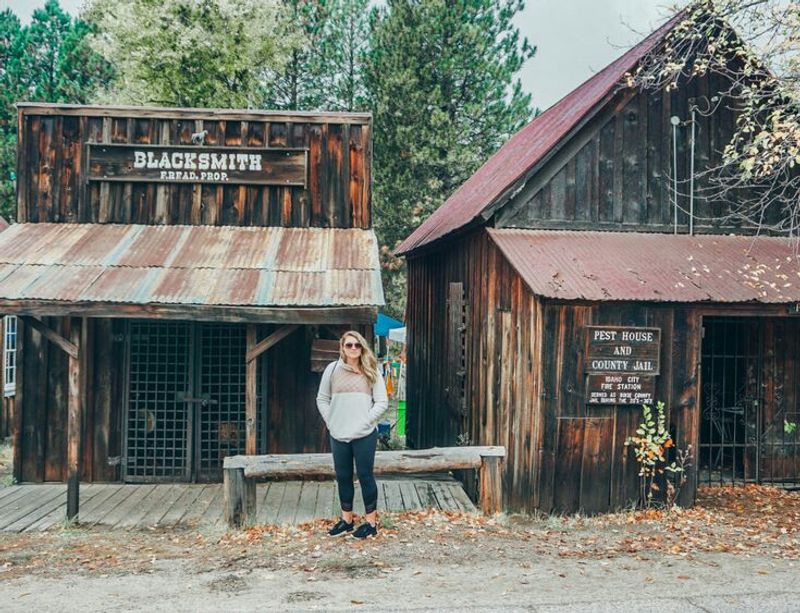
History buffs, first and foremost, will feel right at home. Idaho City offers a real frontier mining town where the past is not hidden behind glass but standing right there on the main street.
Families looking for an affordable day out also tend to have a good time. Kids can explore a short, safe downtown, and the drive through the mountains adds a sense of adventure without being exhausting.
Near-retirees and slow travelers often love the rhythm of the place. No crowds pushing past, no long lines, and no pressure to cram a dozen activities into one afternoon.
Photographers and sketchers find plenty of material in the old wood, weathered signs, and pine-covered hills. Even a phone camera can capture scenes that feel like they belong in an old family album.
Travelers hunting for nightlife, big shopping, or packed entertainment schedules might feel the town is too quiet. That is fair, and it is also exactly the point.
Idahoans who grew up hearing about the Boise Basin gold days may find a special connection here. Seeing the town in person can turn a line from a school lesson into something you can actually touch.
Seasons On A Mountain Main Street
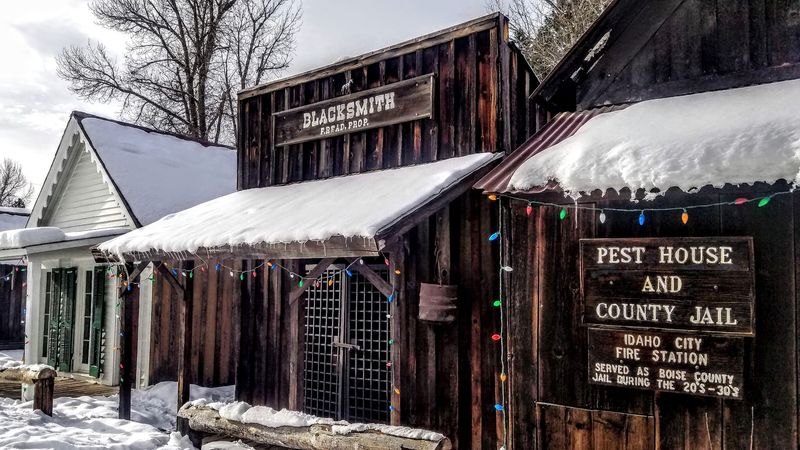
Summer brings the easiest visits. Long days, open roads, and warm afternoons make it simple to drive up from Boise, wander downtown, and still get home before dark.
Fall paints the drive with a different mood. Cooler air and softer light can make the old storefronts glow, and the quieter crowds give the town an even more relaxed feel.
Winter changes everything in the Idaho mountains. Snow can pile up on rooftops and along the street, turning the historic block into a scene that looks like an old holiday card.
Roads can get slick, though, so checking conditions before leaving the valley is a smart move.
Spring tends to be a season of thaw and mud, with creeks running higher and hillsides slowly turning green again. It can be a peaceful time to visit if you do not mind unpredictable weather.
Every season shows a different side of the same small block. Some visitors like to return at different times of the year just to see how the town changes.
Whatever month you pick, pack layers, since mountain temperatures can swing more than you might expect.
Know Before You Drive Up
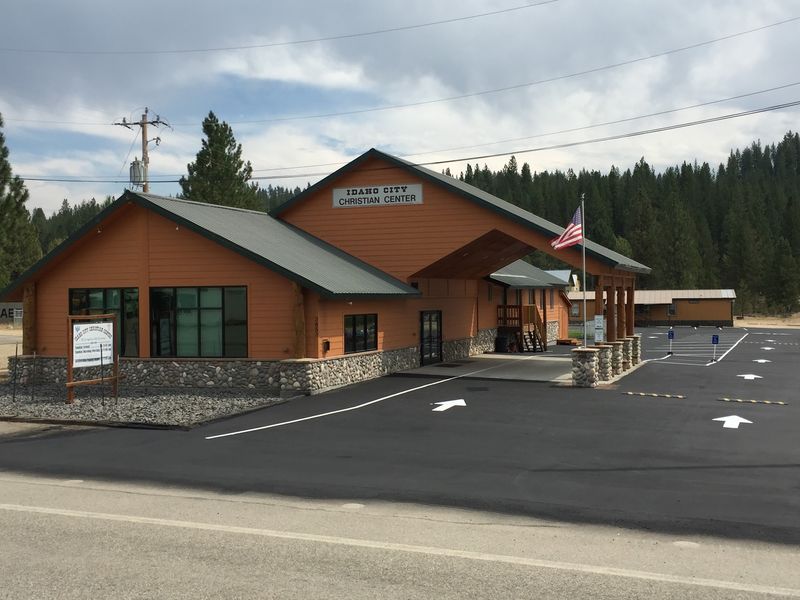
Planning ahead makes a short trip feel even smoother. Idaho City sits about 36 miles northeast of Boise, and the mapped address is simply Idaho 83631, USA, so your navigation app should get you there without trouble.
Hours for individual shops and businesses can vary by season, and some small-town places keep flexible schedules. Checking before you drive is always a good idea, especially if there is one specific stop you really want to make.
Costs for strolling downtown are easy on the wallet, since simply walking the street and looking around does not require a ticket. Bring a few dollars for snacks or small purchases if you plan to support local businesses.
Mountain driving calls for a little extra care. Fill your gas tank before leaving the valley, keep water in the car, and give yourself plenty of daylight for the return trip.
Cell service in mountain areas can be spotty, so downloading directions ahead of time may help. Comfortable shoes, a light jacket, and a camera round out the packing list nicely.
With those basics covered, all that is left is enjoying the drive.
Worth The Winding Road Home
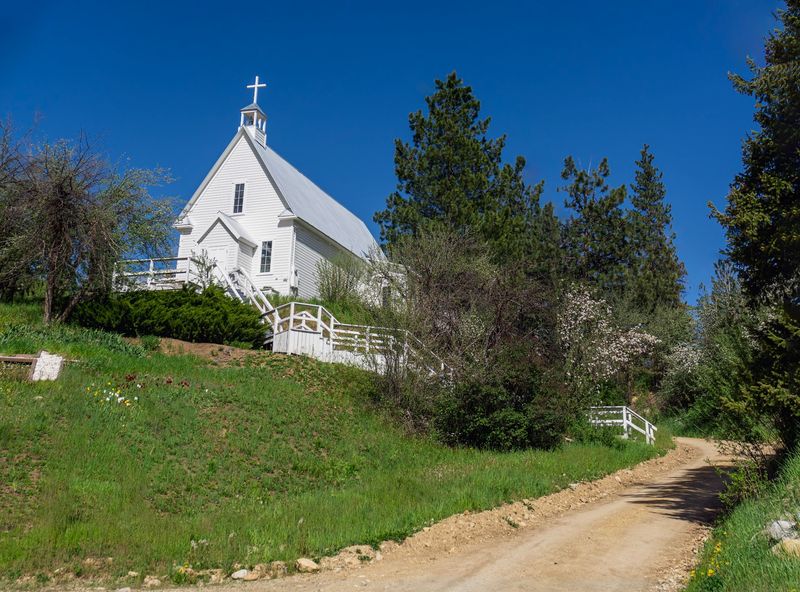
Sometimes the smallest towns leave the biggest impression. Idaho City packs a gold rush past, a county seat’s purpose, and a one-block main street of old storefronts into a place where fewer than 500 people live.
No giant attractions or flashing signs compete for your attention. Instead, the town offers something harder to find, a real piece of Idaho history that still has people living, working, and caring for it.
For Treasure Valley residents, the trip is short enough to plan on a whim. For visitors from farther away, it makes a meaningful stop that adds depth to any tour of the state.
Leaving town, many travelers glance in the mirror at those weathered storefronts and feel a little tug to come back. That feeling is a pretty good sign the visit did its job.
So pick a clear day, pack a jacket, and head up into the Boise County hills. Walk the block slowly, read the old buildings like pages in a book, and let the quiet do the rest.
Idaho City will be waiting, just the way it has for well over a century.