This North Carolina County Has One Of The Largest German Communities In The State
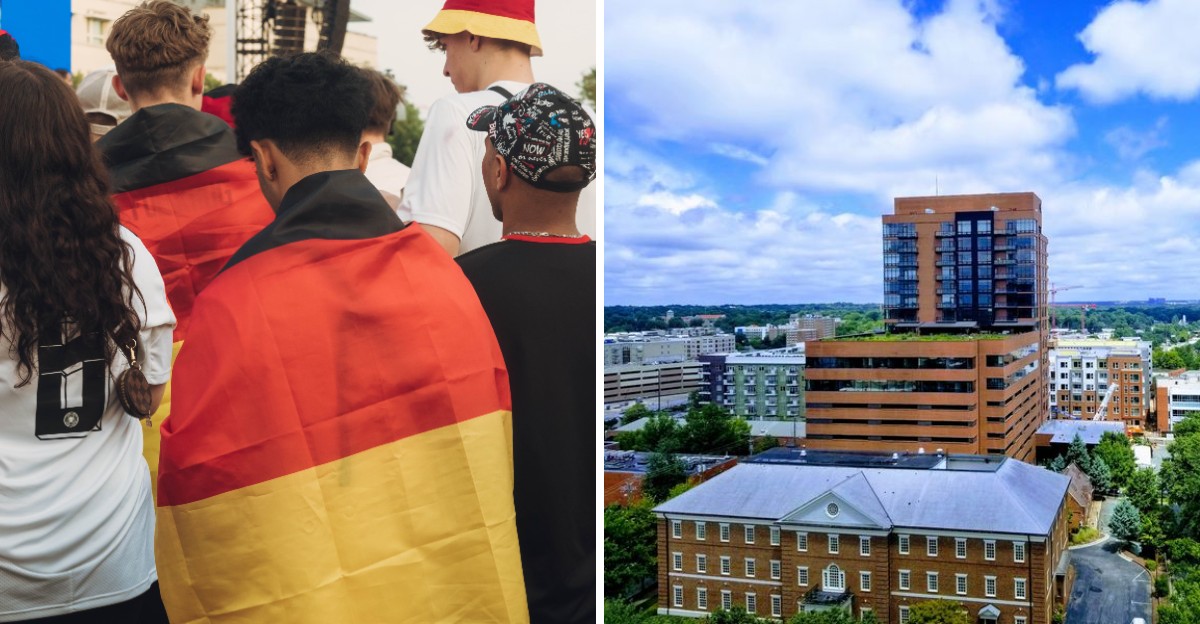
A German accent can turn up in North Carolina where you least expect it.
The surprise gets bigger once you realize this is not just a stray bakery or one enthusiastic Oktoberfest crowd.
Thousands of people across one fast-growing county trace part of their family story back to Germany.
That heritage still slips into everyday life in ways that are easy to miss unless you know what to look for.
Suddenly, the pretzel feels less random. So does the language class.
Even fall gets a little more gemütlich around here.
The percentage may look small on paper, but in a county this large, the headcount tells a much bigger story.
Consider this your invitation to follow the breadcrumbs, preferably the buttery kind.
Roughly One In Ten Residents Reports German Ancestry
A family recipe can travel a long way, even when the people who make it have never visited Germany.
In Wake County, German ancestry is part of many residents’ family stories, and estimates suggest roughly one in ten people may report it.
Ancestry means a connection to earlier generations; it does not mean everyone speaks German or follows the same traditions.
It is also different from a count of people born in Germany.
North Carolina’s most populous county has more than 1.25 million residents, so a share near ten percent would represent a sizable number of people.
Treat that figure as a rough estimate rather than an exact head count, since ancestry surveys and population estimates change over time.
If you are curious about your own background, ask relatives about family names, recipes, photographs, or places older generations called home.
Those small clues can make a broad statistic feel personal.
A handwritten cake recipe might lead to a conversation about a grandparent, while an old photograph can show how a family celebrated a holiday years ago.
You do not need German ancestors to enjoy learning about the culture.
A bakery visit or community event can offer a friendly starting point, with plenty of room to listen and ask thoughtful questions.
The Community Is Huge Even Though Other Counties Have Higher Percentages
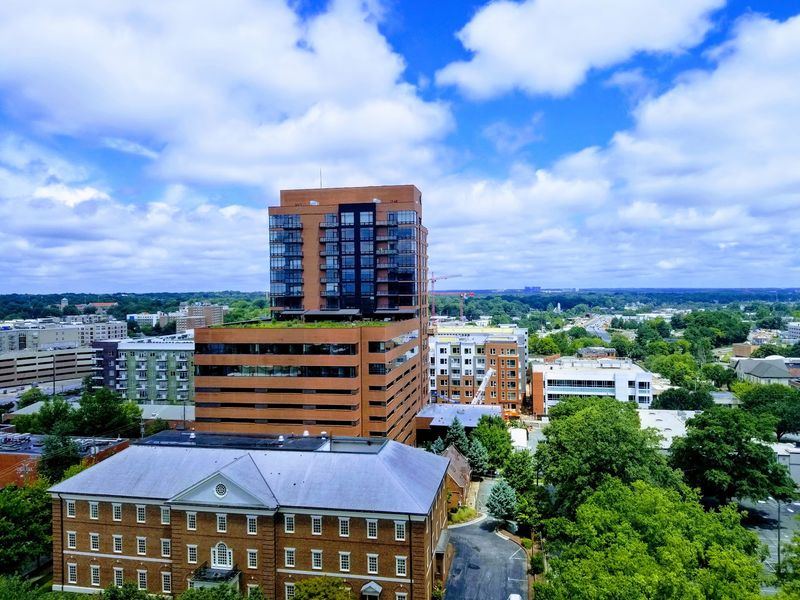
Picture ten slices cut from a small pie, then ten from one big enough to feed a crowd.
The fraction stays the same, but the number of slices changes.
That simple idea helps explain why Wake County can have one of the state’s largest German-ancestry communities without having the highest percentage.
Its overall population is so large that even a modest share adds up quickly.
Wake County includes Raleigh, Cary, and other growing towns where families arrive for work, school, and nearby relatives.
A smaller county with a stronger percentage of German ancestry may still have fewer residents who report those roots in total.
When you see a claim about the largest community, check whether it describes the number of people or the share of the population.
Both measurements are useful, but they answer different questions.
For travelers, that distinction gives the story more shape.
You are not heading to a single German neighborhood marked on a map; cultural connections appear across a broad, busy county.
A morning bakery stop in Cary and an afternoon gathering in Raleigh may show different sides of the same heritage.
Plan by venue and event date rather than expecting every street to tell one story.
The size of the community becomes easier to appreciate when you notice its reach.
A Massive Oktoberfest Brings German Traditions To Life Every Fall
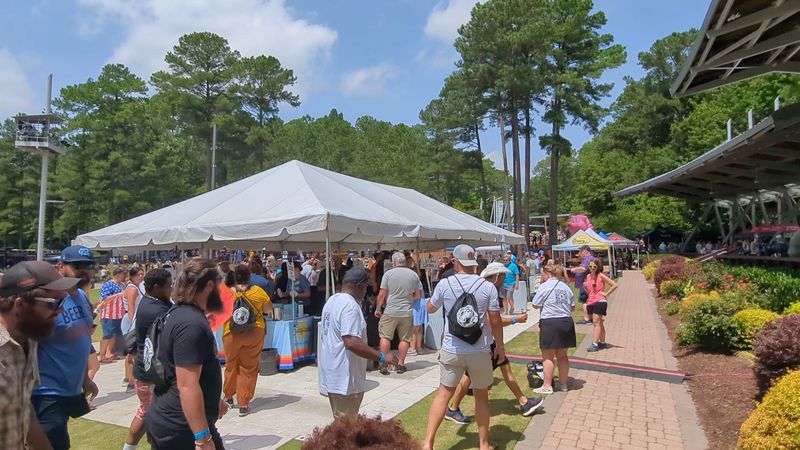
Autumn gives Cary a cheerful soundtrack when Triangle Oktoberfest comes to Koka Booth Amphitheatre.
Music carries across the grounds while families move between performances, activities, and food stands.
The outdoor setting adds its own color, with trees and open space making it easy to pause between the busiest parts of the day. It is a chance to experience German-inspired traditions together rather than read about them from a distance.
Visitors can find wiener dog races, stein-hoisting contests, Kinder Platz activities, festival competitions, and live brass-band music throughout the celebration.
Specific programs can change each year, so check the organizer’s current schedule before promising children a favorite activity.
Koka Booth Amphitheatre is in Cary, which makes the event a practical choice for people exploring the western side of the county.
Comfortable walking shoes can help, since a festival visit often means moving among several activity areas.
Arriving early leaves more time to find your way around and choose a comfortable spot for a performance.
If a traditional dish is new to your family, share one serving first and see what everyone likes.
Watch a dance, listen to a story, then step back and take in the lively scene.
The best part may be discovering that cultural traditions feel most welcoming when people gather to enjoy them.
Bratwurst, Pretzels And Traditional Baking Keep The Food Culture Easy To Find
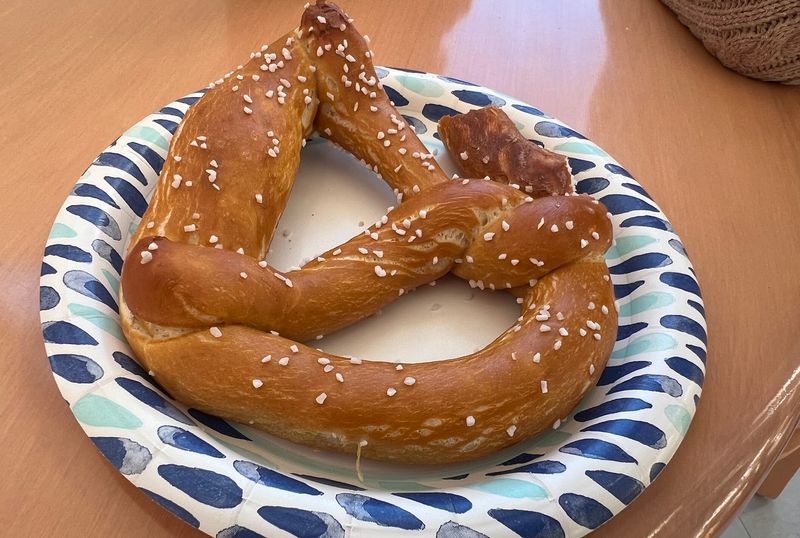
Warm bread and a sweet slice of cake can turn an ordinary afternoon into a small food adventure.
In Cary, Annelore’s German Bakery offers a place to explore German baking without waiting for a festival.
Its breads and pastries give visitors a look at traditions built around careful dough making and familiar ingredients.
A pretzel is an easy place to begin, especially if your group wants something simple to share.
Wake County also offers German-style meals for anyone ready to try more than a snack.
This year’s festival menu lists bratwurst, a schnitzel sandwich, currywurst, and mini potato pancakes among its savory choices. For dessert, look for traditional cakes when a bakery has them available.
Bee sting cake, known as Bienenstich, is often made with a sweet topping and a creamy filling; Donauwellen combines contrasting layers and flavors.
Ask what was baked that day, since a fresh selection may offer something you have never tried.
Taking home bread for breakfast extends the experience beyond your visit and gives everyone another reason to talk about their favorite bite.
A Saturday School Is Helping Younger Generations Keep The Language Alive

A new word can open a door to an old family story.
For children learning German, the name of a favorite food or a greeting from a relative may suddenly make sense.
The German International School of the Triangle offers Saturday classes that help young learners practice the language and connect with its culture.
Children who already hear German at home and those just beginning can both benefit from a welcoming place to learn.
Wake County families can look to the Raleigh-based program for structured practice beyond a few words at the dinner table. Speaking, reading, and writing take time, so a weekly routine can help students build confidence step by step.
Before enrolling, check current class levels, meeting details, and schedules directly with the school.
Parents may also explore local German-language playgroups and story times through CarolinaKinder to find another way for children to practice.
Language learning does not have to stop when class ends.
A family might label common kitchen items, read a short picture book together, or learn the German name of an ingredient while baking.
Keep the activities light enough to feel like play, especially for beginners.
Whether a child is reconnecting with relatives or discovering a new language, each useful word creates another chance to share a conversation.
More Than 30 German, Swiss And Austrian Companies Have Ties To The Wider Region
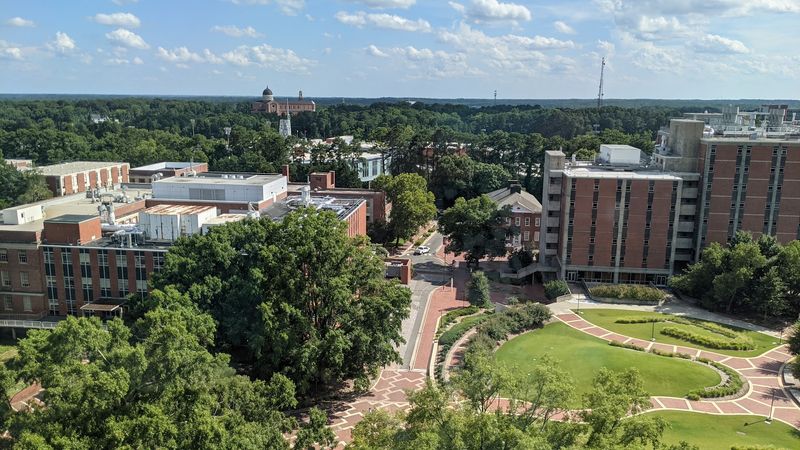
Family traditions are only one part of the county’s international connections. The German International School of the Triangle points to more than 30 German, Swiss, and Austrian companies in the wider region.
That regional figure covers more ground than Wake County alone, but it helps explain why families with ties to German-speaking countries may settle in and around Raleigh.
Work, school, and community life often grow together.
Wake County has a broad mix of employers, and its business connections extend well beyond one country.
A family arriving for a new job may look for familiar foods, language lessons, and activities where children can make friends.
Over time, those everyday needs can support bakeries, classes, and public events that visitors enjoy, too.
Company lists and office footprints can change, so check current local sources if you need a specific employer’s details.
There is a useful travel lesson in that wider picture.
A community’s culture is not always tied to a historic building or a single annual celebration.
Sometimes it appears in a weekday classroom, a freshly baked loaf, or a conversation between neighbors who have followed different paths here.
Notice how those connections fit into ordinary life as you explore.
They help show why the area’s German presence remains active, not just remembered.
Stein Hoisting, Brass Bands And Bavarian Traditions Draw Thousands Each October
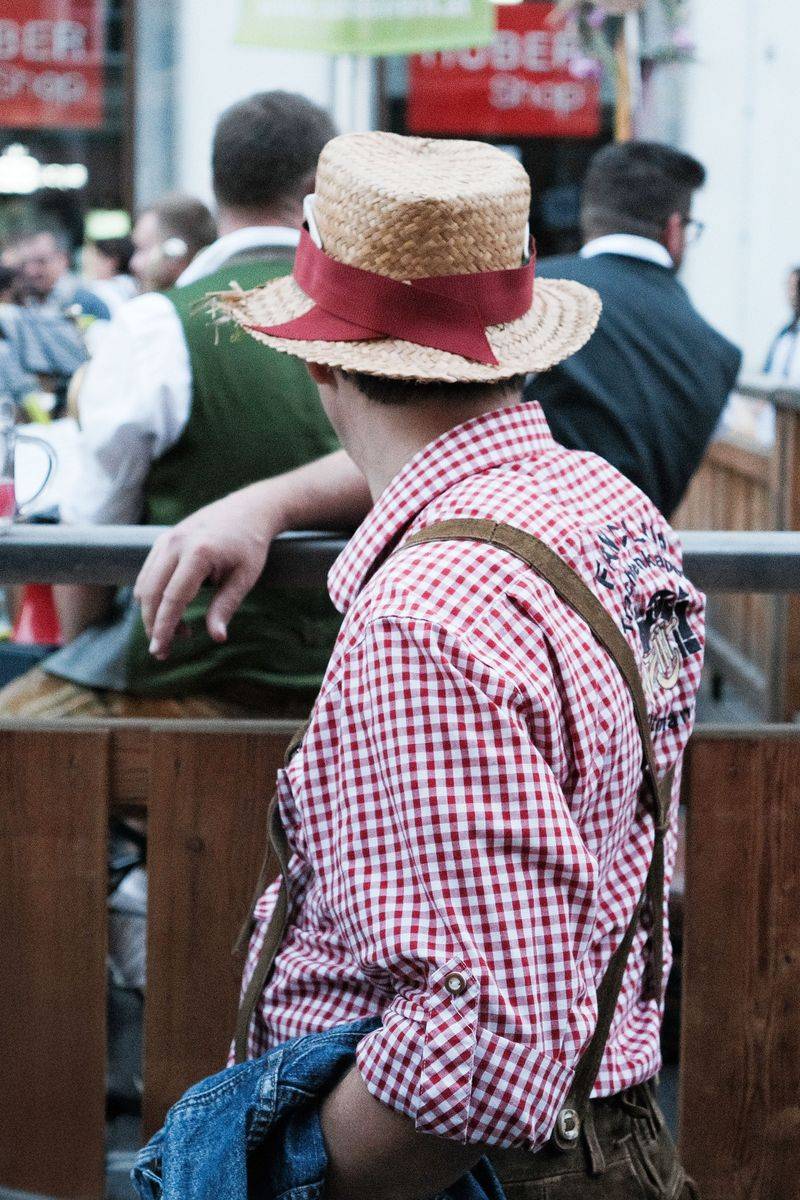
Brass music has a way of announcing a celebration before you can see the stage.
At Cary’s Triangle Oktoberfest, a band can bring bright, lively sound to a program of performances and activities.
Wiener dog races, stein-hoisting, Schlagen Hammer, and the Miss and Mr. Oktoberfest contest add more activity around the live music.
Together, those details make the October gathering feel different from an ordinary afternoon outdoors.
Wake County events may feature customs inspired by Bavaria, a region of Germany with its own well-known music and festival traditions. Some area celebrations have offered stein-hoisting contests, which test how long a participant can hold a stein with an outstretched arm.
Programs differ by venue and year, so look up the current event schedule if you hope to see a particular contest or performer.
Choose a spot where younger visitors can see the stage without crowding others.
For a relaxed visit, build your day around one or two performances instead of trying to catch everything.
Leave time to walk, sample a snack, and listen closely to the band; the punch of the brass and steady beat are part of the fun.
If the grounds grow busy, stepping aside for a short break can make the next activity more enjoyable.
You may leave humming a tune long after the festival ends.
Why German Heritage Runs Much Deeper Here Than Most Visitors Realize
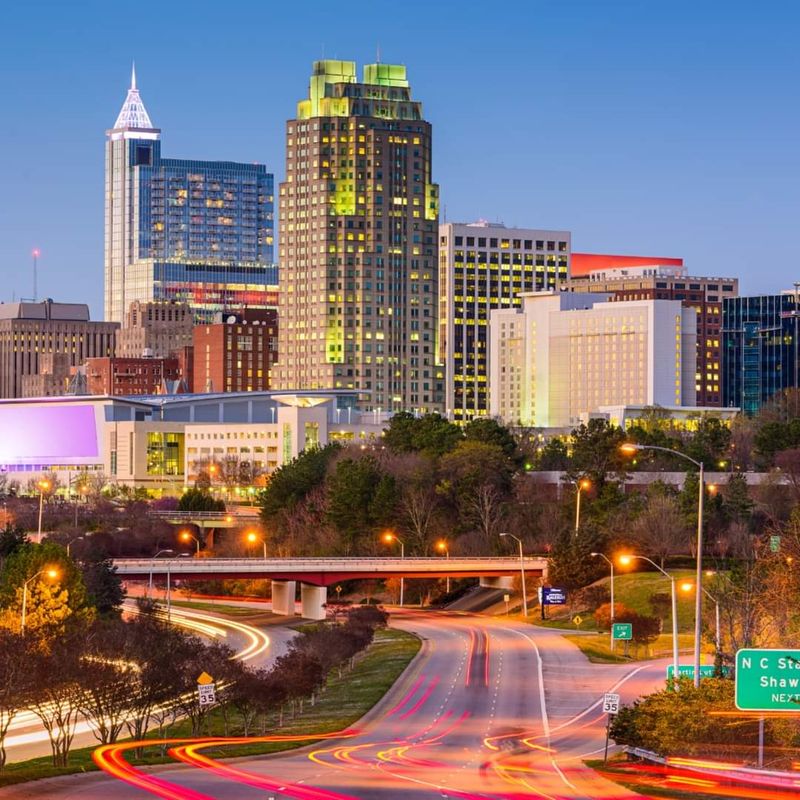
A festival lasts a day or two, but a family story can stretch across generations.
German heritage in Wake County includes people whose ancestors arrived long ago, as well as families with more recent ties to Germany.
Those paths are not all the same, and there is no single way to take part in the culture.
Food, language, music, and shared memories each offer a different piece of the picture.
North Carolina has a longer history of German settlement, particularly in other parts of the Piedmont, but that history should not be mistaken for a single origin story for today’s Wake County residents.
Raleigh and Cary have grown through many kinds of migration and family moves.
The county’s present-day community reflects that mix, from children learning German on Saturdays to bakers carrying on familiar recipes.
Looking at both past and present gives the heritage its proper depth.
As you explore, try asking what a dish is called or how an event tradition began, then make space for the answer.
You might find a recipe passed down at home or an activity learned by someone who moved here only recently. Neither story is less meaningful.
What makes the county interesting is the way many personal connections can meet in the same classroom, bakery, or festival crowd.