13 Quilt And Sewing Shops Around Raleigh, North Carolina, Worth A Crafting Road Trip
Quilters know a dangerous truth: buying fabric and using fabric are two completely different hobbies.
Around North Carolina’s capital, that distinction becomes very easy to understand.
A quick stop for one missing piece can turn into an afternoon of color comparisons and wildly optimistic future projects.
Nobody plans to leave with enough material for three quilts. Yet somehow, the bag keeps getting heavier.
That is the charm of a good quilt-shop crawl.
You start with a list and end with ideas you did not know you needed. The sewing machine may have questions later.
For now, let the fabric win.
13. BERNINA World Of Sewing
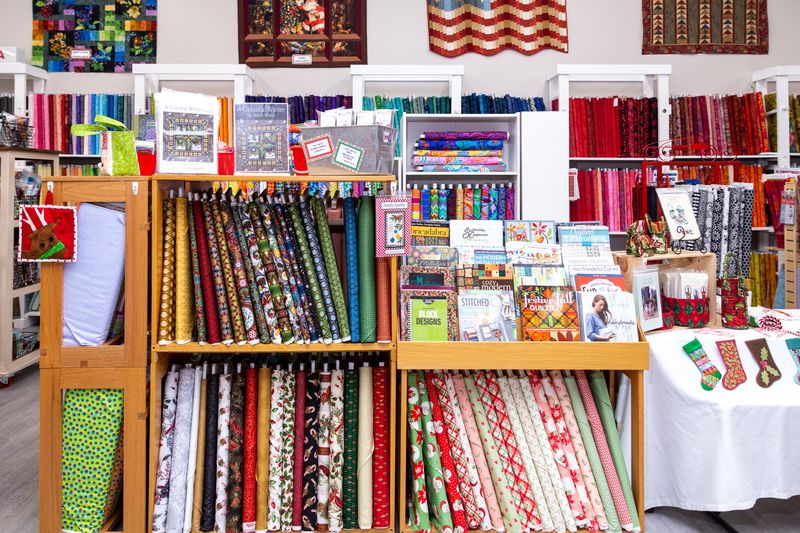
A wall of fabric can change your plans in a hurry.
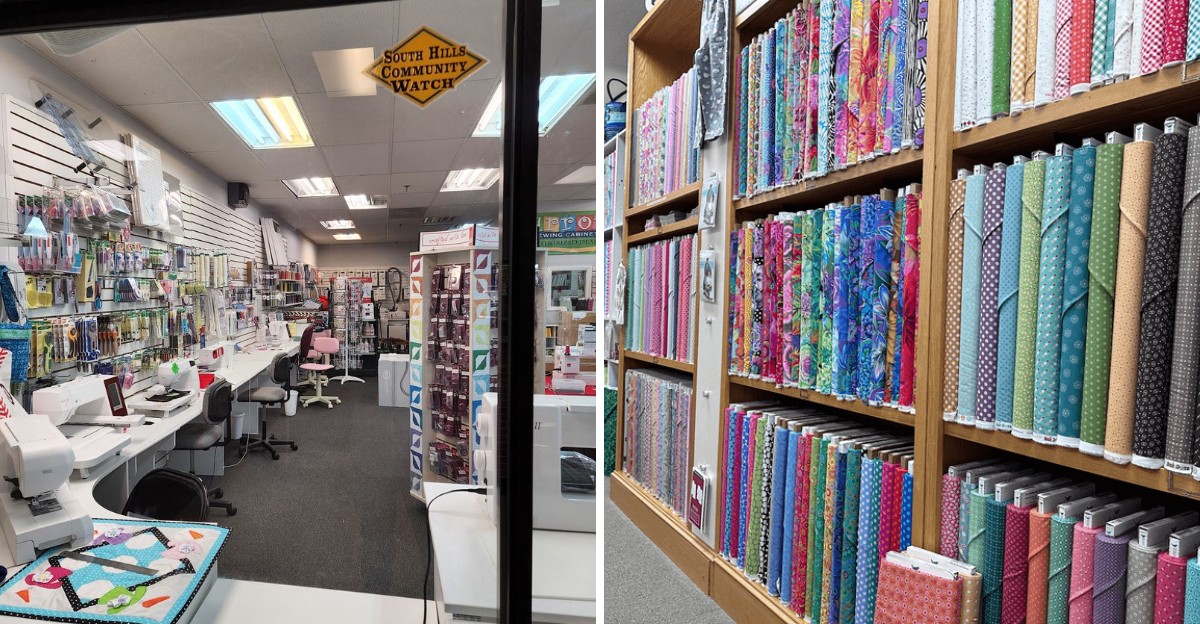
At BERNINA World of Sewing, more than 4,000 bolts of cotton give quilters plenty of colors and prints to compare.
Bring a photo of your project or a small fabric sample so you can match shades in person.
The store also carries Bernina machines, making it a useful stop when your tools need an upgrade.
Classes add another reason to visit, especially if you want help learning a new skill. You can find the Raleigh shop at 6013 Glenwood Ave. Before visiting, check the current class schedule and note which supplies students must bring.
If you are shopping for a machine, think about the projects you actually make rather than choosing features you may never use.
Give yourself time to look at cottons under the store lights and compare several prints side by side.
A busy pattern may shine beside a quiet solid, while two similar shades can look different once they touch.
Ask about suitable needles and thread for the fabric you choose. That quick check can save an extra trip later and help you get started as soon as you return home.
Keep your fabric measurements handy, too, so you buy enough for borders or backing without guessing at the cutting table.
12. Carolina Sew N Vac
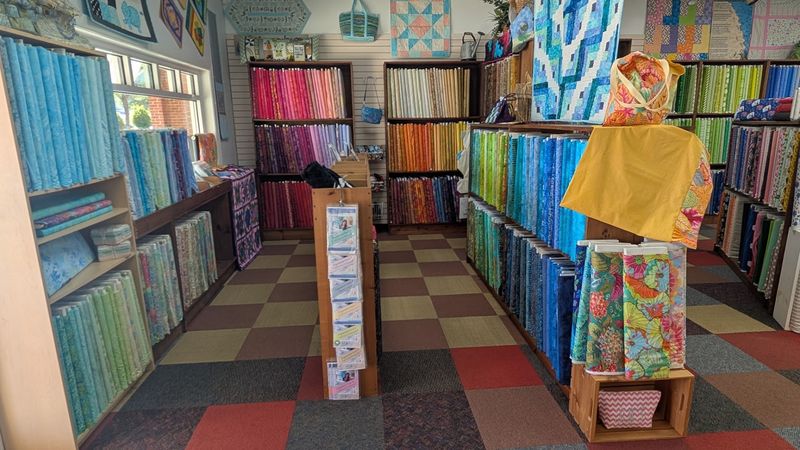
Sometimes the missing piece of a quilt is not fabric at all.
Carolina Sew n Vac brings machines, notions, classes, and fabric together, so you can tackle more than one errand in a single stop.
Its machine selection includes Baby Lock, Janome, and Elna models.
Repair services are also helpful when a familiar machine starts making stitches that do not look quite right.
If you are visiting for service, write down what happened before the problem began and bring a sample of the stitches if you can. The Raleigh store is at 6320 Capital Blvd #125.
A clear description can help staff understand whether the trouble appears during winding, threading, or sewing.
Check service details before carrying a heavy machine across town.
For a new project, small supplies deserve attention too. Fresh needles, suitable thread, and the right sewing foot can make layers easier to handle.
Look over class options if you want guided practice instead of learning everything from a screen.
Keep a note of your machine model on your phone; it makes choosing compatible parts much simpler.
After shopping, group your new supplies by project at home so a tiny tool does not disappear before you need it.
A simple repair or supply run may get an unfinished quilt moving again.
11. Mill Outlet Village
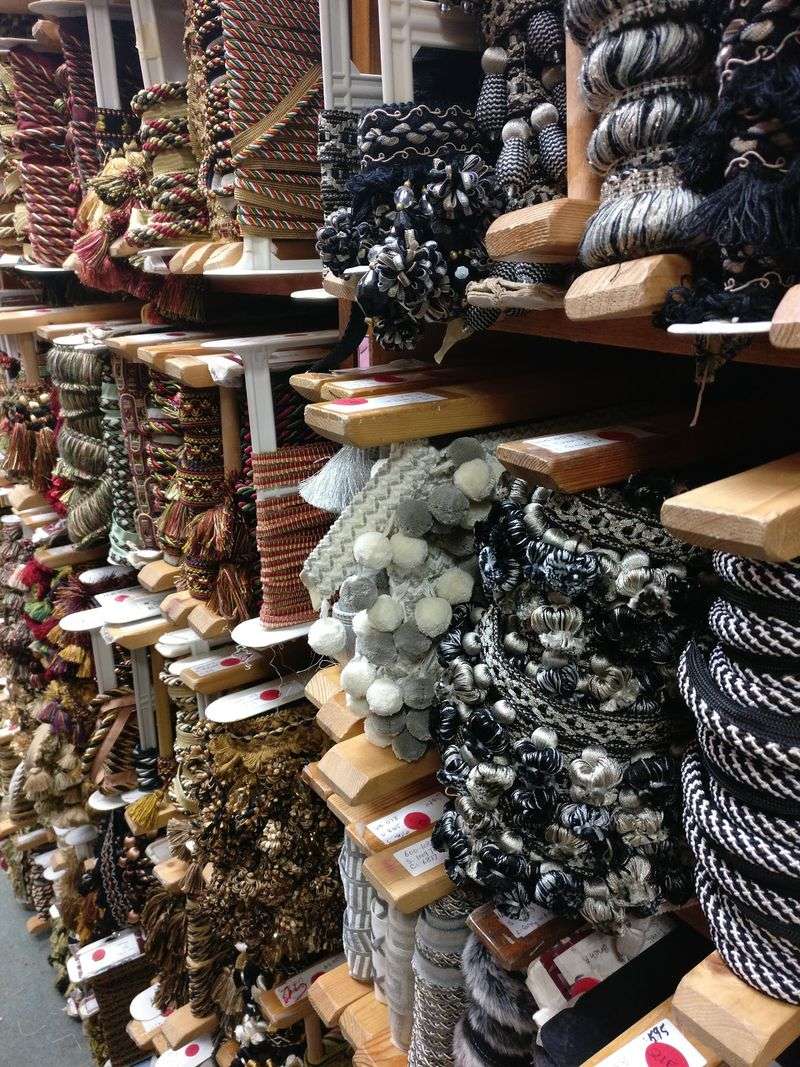
Here is a stop for anyone who loves comparing textures as much as colors.
Mill Outlet Village has served fabric shoppers since 1958 and spans more than 25,000 square feet.
Its range includes quilting fabric alongside dress, drapery, and upholstery materials.
That mix can be useful when you are planning several sewing projects and want to gather ideas under one roof.
Start with a list of what your quilt needs, then leave extra time to browse beyond the cotton shelves.
In Raleigh, the store is at 4601 Paragon Park Rd. Not every fabric suits a washable quilt, so check the material and care instructions before buying. Upholstery cloth, for example, may be better for a separate home project than for a soft quilt top.
Large selections can make colors look different as you move between aisles.
Hold possible choices together and step back to see whether their prints compete or work as a team.
If you are buying fabric for a specific pattern, carry the measurements with you and ask about cutting widths.
Basic sewing supplies may help you finish the shopping list, but check your basket before checkout. Then take one last look at the pieces you chose together.
The pleasure here is finding a useful match, not simply bringing home the brightest bolt.
10. Craft Habit
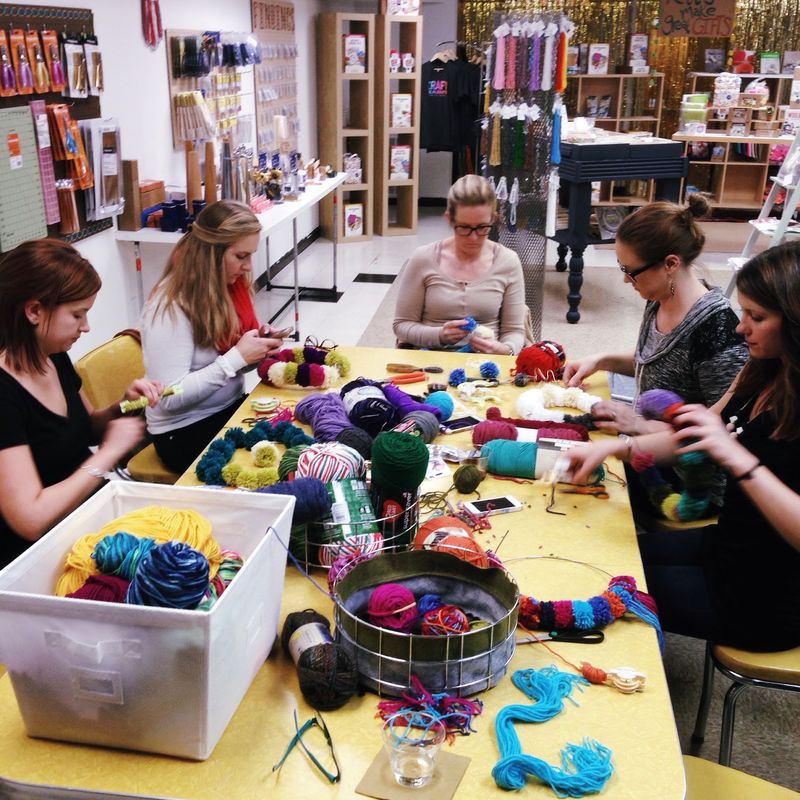
Bright supplies and a hands on project can make an ordinary afternoon feel new.
Craft Habit mixes retail shopping with workshops, offering kits and materials for several kinds of making, including sewing and quilting.
It is a lively choice when someone in your group wants to craft but does not yet know which project to try. A small kit can be easier to start than a full quilt.
Browse the class calendar before you go, since workshops, open studio options, camps, and private events serve different needs.
You will find Craft Habit at 3224 Lake Woodard Dr in Raleigh.
Check the age guidance and supply list for any activity that interests your family.
Knowing what is included helps you plan your time and avoid buying duplicate tools.
For quilters, the appeal is partly the chance to experiment with color without committing to yards of cloth.
Compare a few prints, notice which shades catch your eye, and think about how they might fit a future block.
If a workshop suits your schedule, guided practice can make a new technique feel less puzzling.
A visit also works as a relaxed break between more focused fabric shopping stops.
You may leave with a finished small project, a fresh idea, or a clearer sense of what you want to sew next.
9. Quilt Kits And Cuts
Matching every fabric in a quilt can feel like a puzzle, especially on your first try.
Quilt Kits and Cuts offers a simpler starting point through kits, along with premium fat quarters, fabric by the yard, books, and patterns.
A kit can help you focus on cutting and sewing rather than searching for each matching print.
Check its contents before buying, since backing and other supplies may require a separate purchase. Plan this stop carefully because regular shop hours are limited.
The Raleigh address is 6503 King Lawrence Rd. Listed hours are Tuesdays and Thursdays from 10 am to 2 pm, the first Saturday of each month from 10 am to 2 pm, and by appointment.
Confirm the current schedule before making the trip because regular walk-in hours are limited to Tuesdays, Thursdays, and the first Saturday of each month.
Fat quarters are handy when a pattern calls for variety without much of any one print.
Lay a few beside your chosen kit or pattern and look for a mix of light, medium, and dark colors. Bring the pattern measurements if you plan to buy yardage, and ask what else you will need to finish.
Its current catalog gives newcomers and experienced quilters plenty to browse through kits, patterns, precuts, fat quarters, and yardage.
8. The Sewing House
A finished quilt begins with many small decisions, not just one lovely print.
The Sewing House is a Raleigh stop to consider while planning a sewing trip along Atlantic Avenue.
Because shop stock and services can change, check its current details before leaving home.
That is especially wise if you need a particular thread color, machine part, or class rather than a general browse. Pack a project bag with your pattern, fabric samples, and a short list of questions.
The address provided for The Sewing House is 5300 Atlantic Ave. Keep measurements on paper or on your phone, including the finished size you hope to make.
With those details ready, you can make better use of any supplies or guidance available during your visit.
Atlantic Avenue also makes a practical part of a Raleigh craft shopping route because another listed sewing stop sits along the same road.
Grouping errands by area can save time, though you should check each business separately for hours.
If a store does not carry what you need that day, your list will still help at the next stop.
Look closely at thread weight, needle type, and fabric care labels before purchasing.
Those plain details matter once the quilt is washed and used.
A little preparation keeps the outing pleasant, even when your project has a stubborn step.
7. The Longarm Lab
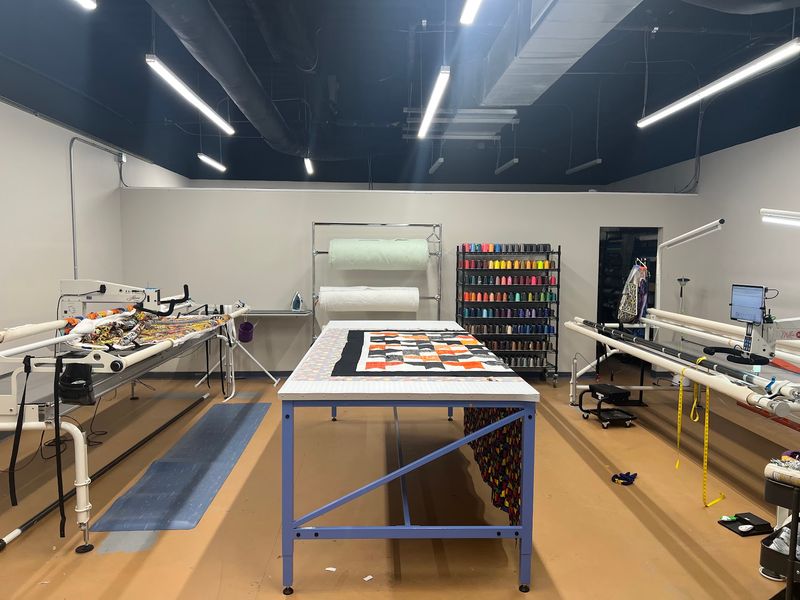
After the patchwork is finished, a quilt still needs stitches that hold its layers together.
The Longarm Lab is a Raleigh stop connected with longarm quilting and APQS machines.
These larger machines move across layered fabric, creating lines or patterns that join the top, batting, and backing.
If you have never seen the process, it helps to learn the basic terms before discussing your project. Measure your quilt top and backing, and check that both are pressed and ready for the next step.
The listed address is 8330 Bandford Way #005.
Confirm current services, visit arrangements, and any preparation rules ahead of time.
Quilt finishing is not one size fits all, so ask how choices such as stitch design and thread color could change the final look.
Picture a simple grid on a bold patchwork top, or gentle curves that soften sharp blocks. Both can work, but the best choice depends on how the quilt will be used.
A piece meant for a bed may call for a different feel than one made for a wall.
Bring clear measurements and photos if you are asking about a machine or service.
They give you a practical starting point for the conversation.
Finishing may be the last major stage, yet it is often what makes the whole design come together.
6. Cary Quilting Company
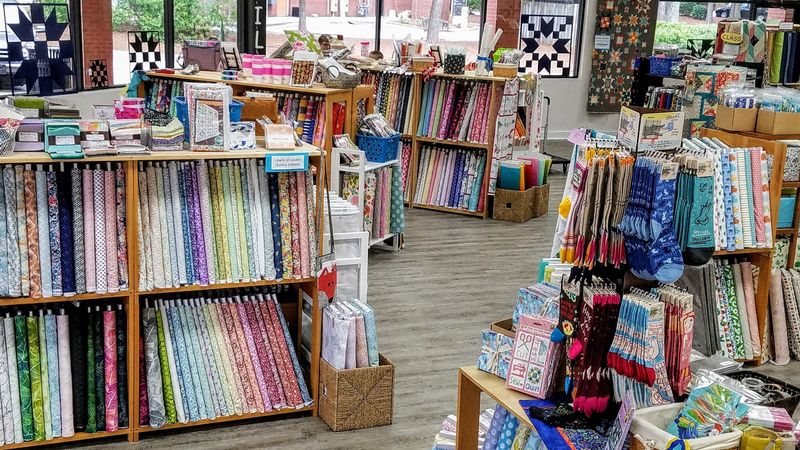
A side trip west of Raleigh can add a lot of choices to a fabric hunt.
Cary Quilting Company carries quilting fabrics, patterns, thread, and notions, with classes and longarm quilting services as well.
Its larger space in Northwoods Market Center includes a meeting center and an area for longarm work. That makes the shop useful whether you are beginning a top or planning its final stitches.
Bring a pattern and check the amount of fabric each block requires before entering the aisles.
The Cary shop is at 935 N Harrison Ave. If you want to compare colors, bring a piece from your project rather than trusting a phone photo, which may show shades differently.
Look up class and service details ahead of your visit so you can plan a useful stop.
Thread is easy to overlook until it is time to sew, yet its color can change the look of a seam.
Hold a few spools near your chosen fabric and decide whether you want the stitches to blend in or stand out. For a longarm project, ask about backing size and preparation before you leave home.
Families making a day of the outing can pair the shop with a relaxed meal in Cary.
A well planned side trip may turn one missing supply into a much clearer path toward a finished quilt.
5. Carolina Sew-N-Vac
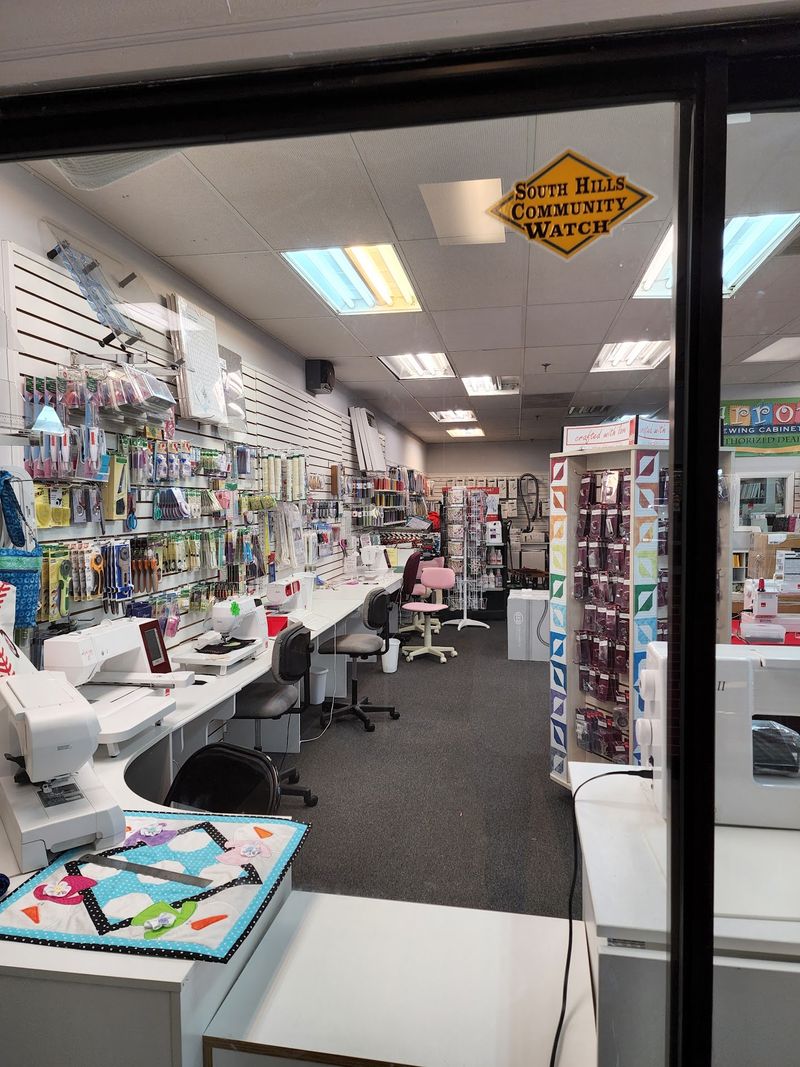
Old skills can feel fresh when you learn a new way to use your machine.
Carolina Sew-N-Vac in Cary offers classes covering quilting, embroidery, serger use, and bag making.
The business has served the community since 1987 and also sells sewing machines and provides repair services. For a visitor touring shops around Raleigh, it offers a chance to put tools and lessons on the same outing.
Think about the task that slows you down most before browsing classes.
Visit the Cary store at 657 Cary Towne Blvd. A lesson on the right machine or method can be more useful than buying another tool without a plan.
Check the latest class schedule, supply needs, and repair arrangements before heading out.
When comparing machines, picture the projects you make at home. A quilter may care about space for bulky fabric, while someone making bags may have different questions about layers and seams.
Write those questions down so you do not forget them beside a busy display.
If your current machine needs service, record its model and the trouble you noticed.
The more clearly you describe the issue, the easier it is to discuss the next step.
This is a practical stop for turning a wish to sew more often into a specific, manageable plan.
4. Sewing In Carolina
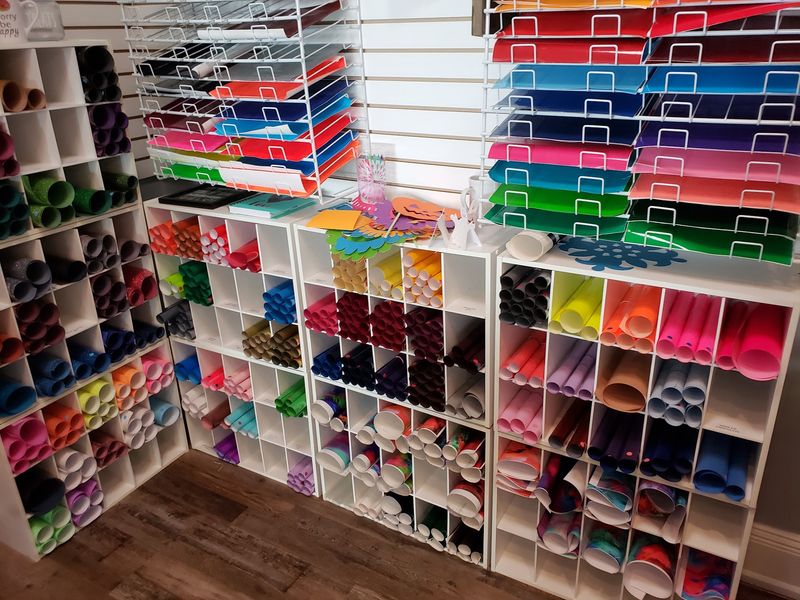
A new fabric can inspire a project, but knowing how to handle it makes the idea real.
Sewing in Carolina combines fabric sales, machines, and classes at its Cary shop.
It is another useful stop for people exploring the wider area around Raleigh.
If you are learning, look for a class that matches your current skills instead of choosing the most advanced project on the calendar.
Before the trip, decide whether you are shopping for material, comparing machines, or seeking instruction. The Cary address is 107 Edinburgh S Dr #111.
That simple choice gives your visit a purpose while leaving room to browse.
Confirm hours and class information, since schedules and available supplies may change.
Take a close look at how fabrics feel, not only how their colors look.
Cotton that suits a soft quilt top can behave differently from material chosen for a sturdy bag.
If you are using a pattern, bring its supply list and ask about any terms you do not understand. Keep a small notebook for measurements and helpful tips gathered during the outing.
It is easy to mix up advice after visiting several shops in one day.
By the time you head back toward Raleigh, you may have a clearer project, a useful lesson to book, or the right fabric to begin.
3. Quilts Like Crazy & Embroidery
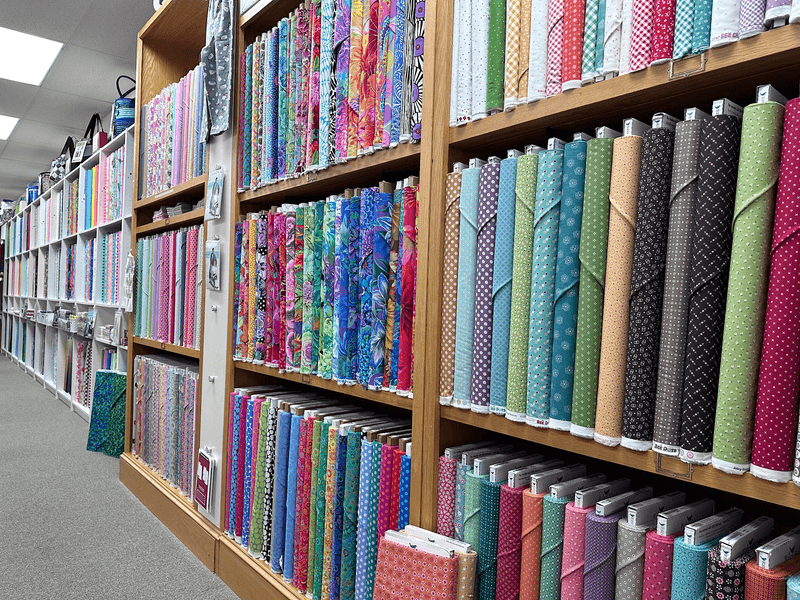
Wake Forest gives quilt shoppers a reason to extend their route north of Raleigh.
Quilts Like Crazy & Embroidery offers fabrics, patterns, kits, and supplies for both quilting and embroidery.
The shop also carries sewing and longarm machines and provides classes.
With so many project types under one roof, it helps to arrive with one main goal and let the other displays offer ideas for later. Try bringing a photo of a quilt you admire and note the colors or shapes that appeal to you.
The shop is at 1241 S Main St #8 in Wake Forest.
A staff conversation or a look through patterns may help you turn that broad idea into a project you can manage.
Check class details and machine availability before making a special trip.
Embroidery can add a name, a small design, or another personal detail to a sewn piece.
If you are interested, ask what materials and equipment a particular project needs rather than assuming any fabric will do.
For a quilt kit, look carefully at what comes in the package and what must be purchased separately. Keep your budget in mind while browsing machines, since classes and basic supplies may be the better first step.
The variety here rewards a curious shopper, but a short list keeps the day from becoming a jumble of unfinished plans.
2. Whatever’s Quilted
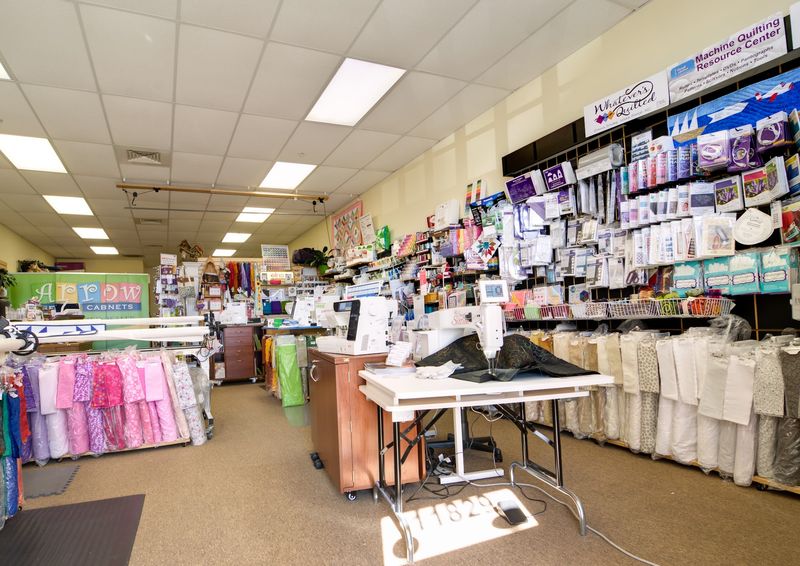
Some quilts wait in a closet because the final stitching feels too big to tackle at home.
Whatever’s Quilted focuses on longarm quilting, with services, rentals, classes, and sales of Handi Quilter and Elna machines.
Its Wake Forest setting makes it a possible finishing stop on a wider Raleigh area shop trip.
If you are new to longarm work, learning the options first can make that final stage less intimidating.
Call ahead to confirm current hours, particularly if you are traveling a distance.
You can find the shop at 936 Gateway Commons Cir in Wake Forest. Hours can change around installations or quilt shows, so checking before departure may spare you a wasted journey.
Ask about rental requirements or service preparation when you make contact.
At home, spread your quilt top flat and check for loose threads or seams that need attention. Measure the top and backing, then write the numbers down instead of guessing.
If you are considering a class, ask what experience is needed and whether materials are provided.
A longarm machine may look unfamiliar at first, but understanding its role helps you choose the kind of finish you want.
Keep a photo of your quilt handy when discussing patterns or thread.
It can make a detailed conversation much easier than trying to describe every color from memory.
1. Sew Happy Fabrics
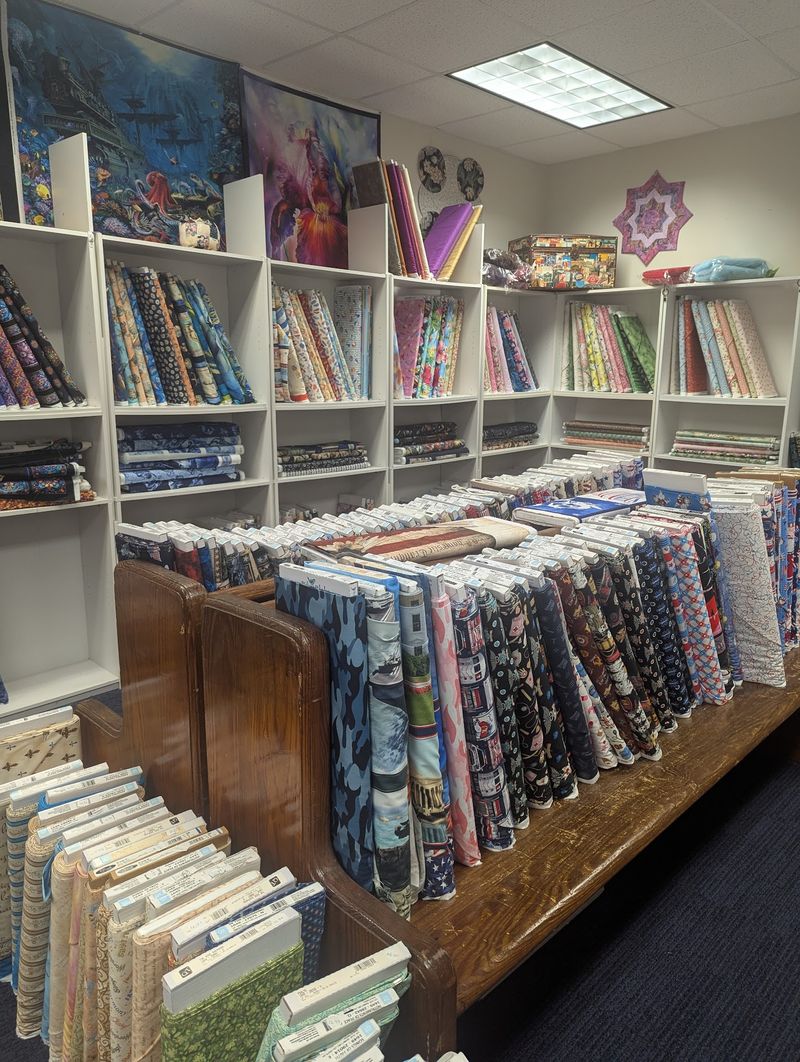
One more fabric stop can be tempting when you still need the right color.
Sew Happy Fabrics in Clayton appears on this Raleigh area quilt shopping route, though it is outside the city itself.
Before setting out, check its current hours and offerings rather than assuming a specific print or supply will be in stock. A little planning matters most when you are making the trip for a single item.
Keep a sample of your project fabric in a clean envelope so it stays easy to compare.
The provided address is 100 Pecan Ln in Clayton. A phone screen can change the look of a color, while a real swatch lets you judge it beside another material.
Bring your pattern too, especially if you need enough fabric for a border or backing.
If you are building a quilt from many prints, watch for variety in scale as well as color.
Small designs can sit quietly beside larger shapes, giving your eye a place to rest.
Read fabric labels and care guidance before buying pieces that will share the same quilt. Leave space in your schedule to look around Clayton without rushing straight back to Raleigh.
The best result of a North Carolina shop trip is not the fullest bag; it is finding fabric you are ready and excited to sew.