This Tiny California Country Market Is Packed With Local Foods You Won’t Find At A Supermarket
Grocery shopping gets much more interesting when the shelves are not filled with the same brands you can find almost anywhere.
A tiny country market can turn an ordinary food run into a hunt for something made just down the road.
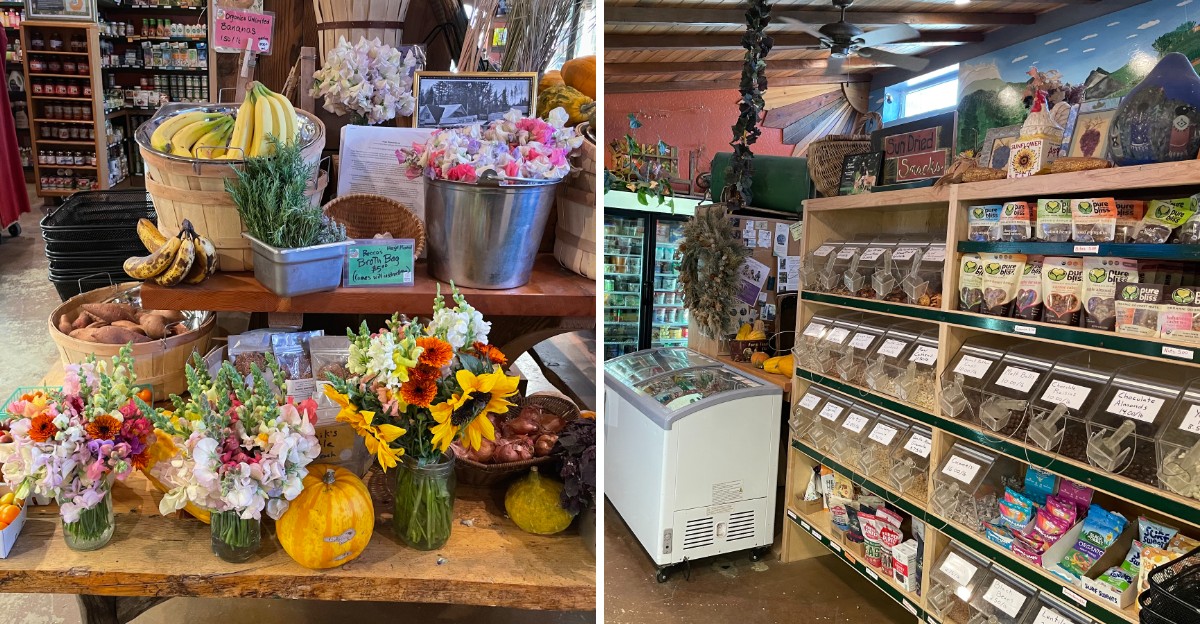
Seasonal produce might sit near local honey, pantry goods, handmade treats, or products from farms and makers you would never encounter in a giant supermarket.
That smaller selection can actually make browsing more fun, especially when nearly every shelf has a story behind it.
The best California grocery souvenirs sometimes come with a farmer’s name instead of a familiar logo.
Buying local also makes the stop feel connected to the community around it. Your basket becomes a quick introduction to what nearby growers and producers have been busy making.
Produce That Travels Only A Short Way
Fresh food tastes different when it has not spent days riding in a truck.
The Gnarly Carrot and Kern Family Farm sits at 32954 Rd 222, North Fork, California 93643, in a small mountain town in the Sierra foothills.
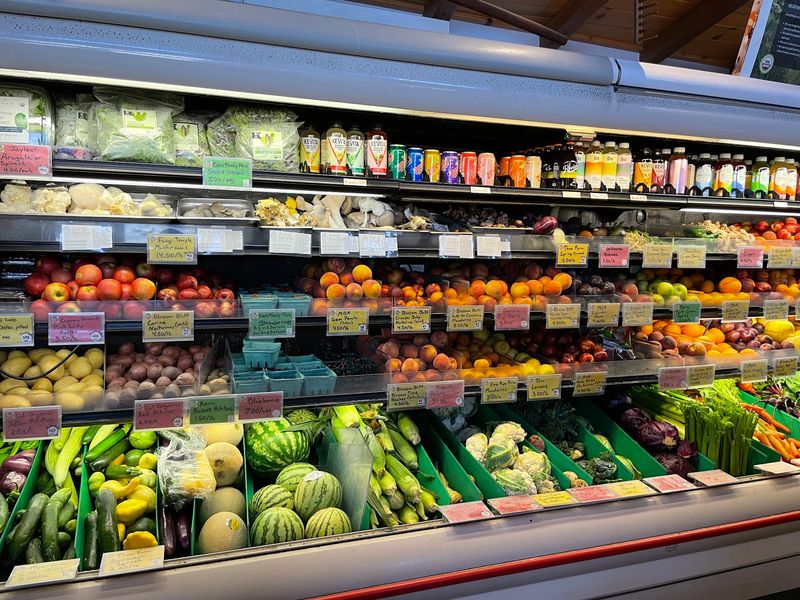
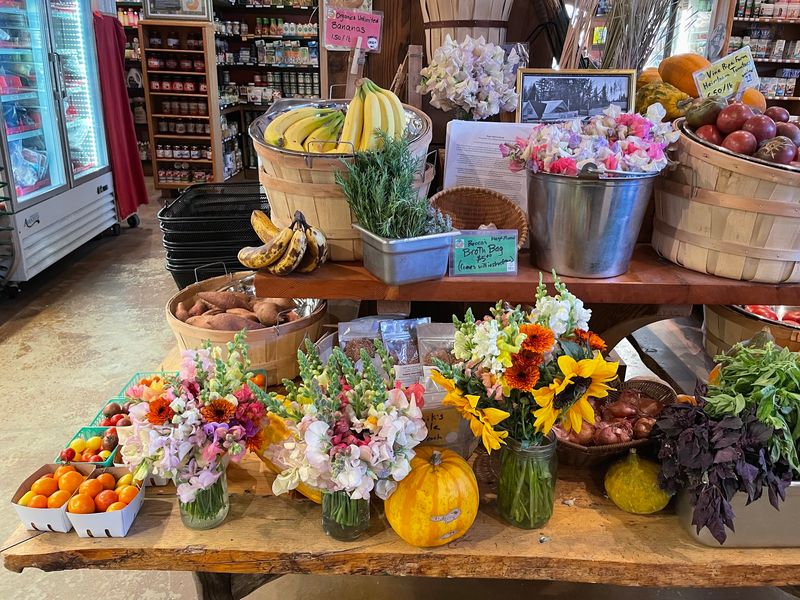
Much of the produce comes from nearby farms, and the store aims to source as close to North Fork as possible.
A big share of that produce grows on the family’s own Kern Family Farm. Shoppers may notice carrots with odd shapes or greens that look freshly picked.
Such quirks are part of the charm, since farm food is not grown to look identical.
The shop is small, so the produce area can be browsed in just a few minutes. Organic produce is one of the main draws, and the selection has earned plenty of praise from shoppers.
Some items may run low on busy days, which is normal for a market tied to local harvests.
A loose shopping list tends to work better than a strict one here. That way, a surprise vegetable or fruit can become part of dinner plans.
Asking about where a certain item was grown is a friendly way to learn more about local farms.
Store hours can shift through the year. Checking the current listing before a long drive is a smart move.
EBT has also been accepted, though confirming payment options ahead of time is always wise.
A Neighborhood Effort Opened The Doors In 2016
Long before the first smoothie was blended, the building was in rough shape.
The family started a community fundraising campaign in 2013 and eventually raised $32,000 to help transform one of North Fork’s most run-down retail buildings into a grocery store, which opened in April 2016.
Small towns often lose their shops, so seeing one open with local support feels hopeful.
North Fork residents had long needed to drive toward Fresno or Oakhurst for many groceries. Those trips could take a big chunk of the day on winding roads.
The Gnarly Carrot was created partly to keep more food shopping inside the community.
Every bag of produce bought in town means fewer long drives for families. It also means more money stays with local farms and makers.
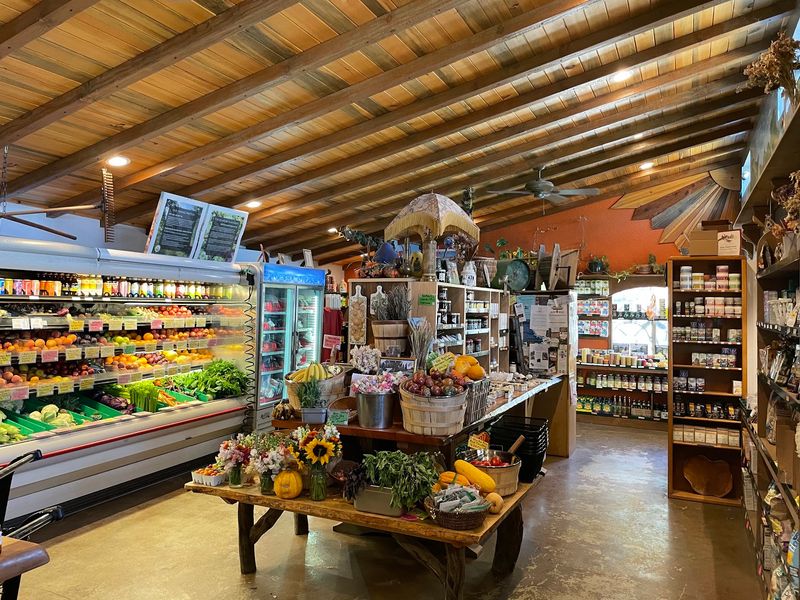
Visitors passing through may not notice that history right away. The space feels simple and homey rather than flashy. Knowing the backstory, though, can make a quick stop feel more meaningful.
Travelers heading toward the Sierra National Forest can treat the market as a handy supply stop.
Grabbing snacks, fruit, or a cold drink here supports the same community that made the store possible. A quick thank you at the counter is always appreciated.
Small details like this give the market a story that big chain stores simply cannot copy. It grew from neighbors who wanted fresh food close to home.
Family Roots Reaching Back To 1975
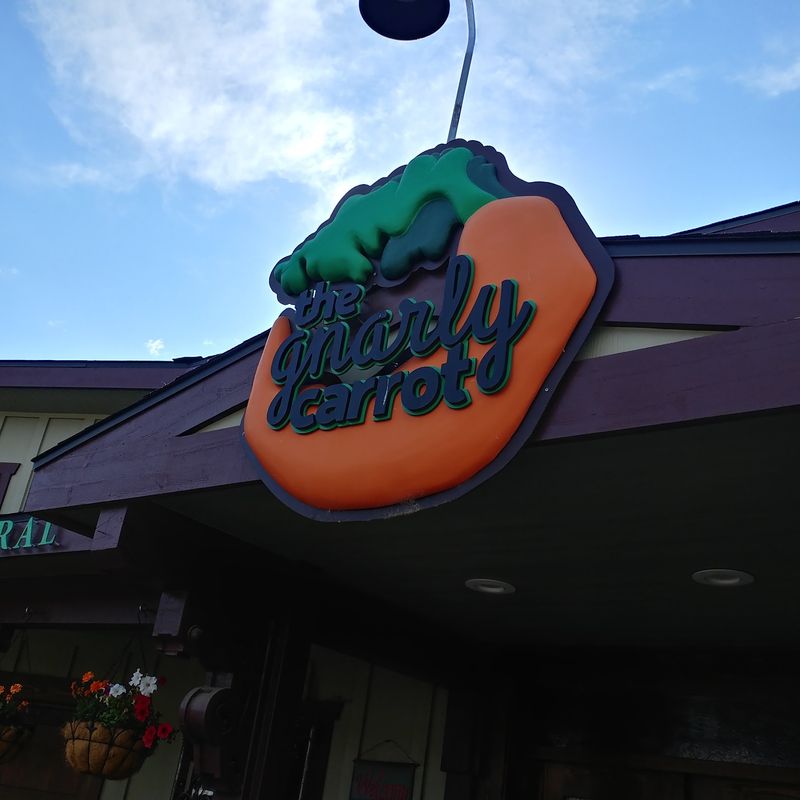
Farm stories rarely begin overnight, and this one stretches back nearly fifty years.
The Kern family bought its North Fork land in 1975. Decades of living on that ground shaped the farm long before any vegetables were sold.
Selling vegetables started in 1999, which marked the official start of Kern Family Farm as a growing business.
That gap between buying the land and selling crops shows patience. Learning the soil, weather, and slopes of a foothill property takes time.
Kids who grew up on farms often say the land feels like a member of the family. A similar spirit seems to run through the market today.
Many products on the shelves trace back to the same acres the family has known for generations.
Shoppers can sense that rooted feeling in small ways. The store carries a homegrown, family-run feel rather than a polished chain style.
Conversations at the counter may naturally drift toward what is growing on the farm that week.
For travelers, learning a bit of history can turn a quick errand into a richer stop. A short chat or a glance at the farm’s website can reveal more about how the operation grew.
Fun fact: the farm also began a school garden project in the same year it started selling vegetables.
Eighty Acres Above The San Joaquin River
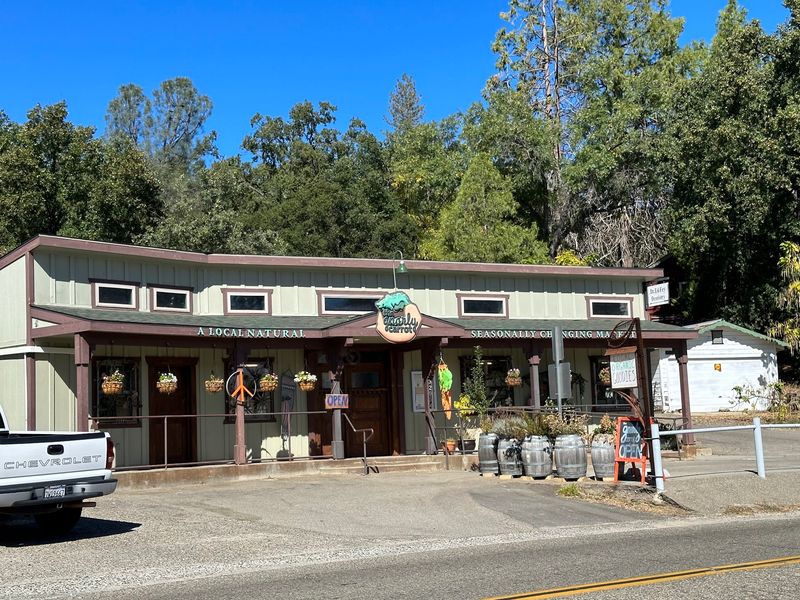
Few grocery stores can point to the exact hillside where their vegetables grew.
Kern Family Farm covers 80 acres in California’s Sierra foothills. The land overlooks the San Joaquin River, giving the property a scenic mountain setting.
Farming on slopes is not as simple as planting in flat valley fields.
The family grows crops across terraced fields that step down the hillside like stairs. Terraces help hold soil in place and make sloped land easier to work.
Hoop houses also play a role on the property. Covered with plastic, hoop houses can protect plants from cold snaps and stretch the growing season.
Foothill weather can swing quite a bit, so that extra shelter may help some crops thrive.
Orchards and vines add even more variety to the land. Fruit trees and climbing plants grow alongside vegetable beds.
The mix creates a patchwork farm rather than one big field of a single crop.
Knowing all that can change how a bunch of greens looks at the market. Those leaves may have grown in a hoop house on a steep slope above a river canyon.
The farm is a working operation, so visitors should not expect to wander the fields freely. Watching for official farm events is the best way to see more of the land.
Handmade Goat-Milk Goods From Prather
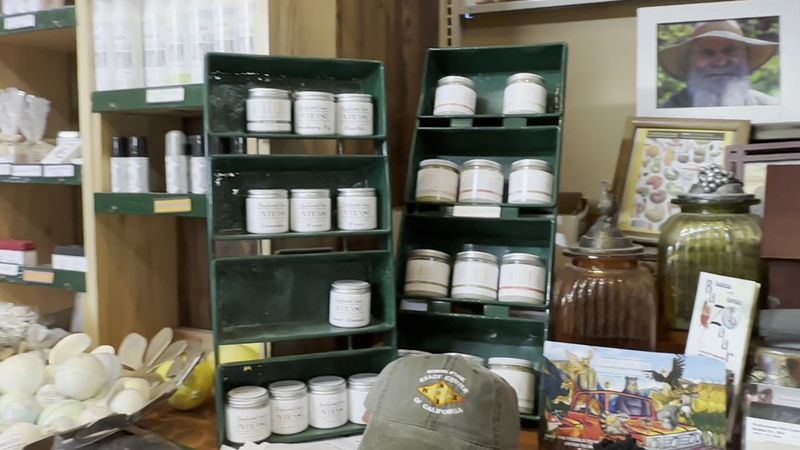
Not everything worth taking home is meant for the dinner table. The shelves include goods from smaller regional producers and artisans.
Many of these finds can be hard to locate in regular grocery stores.
Basilwood Farm is one of the local suppliers. Located in nearby Prather, it is a family-owned goat farm. The farm makes handmade goat-milk soaps and other goods.
Goat-milk soap has a creamy feel that many people enjoy. Bars made in small batches can vary a little in shape, color, and scent. Those small differences are a sign of handwork rather than factory molds.
Picking up a bar or two makes an easy, light souvenir for travelers. Soap packs well in a suitcase and lasts a long time.
Handmade goods also make thoughtful gifts for friends who like local treasures.
Availability of specific products may change, since small makers produce limited amounts. Some scents or items might be sold out on a given day.
Buying from local artisans helps small family businesses keep going. Each purchase supports people who live and work in the same foothill region.
Shoppers who want to learn more can ask about the makers behind the products, and staff may be happy to share their stories.
Local Honey Alongside Pantry Staples And Meats
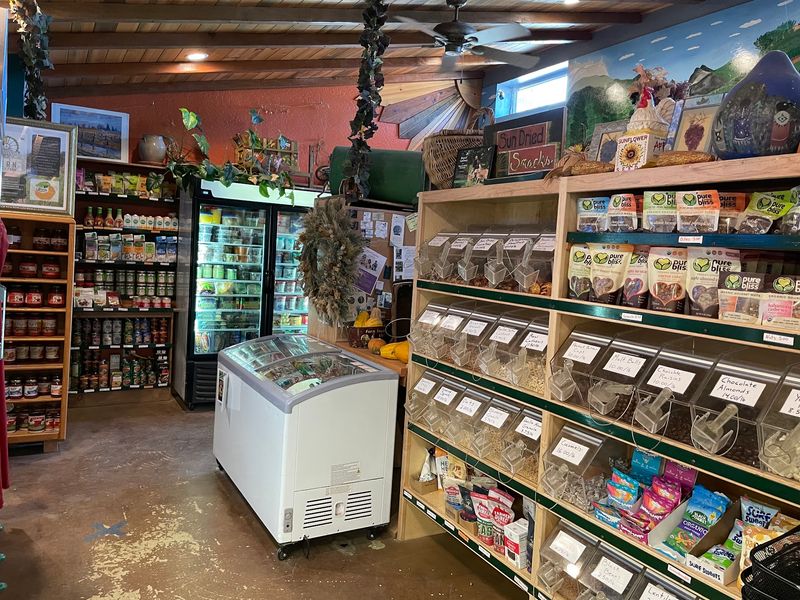
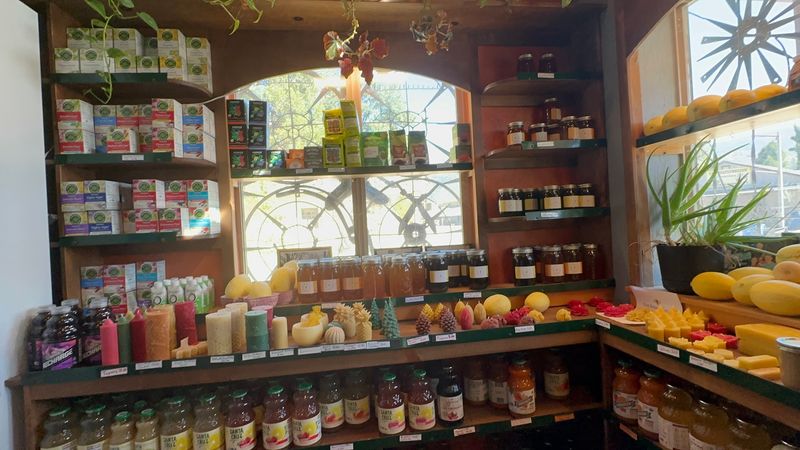
A jar of golden honey can say a lot about a place. Local honey sits on the shelves alongside organic produce, pantry products, meats, and other locally made goods.
Honey from local bees comes from the flowers growing in the region. Flavors can shift depending on what was blooming when the bees gathered nectar.
Tasting it at home on toast or in tea can be a simple way to enjoy the foothills.
Beyond honey, the store offers a little bit of everything for a small shop. Shoppers have mentioned bulk goods, snacks, baked treats, vegan foods, and a freezer selection of meats.
Travelers staying in nearby cabins or campgrounds may find the pantry section useful. Stocking up on a few basics here can save a long drive later.
Mixing practical items at this California spot with a few special treats keeps the trip fun.
Exact products can change from week to week. Small stores carry what suppliers can provide, so the lineup is not always the same.
Being open to trying something new is part of the experience.
For anyone traveling with a cooler, frozen meats may be easier to carry back. Planning ahead for storage helps keep everything fresh on the road.
A Juice And Smoothie Bar Inside The Store
After a long, winding drive through the mountains, a cold smoothie can feel like a reward. A juice and smoothie bar operates right inside the store.
Drinks are made with fruits and vegetables from Kern Family Farm and other nearby farms and orchards.
Fresh produce here is not limited to grocery bags. The same harvest that fills the shelves can end up blended into a cup. That connection gives each drink a true farm-to-cup feel.
Flavors tend to follow the seasons. Some fruits or greens may only be available at certain times of year. Asking what is fresh that day can lead to a tasty surprise.
Shoppers have praised the juices and smoothies as a highlight of a visit. Some have also mentioned all-fruit popsicles, which can be a fun treat on a hot foothill afternoon.
Drinks are made to order, so a short wait is normal. Using that time to browse the shelves makes the wait feel quick. Small spaces can get busy, so patience goes a long way.
Hikers coming down from the mountains often appreciate a refreshing stop like this. A smoothie paired with a snack can make an easy, light lunch before heading home.
Membership Perks And A School Garden Legacy
Regular shoppers have a simple way to save a little and stay in the loop. A $50 annual membership currently includes 5% off purchases.
Members also receive weekly farm updates and invitations to annual Kern Family Farm events.
Perks like these suit locals and frequent visitors best. Small savings add up for families who shop every week. The updates can also help with meal planning around what is fresh.
Membership details may change over time. Checking the current terms at the counter or on the farm’s website is a good idea.
Prices and benefits should always be confirmed before signing up.
The farm’s care for the community reaches beyond the store too.
Back in 1999, the North Fork Elementary School garden project began through the farm. Teaching younger generations how to grow food remains an important focus.
School gardens let kids dig in the dirt, plant seeds, and watch food grow. Students who help grow vegetables may be more excited to taste them. Lessons like that can stick for a lifetime.
Locals have also mentioned a compost program, which can be handy in an area where bears make home composting tricky.
Details may vary, so asking staff is the best way to learn more. Small efforts like these show how a tiny market can play a big role in a mountain town.