This Nebraska State Park Is So Peaceful You’ll Barely See Anyone On Its 22 Miles Of Trails
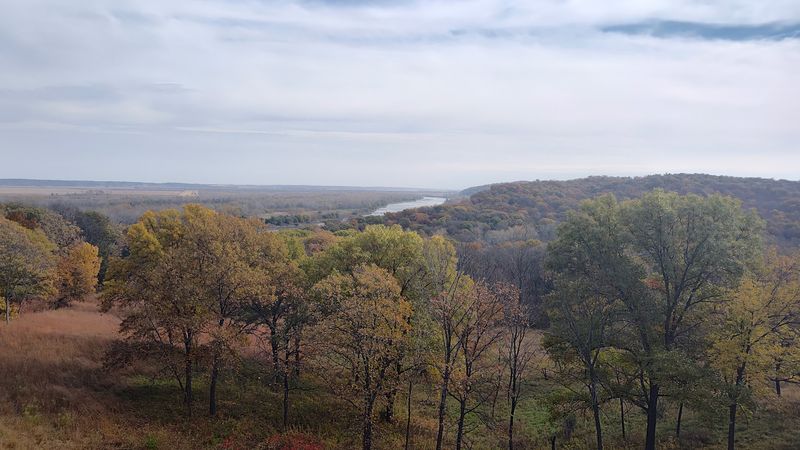
I expected flat fields and a quick stretch of the legs, not a forest so thick it swallowed the sound of the highway. Somewhere in the far southeast corner of Nebraska, the land folds into steep hills, deep hollows, and bluffs above the Missouri River.
The trails go on for miles, and on a quiet day it can feel like the whole place belongs to you. It turned a simple afternoon drive into one of the most surprising outings I have had in my home state.
A Wooded Corner of Southeast Nebraska
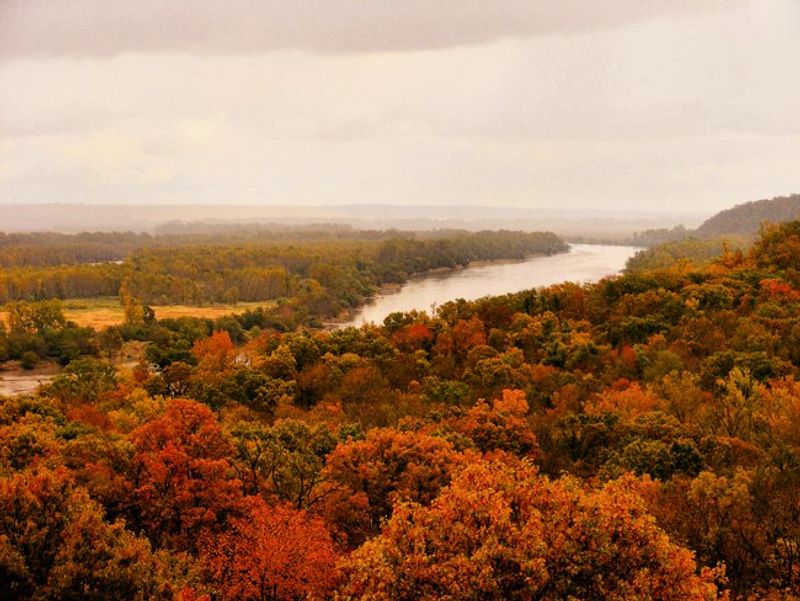
Picture Nebraska and most people see prairie. Indian Cave State Park, near the small town of Shubert in the southeast corner of the state, flips that picture on its head.
The park sits along the Missouri River, where rugged Loess Hills rise into ridges covered in hardwood forest. Deep ravines cut between the hills, and some bluffs look almost like cliffs.
The terrain feels closer to the Ozarks than the Great Plains, which surprises plenty of first-timers who drive in expecting cornfields.
It is a large, protected stretch of woodland set aside for camping, hiking, backpacking, horseback riding, and picnicking. The gates stay open around the clock, so early risers and late arrivals both have options.
Out here, the main draw is space. The park is far from any big city, and that distance does a lot of the work.
Roads wind through tall trees, overlooks open up without warning, and the loudest sound on many afternoons is a woodpecker somewhere up the slope.
If you have lived your whole life in Nebraska and never seen this side of it, the first curve of the entrance road tends to change your mind fast.
Twenty-Two Miles of Hills and Hollows
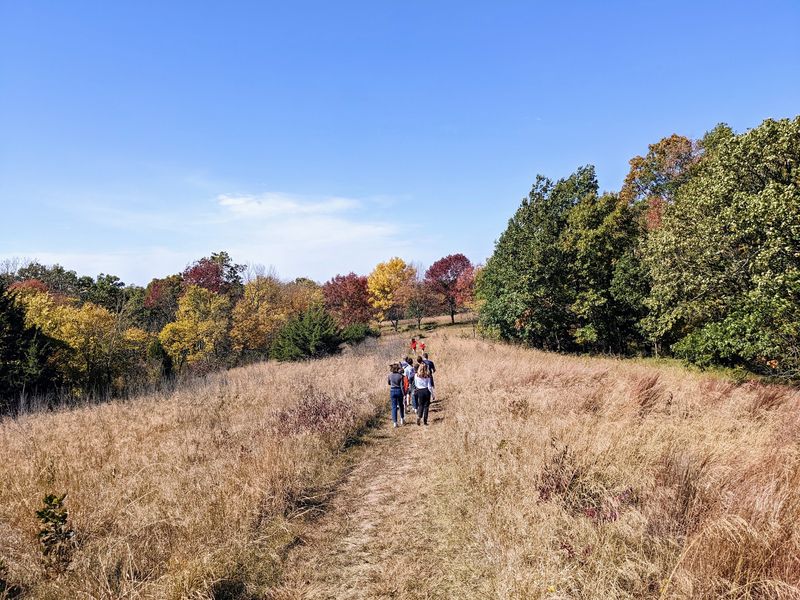
Twenty-two miles is a lot of ground to choose from. The trail system here ranges from easy nature walks to steep ridge climbs, and the variety means you can shape a short stroll or a full day around your own legs.
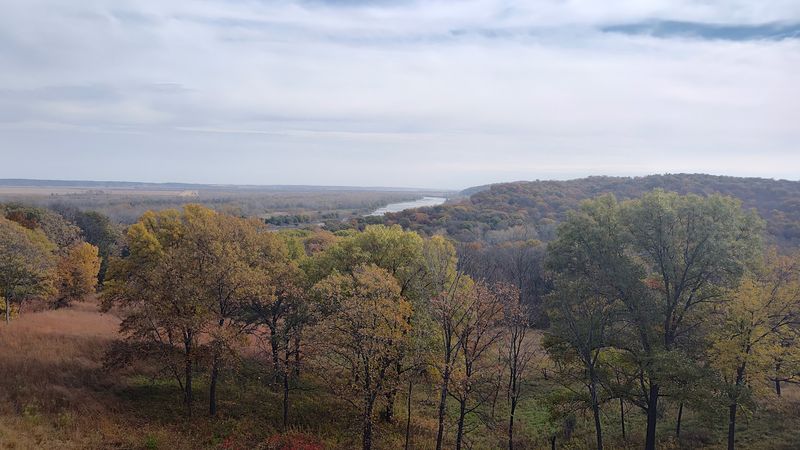
Expect dirt paths, sometimes mixed with grass, climbing through hardwood forest and dropping into shady ravines. Up on the ridgetops, the trees part for wide views of the Missouri River.
Some sections are steep enough to get your heart pounding, and the whole park is hills, so flat stretches are rare.
A three-mile loop can pack in around 1,500 feet of elevation change. That is serious climbing for a state many assume is level.
Trails are numbered, and some branch into lettered spurs like 5A, 5B, and 5C. Parking near Trail 9 gives access to several routes, plus a small pond just steps from the car for a rest afterward.
A few practical notes help. Signage can be sparse in spots, some paths get overgrown in summer, and ground turns slippery after rain.
Bringing a map and a hiking buddy is a smart move.
Room to Breathe
Middle of summer, and the campground sits maybe a quarter full. That scene is common at Indian Cave, where the size of the park spreads people out so thinly that entire trails can pass without another hiker in sight.
Late summer runs especially empty. Winter and early spring are hushed too, though spring rain can leave trails muddy.
Fall weekends bring more cars as the leaves turn, but even then the forest absorbs a crowd well.
Here is a fun one: a Husker game day might be the quietest window of all. When much of the state is glued to a screen, the woods go almost silent.
Solitude here comes in layers. Primitive sites off the main road let you park and walk to a secluded spot.
Hike-in campsites along the trails push that even further. With so many picnic areas scattered through the park, finding a table to yourself takes little effort.
For anyone craving a break from noise, notifications, and traffic, the calm is the real souvenir. Nothing here demands your attention except birdsong and the next bend in the path.
The Sandstone Overhang Behind the Name
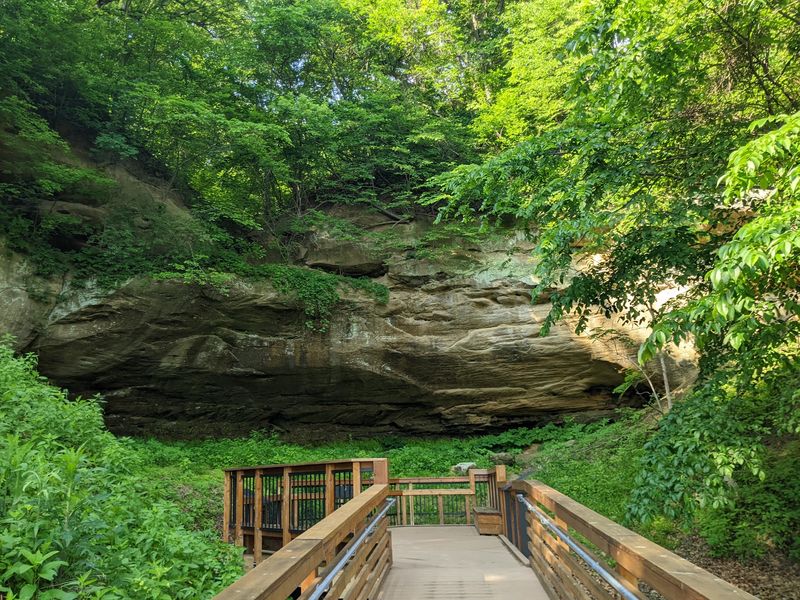
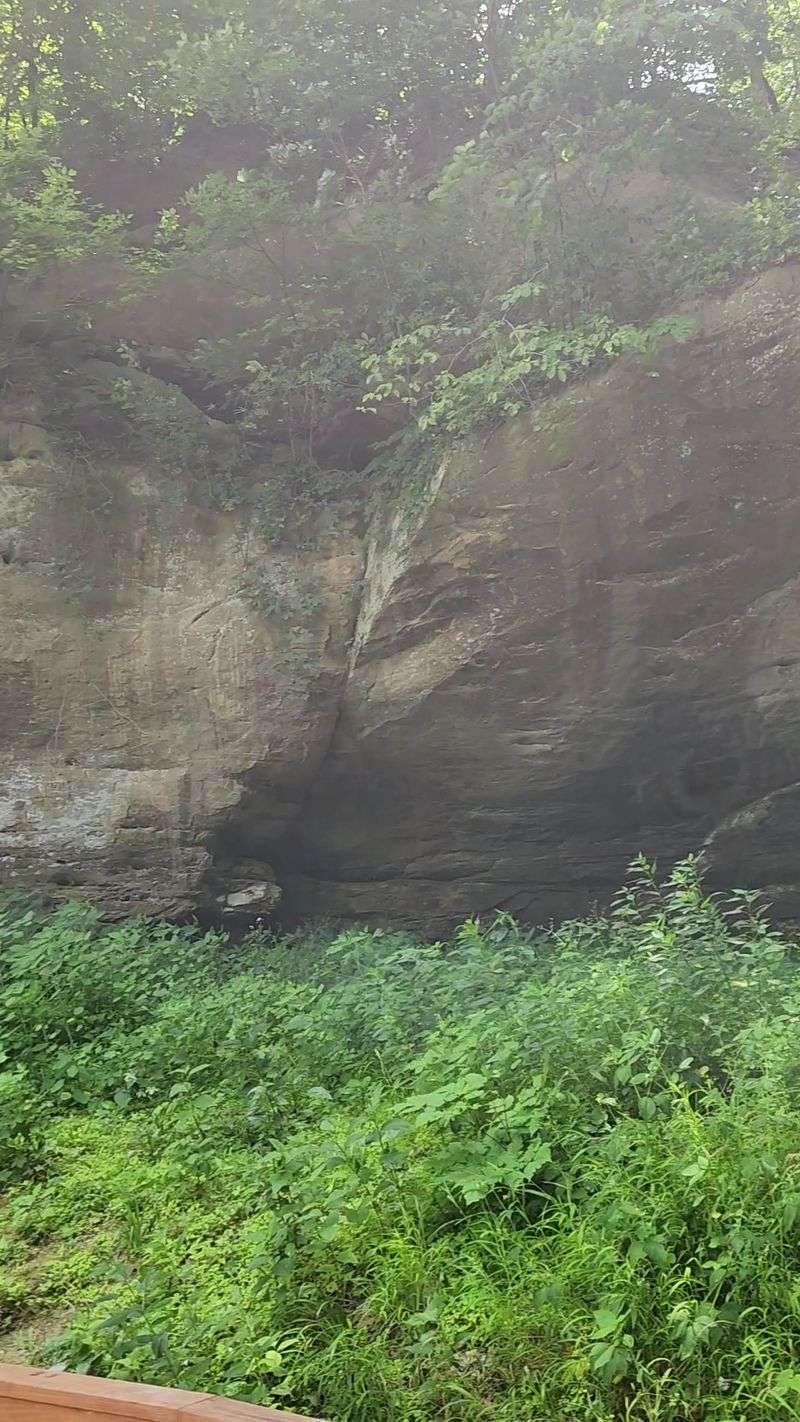
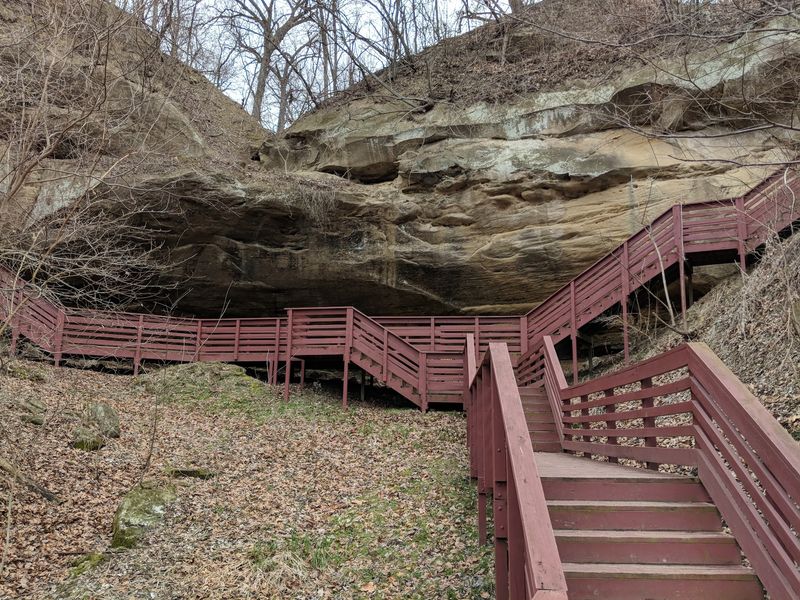
Despite the name, the cave is not a cave. It is a large sandstone overhang, more of a sheltered rock wall than a tunnel, so set expectations before you arrive.
What makes it special is on the stone itself. Prehistoric petroglyphs, carved images of deer, buffalo, and other animals, appear on the surface.
They are believed to be thousands of years old, though their exact age and origin remain a mystery. An accessible boardwalk leads right up to the site for a closer look.
Why does it take patience to spot them? Over many years, later carvings and graffiti have crowded the rock, making the older figures hard to pick out.
Weeds can also grow tall around the base in summer. A careful eye may find just one buffalo, surrounded by names and dates left by travelers across generations.
That mix is oddly fascinating. You are looking at a wall that has collected human marks for a very long time, some ancient and some far newer.
Think of the overhang as one stop on a bigger day, not the whole reason for the drive.
St. Deroin and Its Living History Weekends
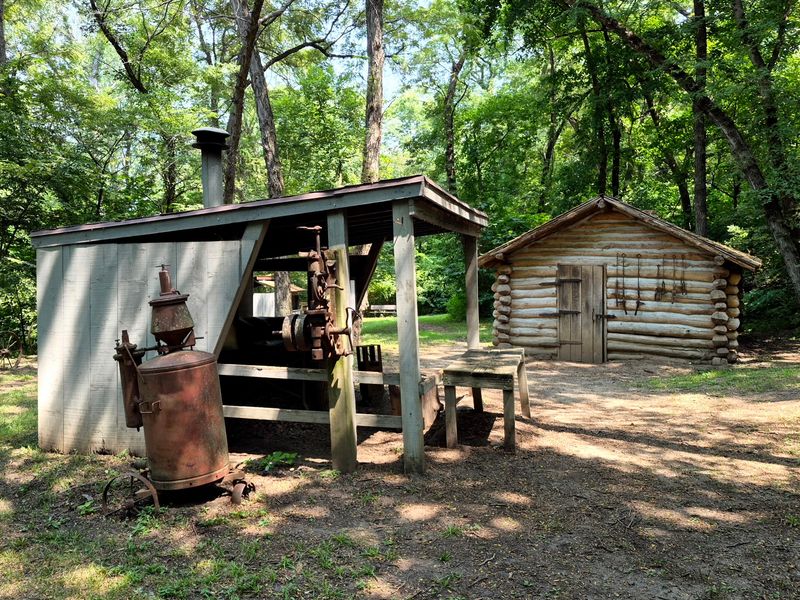
Broom straw, candle wax, and the smell of woodsmoke drift through the rebuilt village of St. Deroin. The partially reconstructed 19th-century settlement once served as a steamboat landing and shipping point along the Missouri River.
St. Deroin began as part of the Nemaha Half-Breed Reservation, a chapter of Nebraska history many residents have never heard about. Today a restored schoolhouse and general store anchor the site.
On weekends from May through October, artisans bring the village to life with hands-on demonstrations. Broom making is a highlight, with a small broom-maker hut that kids tend to love.
Candle making and soap making show up too, and special events have included black powder demonstrations.
For families, the village adds a different pace to a hiking trip. Little ones who tire of climbing can watch a craft take shape from raw materials, and adults get a clearer sense of how people once lived on this stretch of river.
Staff are happy to share stories about the area. Ask a question and you may walk away with a piece of history no sign could hold.
Two Historic Cemeteries in the Woods
Few state parks hold graveyards along their trails. Indian Cave has two, and each adds a quiet, thoughtful stop to a day of exploring.
One is the Half-Breed Cemetery, reached by a vigorous one-mile trail. A handful of unmarked graves rest there, and very little is recorded about the people buried beneath them.
Standing among them tends to slow a hike down in a good way, giving a moment to reflect.
The other, often called the priests’ graveyard, has older headstones and many markers for children. History ties those losses to a cholera outbreak during the settlement years.
The ground there can feel soft underfoot, so step with care and stick to the obvious paths.
These sites connect directly to the story of St. Deroin and the families who lived along the river long before the land became a park. They turn an outdoor outing into a lesson about who came before.
Please treat both cemeteries gently. Leave everything as you found it, keep voices low, and let the setting speak for itself.
Owls, Eagles, and Very Bold Raccoons
Listen at dusk and you may catch a barred owl calling through the hollows, or the repeating song of a whippoorwill. The forest here is prime bird habitat, and bird watching ranks among the easiest pleasures in the park.
Eagles sometimes glide above the river bluffs. Smaller songbirds flit through the canopy all day long, so a pair of binoculars earns its space in the car.
On the ground, deer are common, especially early and late. Beavers work near the water.
Then there are the raccoons, clever and persistent campground regulars that will happily investigate an unattended cooler. Stash food in your vehicle overnight and they will usually move on to easier targets.
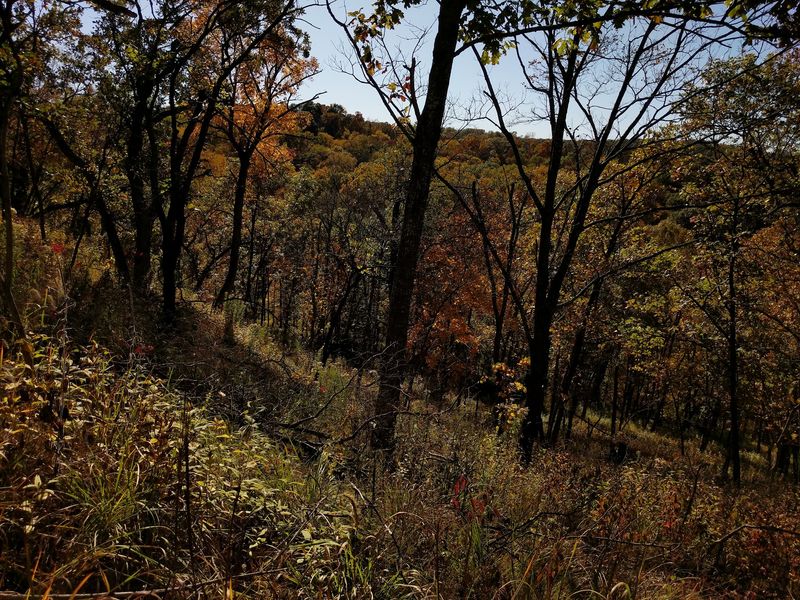
Autumn brings another show entirely. The hardwoods turn gold, orange, and red, and the bluffs glow above the river.
Spring and fall both offer mild weather that suits hikers and wildlife spotters alike.
Even summer holds surprises, with deep green leaves so thick the trails feel like tunnels. No matter the season, something is moving in these woods if you stay still long enough to notice.
Campsites From Hackberry Hollow to the Bluff Tops
Tent, camper, horse trailer, or backpack, Indian Cave has a spot for each. Camping is the single biggest reason people come, and the options stretch well beyond a standard loop.
Modern sites include areas like Hackberry Hollow, where camp hosts keep restrooms and a shower house tidy. Showers run on quarters, so tuck a few in your bag.
Sites vary a lot in size and slope because of the hills, and most are first come, first served.
Prefer something wilder? Primitive sites sit a short walk from the road.
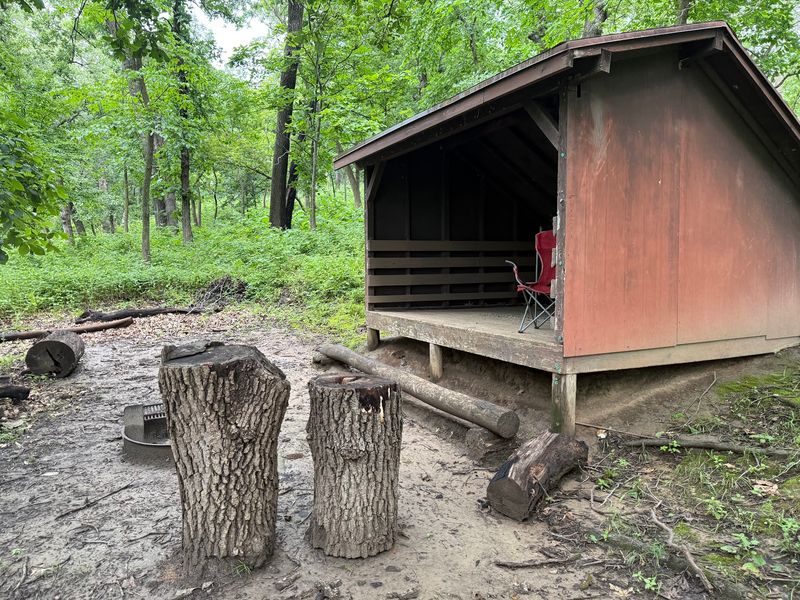
Backpackers can hike roughly 0.7 miles from a parking area up to a clearing on the river bluff, where Adirondack shelters offer cover in rough weather.
Riders get their own setup too. About 16 miles of trails are open to horses, with a dedicated camping area for those bringing their own animals.
Extras round out a stay: a nine-hole disc golf course, an archery range, playgrounds, and a small museum usually open on weekends. Seasonal happenings like Campfire Christmas bring families out even in colder months.
Getting There and What to Pack
Here is a tip that saves frustration: do not lean entirely on your phone’s map app. From Omaha, the drive runs around two hours, and a reliable route heads through Brownville on the Nebraska side of the river before reaching the park near Shubert.
The address is 65296 720 Road, Shubert, Nebraska. The park is open 24 hours, and a park entry permit is required.
Out-of-state vehicles pay a higher rate than Nebraska residents, so check current fees before leaving home.
Once inside, you will want the car. Roads wind between overlooks, the cave, the village, and trailheads, and the hills are tough on casual bicycles.
A one-way road passes through a hollow lined with exposed tree roots, a scenic drive in its own right.
Pack sturdy shoes with good grip, water, bug spray, a printed trail map, and quarters for the showers. Layers help in spring and fall, when mornings can start cool.
Give yourself more time than you think. Four hours can pass quickly and still leave half the park unexplored.
Why the Quiet Is the Point
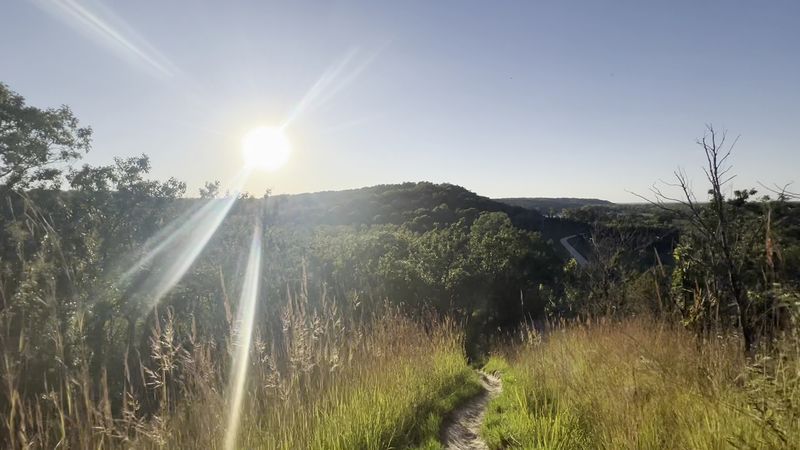
Sunset from a ridge above the Missouri, not another soul on the trail, and a long day of climbing behind you. That moment sums up what Indian Cave State Park does best.
It is not a polished resort. Some facilities show their age, a few trails could use trimming, and the cave will not match the picture in your head.
Yet none of that seems to matter much once you are standing in a forest that most Nebraskans have never seen.
The park suits hikers who like a challenge, families who enjoy mixing history with fresh air, and campers who would rather hear owls than neighbors. Riders, birders, and history buffs all find a corner of their own.
For a day-tripper, spring and fall hit the sweet spot with mild weather and color. For a weekend, grab a hike-in site and let the pace slow down.
Nebraska keeps plenty of surprises in its far corners. This rugged stretch of hills and hollows proves the state has more shapes than flat, and more quiet than most places left anywhere.