This 1927 North Carolina Theater Still Shows Silent Films With A Live Pipe Organ
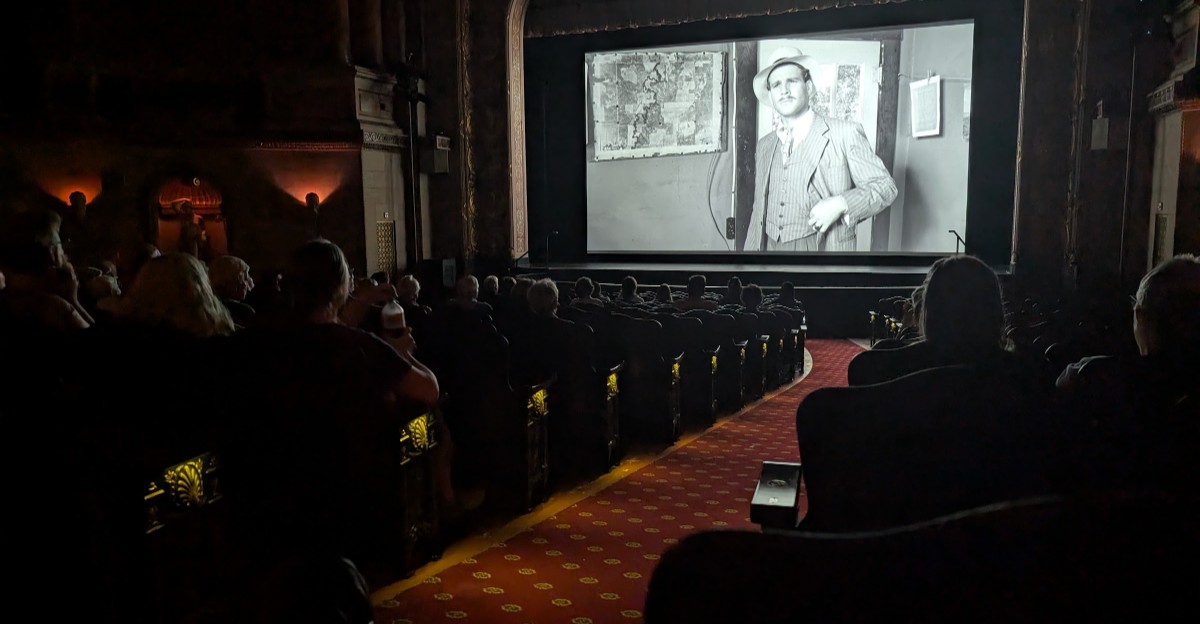
Well now, here is a picture worth dressing up for.
In one North Carolina theatre, the movie may be silent, but the room certainly is not.
A 1927 pipe organ rises to the occasion and gives every chase, romance, and dramatic eyebrow exactly the music it deserves. Talk about putting on a show.
The soundtrack changes live with the action, which makes every screening feel a little unpredictable.
No pause button. No couch. No fellow in the next room asking what happened.
Just a grand old theatre doing movie night the way Hollywood once intended.
Now that is what I call a picture show.
The Original 1927 Pipe Organ Still Roars To Life During Silent Movies
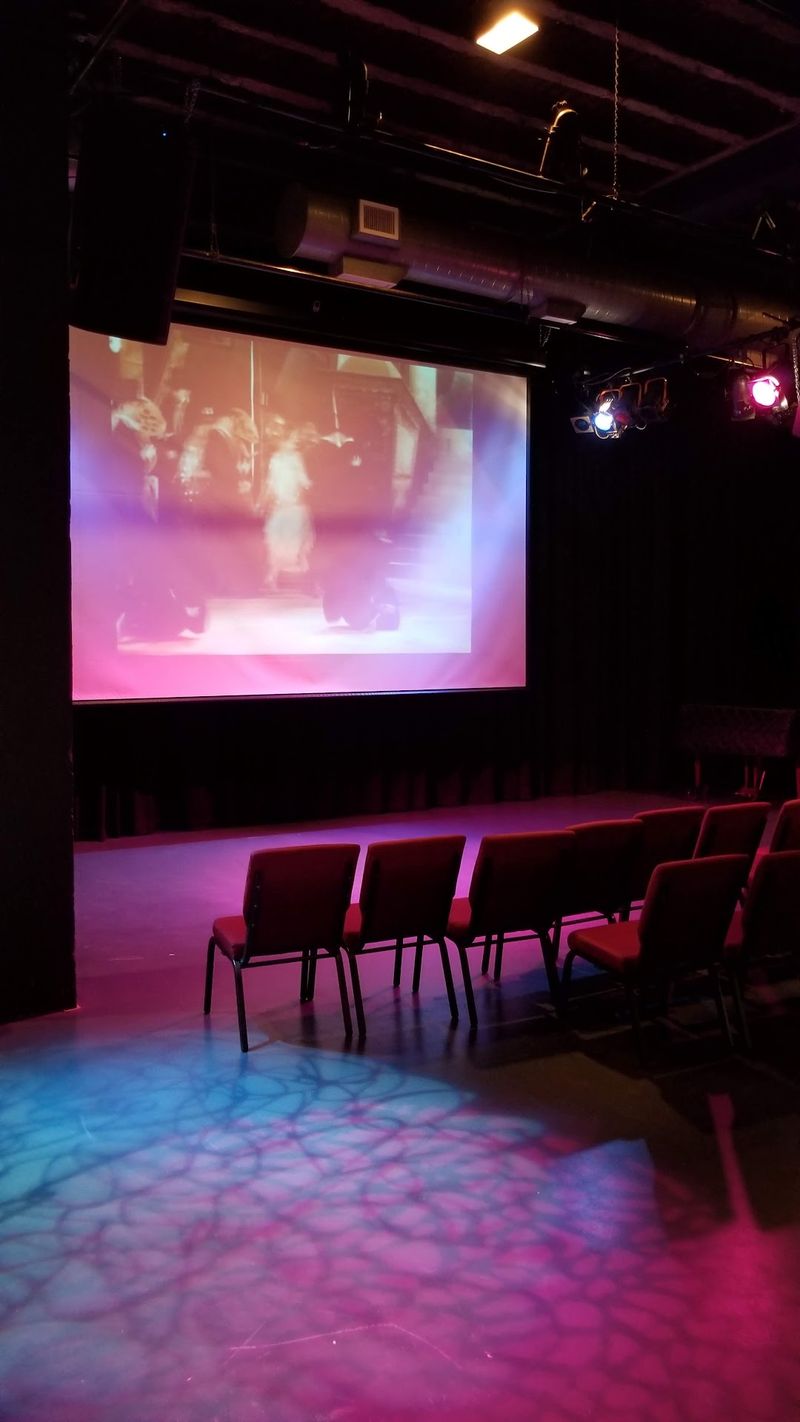
A movie without spoken dialogue does not have to be quiet.
Here, the original Robert Morton theatre pipe organ gives silent pictures a living voice, shifting from soft musical passages to rich, room-filling sound.
The Carolina Theatre of Greensboro opened on October 31, 1927, with the organ already part of its entertainment experience.
During its earliest years, the instrument accompanied silent films alongside a varied program of live entertainment, newsreels, and audience sing-alongs.
Today, selected silent screenings keep that connection between moving pictures and live music active rather than leaving it as a story on a display.
Listen for changes in mood as the action unfolds. A light phrase can make a small gesture funnier, while a fuller passage can give an emotional scene extra weight without adding a single spoken word.
Before buying tickets, check the official event listing for a screening that specifically includes organ accompaniment.
Not every movie presentation uses the instrument, so choosing the right program matters.
Once seated, give yourself a moment to notice both screen and sound.
The pleasure comes from hearing an old instrument help a familiar art form feel wonderfully present again. You can visit the historic venue at 310 S Greene St, Greensboro, North Carolina.
Live Organ Music Turns A Century-Old Film Into Something Completely Different
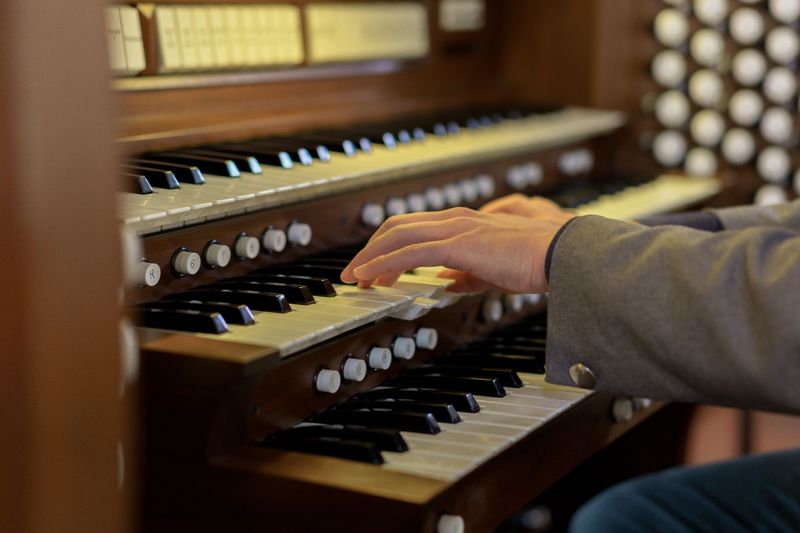
One small change in the music can reshape an entire scene.
A comic pause feels sharper, a tender glance lasts longer, and a hurried chase gains energy when someone is responding to the picture in real time.
The theatre’s silent film programs have featured organist Mark Andersen at the original Robert Morton instrument.
His accompaniment gives audiences another layer to follow, with musical choices that support the characters and the movement onscreen.
Unlike a recorded track, a live performance happens in the same room as the audience. You are hearing a musician shape the evening as it unfolds, which makes the screening feel closer to a concert than an ordinary movie showing.
Try listening for the contrast between quieter moments and larger musical bursts.
You do not need musical training to notice how the sound steers your attention toward a joke, a surprise, or a touching turn in the story.
For first-time visitors, the best approach is simple: let the music work without trying to study every note.
Read the title cards, follow the actors’ expressions, and allow the score to connect the scenes.
Check the performer listed for your chosen date, since programs can change.
That small detail helps set expectations before arrival.
This Rare Instrument Has Never Left The Theater It Was Built For
Some historic objects travel through museums, storage rooms, and private collections before finding a home.
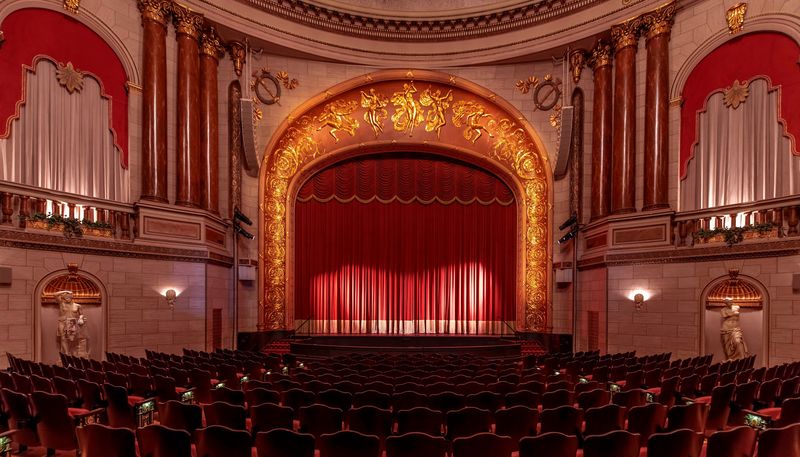
The Robert Morton organ here has a different story: it remains in the theatre where it first served audiences in 1927.
That lasting connection makes the instrument more than an attractive piece of old equipment.
Its sound belongs to the same building that welcomed its earliest listeners, linking today’s screenings to the room’s original purpose.
Within North Carolina, it is one of the surviving Robert Morton theatre pipe organs, and it still plays in its original theater home.
Think of the organ as part of the venue rather than an exhibit brought in for a performance.
Theatre organs were designed to support entertainment with a broad range of musical colors, and this one still demonstrates that role during selected films.
Visitors should remember that a performance ticket does not automatically include access to the instrument or its inner workings.
Enjoy what is visible from public areas, and ask the theatre about any separately announced educational opportunities. The most meaningful encounter is often the simplest one: hearing it play.
A preserved object becomes easier to understand when it performs the job it was made for.
Silent Movie Nights Bring Back The Way Audiences Watched Films Nearly 100 Years Ago
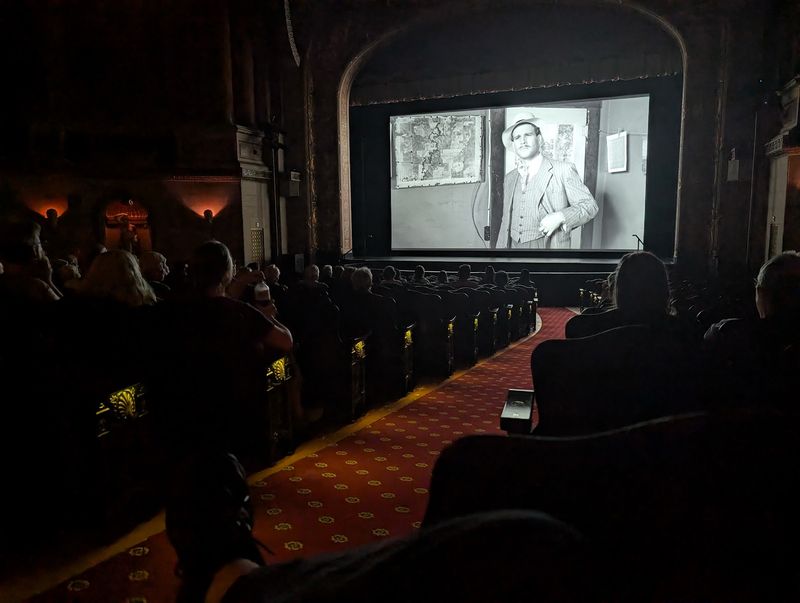
Before movies routinely carried recorded dialogue, audiences relied on faces, movement, title cards, and music to follow a story.
A silent screening here lets you experience that combination with other people instead of watching alone on a small device.
The Silent Film Series pairs classic pictures with live organ accompaniment.
The 2026–27 series includes The Kid, The Phantom of the Opera, an evening of silent comedy shorts, and Love, giving visitors a chance to see film history at a much larger scale.
Shared laughter is part of the appeal. A visual joke can move through the room quickly, while a quiet emotional moment may hold everyone’s attention without anyone speaking onscreen.
Plan around the individual event rather than assuming these screenings happen every night.
The theatre presents several kinds of entertainment, so its official calendar is the best place to confirm the film, start time, and musical accompaniment.
Series tickets have commonly been listed around $15, with selected discounts available.
Check current prices, fees, and eligibility before purchasing, especially if you are arranging a family outing.
For younger viewers, explain title cards beforehand and choose a film that fits their interests.
A little preparation makes the unfamiliar format easier to enjoy, leaving more room for laughter, discovery, and the live score.
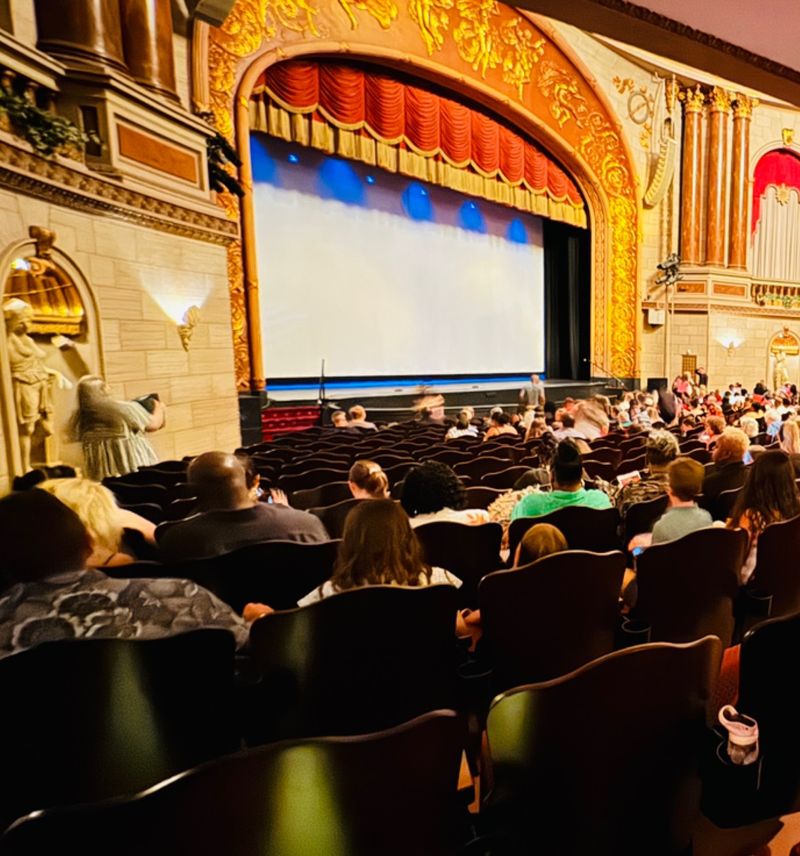
The Grand Auditorium Still Holds Onto Its Gilded 1920s Glamour
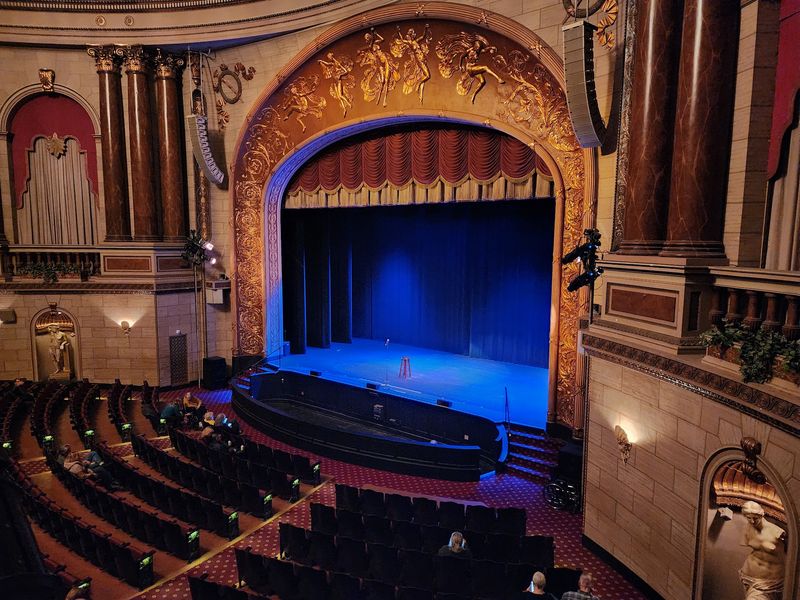
Look upward before the lights go down.
An oval dome and a large crystal chandelier help turn the auditorium into a setting worth noticing even before the first image reaches the screen.
The interior draws on Italian Renaissance and neoclassical design, with columns, classical figures, and gilded details shaping the room.
Around the proscenium, ornament frames the stage like an elaborate border around a painting. Outside, the theatre presents a different architectural greeting.
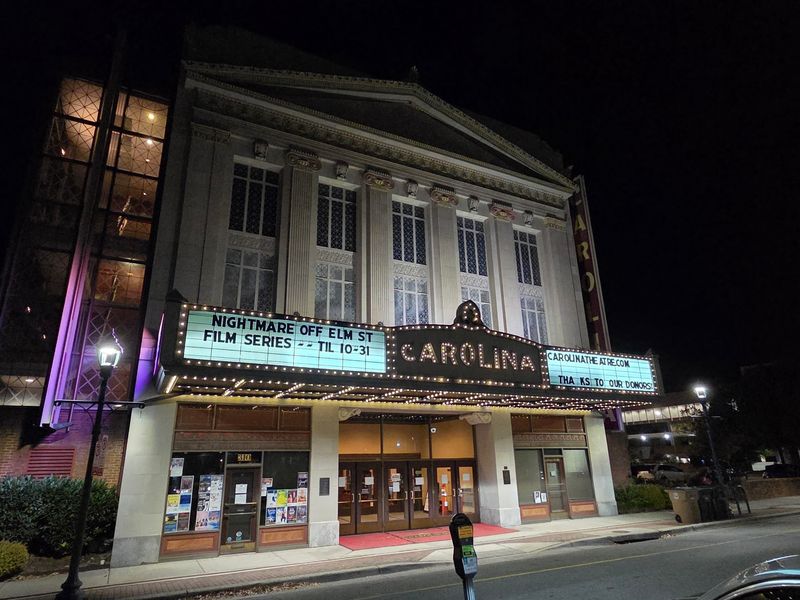
Its Greek-inspired frontage includes Ionic columns and a colorful terracotta facade, offering a handsome introduction to the richness within.
Arrive with enough time to enjoy the public spaces without rushing past other guests.
Decorative surfaces are easier to appreciate when you can pause, look closely, and then move along before the entry areas become busy.
Photography rules may vary by event, especially once a performance begins. Check posted guidance and avoid using a flash that could interrupt someone else’s evening.
Although the building recalls a lavish period of moviegoing, it remains a working arts venue rather than a frozen display.
The contrast is part of its charm: present-day visitors settle into an old-fashioned setting, then watch the room become a shared space for music and storytelling as the house lights slowly fade.
Charlie Chaplin Returns To The Big Screen With A Live Musical Soundtrack
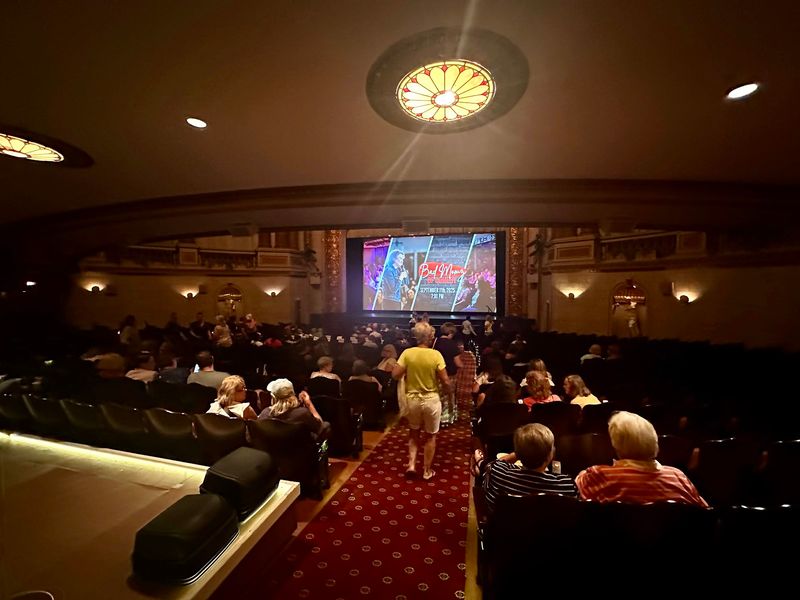
A raised eyebrow or an awkward step can carry a joke across generations.
Charlie Chaplin’s screen performances reward close attention, and a large theatre screen makes his carefully timed movements easier to follow.
The Carolina’s silent film programming has included The Kid and City Lights. These films mix comedy with tender storytelling, offering more than a string of quick visual gags.
There is a useful distinction for film fans: City Lights premiered in 1931 with a synchronized musical score, despite its largely silent storytelling.
An organ-accompanied presentation offers a different musical experience, so read the event description rather than assuming every screening uses the film’s original soundtrack.
When Chaplin appears on a scheduled program, let his gestures guide you.
Watch how a pause, a change in posture, or an unexpected expression can explain a character’s feelings without spoken dialogue. Families may want to review the selected title’s story and running time in advance.
Older films can move at a different pace, and knowing what to expect helps younger viewers settle into the experience.
No Chaplin title should be treated as a guaranteed upcoming event.
Check the calendar first, then enjoy the rare pairing of classic screen comedy and music made in the room that evening.
Few Historic Theaters Still Have Their Original Pipe Organ Sitting Right At Home
Keeping an old instrument is one achievement; keeping it useful is another.
The theatre’s Robert Morton organ matters because audiences can still hear it doing the work that made theatre organs essential to early cinema.
As recorded sound became common, many movie houses no longer needed live musical accompaniment.
Across the country, instruments were removed, sold, or left unused, making surviving examples in their original homes especially meaningful.
For travelers exploring North Carolina, Greensboro offers a chance to encounter that history through an actual performance. The experience connects craftsmanship, music, and film without requiring a long lesson beforehand.
A theatre pipe organ is not simply a keyboard with a louder speaker.
Its keys and controls help the player select different sounds produced through a complex instrument, allowing varied musical textures to accompany changing scenes.
You do not need to understand the machinery to appreciate its value.
Listen for shifts in tone and volume, then consider the care required to keep an instrument from 1927 ready for an audience.
Choosing a ticketed organ screening is a practical way to engage with this heritage.
Follow the venue’s rules, treat historic surroundings respectfully, and remember that continued public use gives preservation a purpose beyond keeping old things on display.
Why Movie Night Here Feels Like Stepping Straight Back Into 1927
The evening begins before the opening title appears.
Walking into an ornate theatre, finding your seat, and waiting for live music creates a sense of occasion that a living-room screen rarely offers.
When the Carolina opened on Halloween night in 1927, it was promoted as The Showplace of the Carolinas.
Its early programs combined several forms of entertainment, making a visit broader than simply watching one film. Today’s organ screenings echo part of that tradition without pretending everything is unchanged.
Modern visitors bring different habits and expectations, but the building and its original instrument provide a real connection to earlier audiences.
Make the outing comfortable rather than complicated.
Confirm your event details, review current parking guidance, and ask ahead about seating or access needs instead of relying on assumptions about an older building.
If you want refreshments, check what the theatre offers for your event and ask about ingredients when needed.
Leaving time for a snack keeps the evening relaxed without turning the visit into a hurried dash to your seat. Once the picture begins, put your phone away and let the room hold your attention.
The lasting memory may be a laugh shared with strangers, a glitter of overhead light, or one resonant organ note.