This Quirky Georgia Town Has Hundreds Of Wild Chickens Roaming Its Downtown Streets
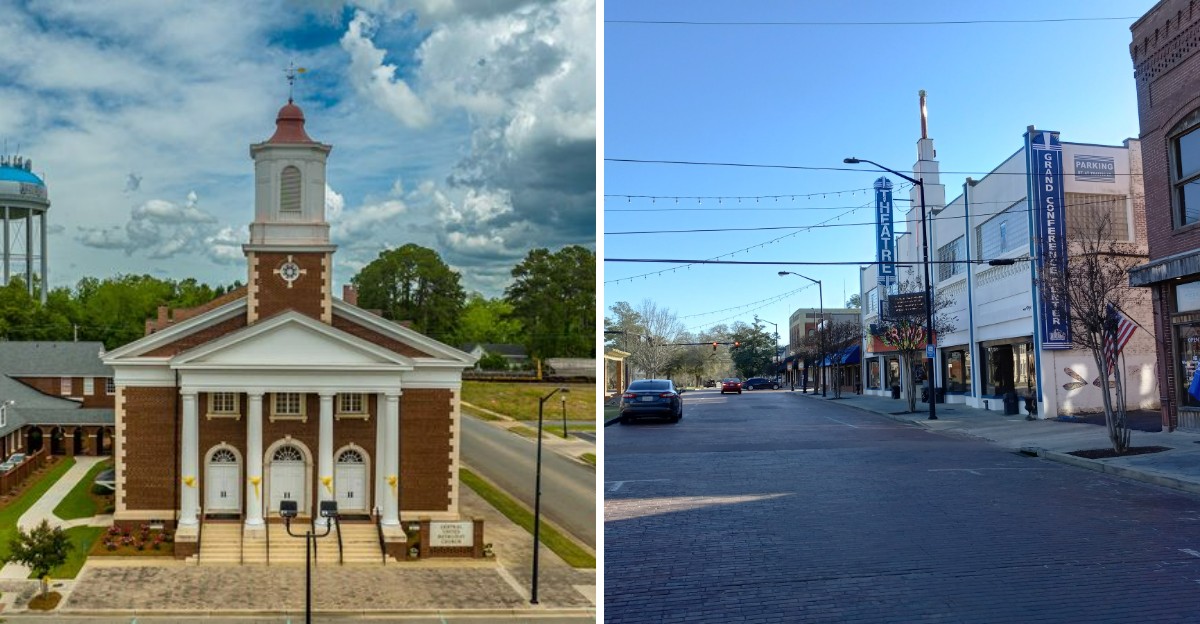
In most towns, a chicken crossing the road is the start of a joke. In one small Georgia town, it is just another weekday.
Roosters strut past storefronts like they own the place. Hens scratch at the edge of parking lots.
Chicks trail behind in tiny, wobbly lines. Nobody seems to mind.
Many locals treat the birds like neighbors.
The flock has called downtown home for decades. Their bright feathers and loud morning calls are now part of the town’s identity.
You may even spot chickens on signs and souvenirs.
I love a place that leans into its quirks instead of hiding them. It makes a visit feel playful and a little unpredictable.
If you want a road trip story nobody back home will believe, this corner of Georgia delivers. Just watch your step on the sidewalk.
A Flock With A Passport From Burma
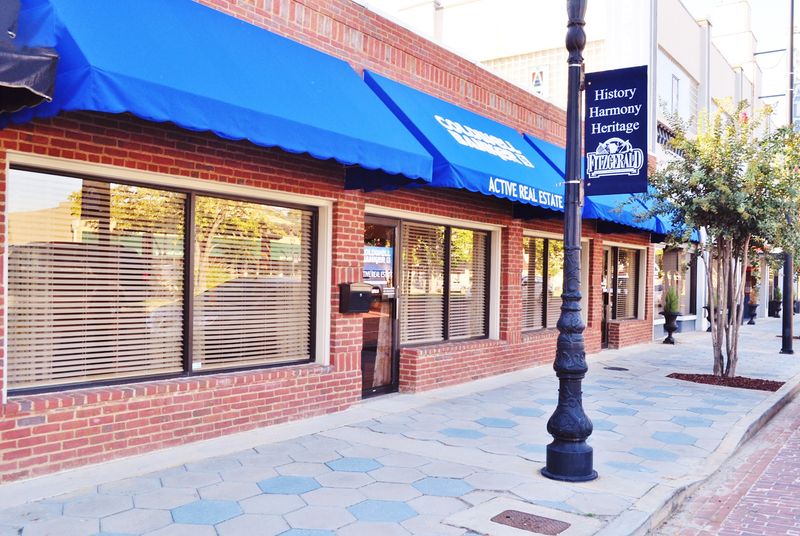
Most towns get famous for a pie or a ballgame, but this one got famous for birds. The story starts in the 1960s with a federal wildlife program and a shipment from Burma.
Officials hoped to bring in new game birds for hunters across the South. They imported Red Junglefowl, a wild bird from Southeast Asia, and raised them in hatcheries.
More than 2,000 of these birds were released near this area. The release site sat several miles from the Ocmulgee River, out in the woods and fields.
Here is the twist that still makes me grin. Most of the flocks released across Georgia simply faded away over time.
One small group did something unexpected and moved toward town life. Nobody knows exactly why they stuck around while the others did not.
Maybe they liked the shade trees, or maybe they enjoyed the gardens. Either way, their great-great-grandchicks now stroll the streets like proud locals.
I find it charming that a failed hunting plan created a living history lesson. Few places can say their most famous residents arrived from halfway across the world.
So when you spot one of these birds, remember its long family journey. You are standing in Fitzgerald, Georgia, a town that turned a mystery into a mascot.
Roughly 900 Feathered Neighbors
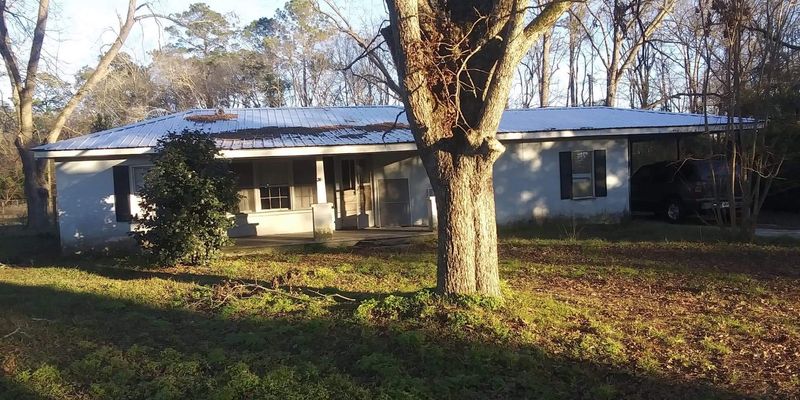
Counting chickens before they hatch is risky, but counting them after is a fun game. Around 900 of these wild birds roam the neighborhoods and downtown streets today.
That is a lot of feathers for a city of about 9,000 people. Do the quick math, and you get roughly one bird for every ten residents.
My first walk felt like a scavenger hunt with surprise prizes. A hen popped out from a hedge, and a rooster answered from a porch rail.
The birds do not live in coops or pens here. They wander freely, nap under bushes, and choose their own favorite corners of town.
Some yards seem to attract little crowds of them. Others get a polite visit and a quick exit, depending on the snack situation.
Early mornings tend to be lively times to spot them. The roosters announce the sunrise long before most alarm clocks ring.
If you visit, slow your pace and scan the ground near shady spots. Gardens, sidewalks, and grassy edges often reveal a busy bird or two.
It feels less like sightseeing and more like meeting the neighbors. These neighbors just happen to have very fancy tail feathers.
Meet The Great Ancestor Of Every Chicken
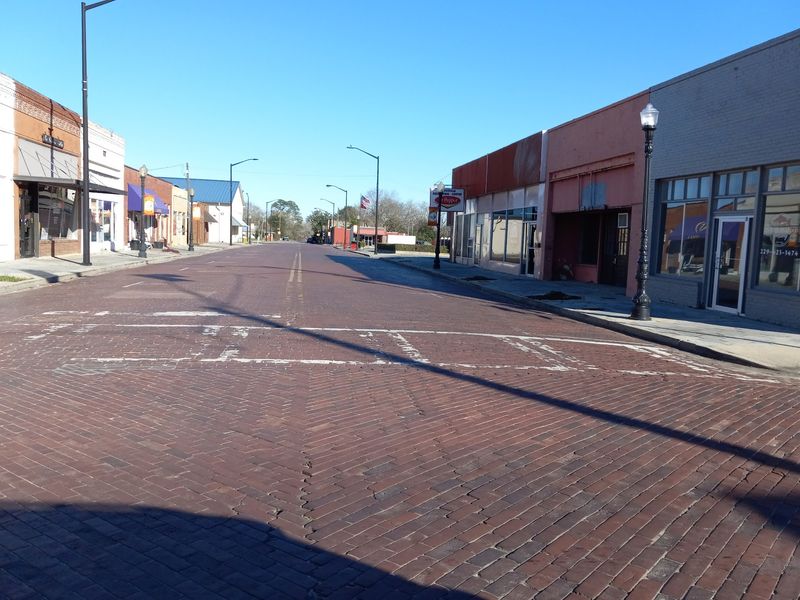
Your breakfast eggs have a family tree, and it leads straight to these birds. The Red Junglefowl is the wild ancestor of all domestic chickens.
That fact turned my casual stroll into a mini science field trip. Every farm hen and backyard chicken traces its roots back to this species.
Pure wild populations are getting harder to find around the world. Many have mixed with domestic chickens over the years, a process called hybridization.
That makes the birds here extra interesting to people who study animals. They offer a rare peek into where the modern chicken came from.
The town is one of the few places in the Western Hemisphere with such a group. You do not need a plane ticket to Asia to see these birds in action.
I remember explaining this to a friend on the phone, mid-walk. She laughed, but then asked for photos of the chicken great-grandparents.
Kids especially love this angle, since it connects to things they know. A nugget suddenly has a wild backstory worth talking about.
Bring a little curiosity and a camera with zoom. You might leave knowing more about chickens than you ever expected.
Small Birds With Big Style
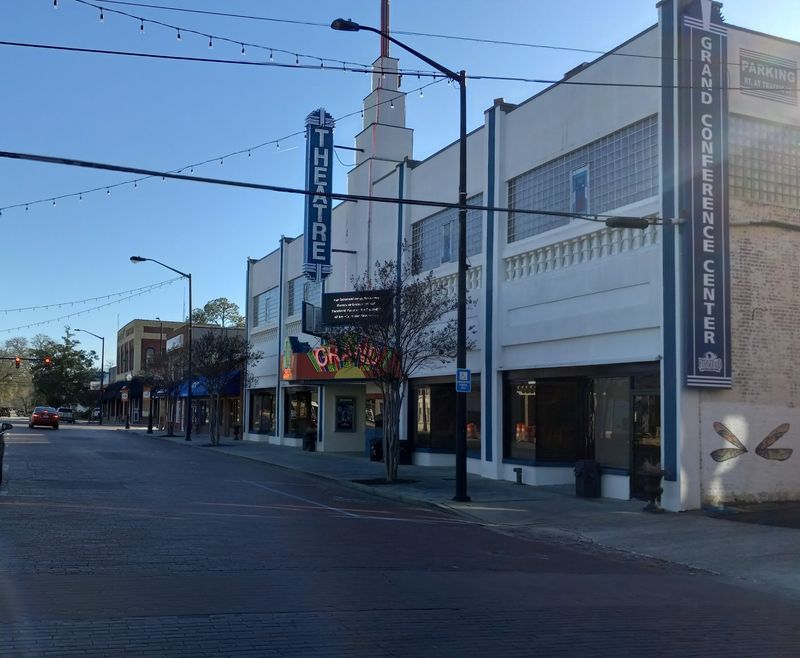
Forget plain white farm hens, because these birds dress like they have somewhere to be. Locals call them Burmese chickens, and their colors are hard to miss.
They are smaller than the average barnyard chicken. Their build is leaner and more athletic than that of a typical barnyard chicken.
The roosters show off bright orange and yellow ruffs around their necks. Their tails shine black, with feathers that catch the sunlight beautifully.
I spotted one perched on a low fence, glowing like a sunset. It held still just long enough for me to fumble my phone.
These birds are also more athletic than typical chickens. They run quickly, hop with ease, and can flutter up to surprising heights.
That energy keeps photographers on their toes. One second you have the perfect shot, and the next you have an empty sidewalk.
Hens tend to wear softer brown tones that blend into leaves and soil. Spotting them takes sharper eyes and a bit of patience.
Try to notice the differences between males and females as you explore. It is a simple way to make a casual walk feel like real birdwatching.
Feathered Neighbors Around Every Corner
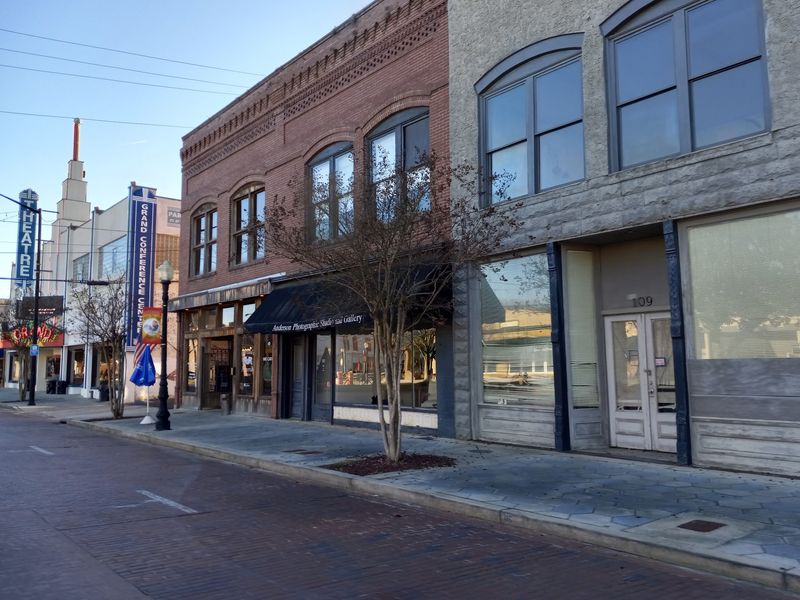
Look up before you look down, because these birds love a high perch. I once found a rooster on a rooftop, surveying traffic like a tiny mayor.
Sidewalks are another favorite hangout. Hens stroll along them as if they are window shopping downtown.
Gardens get plenty of attention too. The birds scratch at soil, hunting for seeds and bugs with steady focus.
That bold behavior is part of the fun. They seem unbothered by people, cars, or curious visitors with cameras.
Still, give them space and let them be wild. Watching from a few steps away keeps both you and the birds comfortable.
Here is a simple tip for better sightings. Walk slowly, keep your voice low, and pause near shady trees.
You will often hear them before you see them. A sudden crow or rustle in leaves usually means company is close.
I started treating every bush like a possible treasure chest. Half the time, a bright tail feather peeked out to reward me.
Wear comfortable shoes, since the best spots are spread around. The whole town works like an open-air bird park.
Hop On A Chicken Safari
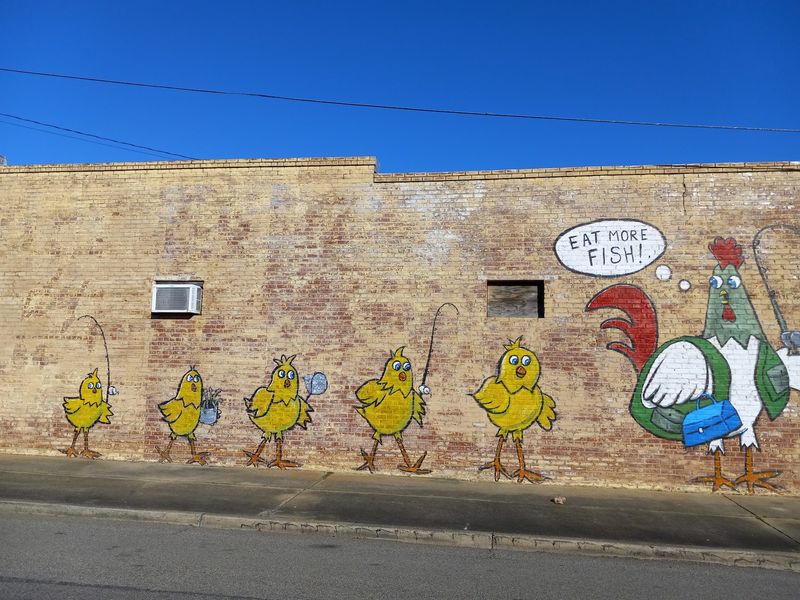
Some safaris chase lions, but this one chases roosters from a golf cart. The town offers Chicken Safari tours for curious visitors.
I love how playful the idea is. Instead of a jeep and binoculars, you get a breezy ride through local streets.
A golf cart moves at just the right speed for spotting birds. You can glide past yards, corners, and shady lots without missing much.
This option works well for families and anyone who prefers sitting to hiking. It also helps first-time visitors find the busiest bird areas quickly.
Picture a hen dashing across the road while your cart slows down. That little moment of surprise makes the ride feel like an adventure.
Bring a hat and sunscreen on warm Georgia days. The open-air ride is pleasant, but the southern sun can be strong.
Keep your camera ready the whole time. Birds tend to appear when you least expect them, then vanish just as fast.
Check with the town ahead of your trip for tour details. Planning early helps you grab a spot and make the most of your visit.
It is certainly an unusual way to explore Fitzgerald and spot its famous birds.
A Festival Full Of Crowing Contests
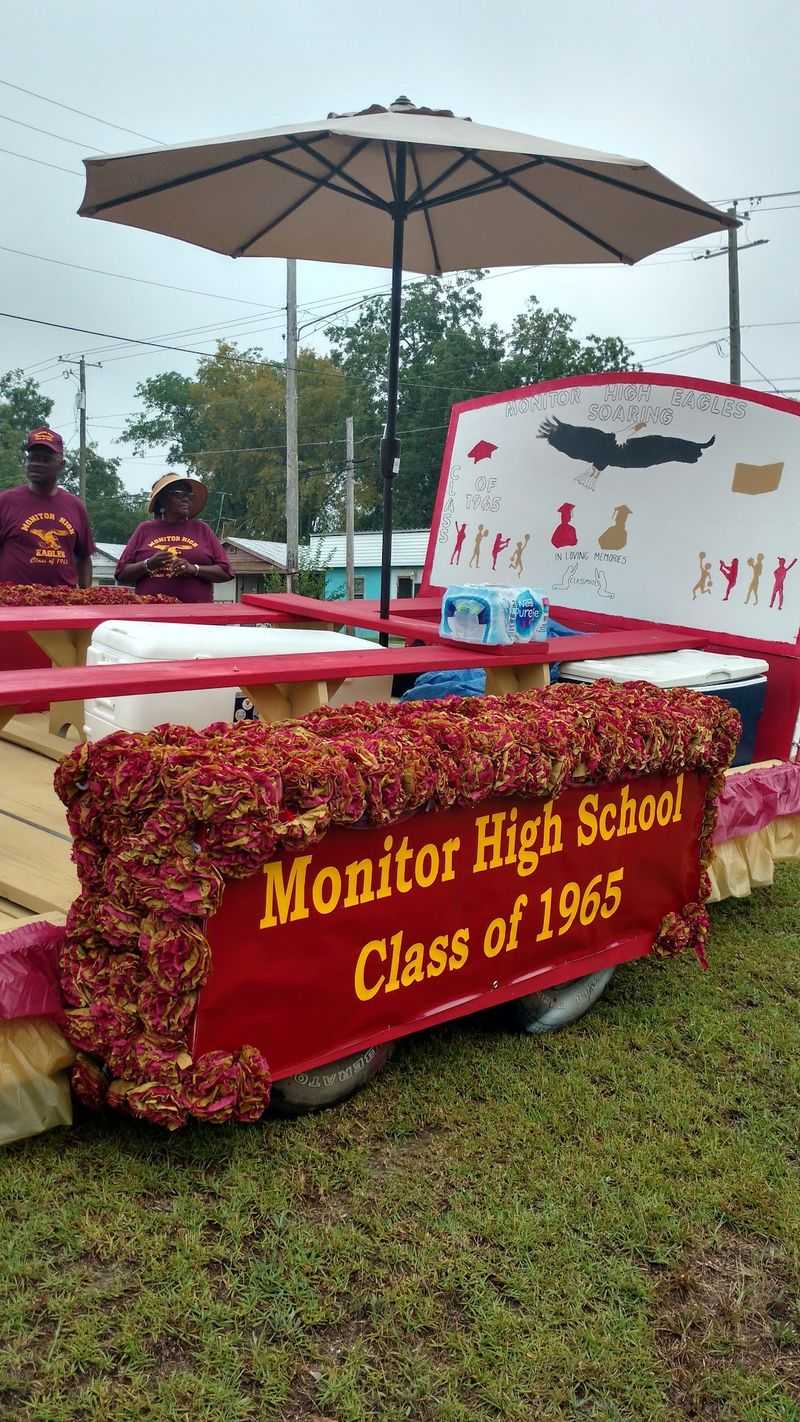
Nothing says springtime fun like adults trying their best rooster impressions. The annual Wild Chicken Festival brings that energy to the historic downtown district.
The festival is typically held around the third weekend of March. Spring weather makes it a cheerful time to wander and snack.
The crowing contest is the star attraction for many people. Contestants channel their inner rooster, and the crowd cheers every squawk.
Runners and walkers can join a 5K event too. It is a fun way to start the day before the bigger crowds arrive.
Live music fills the streets with a festive beat. Arts and crafts booths offer handmade goods, often with feathered themes.
Food vendors keep everyone fueled throughout the day. The smell of fresh treats drifting downtown is hard to ignore.
I would suggest arriving early to find parking easily. Popular events draw visitors from around the region.
Bring cash, comfy shoes, and a good attitude about chicken puns. You will hear plenty of them, and you might start making your own.
The real birds often wander nearby during the fun. It is like the guests of honor showed up uninvited.
The Giant Chicken You Cannot Miss
Some towns have a water tower, but this one has a chicken taller than most houses. The iconic statue stands about 62 feet tall.
It is impossible to look at it without smiling. The sheer size makes every visitor pause and reach for a phone.
The backstory is just as fun as the sight. It was planned as a topiary that could double as a bed and breakfast.
The original concept even included overnight accommodations inside the giant chicken. That idea alone shows how fully the town embraces its feathered fame.
Photographers love finding creative angles here. Lie low for a dramatic shot, or step back to fit the whole bird in frame.
Kids usually treat it like a celebrity sighting. Bring them close enough to compare their height with the huge feet.
This landmark makes a great stop for a group photo. It is also an easy way to prove you really visited the chicken capital.
Plan a few extra minutes here during your trip. Between the giant statue and the real birds nearby, your camera roll will fill fast.
A souvenir picture here beats any postcard.
A Town With Strong Feelings About Its Flock
Serious birders keep a list of every species they have ever seen. The American Birding Association considers these birds potential life birds for that list.
That gives the town real appeal for bird lovers. People arrive with binoculars, long lenses, and plenty of excitement.
Photographers also enjoy the bright colors and bold poses. The birds often stand still just long enough to tease a great shot.
Residents, meanwhile, share a love-hate relationship with their feathered neighbors. Some happily toss out treats, while others shoo them from flower beds.
I find that mix very human and very honest. Living beside 900 wild birds brings both charm and a few dug-up gardens.
As a visitor, respect private property while you look around. Stay on sidewalks and public spaces when chasing that perfect photo.
Avoid feeding the birds unless you know it is welcome. Letting them forage naturally keeps them wild and healthy.
To plan your trip, aim your map toward Georgia 31750, USA. The town sits in south-central Georgia and is easy to reach by car.
Pack patience, curiosity, and a sense of humor. The birds will handle the rest of the entertainment.