Hundreds Of Bats Pour Out Of Idaho’s Minnetonka Cave Region Each Dusk
Most folks drive up a quiet limestone canyon in southeastern Idaho for the cool cave tour and never think twice about who lives inside. Stay until the light fades, though, and small dark shapes start flickering out of the mountainside to hunt moths and mosquitoes.
Those fliers belong to one of the biggest and most varied bat communities in Idaho. Their story mixes chilly rock rooms, careful scientists, and a fight to keep a tiny fungus from spoiling everything.
1. Dusk At The Canyon Mouth
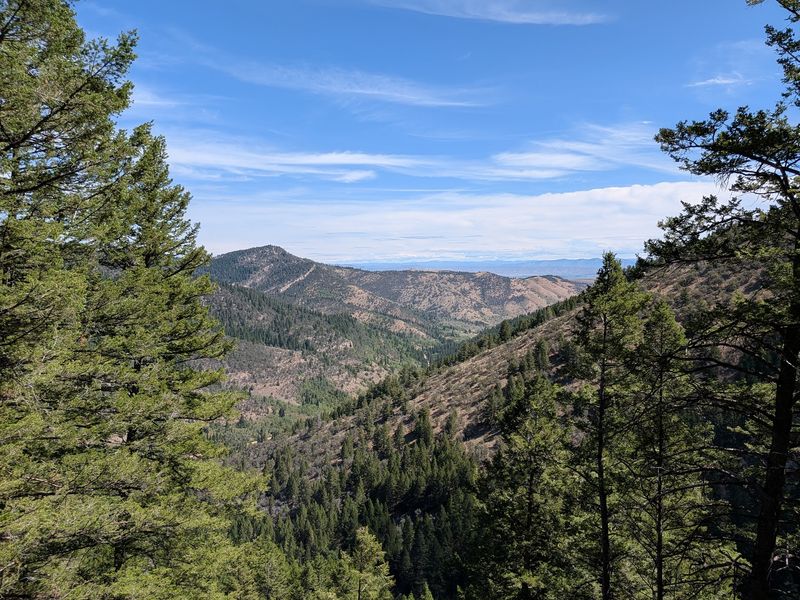
Sunset in St. Charles Canyon arrives quietly, with the creek getting louder as the birds settle down. Then the air near the cliffs starts to twitch, and tiny wings begin zigzagging over the trail and the treetops.
Bats leave their roosts at dusk because that is when insects rise from the meadows and the creek. A single little brown bat can snap up a huge number of bugs in one evening, so a busy night over the canyon works like free pest control for the whole Bear Lake Valley.
Nobody hands out tickets to the show, and it never runs on a schedule. Some evenings you might spot just a handful darting past, while on warm late-summer nights the sky above the forest road can feel crowded with flickering shapes.
Biologists studying the cave have planned nights around catching at least 150 bats as they leave, which hints at how many residents stream out of the rock. The best viewing comes from standing still near the parking area, letting your eyes adjust, and watching the sky right above the ridgeline instead of the dark trees below.
A soft red flashlight helps you walk back without startling anyone.
2. Finding The Way Up St. Charles Canyon
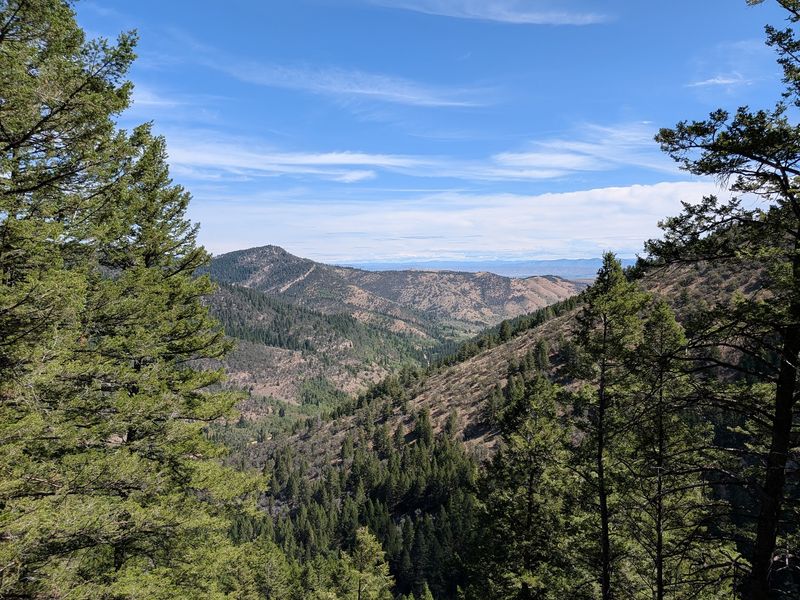
St. Charles is a tiny farm town on the west side of Bear Lake, and its canyon road is your ticket to the cave. From U.S.
Highway 89 in town, follow St. Charles Canyon Road west for roughly ten miles into the Caribou-Targhee National Forest.
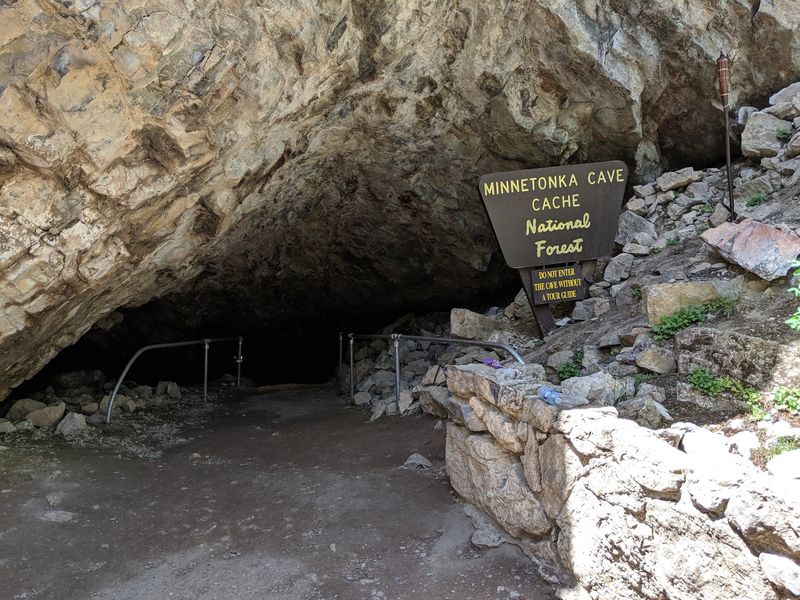
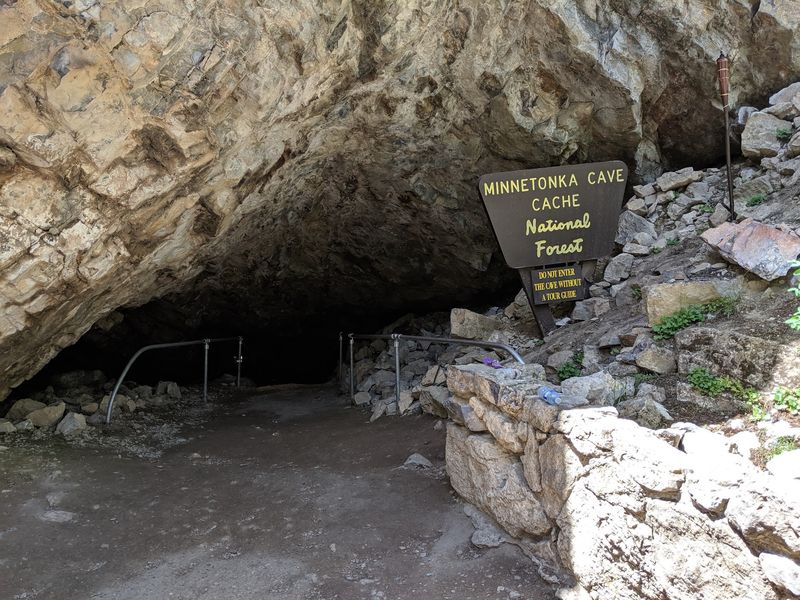
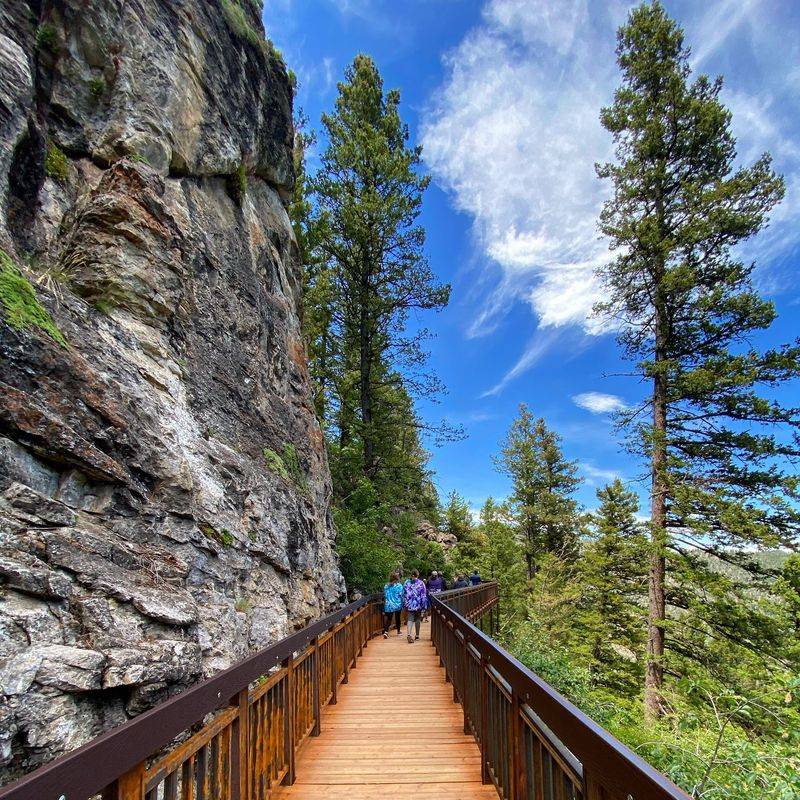
The pavement climbs past campgrounds, aspen groves, and steep gray rock. Near the end you will find a parking lot and a short, steep walk up to the cave entrance, which sits high on the canyon wall like a dark doorway.
Bear Lake County is about as far southeast as Idaho gets, close to the Utah line. Plenty of families pair the drive with a stop for a raspberry shake in Garden City or a swim at the lake’s famous turquoise water.
Plan for cooler air up the canyon than down by the shore. Evenings at that elevation can get chilly even in July, so a jacket in the car is smart.
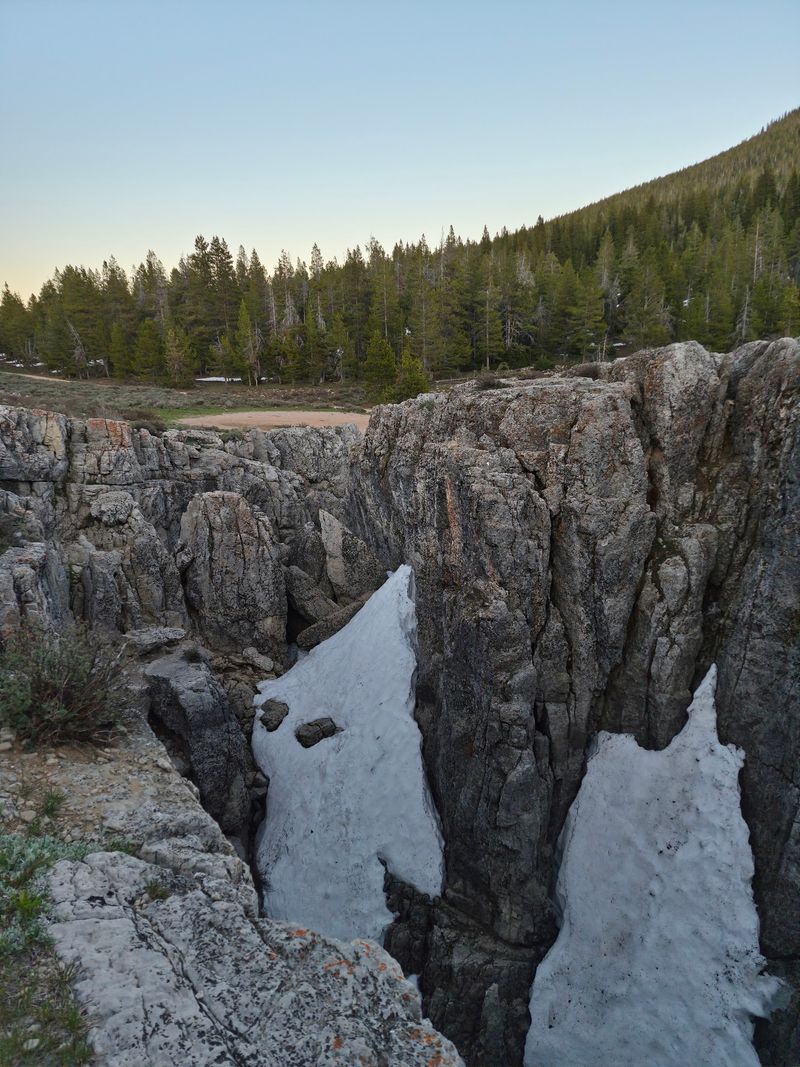
Cell service fades along the way, so download directions before you leave town. Snow can linger late on the road in spring, which is one reason the tour season starts when it does.
3. Seven Species, One Cold Cave
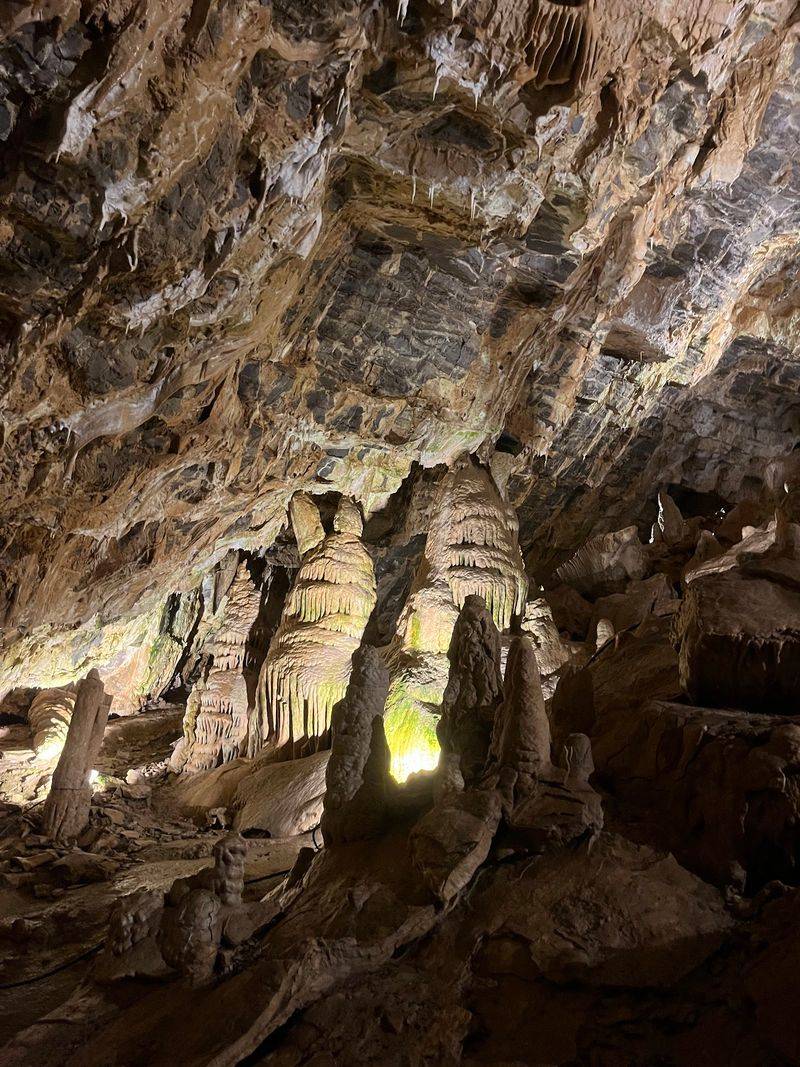
Ask a bat biologist to name Idaho’s most crowded winter hotel for bats, and this cave lands near the top of the list. Researchers have confirmed at least five species spending the cold months here, and the count may reach seven.
Scientists call a winter roost like this a hibernaculum. Bats tuck into cracks and ceilings, slow their heartbeats way down, and wait out the snowy season without eating a single bug.
Each kind brings its own quirks. The little brown myotis is a classic small brown bat, about the weight of a few paperclips.
The long-legged myotis, as the name hints, has slightly longer limbs and often hunts over forests. The Yuma myotis loves skimming insects right off the surface of streams, which makes the nearby creek a handy dinner spot.
Having so many species under one roof makes the cave a gold mine for researchers. Studying them side by side shows how different bats choose their sleeping spots, how they handle the cold, and how healthy their populations are across southeastern Idaho.
Fun fact: bats are the only mammals capable of true powered flight, not just gliding.
4. The Big-Eared Bat Up Front
Ears that look borrowed from a much larger animal make the Townsend’s big-eared bat easy to recognize. When it rests, those ears curl back like rams’ horns, and when it wakes up, they unfold almost as long as its body.
Idaho and the Forest Service both list this bat as a species of special concern. That label means its numbers need watching, and caves where it gathers deserve extra protection.
Here is a surprising detail: these bats pick the first 300 feet or so inside the entrance for hibernation. That front stretch runs colder because outside air drifts in, and the big-eared bat seems to prefer it that way.
Cooler temperatures may help it burn energy more slowly during the long winter.
The species is also famously touchy about disturbance. A bat woken over and over in winter uses up its stored fat, which is why winter tours never happen and the entrance stays quiet during the coldest months.
Seeing one in summer is rare, since many leave for other roosts. Still, knowing they return to this same rocky doorway year after year makes the cave feel like a true home address for them.
5. Forty Degrees And 888 Stairs
Bring a sweatshirt even in August. Inside the cave, the temperature holds steady at about 40 degrees year-round, so stepping in from a hot summer afternoon feels like opening a giant refrigerator.
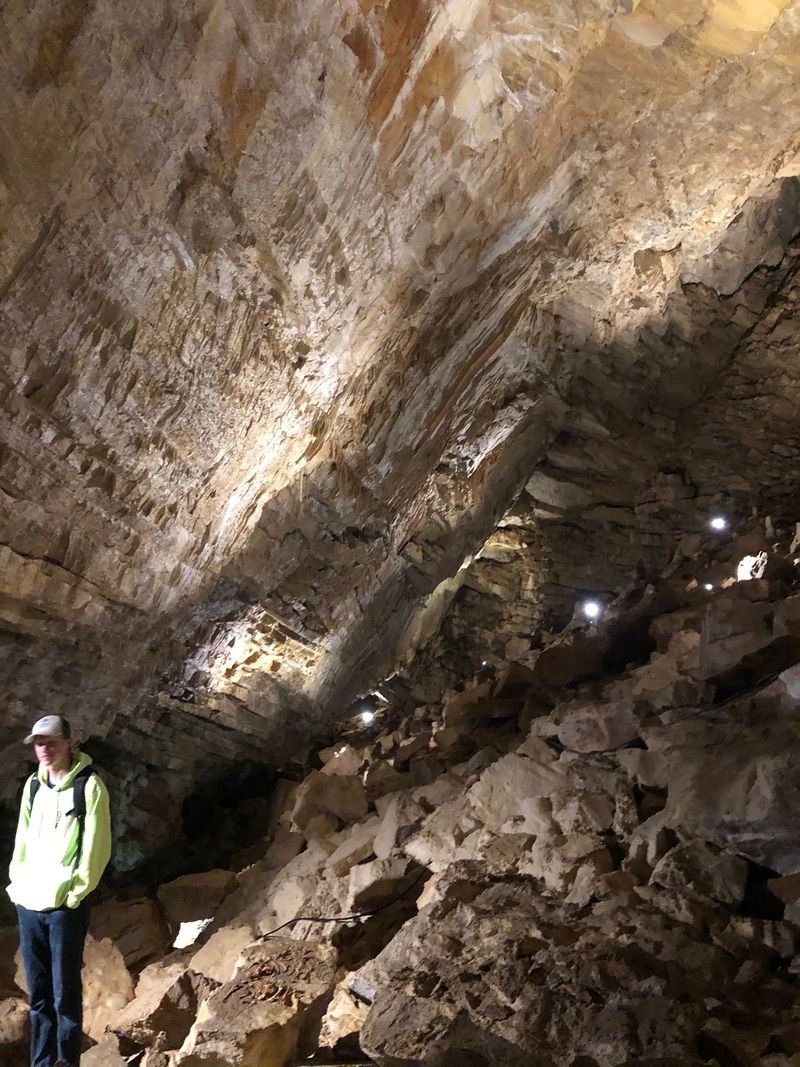
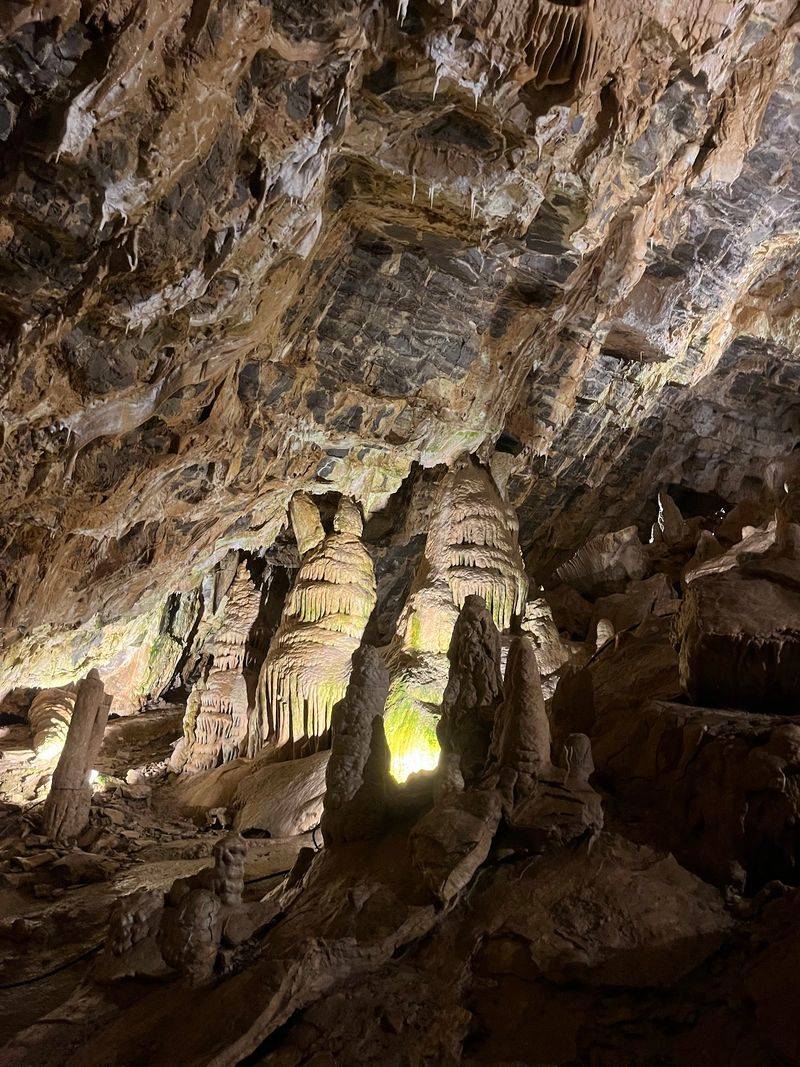
Guided tours wind through rooms packed with stalactites hanging from the ceiling, stalagmites rising from the floor, and wavy drip formations that look like melted candles. Guides point out shapes that resemble animals and faces, and kids tend to spot them faster than adults.
Now for the part your legs will remember. The route includes roughly 888 stairs, about 444 heading down and 444 climbing back up.
Comfortable shoes with good grip matter, because the steps can be damp.
Tours typically run from around Memorial Day or the second week of June, depending on how fast the canyon snow melts, through Labor Day. Times and fees change, so check with the Forest Service or the tour operator before making the drive.
Summer visitors rarely see bats inside, since the animals move around and many roost elsewhere during warm months. The rock rooms are still their winter home, and the tour helps people appreciate why that space deserves gentle treatment.
6. Nets, Lights, And Field Biologists
Fall evenings bring a different kind of crowd to the canyon: biologists with headlamps, clipboards, and soft mesh traps. Their goal is to gently catch bats right as the animals exit the cave at dusk.
During one of these capture events, researchers set out to collect at least 150 bats from several small species in a single night. That target alone tells you a lot about how busy the entrance gets once the sun drops.
Each bat gets a quick checkup. Team members note the species, weight, and sex, look over the wings, and sometimes take a light swab to test for disease.
Then the bat is released to continue its night of hunting.
Fall timing matters because bats gather around caves before hibernation in a behavior called swarming. Lots of flying, chasing, and visiting happens then, which makes it a great window for counting and sampling.
The work is careful and slow, with gloves on and talking kept low. For anyone curious about wildlife careers, these Idaho bat surveys show that science often looks like patient people in the dark, holding animals smaller than a cell phone with real care.
7. A Fungus Arrives In Idaho
October 2021 brought news nobody in Idaho bat circles wanted. Swabs from bats in this cave picked up the fungus behind white-nose syndrome, and testing confirmed it in June 2022, the first detection anywhere in the state.
White-nose syndrome has hit bat populations hard across North America. The fungus grows on bats during hibernation, often showing up as a fuzzy white patch on the nose and wings.
It irritates them enough to wake them repeatedly, burning through the fat they need to last until spring.
Finding it here shifted plans quickly. Wildlife agencies stepped up monitoring, added new visitor rules, and started thinking about ways to give bats a fighting chance.
One of the most hopeful steps came in October 2024, when crews carried out vaccination efforts for bats in the cave. Treating wild bats sounds almost unbelievable, yet researchers have been testing vaccines meant to help the animals resist the fungus.
No one can promise how the story ends. Still, early detection gave Idaho a head start, and the cave has become an important place for learning how to protect bats across the West and beyond.
8. Visiting Without Leaving A Trace
Leave the old caving boots at home. Visitors may not bring clothing, shoes, or hand-carried items into the cave if those things have been used in any other cave or mine.
The rule might feel strict, but fungus spores can ride along on gear without anyone noticing. Fresh clothes and a clean backpack are an easy way to help.
A few other habits make a difference too. Keep hands off the walls and formations, since skin oils can harm the rock and any roosting animals.
Stay on the marked path, and listen when guides ask the group to lower voices.
Outside at dusk, watch from a distance. Skip bright flash photography aimed at flying bats, and never try to touch one, even if it lands nearby looking tired.
Picking the right window helps as well. Summer tour season, usually from late spring snowmelt through Labor Day, lines up with warm evenings when bats hunt actively over the canyon.
Pack a jacket, snacks, and some patience. A cool cave tour followed by a twilight sky full of tiny hunters makes for one of the most memorable evenings southeastern Idaho has to offer.