These 10 Charming Towns In Louisiana Are Made For A More Affordable Retirement
What if retirement looked less like “downsizing” and more like finally having time to enjoy the porch?
Louisiana has smaller towns where slow sunsets, local music, old streets, and nearby water can make ordinary days feel wonderfully full.
Affordability matters, sure, but so does liking the life that comes with it.
Can you picture morning coffee here? A quiet walk? A festival without fighting huge crowds? That is the real test.
The best retirement town is not simply cheap. It is the place where your budget breathes easier and your daily routine still gives you plenty of reasons to smile.
1. Natchitoches, Natchitoches Parish
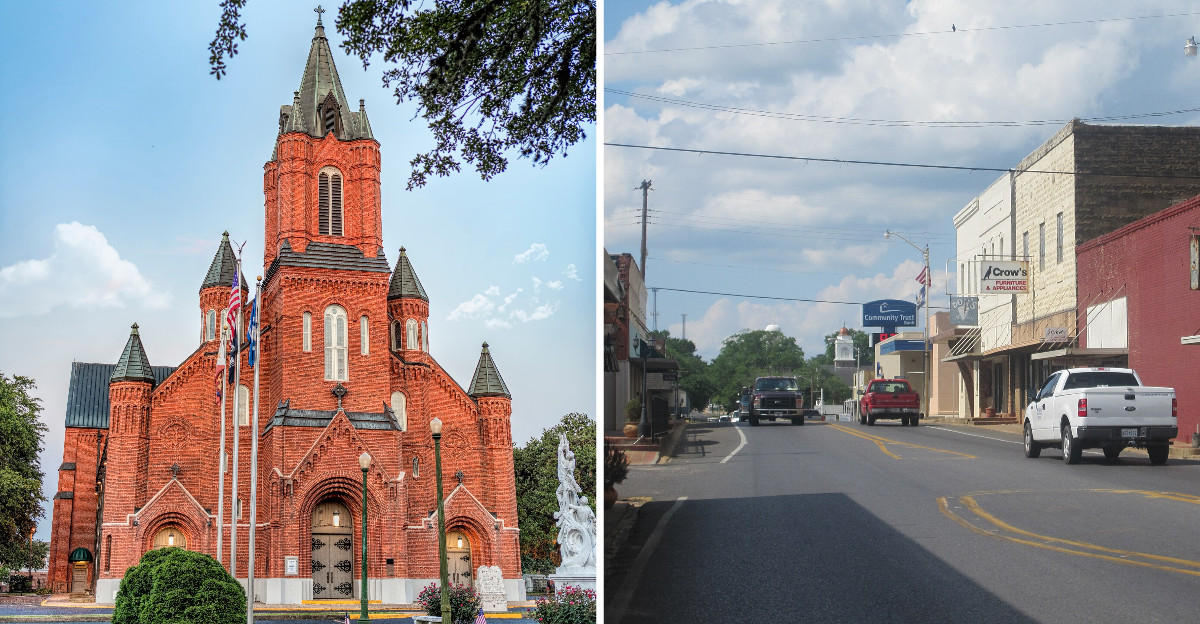
Just imagine for a second a town older than the Louisiana Purchase itself. History buffs, this one is calling your name.
Natchitoches was established in 1714 and remains the oldest permanent settlement in the Purchase territory.
Its 33-block National Historic Landmark District brings brick streets, wrought-iron details, locally owned shops, and centuries of architecture into one walkable core.
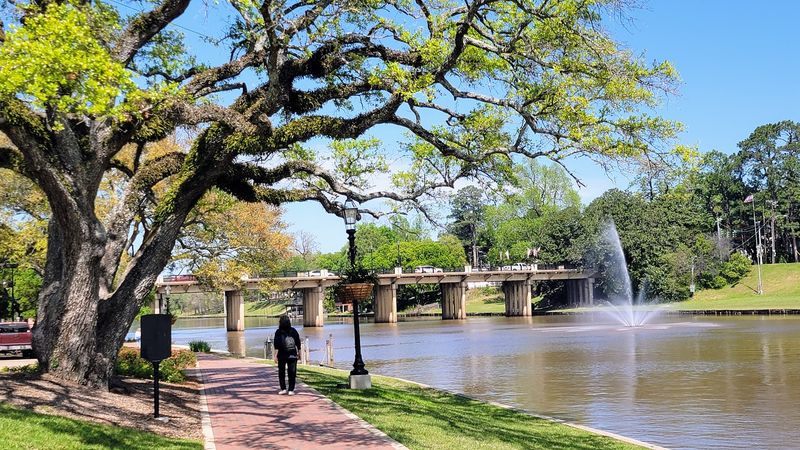
Cane River Lake gives the town an easy outdoor rhythm. The water stretches for roughly 36 miles, passing downtown before continuing through the broader Cane River region.
A riverfront walk can be paired with galleries, cafes, or the Sports Hall of Fame and Northwest Louisiana History Museum.
The Natchitoches National Fish Hatchery adds another low-key option, with aquariums, ponds, and native fish displays open during weekday hours.
Seasonal events keep the calendar active, especially the long-running Christmas Festival and its famous lights. Free guided walks through the historic district add another easy way to learn the city’s layered story.
Affordability strengthens the retirement case. Current federal housing data puts local owner-occupied values below the statewide median, while daily life still offers history, recreation, restaurants, and cultural events close together.
For retirees who want character without giving up practical conveniences, Natchitoches has unusual range. A morning can begin downtown, shift to the water, and end with an evening stroll under old trees and iron balconies.
2. Abbeville, Vermilion Parish
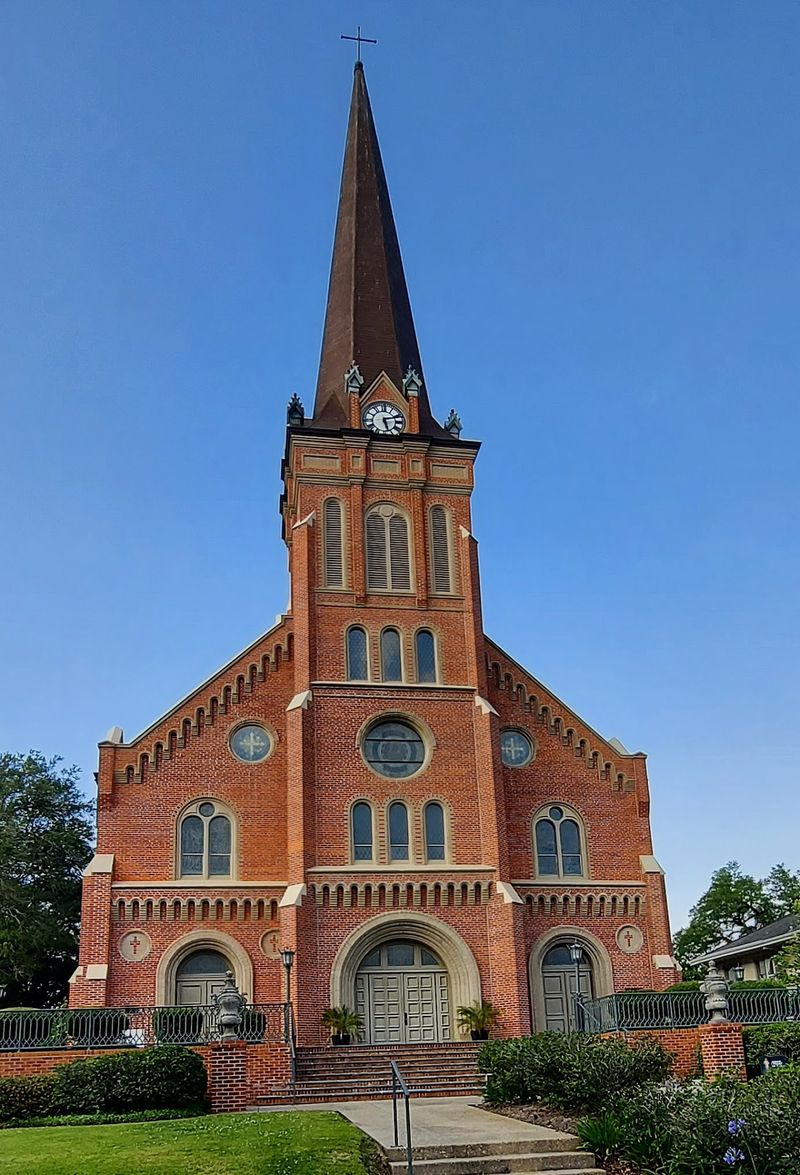
Are you seeing what I am seeing in that giant skillet? Thousands of eggs, one pan, and a whole town cheering.
Abbeville’s Giant Omelette Celebration is real, and the 2026 festival again centers on a skillet filled with more than 5,000 eggs. Music, crafts, contests, and the Sunday cooking tradition turn downtown into a community gathering rather than a simple food event.
That social side fits the broader town. Historic streets, local restaurants, and small public spaces keep errands and casual outings manageable without requiring a long drive.
Abbeville General Hospital also provides emergency care, surgery, imaging, cancer services, specialty clinics, and other healthcare close to home.
Outdoor time comes easily south of town at Palmetto Island State Park. The 1,299-acre park sits along the Vermilion River, with a boat launch, lagoons for paddling, wooded scenery, picnic areas, and trails through coastal bottomland habitat.
Federal housing figures show owner-occupied values far beneath statewide and national benchmarks, giving the town a meaningful affordability advantage for people living on a fixed retirement income.
Warm weather stretches the outdoor season, while festivals and Cajun traditions keep the calendar from feeling empty.
Abbeville offers a practical mix of lower housing costs, nearby medical care, and enough culture and nature to make ordinary weekdays feel pleasantly full year-round.
3. Eunice, St. Landry Parish
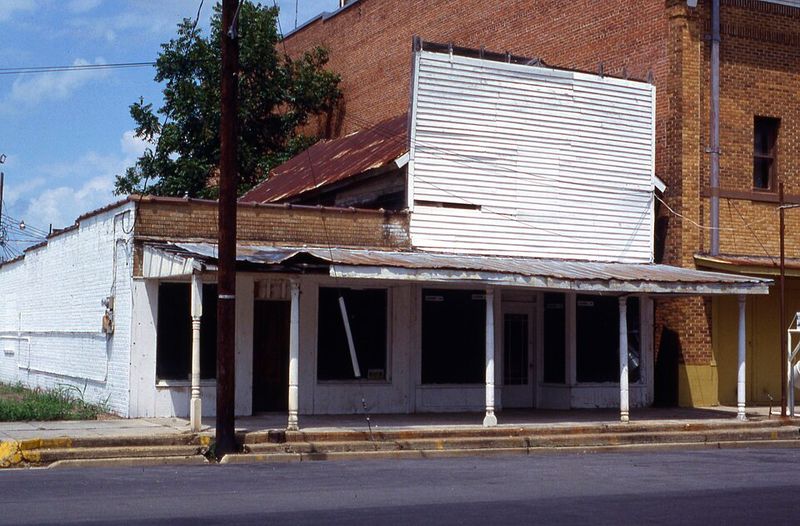
My jaw dropped when the accordion kicked in on a Saturday night. Feet were tapping before I even found a seat.
Eunice remains one of the state’s strongest centers for Cajun music and culture, even though the historic Liberty Theatre is currently closed for restoration.
The Cajun French Music Hall of Fame and Museum and nearby Prairie Acadian Cultural Center keep that heritage visible while the theater work continues.
Local culture does not stop at music, and French language traditions remain visible in community programming.
Seasonal festivals, regional food traditions, and community events give retirees plenty of reasons to leave the house without needing a major-city schedule.
LSU Eunice also offers continuing education and enrichment opportunities for adults who want to keep learning.
Healthcare is available in town through Acadian Medical Center, a full-service hospital with emergency care, surgery, imaging, cardiology, rehabilitation, and several specialty services.
Housing adds another practical advantage. The latest federal estimates show owner-occupied values far under the state’s and national levels, helping Eunice remain approachable for buyers watching long-term costs.
For slower days, the town’s parks, nearby waterways, and golf options add simple recreation. Eunice works best for retirees who value music, food, community traditions, and a slower pace more than polished resort-style amenities.
4. Minden, Webster Parish
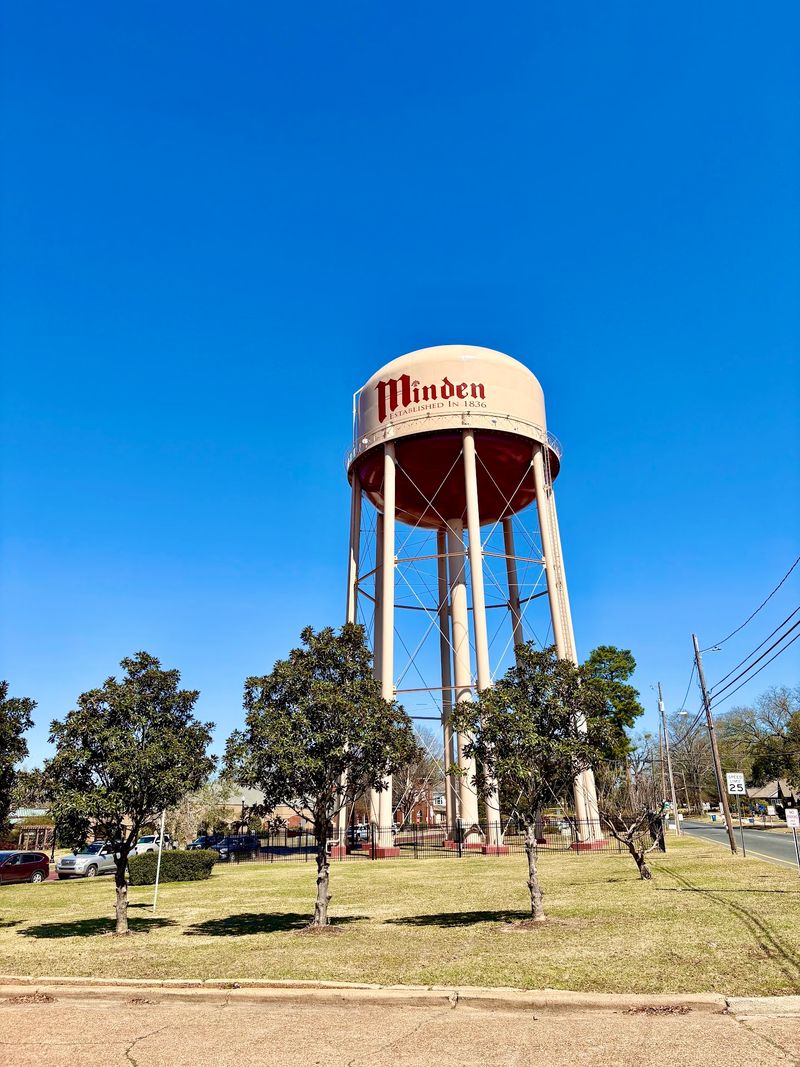
Minden carries the nickname Gateway to the Louisiana Outdoors, and the setting gives that idea real weight. Northwest recreation sits close enough for spontaneous weekday outings.
Caney Lakes Recreation Area in Kisatchie National Forest offers camping, trails, water access, and wooded scenery within an easy drive.
Bayou Dorcheat adds paddling and fishing possibilities, while nearby Lake Bistineau expands the menu for anyone who prefers quiet water to crowded attractions.
Back in town, Minden’s red-brick downtown and historic neighborhoods give slower days somewhere to go. Antique shops, local restaurants, museums, murals, and community events keep the center useful rather than purely decorative.
The Germantown Colony Museum nearby adds another layer of regional history, especially for anyone interested in early communal settlements.
Shreveport-Bossier is also within practical driving distance for larger medical systems, airports, shopping, and entertainment. That matters for retirees who like small-town living but do not want to feel cut off from metropolitan services.
Housing supports the affordability argument. The latest federal figures show Minden’s owner-occupied values sitting substantially under national benchmarks.
The appeal here is balance. Mornings can involve errands downtown, afternoons can shift toward a bayou or forest trail, and evenings stay comfortably quiet.
Minden suits retirees who want lower housing costs, outdoor access, and a historic town center without giving up access to a larger regional hub.
5. Franklin, St. Mary Parish
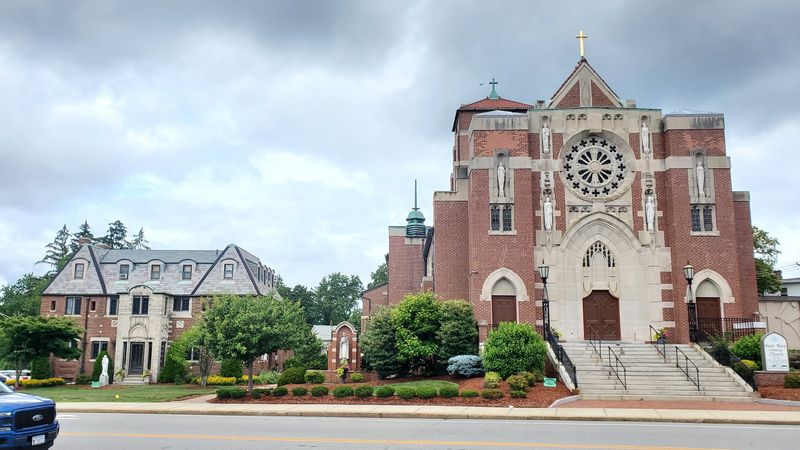
Let’s look at it from this angle for a moment: what if your dream home cost far less than you expected?
Franklin gives that question some substance. Current housing estimates put owner-occupied values far below statewide and national levels, making housing one of the town’s strongest retirement arguments.
The setting adds much more than affordability. Franklin sits along Bayou Teche, where the historic district contains more than 420 noteworthy structures.
Greek Revival homes, Victorian-era buildings, old iron streetlights, and the Grevemberg House create an unusually rich streetscape for a small community.
Bayou Teche National Wildlife Refuge begins just south of town and adds fishing, paddling, birding, photography, and seasonal hiking.
The refuge protects more than 9,000 acres of bottomland hardwood forest, cypress-tupelo swamp, bayous, and marsh habitat.
Downtown walking is easy to turn into a regular habit, especially for anyone who enjoys architecture more than shopping centers.
Cultural events and local festivals add activity without changing Franklin’s generally slower pace, while Bayou Teche keeps the landscape tied closely to the water.
Healthcare choices are more limited than in a large city, so access to regional medical services should still be part of any retirement plan.
Even with that consideration, Franklin combines lower housing costs, historic character, water access, and nearby wildlife habitat in a way few towns its size can match.
6. Jennings, Jefferson Davis Parish
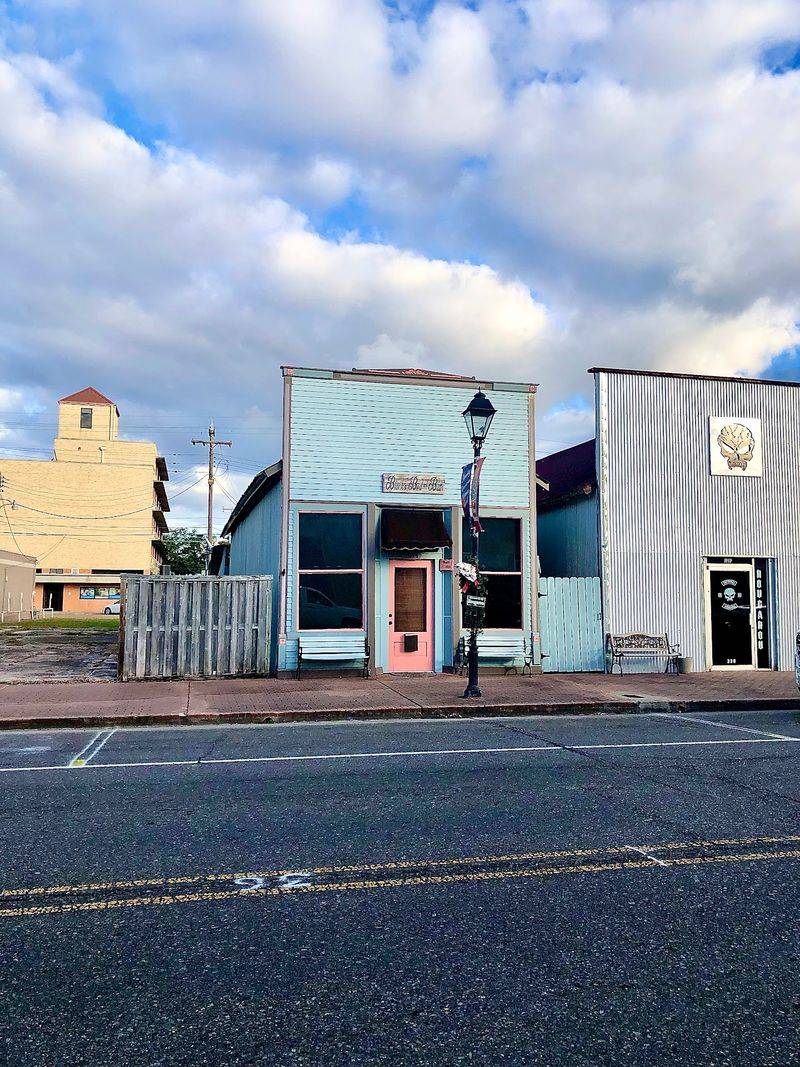
Have you given any thought to where Louisiana oil began? Hint, it started in a quiet little town.
Jennings is known as the Cradle of Louisiana Oil because the state’s first producing oil well came in here in 1901.
That history still shapes local attractions, but the town today feels far removed from an industrial boomtown.
Oil and Gas Park gives residents an easy outdoor option with a walking track, fishing pond, picnic areas, playgrounds, and the Gator Chateau. The city maintains several additional parks with courts, fields, and other recreation.
History continues indoors at the W.H. Tupper General Merchandise Museum, while the Zigler Art Museum rotates selections from a collection spanning nineteenth- through twenty-first-century art.
Those attractions give quieter afternoons somewhere interesting to go without requiring a long drive.
Housing helps the retirement case. Current federal data shows owner-occupied values below the state’s median and far beneath the national figure.
Jennings also has a relatively large share of residents age 65 and older, which can matter to people hoping for peers at a similar stage of life. Festivals, local restaurants, and Southwest culture keep the town connected to the region.
Jennings offers more substance than its small size might suggest, especially for people who prefer practical amenities over resort-style retirement.
7. Opelousas, St. Landry Parish
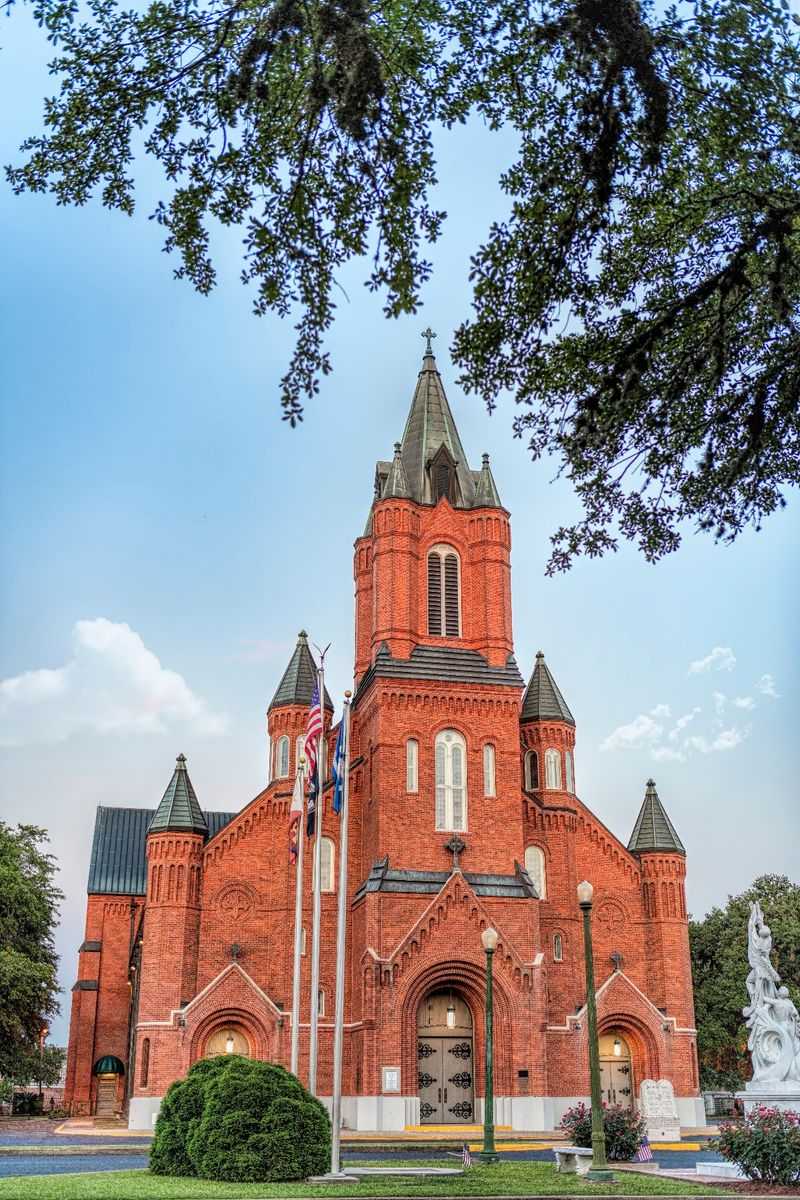
I am still trying to wrap my head around how old this town is. It ranks as the third-oldest city in Louisiana.
Opelousas was established in 1720 and remains closely tied to Creole, Cajun, and Zydeco culture.
The city calls itself the Zydeco Capital of the World, and music remains part of festivals, public events, and local identity.
History is easy to explore on foot. The courthouse-centered historic district includes architecture from several periods, while Le Vieux Village gathers restored structures from across the area.
The village includes an early doctor’s office, a country store, a schoolhouse, and the Louisiana Orphan Train Museum inside a restored rail depot.
Healthcare is a practical strength. Opelousas General Health System operates a main campus and multiple clinics with emergency care, cardiovascular services, imaging, surgery, cancer treatment, rehabilitation, and other specialties.
Affordability also stands out. Federal housing data puts owner-occupied values far under state and national benchmarks, while gross rents remain below the state’s median.
Food traditions, historic buildings, museums, and regular cultural programming give retirees options beyond staying home.
Nearby highways also make Lafayette and other Acadiana communities practical for additional shopping, dining, and specialist appointments.
8. DeRidder, Beauregard Parish
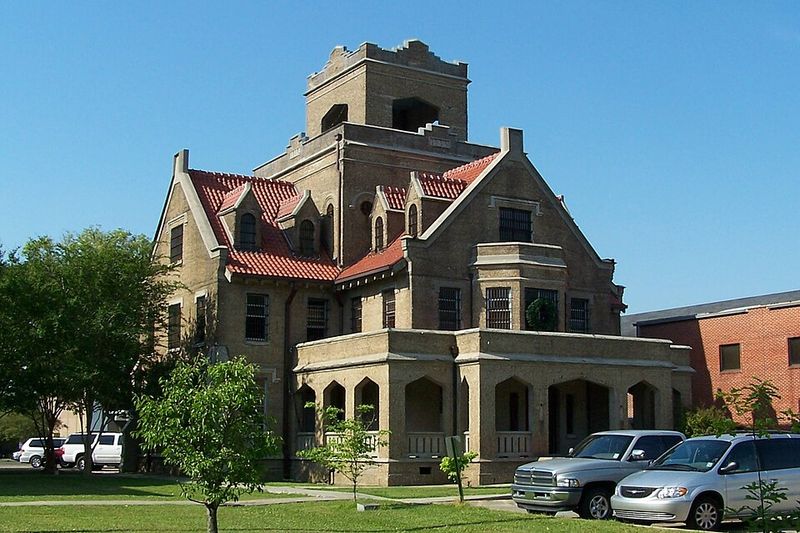
A Gothic jail in a quiet piney town? Spooky stone towers were not on my bingo card.
DeRidder grew with the timber and railroad industries, and that history remains visible downtown.
The 1914 Gothic Jail is the standout landmark, built in a rare Collegiate Gothic style and now open for tours on weekdays.
A few blocks away, the Beauregard Museum occupies a 1926 Kansas City Southern depot.
Its collections include timber-industry artifacts, historic photographs, Native American pottery and arrowheads, military items, antique furniture, and other material tied to parish history.
Outdoor recreation stays close as well. City parks add walking and recreation options, while lakes and forested areas across Beauregard Parish make fishing and quiet day trips easy to build into a routine.
The annual Beauregard Watermelon Festival remains a major community event, returning in 2026 with several days of music, contests, and hometown activity.
Housing supports the affordability case. Federal estimates put owner-occupied values below the state’s median and well under the national figure.
Retirement here is more practical than polished. DeRidder combines a small historic downtown, cultural attractions, city parks, and regional outdoor recreation without the costs or traffic of a major city.
For someone who values space, history, and a slower daily pace, that combination can be especially appealing without feeling isolated from everyday necessities or regional services.
9. Farmerville, Union Parish
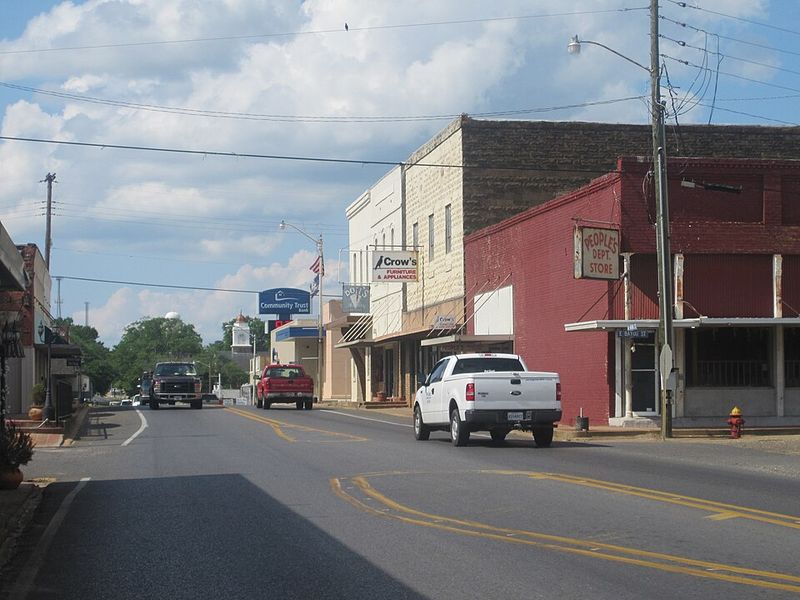
Correct me if I am wrong, but a famous fishing lake sounds like retirement gold. Anglers, grab your tackle box.
Farmerville sits beside Lake D’Arbonne, the centerpiece of local recreation and one of Louisiana’s best-known crappie destinations.
The town has promoted the lake nationally for its fishing reputation, and major tournaments continue to bring anglers into the area.
Lake D’Arbonne State Park adds another reason to stay outdoors. The 655-acre park offers fishing piers, boating access, hiking, biking, camping, tall pines, and rolling terrain around the much larger lake.
Quiet mornings on the water can easily become part of a weekly routine rather than a once-a-year vacation.
Affordability strengthens the case. Current American Community Survey data shows Farmerville’s owner-occupied values sitting well below national benchmarks.
Community traditions keep the calendar from feeling empty. The Watermelon Festival has been held since 1963 and still fills downtown each summer with contests, music, vendors, and harvest pride.
Farmerville is small, so specialized medical care and major-city shopping may require a drive, and that practical limitation deserves consideration before a move. That tradeoff comes with lower housing costs, easy lake access, and a slower setting.
For retirees who would rather plan the week around fishing, paddling, or a shoreline picnic than traffic, the town offers a clear everyday retirement lifestyle advantage.
10. Many, Sabine Parish
Taxes matter in retirement. Every dollar saved is a dollar for fun.
Louisiana does not tax Social Security benefits, and several categories of public retirement income also receive state tax exemptions.
Residents age 65 and older may qualify for an additional retirement-income exclusion, so the state tax picture can be favorable depending on the source of income.
Many adds a small-town base to that equation. Current American Community Survey figures show owner-occupied values far below national benchmarks, keeping housing comparatively approachable.
The town also sits at the center of Sabine Parish and Toledo Bend Lake Country.
Shops, restaurants, a cultural district, local medical services, and community events handle everyday needs, while the reservoir opens the door to fishing, boating, parks, and shoreline recreation.
North Toledo Bend State Park adds hiking trails, cabins, camping, and lake access within the wider region.
Many will not suit someone who wants big-city entertainment outside the door. Its strength is the opposite: modest scale, access to outdoor recreation, and lower housing costs.