This Georgia Nonprofit Gives Injured Wild Birds A Second Chance At Flying Free
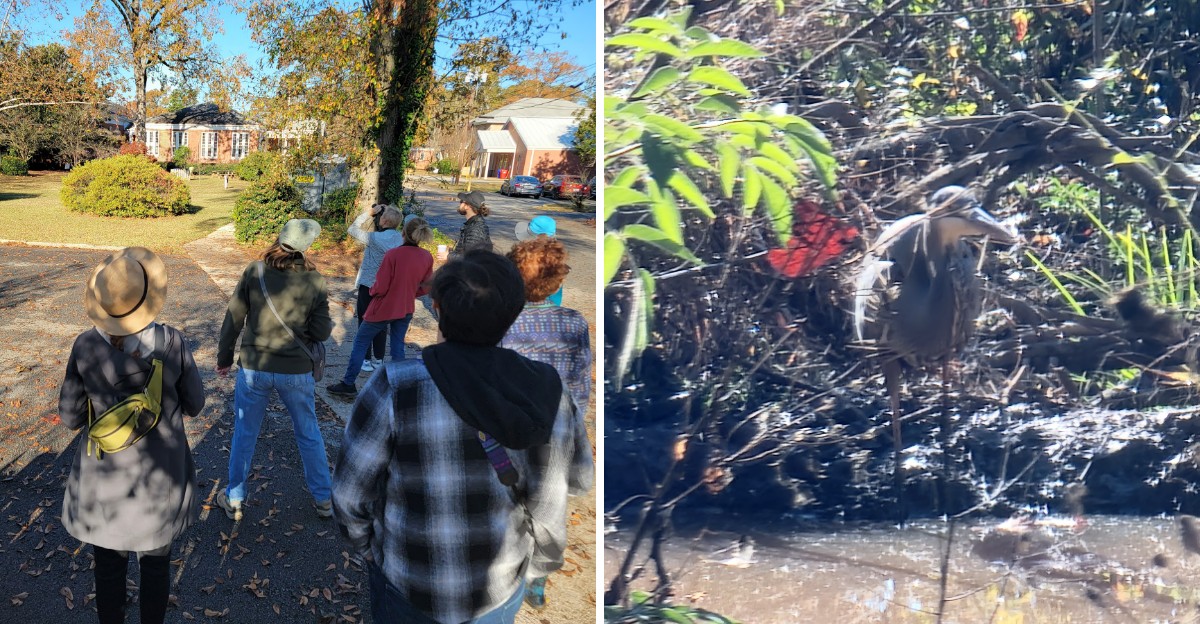
A soft thud against the kitchen window. A small bird lies still in the grass below.
Most people freeze right there, unsure what to do next. That moment happens more often than you’d think.
Here in Georgia, a dedicated group of volunteers knows exactly how to help. This nonprofit cares for injured, sick, and orphaned wild birds.
Songbirds with broken wings. Babies that tumbled from their nests.
Larger birds hurt near busy roads. Each one receives careful feeding, gentle handling, and time to heal.
Some patients stay for days. Others need months.
The goal is always the same. Get them strong.
Then open the door and let them go.
Watching a recovered bird lift off into open sky is pure magic. It’s the kind of quiet work that makes Georgia a kinder place for wildlife.
Your backyard might never look the same.
A Small Cottage With A Giant Mission
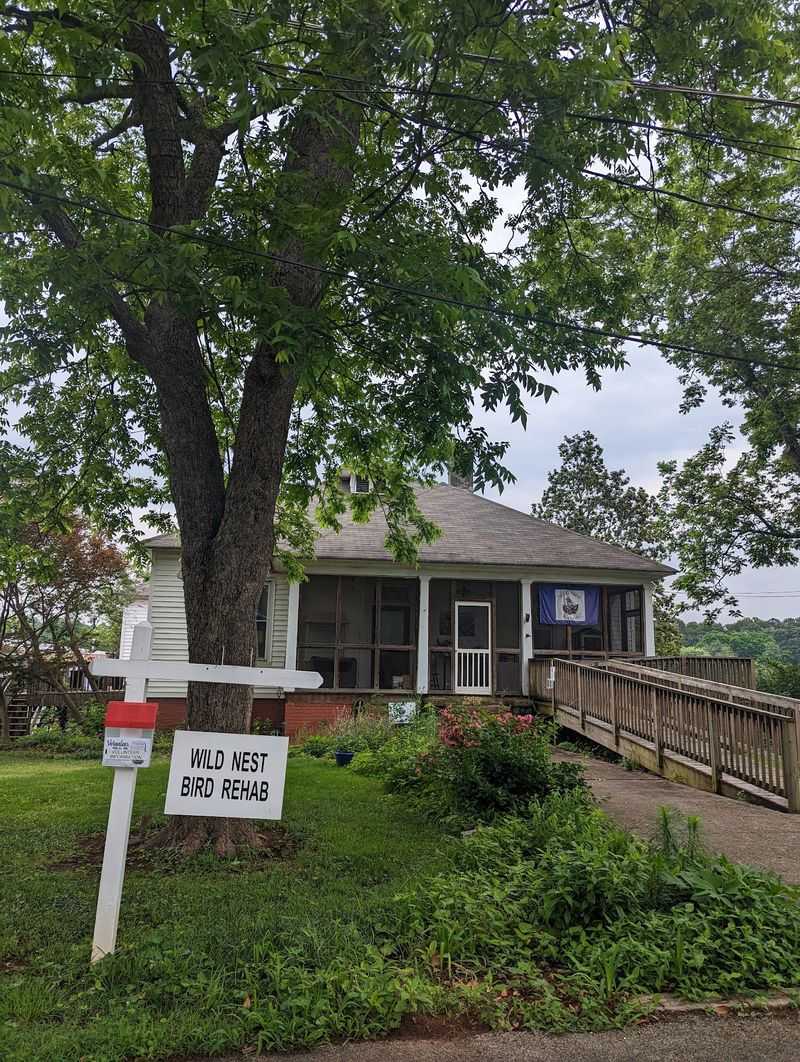
Big rescues can start in small buildings. The one I visited looked more like a friendly cottage than a hospital for birds.
Inside, though, the work is serious and steady. Its mission is simple to say and hard to do: rehabilitate wild birds, release them, and teach people about bird conservation.
Here is a fun bit of history. Before it became an official nonprofit in early 2021, the founder had cared for hundreds of wild birds at home for almost 15 years.
Picture a kitchen turned into a nursery for robins and cardinals. That long stretch of quiet care built the skills and heart behind everything happening today.
Now the group holds 501(c)(3) nonprofit status. It is known as the only nonprofit bird rehabilitation facility of its kind in the entire state.
That means people drive in from all over Georgia with shoeboxes and worried faces. Some travel an hour or more just to get a bird the right care.
The building keeps steady hours, open daily from 10 AM to 6 PM. For birds in trouble across the Peach State, few places matter more than Wild Nest Bird Rehab.
If you want to visit or drop off a bird, head to 518 S Columbia Dr, Decatur, GA 30030.
Numbers That Flap Their Wings
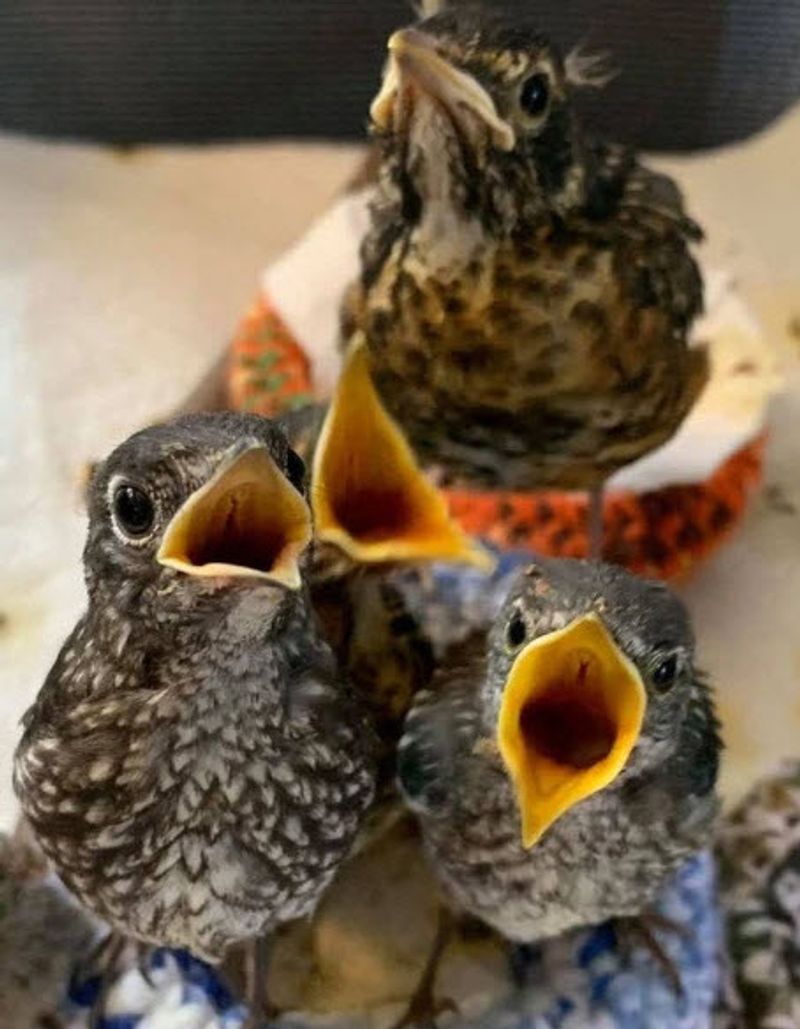
Math class never felt this cheerful. The numbers behind this place tell a story of thousands of tiny heartbeats.
Since becoming official, the team has treated over 5,600 birds. Every year, more than 1,500 feathered patients arrive needing help.
That works out to a lot of chirping in one building. I tried imagining 1,500 birds lined up, and my brain politely gave up.
Each bird usually stays about 39 days while it heals. That is more than a month of feeding, cleaning, and careful checkups.
Think about how long that really is. A baby bird might arrive bald and wobbly, then leave with full feathers and strong wings.
The care does not stop at the cage door either. Every patient gets attention suited to its species, age, and injury.
Some birds need help after hitting windows. Others are orphaned babies who lost their nests in storms.
These numbers show steady, daily effort rather than one-time miracles. When I hear a robin singing now, I wonder if it once stayed here for a month of tender care.
Which Feathered Friends Get A Bed
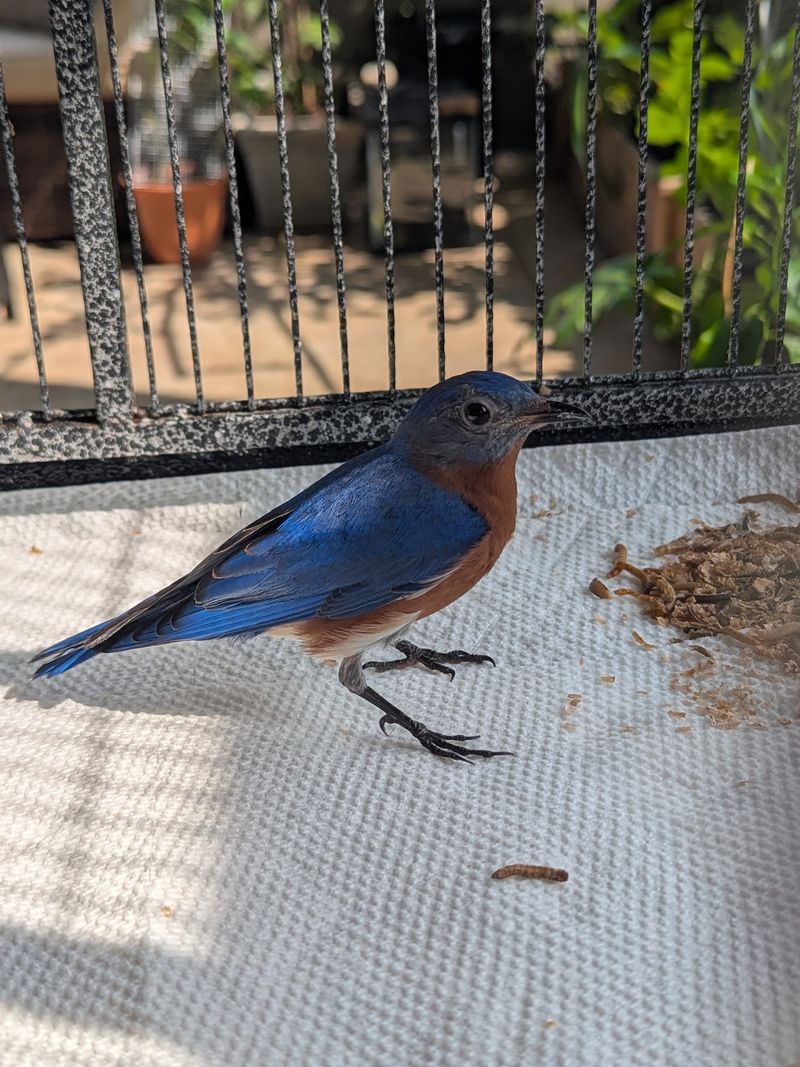
Not every bird gets a reservation here, and that surprised me. The center helps almost any native wild bird, but it has clear limits.
Cardinals, blue jays, robins, and hummingbirds are all welcome guests. These are the everyday backyard birds that make Georgia mornings so noisy and bright.
Some birds are not accepted at this facility. Pets, exotic birds, owls, hawks, and vultures need care elsewhere.
Geese, ducks, and invasive species are also not taken. Knowing this ahead of time saves you a stressful drive with the wrong passenger.
Why the limits? Different birds need different setups, food, and training to care for them safely.
Focusing on native songbirds and similar species lets the team do that work really well. It is like a bakery that sticks to bread instead of trying to sell tires.
So before you grab your car keys, check what kind of bird you found. A quick photo and a text can clear things up fast.
That small step helps your bird reach the right hands sooner. It also keeps space open for the patients this place knows best.
Help Is Just A Text Away
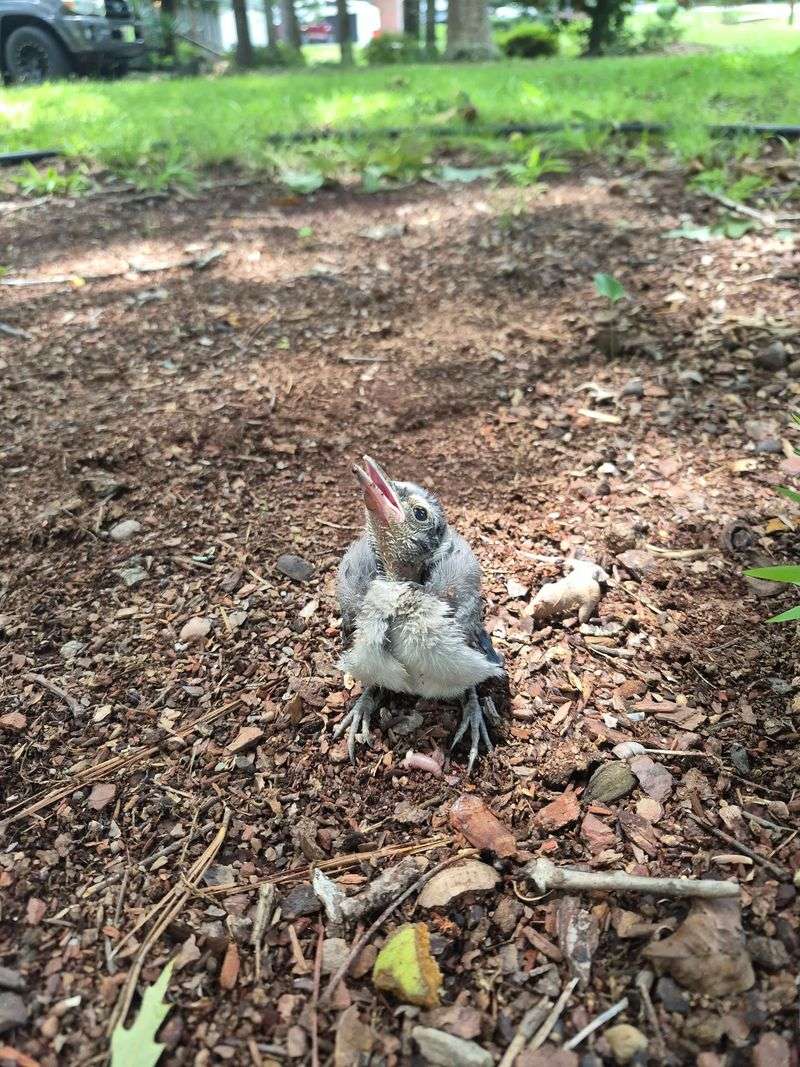
My first instinct with that porch bird was to panic. The smarter move, I learned, was to grab my phone and send a picture.
The team handles tens of thousands of text messages each year. They also answer about 7,000 phone calls from people who found birds in trouble.
That is a mountain of messages. Somehow, many folks still get quick, helpful replies with clear steps.
The website is a great place to start too. It has guides explaining what to do based on how old the bird looks.
A baby with no feathers needs different help than a hopping fledgling. Sometimes a fledgling on the ground is perfectly fine and just learning.
Texting photos lets the team spot the species and judge what is happening. Then they can walk you through safe handling, one step at a time.
Keep in mind they do not offer rescue or transport services. You will need to bring the bird in yourself if it needs care.
The phone number is 404-969-2324. I saved it in my contacts, right between my dentist and my favorite pizza place.
Volunteers Run The Show
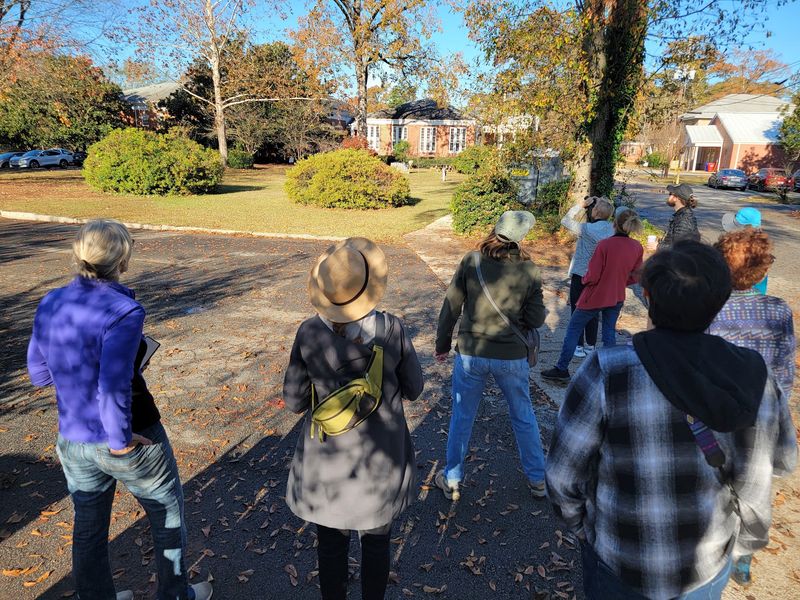
No government checks keep this place running. Instead, it runs on people who simply care a lot.
The organization is volunteer-led and receives no government funding. That makes every helping hand count even more.
The team includes federally licensed rehabilitators and animal technicians. Veterinarians, student interns, and trained caregivers round out the crew.
Some volunteers drive a long way just to show up. Feeding baby birds every few minutes takes patience, and these folks have plenty.
Here is something I really admire. The group created a formal training program for people seeking state and federal wildlife rehab licenses.
Over 300 volunteers have been trained in bird care so far. That means more skilled helpers spreading out across Georgia.
Training matters because wild birds are delicate patients. The right grip, food, and warmth can make all the difference.
If you love animals and have spare hours, this could be a great fit. Students, retirees, and busy parents all bring something useful.
Honestly, it might be the only job where a robin yells at you for being slow with breakfast. And somehow, that feels like a compliment.
Mealworms Make Great Gifts
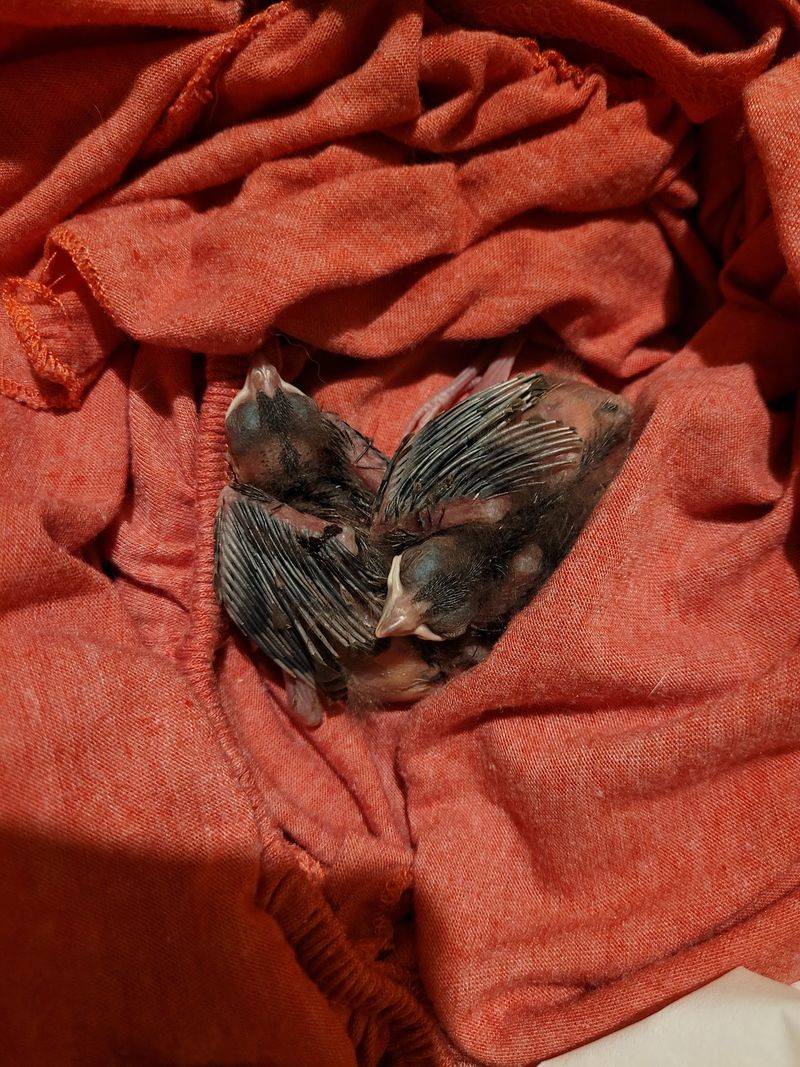
Most gifts I buy end up in a closet. A bag of mealworms here gets used fast and appreciated loudly.
One hundred percent of donations go straight to the mission. That covers treating birds and growing rehab capacity across Georgia.
Not into sending cash? No problem at all.
The team keeps wishlists on Walmart, Amazon, and Chewy. Supplies like mealworms are often on the list, since hungry birds eat a lot.
Shopping a wishlist feels oddly satisfying. You click a button, and a few days later a baby bluebird gets dinner.
Every little item adds up over 1,500 patients a year. Food, cleaning supplies, and care tools disappear quickly.
Giving can also be a fun family project. Kids can pick an item and learn which birds will enjoy it.
I sent a small box once and felt weirdly proud for days. It is not every day you get to be a caterer for cardinals.
Check the website for the latest needs before you shop. Lists change, and the team knows best what helps right now.
Why Every Bird Matters Right Now
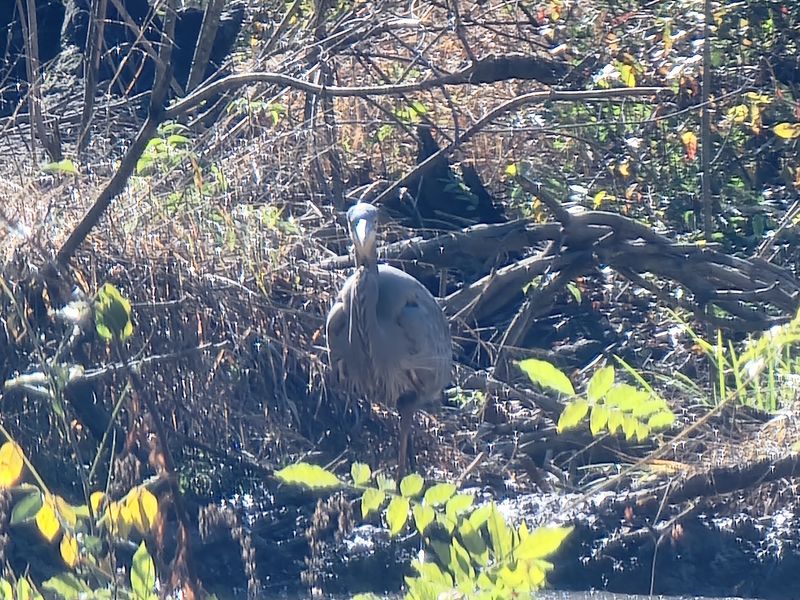
Here is a number that stopped me cold. North America has lost nearly three billion birds over the past five decades.
That is a huge drop in songs, colors, and flutters. It means fewer birds visiting our feeders and trees.
Georgia’s state bird, the Brown Thrasher, also faces pressures from habitat loss and other environmental changes.
I always liked that bird’s bold, chatty song. Learning it was struggling made me want to pay closer attention.
Birds face many threats today. Habitat loss, climate change, window strikes, pesticides, and free-roaming cats all play a role.
The good news is that people can help in simple ways. Keeping cats indoors protects birds in your own yard.
Window decals can reduce crashes on big glass panes. Planting native plants gives birds food and shelter.
Cutting back on pesticides helps the insects birds love to eat. Every small change makes your space safer.
This is why the education side matters so much. Healing one bird is wonderful, but teaching thousands of people protects many more.
What To Do Before You Drive Over
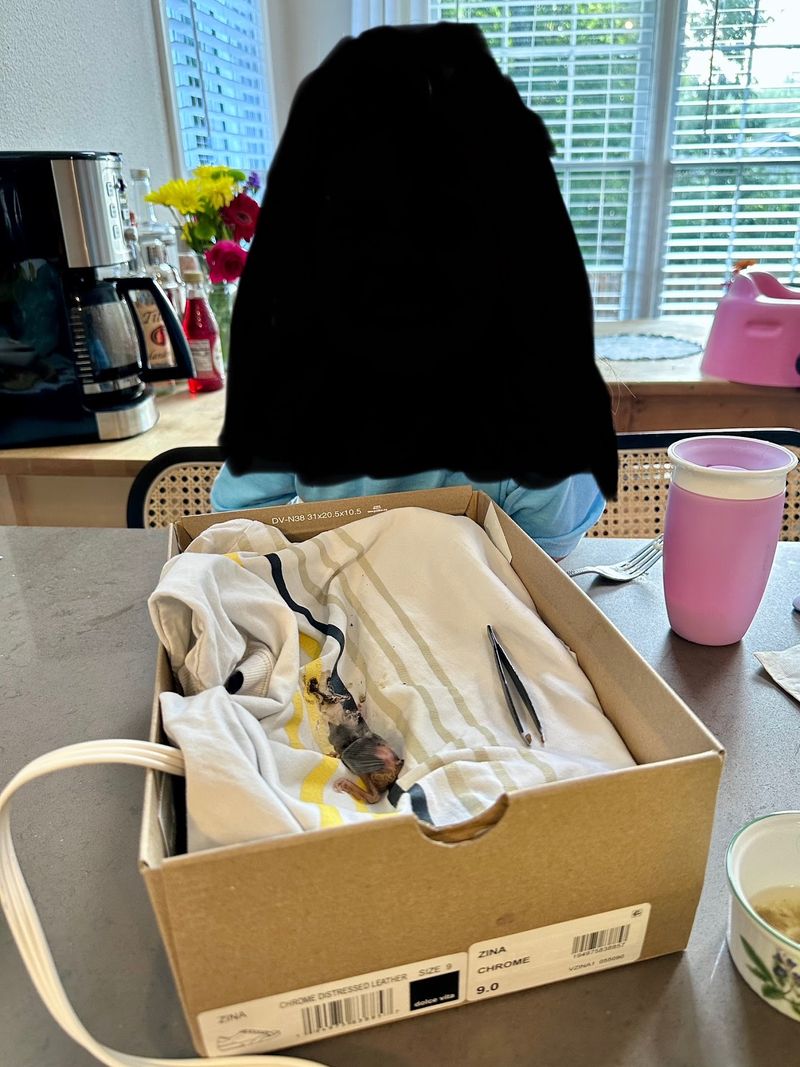
Finding a hurt bird can make anyone flustered. A little prep turns panic into a calm, helpful plan.
First, check the website guides or text the team with photos. They can tell you if the bird truly needs care.
Many people bring birds in after window crashes or storms. Cardinals that bump into glass are fairly common patients.
If the team says bring it in, keep things simple. A small box with air holes and a soft towel works well.
Keep the bird somewhere quiet, warm, and dark. Less noise means less stress for your tiny passenger.
Try not to give food or water unless you are told to. Wrong meals can cause more trouble than help.
Wash your hands after handling any wild bird. It is a smart habit for everyone involved.
Once you arrive, the intake process is usually smooth and friendly. You sign in, share what happened, and hand over your little friend.
The team then takes it from there. Driving home, I felt lighter, like I had just passed a pop quiz I never studied for.
The Best Part Is Goodbye
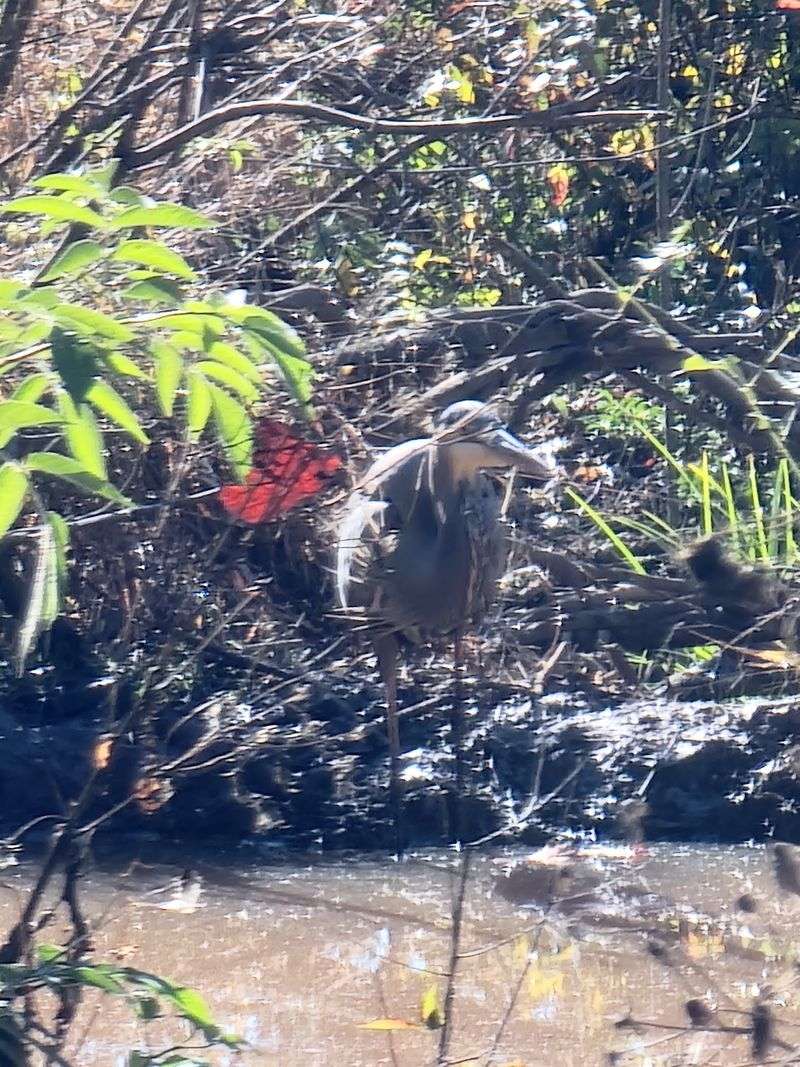
Most places hope you come back soon. This one cheers loudest when its patients leave and never return.
Release is the whole goal. After weeks of care, healed birds head back to the wild where they belong.
That moment feels a bit like a graduation. Only the graduates have feathers and zero interest in a diploma.
You may never see your rescued bird again. Still, knowing it got a real chance is a pretty great feeling.
Doors open every day from 10 AM to 6 PM.
Calling or texting first is always a smart idea. It helps the team prepare and keeps things moving smoothly.
You can also follow along online and learn more about local birds. The more you know, the more you notice outside your window.
I look at my backyard differently now. Each chirp feels like a small thank you, even if it is just a sparrow asking for snacks.
Giving wild birds a second chance starts with people like you. Sometimes all it takes is one shoebox and a caring heart.