You Can Actually Buy Cattle, Goats And More At This Old-School North Carolina Livestock Auction
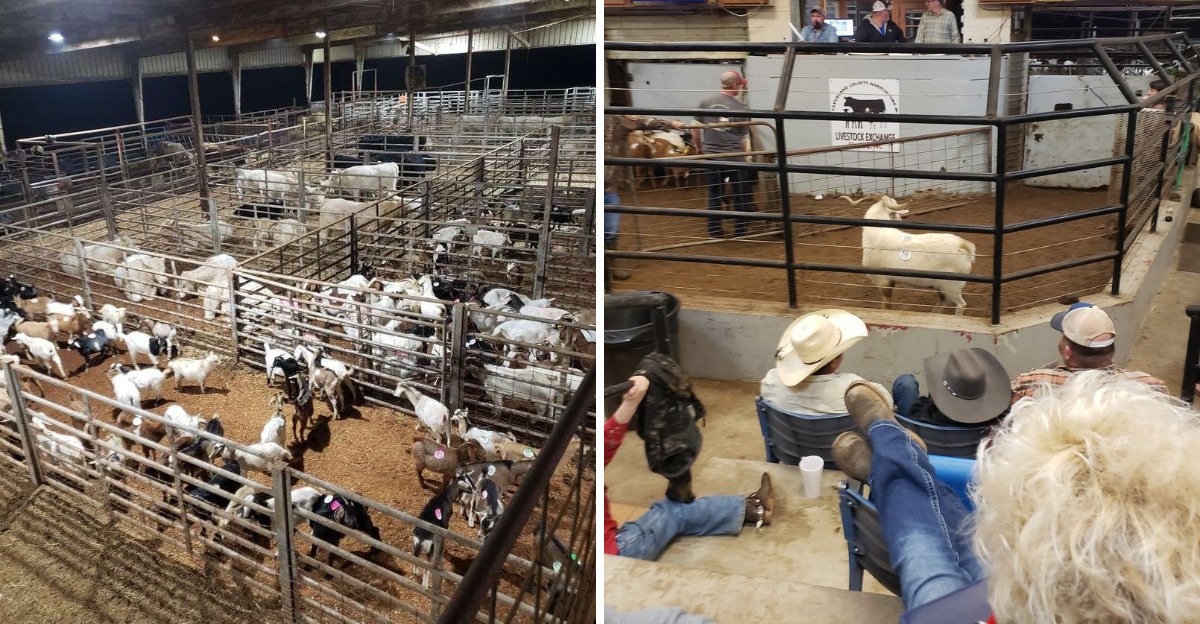
“Twenty, twenty-five, thirty, now thirty-five…”
Before you have figured out what the auctioneer just said, somebody across the barn has bought a cow.
Welcome to one of the fastest-moving traditions in rural North Carolina.
The chant rolls on, boots shuffle against the floor, and a tiny finger raise can suddenly become a very expensive decision.
Watching it all unfold feels part business meeting and part live performance. Farmers know the rhythm.
First-timers usually spend the opening minutes trying to decode it. Then the whole thing starts making sense.
Just remember one important rule. Scratch your nose carefully.
Watch Cattle Move Through The Auction Ring During Tuesday Sales
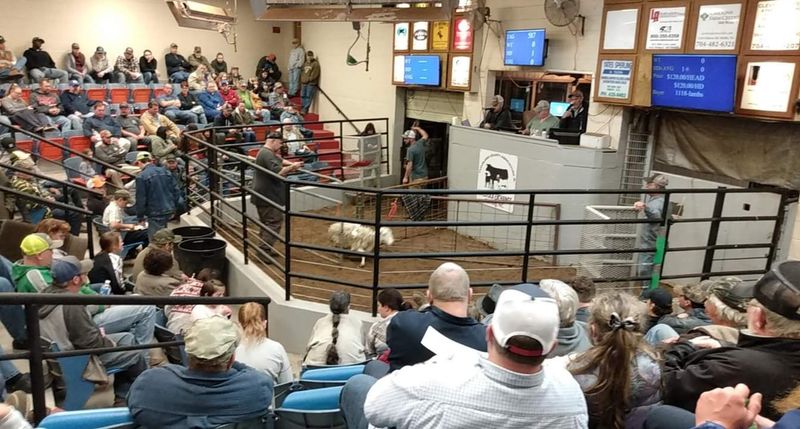
Eleven o’clock on a Tuesday morning sets the whole barn in motion.
Gates swing open, the auctioneer leans into his microphone, and the first animals of the day step onto the sawdust and dirt below the stands.
Small bottle calves and butcher hogs lead things off, giving the crowd a lively warm-up.
Next come the bigger animals, including cow and calf pairs and bred cattle, followed by slaughter cows and bulls. After a short break, herds of preconditioned cattle enter the ring, and then individual feeder calves round out the sale.
Grab a seat a few rows up so you can see both the ring and the price board.
You will notice how quickly buyers signal with a nod, a raised card, or a tap of a hat brim. Little sounds fill the air, too, from the low bawl of a calf to the clang of a metal gate sliding shut.
Families who simply want to watch are welcome to sit back and enjoy the show.
For many visitors, the steady rhythm of animals, bids, and chatter turns an ordinary weekday into something memorable.
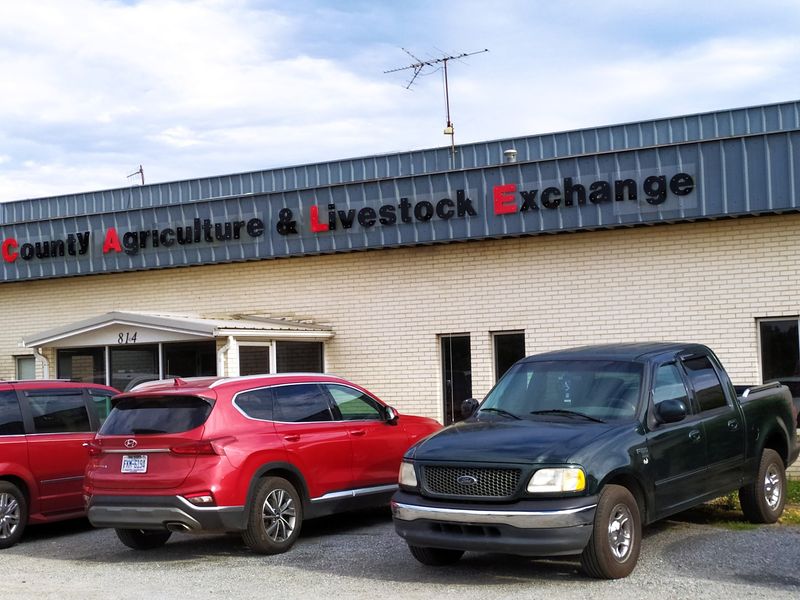
The Cleveland County Agriculture & Livestock Exchange sits at 814 Wallace Grove Dr in Shelby, an easy drive from the center of town.
Bid On Feeder Cattle, Cows, Bulls And Replacement Stock
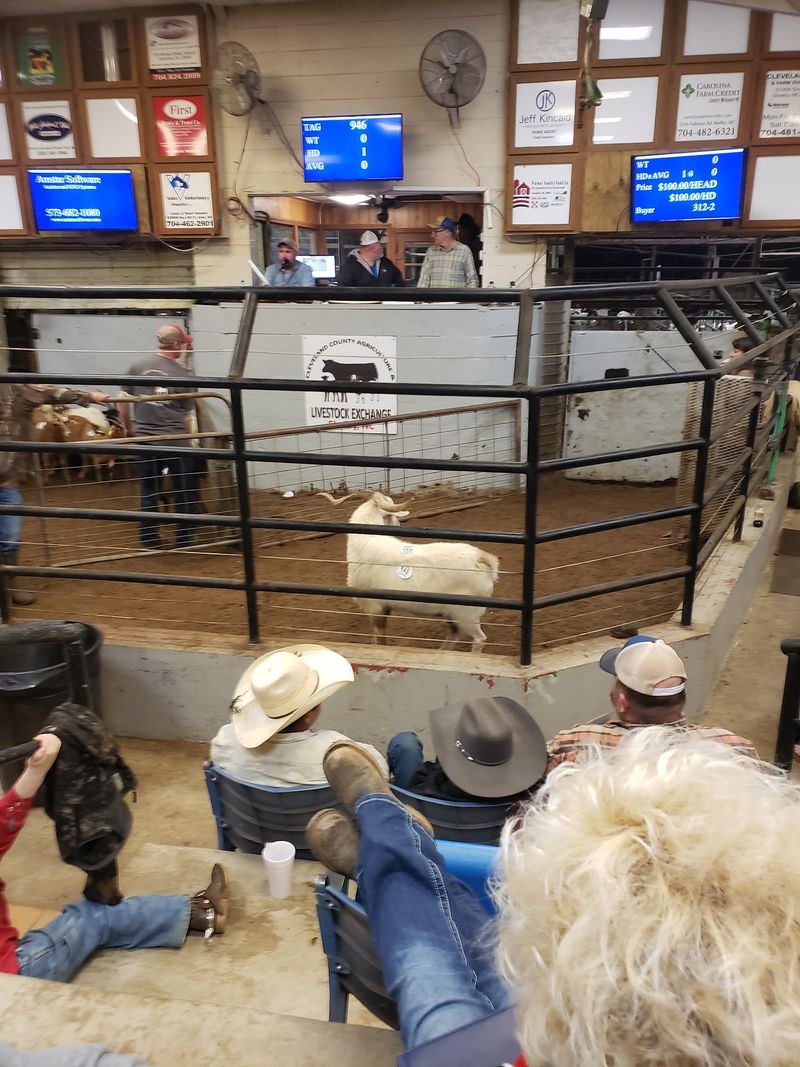
Growing a small herd can turn into a long search, especially when every animal has to come from a separate private sale.
A single trip to this barn can answer that need, since the Tuesday lineup covers nearly every stage of a cow’s life. Young feeder cattle are ready to put on weight in a pasture.
Mature cows and sturdy bulls appeal to buyers who want proven breeding animals, and replacement stock helps ranchers fill gaps when older animals retire.
Whether you are starting fresh or adding to an existing operation, the choices run wide. Can’t make the drive?
The exchange offers online bidding through DV Auction, so buyers far from Shelby can follow the ring on a screen and place bids in real time.
That mix of old-fashioned hand signals and modern video gives everyone a fair shot at the animals they want. A smart first step is registering early to get your buyer number.
Watch a few lots before you bid, so you can get a feel for prices and the auctioneer’s pace.
Set a firm spending limit in your head before the excitement takes over. Bring a notebook, too.
Jotting down weights and prices helps you make calm, clear choices when your favorite lot finally walks in.
Come Back For Sheep And Goat Auctions Held On Select Fridays
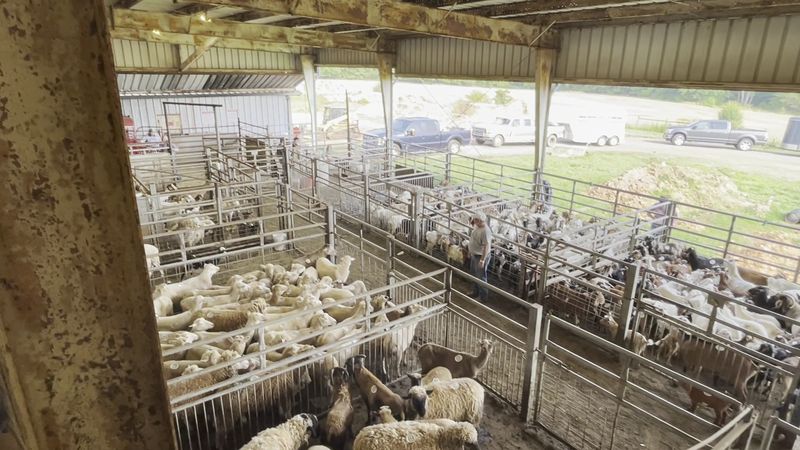
Friday evenings bring a whole different crowd and a chorus of bleats in place of deep moos.
On the second Friday of each month, the barn shifts its focus to smaller livestock for a 6:30 p.m. Small Animal Auction.
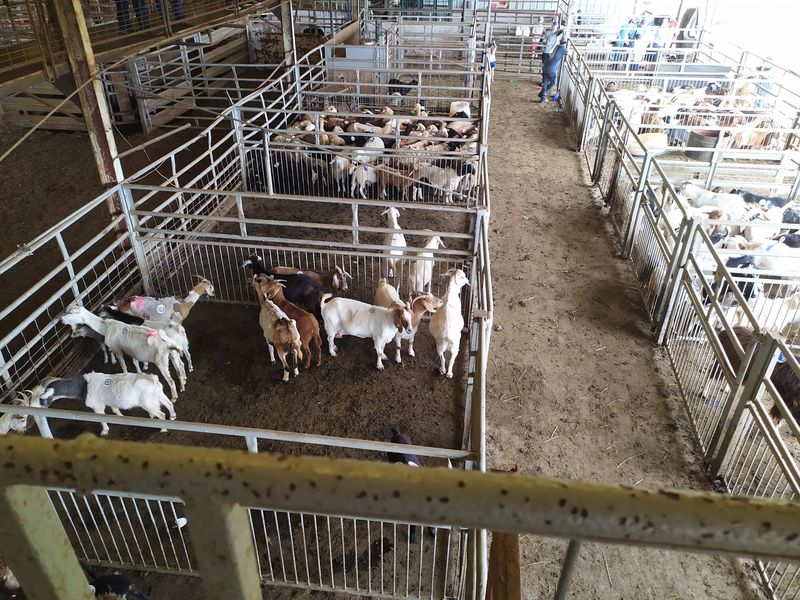
Goat buyers can find slaughter kids, nannies, does, bucks, and billies moving through the ring.
Sheep shoppers have plenty to study as well, from wooled and shorn animals to hair breeds, hair ewes, and hair rams. The sale gives buyers access to multiple classes of goats, sheep, poultry, and other small animals in one auction.
Kids especially love these nights. Goats have curious faces and springy legs, and watching them hop around the pens is pure fun.
Some small animal sales also feature chickens, rabbits, and other farm critters, so the variety can surprise first-time visitors.
Fun fact: a male goat is called a buck or billy, while a female is a doe or nanny.
Knowing those terms helps you follow the auctioneer when lots fly by fast. Because these sales are not weekly, plan ahead.
Arrive early to walk the pens and pick out favorites before bidding begins, since the ring moves briskly once it starts.
See How A Traditional Sale Barn Works From Check-In To Load-Out
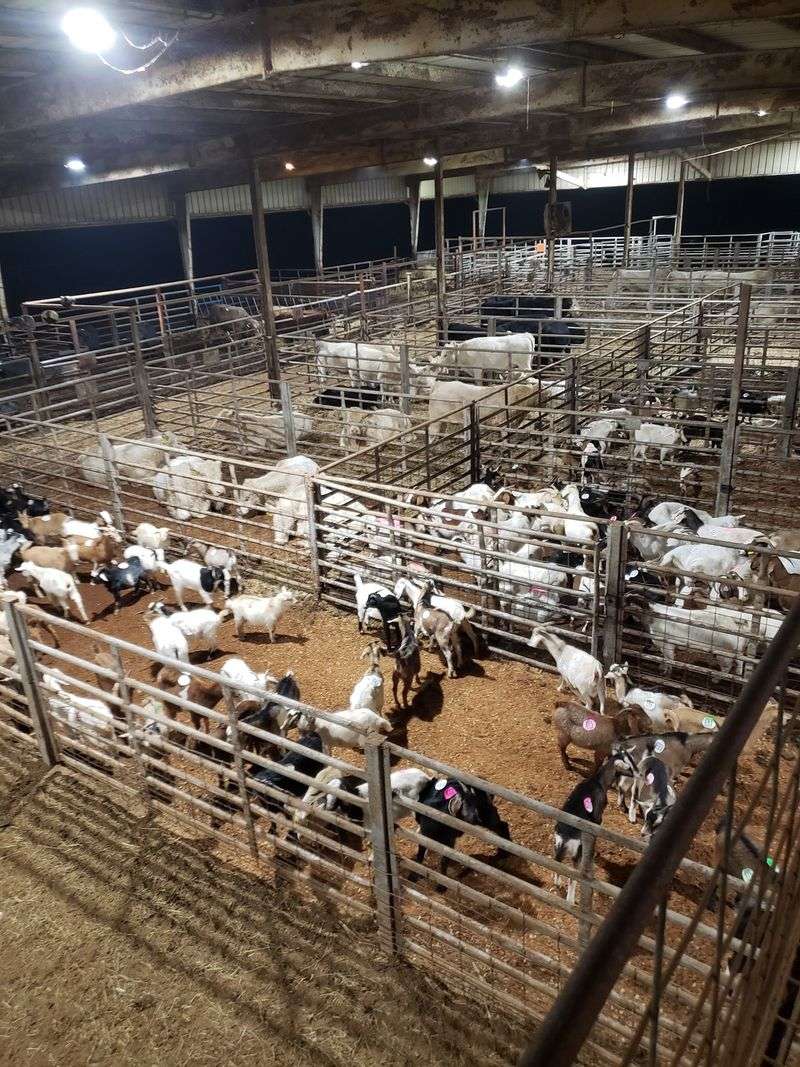
Long before the auctioneer says a word, the real work has already begun.
Cattle check-in runs Monday from noon to 7:30 PM, then resumes Tuesday at 7 AM before the 11 AM sale.
Every animal gets tagged and weighed as it arrives.
Preconditioned cattle, meaning calves that are weaned, vaccinated, and dewormed, receive colored back tags. Yellow marks one round of treatment, and green shows two rounds, so buyers can spot extra care at a glance.
On the buying side, registration hands you a personal number.
That number follows you through the sale, matching each winning bid to your name.
Staff members keep paperwork moving behind the scenes so that sellers get paid and buyers get the right animals. Payment matters most at the end of the day.
North Carolina law requires public livestock markets to collect payment for auction purchases on the same date the livestock are bought.
Plan your funds ahead of time to avoid delays.
Finally comes load-out, when trailers back up to the chutes and animals head to new homes.
Watching handlers guide cattle calmly up a ramp gives you a real respect for the skill farm work requires.
Talk With The On-Site Veterinary Team Before Taking An Animal Home
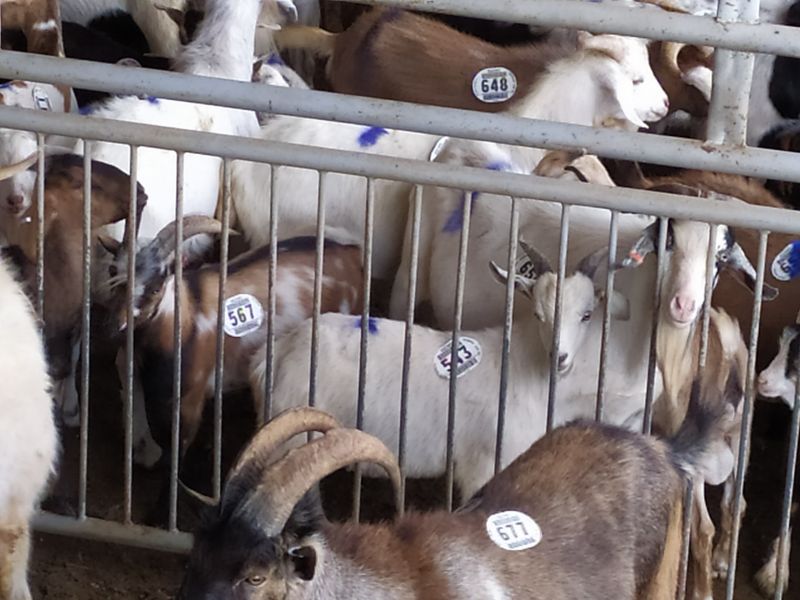
A healthy start can make all the difference for a new calf or goat.
At this exchange, animal care has a trained leader, since the facility operates under the guidance of Steven Matthews, DVM.
Having a veterinarian connected to the barn means general vet services are part of the operation.
Livestock passing through the gates benefit from that knowledge, and first-time buyers gain a helpful resource.
If you have questions about an animal’s health, ask staff how to reach someone who can help before you load up.
Good questions to bring include how to feed a newly weaned calf and what vaccines your animal may still need. Ask about safe hauling, too, especially on hot days or long drives.
A few calm minutes of conversation can save you worry later.
Back home, keep new livestock separated from your existing herd and follow your veterinarian’s quarantine plan, which commonly lasts about 30 days.
Keeping newcomers apart lets you watch for coughing, poor appetite, or limping before mixing herds. Animals bought at auction often face a lot of change in one day.
Fresh water, clean hay, and a little patience help them settle in, and your local vet can guide long-term care from there.
Grab A Meal At The Sale Barn Café While The Bidding Continues
Follow your nose past the pens, and you will catch the smell of something warm cooking inside.
Right in the building, the sale barn café gives hungry visitors a reason to linger longer than planned.
The kitchen leans toward hearty home cooking, the kind of plate that keeps a farmer going through a long sale. Menus and daily specials are not widely posted online, which makes each visit feel like a small surprise.
Think comforting Southern flavors, generous portions, and simple tables where neighbors share elbow room. Timing your meal well can pay off.
Many folks slip out during slower stretches of the auction, grab a plate, and head back before their lots enter the ring.
Others treat the café as a meeting spot to talk over prices and plans.
Families who come mainly to watch will find the café a nice break for kids.
A warm bite and a cold drink can turn an afternoon of animal watching into an easy outing. Bring a little cash just in case, and save room for whatever sweet treat might be on the counter.
Few places pair lunch with a live livestock show quite like this one.
Expect A Mix Of Farmers, Buyers And Livestock Moving Through The Barn
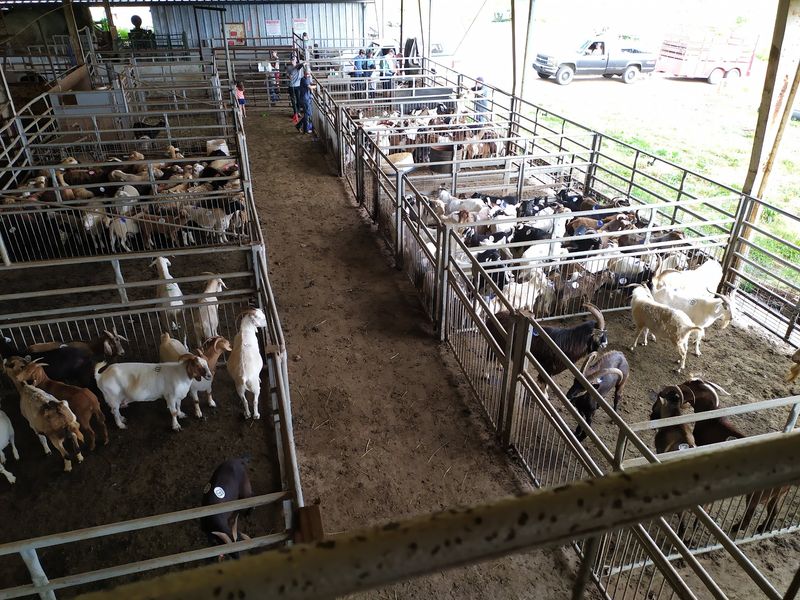
Boots, ball caps, and worn work jackets fill the bleachers, but look closer and you will spot all kinds of people.
Some have raised cattle for decades, while others are first-timers with wide eyes and a fresh bidder number.
Seasoned farmers and ranchers make up a big part of the crowd. They come to sell extra stock or pick up animals to strengthen their herds.
Sitting nearby, you might notice professional order buyers, who purchase livestock for other clients and often hunt for certain weights, breeds, or prices.
Hobby farmers add another layer.
Some want a pair of goats for clearing brush, while others are searching for a steer to raise or a few hens for fresh eggs. Plenty of visitors simply enjoy staying connected to farm life in this corner of the Carolina foothills.
All that variety creates a constant flow of movement.
Handlers guide animals down alleys, buyers step out to check pens, and chatter rises between lots.
Be polite and patient when moving around the barn.
Stay clear of gates and working areas, and let handlers do their jobs. A friendly hello to the person beside you might lead to helpful farming tips.
Check The Sale Calendar Before Bringing A Trailer Or Planning To Bid
Nothing deflates a trip faster than hauling an empty trailer to a quiet barn.
A few minutes of planning helps you arrive on the right day with everything you need.
Cattle sales happen every Tuesday, starting at 11:00 AM.
The exchange currently schedules its Small Animal Auction for the second Friday of each month at 6:30 PM, though holiday or weather changes should still be checked.
For cattle drop-off, the exchange lists Monday from noon to 7:30 PM and Tuesday from 7 AM until the 11 AM sale begins, with the Small Animal Auction held on the second Friday of each month.
Good resources make planning simple. The exchange posts a Weekly Cattle Report and shares special herds and events on its Facebook page.
The USDA also publishes weekly market reports, giving buyers and sellers solid price data before a sale. Sellers should note check-in times carefully, since late arrivals may need to wait for the next sale.
Buyers should line up payment ahead, because animals must be paid for the same day.
Before you leave home, check your trailer floor, hitch, and lights.
Pack water, a halter or rope, and plenty of bedding.
With the calendar in hand and gear ready, your day at this classic North Carolina sale barn can run smoothly from start to finish.