These 10 North Carolina Towns Are So Off-The-Grid Most Travelers Never Find Them
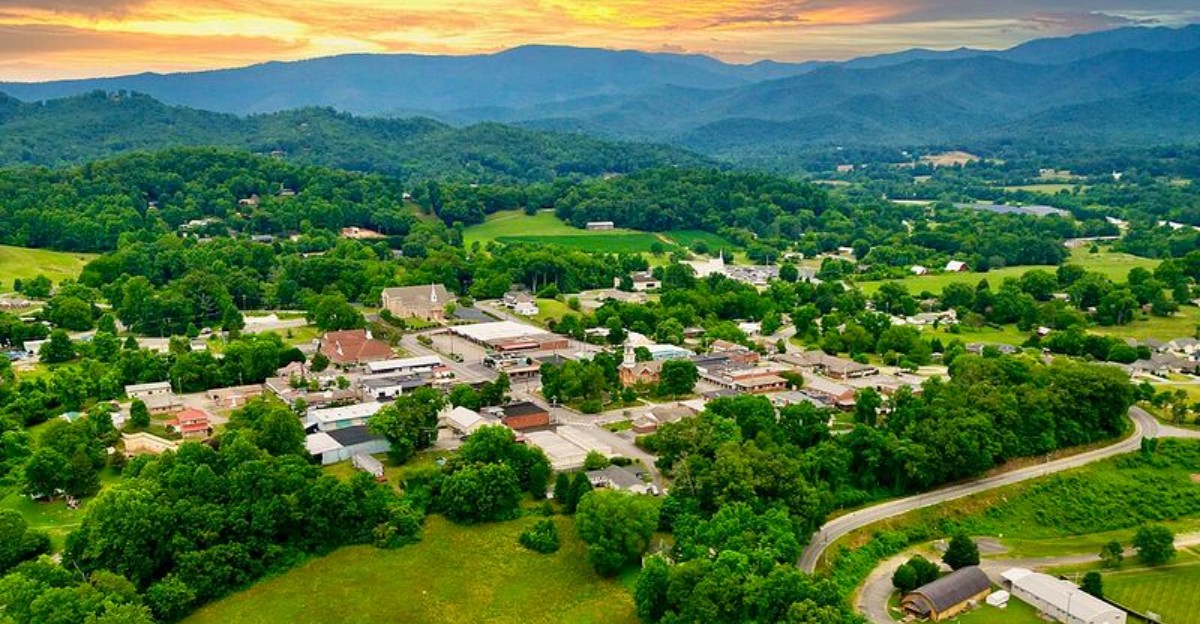
Cell service gets nervous in places like these.
The highway narrows, the traffic thins, and suddenly North Carolina feels much larger than it did on the map.
A few tiny towns still sit far enough from the usual tourist routes to make arriving feel like you discovered them by accident.
Nobody seems particularly interested in rushing the day along. That is part of the charm.
You may stop for lunch and end up hearing a story that never made it into any travel guide.
Even your phone may eventually give up trying to help. Honestly, let it.
The best part of getting this far off the grid is seeing what happens when the map stops bossing you around.
10. Robbinsville
Trees taller than a ten-story building wait just outside of town, and they have been growing for centuries.
Joyce Kilmer Memorial Forest protects giant tulip poplars that rise more than 100 feet, some with trunks over 20 feet around.
Walking the loop trail feels like stepping into a green cathedral filled with ferns, moss, and birdsong.
Robbinsville sits deep in the far western mountains of North Carolina, where forests stretch in every direction and roads curl over high ridges. Lake Santeetlah lies nearby, and much of its shoreline is protected, so the water looks wild and clean.
Families swim, paddle kayaks, and fish in quiet coves while hawks circle overhead.
For thrill seekers, the Cheoah River offers whitewater rafting on scheduled release days.
Drivers should save time for the Cherohala Skyway, a winding road with sweeping mountain views and pull-offs made for photos.
Pack a picnic with sandwiches and fresh fruit before heading out, since services are few along the route.
Bring a jacket, too, because the high elevations stay cool even in summer.
9. Bakersville
Every June, the hillsides above this mountain hamlet blush pink and purple.
Roan Mountain, rising to 6,286 feet, holds what is often called the world’s largest natural rhododendron garden.
The blooms inspire a cheerful festival in town with crafts, food, and music. Bakersville rests close to the Tennessee line, and its downtown is so calm you can hear Cane Creek bubbling nearby.
Small galleries line the streets, showing pottery, glass, and paintings made by local hands.
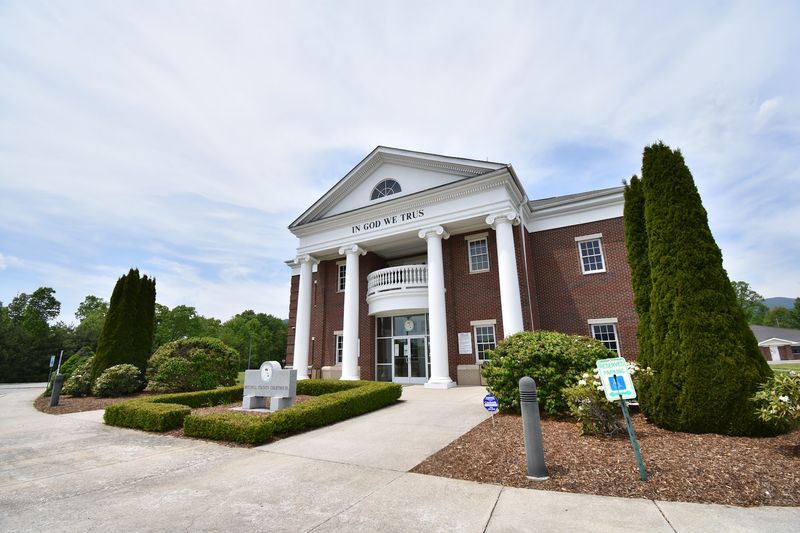
The town hall stands at 26 S Mitchell Ave.
Art runs deep here because the famous Penland School of Crafts is a short drive away.
Many artists who studied there stayed, filling local studios with handmade treasures.
Browsing can turn into a mini lesson in how a mug or bowl gets shaped and fired.
Outdoors, the Toe River invites tubing and rafting on warm afternoons.
Anglers cast for trout and smallmouth bass, while kids enjoy the playground along the Cane Creek Greenway.
Accessible fishing piers make it easy for everyone to join the fun.
Grab a cold lemonade and a snack, find a shady bench by the creek, and let the slow mountain pace settle in.
8. Aurora
Millions of years ago, the land here lay beneath an ancient sea filled with sharks, whales, and swirling shells.
Those creatures left clues behind in the soil, and anyone can search for them today.
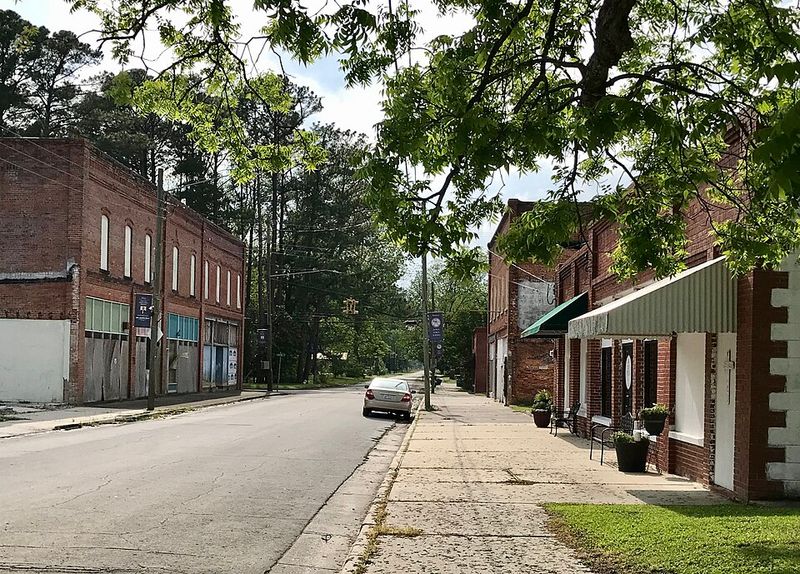
Aurora is a secluded little town on the Inner Banks, where flat fields meet slow, wide water.
Its main draw is the Aurora Fossil Museum, which welcomes visitors with displays of huge shark teeth and old whale bones. The town hall sits at 295 Main St.
Across the street, the fossil pits, nicknamed the Pits of the Pungo, let you sift through piles of earth.
Bring a small screen, shake the dirt away, and watch for tiny gray triangles.
Those little points are often shark teeth, and finding one feels like winning a prize.
The museum’s mine room exhibits explain the layers of rock hidden below town. Kids especially love seeing how deep the old seafloor really lies.
Spring brings the annual Fossil Festival, with parades, live entertainment, and extra digging fun along Main Street.
After a morning in the pits, stroll to the waterfront for a breezy picnic.
Brushing sandy hands off in the river breeze somehow feels like part of the adventure.
7. Danbury
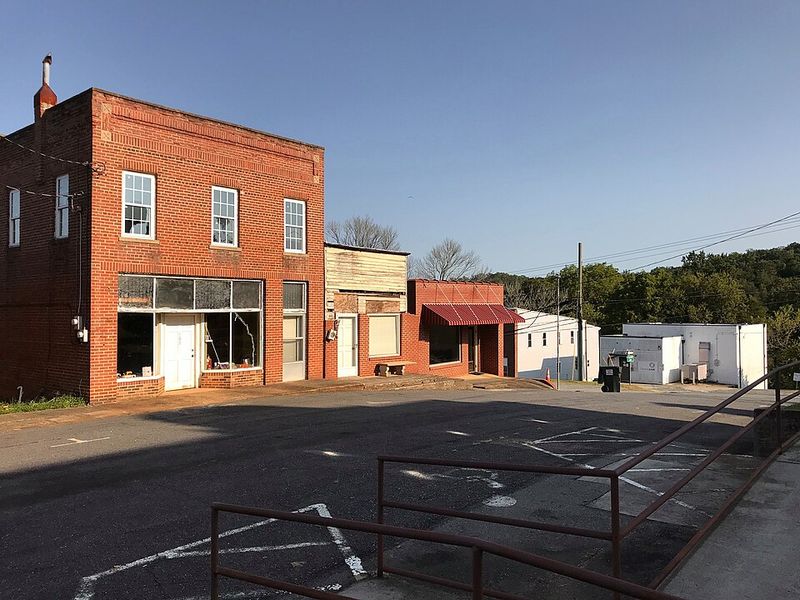
Sunset paints the foothills gold here, and the only traffic jam might be a line of kayaks on the river. Life moves at an easy pace, even though a popular state park sits right next door.
Danbury is a tiny town in the rolling hills of Stokes County, far removed from the busier spots in North Carolina.
It serves as the doorway to Hanging Rock State Park, with mountain views around nearly every bend.
Town hall is at 201 Courthouse Cir.
Inside the park, trails lead past waterfalls that tumble over dark rocks into cool pools.
A sandy beach on the lake makes a great place to rest after a hike.
The family campground is currently closed for improvements, while hiking and fishing remain available and lake swimming operates seasonally.
Moore’s Knob Observation Tower rewards climbers with huge views across the countryside.
On a clear day, far-off cities shimmer on the horizon.
Back in town, the Dan River flows gently, perfect for tubing, swimming, and paddling. Moratock Park holds the stone remains of an iron furnace built in 1843, a reminder of the area’s industrial past.
Kids can touch the rough stones and imagine the fires that once roared inside.
6. Creswell
Picture a lake so clear you can see the sandy bottom far from shore.
Lake Phelps covers about 16,000 acres, and its calm water is a favorite for fishing and paddling.
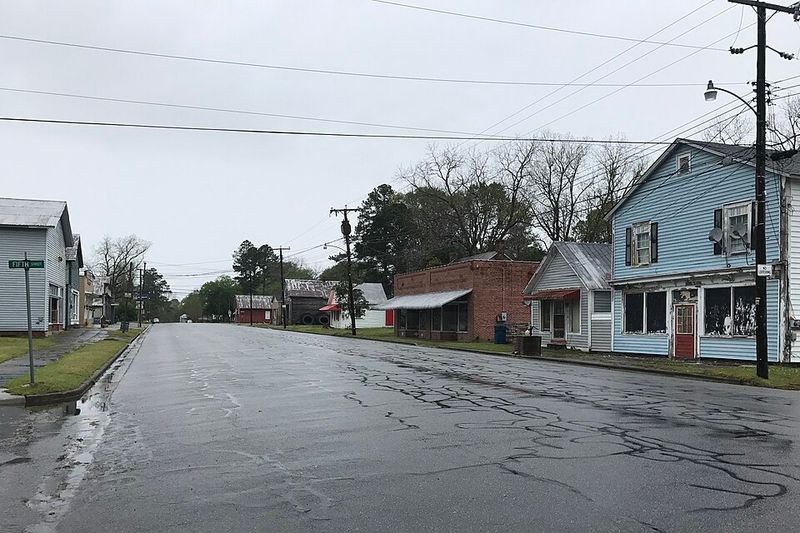
Creswell is a quiet farming town surrounded by fields, wetlands, and wildlife country in Washington County.
Crops stretch toward the horizon, and the sky feels enormous. The town office stands at 104 S 6th St.
Pettigrew State Park hugs the lakeshore, offering trails for hiking and biking under tall cypress trees.
Pettigrew remains open for day use in 2026, but its campground and office are closed for renovations.
Low water has also limited boat-ramp access, so check the park’s current alert before bringing a watercraft. History waits at Somerset Place, a historic site with original 19th-century buildings.
Guided visits share the stories of the many people, including enslaved families, who lived and worked on the land.
It is a thoughtful stop that helps visitors understand the region’s past.
Nearby, Pocosin Lakes National Wildlife Refuge protects swamps and fields where red wolves have been reintroduced.
Winter brings huge flocks of swans and geese, whose calls echo over the water.
Pack snacks and binoculars, since stores are few and the views are many.
5. Hayesville
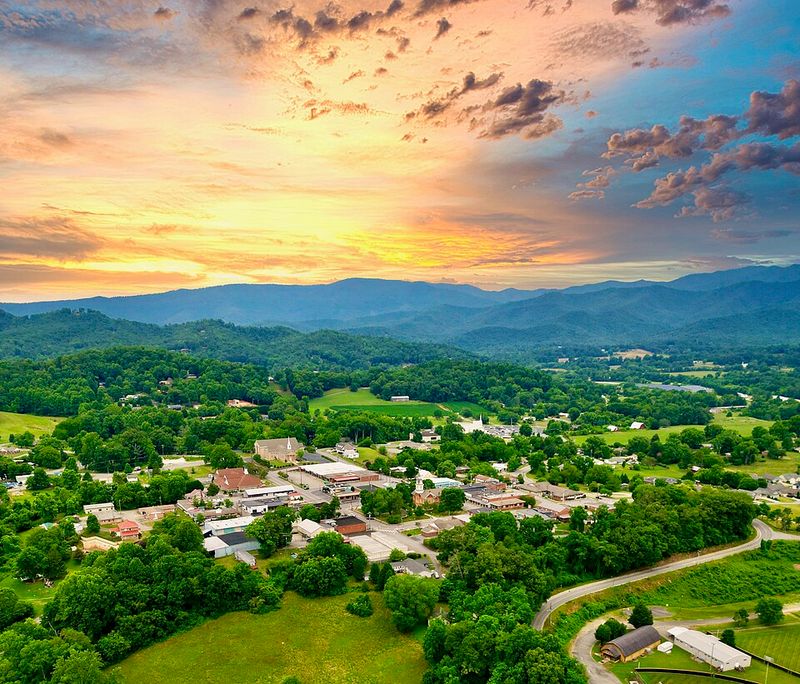
The Tusquittee Mountains rise around Hayesville, and their name has deep Cherokee roots.
Blue Ridge National Heritage translates Tusquitee as “Where the Water-Dog Laughed,” preserving a place-name connection that predates the town.
Hayesville rests near the Georgia border in Clay County, built around a charming historic square.
The old courthouse anchors the center, while small shops and cafes circle it like friends around a campfire. Town offices are at 56 Sanderson St.
On the square, the Cherokee Homestead Exhibit shares how native families lived in these hills.
Nearby, the Peacock Performing Arts Center seats about 250 people for plays, concerts, and family shows.
Catching an evening performance here feels cozy and personal. Lake Chatuge spreads out just south of town, with clear water ringed by mountains.
Boaters cruise its coves, swimmers splash near the shore, and anglers wait patiently for a bite.
Hikers can try the Leatherwood Falls Loop, a pleasant walk to a sparkling cascade.
Artists along the Blue Ridge Crafts Trail open their studios, including glassblower David Goldhagen.
Watching glowing glass turn into a bright vase is something you will remember for years.
4. Bath
Founded in 1705, this riverside village has watched more than three centuries drift by on the Pamlico River.
Merchants, sailors, and colonial leaders all once walked its streets.
Bath holds the title of the oldest incorporated town in North Carolina, yet it stays wonderfully peaceful today.
Shady lanes lead to the water, and old homes stand proudly beneath tall trees. Bath Town Hall is based at 103 S King St.
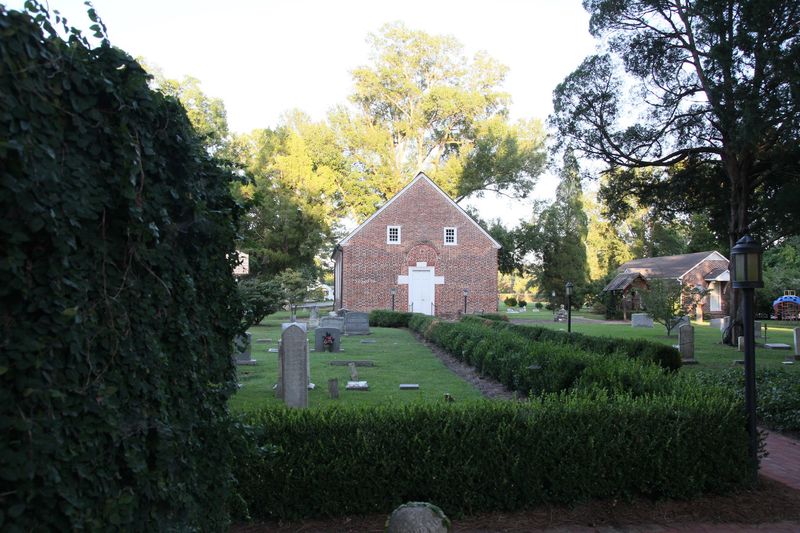
St. Thomas Church, built in 1734, is the oldest church building in the state. Step inside, and the cool brick walls seem to whisper old stories.
Guided tours open the doors of the Palmer-Marsh House from 1751 and the Bonner House from the 1830s.
Guides explain how families cooked, worked, and gathered long before electricity. Kids often enjoy comparing old kitchens with the ones at home.
Picnic tables by the waterfront near the Bonner House make a lovely lunch spot.
Watch boats drift past while pelicans glide low over the water.
Local eateries serve everything from Italian dishes to Thai curries, so nobody leaves hungry.
3. Sparta
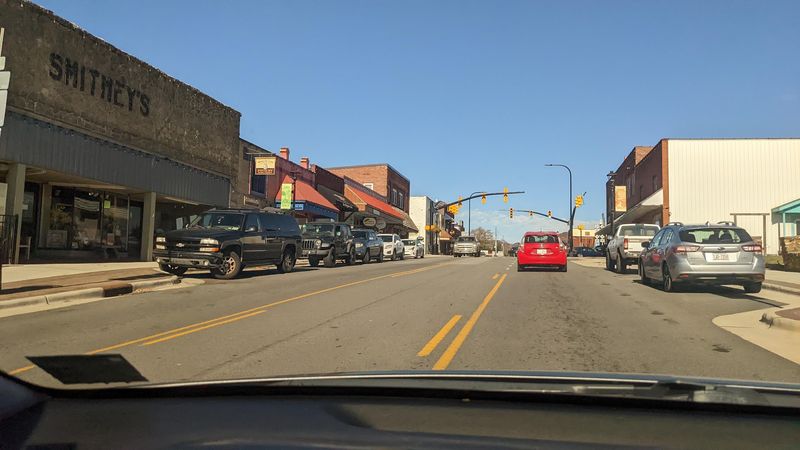
Strange but true: the New River is one of the oldest rivers on the continent.
Its gentle current winds near Sparta, inviting canoes, kayaks, and lazy afternoon swims.
Sparta perches high in the northwestern mountains of Alleghany County, close to the Blue Ridge Parkway.
Its main street is lined with brick storefronts, friendly diners, and a calm small-town rhythm. The town hall is at 304 S Main St.
The Parkway stretches 469 miles, and Doughton Park is its largest recreation area nearby.
More than 30 miles of trails wander past old cabins, meadows, and rocky overlooks.
Pack a lunch and stop at one of the picnic spots with long views. Music fills the air here, too.
Pickers gather at the Crouse House for old-time jam sessions, and the Alleghany Jubilee hosts lively mountain music and dancing. Hungry travelers can head to Becca’s for homemade ice cream and fresh baked goods.
A scoop of something sweet tastes even better after a cool mountain hike.
Swing by the Alleghany Historical Museum to learn about the families who settled these rolling hills.
2. Hot Springs
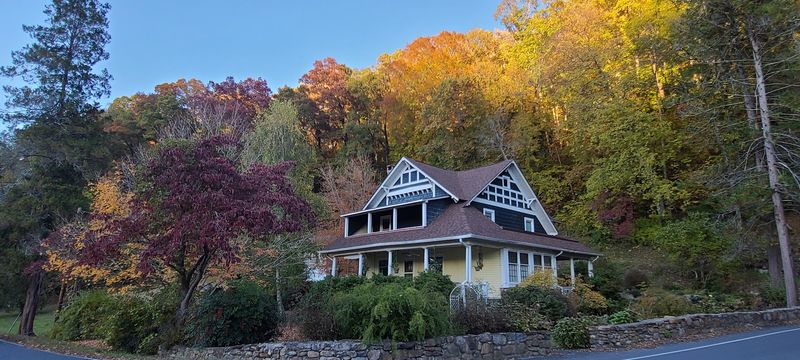
Hikers with dusty boots and big backpacks stroll right down the main street here.
The Appalachian Trail passes straight through town, making it one of the friendliest stops on the famous footpath.
Hot Springs sits along the French Broad River in Madison County, surrounded by steep green mountains.
Outfitters, cafes, and small shops welcome both trail walkers and road trippers.
The town center is at 43 N Andrews Ave. Natural mineral springs gave the town its name, and warm water still flows from deep underground.
At Hot Springs Resort and Spa, visitors soak in private outdoor tubs beside Spring Creek or the river.
Steam rising on a chilly evening creates a peaceful, almost magical scene. For a short adventure, climb the Lover’s Leap trail for views over the rooftops and the river bend.
The French Broad offers both splashy whitewater rafting and slow, easy floats.
Spring Creek runs through downtown as designated trout water, but North Carolina postponed fall 2026 delayed-harvest stocking until November because of heat, drought, and Helene-related impacts.
Horseback rides and llama treks add even more ways to explore.
Bring water shoes and snacks, and plan to linger longer than expected.
1. Oriental
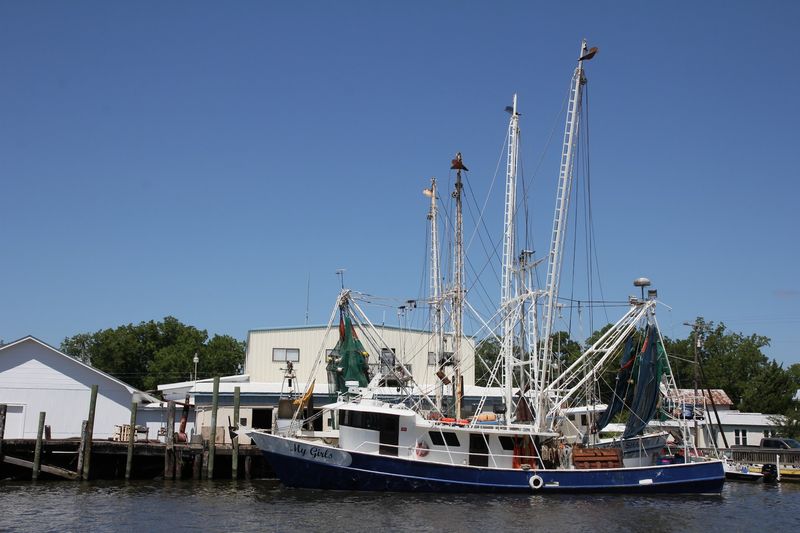
Sails outnumber stoplights in this breezy village, and locals joke that boats outnumber residents too.
White masts sway in the harbor like a forest growing out of the water.
Oriental sits where the Neuse River widens toward Pamlico Sound, and it proudly calls itself the sailing capital of North Carolina.
The walkable downtown has galleries, seafood spots, and a relaxed, salty charm. Town hall is at 507 Church St. Want to learn to sail?
Bow to Stern Boating offers lessons and charters that teach beginners how to catch the wind.
Kayakers can also explore calm creeks lined with marsh grass. Local restaurants serve fresh shrimp, crab, and fish pulled from nearby waters.
Crispy fried flounder with hushpuppies makes a classic dockside lunch.
Afterward, the Village Gallery shows jewelry and paintings by area artists.
Lou Mac Park offers Adirondack chairs facing the harbor, perfect for boat watching. John Bond Town Beach welcomes quiet picnics, and The Bean coffee shop serves bagels to an early morning crowd.
Bike the waterfront roads at sunset, when the river turns copper and gulls call overhead.