The Connecticut Sewing Store Locals Keep Secret For Surprisingly Affordable Fabric
Fabric math is dangerous.
You walk into a sewing store needing enough material for one project, discover a price that does not scare you and immediately begin mentally planning three more things to make.
That temptation is especially strong at an under-the-radar shop where affordable fabric makes browsing feel less like a battle with your budget.
Connecticut sewing enthusiasts have a useful little secret when they need fabric without watching the project cost climb too quickly.
Experienced crafters know how much the price per yard matters.
A bargain can mean choosing the material you actually like rather than compromising, especially when a project requires more fabric than expected. It can also leave enough room in the budget for whatever idea appears next.
And another idea always appears.
The hardest part may not be finding something worth buying. It is convincing yourself that the extra fabric in your arms really is for a future project.
1. Generations Of Sewing Experience Under One Roof
Back in 1982, a husband and wife opened a small sewing business with a simple goal. They wanted people to have a trusted place nearby for machines, supplies, and honest advice.
More than four decades later, that idea is still going strong.
Close To Home is family-owned and family-operated, and the next generation joined the business over the years. That kind of continuity matters in a craft like sewing.
Machines change, fabric trends come and go, but the know-how passed between family members stays in the shop.
Here is a fun bit of history. In February 2015, the founding couple was inducted into the Sewing Machine Hall of Fame.
Yes, that is a real honor, and it recognizes people who have made a lasting mark on the sewing industry.
For shoppers, all that background turns into something practical. The family runs more than one location, and their shared buying power helps them offer competitive prices on machines, furniture, home decor, and quilting supplies.
Visitors often mention how knowledgeable the team feels, whether the question is about a first machine or a tricky quilt binding. When a business has been around this long, those answers usually come from real experience rather than a sales script.
2. Glastonbury Gives Crafters A Handy Local Resource
One missing spool can bring an entire project to a halt. Luckily, getting back on track can be surprisingly fun here.
Fabric fills the shelves, colorful ideas are everywhere, and a quick supply run can easily become a proper browse. Since 1982, Close To Home has grown into a family-owned Connecticut destination for people who love sewing and quilting.
The selection goes well beyond the basics. Shoppers can browse first-quality fabrics from major brands, along with thread, batting, patterns, rulers and plenty of useful sewing supplies.
New fabric arrivals also give regular customers a reason to keep checking back.
Beginners have plenty of room to learn without feeling overwhelmed. Classes cover different techniques and projects, while experienced sewers can explore embroidery, serger quilting and other specialized skills.
Bargain hunters have reasons to pay attention as well. Promotions and rebates appear throughout the year, and discounts may be available on supplies connected with certain classes.
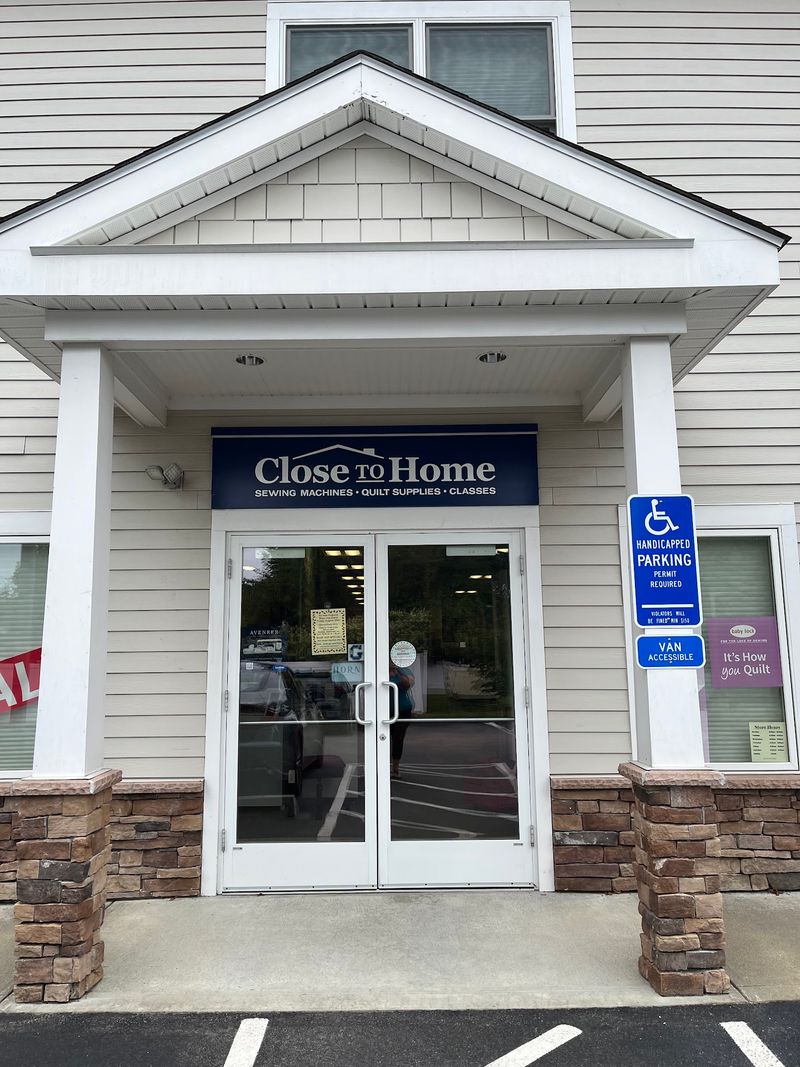
For anyone arriving with an unfinished quilt or a suddenly empty spool, the Glastonbury store is at 277 Hebron Avenue.
What begins as a mission for one missing item could easily end with enough fabric and inspiration for the next project too.
3. Machines And Supplies Cover Projects Big And Small
Shopping for a sewing machine can feel a lot like shopping for a car. There are features, brands, and price ranges that make your head spin.
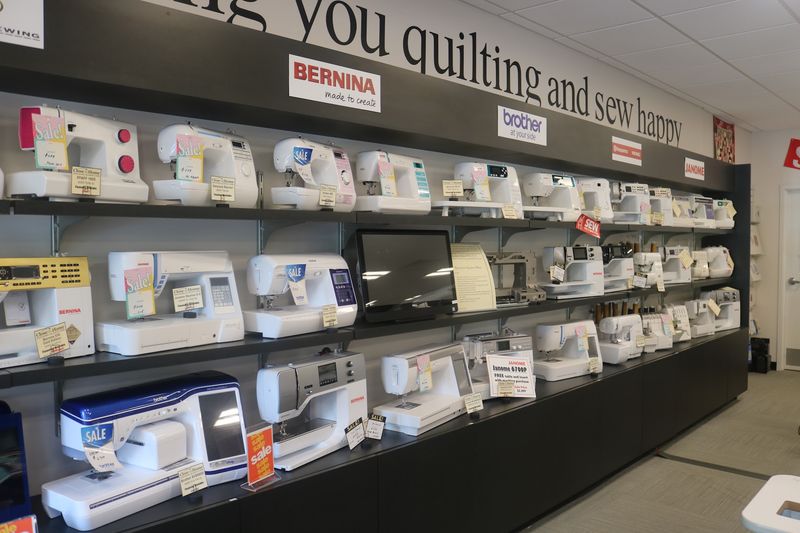
The good news is that this shop lets you see and compare options in person.
New sewing, quilting, and embroidery machines from several major brands line the floor. Some are made for simple hems and pillowcases, while others handle detailed embroidery or large quilts.
Trying a machine before buying it helps you pick one that matches how you actually sew.
Watching your budget? Pre-owned machines are also available, which can be a great way to get a quality machine for less.
Several shoppers say the staff steered them toward what they truly needed instead of the priciest model.
The supply side is just as useful. Shelves hold notions, thread, batting, stabilizers, and cutting tools, plus sewing furniture that gives your machine a sturdy home.
Customers often mention finding the exact presser foot or accessory they came for.
A tip for first-timers: bring a list of the projects you hope to make. That simple step helps the team point you toward the right machine and supplies, so you leave ready to sew instead of guessing.
4. Fabric Shelves Reward Shoppers Willing To Browse
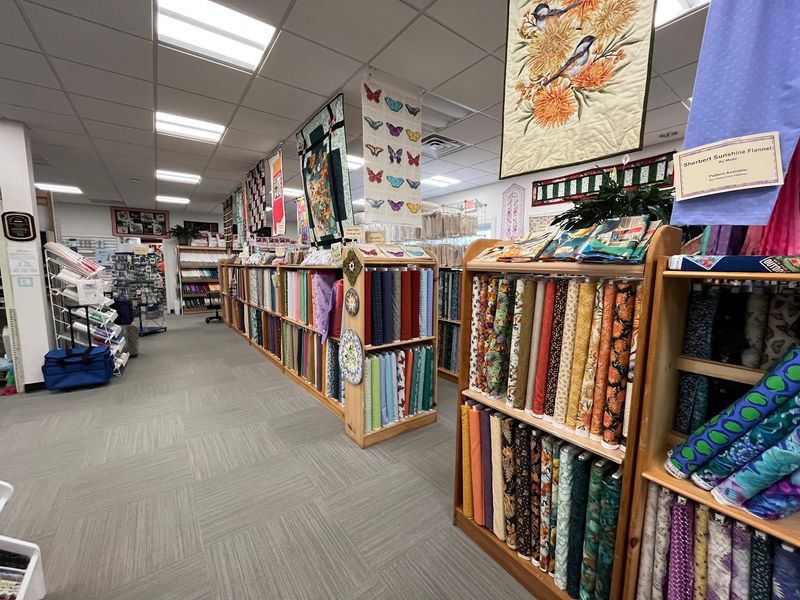
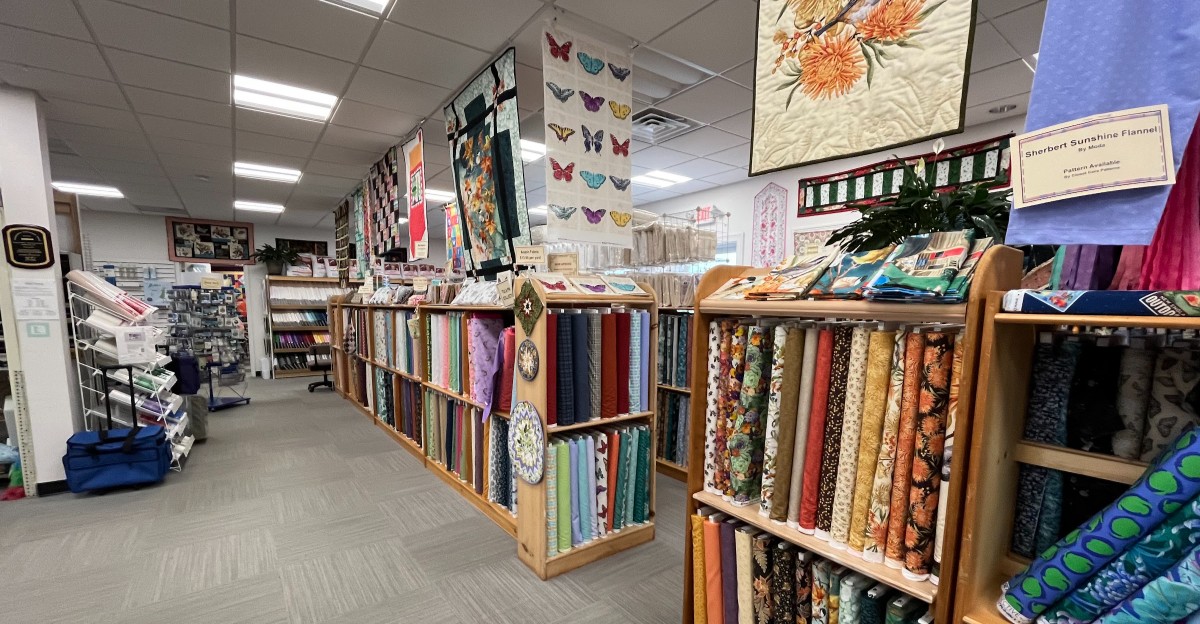
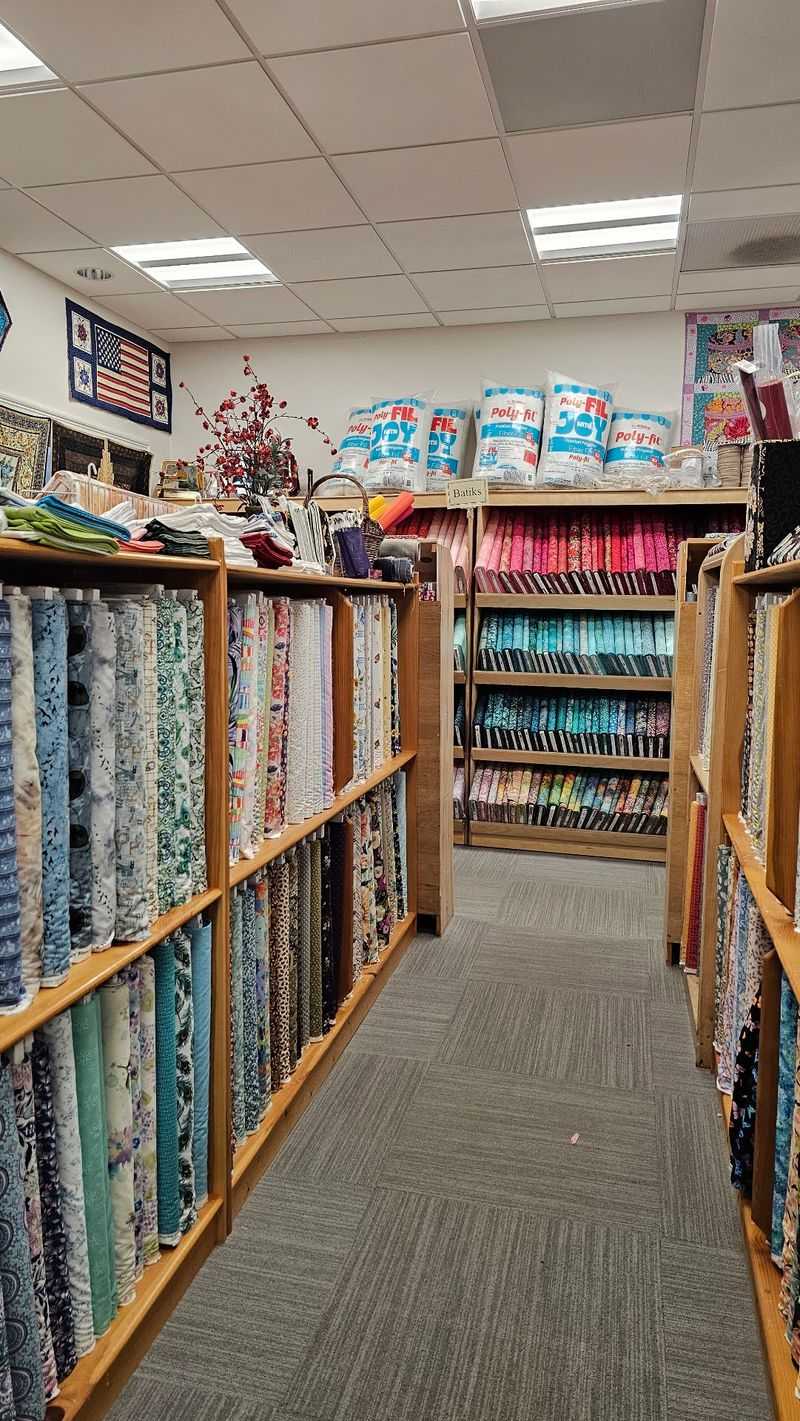
Slow down when you reach the fabric racks. Rushing past them would mean missing the best part of the store.
The bolts stretch along the front of the building, and every row seems to hold a new surprise.
Most of the selection is high-quality 100% cotton, the kind quilters love because it cuts cleanly and presses flat. Categories include designer collections, soft cuddle fabrics, holiday prints, novelty designs, solids, and wide backs for quilt backings.
That range means you can plan a cozy baby blanket or a bold wall hanging from the same visit.
New fabrics arrive often, frequently in bright colors and eye-catching geometric patterns. Regular shoppers know that checking back every few weeks can turn up something fresh.
Need help matching colors? Visitors often say the staff happily assists with picking solids or fat quarters that pair well together.
Some even mention friendly chats at the cutting counter while their yardage is measured.
Here is a smart browsing habit. Bring a small swatch or photo of your project so you can compare shades in person.
Colors on a screen rarely look exactly like the real fabric, and seeing them side by side saves time later.
5. Affordable Finds Leave More Room In The Craft Budget
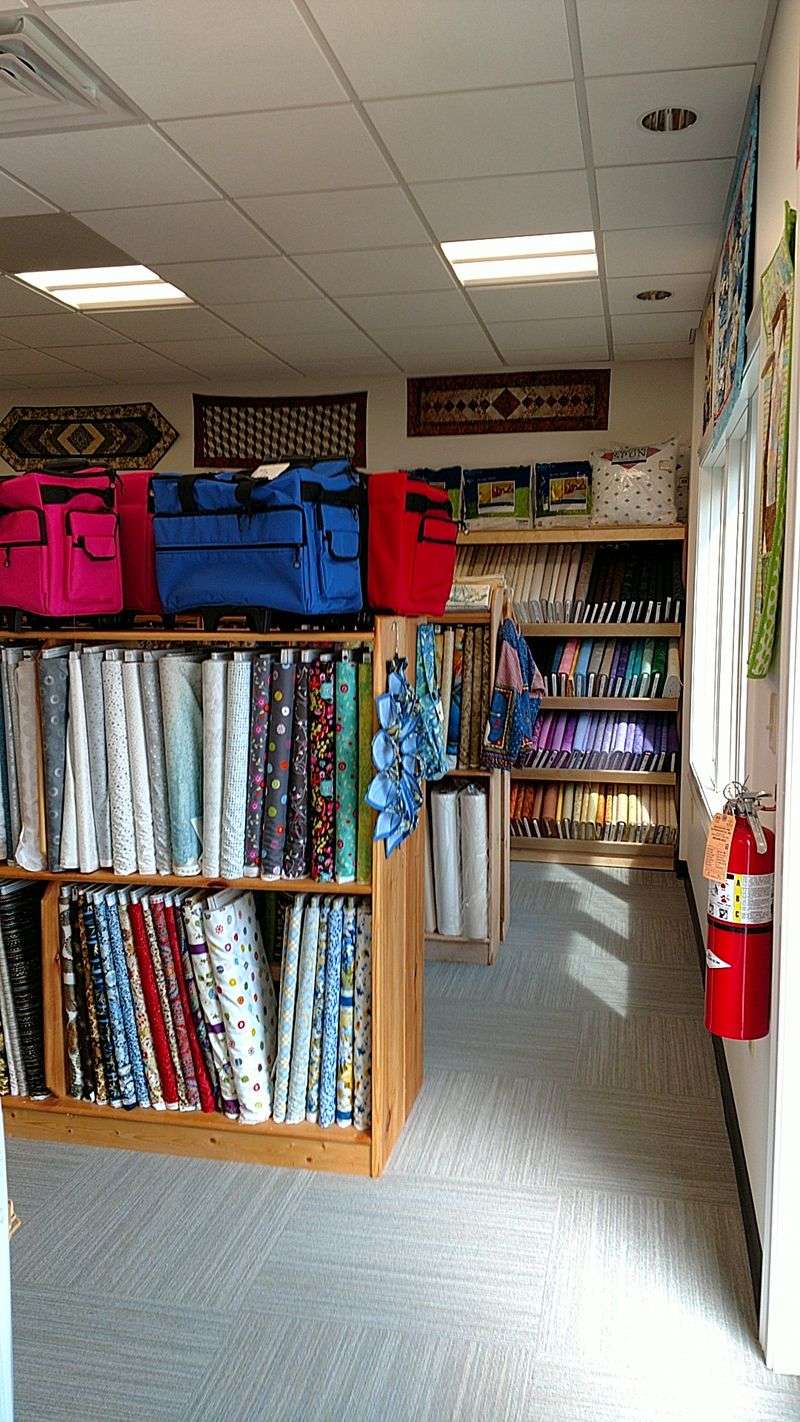
Every crafter knows the feeling. You walk in for one fabric and walk out wondering where your money went.
Sewing can get expensive fast, which is why fair pricing makes such a difference here.
The secret is not complicated. Because the family business buys for multiple stores, it can use that combined purchasing power to offer favorable prices on machines, furniture, home decor, and quilting supplies.
Shoppers benefit without having to hunt for deals across town.
Many visitors describe the prices as reasonable, and some mention scoring great finds during sales. A well-timed sale can be the perfect moment to stock up on solids, fat quarters, or backing fabric for a big quilt.
Want to stretch your dollars even further? Try these simple habits:
Plan your project first and measure carefully, so you buy the right amount. Ask about pre-owned machines if a new one is out of reach right now.
Keep an eye out for seasonal sales and special events, since offers change throughout the year.
Saving a little on supplies means more room for the fun extras, like a new pattern or that bright print you could not stop thinking about.
6. Classes Welcome Beginners And Experienced Sewers
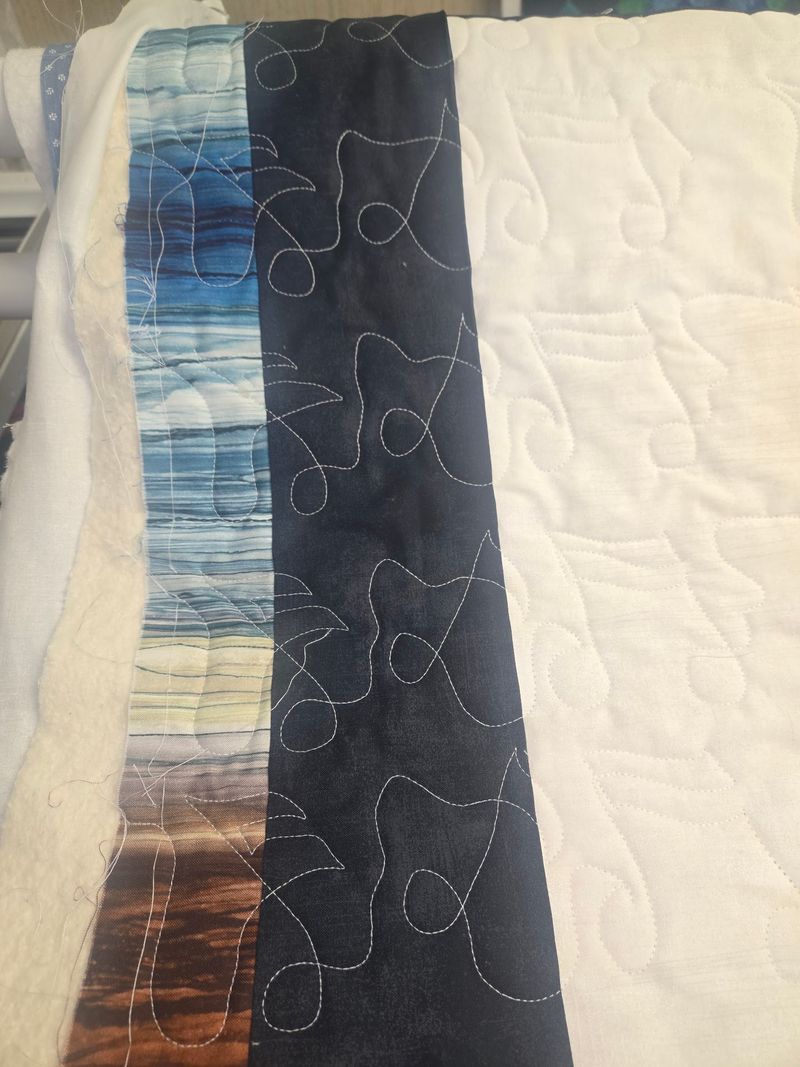
Learning to sew from a video is fine, but nothing beats having a real person beside you when the thread tangles. The classes here give sewers that kind of hands-on support.
Past offerings have covered a lively mix of skills. One class taught students to make a reversible tote bag using an accurate stitch regulator.
Others focused on quilting with an embroidery machine, along with basics like rotary cutting, strip piecing, and binding.
Then there is Sew Sewcial, an open sew session where you bring your own project. Staff members are on hand to help solve problems, and the social side makes it feel more like a friendly club than a lecture.
It is a great option if you are rusty and want gentle guidance.
New machine owners may also find learn-your-machine lessons helpful. Shoppers often say they left these sessions feeling far more confident at home.
Schedules change with the seasons, and quilting classes tend to be popular in colder months. Checking the current calendar ahead of time helps you grab a spot.
Whether you are threading a needle for the first time or perfecting your binding, there is likely a class that fits.
7. Repairs Offer Another Reason To Know The Shop
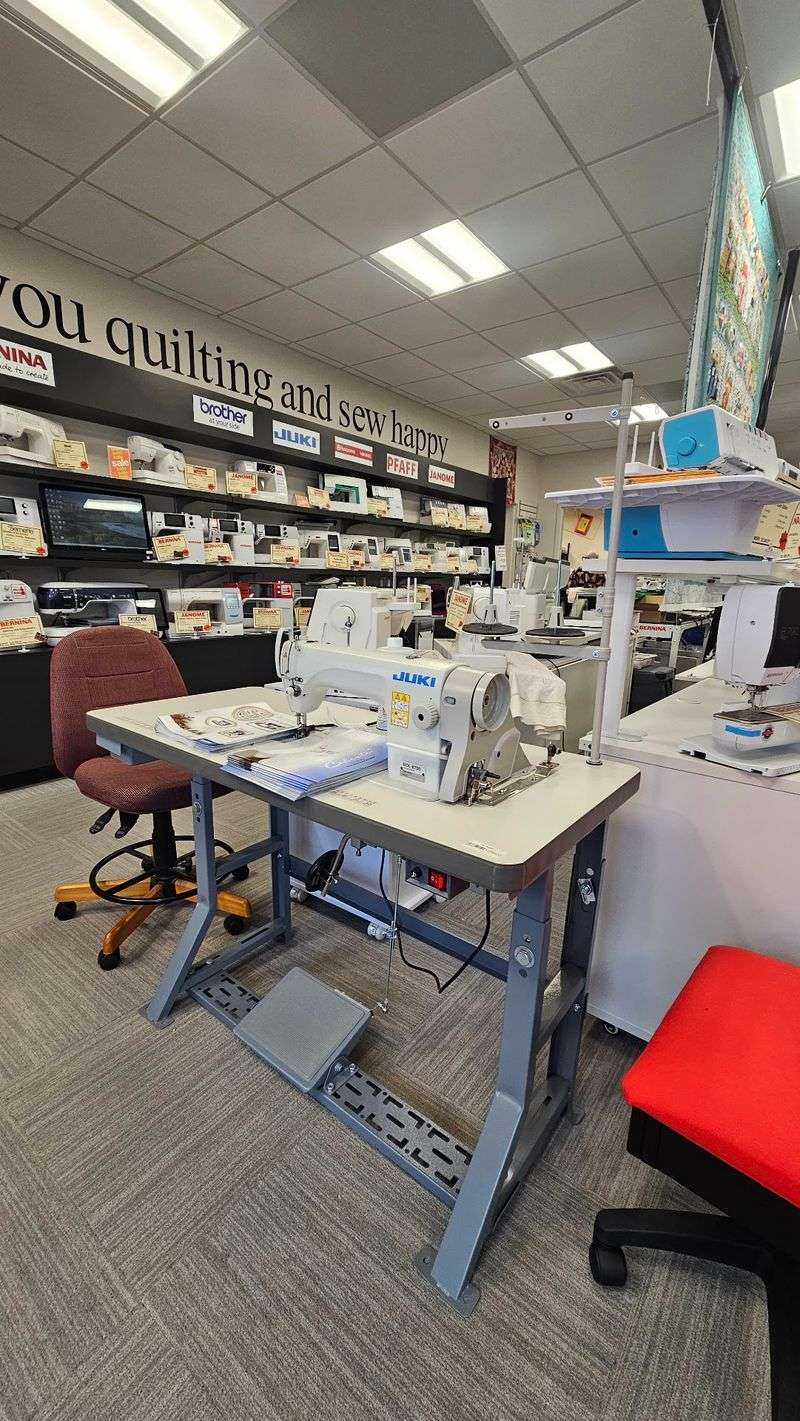
Grandma’s old sewing machine sitting in the closet might have plenty of life left in it. Many people assume vintage machines cannot be fixed, but that is often not true.
A good repair shop can bring them back to smooth, steady stitching.
The Glastonbury location has factory-trained technicians who service all makes and models. That includes treasured antiques as well as modern computerized machines with screens and dozens of stitch options.
Here is what makes the service especially handy. Repairs are done right on-site, so your machine is not shipped off somewhere else.
The team also has access to the parts needed to get the job done.
Customers get free estimates, so you know what to expect before work begins. All labor comes with a one-year warranty, which adds real peace of mind.
You can drop off your machine during business hours without an appointment.
Shoppers have shared stories of decades-old family machines returning cleaned, tuned, and running beautifully. Regular maintenance helps too, much like an oil change for a car.
If your machine skips stitches, makes odd noises, or feels sluggish, a checkup could keep your next project from stalling.
8. Creative Projects Can Start And Finish Right Here
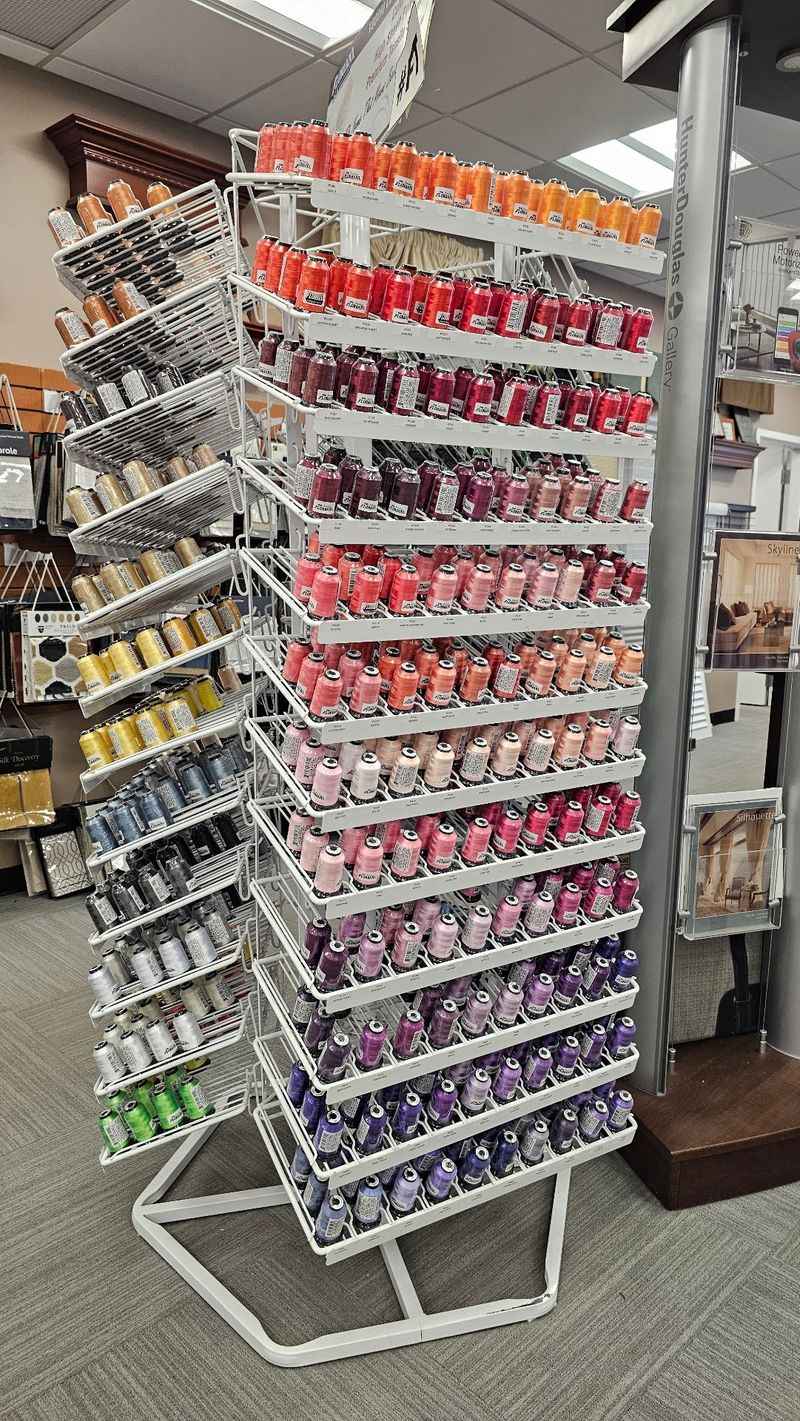
What if one shopping trip could rescue your entire sewing project? That is part of the fun here.
Fabric, supplies and expert help come together under one roof, making it easy to turn a half-formed idea into something you are ready to start. At Close To Home, even a quick browse can send a project in an entirely new direction.
Colorful fabric is only the beginning. Shoppers can pick up thread, batting, cutting tools and other essentials, then explore sewing and embroidery machines when it is time for a bigger upgrade.
Learning is a major part of the experience too. Classes cover different techniques and projects, giving beginners a comfortable way to build confidence while experienced sewers can sharpen their skills.
Open sewing opportunities also bring crafters together to work on projects and exchange ideas.
Then there is the repair side of the business. When a sewing machine starts causing trouble halfway through a project, trained technicians can handle service and repairs for many models.
That combination makes the store especially handy when inspiration strikes but supplies, skills or equipment are holding things up.
Come in with one project in mind and browsing becomes much easier. Just do not be surprised if another colorful bolt of fabric inspires project number two.