This Connecticut City Could Be A Place More People Have Their Eye On In 2027
Not every city getting interesting has a crowd talking about it yet. Sometimes that is exactly when it deserves a closer look. Changes can build quietly.
New businesses arrive, familiar neighborhoods evolve and people begin reconsidering a place they may have overlooked before. None of that guarantees what happens next, but it can make a city considerably more interesting to watch.
One Connecticut city could attract fresh attention heading into 2027 as more people take another look at what it offers.
Affordability can be part of that conversation, particularly when nearby options feel increasingly difficult for ordinary budgets. Location matters too, as does the everyday practicality of actually living somewhere.
So why might more people start paying attention?
The answer is not one flashy development or overnight transformation. It is the combination of smaller changes that can gradually shift how a city is viewed, making the next chapter worth following.
1. A City With More Going On Than Expected
Hardware City has a softer side. And a tastier one.
New Britain’s industrial nickname may come from its long history of manufacturing tools, locks and hardware, but that legacy barely scratches the surface of what visitors can explore today.
Culture plays a surprisingly big role. The city is home to the New Britain Museum of American Art, which was founded in 1903 and describes itself as the nation’s first museum devoted exclusively to American art.
Its collection spans centuries, making it an easy starting point for a day around town.
Then there is the food. New Britain’s strong Polish heritage remains especially visible in local bakeries, markets and restaurants, adding plenty of character to a lunch stop.
Green space offers another surprise. Walnut Hill Park, designed by renowned landscape architect Frederick Law Olmsted, gives visitors broad lawns, walking paths and a rose garden without leaving the city behind.
Families can explore parks and recreation areas with playgrounds, sports facilities and other outdoor spaces scattered around town.
That variety is what makes New Britain interesting. Art can fill the morning, Polish food can take over lunch, and an afternoon stroll can finish the day.
For a relatively compact city, it packs plenty into a visit.
2. Old Neighborhoods Meet Newer Development
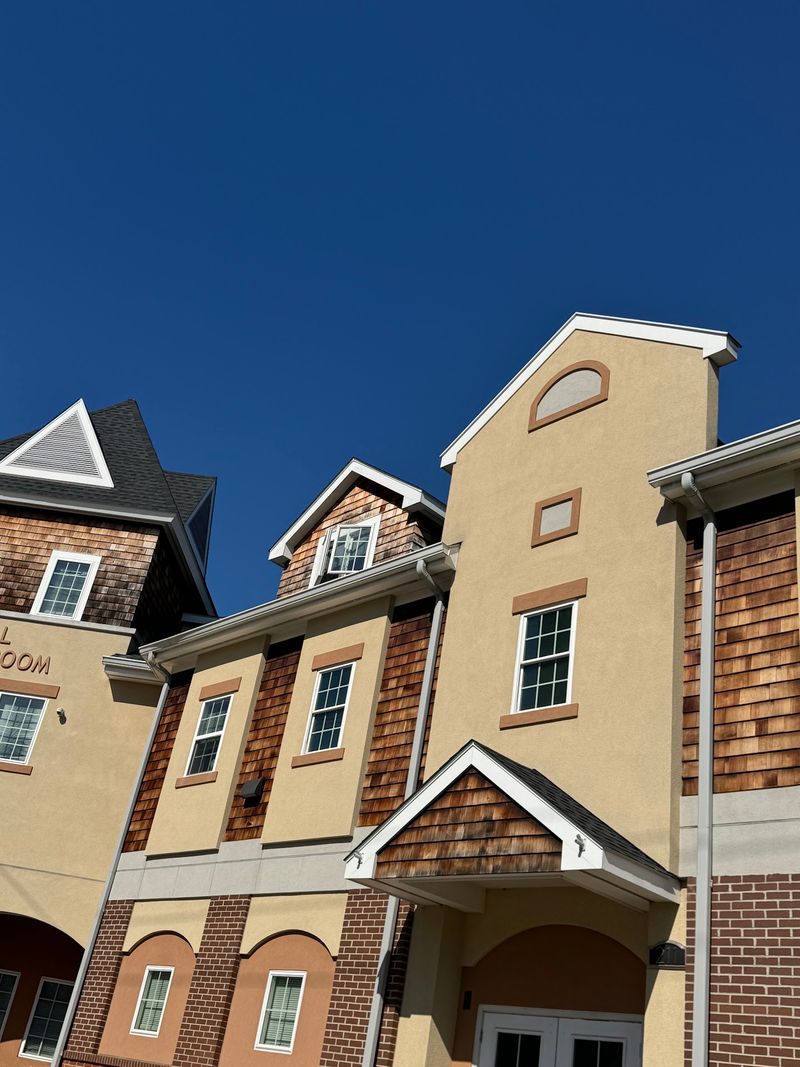
Walk a few blocks in New Britain and you can almost read the city’s life story in its buildings. Brick factories and older homes from the 1800s stand near fresh construction, showing how the city grew from an industrial powerhouse into a place still working to improve itself.
One of the biggest examples is the Mount Pleasant and Bond Street area. These public housing complexes were first built around 1941, and they are now going through a redevelopment in several phases.
The plan calls for about 350 new homes that are mixed-income and energy-efficient.
Beyond simply replacing old units, the project aims to make the neighborhood safer and better connected. Planners want residents to have easier links to nearby streets and transit options.
That kind of thinking turns a housing project into a neighborhood project.
Other efforts focus on giving aging industrial spaces a new purpose. Instead of tearing everything down, the city often looks for ways to keep its character while adding what people need today.
For newcomers, this mix can be a real plus. You get the charm of older architecture along with modern apartments that offer updated comforts.
It is a balance many growing cities try to strike, and New Britain is making steady progress.
3. Central Connecticut Keeps Plenty Within Reach
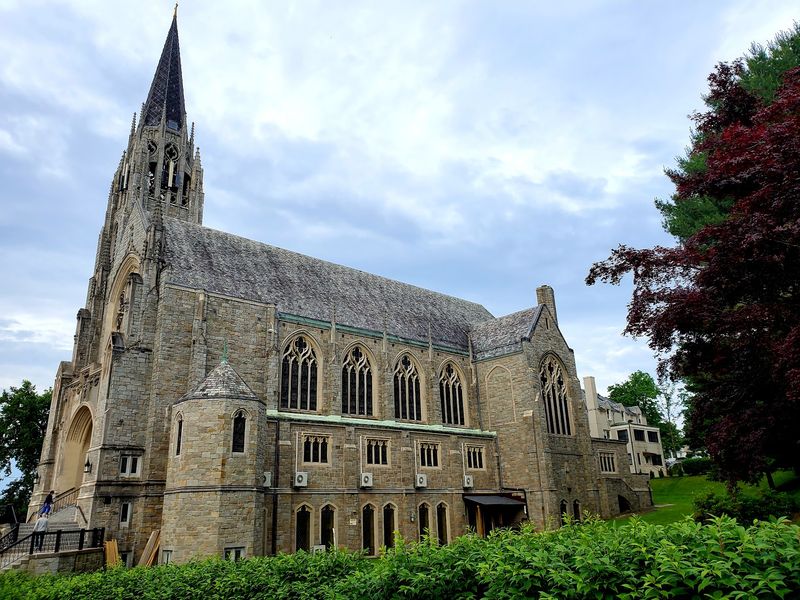
Traffic can keep the car. New Britain has another option.
CTfastrak gives riders a direct public transportation connection toward Hartford without spending the entire journey mixed into regular road traffic.
The system was the state’s first bus rapid transit network, built around a dedicated busway connecting New Britain and Hartford. Stations along the route serve communities including Newington and West Hartford, while other CTfastrak services extend connections farther around the region.
That can make everyday travel easier for more than office commuters. Students can use the network for school, while visitors heading toward Hartford have another way to reach events, restaurants and entertainment without worrying as much about downtown parking.
Geography works in New Britain’s favor, too. The city sits southwest of Hartford, keeping the capital within easy reach while still maintaining its own distinct downtown and neighborhoods.
Nearby highways provide another convenient option when the destination falls beyond the transit network.
For someone considering a future move, access to a CTfastrak station could be worth adding to the apartment checklist. Living within easy reach of the busway can reduce reliance on a car for trips toward Hartford.
Instead of starting every morning behind the wheel, some residents can spend that travel time reading, relaxing or simply watching central parts of the state roll past the window.
4. Downtown Continues To Find New Energy
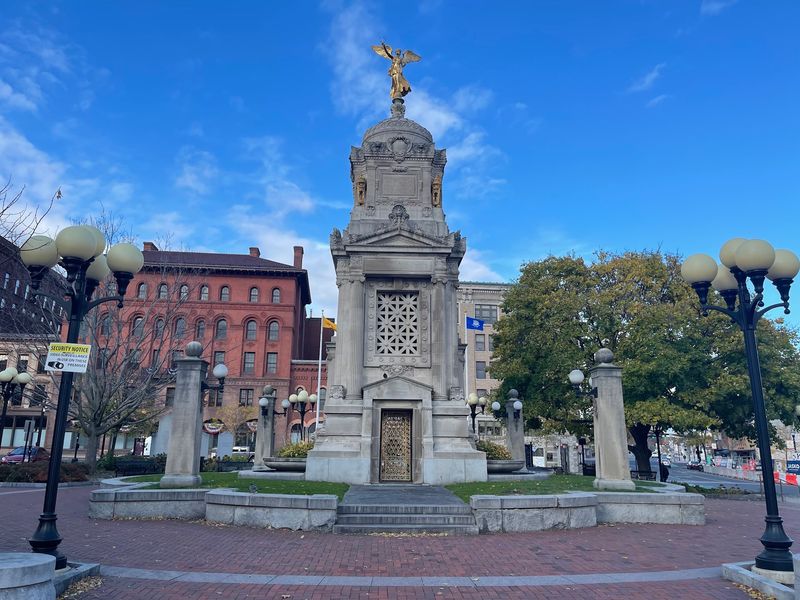
Twelve years is a long time to work on one project, but downtown New Britain shows the payoff. A Complete Streets effort, largely finished in June 2024, reshaped the city center into a friendlier place to walk, sit, and linger.
The numbers are impressive. The city has secured more than $32 million in Complete Streets-related grants, invested over $40 million in its transportation system, and says the improvements have helped generate more than $110 million in downtown private investment.
On the ground, that means better lighting, comfortable benches, a matching street design, and narrower roads that feel safer for walkers and bike riders.
New buildings followed. Mixed-use developments like The Brit and The Highrailer brought hundreds of apartments, with shops and restaurant spaces on the ground floor.
More people living downtown means more foot traffic for local businesses.
Smaller projects add up as well. A long-empty building at 27 Main Street was turned into 24 rental apartments, with move-ins expected in September 2025.
The Downtown District, a business improvement group, works to keep the area clean, attractive, and lively.
Next up is a big one. The former Strand Theater site is being turned into 100 apartments, expected by early summer 2027.
Each addition builds on the last, giving downtown steady momentum.
5. Parks Give The City Room To Breathe
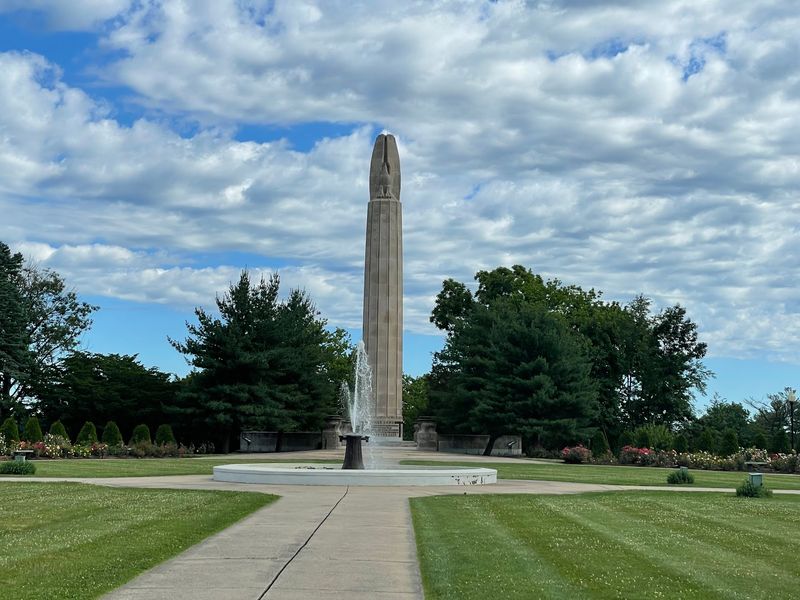
Roses, rolling hills, and a monument with a view. That is how many people first meet Walnut Hill Park, and it is a pretty good introduction to New Britain’s green side.
The park was designed by Frederick Law Olmsted, the famous landscape architect known for New York’s Central Park. Its walking trails curve gently across the hillside, and the well-kept rose garden bursts with color in warm months.
Climb to the monument and you are rewarded with wide views over the city. The Summer Music Series also brings live performances here.
Walnut Hill is just one piece of a park system covering about 1,200 acres. Willow Brook Park includes a sports complex, while Stanley Golf Course gives golfers a place to play close to home.
Families often head to Willow Street Park for its splash pad and playground on hot days.
The list keeps going, with A.W. Stanley Park, Central Park, Chesley Park, Osgood Park, Martha Hart Park, and Stanley Quarter Park.
The Parks and Recreation Department runs programs and facilities across these spaces.
Want a simple plan? Pack a lunch, walk the Walnut Hill paths in the morning, and save the splash pad for the afternoon heat.
6. Local Culture Adds Plenty Of Personality
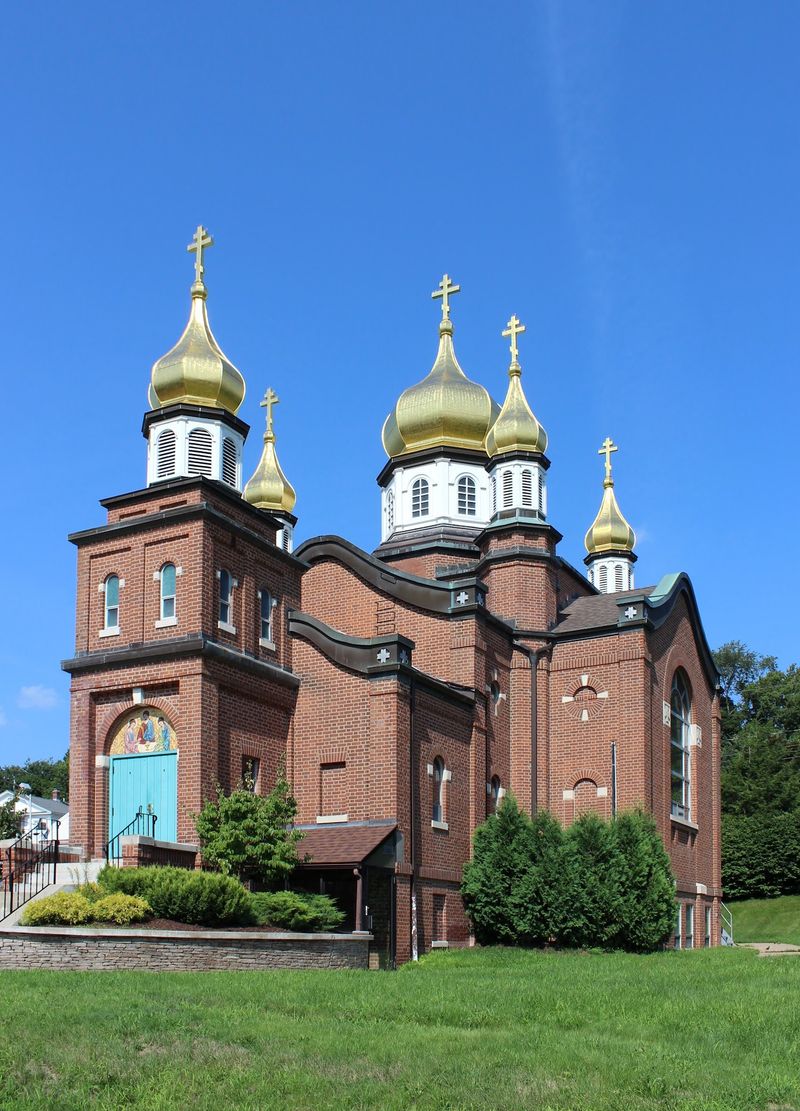
Did you know the first museum in the United States dedicated only to American art opened right here? The New Britain Museum of American Art holds a collection of more than 9,000 works, plus rotating exhibitions that give regulars a reason to return.
The museum sits at 56 Lexington Street, close to Walnut Hill Park, which makes it easy to pair a gallery visit with a stroll outside. Many visitors describe it as welcoming and easy to explore at a relaxed pace.
Then there is Broad Street, home to the neighborhood known as Little Poland. Polish bakeries, restaurants, cafes, and shops line the street, and festivals celebrate Polish food, music, and traditions.
Stopping for fresh pastries here is practically a local custom.
History buffs can visit the New Britain Industrial Museum, which tells the story of the city’s manufacturing past. Theater lovers have options too, including the Hole in the Wall Theatre and the New Britain Repertory Theatre.
Music fans can catch the CT Virtuosi Chamber Orchestra.
What ties it together is variety. Art, heritage, theater, and food all share the same city, giving New Britain a personality that feels layered, warm, and full of surprises.
7. Housing May Catch More Eyes
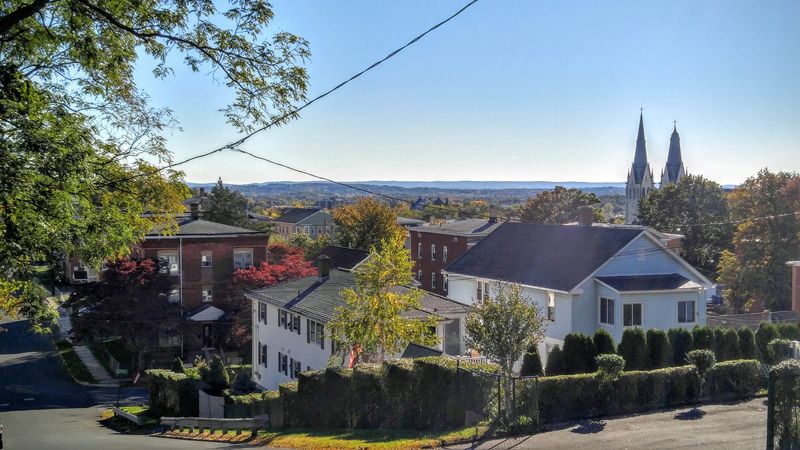
Home shoppers often compare prices town by town, and New Britain tends to stand out for being more reachable than many neighbors. That relative affordability is a big reason more people may start paying attention.
Recent figures place median listing prices roughly in the $315,000 to $354,000 range, with prices rising compared to the year before. Median rent has been around $1,700 a month.
Homes often sell in about a month, sometimes near or slightly above the asking price, which points to steady demand.
Because markets change quickly, treat these numbers as a starting point. Talking with a local real estate agent and watching listings over a few months will give you a clearer picture.
Supply is growing too. Downtown building conversions and the Mount Pleasant redevelopment are adding new options, including mixed-income and affordable units.
The city’s 2025 to 2029 Consolidated Plan focuses on decent housing and good living conditions for low- and moderate-income residents.
For first-time buyers, renters who want city amenities, or families looking for more space, New Britain offers a range of choices. Older multi-family homes, newer apartments, and classic single-family houses all appear on local streets.
8. 2027 Could Bring Fresh Attention
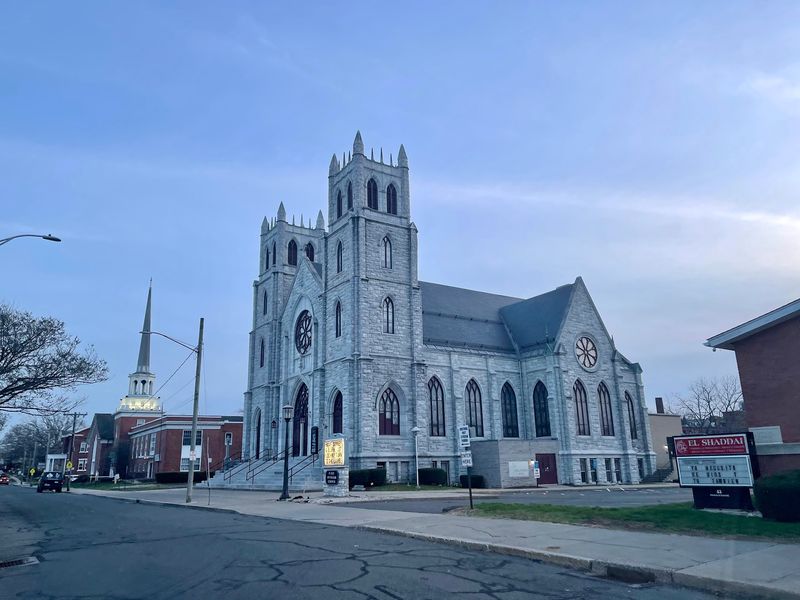
Timing is everything, and several big pieces of New Britain’s future seem to be lining up for 2027. When separate projects mature at the same moment, a city can suddenly feel very different.
Start with downtown. By 2027, the Complete Streets improvements will have had a few years to settle in, giving shops and restaurants time to grow.
The former Strand Theater conversion is expected to finish in early summer 2027, adding 100 apartments and more neighbors to the city center.
The Mount Pleasant redevelopment should be further along too, bringing more modern homes to that neighborhood. Meanwhile, a nearly $1 billion Energy and Innovation Park is planned on former Stanley Black and Decker property.
It aims to make the city a hub for clean energy, light manufacturing, and digital infrastructure.
The first phase includes a roughly 20-megawatt fuel-cell power plant at the former Stanley Black & Decker campus. Its effects on jobs and local tax revenue could become clearer over the next few years.
The city’s approved 2026 to 2027 budget also puts priority on infrastructure, quality of life, and neighborhood improvements. Add a central location and a lively cultural scene, and New Britain looks like a city worth watching closely.