Pennsylvania’s Oldest Farmers Market Serves Lunch Counters, Fresh Pie And Amish-Made Sausage
I only meant to grab a quick coffee and keep driving through Pennsylvania. Then the smell of warm pretzels and smoked sausage drifted out of an old brick doorway, and my plans fell apart.
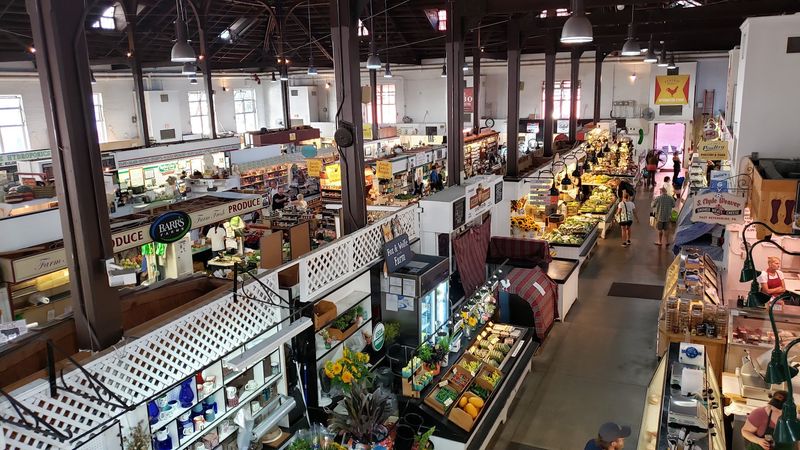
Inside sat rows of stands piled with pies, cheeses, flowers, and lunch counters cooking food from around the world. One short stop turned into a slow, happy wander through a market that has been feeding its town for nearly three centuries.
A Brick Landmark on Penn Square
Right in the middle of downtown Lancaster, a few steps off Penn Square, stands a grand brick building with towers that look more like a castle than a grocery stop. Lancaster Central Market sits at 23 North Market Street, and it holds the title of the oldest continuously operating public market in America.
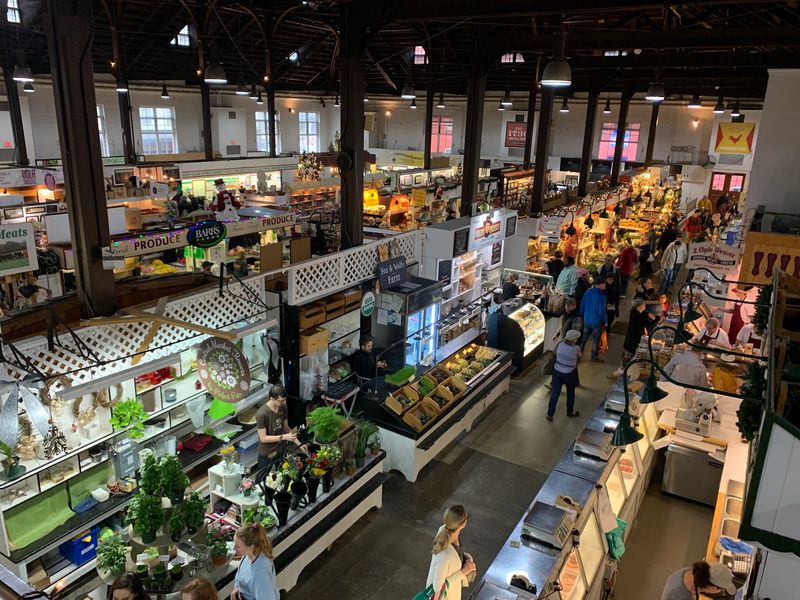
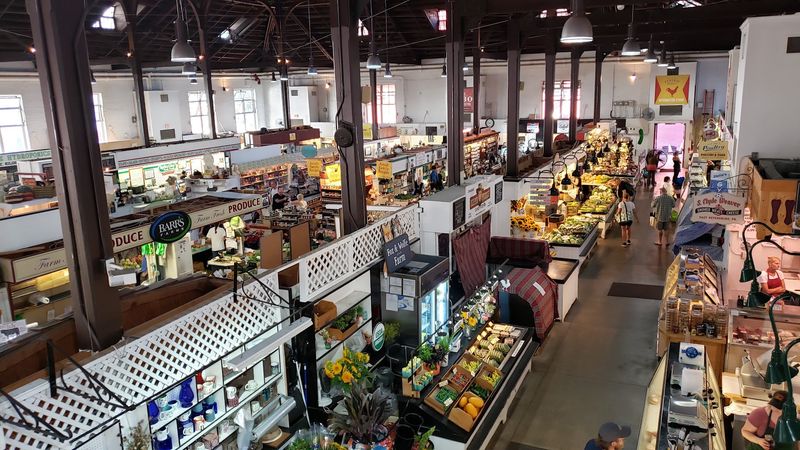
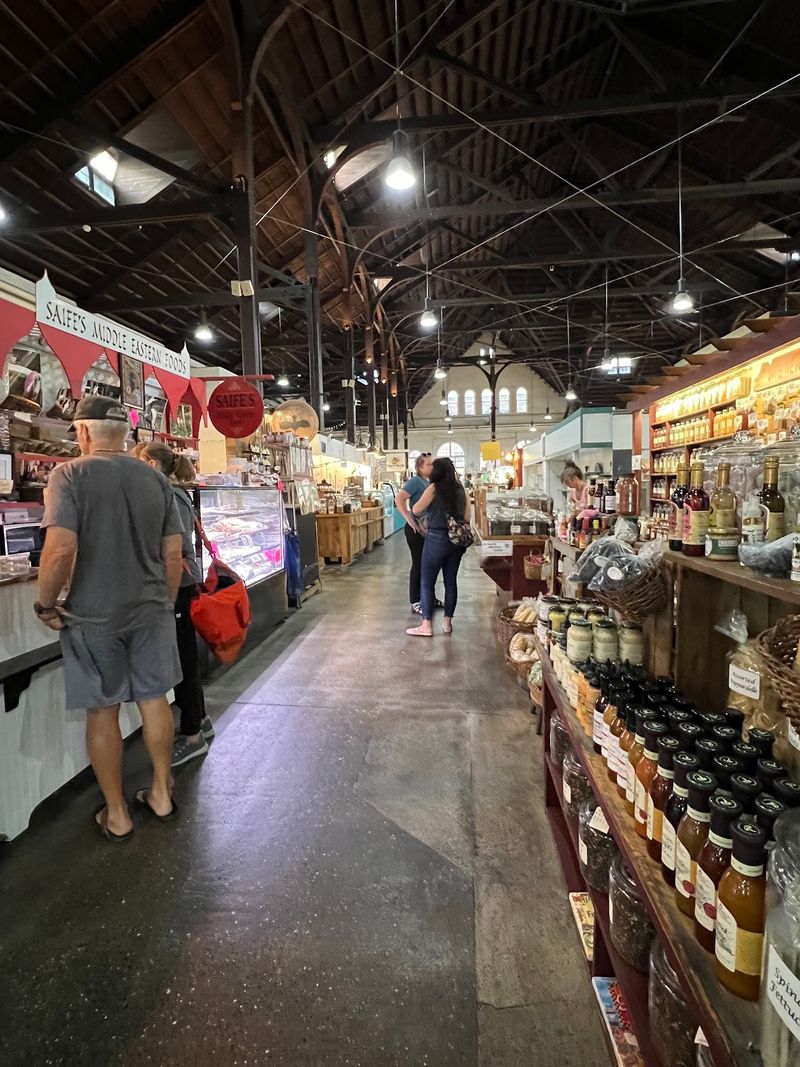
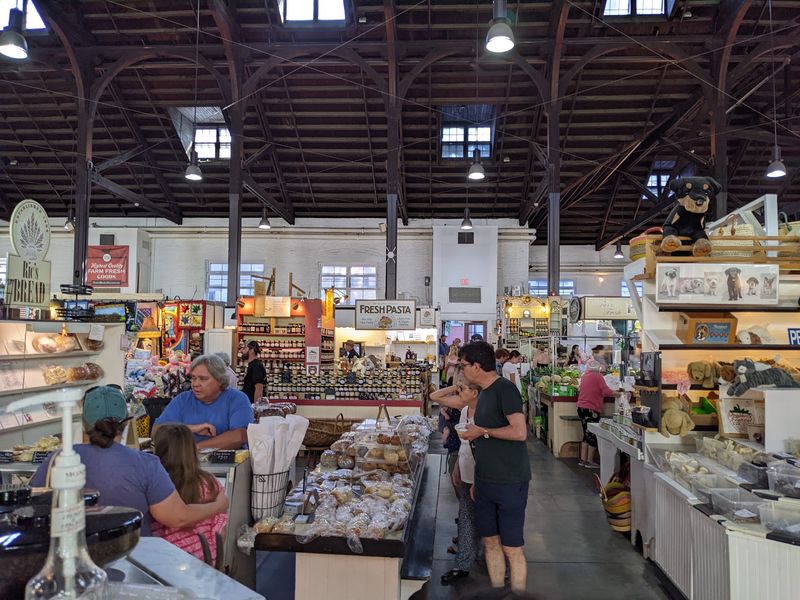
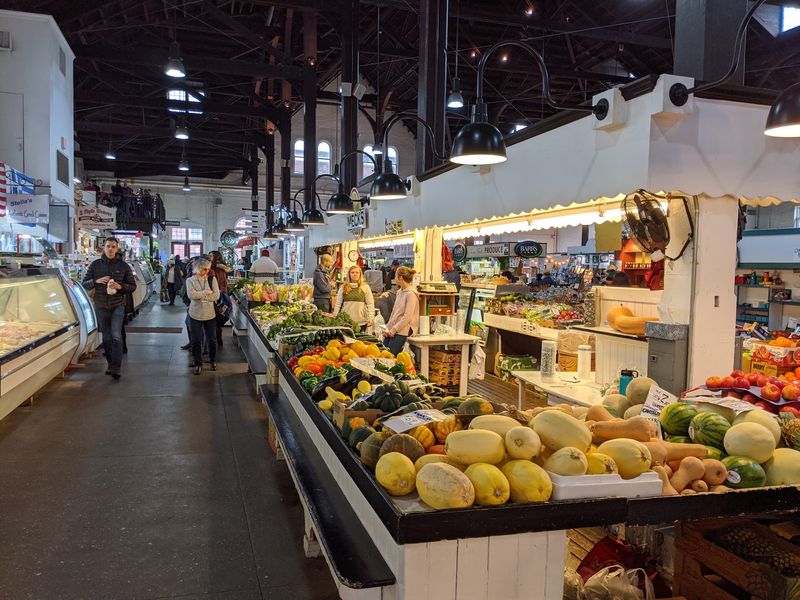
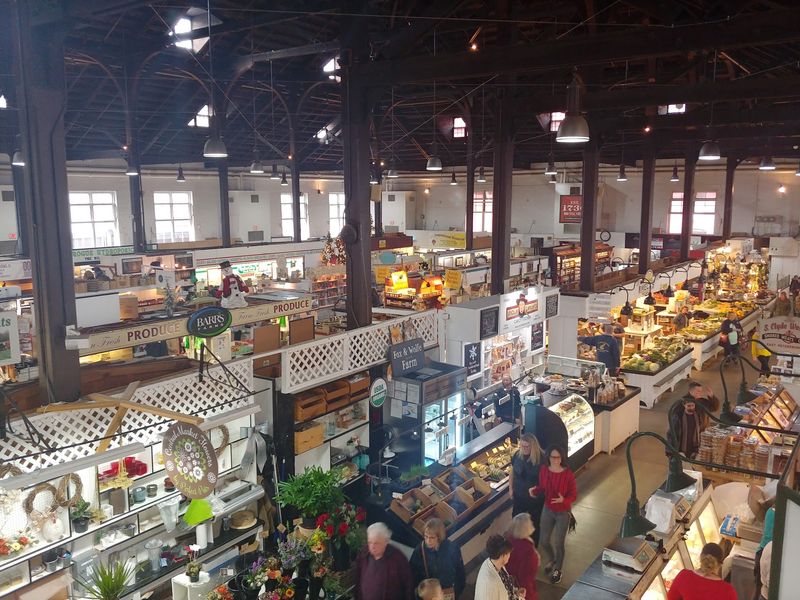
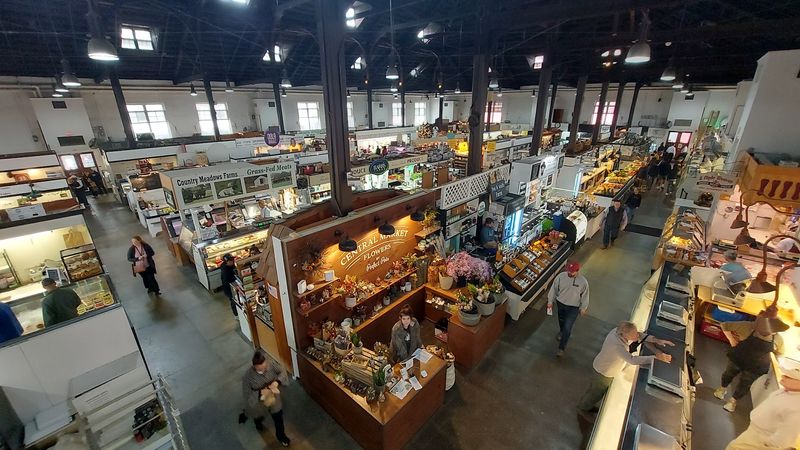
Inside, the layout is simple. Long aisles run between stands selling fresh vegetables, meats, cheeses, baked goods, flowers, and ready-to-eat meals.
Some stands are run by Amish and Pennsylvania Dutch families, while others belong to local artists, bakers, and cooks with roots in faraway countries.
Think of it as a farmers market and a food hall rolled together under one big roof. You can fill a tote bag with produce for the week, or you can simply snack your way from one end to the other.
Both approaches work fine here.
The building itself counts as part of the experience. High ceilings, old brick walls, and big windows give the space a sense of age that newer markets cannot copy.
It feels lived-in, busy, and a little bit noisy, which suits a place that has been doing the same job, in the same spot, for a very long stretch of time.
Chartered by a King in 1742
How many American markets can point to a royal charter? Lancaster can.
A public marketplace was first set aside in 1730 when the town was being laid out, and on May 1, 1742, King George II officially chartered Lancaster as a market town.
Back then, the market was an open-air gathering. Farmers rolled in with wagons of crops and livestock goods, and townspeople came to buy what they needed.
The first permanent structure went up in 1757, giving vendors a roof over their heads for the first time.
Fast forward more than a century. In 1889, the current Romanesque Revival building rose on the same ground, replacing the earlier market houses.
That design, with its arched windows and decorative towers, was a bold statement for a growing Pennsylvania city.
Here is the part that makes historians smile. The market never packed up and moved.
Generation after generation, shoppers have walked to the same square to buy their eggs, bread, and meat.
Some stands carry long family histories too. S.
Clyde Weaver, for example, has held a spot since the late 1920s. Standing in those aisles, you are taking part in a routine older than the United States itself.
Lunch Counters With a Global Accent
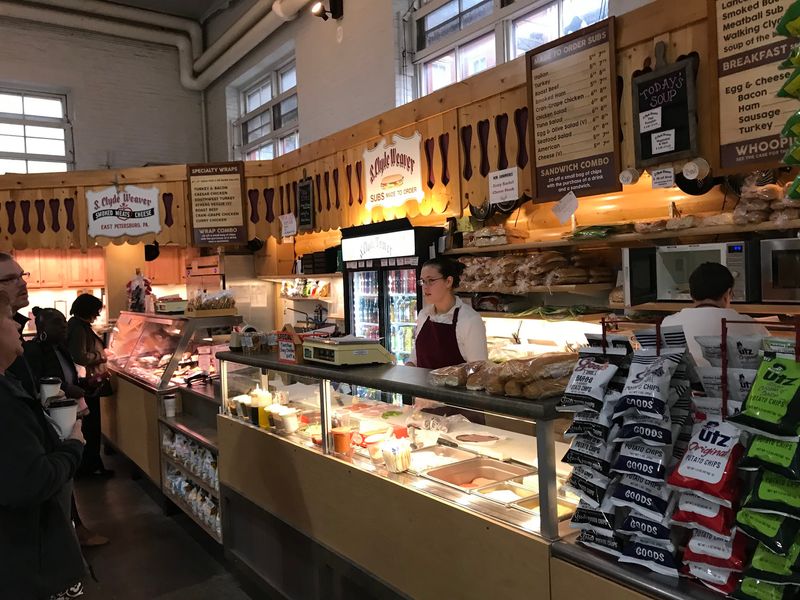
Steam curls up from a griddle, someone calls out an order, and the scent of spiced meat mixes with fresh coffee. Lunch at Central Market happens fast and comes in many flavors.
The prepared food stands cover a surprising amount of ground. Lebanese specialties sit near West African dishes, Caribbean plates, and Vietnamese food.
Seoulmates Korean Kitchen, Hubub World Market, and The Twisted Spoon add even more variety to the lineup.
Empanadas show up again and again as a favorite grab-and-go bite, flaky and easy to eat while walking. Yakisoba chicken and meatball sliders round out the options for anyone craving something hearty.
Pierogies are on hand as well, a nod to the many cultures that shaped this corner of the state.
Deli Grassi builds big sandwiches on freshly baked bread, such as turkey layered with peppers, lettuce, and tomato. At Stand 54, near the corner entrance at North Market Street and William Henry Place, an egg and truffle sandwich makes a fine start to a Saturday.
So come hungry. With this many counters to choose from, the hardest part of lunch is deciding where to begin and how much room to save for dessert.
Pie, Whoopie Pies, and Boston Custard Donuts
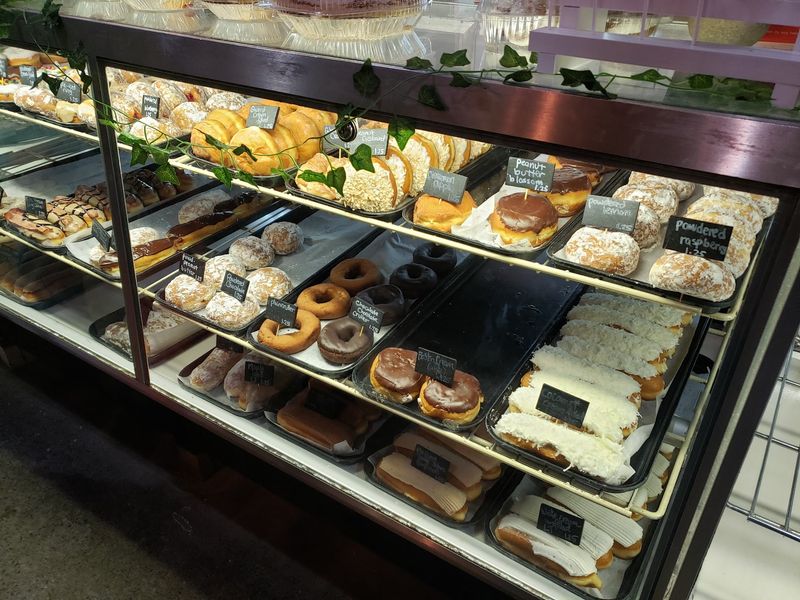
Sweet tooth? You picked the right building.
Baked goods fill a large share of the stands, and the smell of warm pastry hits you almost as soon as the doors swing open.
Lancaster Pie and Coffee runs a pie shop right inside the market, turning out both sweet and savory versions. Savory pies make a filling lunch, while the fruit ones beg to be carried home in a box.
Grabbing a coffee alongside a slice is an easy midmorning treat.
Shady Maple Bakery brings Amish-style whoopie pies, those soft chocolate cakes sandwiched around creamy filling, plus a wide range of other pies. Over at Red Maple Bakery, Boston custard donuts tempt anyone walking past.
More choices come from Amaranth Bakery, Marley’s Country Goods, and Zig’s Bakery.
Doughnuts, breads, and warm pastries fill counter after counter. It is easy to buy one treat to eat now and another for later, then wonder how a third ended up in the bag.
A small tip helps here. Baked goods can sell out as the day goes on, so the best selection usually belongs to early birds who arrive well before the lunch rush.
Smoked Meats and Amish-Made Sausage
Pennsylvania Dutch sausage is a staple of this region, and the meat counters here treat it with serious respect. Links hang in cases next to smoked hams, bologna, and fresh cuts.
S. Clyde Weaver has sold fresh and smoked meats at the market since the late 1920s.
That long run means recipes and smoking methods have been refined over many decades. Several sausage styles are available, from fresh links to smoky varieties ready to slice.
Plain-sect butchers also sell pasture-raised meats, linking the market straight to Amish and Mennonite farms in the surrounding countryside. Grass-fed beef, pork, and poultry all appear in the cases.
For cooks, it is a chance to buy meat close to its source.
Not planning to cook? A Dutchman sausage sandwich offers an easy way to taste the local tradition on the spot.
It is warm, savory, and simple, which is exactly the point.
Meat is one of the most talked-about categories in the whole market, right behind produce. A cooler bag in the car makes sense if the drive home is long, since stocking up on sausage can happen faster than expected.
Produce Piled High
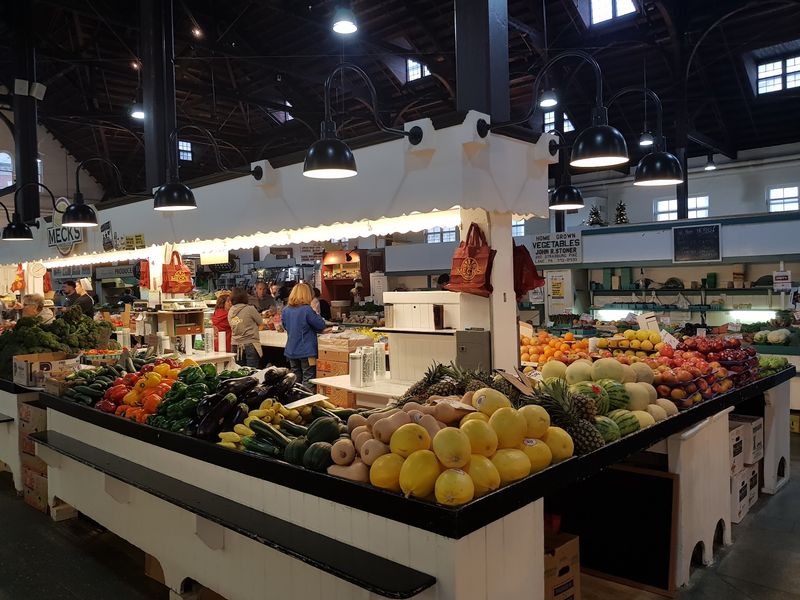
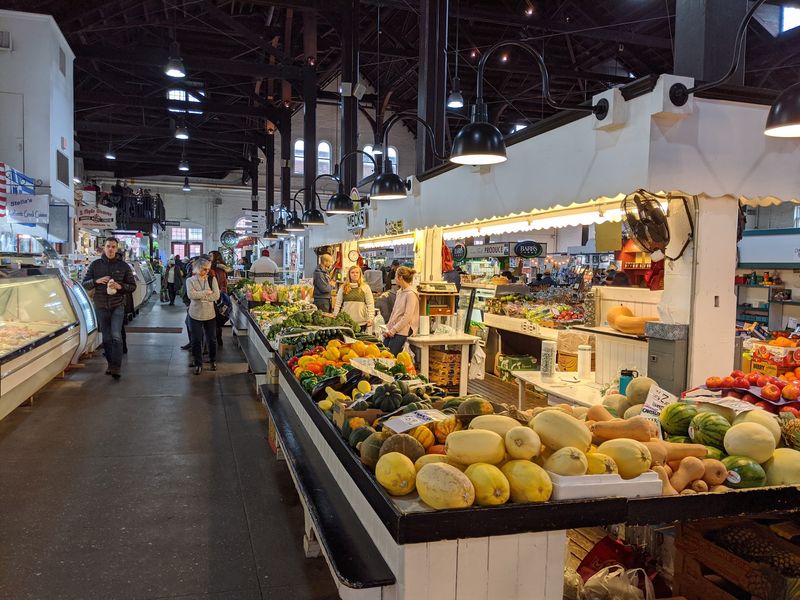
Produce is the beating heart of Central Market, and the farm stands show it. Crates overflow with leafy greens, beets, tomatoes, and whatever the fields happen to be giving that week.
Many vendors grow what they sell. That means the selection shifts through the year, with strawberries arriving in early summer and sturdy roots and squash taking over in cooler months.
A quart of berries can easily vanish before you reach the exit.
Amish growers bring their own harvests too, adding to the farm-fresh feel of the place. Fresh flowers often sit right beside the vegetables, giving the aisles splashes of color.
Still, it helps to set expectations. The market mixes farm stands with prepared food, crafts, and bakeries, so produce shares space rather than dominating every row.
Anyone hoping for an endless field-style farmers market may find fewer farm tables than imagined.
Quality, however, stays high. Produce ranks as the single most discussed topic about the market, with fresh vegetables and local produce close behind.
Bring reusable bags. Fresh items pile up quickly, and juggling beets, bread, and a bouquet of tulips in your arms is a balancing act nobody enjoys.
Cheese, Honey, and Jars of Chow-Chow
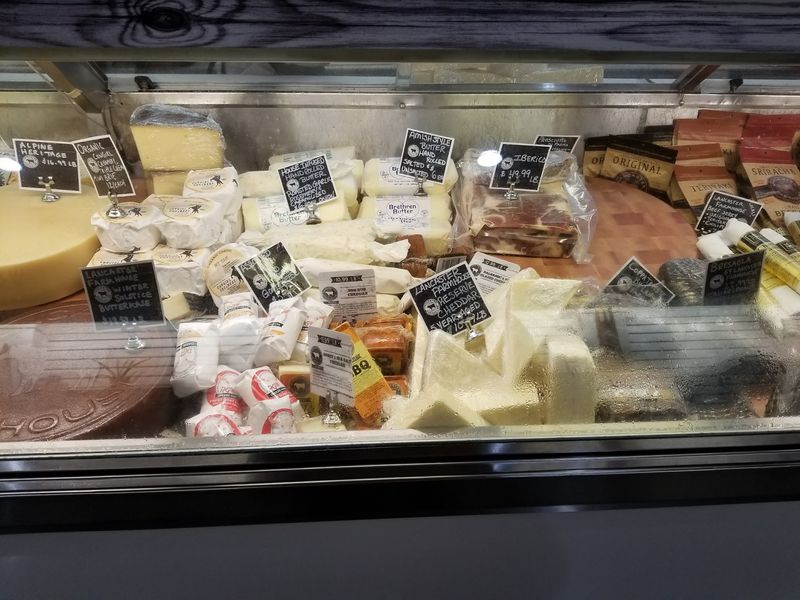
Picture a shelf glowing amber with jars of honey in every shade, from pale wildflower to dark buckwheat. Basswood honey sits there too, a lighter, floral variety less common in grocery stores.
Cheese counters offer local and artisanal choices, including cheeses made from raw milk. Raw milk itself is sold here as well, a nod to the dairy farms that dot the hills around the city.
Then come the jars that define Pennsylvania Dutch pantries. Chow-chow, a tangy mix of pickled vegetables, sits beside homemade jellies, relishes, and pickles.
Red beets, pickled or fresh, appear at more than one stand.
These items travel well, which matters for out-of-town shoppers facing a long ride home. A jar of chow-chow or a bottle of honey survives the trip far better than a quart of strawberries.
For gift shopping, this corner of the market works beautifully. A small basket with honey, cheese, and relish captures the flavor of the region in a way a souvenir magnet never could.
Bread pairs perfectly with all of it. Ric’s Bread, among other bakers, turns out loaves worth buying in multiples for sandwiches back home.
Pretzels Worth the Detour
Soft, salty, and golden brown, the pretzels here are a classic Pennsylvania snack done the traditional way. They may not be the oversized versions found at mall chains, but they make up for it with chew and flavor.
Pretzels rank among the most mentioned treats in the market. That is no surprise in a state that has been twisting dough into knots for generations.
A warm one in a paper wrapper is the perfect thing to munch while browsing.
Where should pretzels fit into a visit? Early is smart, when they are fresh and the crowds are thinner.
Picking one up as a walking snack also keeps hunger in check while deciding on a bigger lunch.
Coffee and cider make natural partners. An apple cider latte, sweet but not too sweet, pairs nicely on a chilly morning.
Plain coffee works just as well.
For a fun comparison, try a pretzel from one stand and a doughnut from another, then decide which snack wins the morning. There is no wrong answer.
Pretzels also travel easily. Tucking a few into a bag for the ride home is a tradition many day-trippers adopt without hesitation.
Crowds, Narrow Aisles, and a Lively Hum
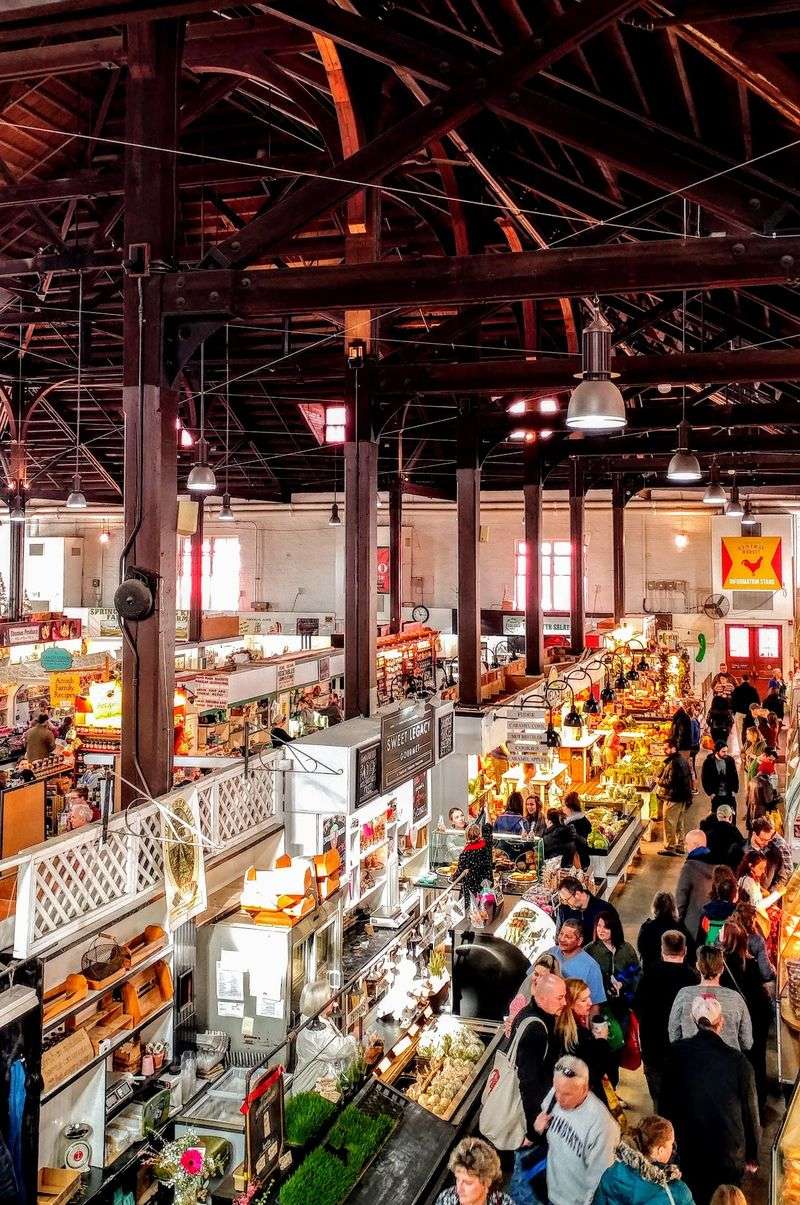
Saturday mornings bring a crush of shoppers. Bodies weave between stands, strollers inch forward, and someone always seems to stop right in front of the bakery case.
Crowding is a fact of life here, and the aisles are narrow. That combination can feel intense during peak hours.
Arriving close to opening, when the doors swing wide at 6 AM, offers a calmer start and the freshest goods.
Even so, the energy stays friendly. Stand holders take pride in their work and are quick to help someone from out of town find what they need.
Conversations spark over a sample of cheese or a question about a strange-looking vegetable.
On warm days, musicians sometimes play outside, and food vendors spill onto the sidewalk. Indoors, the temperature stays comfortable, which makes the market a pleasant escape on cold winter mornings.
Seating is limited. The best move is to grab food to go and carry it to a quieter spot downtown, where historic streets invite a slow stroll.
The vibe leans city rather than country. Anyone expecting rolling farm fields right outside the door will find busy streets instead, which is part of the downtown charm.
Who Gets the Most Out of a Visit
Home cooks hit the jackpot. Fresh produce, pasture-raised meats, cheese, and bread make it possible to plan a whole week of meals in one stop.
Food lovers who enjoy sampling will also be in their element. Moving from empanadas to whoopie pies to a sausage sandwich turns a single morning into a tasting tour of the region and beyond.
History fans have plenty to enjoy too. Walking through a market that has operated on the same ground since colonial days adds a layer of meaning to a simple shopping trip.
What about tourists from far away? They can still have a great time, especially with grab-and-go meals and shelf-stable gifts like honey and relish.
Fresh vegetables and raw meat are harder to haul on a long drive, so plan purchases with travel time in mind.
Families with young children may want to avoid the busiest Saturday hours, when strollers struggle in tight aisles. A weekday visit on Tuesday or Friday can feel more relaxed.
Anyone hoping for an Amish trinket shop experience should know the market is mostly about food. Local artists and candle makers appear, but eating is the main event.
Giving Back Through the After Market
Not every story at Central Market happens during business hours. Once the selling ends, a program called the Central Market After Market kicks into gear.
Vendors donate unsold food so nothing goes to waste. Volunteers, including members of the Junior League of Lancaster, help collect and distribute those donations to people in need.
The result is nutritious food reaching neighbors and their families instead of the trash.
It is a quiet, practical effort that fits the spirit of a market built on community. For centuries, this square has been about people feeding people, and the After Market carries that idea into the present day.
Shoppers play a small part simply by supporting the vendors. Every loaf, jar, or pound of sausage purchased helps keep these local businesses running, which in turn keeps the donation cycle going.
The program also reflects how the market fits into the life of the city. It is not only a destination for day-trippers.
It is a working part of downtown Lancaster, tied to the neighbors who live nearby.
Learning about efforts like this adds warmth to a visit. A bag of produce feels a little more meaningful when you know leftovers go somewhere good.
Planning Your Pennsylvania Market Morning
Timing matters more than anything. Lancaster Central Market opens only three days a week: Tuesday, Friday, and Saturday, from 6 AM to 3 PM.
It stays closed Sunday, Monday, Wednesday, and Thursday.
Show up late and the experience shrinks. Arriving half an hour before closing leaves little time to browse, and some stands may already be sold out or packing up.
Parking takes a bit of patience. A small lot sits near the building, and nearby garages and lots handle many drivers.
Street parking is limited to two hours and is paid through a phone app, so keep an eye on the clock.
Payment is easy at most stands. Many vendors accept Apple Pay and cards, though carrying a little cash never hurts at smaller tables.
Prices vary by vendor. Some items run higher than supermarket rates, reflecting fresh, local, handmade quality.
Budget a bit extra if you plan to eat lunch and shop.
Public restrooms are available on site, which helps on a long morning. Prices and hours can shift with the seasons, so check current details before making the drive.
A Market That Earns a Second Trip
Leaving with empty hands is nearly impossible. Bread under one arm, a pie box balanced on top, and maybe a jar of honey tucked in a pocket, the walk back to the car tends to look the same for everyone.
Central Market blends history, flavor, and community in a way few places manage. It offers Amish-made sausage, global lunch counters, fresh pie, and farm produce, all inside a brick landmark that has watched Lancaster grow for centuries.
Sure, the crowds can test your patience, and parking is rarely effortless. Those small hassles fade quickly once a warm pretzel or a slice of pie is in hand.
For the best experience, go early, bring bags and a cooler, and leave time to explore downtown afterward. Pair the visit with a stroll past historic streets and nearby shops for a full and satisfying day.
Many people who make the trip once start planning the next one before they reach the parking lot. There is always another stand to try, another loaf to buy, another sandwich calling your name.
Pennsylvania has plenty of food stops, but very few carry this much story along with lunch.