5 Nebraska Museums Where Native Nations Tell Their Own History
I pulled off a quiet Nebraska highway expecting a quick stretch break and found a small museum run by the tribe whose land I was driving across. An hour later, I was still reading old maps and wondering why nobody had told me about this place sooner.
The best part was hearing the story straight from the people who lived it, not from an outsider guessing at it. Here are five spots across the state where Native Nations share their history in their own words.
1. Ponca Tribe Museum In Niobrara
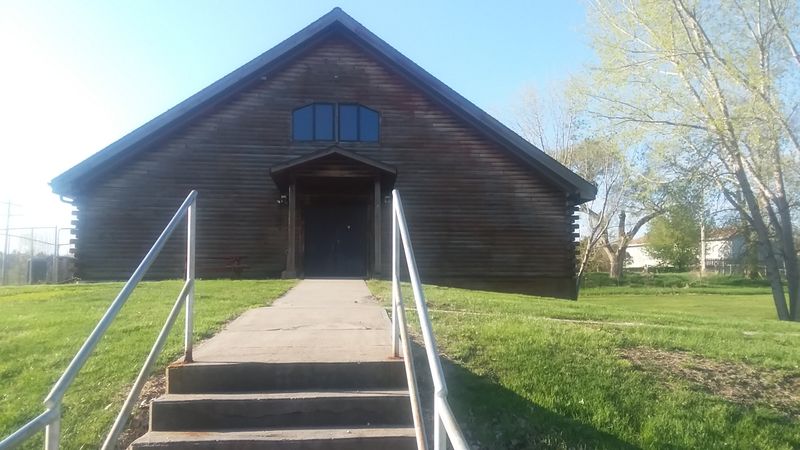
Picture a wide circle of grass, an open arena, and a community center sitting quietly beside it. That building on the Ponca Powwow Grounds near Niobrara holds the Ponca Tribe Museum, owned and operated by the Ponca Tribe of Nebraska.
Few museums share a roof with the place where a nation still gathers.
Inside, the focus stays on Ponca history, culture, and tribal archives. Ancestral items brought home from the Smithsonian, including headdresses, tools, beadwork, and jewelry, sit in the land their makers knew.
Seeing them here, instead of behind glass in a faraway city, changes how they feel.
How do you tell a story of coming home? The Ponca answer includes a Tribal Library and archive materials that keep family and tribal records close at hand.
Staff can lead guided tours, which adds depth you would miss reading labels alone.
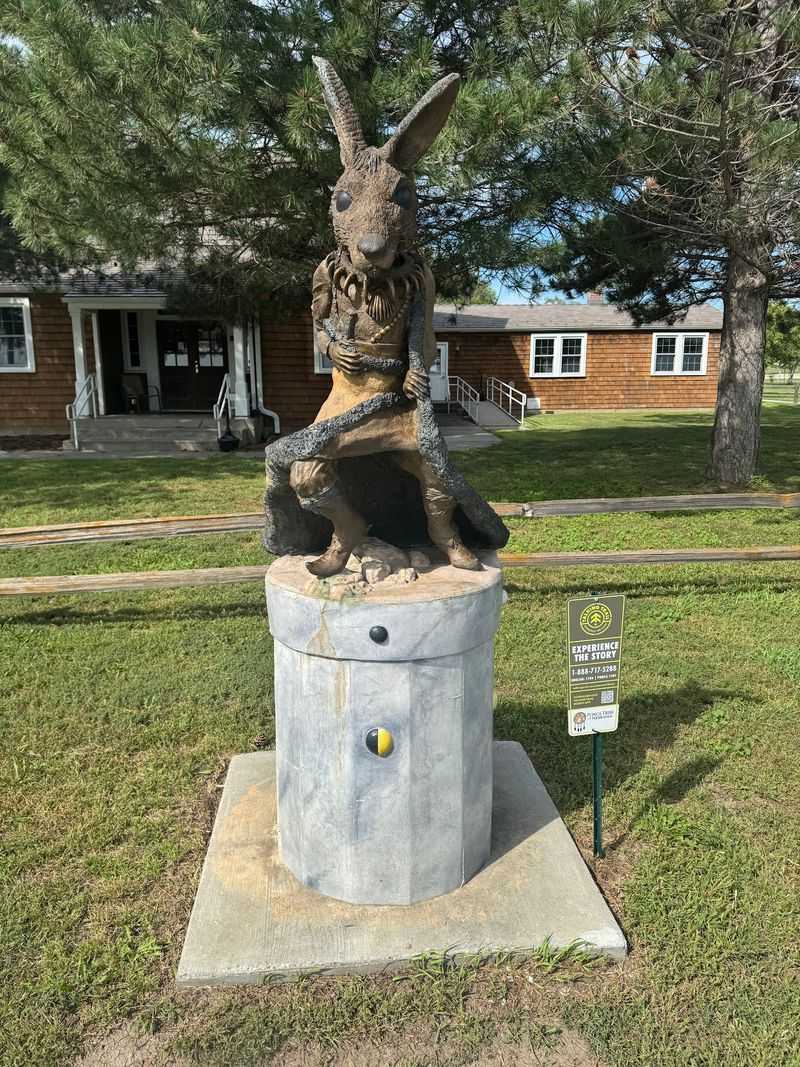
Outdoors, an educational trail loops the grounds with statues showing traditional stories such as How the Rabbit Caught the Sun. Kids tend to race from one figure to the next.
The museum keeps weekday hours only, so plan a Monday through Friday stop and call ahead if you want a guided walk through the collection.
2. Angel De Cora Museum and Research Center In Winnebago
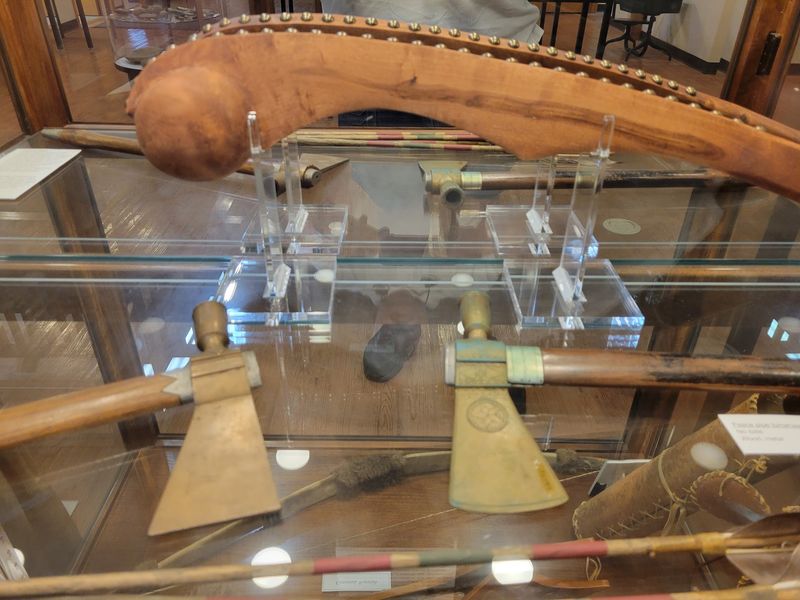
Angel De Cora was a Ho-Chunk artist who helped Native students reconnect with their culture through art. Her name now hangs over a museum and research center on East College Drive in Winnebago, run by the Winnebago Tribe of Nebraska with Little Priest Tribal College.
Fitting, since teaching sits at the heart of both her legacy and this building.
The space is compact, yet the collection is tightly organized. Maps, charts, and photographs lay out Ho-Chunk history in a way that clicks whether you arrive knowing a lot or almost nothing.
Present-day culture gets equal attention, so the story never feels frozen in the past.
Here’s a nice surprise for families: a small theater adds another way to take in the material. The layout suits younger kids, and restrooms plus on-site parking make the stop easy.
There is no restaurant, so pack snacks for the road.
Unlike most places on this list, it also opens Saturday mornings into early afternoon. That makes it a smart weekend pick for anyone driving up from Omaha or Lincoln.
The research center side serves deeper digging, and the tribe’s mission of protecting and reviving Ho-Chunk traditions shows up on every wall.
3. Santee Sioux Tribe Museum In Niobrara
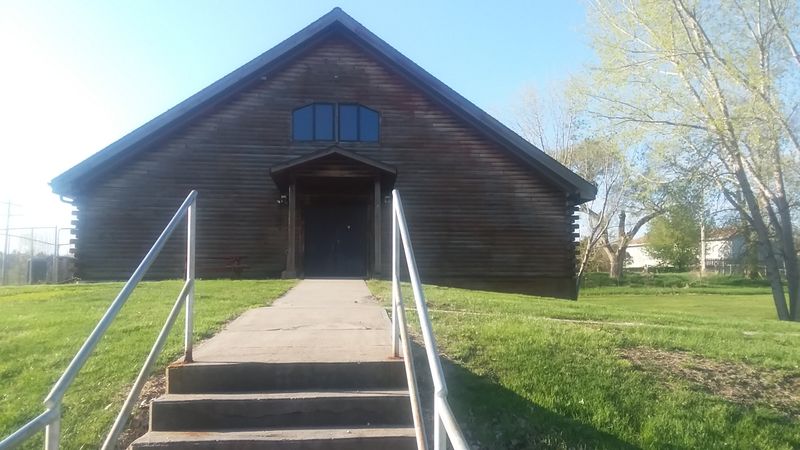
Does a museum need to be big to cover a long journey? The Santee Sioux Tribe Museum answers with a single small room, and it handles the job well.
Operated directly by the Santee Sioux Nation along Spirit Lake Dwellers Avenue, it traces Dakota history from the homeland in Minnesota to life in Nebraska today.
Records give this spot its weight. The museum keeps reservation census files, historic Dakota newspapers on microfiche, a large set of Santee photographs, and Dakota history books.
Family researchers can lose a whole afternoon here.
Old artifacts round out the room, many of them around a century in age. Each one connects to traditions the Santee carried with them after being forced from Minnesota.
The story keeps moving forward, though, landing firmly in the present as a living nation.
Ponca land sits nearby, so pairing this stop with the Ponca Tribe Museum makes a full Niobrara day. Two nations, two museums, a short drive apart.
Hours run Monday through Friday until late afternoon, with on-site parking and restrooms available. Bring your own lunch, since there is no food on site, and give yourself time to scan the photo collection slowly.
4. Susan LaFlesche Picotte Center In Walthill
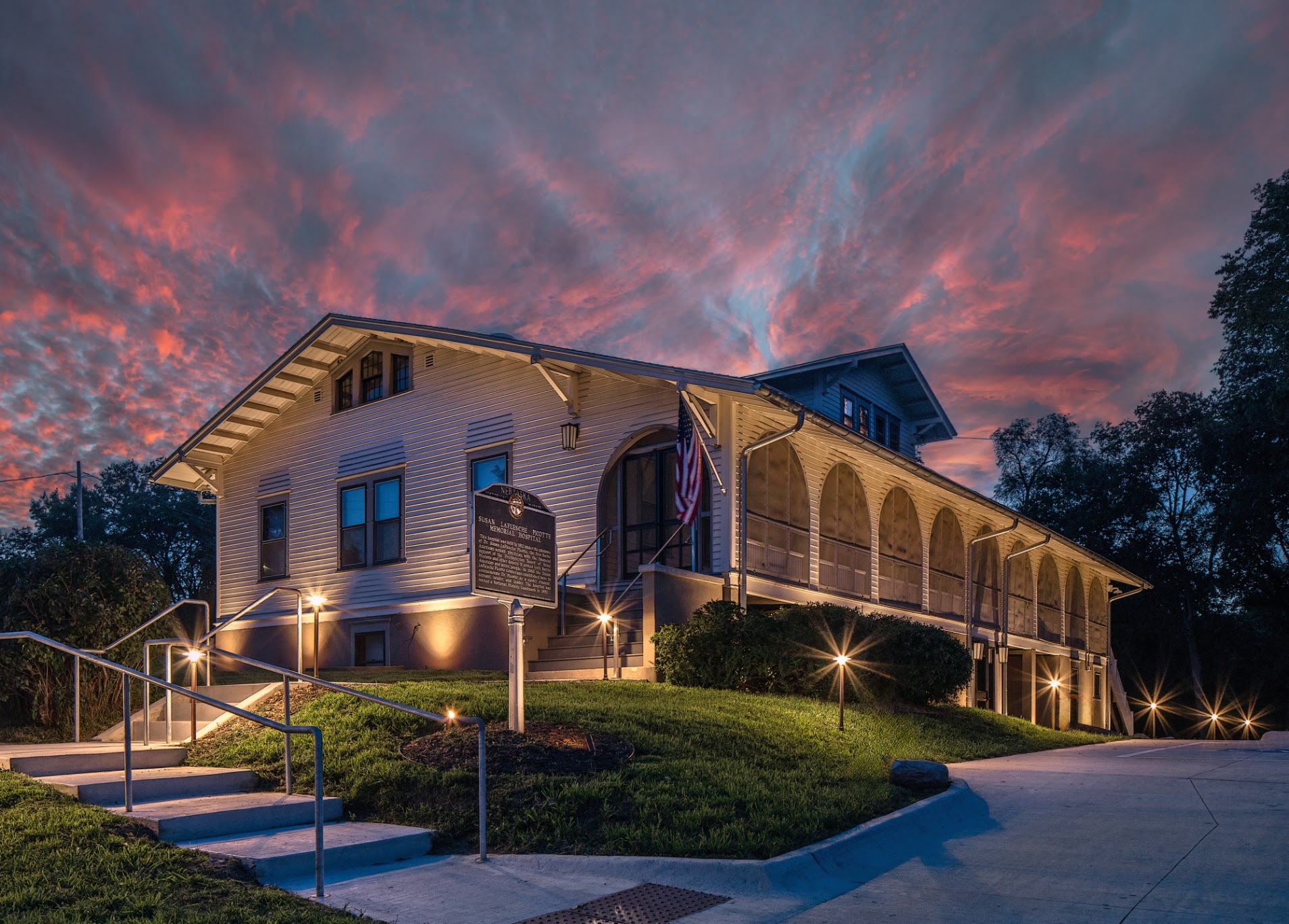
Long before most towns had a doctor, an Omaha woman earned her medical degree and came home to care for her people. Dr. Susan LaFlesche Picotte became the first Native American woman physician, and her story anchors this center in Walthill on the Omaha Indian Reservation.
The goal is simple: preserve her life and inspire whoever walks through next.
Small-town streets lead right to the door on Matthewson Street. Inside, her medical career shares space with the broader heritage of the Omaha Tribe.
You leave knowing her as a person, not just a name on a plaque.
Students, history fans, and passport program collectors all fit right in. Anyone curious about Native American people and culture will find a clear, personal entry point.
It is the only spot on this list built around one individual, which gives it a focused, almost intimate feel.
Timing takes a little planning. The center opens Wednesday through Friday, closing midafternoon, and large groups should call ahead to set up a tour.
Free parking is easy, with a lot plus street spaces. Pair it with Winnebago, a quick drive north, for a full day on neighboring reservations.
5. Genoa Indian Industrial School Museum In Genoa
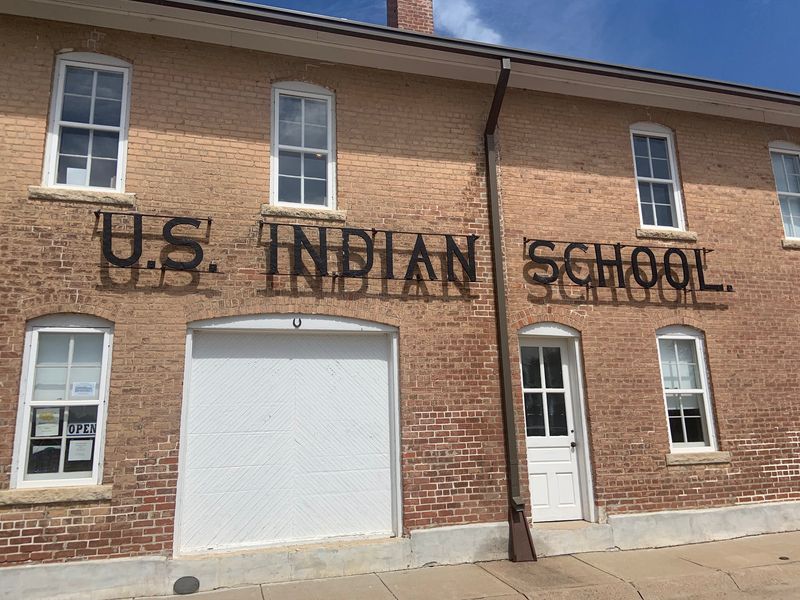
Brick walls, tall windows, and a quiet street in Genoa hide a heavy chapter of Plains history. The Genoa Indian Industrial School Museum sits on the grounds of a former federal boarding school where Native children were sent far from home.
Telling that story honestly takes care, and the museum works with tribal communities and descendants to do it.
First-person accounts set this stop apart from the rest. Names, records, and personal memories show who these children were and where they came from.
Artifacts add weight, from school items to objects tied to daily routines.
Not everything here is easy to absorb. The exhibits cover both the hard and the hopeful parts of the school’s long run, along with the lasting effect on families across many nations.
Even so, the tone stays thoughtful rather than grim, and kids can follow along with an adult nearby.
Why end the list here? Each other museum shares a single nation’s story, while Genoa connects dozens of them through one place.
Restrooms are available, but there is no restaurant, so plan meals in town. Call ahead to confirm current hours before making the drive into central Nebraska.