10 Connecticut Towns Retirees Are Fleeing Due To Rising Hidden Costs

Retirement math can look comfortable on paper right up until the smaller bills start piling on.
Housing gets most of the attention, but everyday costs can quietly change the picture. A town that once seemed manageable may feel very different when a fixed income has to stretch further than expected.
For some retirees in Connecticut, rising expenses are putting familiar hometowns under a much harsher financial spotlight.
And the frustrating part is that not every cost is obvious beforehand.
It is often the recurring expenses that sting. Individually, they may not seem dramatic, but together they can take an uncomfortable bite out of a retirement budget year after year.
That can leave older residents facing a difficult question: stay somewhere familiar or look for a place where their money goes further?
The towns ahead show where those pressures may be particularly worth watching, and a few names could come as a surprise.
1. Greenwich
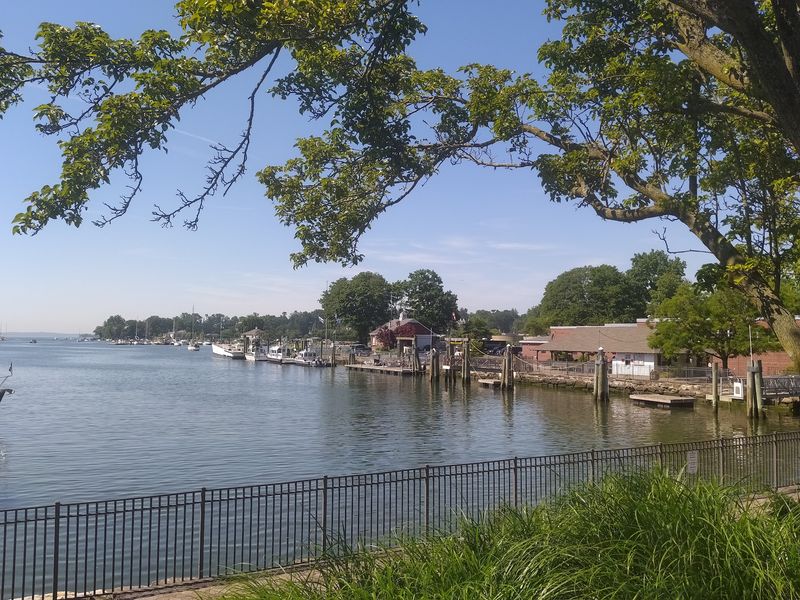
Living here has never been cheap, but the numbers can still catch retirees off guard. Home values alone show just how expensive the market has become.
By August 2026, the typical Greenwich home value had climbed to roughly $2.38 million, according to Zillow.
The town offers plenty in return, including shoreline parks, busy Greenwich Avenue and convenient train service into New York City. Still, owning a valuable home can make retirement costs harder to ignore.
Property taxes are especially interesting. The 2026-2027 general fund mill rate is 10.124, considerably lower than the previous year’s rate following the latest townwide revaluation.
A lower mill rate does not automatically mean a small tax bill, however, especially when property assessments are high. The new assessments took effect with July 2026 tax bills.
Housing is only part of the budget. Utilities, groceries, transportation, home repairs and senior care can push monthly spending higher, making careful planning particularly important for retirees.
Some older homeowners may qualify for property tax relief programs, so checking current eligibility can be worthwhile. Questions about assessments can be handled through the Assessor’s Office at Town Hall, 101 Field Point Road, Greenwich, CT 06830.
2. Westport
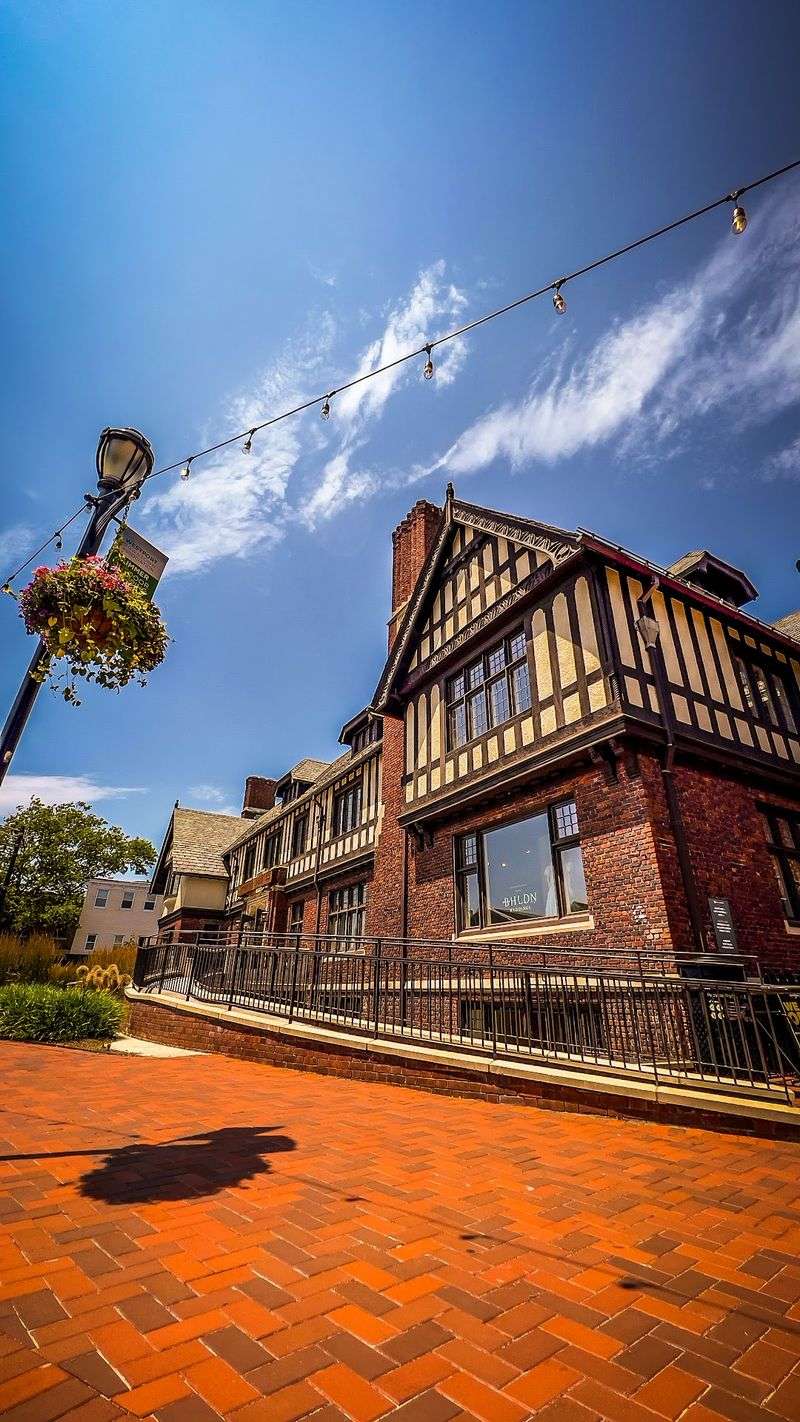
Beach days sound great. Big bills do not. That contrast can become especially clear for retirees trying to make Westport work on a fixed income.
Compo Beach, the Saugatuck River and a lively arts scene give the town plenty of appeal. It is easy to understand why someone might happily settle here for retirement.
Staying for the long haul, however, can require some careful budgeting.
Housing creates much of the pressure. Home values rank among the highest in the state, which can translate into substantial property tax bills even when the mill rate itself does not seem alarming.
Older coastal homes may bring another layer of expenses, particularly when repairs and insurance enter the equation.
Then come the smaller costs. Meals out, household services and recreation expenses may not seem overwhelming individually, but they can steadily chip away at a retirement budget.
Some homeowners do have ways to reduce the strain. Westport provides property tax relief options for qualifying older residents, with eligibility requirements that can change over time.
Current information is available through town staff at Westport Town Hall, 110 Myrtle Avenue, Westport, CT 06880.
Checking those programs could uncover useful savings. Even when the numbers still point toward downsizing, knowing exactly what assistance is available can make the next decision much easier.
3. Darien
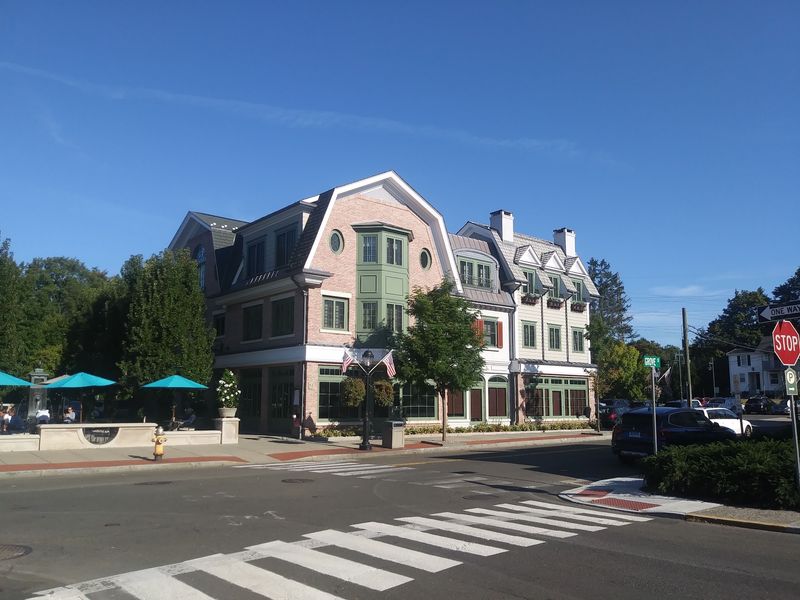
Small in size but big in reputation, Darien packs a lot of charm into a short stretch of the shoreline. Its beaches, top schools, and quick train access have made it a magnet for families.
For retirees, that same popularity can quietly raise the cost of staying put.
Families with children often compete hard for homes here, which keeps prices strong. Rising home values help sellers, but they also push up assessments.
A retiree who bought decades ago may now own a house worth far more on paper while living on a much smaller income.
Then there is the house itself. Many Darien homes have yards that can add ongoing costs for mowing, leaf cleanup, and snow removal.
Paying someone for that work can cost hundreds of dollars a month, and heating a roomy older home through a New England winter is rarely cheap.
Good news: options exist. Darien runs a senior tax relief program for residents who meet age and income rules, and the details are updated regularly.
You can ask questions at Darien Town Hall, 2 Renshaw Road, Darien, CT 06820. Some longtime residents choose to sell, take their gains, and move somewhere smaller, while others use relief programs to stay closer to friends.
4. New Canaan
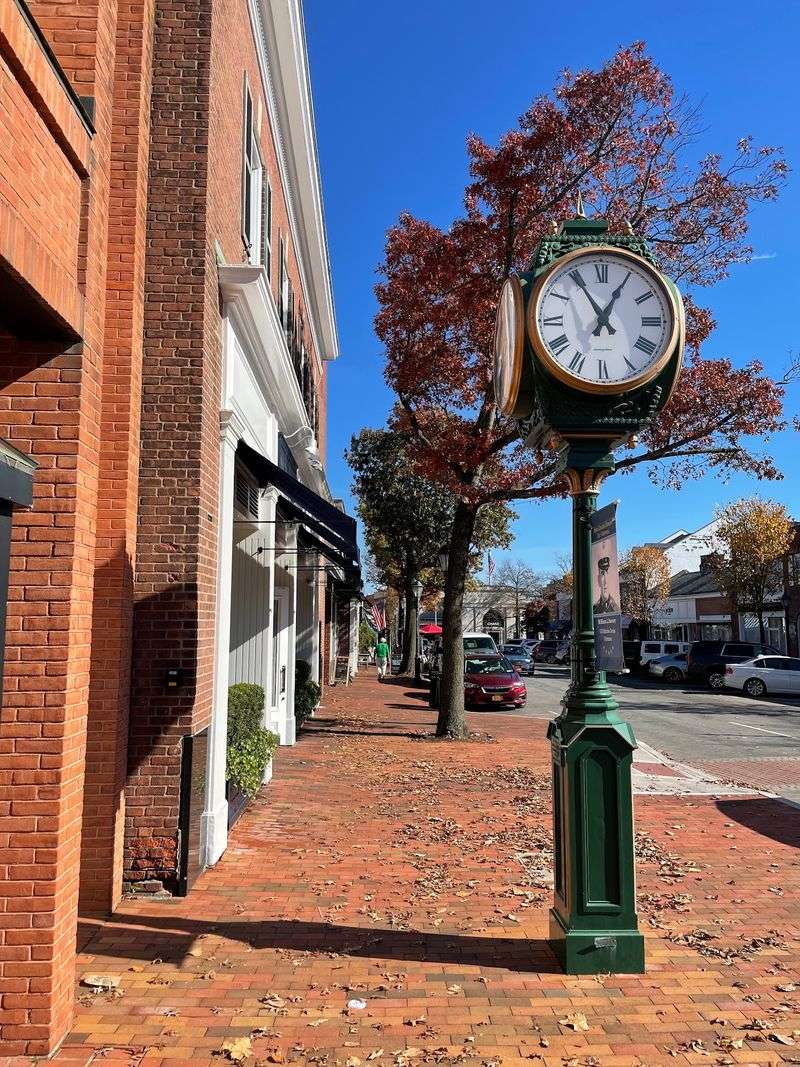
What happens when the dream home starts eating into the retirement fund? In New Canaan, that question can become surprisingly important.
The town certainly knows how to make an impression. Its architectural legacy includes Philip Johnson’s famous Glass House, while Elm Street brings shops and cafés together in a walkable downtown.
But the beautiful surroundings come with some of the priciest housing in the state.
For older homeowners, the purchase price is only part of the story. Many properties have large yards that require regular care, while some rely on private wells and septic systems.
Repairs to those systems can deliver an unwelcome bill. Tree work, home maintenance and insurance can add more pressure over time.
Transportation deserves attention, too. Outside the compact town center, homes are spread across a wider area.
Retirees who no longer drive may eventually spend more on rides, deliveries or other transportation services.
Tax relief could soften the financial load for some residents. New Canaan offers property tax assistance programs for qualifying older homeowners, although eligibility requirements apply.
Questions about assessments and available programs can be handled at New Canaan Town Hall, 77 Main Street, New Canaan, CT 06840. Checking the options early gives retirees more time to budget and decide whether their longtime home still makes financial sense.
5. Fairfield
With several miles of shoreline on Long Island Sound, Fairfield feels like a beach town and a college town rolled into one. It is home to Fairfield University and Sacred Heart University, which bring energy, events, and lectures that many retirees enjoy.
Life here can be full and fun.
So why are some older residents packing up? Coastal living carries costs that are easy to overlook.
Homes near the water may require flood insurance, and premiums have been climbing in many shoreline areas. Storm prep, raised foundations, and repairs after strong weather can drain savings fast.
Property taxes are also a factor. Fairfield’s homes are generally more affordable than Greenwich or Darien, but its mill rate is higher than those towns, so yearly bills still feel heavy on a fixed income.
Rates change with each budget, so check the current number.
Here is a helpful tip. Fairfield offers senior tax relief programs, and the Assessor’s Office inside Sullivan Independence Hall, 725 Old Post Road, Fairfield, CT 06824, can tell you who qualifies.
Some retirees also move inland within town to escape flood insurance while keeping their friends, doctors, and favorite beaches close by. That simple shift can save real money each year.
6. Ridgefield
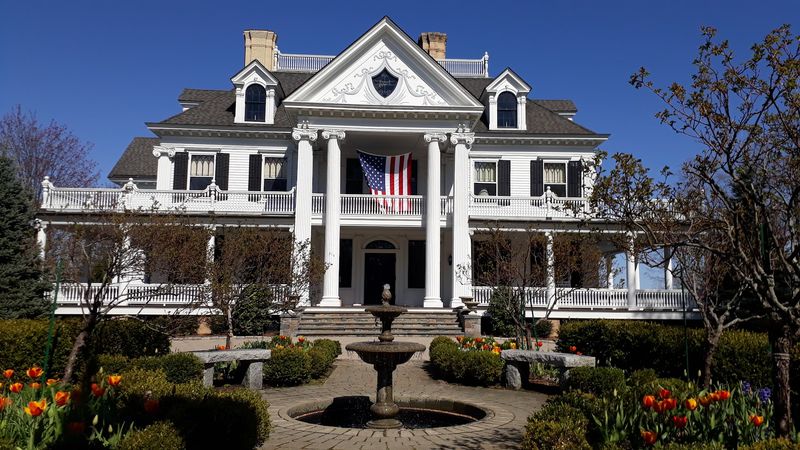
Pretty streets can hide pricey surprises. That is worth remembering when retirement means watching every dollar more closely.
Colonial homes and shady streets give Ridgefield plenty of classic New England appeal. Culture adds another reason people settle here, with The Aldrich Contemporary Art Museum and Ridgefield Playhouse bringing art and entertainment close to home.
But the financial picture can change over the years. Strong demand for housing has helped push property values higher, potentially leaving longtime homeowners with larger tax bills as assessments change.
Older houses bring their own expenses. Original windows, aging heating equipment and other features may eventually need repairs or replacement.
Properties within historic districts can also be subject to rules governing exterior alterations, adding another consideration when planning major work.
Getting around deserves a spot in the retirement budget as well. The town does not have a passenger rail station offering direct service to New York City, so longer trips can require driving, arranging a ride or connecting with rail service elsewhere.
Some older homeowners may qualify for property tax relief. Current program details and income requirements are available through town officials.
Questions can be taken to Ridgefield Town Hall at 400 Main Street, Ridgefield, CT 06877. Checking eligibility early could help make the annual budget a little easier to manage.
7. Wilton
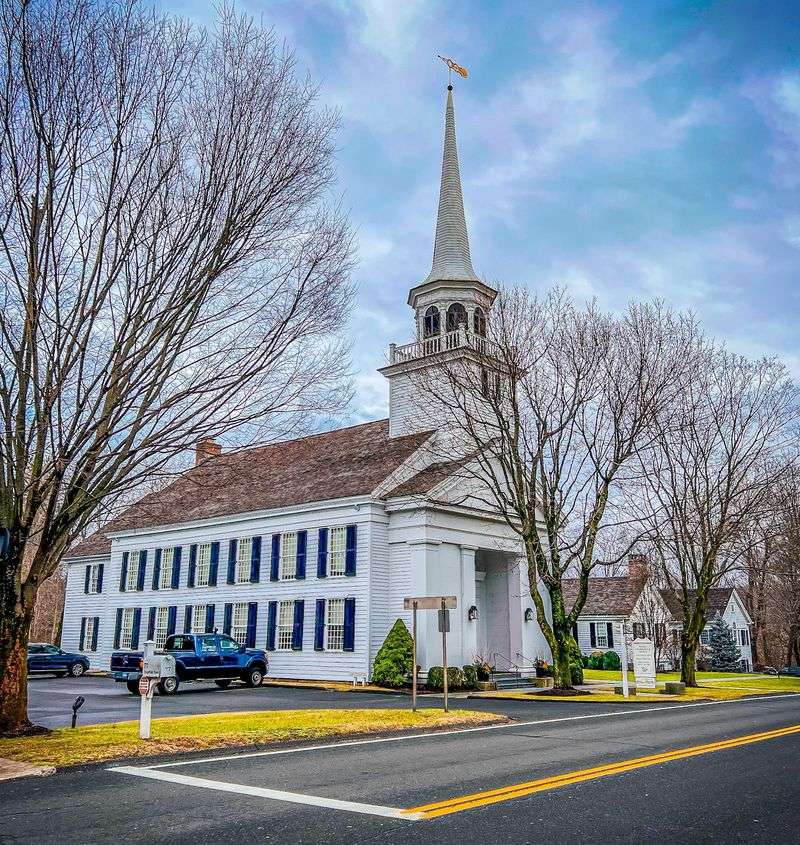
Stone walls, winding roads, and quiet woods make Wilton feel peaceful and green. Weir Farm National Historical Park, which stretches into the area, celebrates American painting and nature.
It is a lovely place to slow down after years of work.
Peace and quiet, however, can come with surprise expenses. Many Wilton homes rely on private wells and septic systems instead of town water and sewer.
Testing water, fixing pumps, and replacing septic parts are costs that renters and city dwellers rarely think about.
Trees are another hidden bill. Wooded lots look beautiful, yet large trees near a house may need trimming or removal, and storms can bring them down on roofs and power lines.
Many homeowners also buy backup generators, which cost money to install and maintain.
Wilton’s property taxes also matter. The mill rate is higher than in some neighboring towns, so homeowners feel it even when home prices are moderate for Fairfield County.
Seniors who want to explore tax relief can visit Wilton Town Hall, 238 Danbury Road, Wilton, CT 06897. The staff there can explain current programs and deadlines.
With good planning, you can keep enjoying those wooded walks while keeping a steady grip on your budget.
8. Weston
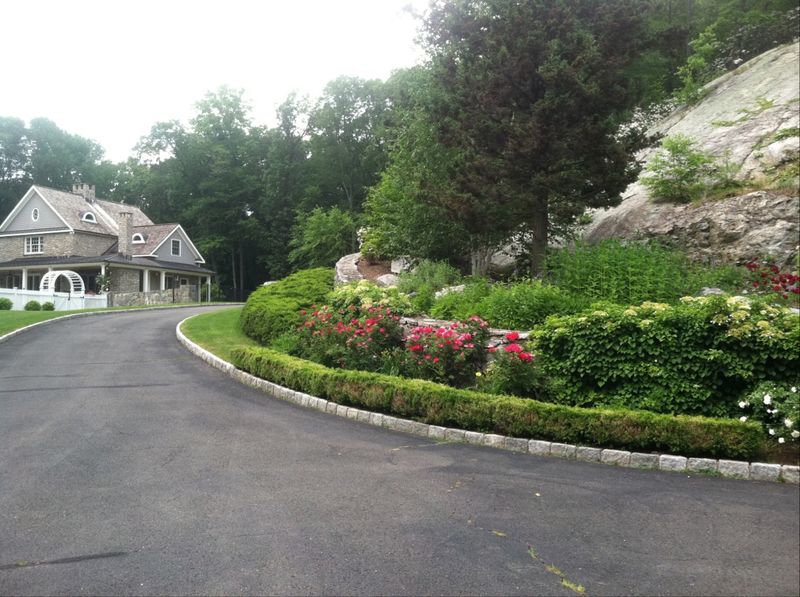
Weston has no traditional downtown, and locals often say that is exactly the point. The town is mostly woods, large lots, and quiet roads, with Devil’s Den Preserve offering miles of trails.
For nature lovers, it can feel like a private forest.
That country life has a flip side for retirees. Weston has no public sewer system, so homes depend on septic systems, and most use private wells too.
When something breaks, the homeowner pays the full cost.
Big lots also mean big chores. Long driveways need plowing, lawns need care, and leaves pile high every fall.
Hiring help for all of it can add up to a serious monthly expense.
Getting groceries, seeing doctors, or picking up prescriptions usually means driving to nearby towns. As people age and drive less, rides and delivery services become another cost that sneaks into the budget.
Feeling isolated can also become a concern without a central walkable area.
On the bright side, Weston has a strong sense of community and active senior programs. For help with taxes and relief options, Weston Town Hall at 56 Norfield Road, Weston, CT 06883, is the place to ask.
Knowing your choices helps you decide whether to stay or move.
9. Stamford
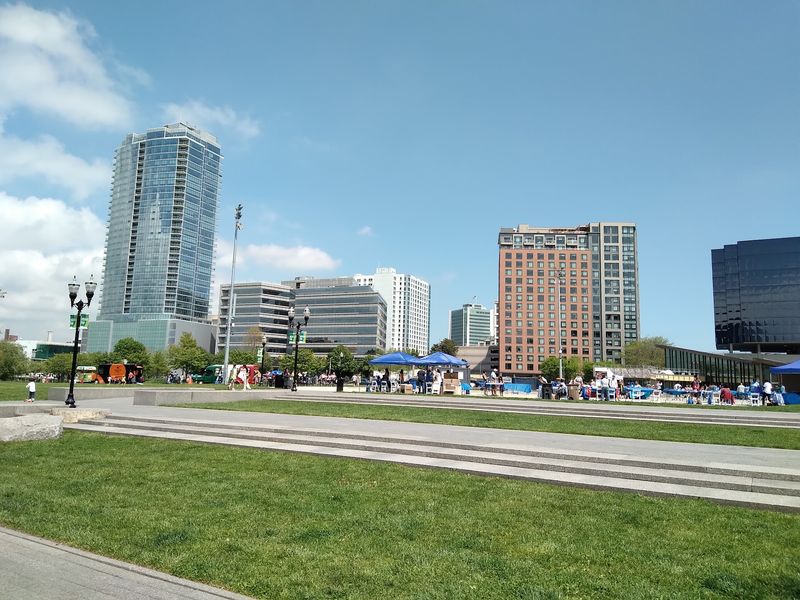
Unlike most towns on this list, Stamford is a true city, with tall buildings, big employers, and a busy train station. Retirees can walk to restaurants, catch shows at the Palace Theatre, and stroll Mill River Park.
For people who want convenience, it checks a lot of boxes.
Renters, though, often feel the pinch first. Stamford has seen lots of new apartment construction, but rents in many buildings remain high, and yearly increases can strain a fixed income.
Parking fees, building amenity charges, and pet fees are easy to miss when signing a lease.
Homeowners face their own bills. Condo association dues can rise over time, and special assessments for building repairs may pop up with little warning.
It is smart to read association records closely before buying.
Here is the upside. Stamford’s bus routes, train service, and walkable neighborhoods can help seniors cut car costs.
Living without a car, or with just one, can free up money for other needs.
For tax questions, the Stamford Government Center at 888 Washington Boulevard, Stamford, CT 06901, houses the Assessor’s Office. Ask about senior tax relief, since the city offers programs for those who meet age and income guidelines that may change annually.
10. Glastonbury
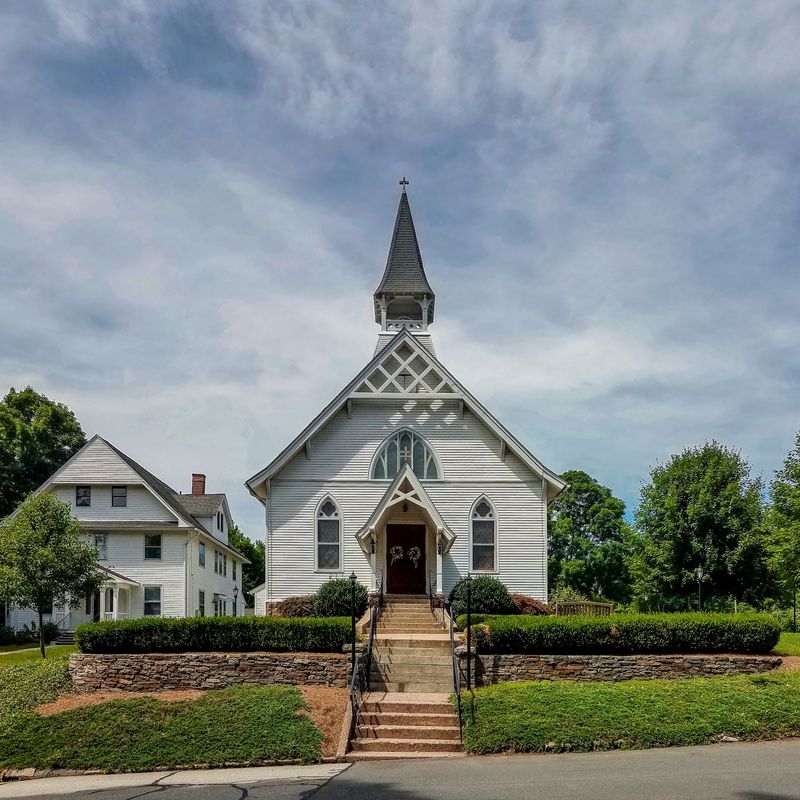
Apple season is hard to resist. The bills are less charming.
That can leave some Glastonbury retirees wondering whether staying still makes financial sense.
Orchards and farm stands give the community plenty of character, while the Connecticut River adds to its scenic appeal. With roots reaching back to the 1600s and Hartford close by, the town blends history with convenient access to a larger city.
Housing costs, however, can put pressure on retirement budgets. Glastonbury remains less expensive than many Fairfield County communities, but strong demand for homes can still mean substantial property values and tax bills.
Maintenance deserves attention too. Older houses may eventually need new heating equipment, roof repairs or other major improvements.
Homes using heating oil can also bring another expense during colder months, making annual costs harder to predict.
Long-term care can change the budget even more dramatically. Assisted living may cost thousands of dollars each month, so researching choices before care becomes necessary can give families more time to prepare.
Qualifying older homeowners may receive property tax relief through available programs. Details can be discussed with town staff at Glastonbury Town Hall, 2155 Main Street, Glastonbury, CT 06033.
A little planning, including downsizing when appropriate, could make those future apple-picking seasons easier to enjoy.