This Historic California Women’s College Has Been Educating Women For 100 Years
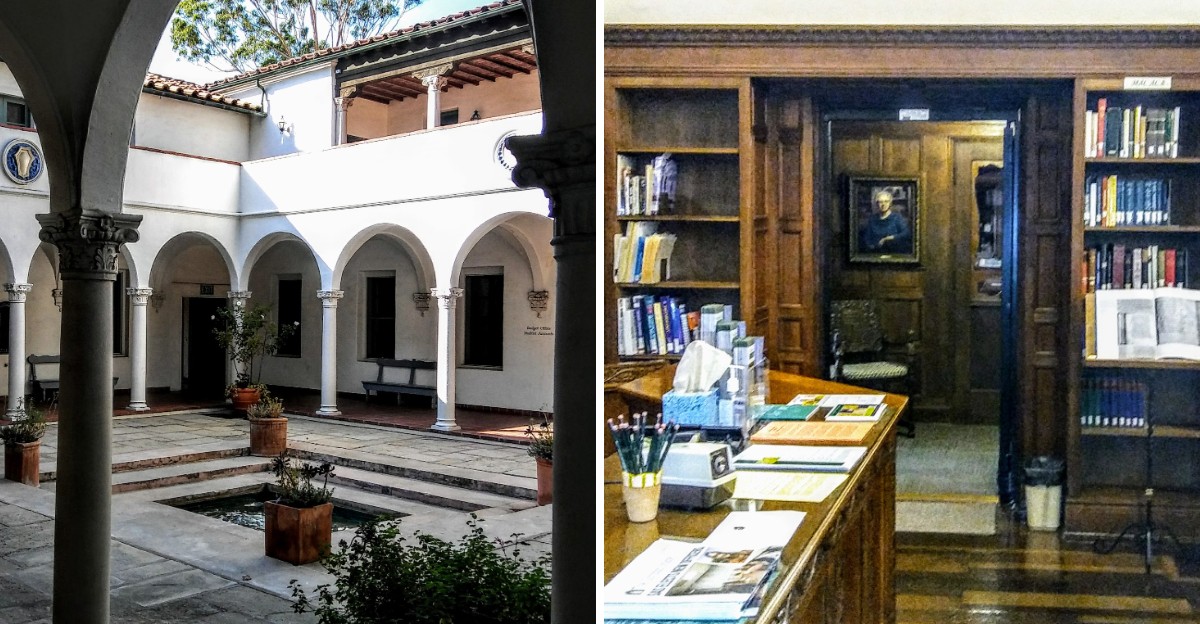
A century is a long time for a college campus to collect traditions, stories, and generations of graduates.
Reaching that milestone while holding onto the mission that shaped the school from the beginning makes the anniversary especially meaningful.
Founded in the 1920s, this women’s college grew into a distinctive part of the higher education landscape, pairing academics with a campus known for its architecture and close-knit atmosphere.
For 100 years, one California college has kept women at the center of its academic story.
The anniversary offers a natural reason to look beyond the beautiful grounds.
Think about how dramatically college life has changed over a century and the span of history becomes much easier to appreciate. Buildings and classrooms have evolved along the way.
Yet a student arriving today is joining a chain of women stretching back to the college’s earliest days, which gives that first walk across campus a little extra weight.
A Story That Began In 1926
Some places carry their history quietly, and Scripps College is one of them.
The school opened its doors in 1926, during a decade when many American colleges still did not welcome women at all.
Its founder was Ellen Browning Scripps, a newspaper publisher and philanthropist who had already spent decades supporting causes she believed in.
That founding year means 2026 marks a full century of classes, graduations, and campus traditions.
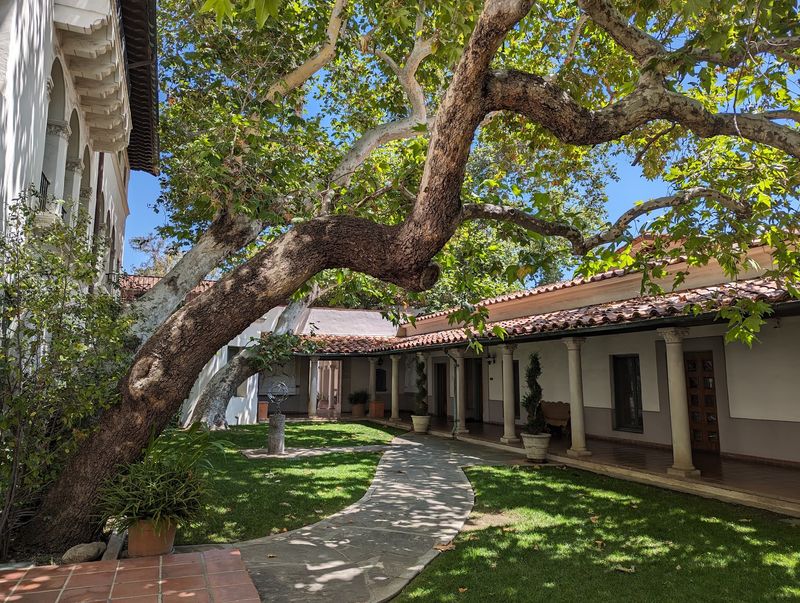
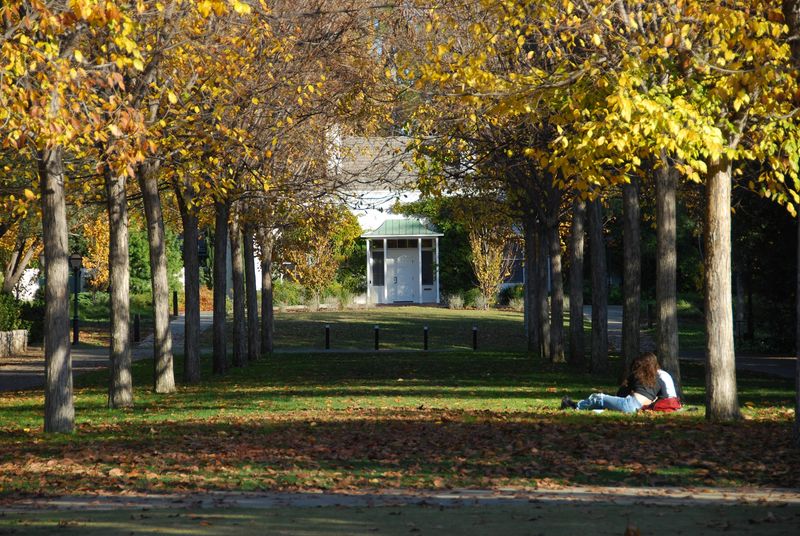
Walking the grounds today, visitors may notice how settled everything feels, with trees that have had nearly a hundred years to grow tall and wide.
The walls and walkways carry a soft, lived-in look that newer campuses simply cannot copy.
The main campus sits at 1030 N Columbia Ave, Claremont, California 91711, a short walk from the downtown area of the city.
Visitors who come for a stroll can find a calm setting, though it helps to remember that it is still an active school with students living and studying there.
Keeping voices low near residence halls and classrooms is a simple way to show respect.
The school is part of a city that has long been known for its colleges, so the area has a relaxed, academic feel.
Built With Women In Mind
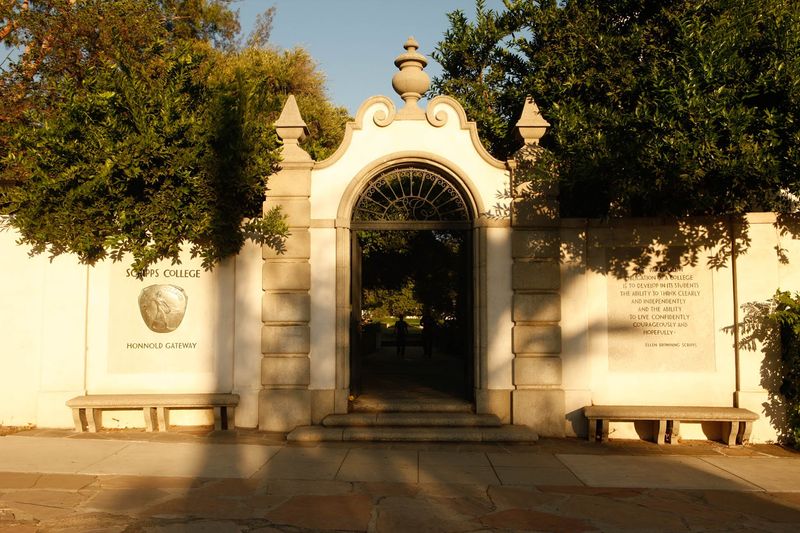
Back in the 1920s, the idea of a serious college made only for women was bold.
Ellen Browning Scripps wanted women to receive a rigorous liberal arts education that would sharpen their minds and build their independence.
Her goal was not to create a finishing school but a place for real thinking and real growth. That vision still shapes the school today.
The college describes its mission as educating women to contribute to society through leadership, service, integrity, and creativity.
Those four words show up in how students are encouraged to speak up, ask hard questions, and take on responsibility.
Class sizes at a small liberal arts school tend to stay modest, which can make it easier for students to join discussions.
Many families who tour the campus are curious about what a women’s college feels like day to day.
The atmosphere often seems focused and supportive, with plenty of space for students to lead clubs and projects.
Anyone thinking about applying may find it helpful to visit during the school year to see that energy firsthand.
Reading about the founder’s goals before a tour can also make the experience richer. Small details, like quiet study corners and shady benches, start to make sense once the original purpose is clear.
A Founder Who Started Big At 89
Most people slow down as they get older, but Ellen Browning Scripps had other plans. She was 89 years old when she founded the college in 1926.
Starting an entire school at that age shows a level of ambition that still impresses visitors today.
She had already built a career in newspaper publishing and gave generously to many causes during her life.
Instead of resting, she chose to invest in the education of women who would live long after her. That choice turned into a gift that has now lasted a hundred years.
The story offers a helpful reminder for readers of any age. Big goals do not have an expiration date, and it is never too late to build something meaningful.
Students sometimes find this detail inspiring when they feel unsure about their own paths.
Visitors walking the campus can think about how much planning went into the place. The buildings, gardens, and courtyards all came from a project launched by someone near the end of a long life.
That fact gives the quiet paths a deeper sense of purpose. Families touring with kids might share this story as a fun conversation starter.
Architecture That Breaks The Usual Mold
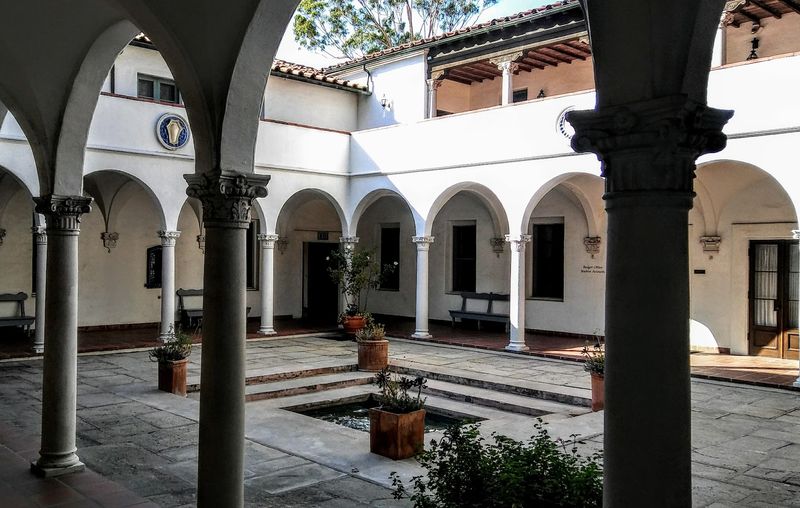
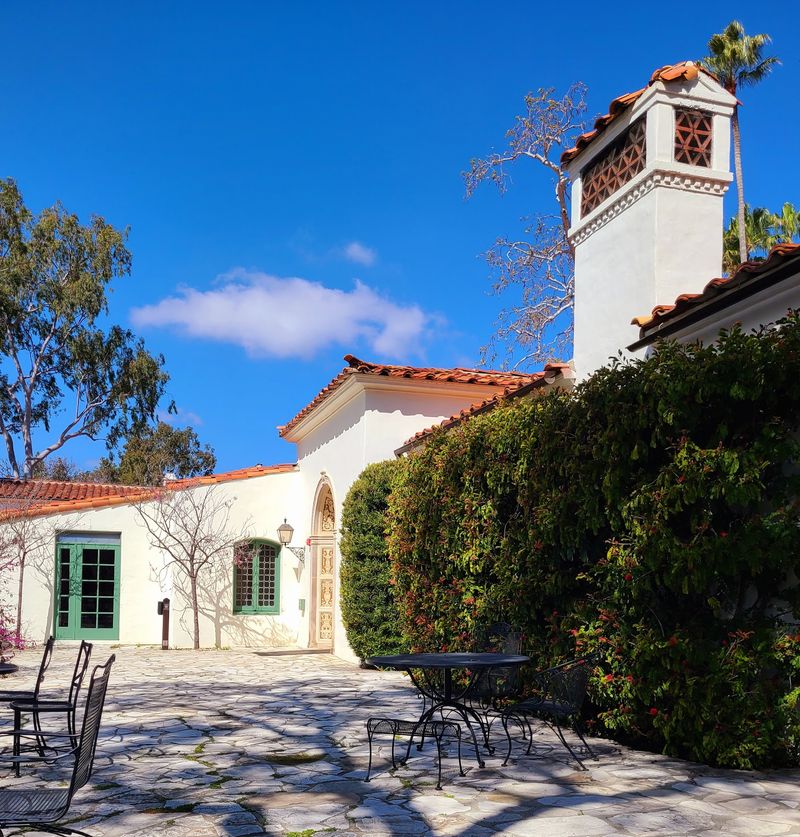
Forget plain brick boxes lined up along a parking lot. Architect Gordon Kaufmann helped shape the campus using Mediterranean and Spanish Colonial Revival styles.
Think smooth stucco walls, tiled roofs, and arches that throw soft shadows across the walkways. The overall plan treated the campus like one great courtyard that mostly faces inward.
Buildings and walls create a border against the outside world, so the space feels tucked away and calm. Even with traffic nearby, the inner paths can feel surprisingly quiet.
Residence halls were designed to look and feel like a beautiful home rather than a typical dorm.
That homey touch shows in details like cozy windows, carved doors, and comfortable proportions.
Walking through, visitors may notice how the scale feels human and welcoming instead of grand or cold.
Photography fans tend to enjoy the play of light on the pale walls, especially in the softer hours of morning and late afternoon.
Shade from arcades can make strolling more comfortable on warm days. Comfortable shoes help, since exploring often means wandering through several connected courtyards.
Paying attention to small features, like ironwork and tiled accents, can turn a quick walk into a slow, rewarding look at craftsmanship.
Classes Across Five Campuses
Picking a class schedule here can feel like shopping at five stores instead of one. Students at Scripps can cross-register for courses at the other Claremont undergraduate colleges.
That option greatly expands the list of subjects, teachers, and class styles available.
A student might take a literature class at Scripps in the morning and a science or economics class at a neighboring school in the afternoon.
Short walks or bike rides connect the campuses, so switching locations is usually simple. Planning ahead still matters, since class times and travel minutes add up.
Some students use the system to explore new interests they might not find at a single small college. Others use it to dig deeper into a major by finding specialized courses.
Prospective students may want to ask advisers how cross-registration works and how popular classes fill up.
Policies and availability can vary, so checking current rules is a smart move. The arrangement makes a small campus feel full of choices.
For curious learners, it can turn four years into a much broader adventure.
Flexibility like this is one reason families often mention the Claremont setup when comparing schools.
A Core Curriculum Unlike Most
History, art, science, and society all meet in one set of classes. California’s Scripps is known for its Core Curriculum in Interdisciplinary Humanities, which students simply call Core.
The program has been a hallmark of a Scripps education since the college began in 1926. Core is a sequence of courses that grows more focused and challenging over time.
Students look at broad historical and present-day issues from several angles instead of just one. The goal is to help them connect ideas that might normally live in separate departments.
Teachers come from across the college, including the arts, letters, natural sciences, and social sciences.
That mix means a single topic might be discussed through a painting, a scientific idea, and a social question.
Students often gain practice in reading closely, writing clearly, and defending their thinking.
Families visiting campus may want to ask current students how Core shaped their first year. Hearing real experiences can give a clearer picture than a brochure.
Anyone who likes asking why and how will probably find the approach exciting. Thinking across subjects is a skill that stays useful in almost any career.
An Art Museum Right On Campus
About 14,000 objects spanning roughly 3,000 years of art history live at this small college.
The Ruth Chandler Williamson Gallery cares for the Scripps permanent collection and hosts rotating exhibitions.
Shows have included contemporary works, ceramics, and other areas of art.
The collection features American artists such as Andy Warhol, Ansel Adams, Winslow Homer, Mary Cassatt, Childe Hassam, and John James Audubon.
An extensive group of Japanese woodblock prints is also part of the holdings.
Not every piece is on view at once, since exhibitions change over time.
Checking the gallery’s official schedule before visiting is a good idea, because hours and shows may shift during breaks or between exhibitions.
Inside, the setting tends to be calm, with space to pause in front of each work. Quiet voices and careful movement help everyone enjoy the art.
Students often use the gallery for class projects, so it doubles as a learning space.
Ink, Type, And The Scripps College Press
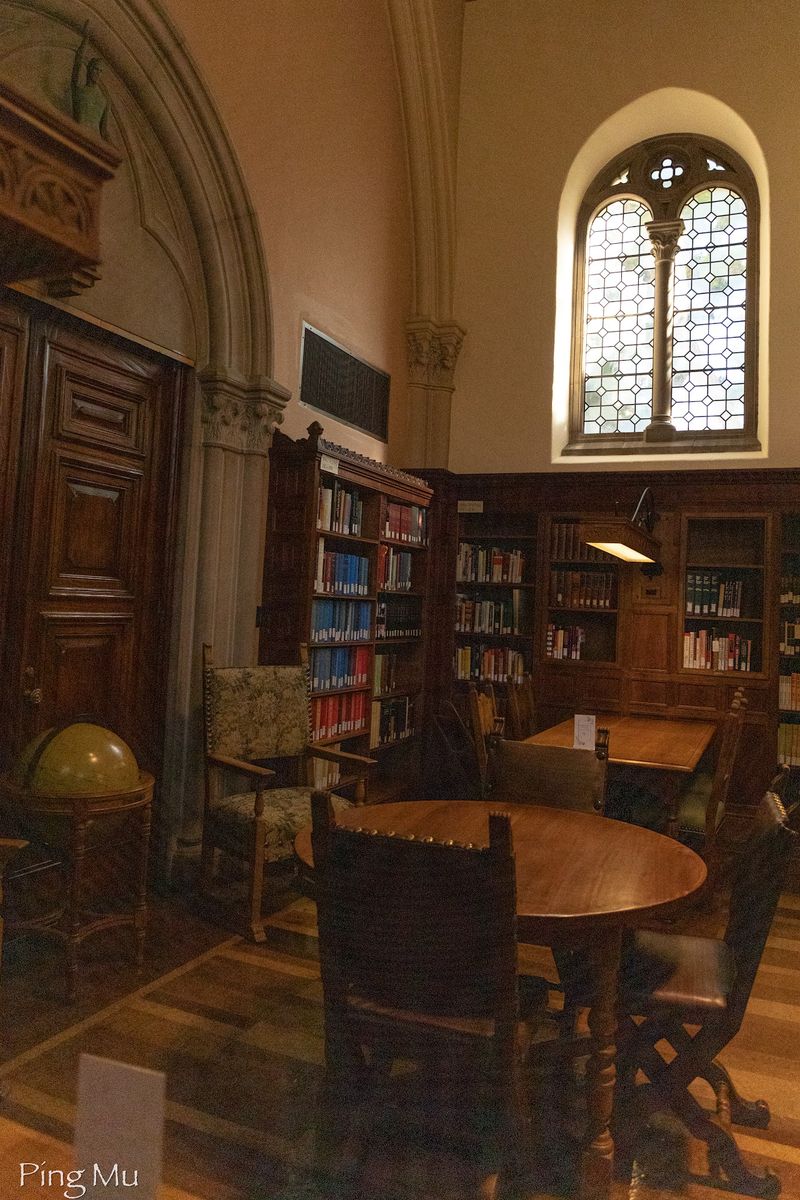
Clack, press, peel, and a fresh printed page appears. The Scripps College Press began in 1941 as an experimental typographic laboratory.
Since then, the college has kept a strong link to typography, printing, and book arts.
Famous type designer Frederic W. Goudy created a special font called Scripps College Old Style just for the press.
Having a typeface made for one college is a rare and fun bit of history. It shows how seriously the school has treated the craft of making books.
Today the letterpress facilities are used to produce collaborative class books. The Typography class usually makes two letterpress books each year.
Students from all five Claremont undergraduate colleges can take the Typography and the Book Arts class.
Hands-on work like setting type teaches patience and attention to detail. Each letter has to be placed carefully, and mistakes show up right away on paper.
Many people find the slow process relaxing compared with typing on a screen.
Anyone curious about book arts might look for public events or exhibits connected to the press, though offerings can vary.
A Centennial Worth Celebrating
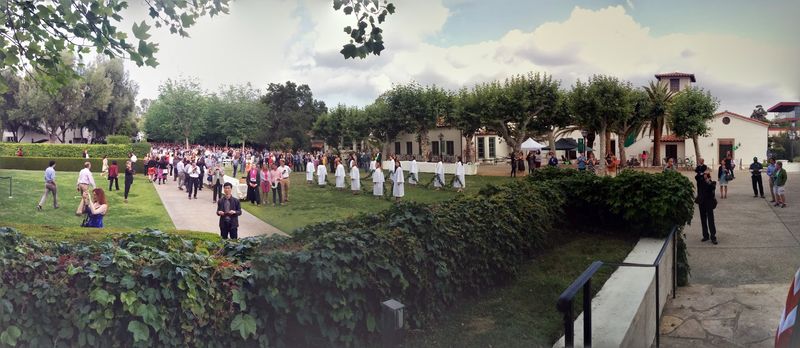
One hundred years is a long time for any dream to stay alive. The centennial in 2026 brings the whole Scripps story full circle.
A college started in 1926 by an 89-year-old woman is now celebrating a century of educating women.
Looking back shows how many pieces came together to make the place special.
Visitors planning a trip may want to look for public programs that welcome guests. Campus may feel busier during big celebrations, so arriving early can make parking and walking easier.
The milestone is also a chance to think about the generations of students who studied here. Each graduate carried a bit of the founder’s goal into the wider world.
Readers who visit can enjoy the beauty while remembering the purpose behind it.
The campus is more than pretty, since it is proof that one determined idea can last for a hundred years.
That legacy is still growing, one class at a time.