10 South Carolina Islands Where You Can Slow Down And Forget The Crowds
What if the loudest thing you heard all morning was a pelican hitting the water?
South Carolina islands can make that feel completely normal.
Out here, tides matter more than schedules, and the mainland rush starts fading fast.
Mossy oaks lean over quiet roads. Driftwood beaches look almost unreal. Dolphins may surface nearby before breakfast is even finished!
The mood changes from island to island, but the invitation stays the same: slow down.
You do not need a packed itinerary when the scenery is doing this much work.
A ferry ride, a beach walk, or a long stretch of empty sand can fill the day beautifully.
1. Daufuskie Island, Beaufort County
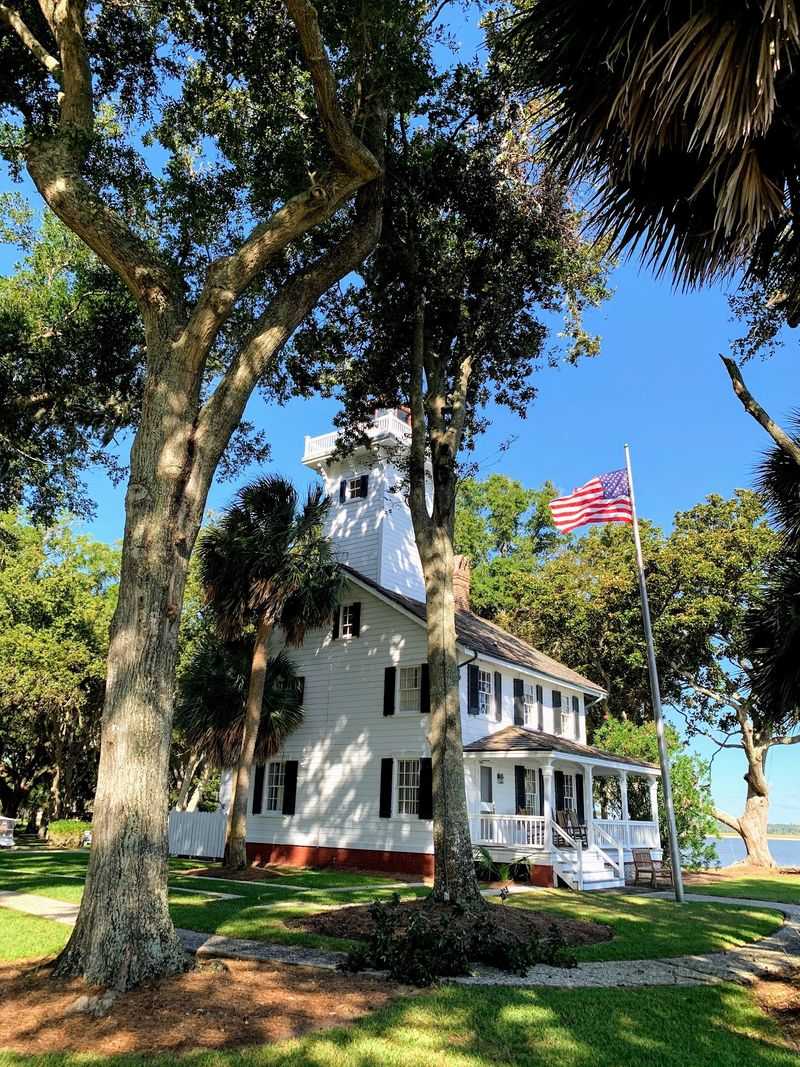
I never expected to miss my car so little. No bridge reaches Daufuskie Island, and that separation is a major part of its appeal.
The Beaufort County island is accessible only by boat or passenger ferry, with golf carts commonly used for getting around after arrival.
Shady roads pass maritime forest, historic sites, galleries, and long stretches where the pace feels noticeably slower.
Gullah and Geechee heritage remains central to the island’s story.
The restored Mary Fields School served generations of children from the island’s Gullah community before closing in 1997, and the island’s museum and historic trail add more context to that cultural history.
The oyster industry also shaped daily life here from the late 1800s into the mid-1900s. Reminders of that period remain around the public landing and other historic areas.
Art adds another reason to explore. The Iron Fish Gallery displays handcrafted coastal metalwork along a dirt road deep in the maritime forest.
Beach time works best without a checklist. Walk the shoreline, watch the marsh, or simply let a golf-cart ride become the day’s main activity.
Public ferry service and private boat options make day trips possible, but transportation should be arranged before arrival. Spring and fall bring milder weather, while warmer months call for insect repellent and extra water.
2. Edisto Island, Colleton County
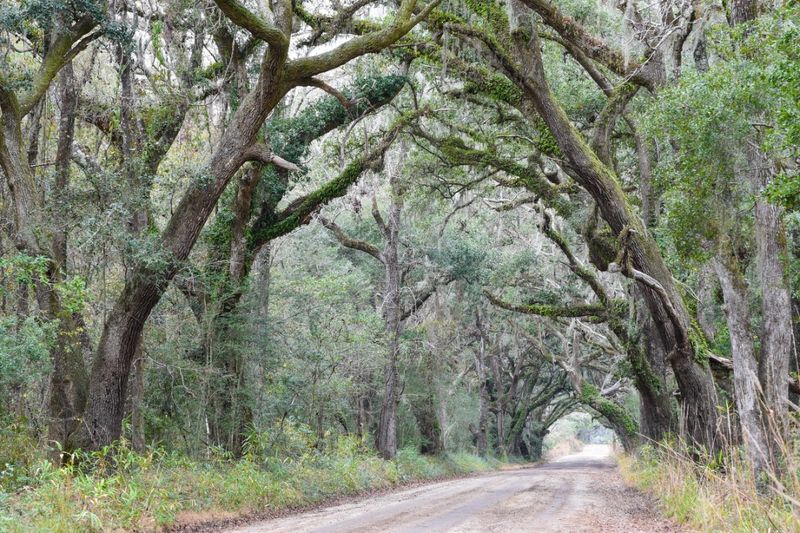
What if a road trip could slow your heartbeat before you even arrive?
The Edisto Island National Scenic Byway follows SC 174 for roughly 14 miles beneath moss-draped live oaks, past tidal creeks, farm fields, marsh views, and historic sites before reaching the Atlantic.
The island remains lightly developed compared with many coastal destinations.
Edisto Beach State Park adds 1,255 acres of protected shoreline and maritime habitat, with hiking and biking trails, campsites, and cabins near the salt marsh.
Botany Bay Plantation Heritage Preserve deserves time of its own. A footpath leads toward a striking boneyard beach where weathered trees rise from the sand.
Shells and other natural objects must remain where they are, so photographs are the best souvenirs.
Wildlife is part of the scenery throughout the island. Wading birds, deer, dolphins, and other coastal species can appear along roads, creeks, and shoreline areas.
Paddling routes wind through tidal water around the island, while the Edisto Island Museum offers a quieter indoor look at local history.
Current October 2026 advisories at Edisto Beach State Park include temporary closures at some beach access points because of high-tide conditions, so checking park updates before arrival is worthwhile.
The best plan is simple: take the scenic road slowly, choose one or two stops, and leave enough time for the beach before heading back inland.
3. Fripp Island, Beaufort County
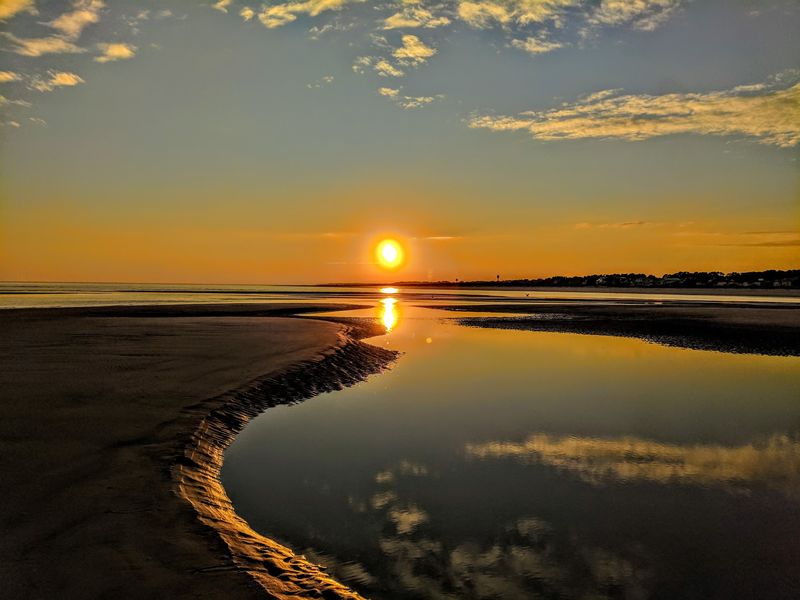
Just imagine for a second sharing your morning walk with a deer. On Fripp Island, close wildlife encounters are part of the landscape.
This private, gated sea island lies about 20 miles from Beaufort and includes roughly three and a half miles of uninterrupted beach.
White-tailed deer are common, and Fripp has been recognized as a wildlife sanctuary for decades.
Summer brings important loggerhead sea turtle nesting activity. Naturalists lead seasonal turtle walks, while visitors are expected to keep beaches dark at night, avoid disturbing marked nests, and leave wildlife plenty of room.
Birding is strong around marshes, lagoons, beaches, and maritime forest. Herons, egrets, pelicans, and other coastal species are easy reasons to carry binoculars.
Access works differently here than on a public beach island. Fripp is a private community, and most visitors arrive as owners’ guests or through approved vacation rentals.
Resort guest cards are required for many amenities, including pools, golf, dining facilities, and recreation areas.
Two golf courses, bike and golf-cart rentals, kayaking, paddleboarding, and nature programs can fill a longer stay without requiring frequent trips off the island.
Nearby horseback riding is available through Camelot Farms on Saint Helena Island, including coastal trail rides along Saint Helena Sound.
4. Hunting Island, near Beaufort
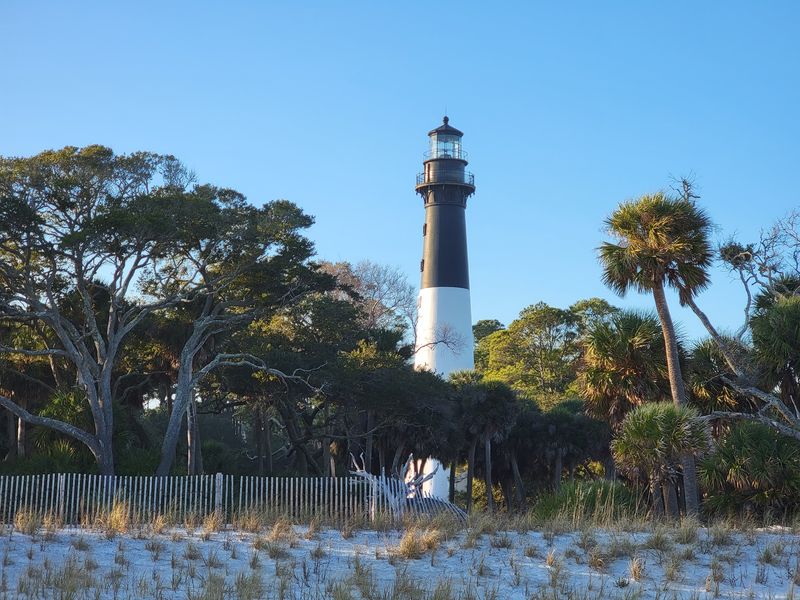
The gorgeous view comes from the Hunting Island Lighthouse, in a state park near Beaufort. In 2026, the lighthouse reopened after a major restoration and again welcomes visitors to climb its 167 steps.
It remains the only publicly accessible lighthouse in South Carolina. The cast-iron tower was rebuilt in 1875 and moved 1.3 miles inland in 1889 as the shoreline changed.
Hunting Island State Park covers about 5,000 acres of beach, salt marsh, lagoon, and maritime forest.
Five miles of shoreline provide plenty of room for walking, although this is also South Carolina’s most visited state park, so quieter experiences depend heavily on timing.
The two-mile Maritime Forest Trail moves through dense coastal vegetation, while the Marsh Boardwalk leads toward broad salt-marsh views and a popular sunset platform.
High tides can temporarily close sections of the boardwalk or access toward Little Hunting Island, so current advisories matter.
Fishing is available from the beach, lagoon, and a 950-foot pier extending into Fripp Inlet. Camping includes developed sites as well as rustic tent options.
Wildlife watching can add plenty without a complicated itinerary. Deer, shorebirds, raptors, and other coastal species use the park’s varied habitats.
Early mornings, weekdays, and cooler seasons generally offer a better chance at calm. Hunting Island is popular for good reason, but its size still leaves room to find a quieter corner beyond the busiest stops.
5. Bulls Island, Cape Romain National Wildlife Refuge
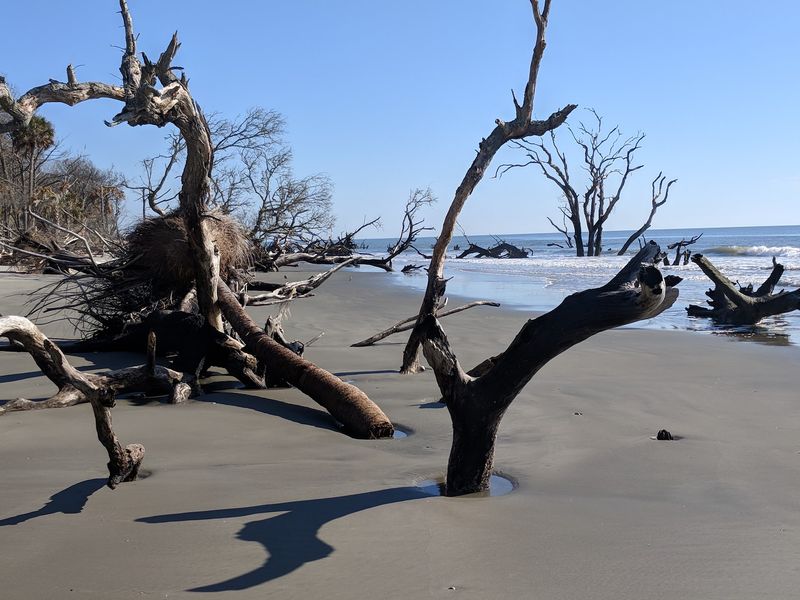
Are you seeing what I am seeing? Sun-bleached trees rise from Boneyard Beach like a sculpture garden shaped entirely by the coast.
Bulls Island sits inside Cape Romain National Wildlife Refuge north of Charleston.
The barrier island is reached only by boat, with scheduled ferry excursions departing from Garris Landing through the refuge’s contracted concession.
Once ashore, visitors can explore a half-mile trail, a two-mile trail, about 16 miles of unpaved service roads, observation platforms, and long stretches of undeveloped beach.
Boneyard Beach extends for roughly three miles and remains one of the refuge’s most photographed landscapes.
Wildlife is the other major draw. More than 293 bird species have been recorded across Cape Romain, and Bulls Island also supports white-tailed deer, black fox squirrels, alligators, and bobcats. Dolphins are often seen in the surrounding estuary.
There are no convenience stops scattered around the island, so water, snacks, sun protection, and insect repellent should come with you. Pets are not allowed on refuge islands.
Some beach areas close seasonally to protect nesting shorebirds, and posted boundaries should always be followed.
The ferry schedule determines the rhythm of a day trip, which makes planning ahead important.
Between the maritime forest, impoundments, open beach, and wildlife viewing, there is more than enough to fill several quiet hours without adding anything else to the itinerary.
6. Capers Island, North Of Charleston
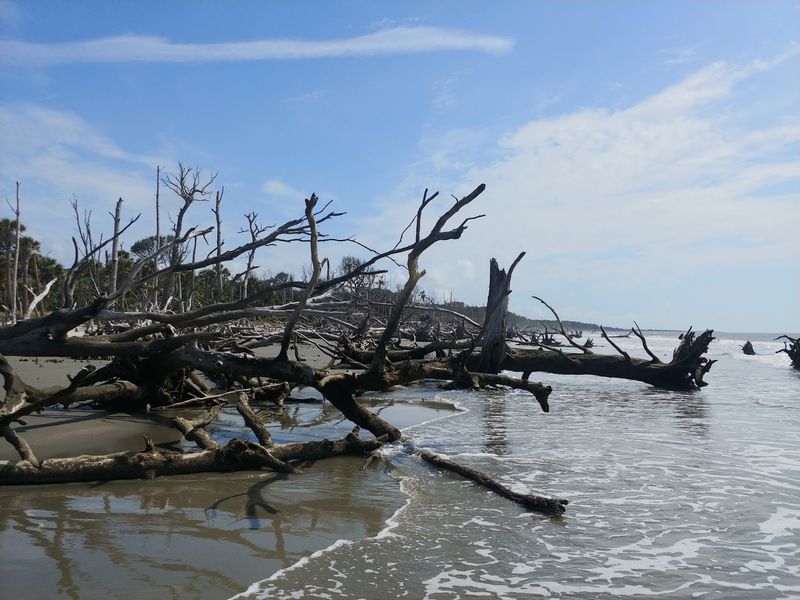
Call me crazy, but camping with zero neighbors sounds like paradise.
Capers Island gets close to that feeling, although access and camping rules keep the experience deliberately limited.
The state-owned barrier island north of Charleston is part of the George E. Campsen Jr. Capers Island Heritage Preserve. It has no road connection to the mainland and is accessible only by boat.
The McCaskill Trail begins near the dock and forms a roughly five-mile network through maritime forest, old roads, wetlands, and impoundment habitat. Live oaks, magnolias, cedars, and palmettos frame much of the walk.
Erosion has created a boneyard shoreline where weathered trees stand or lie across the beach. Nothing should be removed from the preserve, even when driftwood or shells look tempting.
Birdlife can include herons, egrets, ibises, pelicans, and other coastal species. Raccoons and alligators also use the island’s protected habitats.
There are no visitor facilities, so every trip requires water, food, sun protection, insect repellent, and a plan for carrying waste back out.
Day use does not require a permit, but visitors without camping permits must leave by one hour after sunset. Overnight camping requires a state permit, and north-end camping is limited to the period from October 16 through March 14.
7. Dewees Island, Near Isle Of Palms
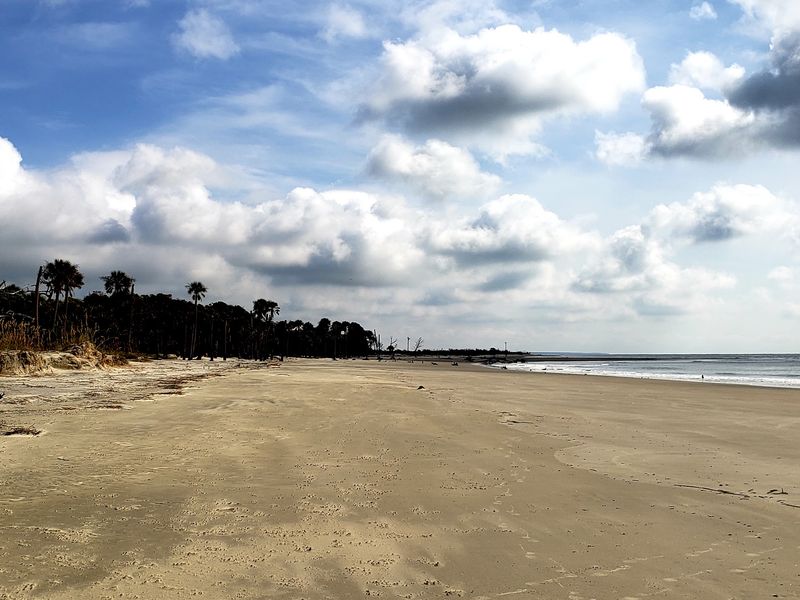
An island with no cars, no restaurants, and no stores still exists.
Dewees Island is a private, 1,200-acre barrier island north of Charleston, reached by a roughly 20-minute private ferry from Isle of Palms.
There is no public road connection, and daily life centers on golf carts, walking, and quiet coastal routes rather than private cars.
Conservation shapes nearly everything here. The island sits within a conservation easement and includes undeveloped beach, maritime forest, marshland, docks, and wildlife habitat.
Access is restricted. Visitors must be registered guests, and short stays are available only through approved private-home rentals or limited island accommodations. This is not a place to arrive without arrangements already in place.
Once settled, the schedule can stay remarkably simple. Swimming, fishing, kayaking, tennis, beach walks, and wildlife watching are among the main activities.
There are no restaurants or grocery stores on the island, so food and other essentials need to arrive with you. Rental guests are also expected to follow rules protecting habitat, wildlife, dunes, and the island’s quiet character.
Dark skies are another reward of the limited development. After the last ferry traffic settles, the barrier island feels far removed from the busier Charleston coast.
Dewees asks for more preparation than an ordinary beach stop, but that inconvenience is exactly what preserves its slower rhythm.
8. Morris Island, Charleston Harbor
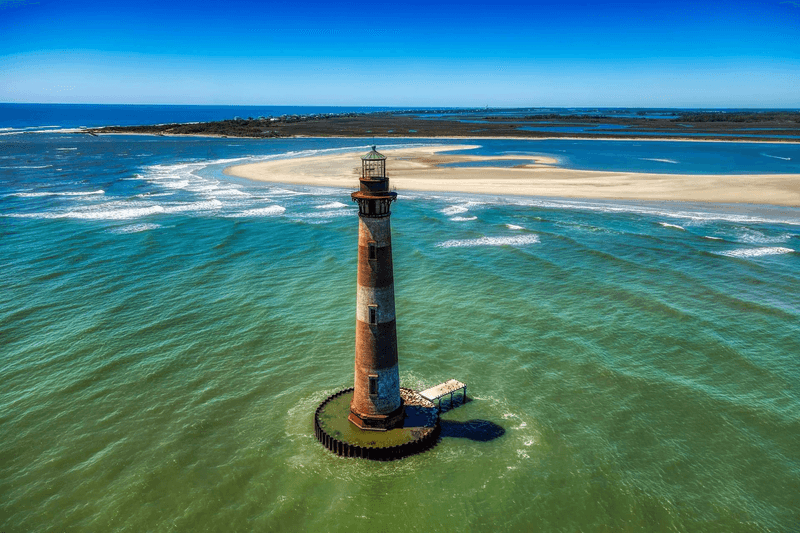
I am still trying to wrap my head around the fact that a tall brick lighthouse stands alone in the water, surrounded by waves.
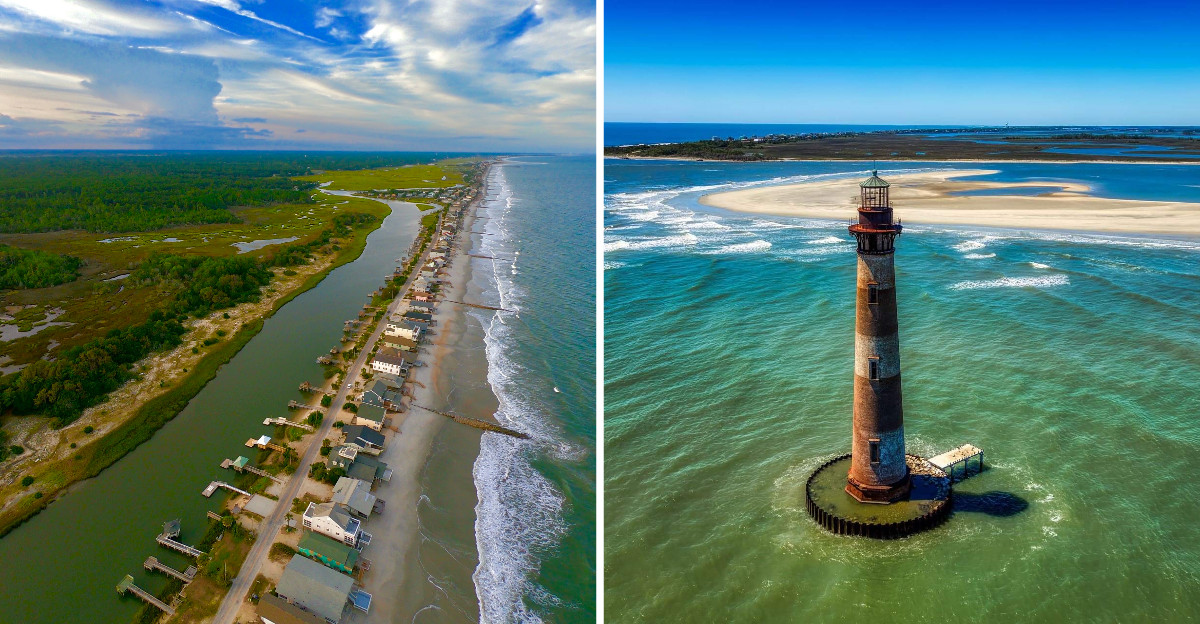
The Morris Island Lighthouse rises near the entrance to Charleston Harbor, just north of Folly Beach.
Completed in 1876, the historic tower stands about 161 feet high and once sat securely on land.
Changes to the shoreline gradually left the structure offshore. It is no longer open for climbing or interior tours, and current preservation work focuses on stabilizing and protecting the tower for the future.
Morris Island itself has no bridge and no permanent residential community. Reaching its beaches requires a boat, kayak, or guided excursion, with several trips departing from the Folly Beach area.
A visit can combine lighthouse views with shelling, beach walking, coastal wildlife, and time on a largely undeveloped island.
Tides and currents around Charleston Harbor can be strong, so independent paddlers need suitable experience and current conditions before setting out.
Travelers who prefer to remain on land can view the lighthouse from Lighthouse Inlet at the eastern end of Folly Beach, where it stands offshore across the water.
The structure is approaching its 150th anniversary in 2026, adding another layer of interest to the view.
9. Wadmalaw Island, Charleston County
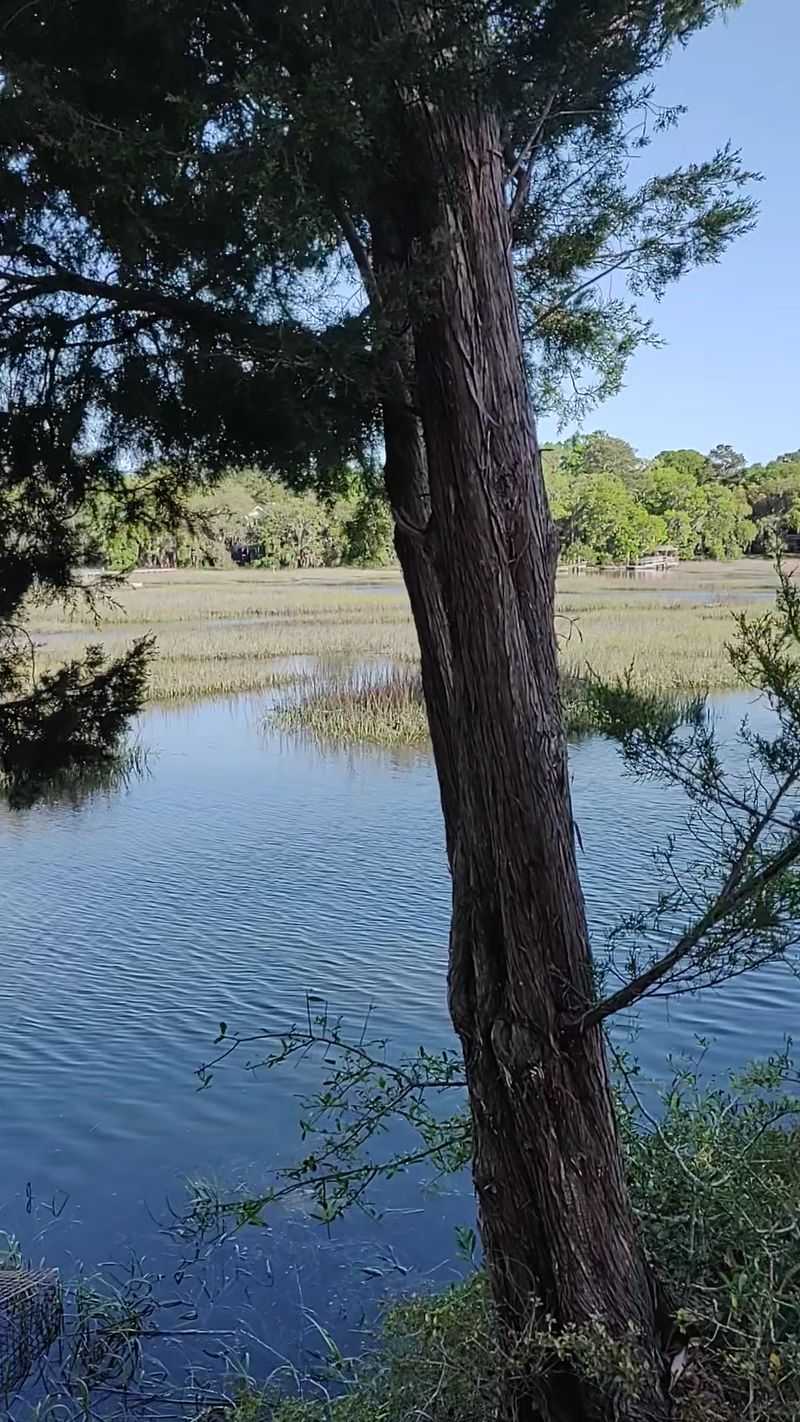
Let’s be real for a second, some islands shout for attention, while others simply hum a quiet tune.
Wadmalaw Island sits southwest of Johns Island, connected by road but still shaped by farms, tidal creeks, wooded stretches, and a rural pace.
The best-known stop is Charleston Tea Garden on Maybank Highway.
Hundreds of thousands of tea bushes fill the property, and visitors can learn how tea moves from field to finished product onsite.
A factory tour explains the production process, while a trolley tour moves through the fields and stops at the greenhouse where young tea plants are grown.
Harvest season generally begins in May and runs into early fall, when the tea plants also begin to flower.
The garden’s Tea Bar offers hot and iced samples made from tea grown on the property, and the shop carries the finished blends.
Beyond the garden, Wadmalaw’s narrow roads pass working agricultural land, marsh views, and access points for Lowcountry waterways.
Kayaking and paddleboarding are best arranged with local outfitters familiar with tides and creek conditions.
There are fewer visitor services than on Charleston’s busier beach islands, so planning meals and transportation ahead keeps the day easy. Rideshare return trips from the tea garden can be difficult to secure.
Wadmalaw is at its best when the drive itself counts as part of the outing rather than something to hurry through.
10. Pawleys Island, Georgetown County
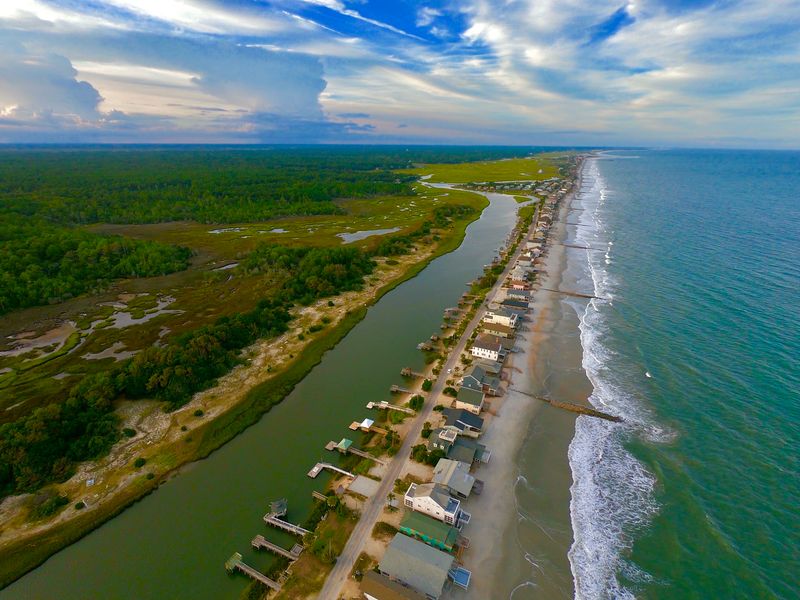
Sounds too good to be true, but shoes are basically optional here. Bare feet and sandy toes fit right in.
Pawleys Island lies at the southern end of the Grand Strand and measures less than four miles from end to end. Two short causeways connect the narrow barrier island to the mainland across a broad salt marsh.
Its long-standing nickname, “arrogantly shabby,” captures the preference for weathered coastal character over flashy resort development.
The National Register historic district includes a dozen surviving residences dating from the late 1700s through the mid-1800s.
The island’s beach remains the simplest attraction. Public access points are along the shore, including a public parking area at the south end, although parking is limited overall when busy.
Creeks on the marsh side support fishing, paddling, and crabbing, while the ocean side works well for walks and quiet mornings.
Rope hammocks are tied to the area’s identity. The familiar Pawleys Island design dates to 1889, and hammock making later became a local craft tradition.
Across the causeway, Hammock Shops Village continues that connection with shops and demonstrations centered on the classic woven design.
This South Carolina island does not need a complicated itinerary. A beach walk, creek view, and a little time under the oaks can easily fill the day.