Make Your Own Mug From Scratch At This Charming Kentucky Pottery Studio
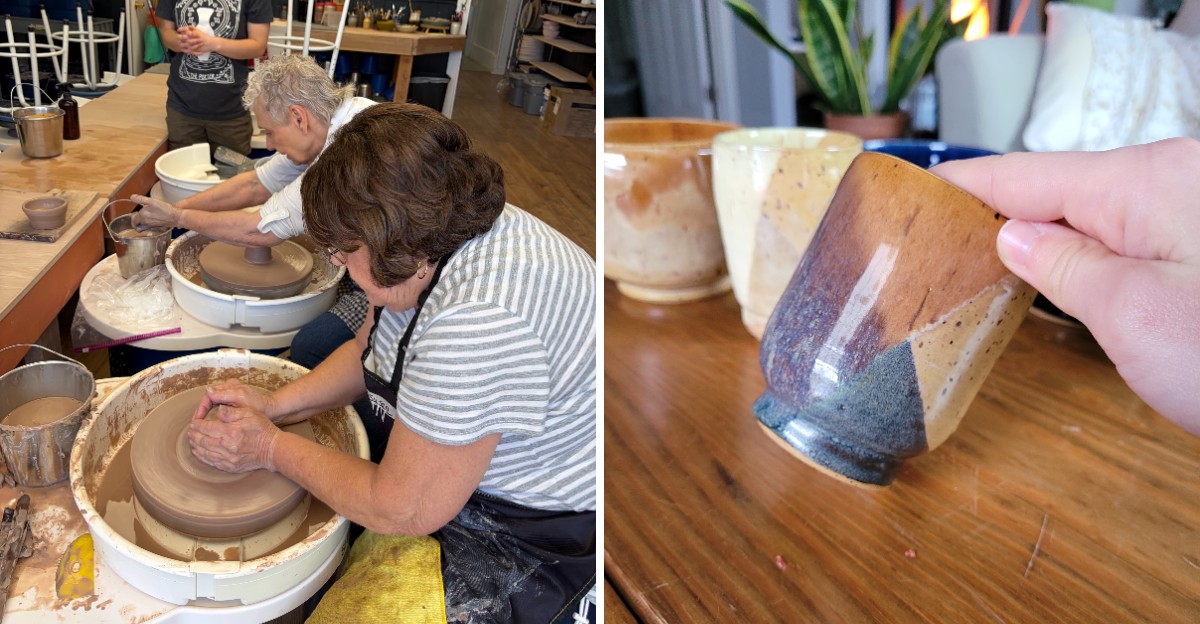
You probably have a favorite mug that you guard like a family heirloom. Now imagine sipping your morning coffee from one you made with your own hands.
That’s a bragging right no store-bought mug could ever match. Picture yourself at a pottery studio in Kentucky, sleeves rolled up and clay squishing between your fingers.
It’s messy, a little silly, and wonderfully relaxing. Your first attempt might wobble like a nervous puppy, and that’s perfectly fine.
Friendly instructors are there to guide you, so nobody expects perfection. You’ll shape, smooth, and fuss over your creation until it feels just right.
Somewhere along the way, you’ll forget about your phone entirely. It makes a fun date night, a creative outing with friends, or a little treat just for you.
Best of all, you’ll end up with a story behind every sip. Your coffee breaks are about to get a lot more personal.
A Small Studio With A Big Heart On Broadway

Clay dust is the only glitter you will ever be happy to bring home. Elkhorn Pottery is a community studio in the heart of downtown Georgetown, Kentucky.
Inside, the room is busy in the best way. Pottery wheels sit in neat rows with stools pulled close.
Buckets wait by every wheel for rinsing hands and sponges. Colorful art brightens the walls and keeps the space from feeling like a lab.
Students often describe the studio as clean and cozy. That combo matters when you are about to get very messy on purpose.
The goal here goes beyond making pretty bowls. The studio aims to build creativity, community, and a sense of purpose through clay.
You can feel that idea in the setup. Nothing is fancy or stiff, and nobody expects you to know what you are doing yet.
The studio also has glowing feedback from the people who take classes there. Most of that praise points to the teachers and the relaxed mood.
So if you are nervous, take a breath. You are stepping into a space built for beginners, curious folks, and anyone who wants a new hobby.
Wear clothes you do not mind getting dirty. Clay always finds your sleeves first.
You will find it at 116 N Broadway Street, Georgetown, Kentucky.
The Mug Workshop That Starts With A Simple Cylinder
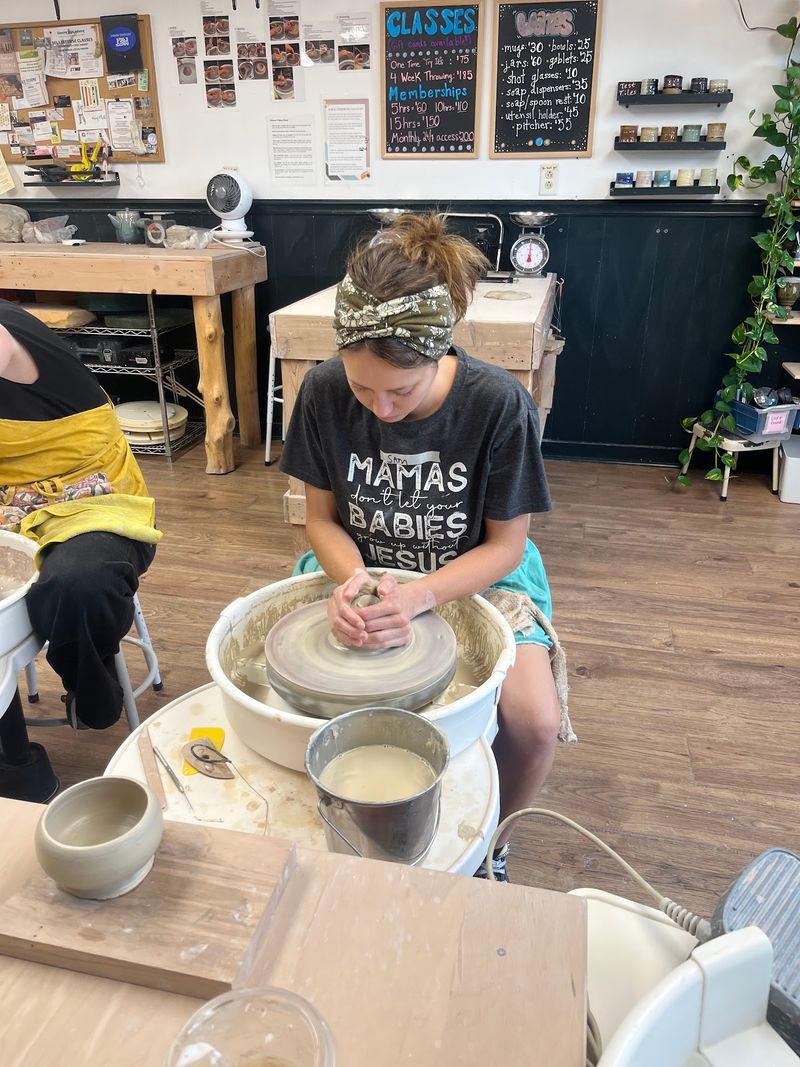
Every great mug begins life as a humble tube. The Make Your Own Mug workshop uses handbuilding, so there is no spinning wheel to wrestle.
That is good news if you worry about clay flying across the room. Handbuilding keeps things slow, steady, and easy to control.
The process follows three clear steps. First, you shape a cylinder that becomes the body of your mug.
Next, you add a bottom so your future coffee stays inside. Last, you attach a handle and make it yours.
Simple steps leave room for personality. You can make your mug tall and skinny, short and wide, or a little bit wobbly on purpose.
Instructors walk you through each stage. They show the technique, then let you try it with your own hands.
Handbuilding is one of the oldest ways people have made pottery. Long before electric wheels, folks pressed, rolled, and joined clay just like you will.
So you are joining a very old club. The membership fee is just a little patience.
Think about how you drink your morning cocoa or tea. A bigger mug means bigger sips, and that is a design choice worth making.
Plan your shape before you start. Your future self will thank you every single morning.
Handles, Hearts, And Happy Accidents
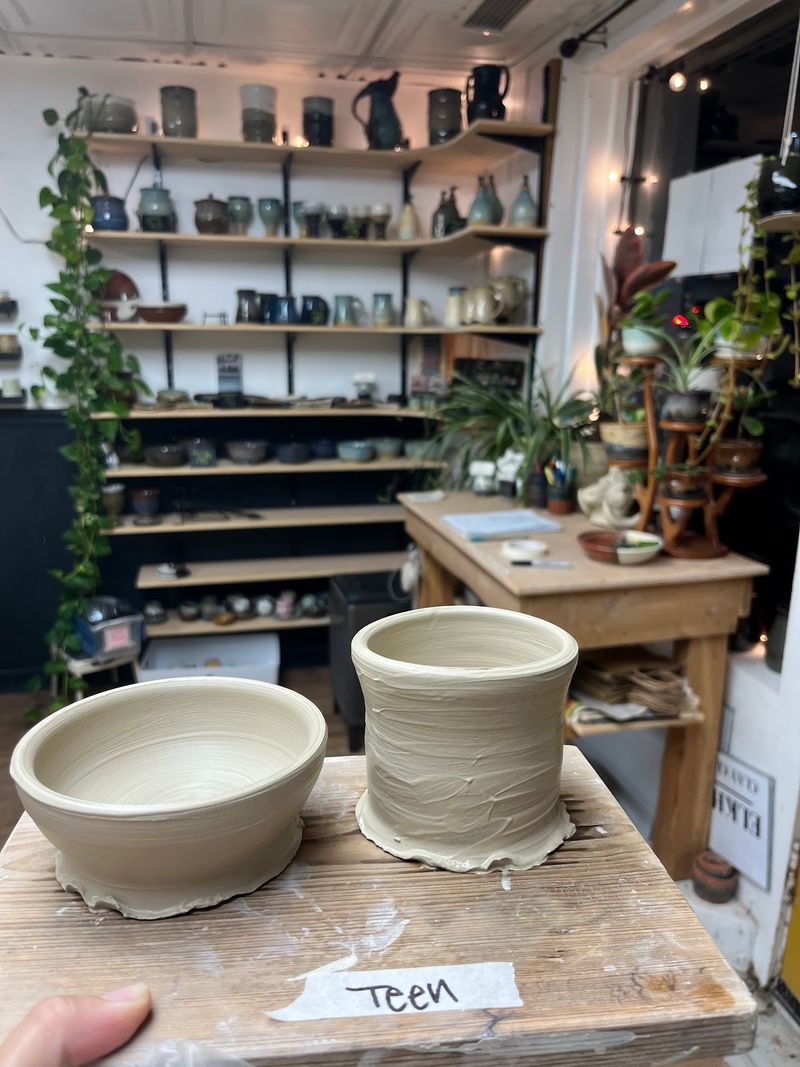
Handles are where mugs get their personality. Think of it as the part of the mug that shakes your hand every morning.
Attaching one takes a gentle touch. The instructors at Elkhorn Pottery show you how to join it so it stays put.
Here is a fun bit of clay science. Potters scratch both surfaces and add a little wet clay called slip to help pieces stick.
It works a lot like glue made from the same material. When fired, the joint becomes part of the mug.
Do not panic if your handle comes out a bit lopsided. Small quirks are exactly what make handmade pottery feel special.
Store-bought mugs all look the same. Yours will carry your fingerprints, maybe literally.
Students say the teachers encourage creativity instead of perfection. When a piece goes off plan, they offer friendly tips to make it even better.
That kind of help turns mistakes into lessons. It also keeps the mood light and fun.
Test your grip while the clay is still soft. Can you fit two fingers, or three?
Choose what feels natural for your hand. A comfortable handle makes a mug you will grab again and again.
A thumb rest is a nice extra touch. Ask how to add one.
Show Up Empty-Handed And Still Make Something
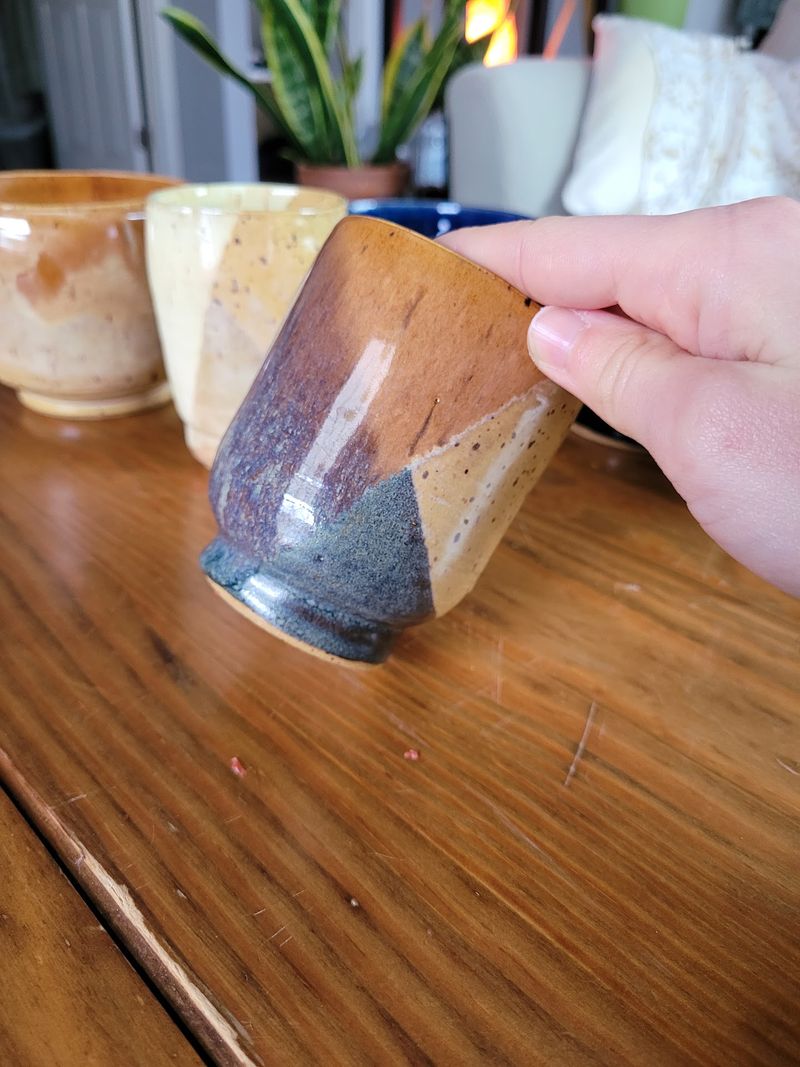
Forget the shopping list. You do not need to buy a single tool before your first class.
Elkhorn Pottery provides everything for its workshops. Clay, tools, and supplies are all ready when you arrive.
That means no guessing which sponge or wire cutter you need. You just roll up your sleeves and get started.
Students mention a solid selection of tools to try. Each one has a job, from smoothing edges to carving shapes.
Wooden ribs help you shape curves. Needle tools trim and poke, and sponges keep surfaces smooth and even.
You will learn what each tool does as you go. By the end, the names will sound less like a foreign language.
Having supplies on hand also keeps costs simple. Students often call the prices very reasonable for what you get.
For a beginner, this setup lowers the stakes. You can test the hobby before spending money on gear.
Still, bring a few smart extras. An old shirt, short fingernails, and hair ties make life easier.
Clay can be cool to the touch and a little gritty. After a few minutes, it starts to feel strangely calming.
Many students say they lose track of time once their hands get busy. That is a pretty good sign you picked the right activity.
The Kiln Does The Heavy Lifting
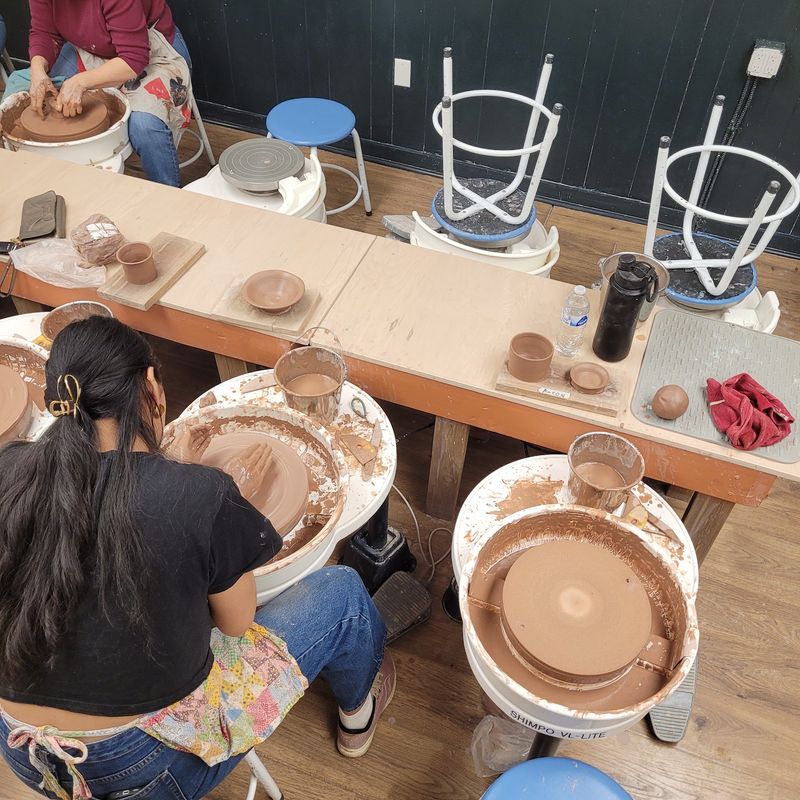
Patience is the secret ingredient nobody puts on the menu. Your mug will not leave with you the same day, and that is normal.
After class, the studio team takes over the tricky parts. They handle the trimming, bisque firing, glazing, and final glaze firing.
Bisque firing is the first trip into the kiln. It turns soft clay into hard, thirsty ceramic that is ready for glaze.
The glaze firing comes next. That heat melts the glaze into a smooth, glassy coat.
You get a choice about color. You can glaze your own mug or let the studio use one of its house glazes.
Students note there are plenty of glazes to pick from. Glazes often look dull before firing, so the final shine can be a happy surprise.
Plan on waiting up to three weeks. Firing takes time, and rushing clay usually ends badly for clay.
Roberto Godoy, one of the owners, knows kilns and wheels well. His background as a mechanic gives him a strong feel for how the machines work.
That know-how helps keep the whole process running smoothly. Your mug is in good hands.
Mark your calendar for pickup day. It feels a little like opening a present you made yourself.
Meet The Hobby Potters Who Opened A Studio
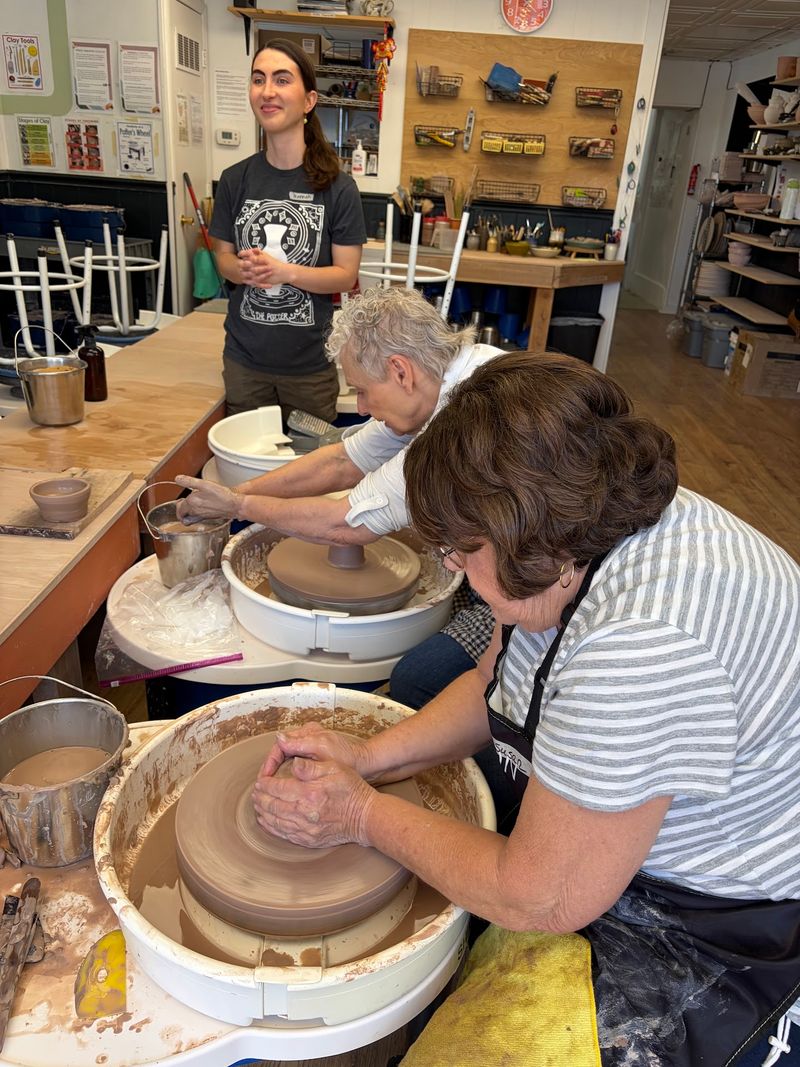
Plenty of people dream of turning a hobby into a job. Hannah Logsdon and Roberto Godoy actually did it.
The couple started out as hobby potters. Now they own Elkhorn Pottery and share their love of clay with the community.
Each brings a different strength to the table. Hannah has an Art degree focused on ceramics and a Master’s in Education.
That mix shows up in class. She knows clay deeply and also knows how to explain it in plain words.
Roberto comes from a mechanic background. He understands the inner workings of kilns and wheels better than most.
Students often describe him as friendly and easy to talk to. Many call both owners patient, encouraging, and fun to learn from.
Other instructors also help lead classes. Students praise the whole team for clear demos and calm guidance.
Teachers tend to give you space to figure things out. They step in when your clay starts heading sideways.
That balance builds real skill and real confidence. You leave feeling like you did the work yourself.
A studio shaped by two curious hobbyists feels different. It feels like they remember exactly how it felt to be new.
And honestly, that memory might be their best teaching tool. It keeps every lesson grounded.
A Four-Legged Studio Greeter Named Atlas

Clay is great, but a studio dog might steal the show. Students often mention Atlas, the resident pup at Elkhorn Pottery.
Atlas gets called sweet, calm, and maybe part of the magic. It is hard to stay stressed when a friendly dog wanders by.
A relaxed mood matters when you are learning something new. Nervous hands make shaky clay, and calm hands make better mugs.
So a gentle furry face can actually help your work. At least that is a fun theory worth testing.
The overall vibe here gets lots of love. People describe it as warm, welcoming, and zero pressure.
Classmates cheer each other on. Some students even drive in from Lexington because the space feels that good.
If you have allergies, keep this in mind before booking. It is always smart to plan ahead.
For most dog fans, though, this is a big bonus. You get art time and puppy time in one trip.
Remember that Atlas is part of the studio family. Ask before offering pets or snacks, and keep clay away from curious noses.
Respecting the studio rules keeps everyone happy. That includes the one with four paws.
Here is a fair guess. Your first photo of the day might not be your mug.
From One Mug To A Brand New Hobby
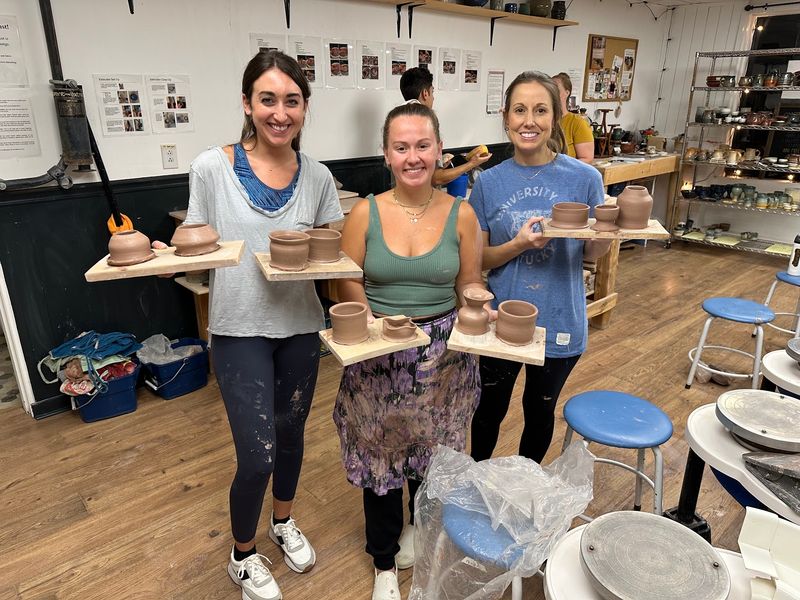
Fair warning: one mug can turn into a full-blown habit. Many people start with a single workshop and come back for more.
Elkhorn Pottery offers several paths after your first project. One-Time Classes give beginners their own wheel and unlimited clay to explore.
Want to go deeper? Multi-week classes, including a popular four-week beginner session, teach the wheel step by step.
Students say each session runs about two and a half hours. That gives you real time to practice and improve.
Seasonal workshops pop up too. A past Pinch Pot Pumpkin class drew families of mixed skill levels.
Parents and teens sign up together, and couples book classes as gifts. Clay turns out to be great for quality time.
For serious fans, memberships offer more studio time. That path suits people ready to practice on their own schedule.
The studio also sells handmade ceramic wares. You can browse finished pieces for ideas or grab a gift.
Here is the honest truth about pottery. Your first mug will not be your best one, and that is the fun part.
Each new piece shows how far your hands have come. So start with the mug and see where the clay takes you.