This Historic Connecticut Homestead Has A Dark Past That Feels Even Creepier Around Halloween
Old houses become much more interesting when you know something unsettling happened to the people who once lived there.
The rooms may look peaceful today, but history can change how you see every doorway.
This historic homestead carries a story tied to a difficult chapter of America’s past, giving visitors far more to think about than antique furniture or centuries-old architecture.
Few historic places in Connecticut combine a preserved family home with a story that feels quite so haunting around Halloween.
The atmosphere does not need artificial scares.
Knowing the real events connected to a place can make an ordinary hallway feel surprisingly solemn. You begin wondering what daily life was like for the family and how quickly everything changed when history intervened.
There is a difference between a ghost story and a genuinely tragic past.
This homestead offers the latter, making an autumn visit an opportunity to discover the human story behind the historic walls.
1. A Historic Farmhouse With A Haunting Story
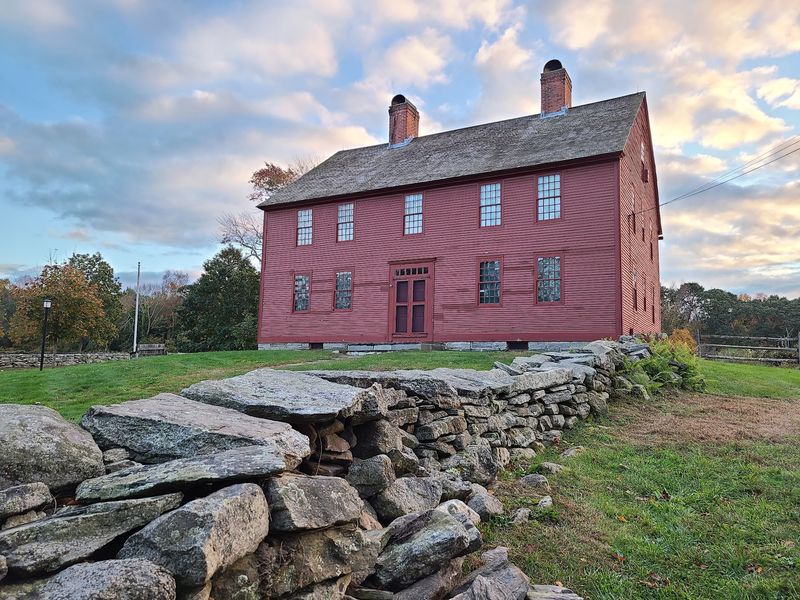
Here is a twist most visitors never expect. Nathan Hale grew up on this very property, but he never lived in the larger farmhouse visitors see today.
His father completed the current Georgian-style home in 1776, replacing the smaller house where Nathan had grown up. Sadly, Nathan never had the chance to live there, as his life came to an end that same year during the Revolutionary War.That timing alone gives the place a heavy feeling.
Yet the stories told here go further, and the homestead has become one of Connecticut’s best-known reportedly haunted sites. Visitors and staff have shared tales over the years that keep people whispering.
One figure often described is Deacon Richard Hale himself, said to appear in colonial clothing. Another is a lady in white, believed by some to be a family servant named Lydia Carpenter, seen sweeping and tidying as if her chores never ended.
Then there are the rattling chains heard from the basement, linked by some to Joseph Hale, a brother held on a British prison ship during the war.
Oddly enough, Nathan is not said to haunt the place at all. Whether you believe the stories or simply enjoy them, they add a fascinating layer to a house already full of history.
Keep your ears open while you walk through.
2. Quiet Country Roads Surround The Property
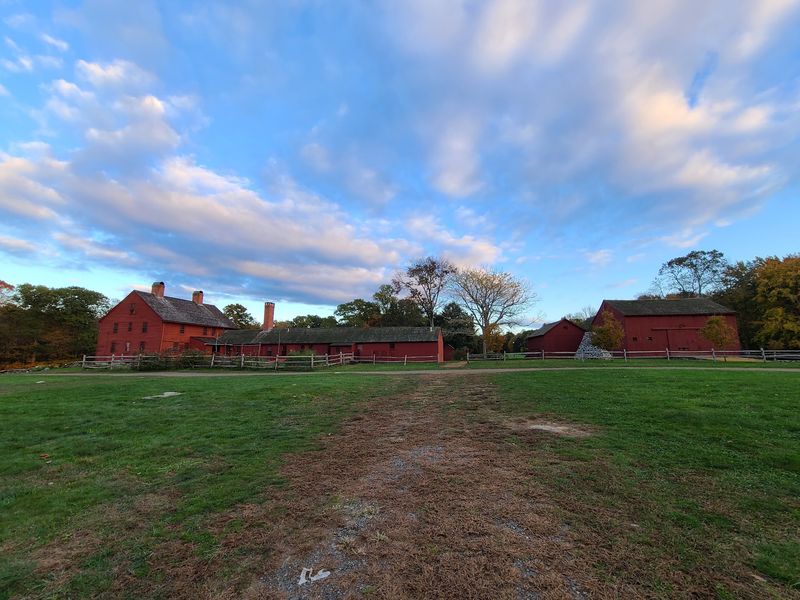
The road feels like a trip back in time! Old stone walls appear between the trees, and open fields stretch beyond the winding country lanes.
By the time you reach the Nathan Hale Homestead Museum, the noise of everyday life feels far behind.
The historic property covers approximately 17 acres and borders the much larger Nathan Hale State Forest. That surrounding woodland gives the homestead a wonderfully quiet atmosphere, especially when autumn leaves begin changing color.
Visitors don’t have to spend their entire outing indoors. Trails behind the property attract hikers, dog walkers, and mountain bikers who enjoy exploring the forest.
Some routes can be difficult to follow, so having a reliable trail map is a good idea.
The peaceful surroundings make even a short walk enjoyable. You might hear birds calling overhead or leaves rustling beneath your feet, with very little traffic noise interrupting the experience.
The homestead stands at 2299 South St, Coventry, CT 06238, surrounded by countryside that still feels closely connected to its farming past.
Parking is available, and picnic tables offer a convenient place to enjoy lunch outdoors. Indoor restroom access may depend on museum opening hours.
During October, the quiet woods and historic buildings create an especially atmospheric setting for a visit.
3. The Childhood Farm Of An American Patriot
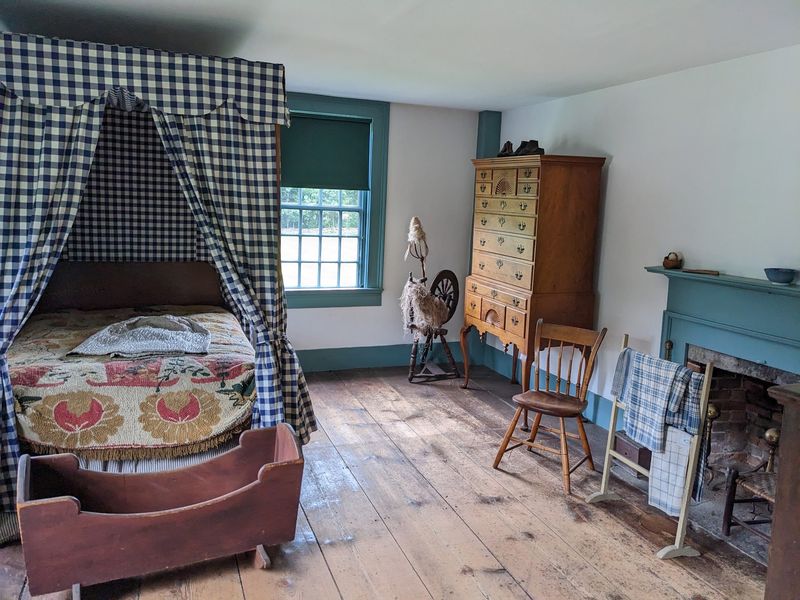
Eight brothers in one family. Six served in the Continental Army.
That’s quite a family story, and it began on a busy farm where Nathan Hale spent his childhood.
Born in 1755, Nathan grew up surrounded by farmland and a large household where everyone had responsibilities. His father had purchased the property in 1740 and built a successful livestock farming operation.
Daily life involved caring for animals and helping keep the farm running. With so many children sharing the work, the household must have been a lively place.
But Nathan’s future extended beyond farming. He showed academic promise early and graduated from Yale College at just eighteen.
Teaching came next, first in East Haddam and later in New London, where he continued working with young students.
The American Revolution eventually changed his path. Nathan joined the Continental Army, following a sense of duty that was also shared by several of his brothers.
Today, the Nathan Hale Homestead Museum offers visitors a chance to explore the family’s history and learn about life during the colonial period.
The surrounding grounds still reflect the property’s agricultural beginnings. It’s worth remembering that before becoming a historic landmark, this was a family farm where children grew up, worked, studied, and prepared for very different futures.
4. Nathan Hale’s Tragic Fate Still Looms Large
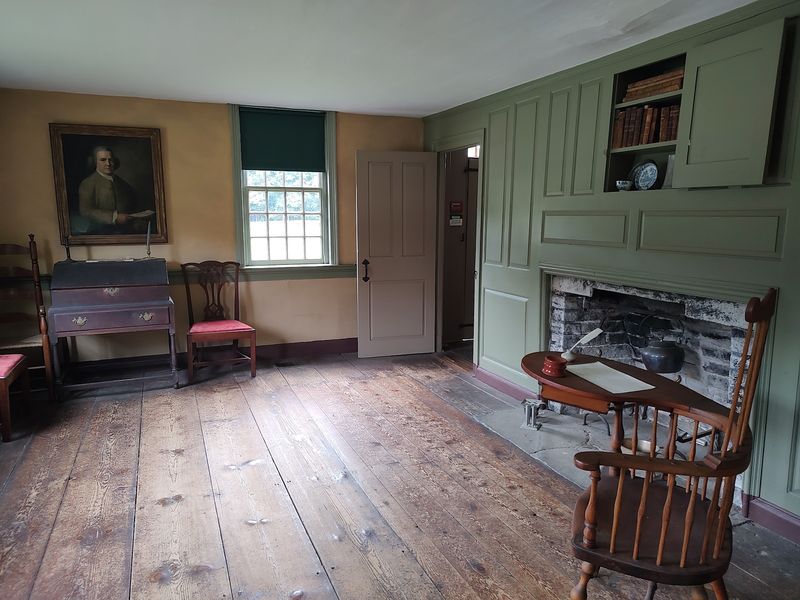
“I only regret that I have but one life to lose for my country.” Those famous words, said to be Nathan Hale’s last, still echo through the state, where he is honored as the official state hero.
His story is brave and heartbreaking. Nathan volunteered to serve as a spy for the Continental Army under General George Washington.
In September 1776, at only 21 years old, he was caught by the British in occupied New York.
Without receiving a formal trial, Nathan lost his life at the hands of British forces on September 22, 1776. His remains were never returned to his family.
To this day, nobody knows exactly where he was buried.
Back in Coventry, his family grew worried when they stopped hearing from him. A brother traveled to meet with the army and ask about Nathan.
He returned with heartbreaking news for the family. Nathan’s personal belongings arrived separately, several months later, in a trunk that remains an important part of the homestead’s history.
That trunk is still in the house. Seeing it in person is one of the most moving parts of a visit, because it turns a textbook story into something you can almost touch.
Take a quiet moment there, and you may feel the weight of what this family lost.
5. Old Rooms Offer A Glimpse Into Colonial Life
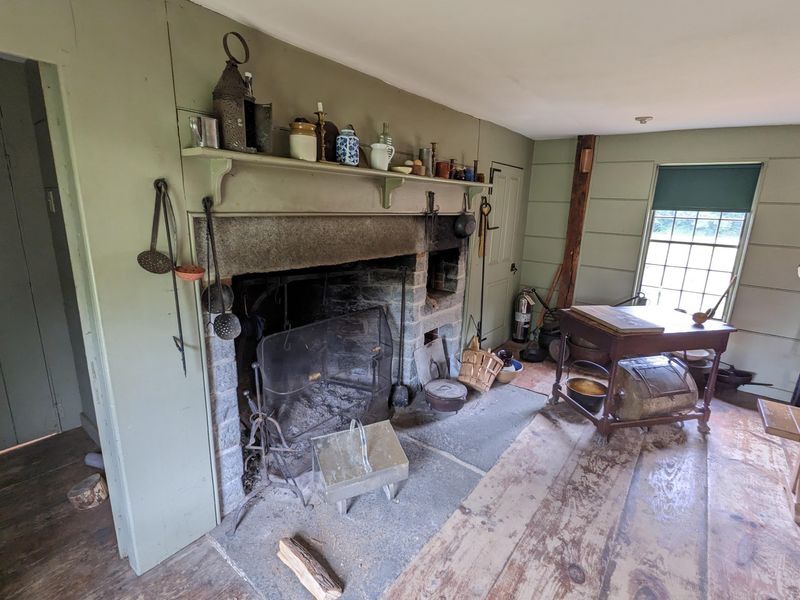
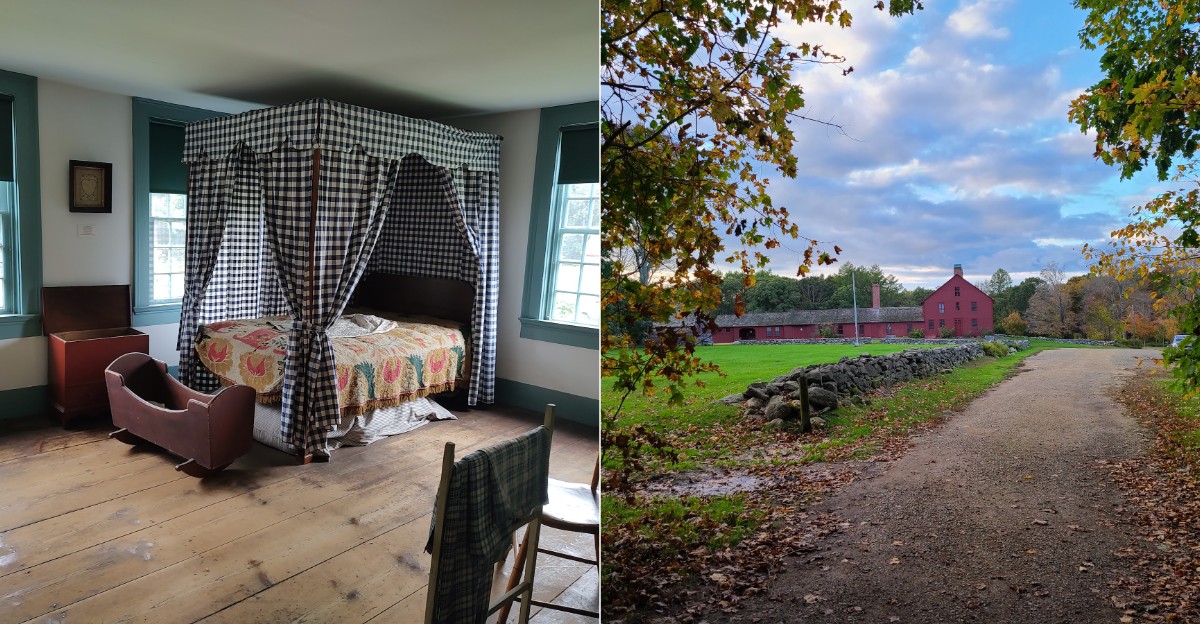
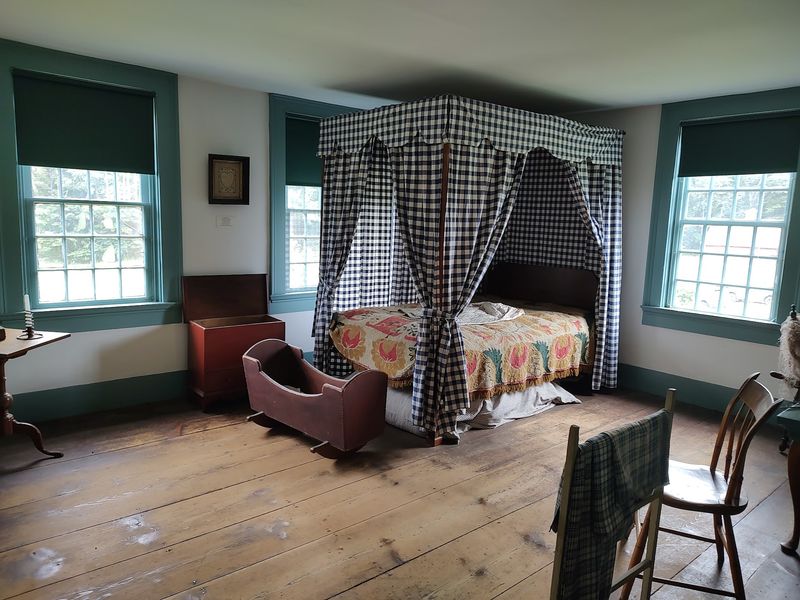
Wide wooden floorboards, a big open hearth, and walls painted in carefully researched colors set the scene once your tour begins. The rooms are filled with Hale family belongings and other period antiques, arranged to match old household records.
Paint analysis helped experts choose historically accurate colors, so what you see is close to what the family would have known. It feels lived in rather than staged.
Guided tours lead you through the house, and visitors often praise the guides as friendly and full of fun facts. One curious stop is a room where small court cases, a bit like today’s small claims court, were once heard.
It is a surprising peek at how neighbors settled arguments long ago.
Outside, the learning keeps going. The property includes historic barns, a schoolhouse moved to the site, and period gardens.
Some programs feature hearth cooking and talks about daily life during the Revolution.
A quick tip: tours start at set times, so you might wait a little if you arrive between them. The house is generally open Friday through Sunday in season, with shorter Sunday hours, but it is wise to check the schedule before heading out.
6. Stories From The Revolutionary War Era
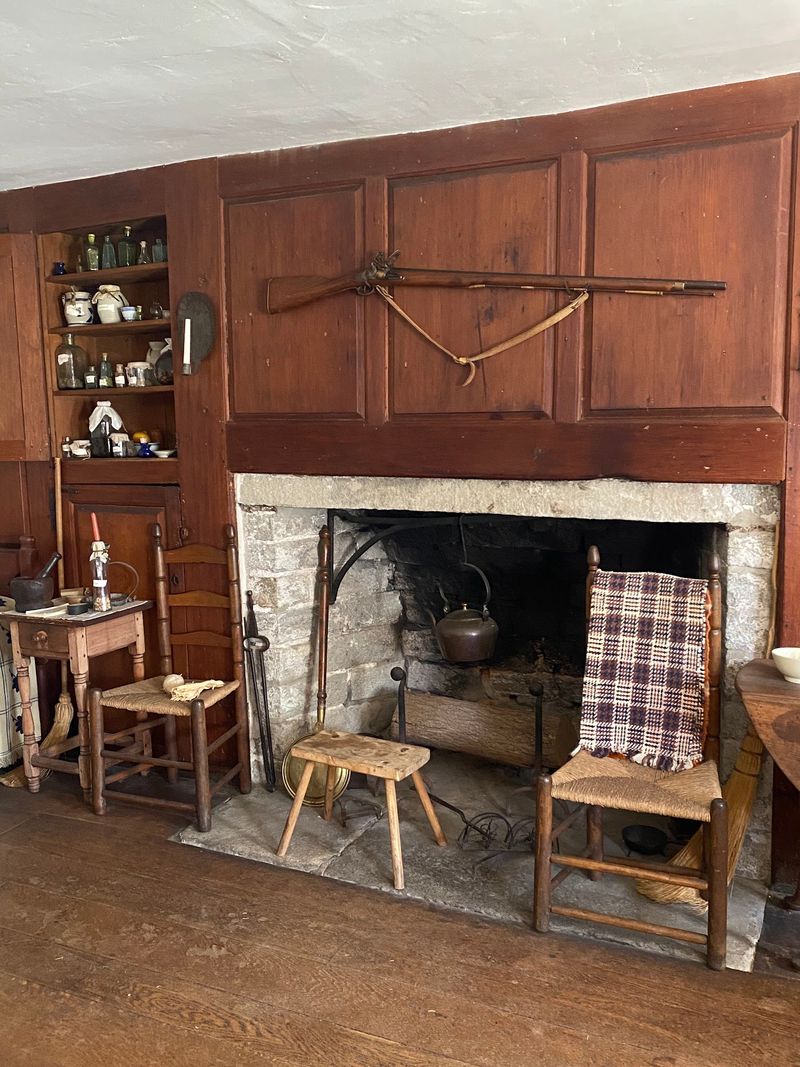
War did not stay on the battlefield for the Hales. It came home with them, filling their farmhouse with grief, hope, and a lot of extra people.
The museum focuses on how ordinary families felt and coped during the American Revolution. The Hale family helped the cause by gathering supplies and supporting neighbors who needed a hand.
Their effort went well beyond sending soldiers.
Sadly, the war brought tremendous loss to the Hale family, whose sacrifices extended far beyond Nathan’s own story. Their widows and children moved into the homestead, and at times the house held somewhere between 12 and 20 people.
Imagine that crowded kitchen on a winter night. Kids underfoot, adults sharing worries, and empty seats where brothers used to sit.
Moments like these help visitors understand that history is really a collection of family stories.
Hale’s mission as a spy sits at the center of it all, of course. Still, the wider family tale gives the visit real depth.
If you go with kids, ask them to imagine living with that many relatives under one roof. It sparks great conversations on the ride home.
7. Autumn Gives The Grounds An Eerie Beauty
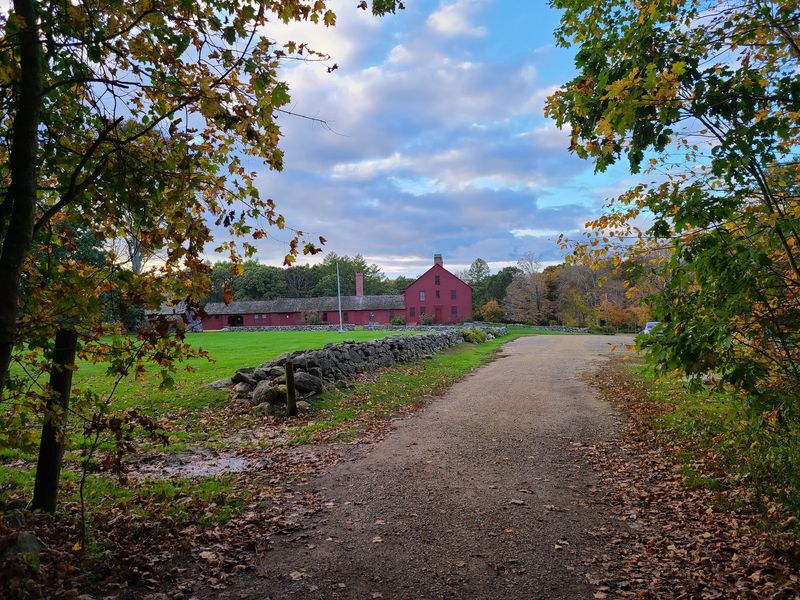
October light does funny things here. In the late afternoon, long shadows stretch across the fields, and the old barns glow orange against a sky that fades fast.
Fall is easily one of the loveliest times to visit. The trees in and around Nathan Hale State Forest turn shades of gold, red, and rust.
Leaves pile up along the stone walls, and the cool air carries that crisp, earthy smell New England is known for.
The grounds also host the Coventry Farmers’ Market, which many visitors rave about for its vendors, music, and lively crowd. It is a cheerful contrast to the spooky side of the property.
You can browse local goods in the sunshine, then return later when things feel more mysterious.
Bring layers, since evenings cool off quickly. Sturdy shoes are a good idea too, especially if you plan to explore the trails or walk through damp grass.
As the days shorten, the setting feels even more remote. The silence grows deeper, and the house seems to watch over its fields.
It is beautiful and a little unsettling at the same time, which is exactly the charm.
8. A Halloween Visit With Real History Behind It
Would you dare climb into a dark attic? With only a flashlight to guide your way, every creaking floorboard feels a little more mysterious.
That’s part of the fun during Things That Go Bump in the Night, a popular October program at the Nathan Hale Homestead.
These special evening tours take visitors through the historic house, where guides share eerie experiences reported by staff and guests over the years. The property’s reputation even attracted attention from the television series Ghost Hunters.
But the experience goes beyond ghost stories. Visitors also learn about unusual 18th-century mourning traditions and how families handled difficult moments in colonial times.
Historical objects and carefully arranged displays help bring those customs into focus.
The dim lighting adds plenty of atmosphere, especially when the tour reaches the attic. Even familiar household sounds can seem mysterious inside such an old building.
These seasonal tours are especially popular, and tickets for the 2026 Things That Go Bump in the Night program have already sold out.
Comfortable shoes are helpful for moving through the house, and a dependable flashlight is worth bringing along. October evenings can also get chilly, making warm clothing a sensible choice.
You don’t have to believe in ghosts to enjoy an evening filled with curious stories and fascinating local history.