10 Nebraska Hiking Trails Locals Avoid In September Because The Rattlesnakes Are Too Active
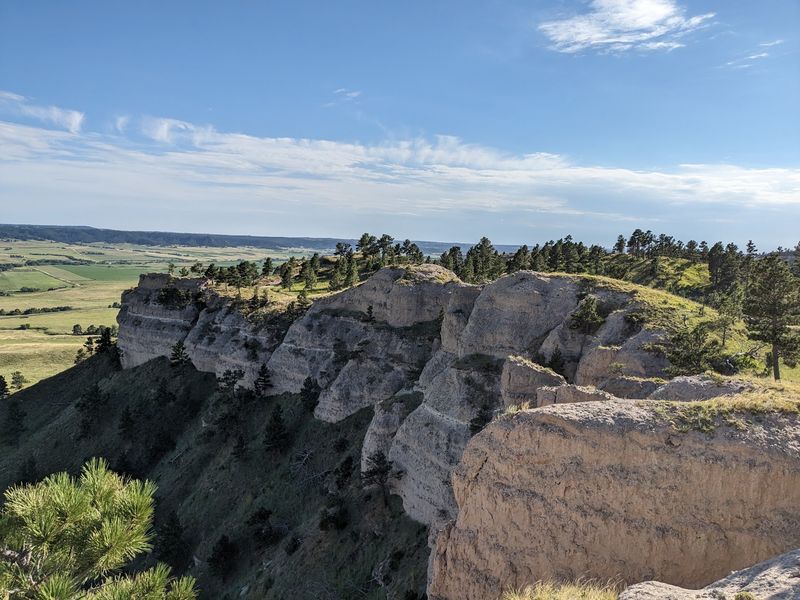
Prairie rattlesnakes in western Nebraska are known to stretch out on warm, paved trails to soak up heat. Some of the state’s most famous paths are paved, so hikers there learn to watch the ground as closely as the view.
Cooler fall days can bring snakes out in the open. They bask on rocks, asphalt, and bare ground, and many travel toward winter dens around this time of year.
I love the irony that the trails with the best scenery often double as snake lounges. Sunbaked bluffs, rocky ledges, and sandy ridges hold heat all afternoon, and that is exactly what a cold-blooded reptile wants.
These ten trails are still beautiful and well worth seeing, but they reward careful eyes and sturdy boots right now. Would you head out anyway, or wait for the first hard frost to send the rattlers underground?
1. Scotts Bluff National Monument
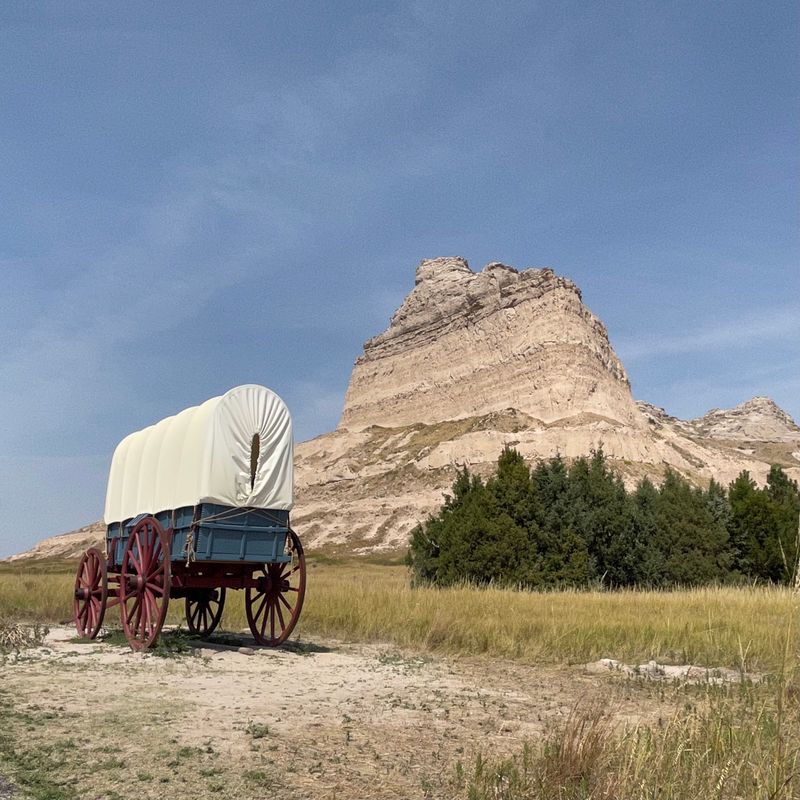
Oregon Trail travelers once used this giant bluff as a landmark, and rattlesnakes now treat it like a sun deck. The monument covers about 3,000 acres of prairie and rock that rise roughly 800 feet above the North Platte River.
You get paved trails, a walk through a rock tunnel, and wide views across the North Platte Valley. It’s a history lesson and a scenic overlook rolled into one stop.
Here’s the catch for early fall hikers. Prairie rattlesnakes live here, and signs warn visitors about them along the trails.
Paved paths hold heat, which makes them a favorite basking spot when the air turns cooler. Snakes have been spotted right on the walkways, so keep your eyes on the ground between photos.
Stay on developed trails and skip the tall grass shortcuts. Kids will love the views, but they should walk where you can see their feet.
Collectors of national park passport stamps can grab one here too. It’s a small souvenir that might push you toward exploring more sites across the country.
Treat the rattlers with respect and this Nebraska landmark pays off with some of the best views in the Panhandle.
Address: 190276 Old Oregon Trail, Gering, Nebraska 69341
2. Saddle Rock Trail
Asphalt switchbacks climbing a sandstone bluff sound like a hiker’s dream. To a prairie rattlesnake, they sound like a heated bed.
Saddle Rock Trail runs about 1.6 miles one way from the visitor center to the summit. You’ll gain around 435 feet along the way, which keeps your legs honest without wrecking them.
The paved surface is the big reason it lands on this list. Rattlesnakes are known to sun themselves right on the trail, especially when cool mornings give way to warm afternoons.
Hikers who finish the round trip often mention spotting one from a safe distance. That’s the ideal way to meet a rattler, by the way.
The route also passes through a short rock tunnel, which is a fun surprise on the climb. Just remember that rocky edges near the path give snakes plenty of shady hideouts.
Bring water and walk at a steady pace while scanning a few steps ahead. Earbuds can wait, since a rattle is a sound you’ll want to hear.
Reach the top and the reward is huge. The valley spreads out below you like a map of the old trail days.
Address: Gering, Nebraska 69341
3. Chimney Rock National Historic Site
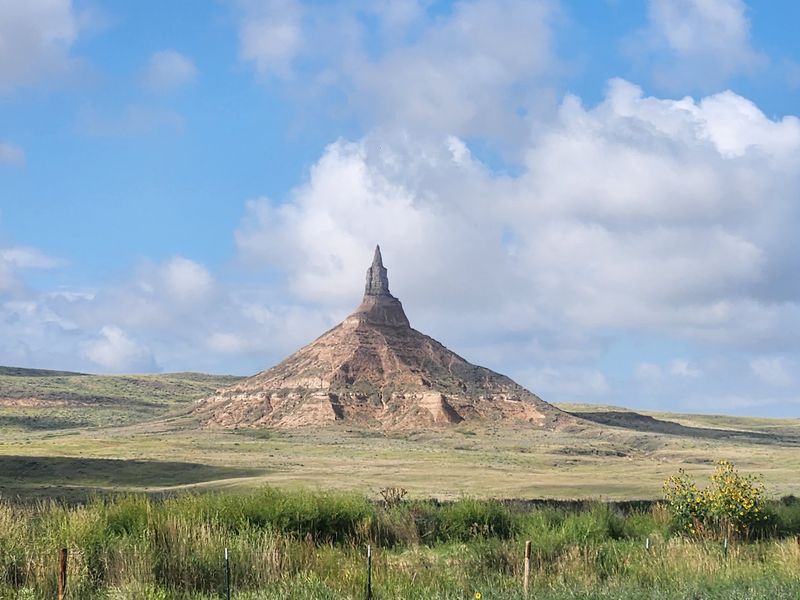
Few rocks in America got more mentions in pioneer diaries than this skinny spire. These days, the trail to its base gets plenty of mentions for a different reason.
Chimney Rock is an iconic Oregon Trail landmark with a visitor center and walking trails. Several loop paths lead toward the formation, and you can also drive to a closer parking lot.
The packed gravel trail to the base is narrow. That matters, because rattlesnake warnings show up along the route and there’s not much room to step around a surprise.
Grass brushes close to the path in spots. Long pants and closed shoes make a lot of sense here, even on a warm afternoon.
If you’d rather keep things simple, the visitor center offers a great look at the rock without the hike. You’ll still get the history and the photo.
Hikers who do go should stay alert and keep pets on a short leash. A curious dog nosing into the grass is exactly the kind of trouble you want to avoid.
Honestly, the spire looks just as impressive from a respectful distance. Your ankles may thank you for that choice.
Address: Chimney Rock Trail, Bayard, Nebraska 69334
4. Toadstool Geological Park and Campground
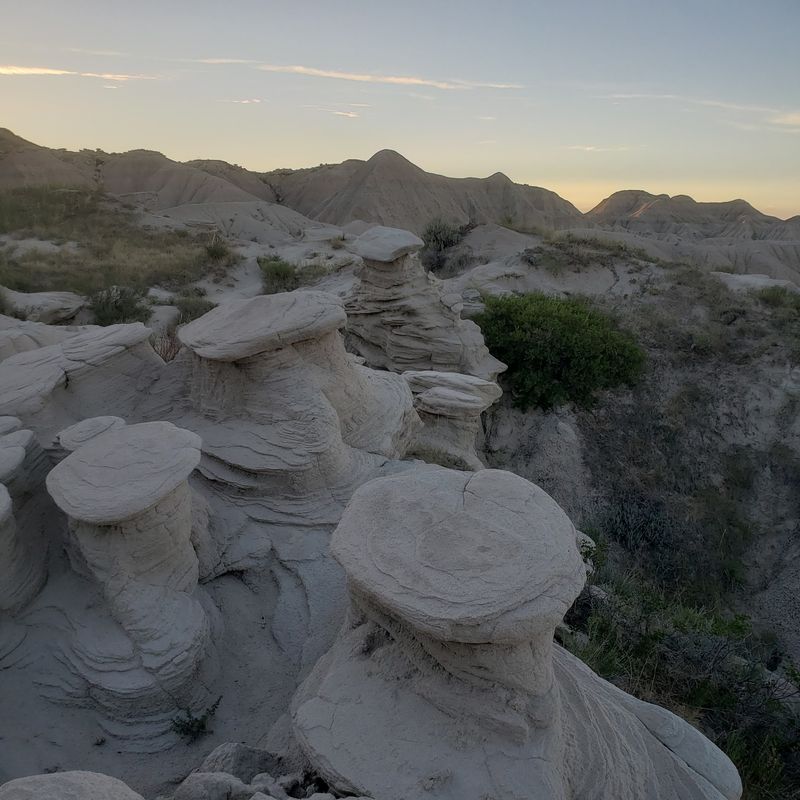
Strange rock caps balanced on clay pillars make this place look like another planet. Rattlesnakes seem to love the alien real estate.
Toadstool Geological Park sits in the remote Oglala National Grassland. Its badlands hold odd formations, fossil tracks, and a roughly 2-mile loop trail that kids can handle.
Broken rock and deep crevices give prairie rattlesnakes shelter from heat and cold. In late summer and early fall, they move through the area and bask on exposed rock.
Watch where you put your hands while scrambling. A shady crack that looks perfect for a grip might already have a tenant.
The park includes a primitive campground with picnic tables, grills, and a public restroom. Dogs are allowed, so keep yours close and away from rocky gaps.
Remote also means help isn’t around the corner. Pack plenty of water and let someone know your plans before you head out.
Go early in the day for softer light and cooler ground. The badlands glow beautifully, and you can spot movement on the trail more easily.
Address: Harrison, Nebraska 69346
5. Nebraska National Forest, Bessey Ranger District
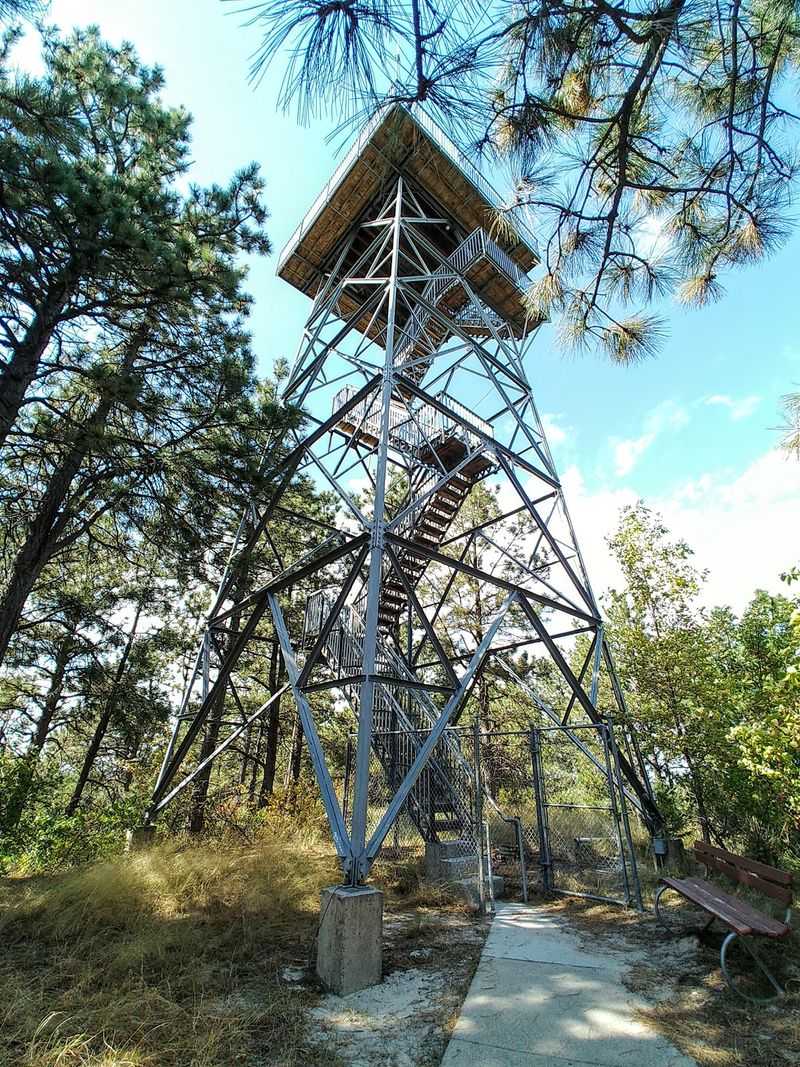
A forest planted by hand in the middle of the Sandhills is a Nebraska story worth bragging about. It’s also a spot where rattlers keep an afternoon routine.
The Bessey Ranger District offers camping, picnic areas, and trails for hiking and off-roading. A popular route runs about 3 miles from the ranger station to Scott Tower, making a 6-mile round trip.
Sandy ground and open slopes warm up fast after lunch. Rattlesnakes are known to den in the area and come out to sun themselves in the afternoon.
That timing gives you a simple strategy. Start your hike in the morning, when the ground is cooler and the snakes are less likely to be stretched across the trail.
The climb to the tower rewards you with a sweeping look over pine rows and grass-covered dunes. It’s a view most folks don’t expect from this part of the state.
Picnic tables, grills, and restrooms make it easy to turn the hike into a full day. Kid-friendly trails are available too.
Just keep little ones on the path and out of the sandy brush. A cautious morning here still beats plenty of other weekends.
Address: 40637 River Loop, Halsey, Nebraska 69142
6. Indian Cave State Park
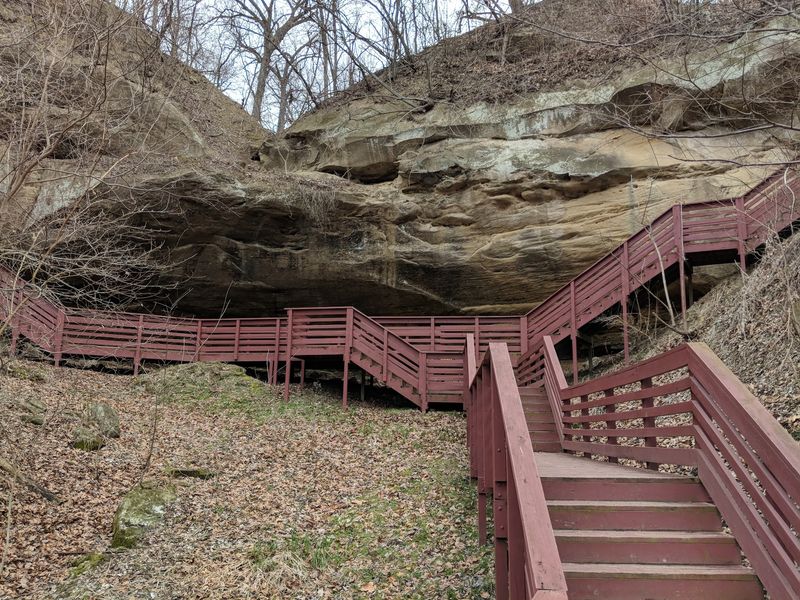
Ancient carvings on a sandstone wall would be enough reason to visit. The timber rattlesnakes living in the surrounding woods add a twist most visitors don’t see coming.
Indian Cave State Park covers more than 3,000 acres of forested bluffs above the Missouri River. About 22 miles of numbered trails wind through hardwoods, ridgetops, and prairie.
The park’s namesake cave holds prehistoric petroglyphs. The steps down to the cave are currently closed, so plan to enjoy the trails instead.
Unlike the western spots on this list, these woods host timber rattlesnakes. They blend into leaf litter remarkably well, so stepping over logs deserves extra care.
Snakes aren’t the only critters to watch for. Mosquitoes and ticks can be heavy here, so bug spray and a tick check after your hike are smart moves.
The hikes can be challenging, with steep climbs up the bluffs. Horseback riding trails, campgrounds, and a playground round out the options.
Bring a walking stick and take your time on the ridges. The river views from the top are worth every careful step.
Address: 65296 720 Rd, Shubert, Nebraska 68437
7. Fort Robinson State Park
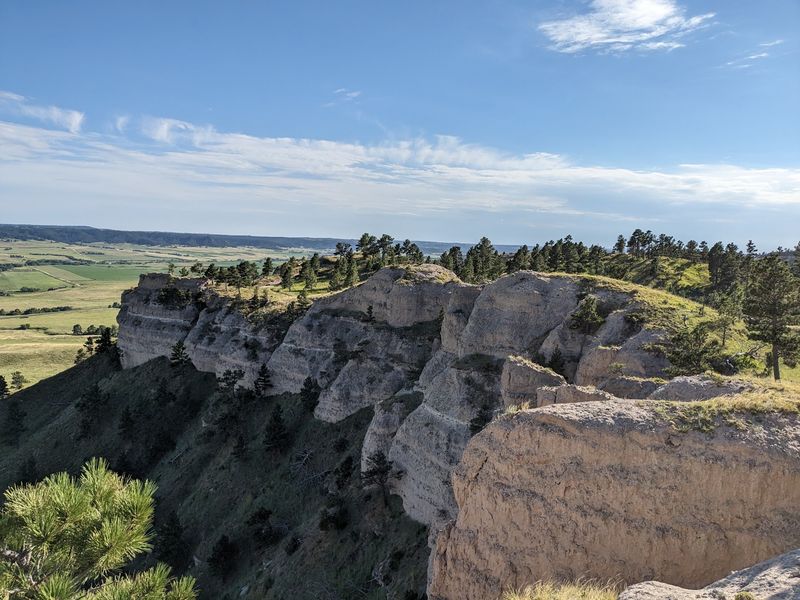
Nebraska’s largest state park sprawls across roughly 22,000 acres, and the rattlers have plenty of room to roam. So do you, if you watch your footing.
Fort Robinson sits in the Pine Ridge country of northwest Nebraska. Around 60 miles of trails cross meadows, ponderosa pine forests, and rocky buttes.
Those rocky outcrops are prime basking spots for prairie rattlesnakes. The snakes are present in warmer months, and early fall sunshine keeps them active on the slopes.
Trails range from easy to moderate, so you can choose your challenge. Stick to the marked paths and avoid reaching onto ledges while you climb.
The park offers far more than hiking. You’ll find museums, a buffalo herd, stagecoach rides, jeep rides, horseback riding, a pool, and a lodge with a restaurant.
That variety makes it easy to plan around the snakes. Hike in the cool morning, then spend the warm afternoon exploring the history and the herd.
Families get a playground and picnic areas too. It’s the kind of place where a single weekend never feels like quite enough time.
Address: Soldier Creek Rd and US Hwy 20, Crawford, Nebraska 69339
8. Windlass Hill
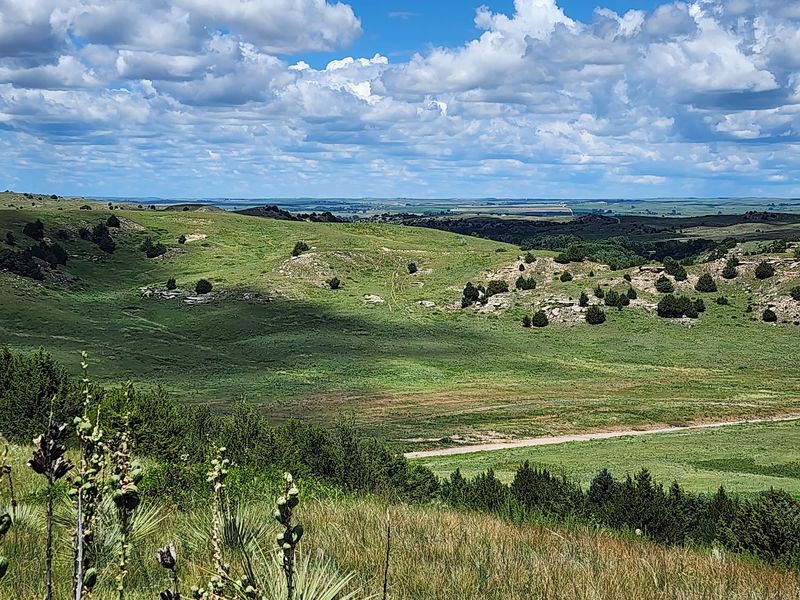
Pioneers had to lower their wagons down this slope with ropes and locked wheels. You only have to climb it, but keep an eye out for scaly company.
Windlass Hill is part of Ash Hollow State Historical Park. It features a steep, paved hiking trail and some of the clearest Oregon Trail wagon ruts you’ll ever see.
The ruts carve deep lines into the hillside. Standing beside them makes the hard work of those old journeys feel very real.
Rattlesnakes are present here, and the warm pavement and grassy slopes suit them well. Stay on the trail and resist the urge to wander into the grass for a closer look.
The climb is short but steep, so take breaks and bring water. Dogs are allowed, and keeping them leashed protects both pup and snake.
Kids usually love the history angle once they spot the ruts. Hold small hands near the edges where the grass grows thick.
From the top, the North Platte Valley stretches wide in every direction. It’s a quick stop with a big payoff for anyone driving Highway 26.
Address: 4055 US-26, Lewellen, Nebraska 69147
9. Lake McConaughy State Recreation Area And Wildlife Management Area
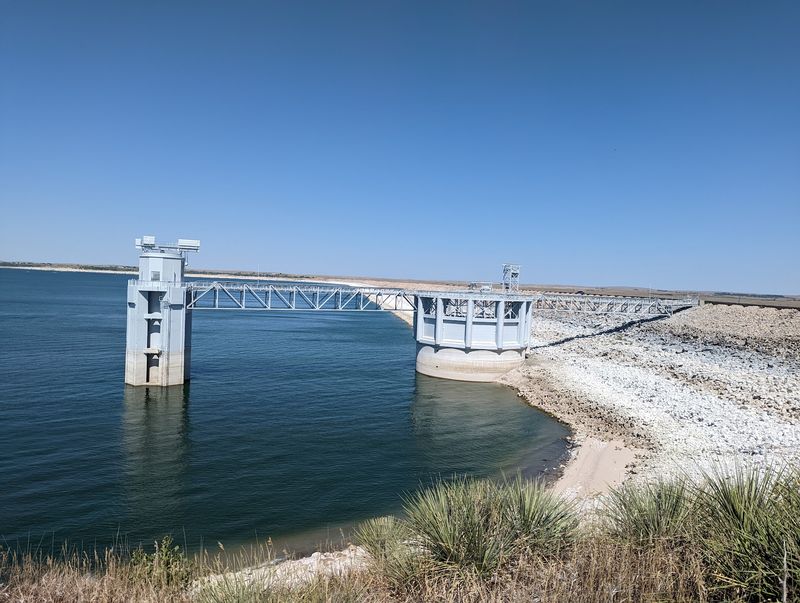
White sand beaches in western Nebraska feel almost too good to be true. Rattlesnakes apparently agree, because they like the shoreline too.
Lake McConaughy is Nebraska’s largest reservoir, covering about 30,000 surface acres with more than 100 miles of shoreline. Most people come for swimming, boating, fishing, and beach camping.
Shoreline hikes and kid-friendly trails add another way to explore. The rocky areas deserve the most attention from hikers.
Prairie rattlesnakes gather near rocky outcrops and the granite riprap along Kingsley Dam. During dry spells, they head toward the water, which puts them close to where people play.
Snakes have even been spotted near swimmers. Watch the edges of the beach and avoid climbing on rock piles along the shore.
Picnic tables, grills, restrooms, and a playground make it easy to settle in for the day. Dogs are welcome, so keep yours away from the rocks.
Quieter weekdays give you more space and easier spotting on open sand. Pick a calm morning and the lake looks like a postcard you can walk into.
Address: 1475 NE-61, Ogallala, Nebraska 69153
10. Ponca State Park
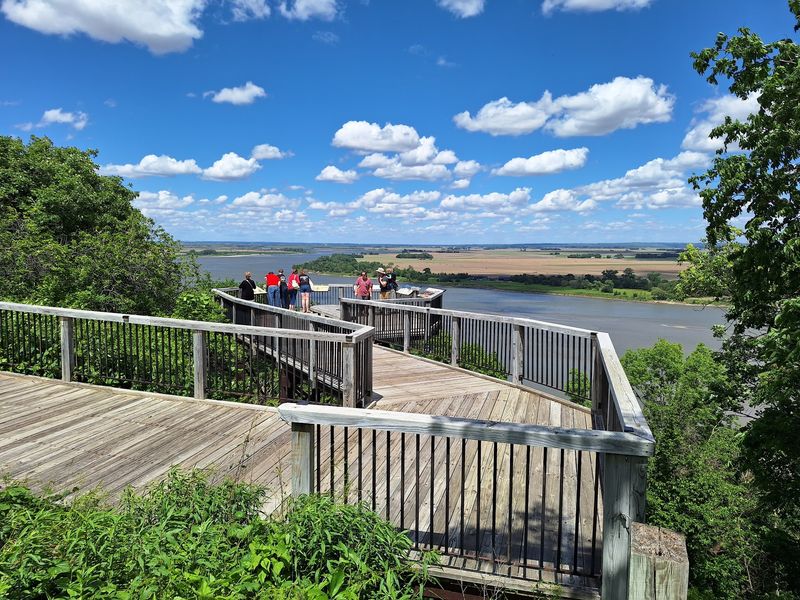
Bluff-top views of the Missouri River draw hikers to this corner of northeast Nebraska. Down by the water, though, rattlers sometimes claim the scenery first.
Ponca State Park spans about 2,400 forested acres. You’ll find cabins, a swimming pool, horse rides, wildlife viewing blinds, and miles of well-marked trails.
Rattlesnakes have turned up near the campground along the river. That’s a good reminder that snakes aren’t only a Panhandle concern.
Start at the education center before you hit the trails. Staff there can point you toward the most interesting hikes for your time and energy.
Wooded paths mean leaves, logs, and plenty of hiding spots. Step on top of logs instead of over them, so you can see what’s on the other side.
Families get playgrounds, picnic spots, and kid-friendly hikes. It’s even popular for birthday outings, which says a lot about how easy the park is to enjoy.
Stay alert near the riverbank and your reward is a forest full of color and wide river views. Not a bad trade for watching your step a little closer.
Address: 88090 Spur 26 E, Ponca, Nebraska 68770