Reaching This Old Idaho Homestead Ranch Takes A Jet Boat Ride Up The Deepest Gorge In North America
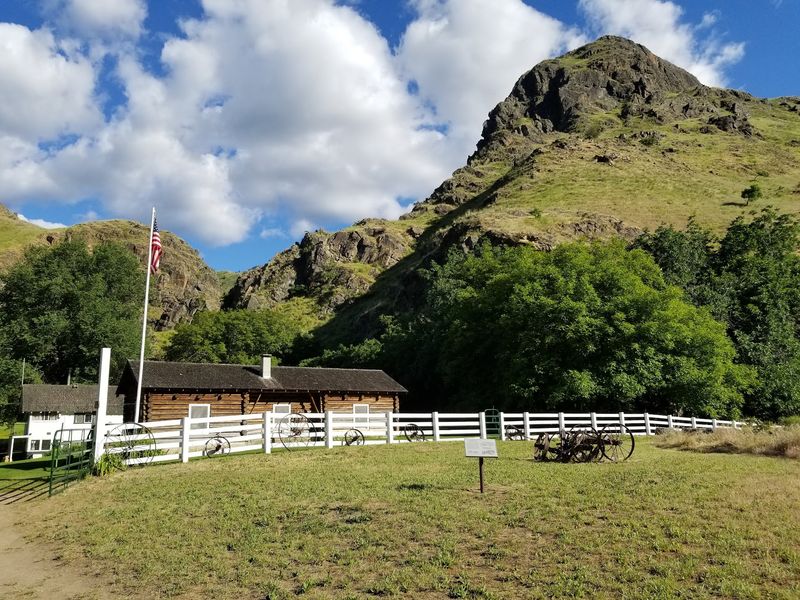
A flush toilet waits at the bottom of North America’s deepest river gorge. It sits beside a green lawn, a pioneer ranch house, and a tiny museum full of canyon history.
Getting there is the fun part. Most people arrive by jet boat, roaring up the Snake River between walls of dark basalt.
A few hardy souls hike six miles of trail instead.
I love that this Idaho treasure still feels like a secret. The buildings tell stories of ranchers, sheep herders, and the Nez Perce families who wintered here long before them.
I can’t imagine a better excuse to spend a day on the river. You get whitewater, wildlife, and a history lesson that comes with picnic tables.
So what does a ranch this far from any road actually look like up close?
A Ranch Where The River Is The Driveway
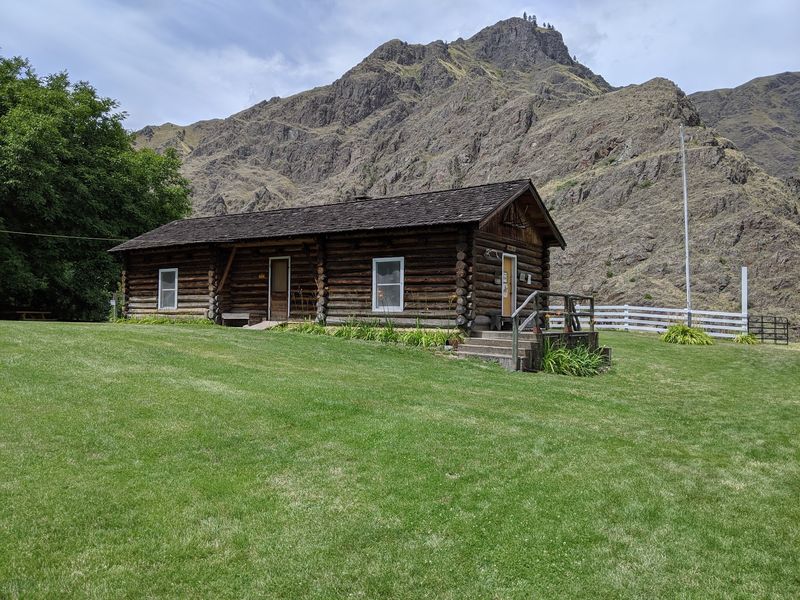
Roads quit long before the canyon floor does. Kirkwood Ranch sits on the Idaho side of the Snake River, deep inside the Hells Canyon National Recreation Area.
Its mailing address lists Riggins, but you won’t be driving up to the front gate.
Most visitors arrive by jet boat, and that ride is half the reason to come. Hikers can also reach the ranch on a trail of about six miles.
Some experienced drivers have even made the rough trip down by UTV or overland rig.
Once you step off the boat, the setting feels almost tidy for such a wild spot. You’ll find a mowed lawn, historic ranch buildings, and a small museum.
There are also picnic tables and those famous flush toilets.
The U.S. Forest Service runs the site as a historic ranch and interpretive stop.
That means the buildings stay cared for, and the stories stay told. Volunteer caretakers have looked after the place for years, often staying through the long summer season.
It’s a pioneer homestead with a waterfront entrance. Honestly, few Idaho ranches can claim a front porch view quite like this one.
Hold Your Hat, Because The Jet Boat Means Business
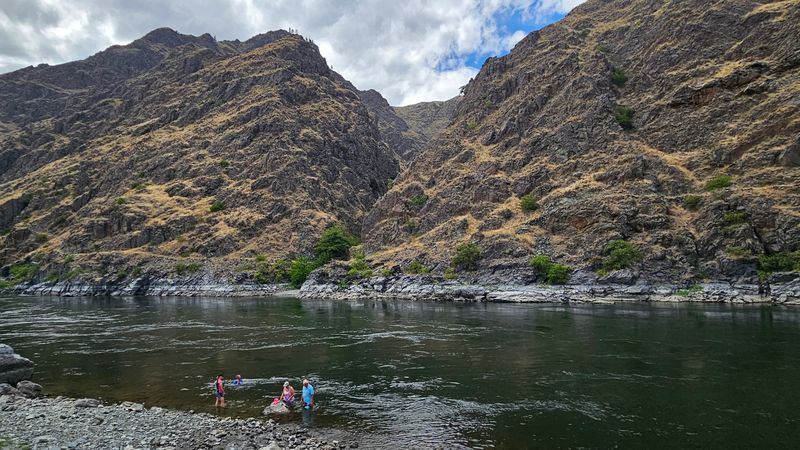
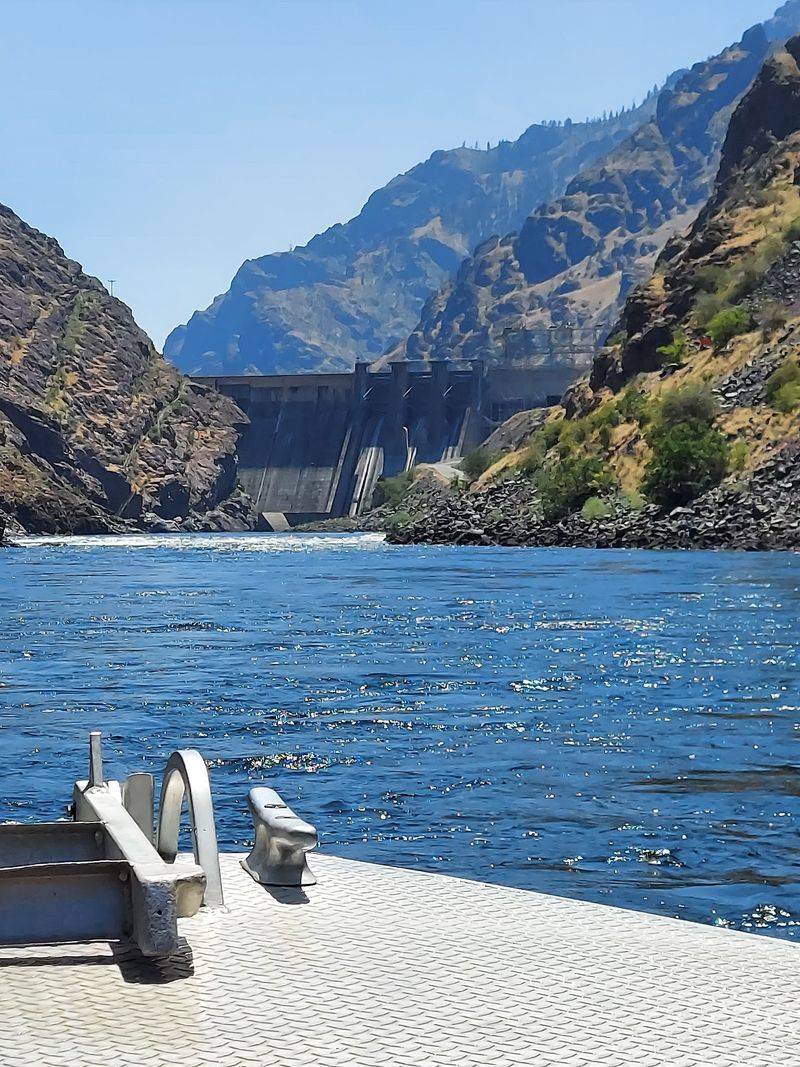
Whitewater rapids stand between you and lunch. Jet boats are built for exactly that job, skimming shallow riffles and punching through churning stretches of the Snake River.
Calm pools in between give everyone a chance to catch their breath.
Several licensed outfitters run trips into Hells Canyon, and many include a stop at Kirkwood Ranch. Some trips launch from Lewiston or Clarkston, while others work out of the Riggins and White Bird areas.
Full-day tours often cover many river miles and run about six hours on the water.
Your captain does more than steer. Guides point out rock formations, old homestead sites, and wildlife along the banks.
Expect plenty of stories about the people who once scratched out a living down here.
Spray happens, so pack layers you don’t mind getting damp. Sunscreen, sunglasses, a hat, and a camera all earn their spot in your bag.
One firm rule from charter operators deserves attention. Show up hydrated and clear-headed, because captains can refuse passengers who aren’t fit for the trip.
The canyon rewards people who come prepared.
Deeper Than The Grand Canyon, And Idaho Gets Bragging Rights
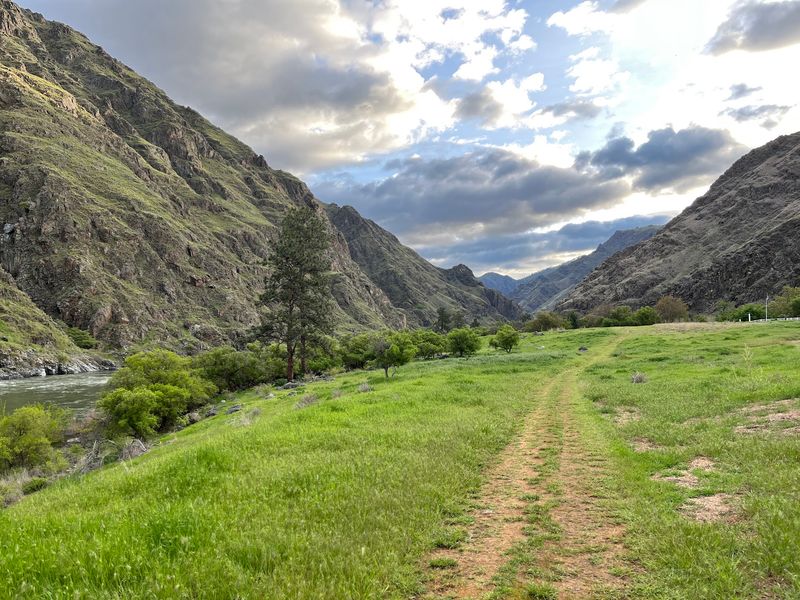
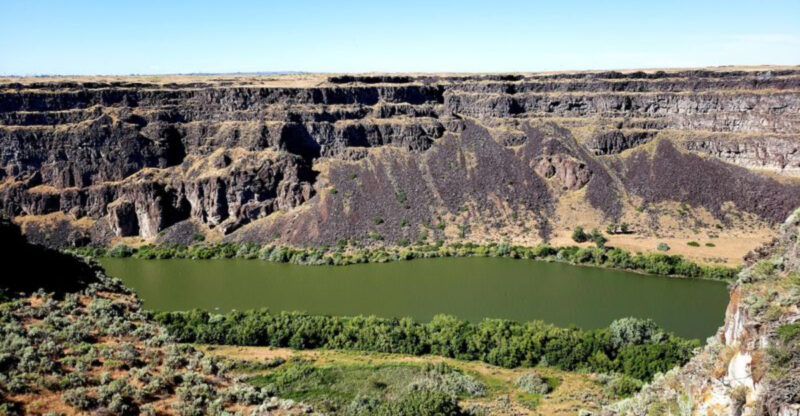
He Devil Peak towers 9,393 feet above sea level, and the river below sits nearly 8,000 feet lower. That drop makes Hells Canyon the deepest river gorge in North America.
Yes, it outdoes the Grand Canyon on depth.
The Snake River carved this trench over a very long stretch of time. Layers of dark basalt line the walls, stacked like a giant geological layer cake.
Every bend reveals another set of cliffs and grassy benches.
The canyon forms part of the border between Idaho and Oregon. Kirkwood sits on the Idaho bank, where a flat bar of land gave early settlers room to farm and graze animals.
Flat ground is rare down here, which explains why people kept choosing this spot.
Craning your neck becomes a habit on the ride up. The Seven Devils Mountains rise on the Idaho side, adding jagged peaks to the skyline.
The scale also explains the solitude. With no highway noise and few neighbors, sound carries across the water.
You might hear the river more clearly than you’ve heard anything all week.
Nez Perce Winters Long Before The First Fence Post
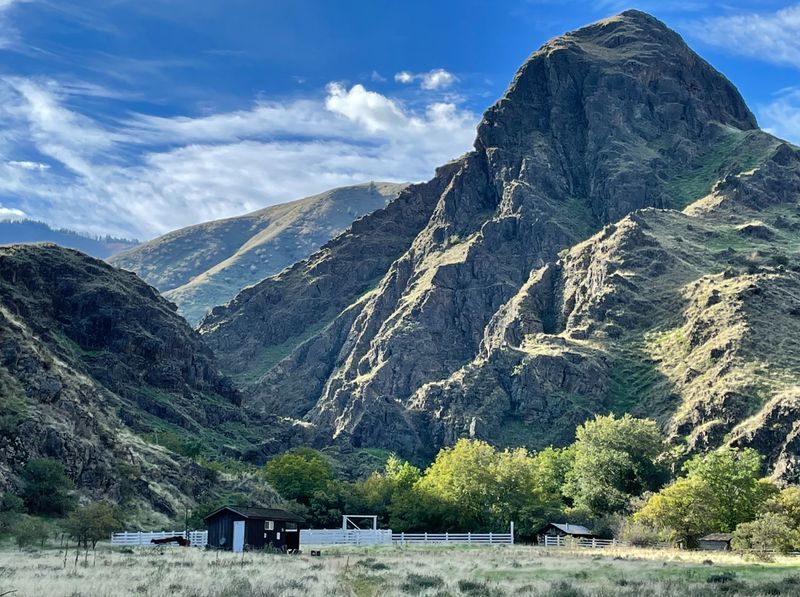
Long before any ranch house went up, Nez Perce families spent winters along this stretch of the Snake River. The canyon floor offered milder weather than the high country above.
It also offered fish, game, and shelter.
Traces of those winters remain throughout the canyon. Archaeologists have documented pit house sites at places like Kirkwood Bar.
Pictographs and petroglyphs appear at other river spots, including the well-known Buffalo Eddy downstream.
Kirkwood’s museum shares part of that Native American story alongside ranching history. It’s a good reminder that the canyon was a home for generations before it became a homestead.
Jet boat guides often talk about these sites as you travel. Listen closely, because the stories add real depth to the scenery.
A basalt cliff looks different once you know people have lived beneath it for centuries.
Treat any rock art or old site with care if you see one. Look and photograph, but don’t touch, chalk, or stack rocks.
Keeping these places untouched is how they last for the next generation of Idaho kids to see.
Cattle, Sheep, And A Whole Lot Of Grit
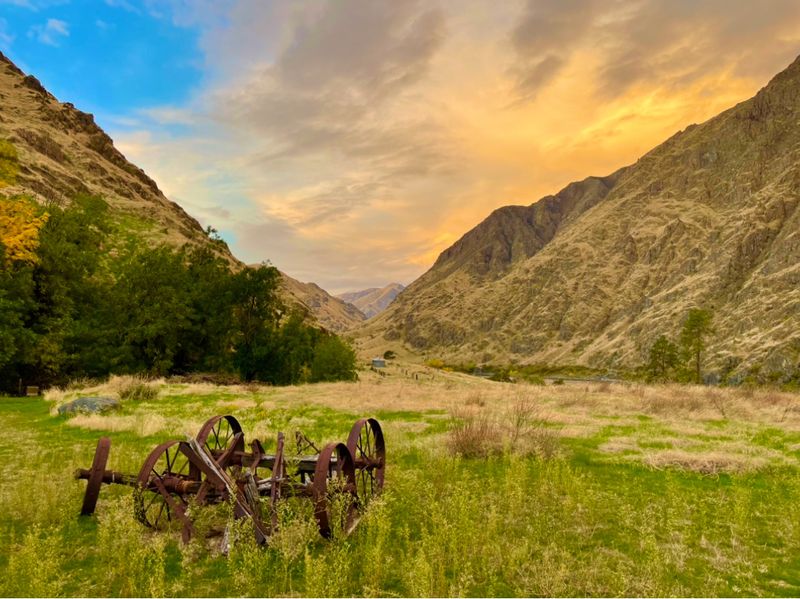
Ranching at the bottom of a canyon sounds like a dare. Settlers took it anyway, and the Kirkwood bar eventually became home to cattle and later sheep operations.
Getting supplies in meant boats, pack animals, and plenty of patience.
The Forest Service now interprets the ranch to show canyon life around the 1930s. That era gives visitors a snapshot of how families cooked, worked, and got by with almost no outside help.
Life ran on the river and the seasons. Mail and goods arrived by boat, and the nearest town was a serious journey away.
Neighbors lived miles apart along scattered river bars.
Walking the grounds helps all of that sink in. The fences, barns, and outbuildings show how much hand labor the place demanded.
Nothing here came easy, and you can sense it in the weathered wood.
Kirkwood Historic Ranch also connects to a famous canyon name. The Carter family ranched here, and Grace Jordan wrote about canyon life in her book Home Below Hell’s Canyon.
Reading it before your trip makes the visit feel like meeting old characters in person.
Old Cabins, Barns, And A Ranch House Worth Wandering
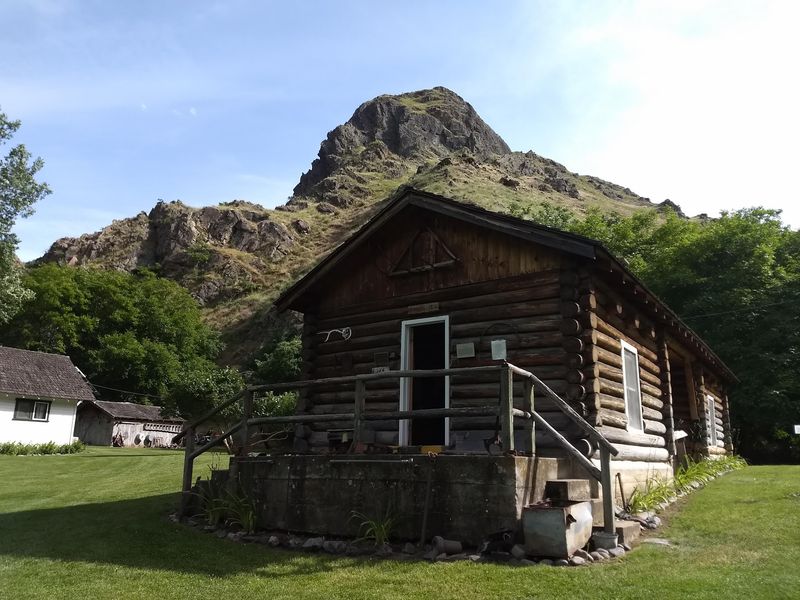
Several buildings still stand on the property, and each one adds a chapter. The ranch house anchors the grounds, joined by bunkhouses and a collection of outbuildings.
A barn rounds out the working-ranch picture.
Wandering between them is the easiest way to spend your stop. Paths connect the structures across the lawn, so you can take your time.
Short trails also lead around the property for anyone wanting a little more walking.
Notice how the buildings fit the land. They sit on the flattest ground available, close to the river that supplied everything.
Steep slopes rise right behind them, which makes the whole scene feel tucked against the canyon wall.
The grounds stay neatly kept, with green grass that surprises many first-timers. After miles of dry canyon slopes, that patch of lawn feels like an oasis.
Photographers will find plenty to frame here. Weathered wood against basalt cliffs makes for easy, honest pictures.
Try catching a building with the river in the background, and you’ve got a shot that says Idaho without a single caption.
A Tiny Museum Packed With Big Canyon Stories
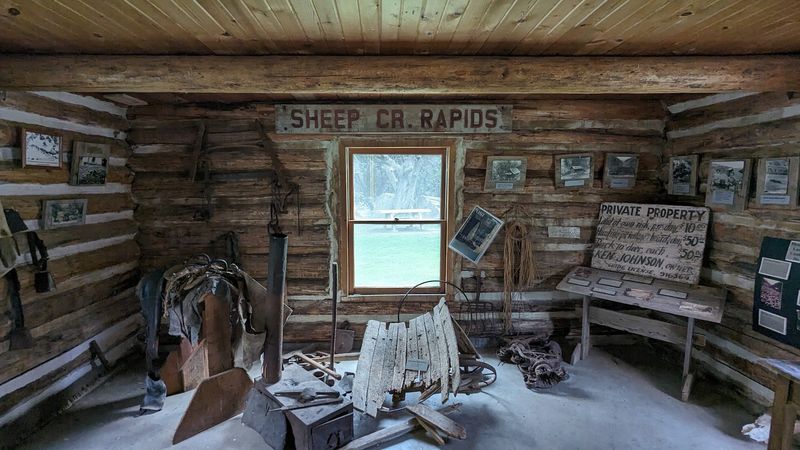
Small museums often hide the best details, and Kirkwood’s fits that pattern. The museum sits inside the Sterling Cabin on the ranch grounds.
Inside, displays cover early ranching days and the area’s Native American history.
Expect old tools, household items, photographs, and plenty of knickknacks from canyon life. Jet boat stops can feel short once you start reading every label.
Plan to move efficiently, or simply soak in the overall collection.
The exhibits help explain what you saw on the ride up. Suddenly those distant homestead sites and rock shelters make more sense.
Context turns scenery into a story.
Hours can depend on the season and caretaker schedules. The museum closed during the pandemic years, so it’s smart to check with your outfitter before planning around it.
Families with curious kids will get a lot out of this stop. It’s compact enough to hold attention without wearing anyone out.
And the canyon artifacts feel far more real when you’ve just traveled the same river those families once relied on.
Friendly Caretakers Who Know Every Story
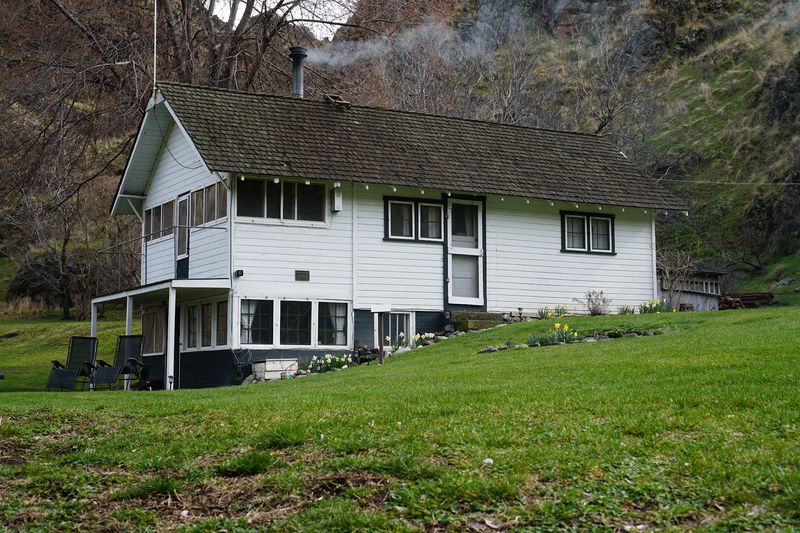
Caretakers make Kirkwood feel lived-in rather than frozen in time. Volunteer hosts stay at the ranch and look after the grounds, buildings, and museum.
Many share history and stories with visitors who stop by.
Some caretakers return season after season. One family looked after the ranch for summers spanning more than two decades.
A few even helped build the public restrooms that campers use today.
That kind of commitment shows in the condition of the place. The lawn stays trimmed, the buildings stay tidy, and the grounds feel welcoming.
It’s hard to keep anything neat this far from a hardware store.
If a host is around, ask a question or two. They often know details that never made it onto a museum sign.
Stories about past residents, river traffic, and canyon weather tend to come out naturally.
Be courteous of their home base, too. Caretakers live here during their stay, so give private areas some space.
A friendly thank-you goes a long way when someone keeps a remote Idaho landmark in such fine shape for everyone else.
Bighorn Sheep, Deer, And Other Canyon Locals
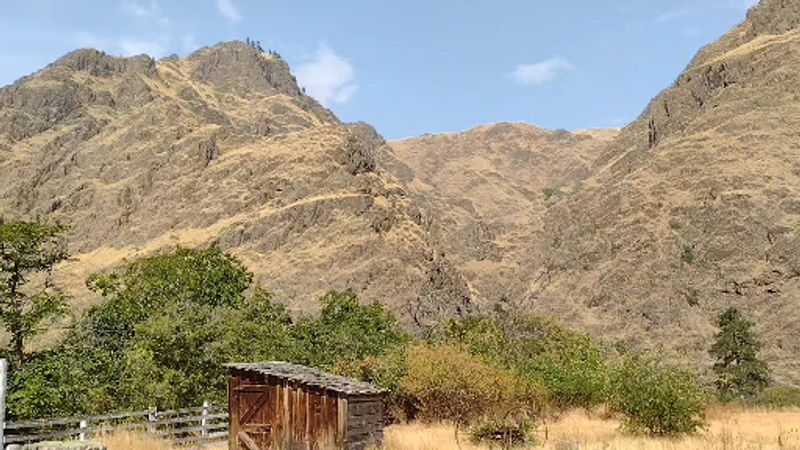
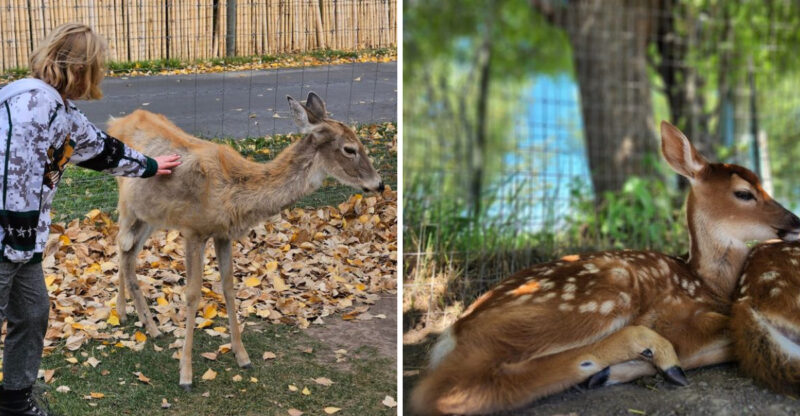
Deer wander right through the ranch grounds at times. They’re far from the only wildlife you might spot in Hells Canyon.
Watch steep slopes for bighorn sheep picking their way across impossible-looking ledges.
Eagles and other raptors patrol the skies above the river. Mountain goats, elk, and black bears also live in the wider canyon country.
Sightings are never guaranteed, which makes each one feel like a small prize.
Binoculars are worth packing for the boat ride. Guides often slow down when animals appear, so keep your camera ready.
Wildlife safety matters here, too. Rattlesnakes live in the canyon, especially in warm, rocky areas.
Watch where you step and where you put your hands on trails.
Give every animal plenty of room. Never feed wildlife, and keep pets close if you bring them by trail or private boat.
The best wildlife moment is one where the animal barely notices you. Canyon creatures have enough challenges without humans adding more, so admire from a respectful distance and let them carry on.
Picnic Tables, Trails, And A Field For Your Tent
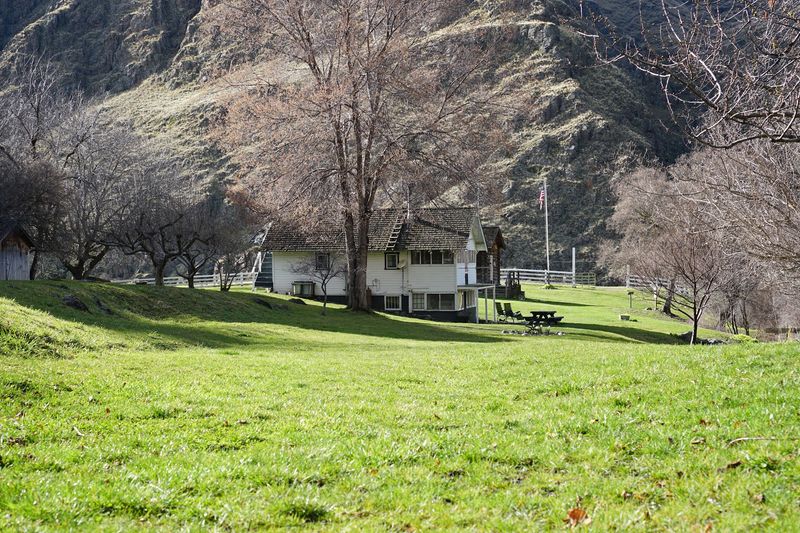
Lunch with a canyon view beats any office break room. Picnic tables sit on the grounds, and many jet boat tours include a riverside lunch.
Some trips enjoy that meal right here at Kirkwood.
Campers have options, too. A large field offers space to pitch a tent, with public restrooms nearby.
Those flush toilets get a lot of happy attention for good reason.
Potable water is not available, so bring all you’ll need. Hikers especially should pack extra, along with snacks and protein.
Summer heat in the canyon can be intense.
The trail in runs about six miles and takes around three hours for many hikers. Pack a first aid kit and watch for snakes along the way.
Anglers also come for the fishing on the Snake River.
Leave No Trace rules apply everywhere. Pack out your trash, avoid stacking rocks, and stay on established paths.
Respecting the site keeps the historic buildings and lawn in good shape. Treat it like a friend’s family ranch, because in a way, that’s exactly what it still is.
Worth Every Splash Of River Spray
Few day trips pack in this much variety. You get a thrilling river ride, North America’s deepest gorge, wildlife, and a pioneer homestead in one outing.
Plus a museum and, yes, a flush toilet.
Kirkwood Ranch suits history buffs, families, photographers, and anyone craving quiet. The atmosphere stays peaceful, with river sounds replacing traffic.
It’s easy to see why people describe it as calm and restorative.
Planning is simple once you pick a route. Book a jet boat tour with a licensed Hells Canyon outfitter, or prepare carefully for the hike.
Trips mostly run in the warmer months, so check schedules before you drive.
Prices vary by operator and trip length. Many full-day tours bundle lunch, so compare options to find your fit.
For Idahoans, this place offers a fresh look at a corner of the state many never see. Your neighbors might drive past the Riggins area for years without realizing what waits downstream.
I believe a ride up the Snake to Kirkwood ranks among the most memorable days you can spend in Idaho.