This Nebraska Victorian Mansion Is Filled With Antique Dolls And Rooms Frozen In The 1800s
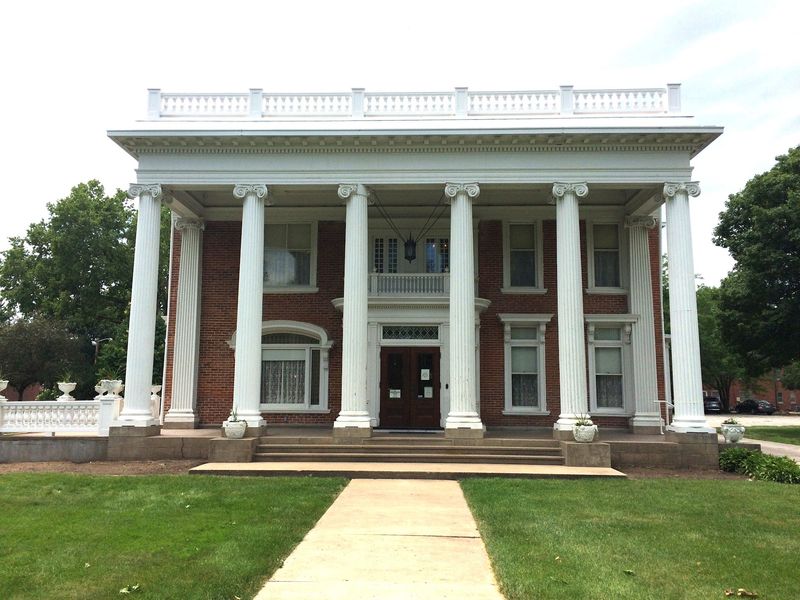
A grand Victorian mansion in eastern Nebraska still has its rooms arranged like the 1800s never packed up and left. Furniture, photos, and everyday objects sit right where a family might have used them.
Tucked among the displays is a doll collection. Those little porcelain faces have been staring out at visitors for generations, and I love that they never seem to blink first.
The house also carries the weight of a whole county’s memories. Guided tours can stretch past an hour, and every room seems to hold one more story.
Outside, gardens and an arboretum wrap around the property. An old log house sits on the grounds too, which feels like a bonus round for history fans.
I believe the best museums feel lived in. So how does one old house manage to hold so much?
A Victorian Mansion With A Whole County’s Story Inside
Fremont has plenty of handsome old homes, but one of them doubles as the county’s memory keeper. The Louis E.
May Museum fills an elegant Victorian mansion with exhibits about life in this corner of Nebraska.
It’s a house museum in the truest sense. Instead of glass cases in a plain hall, you get period rooms, family-style furnishings, and artifacts spread through a real home.
That setup changes the whole feel of a visit. You aren’t just reading labels, because the rooms themselves do a lot of the storytelling.
The mansion carries the name of Louis E. May, and the building now serves as home base for local history.
It’s the kind of place that makes a regular Wednesday feel a little more interesting.
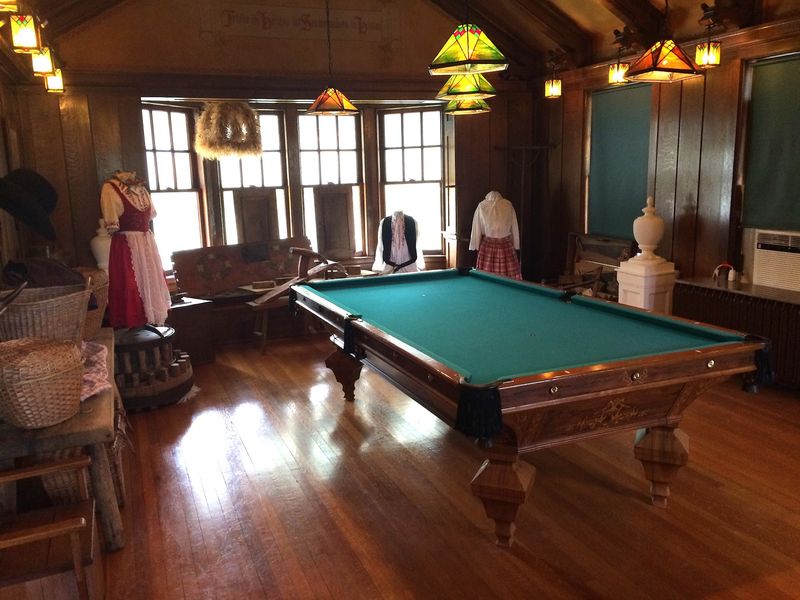
Exhibits lean heavily on the Victorian era. Expect recreated 19th-century spaces, displays of daily life, and a doll collection that adds a softer, playful layer to all the history.
For anyone who has driven through Fremont without stopping, this is a good reason to change that habit. The house rewards curiosity, and it doesn’t ask you to be a history expert to enjoy it.
The Historical Society That Moved Into A Mansion
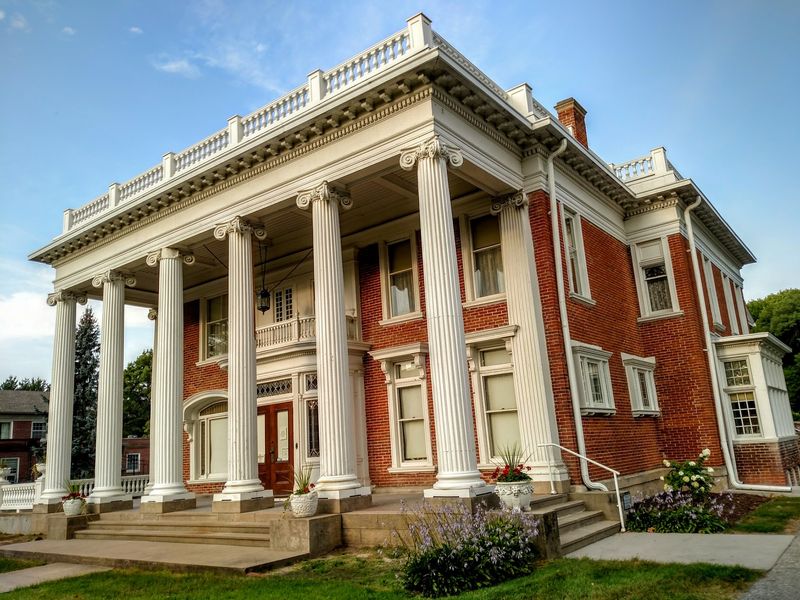
Not every historical society gets to work out of a mansion. The Dodge County Historical Society calls this Victorian home its headquarters, and that pairing makes a lot of sense.
A county history group needs space for objects, photos, and records. A big old house with many rooms happens to offer exactly that, plus plenty of atmosphere.
The result is a museum where the building and the collection support each other. The mansion gives the artifacts context, while the artifacts give the rooms a sense of purpose.
Items on display come from the surrounding area. So the tools, clothing, and keepsakes you see belonged to people who lived, worked, and raised families nearby.
That local angle matters for Nebraskans with roots in Dodge County. Spotting a familiar family name or town reference can turn a casual tour into something personal.
It also means the museum isn’t trying to be a national showcase. Its goal is to hold onto what made Fremont and its neighbors who they are, and it does that with real care.
Small, focused, and rooted in place is a pretty great formula for a museum.
Rooms Set Up Like The 1800s Never Packed Up
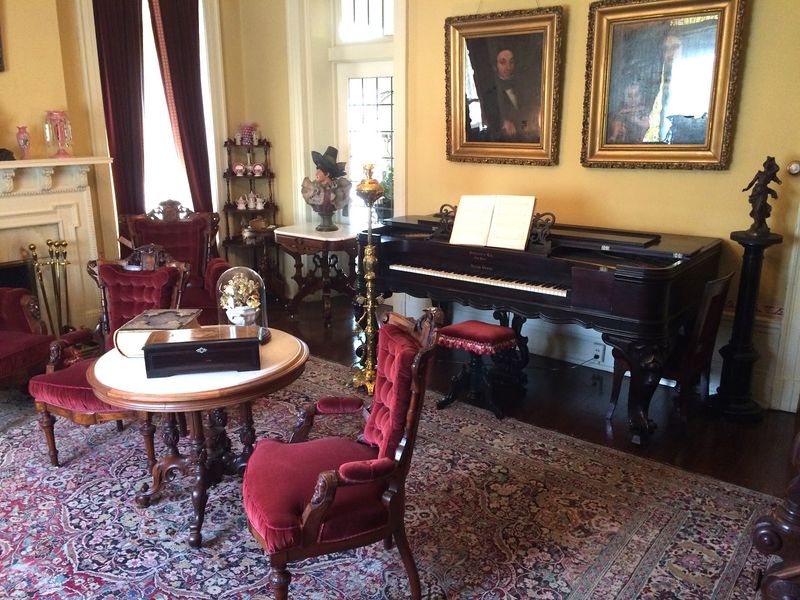
Plenty of museums tell you about the past. This one puts you in a room arranged to look like it, and that’s a very different experience.
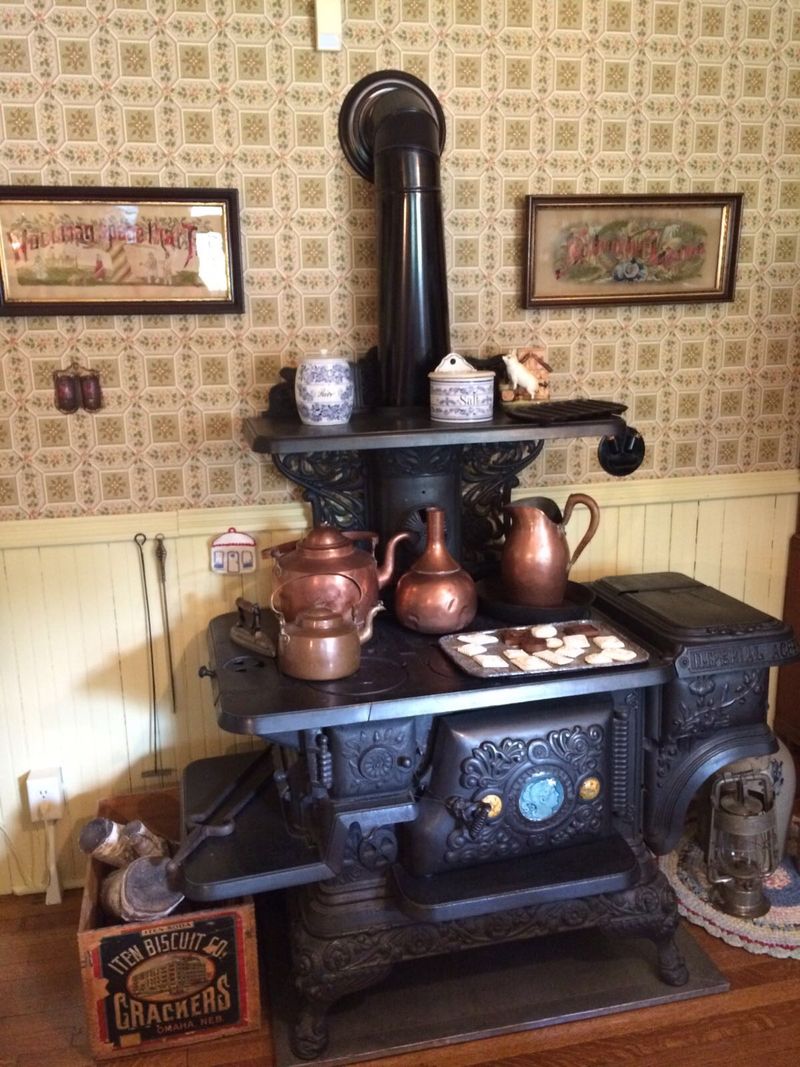
Recreated 19th-century rooms are a centerpiece of the house. Each space shows how a well-off family might have lived, entertained, and handled everyday chores during the Victorian era.
Seeing furniture in place helps the details click. A chair, a lamp, or a table setting makes more sense when it sits in a room rather than alone on a shelf.
Many of the displayed items highlight how much work daily life required. Washing, cooking, and keeping a home running took serious muscle, and the old tools make that very clear.
You may leave with new respect for modern appliances. A washing machine starts to look like a small miracle after a tour like this.
The period rooms also make great conversation starters for families. Kids can compare these spaces with their own bedrooms and kitchens, while adults can spot items their grandparents once described.
Few exhibits spark that kind of back-and-forth so easily, and that’s part of the fun here.
Porcelain Faces Waiting In The Doll Collection
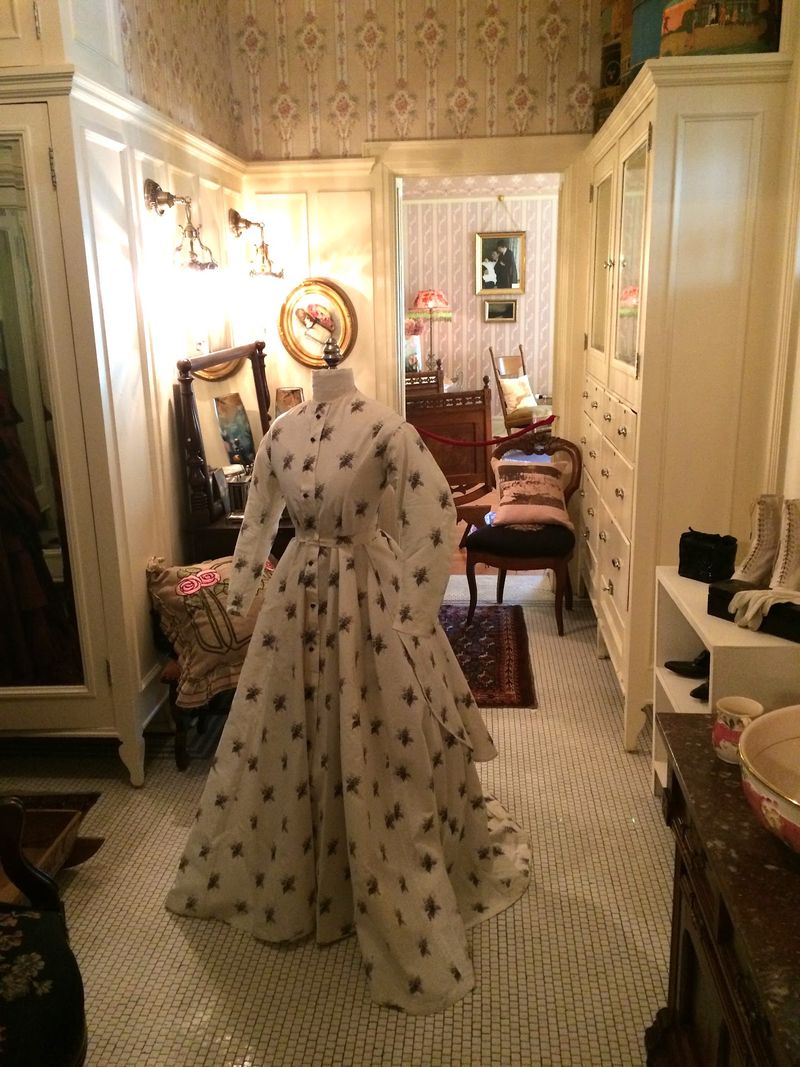
Old dolls have a way of holding a room’s attention without saying a word. The Louis E.
May Museum includes a doll collection among its displays, and it adds a whimsical note to the mansion.
Dolls tell history from a child’s point of view. Their clothing, materials, and faces reflect the styles and craftsmanship of the times they came from.
That makes them more than cute shelf decorations. They’re small time capsules showing what kids played with and what families valued.
The collection sits within the larger story of the house rather than taking over every room. So it works best as one delightful stop on the tour, not the whole show.
Doll fans will still find plenty to admire. Tiny stitched outfits and delicate details reward anyone willing to lean in for a closer look.
And yes, some antique dolls can feel a little intense when they stare straight ahead. That’s half the charm for some visitors and a fun dare for others.
Either way, the collection is one of the most memorable parts of the house, and it pairs nicely with the Victorian rooms around it.
Artifacts With Hometown Addresses
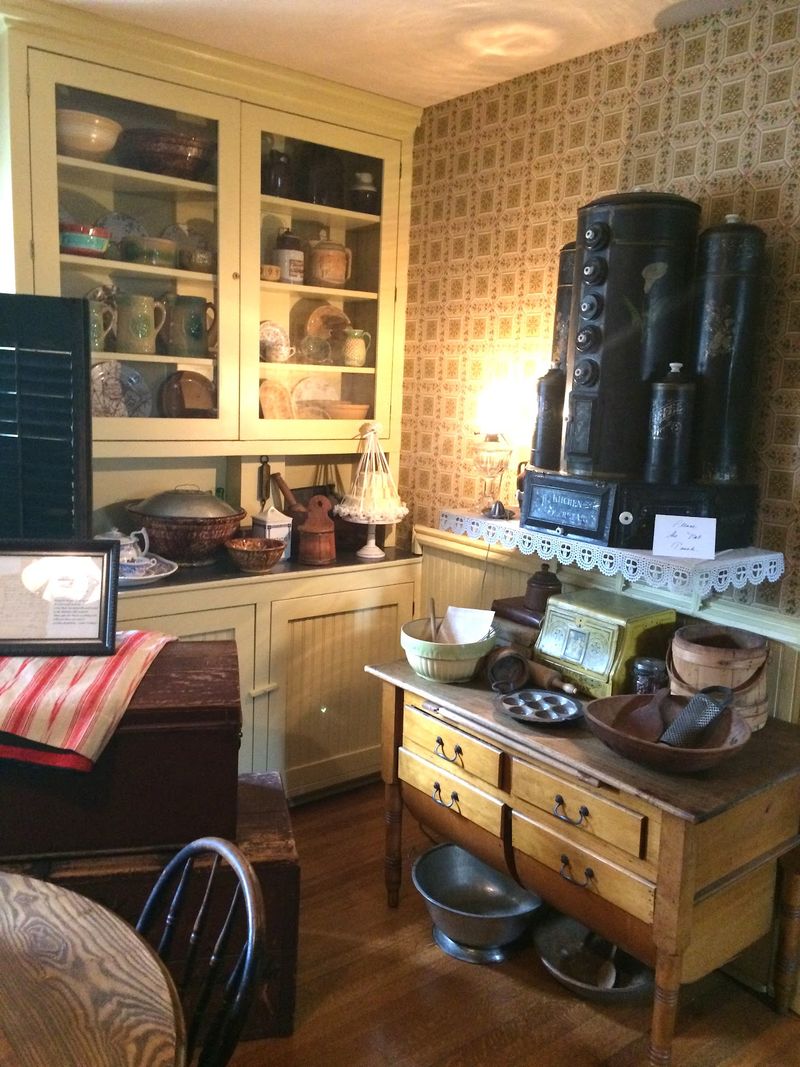
Every object in this house has a local connection. The artifacts here come from the general area, which gives the whole collection a neighborly feel.
That’s rare for a museum of this size. Instead of borrowing a random mix of old things, the house focuses on what Dodge County families actually owned and used.
Photos, art, and household objects fill the rooms. Together they paint a picture of what work, style, and home life looked like in early Nebraska.
Manual labor shows up again and again. Plenty of the displays make it obvious that keeping a household going was a full-time job with very sore arms.
The stories attached to the objects are often the best part. A simple tool becomes far more interesting once you hear who used it and why.
For people who grew up around Fremont, this section can feel especially close to home. You might recognize a business name, a street, or a family connection somewhere in the displays.
That kind of discovery turns a museum stop into a small personal treasure hunt, and it’s the reason local collections like this one deserve support.
Tours That Turn Every Room Into A Story
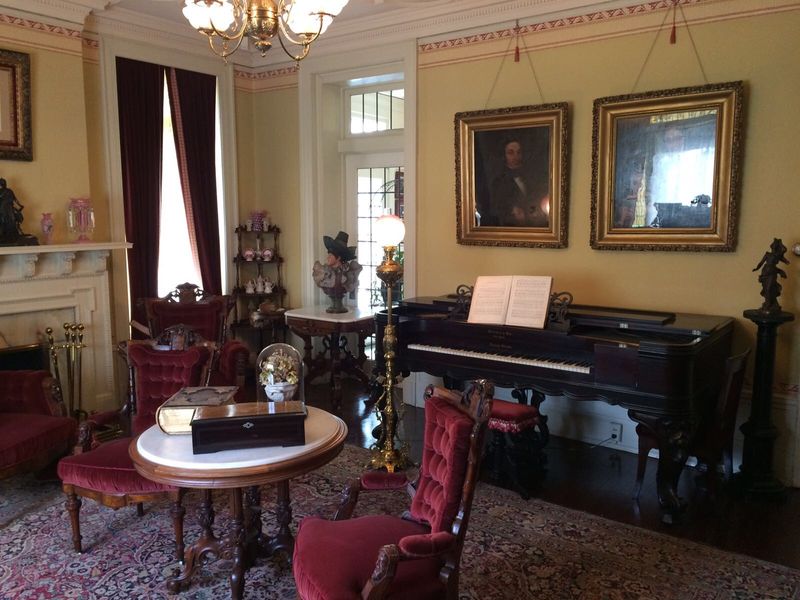
An hour can disappear fast inside this house. Guided tours here often run longer than that, and they cover a lot of detail along the way.
Knowledgeable guides and volunteers lead visitors from room to room. They share background on the artifacts, the house, and the people connected to it.
That approach brings the collection to life. A guide can point out something you’d walk right past, then explain why it matters.
Docents may not always be available, especially on busier days. In that case, visitors can still move through the house and enjoy it at a calmer, more independent pace.
Tours follow a set path through the home. If you like to linger, plan on asking questions as you go so you don’t miss anything you care about.
History lovers tend to leave wishing they had more time. That’s a good problem, and it’s a solid excuse for a return trip on another day.
Each visit can reveal new details depending on your guide and the season, which keeps the house feeling fresh even for people who live just down the road.
Gardens Worth Saving Time For
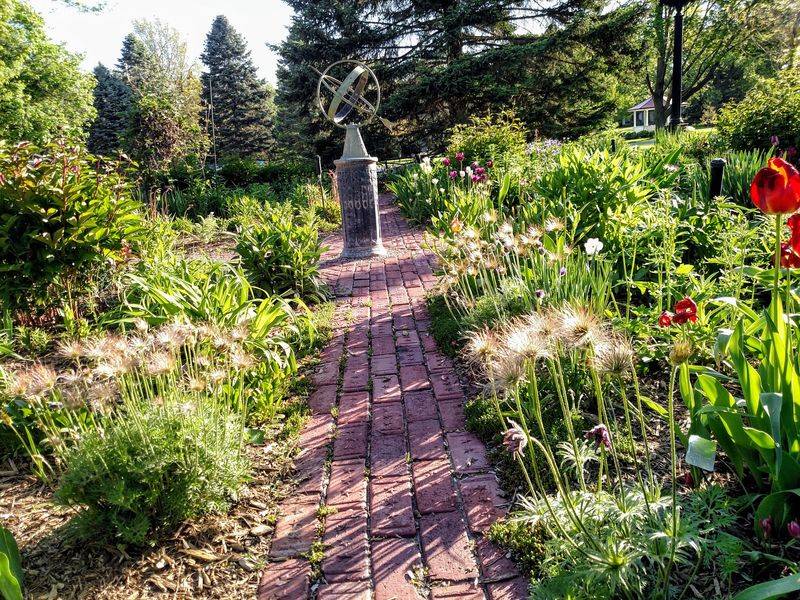
Save some energy for after the tour. The gardens around the Louis E.
May Museum are a big part of the experience, not an afterthought.
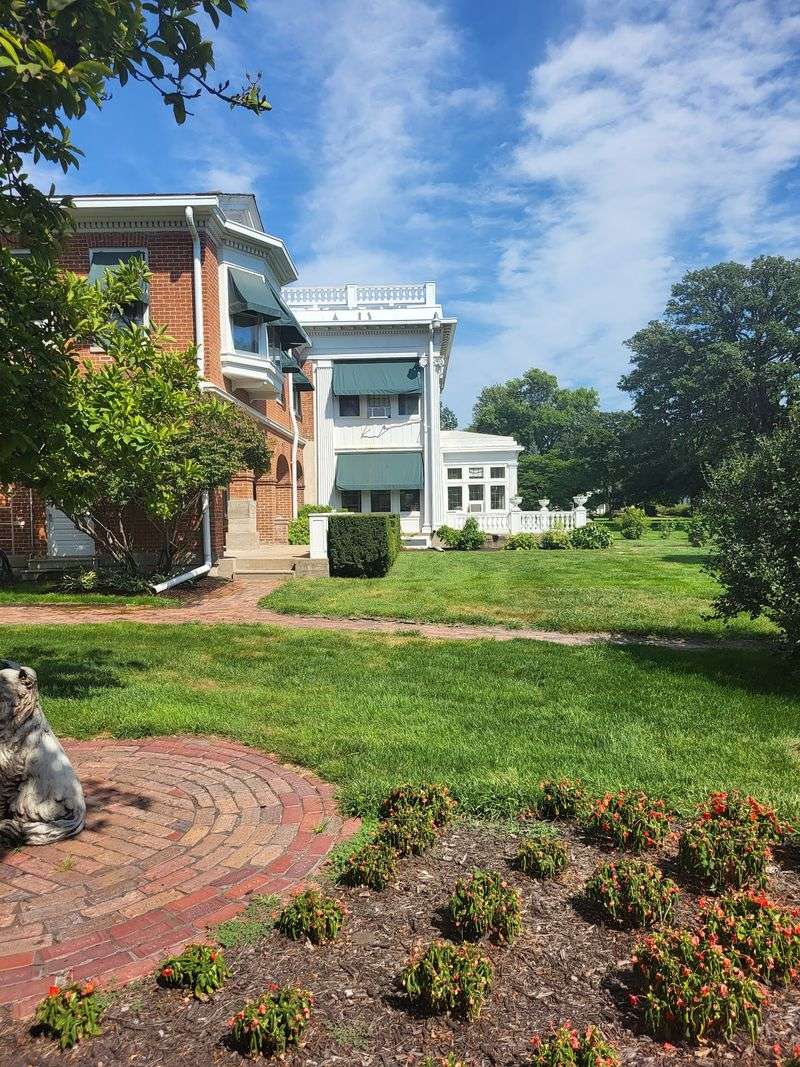
Flowers fill the beds during the growing season. A slow walk through them offers a peaceful contrast to the busy, detail-packed rooms inside.
The grounds are kept tidy and well cared for. That attention shows in the neat paths, healthy plantings, and pleasant views back toward the mansion.
Garden lovers will want to bring a camera. The blooms and the Victorian architecture make a lovely pairing for photos.
Even if the house happens to be closed when you stop by, the gardens can still make the trip worthwhile. That’s a nice safety net for travelers whose schedules don’t line up perfectly.
It’s also an easy outing for anyone who prefers fresh air to museum hallways. Grandparents, kids, and casual strollers can all enjoy a loop around the property without needing a tour.
Pack a little patience for picture stops, because almost every corner seems to frame the house in a new way. Nebraska summers make this spot especially inviting.
An Arboretum And A Log House Out Back
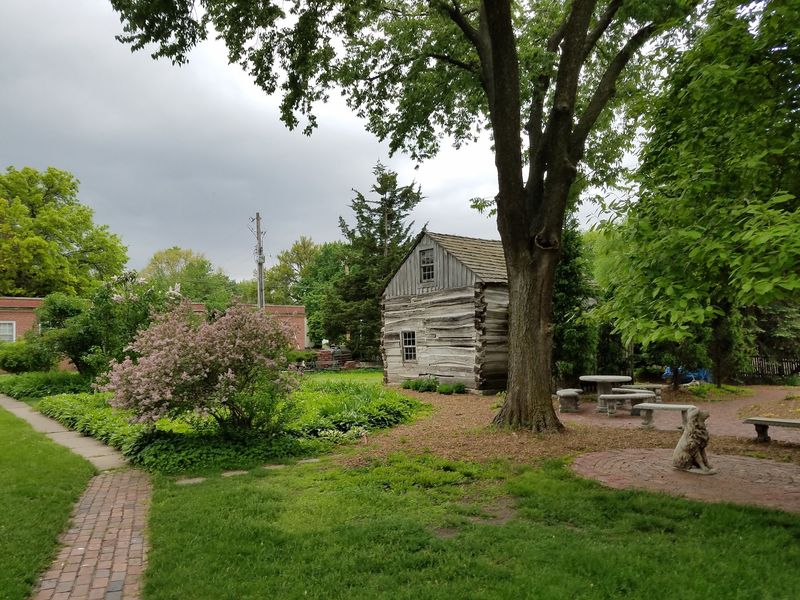
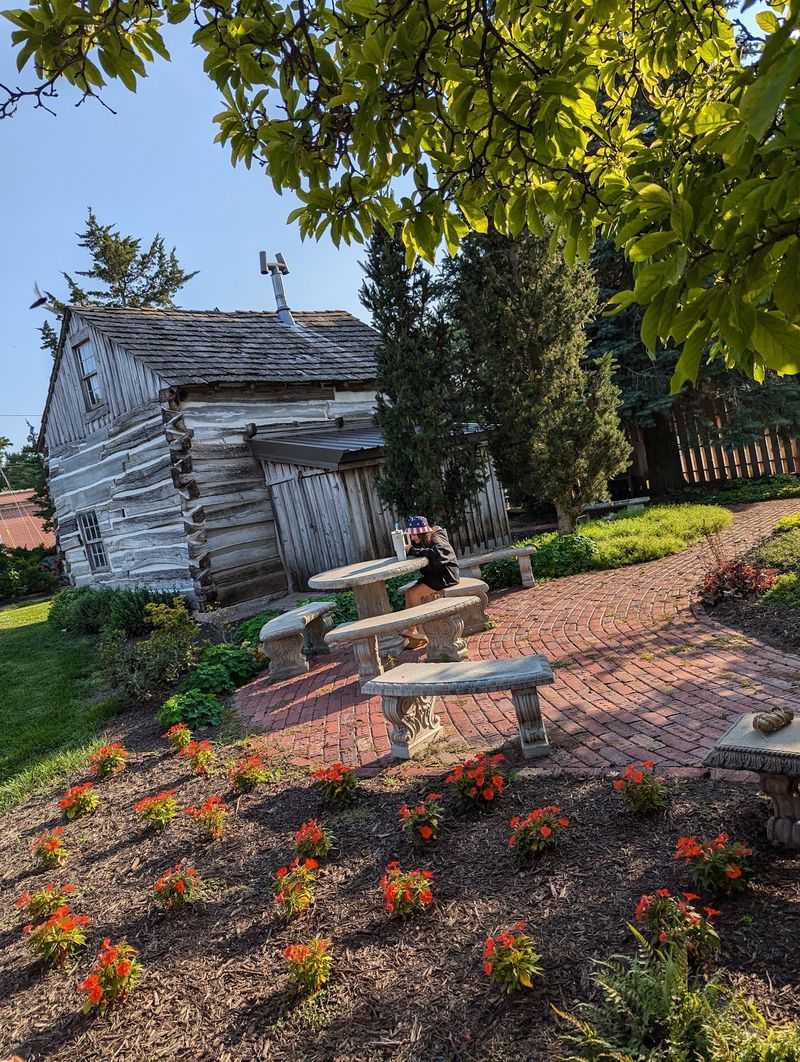
A log house on the same property as a fancy Victorian mansion? That contrast alone makes the grounds worth exploring.
The old log house offers a glimpse of a simpler, rougher style of living. Seeing it near the mansion helps show how much Nebraska homes changed over time.
One building speaks of early settlement and hard work. The other shows what success and comfort looked like a bit later.
Surrounding them is an arboretum filled with trees. It adds shade, greenery, and a calm setting for wandering between buildings.
Families can turn the grounds into a mini history walk. Kids may enjoy comparing the log house with the mansion and guessing which one they’d rather live in.
Spoiler: the mansion usually wins that vote. Still, the log house earns plenty of respect once people think about how much effort it took to build and maintain.
Together, the arboretum, gardens, and log house give the museum a campus-like feel. You could easily spend a pleasant chunk of time outdoors before or after heading inside, especially on a mild spring or fall afternoon.
Holiday Decorations That Suit A Victorian Home
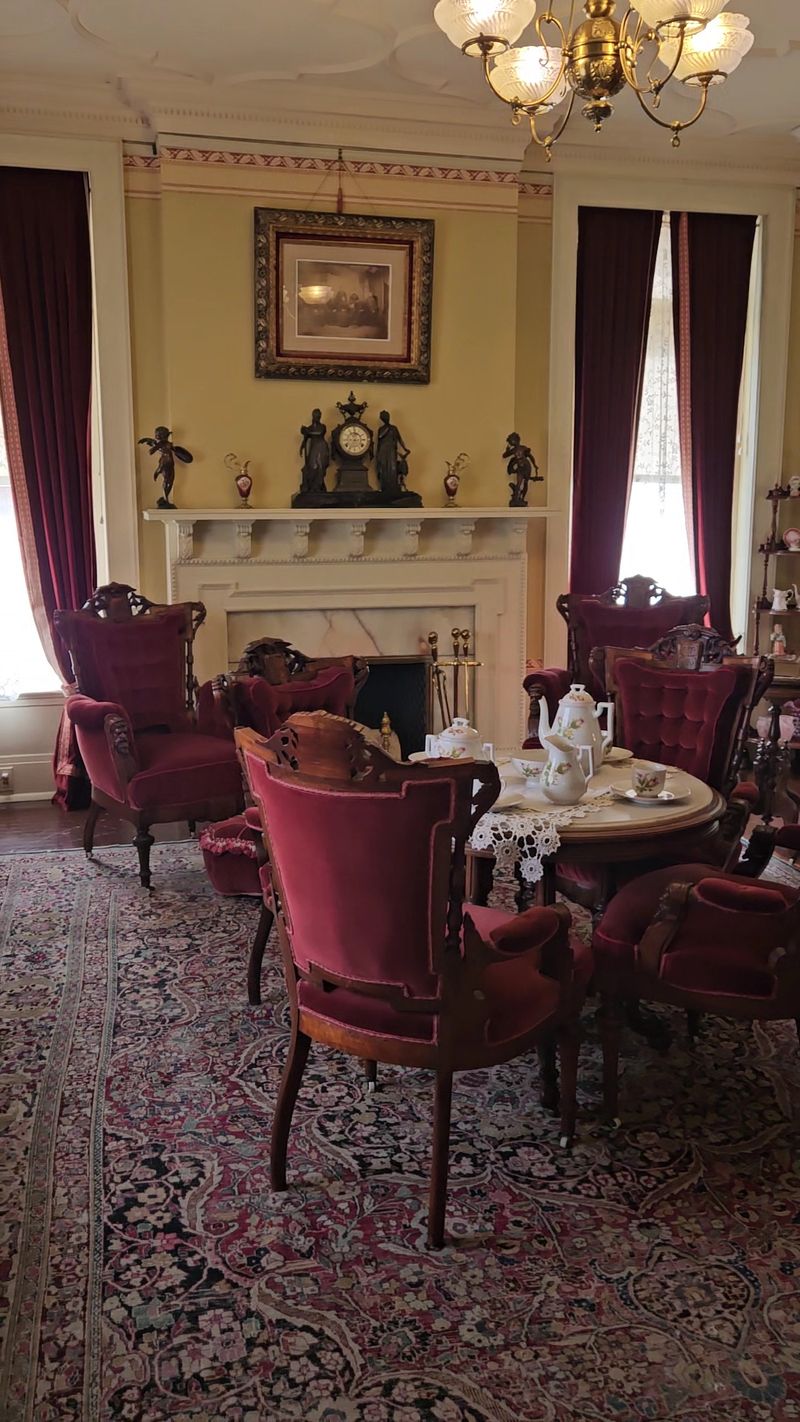
Victorian homes and Christmas decor were practically made for each other. The museum gets decorated for the holiday season, and the old rooms wear it beautifully.
Garland, trimmings, and festive touches fit right in with the period furnishings. It’s easy to see why the holidays feel like a natural time to visit.
The museum has also hosted a Christmas open house. These events bring the community together and lean into the cheerful spirit of the season.
Event formats can vary from year to year. Some years the focus may be on the grounds rather than full house access, so check ahead before planning around it.
A holiday visit adds a different layer to the history. Many Christmas traditions people still enjoy took shape during the Victorian era, so the setting feels especially fitting.
For families, it could become a fun seasonal outing. A stroll through a decorated mansion makes a nice change from crowded stores and busy malls.
And for anyone who loves old-fashioned holiday style, this may be one of the coziest ways to soak up the season in eastern Nebraska without a long drive.
Wedding Vows On The Front Steps
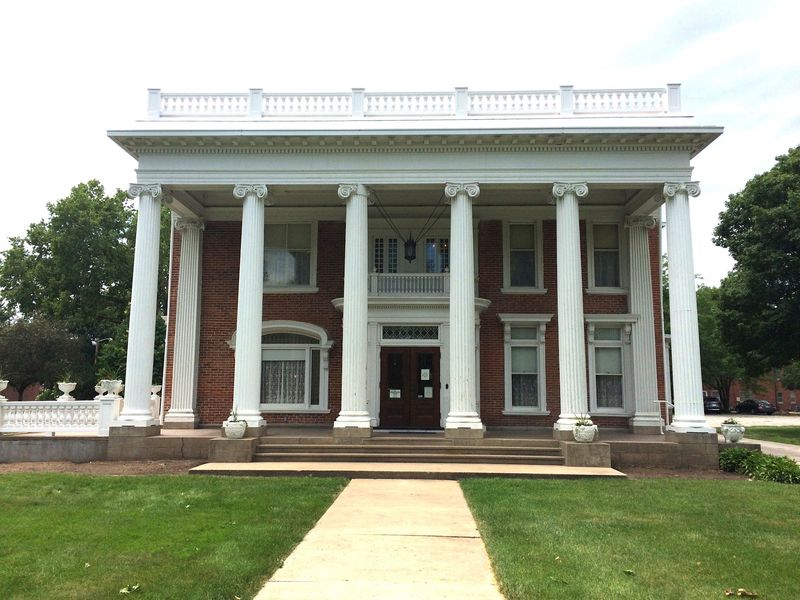
Some couples choose a ballroom. Others say their vows in front of a Victorian mansion, and the Louis E.
May Museum has served as that backdrop.
Weddings have taken place outside the front entrance. With the historic house behind them and the gardens nearby, it’s easy to see the appeal.
The grounds work well for photos of all kinds. Engagement shots, family portraits, and graduation pictures all benefit from that classic architecture.
The property has been generous about letting people take photos on the grounds. That openness makes it a favorite setting for both hobby photographers and couples.
Of course, it’s smart to be respectful of the space. Keeping paths clear and plants untouched helps the grounds stay lovely for everyone who visits next.
Anyone hoping to hold an event should reach out to the museum directly about availability and rules. Plans vary, and the staff can explain what works best on the property.
Even a simple portrait session here feels a little more special than a park bench. The combination of flowers, trees, and old brick charm is hard to beat around Fremont.
Who Will Get The Most Out Of A Visit
History buffs are the obvious match here. But the museum also works well for families looking for an educational outing with young learners in tow.
Kids can see how people lived without phones, electricity as we know it, or modern kitchens. That comparison tends to stick with them longer than a textbook chapter.
The pace is relaxed and easygoing. It’s a quieter kind of attraction, perfect for people who enjoy looking closely and asking questions.
Photographers and garden fans will find plenty to love outdoors. Architecture lovers can spend extra time admiring the mansion itself.
People with family ties to Fremont may feel the strongest pull. Some visitors have connections to people who once worked in the house, which makes seeing it preserved feel extra meaningful.
Folks wanting fast thrills or big interactive screens should adjust expectations. This is a hands-off, story-driven museum that rewards patience and curiosity.
Grandparents and grandkids often make a great team for this kind of outing. One generation brings memories, the other brings questions, and the house happily supplies answers for both of them.
Timing, Cash, And Finding Nye Avenue
Plan ahead, because this museum keeps a limited schedule. It’s generally open Wednesday through Saturday, with a midday break and closed days the rest of the week.
That lunch pause matters if you’re driving in. Arriving right before it could mean a short wait, so check the current schedule before you leave home.
You’ll find the house at 1643 N Nye Ave, Fremont, Nebraska 68025. It’s an easy drive from Omaha, which makes it a natural half-day trip.
Admission arrangements can change, and donations help keep the museum running. Bringing a little cash is a smart move, since it may be needed for entry or a contribution.
Tours can run over an hour. Build in extra time if you want to explore the gardens, arboretum, and log house afterward.
Weekend visits may not always include a docent, so weekday trips can be a good choice for guided tours. Calling ahead can help confirm what to expect.
Comfortable shoes are a good idea too, since you’ll be on your feet indoors and out. A little planning turns this into a smooth, low-stress outing.
Why Fremont’s Old Mansion Earns A Detour
Big attractions grab headlines, but smaller museums often hold the stories that matter most to a community. The Louis E.
May Museum is one of those places.
It mixes a grand Victorian house, recreated rooms, local artifacts, and a doll collection into one tidy visit. Then it adds gardens, an arboretum, and a log house for good measure.
Not many Nebraska stops pack that much variety onto one property. You can learn, stroll, snap photos, and still be home in time for supper.
The museum also keeps Dodge County’s past within reach. Every preserved room and object helps future generations understand where this area came from.
I like that it feels personal rather than polished for crowds. It’s a house first, a museum second, and that makes the whole thing easier to connect with.
So next time Fremont is on the route, consider pulling over. Check the schedule, bring some cash, and leave room for questions.
Somewhere between the porcelain dolls and the garden paths, this old mansion may just turn a quick stop into a favorite Nebraska memory worth repeating.