This Nebraska Nonprofit Turns Ordinary Puppies Into Dogs That Could Save Lives
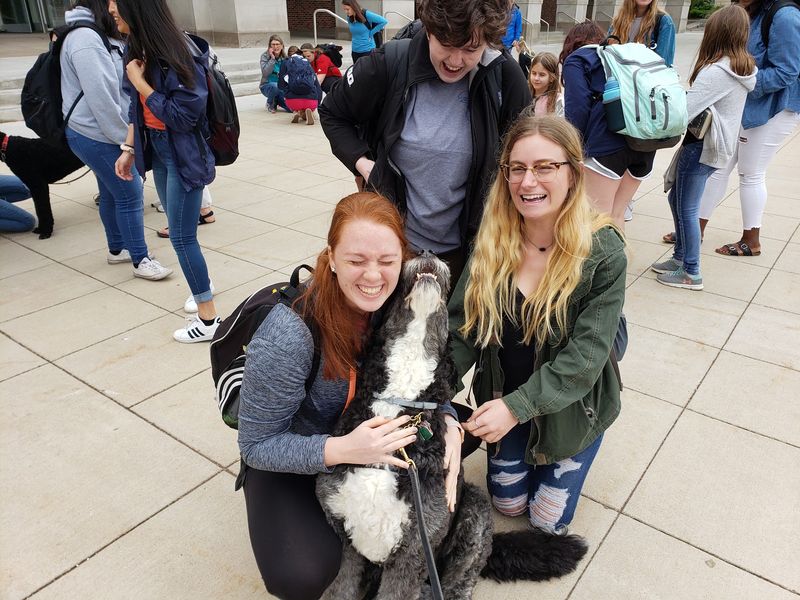
Some dogs learn to sit, stay, and fetch. At one Nebraska nonprofit, they learn something far more important: how to get help when someone suffers a medical emergency.
That skill gets built right here in Nebraska. The puppies start learning when they are only a few days old.
Their training stretches across roughly two years before they ever go home with someone.
I love that the teaching crew is so unexpected. Volunteers raise the pups, and inmates help train them.
Weekend helpers fill in the gaps, so every dog gets a whole village behind it.
I can’t imagine the patience that takes. One dog, hundreds of hours, and a job that could change everything for a family.
So who are the people making it happen, and where do they work?
A Lincoln Nonprofit Where Puppies Grow Up With A Purpose
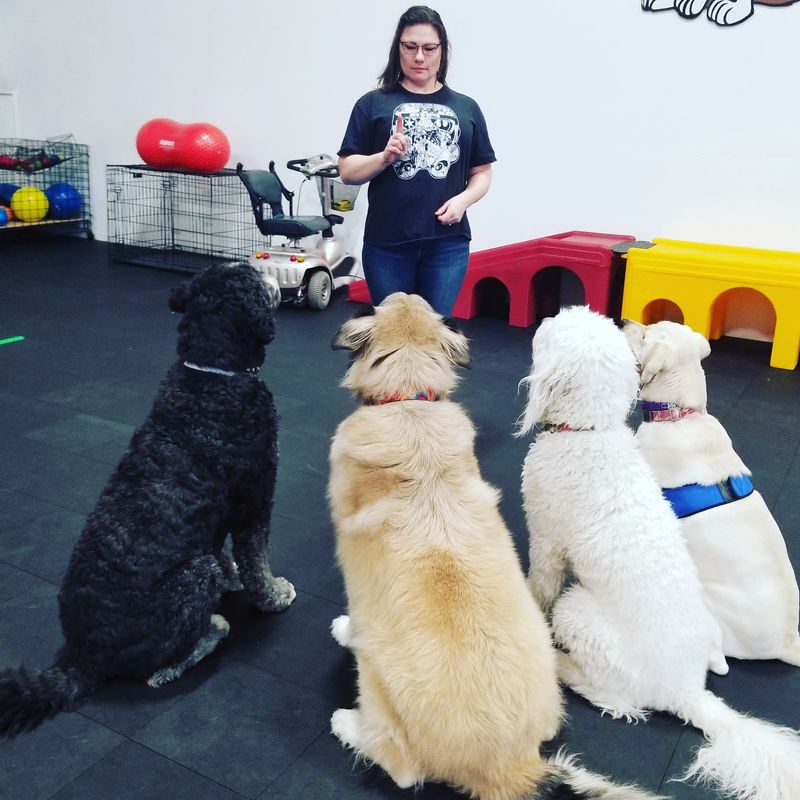
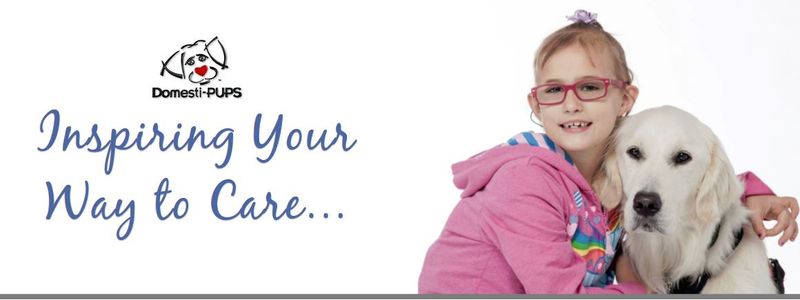
Domesti-PUPS is a nonprofit in Lincoln that trains service dogs for people with disabilities. Its specialty is dogs that help people living with epilepsy.
The organization also prepares therapy dogs and teaches training classes for the community. So it wears a few hats, all of them covered in dog hair.
You won’t find a sprawling barn or a petting zoo here. What you will find is a serious training program with a big volunteer heart behind it.
The dogs placed through Domesti-PUPS go on to work in homes, schools, and even job sites. Each one is matched with a specific person and a specific set of needs.
That makes this a different kind of Nebraska animal story. Instead of a place you tour, it’s a place that sends good dogs out into the world.
I find that idea quietly amazing. A puppy arrives with nothing but potential, and it leaves with a career.
Plenty of Lincoln families may have driven past without knowing what happens inside. Once you learn the details, the building starts to feel a lot bigger.
Two Decades And Counting Of Service Dog Work
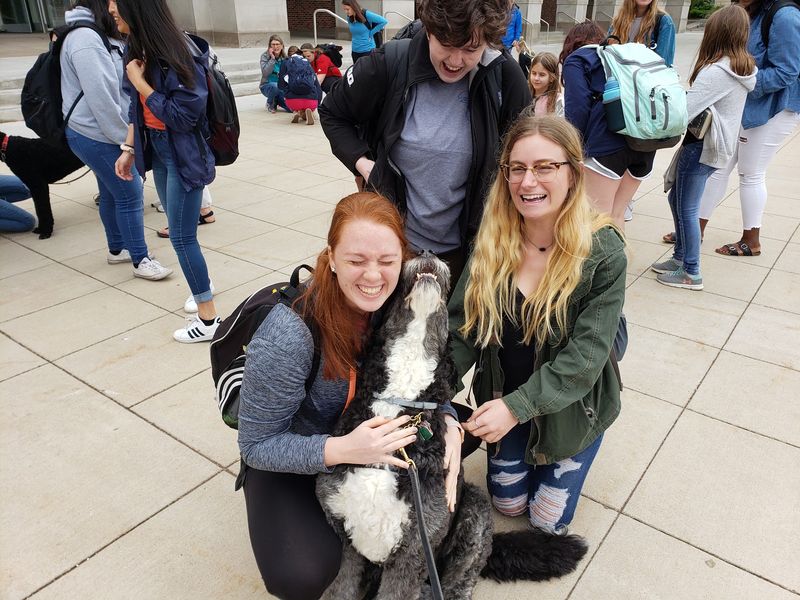
Back in 2000, the group began serving people with disabilities. That means more than 25 years of raising and training working dogs in Nebraska.
The organization reports nearly 100 service dog placements across that time. Each one represents years of work from many different hands.
That number might sound small next to a big-city shelter. But service dogs are not quick adoptions, and every single match takes serious time.
Some families have come back for a second dog after the first one retired. That kind of repeat trust says a lot about a long-running program.
The reach also stretches past city limits. Domesti-PUPS supports people in Lincoln and in other parts of the country.
I like that a homegrown Nebraska nonprofit has quietly built that kind of footprint. It didn’t need flashy marketing to get there.
Steady work, patient trainers, and a loyal volunteer base did the heavy lifting. Two decades later, the mission still looks a lot like it did on day one.
The Seizure Alert Dogs Are The Real Headliners
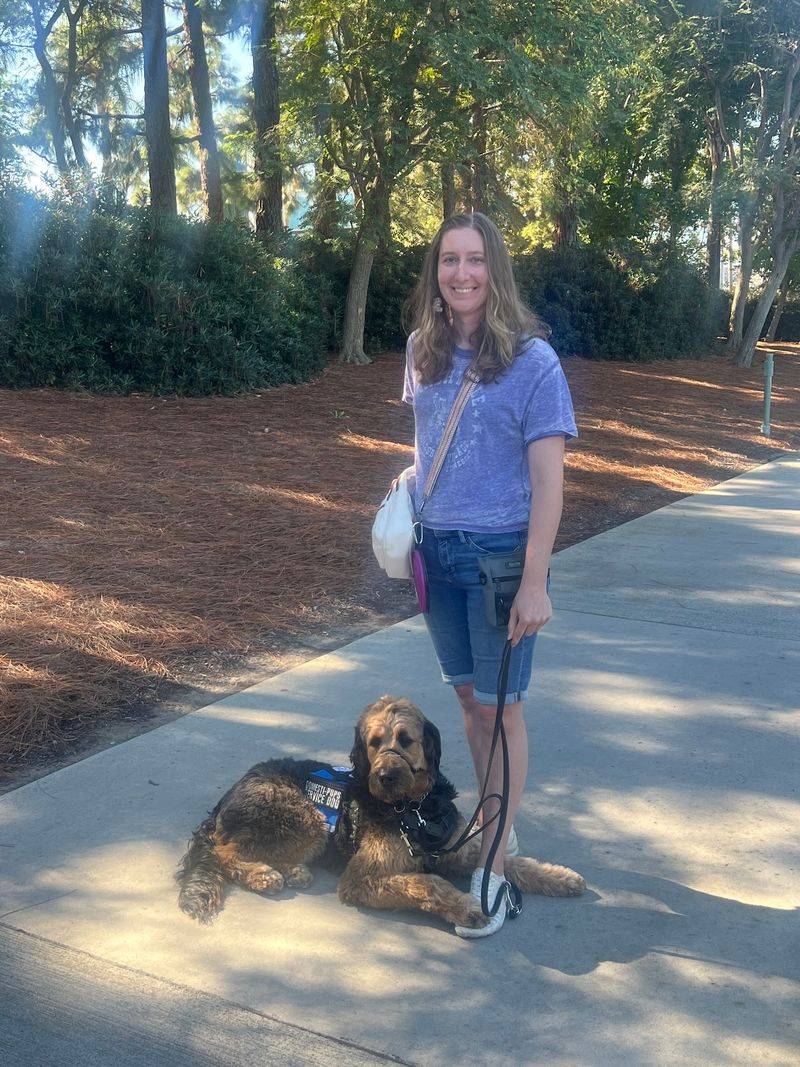
Epilepsy can turn an ordinary afternoon unpredictable in seconds. Seizure alert and response dogs are trained to step in when that happens.
Domesti-PUPS puts a big focus on these dogs. They’re taught to get help, stay with their person, and keep that person safer during an episode.
For families, the payoff is peace of mind. Parents can know a dog will come find them if something goes wrong with their child.
Some recipients have gained enough confidence to move out on their own. That’s a huge step for anyone, and the dog is part of the reason.
The work doesn’t stop after the handoff, either. Owners keep practicing commands and simulated episodes so the skills stay sharp.
Domesti-PUPS calls each placement a partnership, and that word fits. The dog brings the training, and the person brings daily consistency.
I believe that’s what makes these teams so strong. Nobody is coasting, not even the one with four legs and a wagging tail.
Ding Dong, A Dog Is Calling For Backup
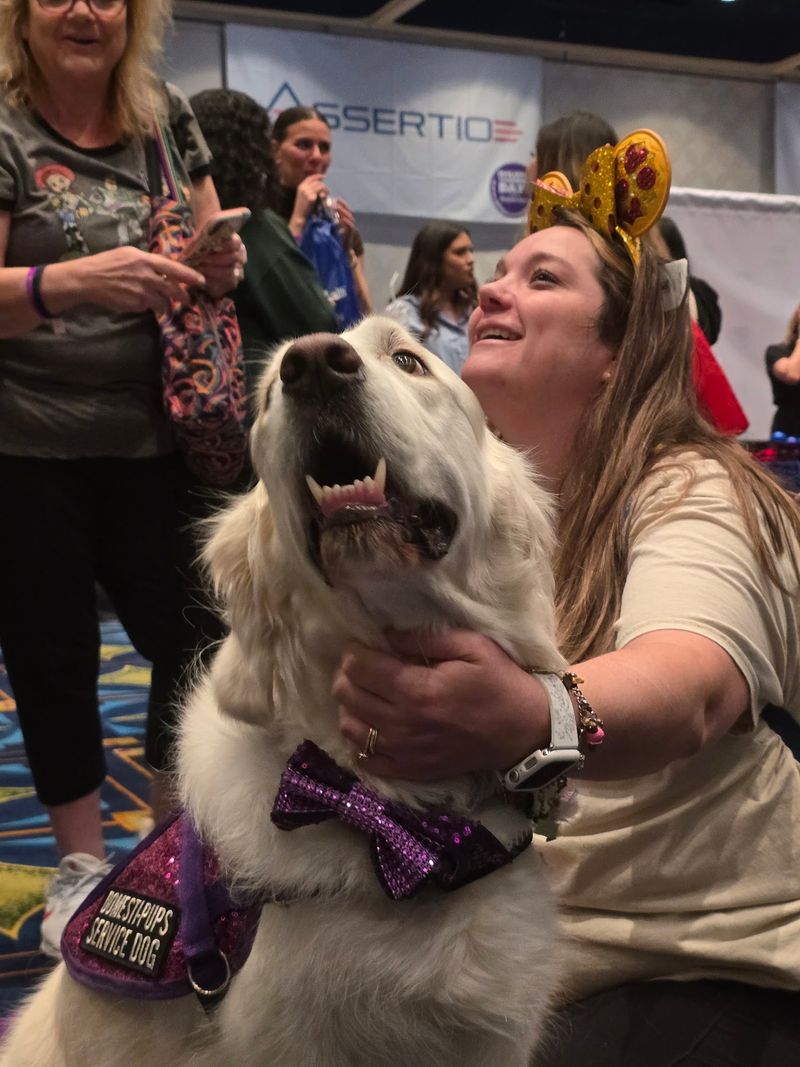
Yes, the doorbell trick is real. During a demonstration at an epilepsy conference, a Domesti-PUPS dog showed exactly how it works.
A seizure was simulated, and the dog rang a doorbell to summon help. Then it returned to the person and gently turned her onto her side.
After that, the dog stayed put until the movement stopped. That’s a lot of steps to remember while things feel chaotic.
Most of us struggle to remember where we left our keys. These dogs are running a full emergency checklist without being told.
The organization also uses demo dogs when families are deciding on a program. Seeing the skills up close can help people understand what’s possible.
I think that’s a smart approach. Talking about service dogs is one thing, but watching one hit a doorbell on cue is another.
It also shows how practical the training is. Every behavior is built around a real moment a family might face at home.
Training That Starts Before The Eyes Are Fully Open
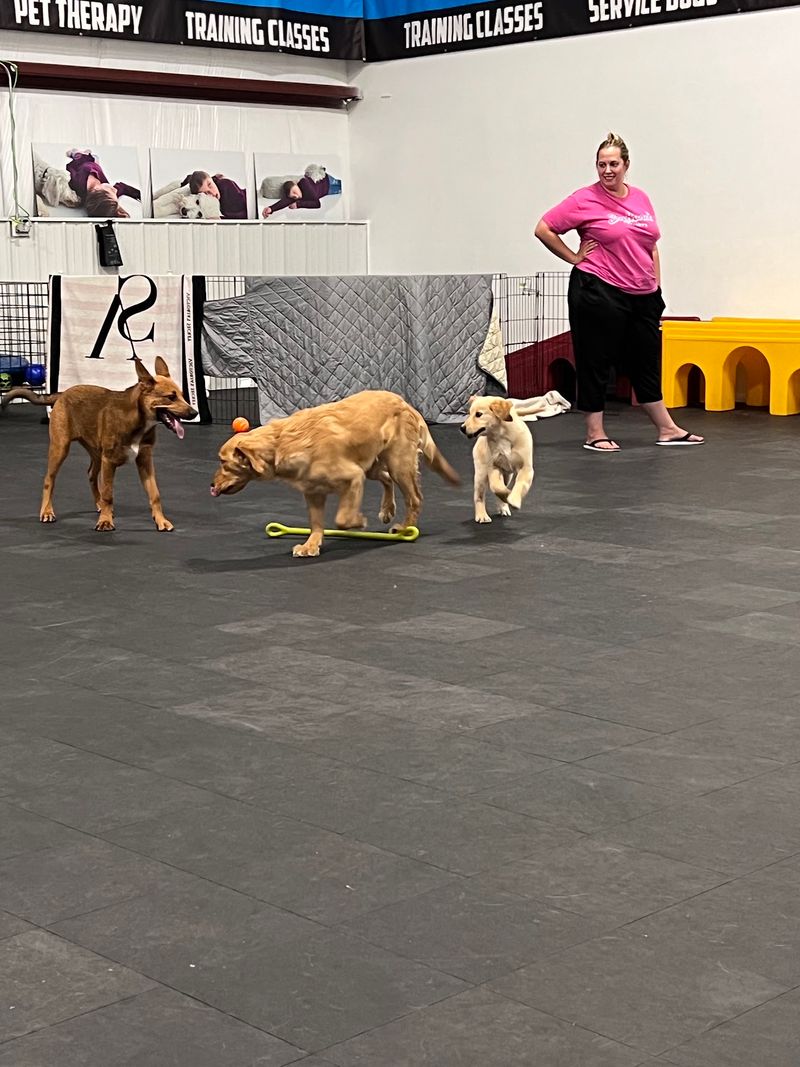
Early starts are kind of the whole point. At Domesti-PUPS, dogs begin training when they’re only a few days old.
That doesn’t mean tiny puppies are learning doorbells. Early work is about gentle handling, comfort, and getting used to the world.
From there, the pups move through their adolescent stage with volunteer support. Anyone who has raised a teenage dog knows that stretch needs extra patience.
The full process takes about two years before placement. That’s two birthdays of practice, socializing, and skill building.
Along the way, the dogs are tested and checked by a vet regularly. Progress isn’t assumed, it’s measured.
I like how unhurried the timeline feels. Nobody is rushing a puppy into a job it isn’t ready for.
By graduation day, these dogs have spent most of their lives preparing for one person. Honestly, that’s more planning than most of us put into a career change.
Inmate Trainers Add An Unexpected Chapter
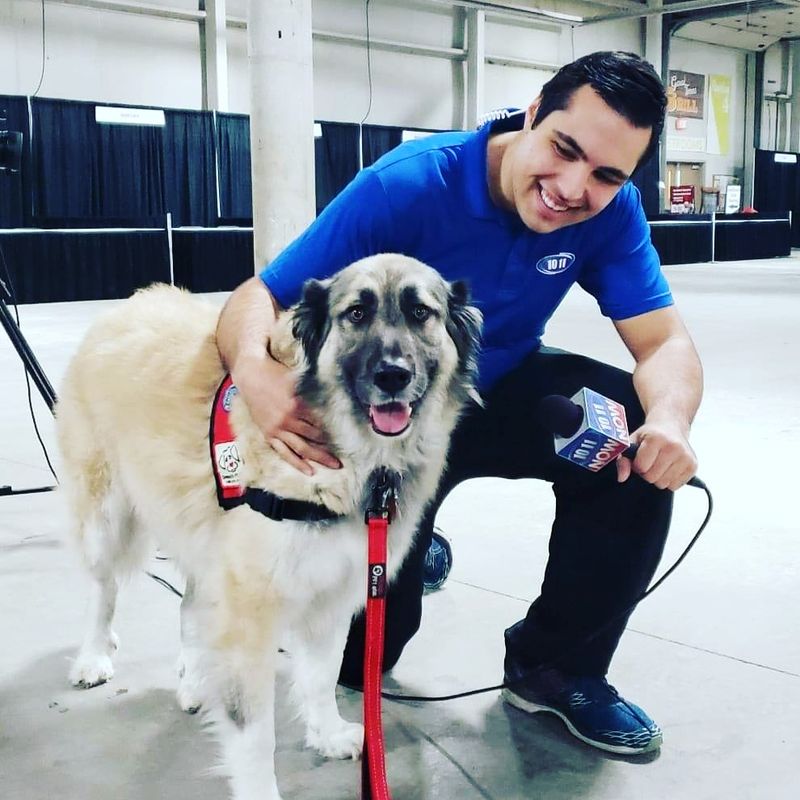
Here’s a twist many people don’t expect. Inmates help train the dogs that go through the Domesti-PUPS program.
The organization credits its inmate handlers as part of the team behind each placement. They work alongside staff trainers and community volunteers.
Consistent daily practice is gold for a young service dog. A dedicated handler can give that steady routine around the clock.
The arrangement also gives trainers on the inside a meaningful role. They’re helping prepare a dog that may one day protect a child with epilepsy.
I find that full-circle idea genuinely moving. People rebuilding their own lives are helping someone else gain independence.
Families who receive dogs often mention these handlers when they say thank you. The credit gets shared, which feels exactly right.
It also shows how many hands touch a single dog. By graduation, a pup has learned from people in very different corners of Nebraska life.
Weekend Warriors And A Volunteer Army
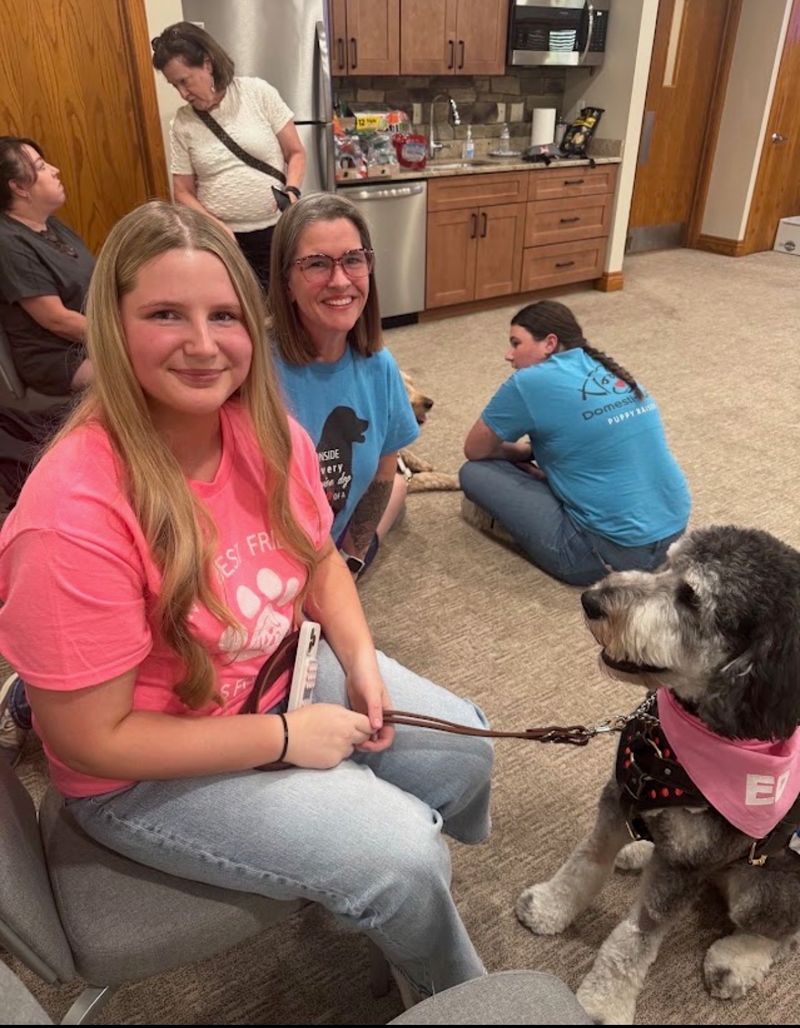
Behind every finished service dog stands a crowd of volunteers. At Domesti-PUPS, some even go by the name Weekend Warriors.
These helpers pick up time with the dogs on weekends. That keeps training and socializing moving forward when routines might otherwise slow down.
Other volunteers raise puppies through those wobbly early months. Some stick with the program for many years in different roles.
The organization openly calls its volunteers the backbone of the work. Many give hundreds of hours to the cause.
That’s a staggering amount of leash time. Picture all the potty breaks alone, and you start to appreciate the commitment.
I love that this is such a community effort. A Lincoln neighbor might be raising a future life-changing dog right down the street.
For anyone who adores dogs but can’t keep one full time, this is a meaningful outlet. You get the puppy cuddles and a real purpose at the same time.
Custom Matches Built Around Real Lives
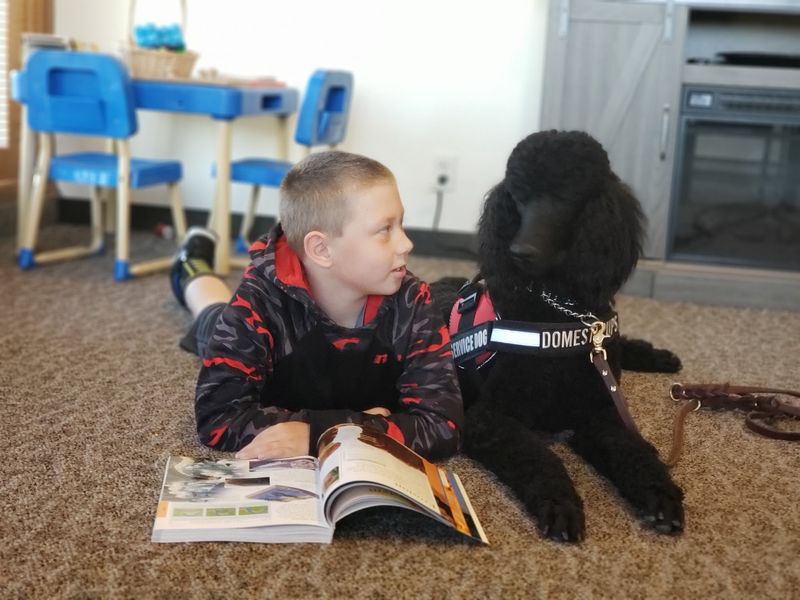
One recipient worked in a shop doing welding and woodworking. So Domesti-PUPS trained his dog to stay safely back and watch while he worked.
When he moves to a new spot, the dog repositions on its own. It keeps an eye on him without wandering into sparks or sawdust.
He went on to finish welding school and land a dog-friendly welding job. His story even reached local news and a show featuring Mike Rowe.
That level of tailoring is the heart of the program. Each dog is shaped around a person’s personality, lifestyle, and medical needs.
An interview process helps the team learn how a recipient actually lives. A dog for a busy student won’t look like a dog for a quiet homebody.
I can’t think of a better example of thoughtful training. A generic service dog would have been fine, but a custom one changed everything.
The coworkers apparently joke she’s the hardest-working employee there. Hard to argue with that resume.
Health Checks And Temperament Testing Come Standard
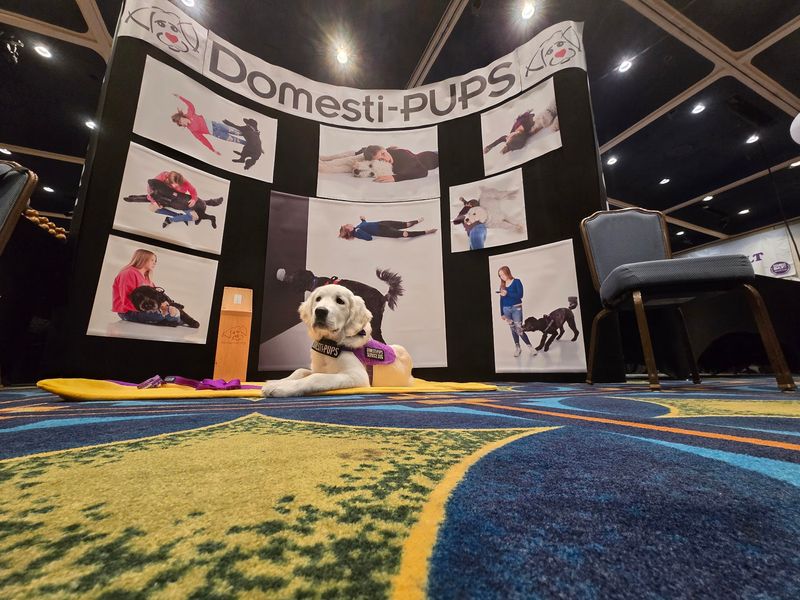
Good intentions aren’t enough for a working dog. Domesti-PUPS puts its dogs through temperament testing and health screening before placement.
Multiple professional trainers evaluate each dog along the way. Behavior is reviewed again and again, not just once at the finish line.
Regular vet checks are part of the routine from puppyhood onward. Clients receive medical records along with their dog.
Support also continues after the dog goes home. Families can reach out for guidance as the new partnership settles into daily life.
That ongoing help matters more than people might guess. A dog in a new house, with a new person, needs time to adjust.
I appreciate that the program treats placement as a beginning. The handoff is a milestone, but the relationship keeps going.
For anyone weighing a service dog program, these details are worth asking about. Screening, records, and follow-up support tell you how seriously a group takes the job.
Career-Changed Dogs Still Land On Their Feet

Not every pup ends up wearing a service vest. Some dogs simply decide the job isn’t their calling, and that’s okay.
Domesti-PUPS calls these dogs career changed. They still get placed into loving family homes.
One Lincoln-area family welcomed a lab named Chuck this way. He came with all the benefits of top-tier training and none of the job pressure.
Honestly, that sounds like a dream retirement plan. You learn the skills, then spend your days napping and supervising the kitchen.
The organization says these dogs hold a special place in its heart. They put in the same early work as the graduates.
I like that no dog gets left out of a happy ending. The program values the animal, not just the outcome.
For families, a career-changed dog can be a wonderful fit. Picture a pup that already knows its manners showing up at your door.
Therapy Teams Spreading Comfort Around Town
Service work is only one branch of the family tree. Domesti-PUPS also trains therapy dog teams made up of everyday owners and their pets.
Some volunteers graduated with their own dogs through the program. They now visit places across Lincoln to brighten people’s days.
Those visits reach hospitals, colleges, and skilled nursing facilities. Community partners and local events get some tail-wagging attention too.
Therapy dogs do a different job than service dogs. Their task is comfort, conversation, and a soft head to pat.
For a college student during finals week, that can mean a lot. The same goes for an older resident who misses a pet from home.
I love how this widens the circle. You don’t need a medical need to feel the good these dogs bring.
It also lets regular Nebraska dog owners join the mission. Your goofy couch buddy might just have a gift for making strangers smile.
Classes That Could Polish Up Your Own Pup

Got a dog that treats every walk like a sprint? Domesti-PUPS offers training classes that regular pet owners can join.
Options include obedience work and AKC Canine Good Citizen classes. Those classes focus on solid manners and good public behavior.
The same team that shapes service dogs leads the way. That’s a lot of know-how pointed at your leash-pulling labradoodle.
Students in the program have described the classes as thorough. Clients also come away feeling heard and accommodated.
For some people, classes are the first step toward a bigger goal. A few owners work with the team to prepare their own dog for service.
I think this is one of the most practical perks for locals. You get expert guidance without traveling far from home in Nebraska.
Even if your dog never earns a vest, better manners help everyone. Your neighbors, your mail carrier, and your shoulder will thank you.