A Connecticut College Was Just Named One Of New England’s Top “Hidden Gems”
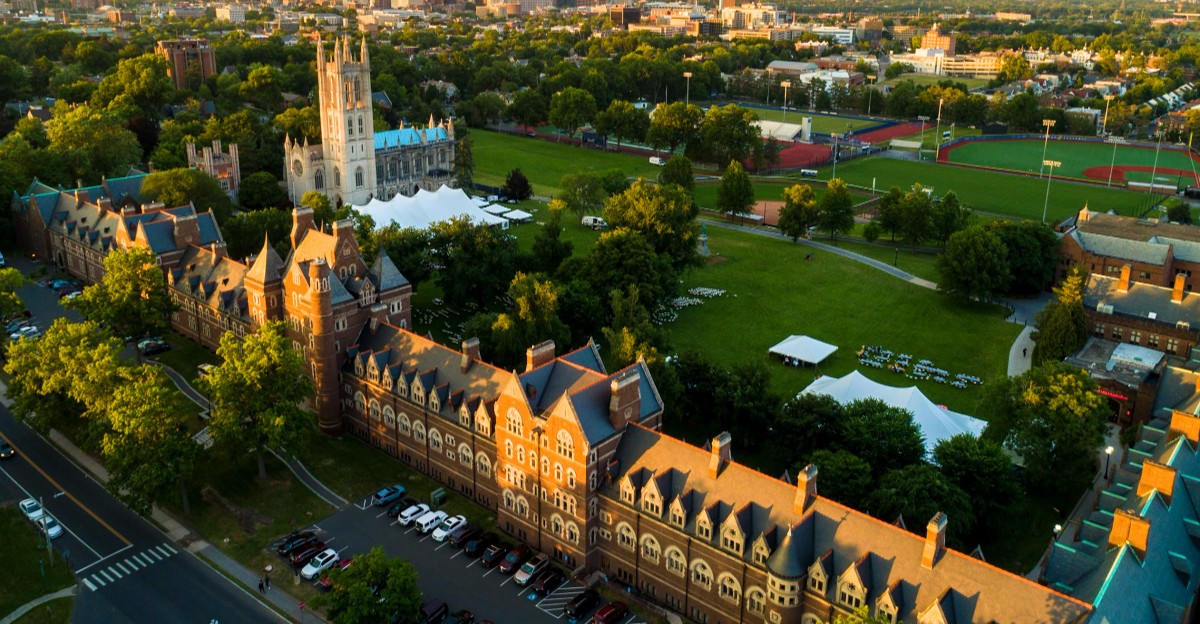
Not every impressive college gets the attention of a household name. Sometimes a school has plenty going for it while the bigger universities dominate the conversation.
That makes a little recognition particularly interesting.
A recent New England college ranking has brought fresh attention to one Connecticut institution, highlighting a school that may deserve a closer look from prospective students.
The “hidden gem” label is an intriguing one.
It suggests there may be more to discover beyond the names that appear on every familiar college shortlist. And when families are comparing schools, finding an overlooked option can open up possibilities they had not considered.
Of course, a catchy ranking cannot make the decision for anyone.
Academics matter, and the overall campus experience needs to feel right for the student. But recognition like this can encourage people to investigate a college they might otherwise pass over.
So what helped this school stand out among its New England neighbors? That is where the story gets interesting.
1. A Historic College With Plenty To Discover
Being called a hidden gem is a funny kind of compliment. It means a place is wonderful, but not enough people know about it yet.
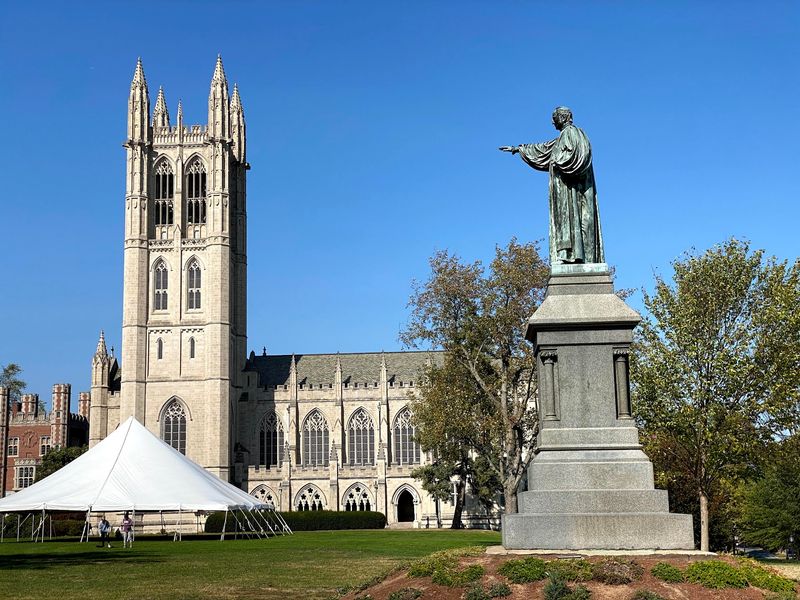
Trinity College landed at number three on one well-known list of the top hidden gem colleges in New England.
One ranking site uses clear rules for this label. A school must receive fewer than 10,000 applications a year and enroll fewer than 7,000 undergraduates.
It also needs at least five unique majors, an acceptance rate of 20 percent or higher, and a spot in the top half of that site’s overall rankings.
Trinity fits that picture nicely. It is a small private liberal arts college, yet it carries a long history and a strong academic name.
Many people who visit say they had no idea the campus would be so striking until they saw it in person.
So what makes it worth discovering? You will find a story that stretches back to the 1820s, buildings that look like they belong in an English storybook, and a learning style built around conversation.
You will also find a city setting that adds real-world options. Each section below explores one piece of that bigger picture.
2. A Beautiful Campus In The Heart Of Hartford
Who knew a college campus could feel so far from the city without actually leaving it?
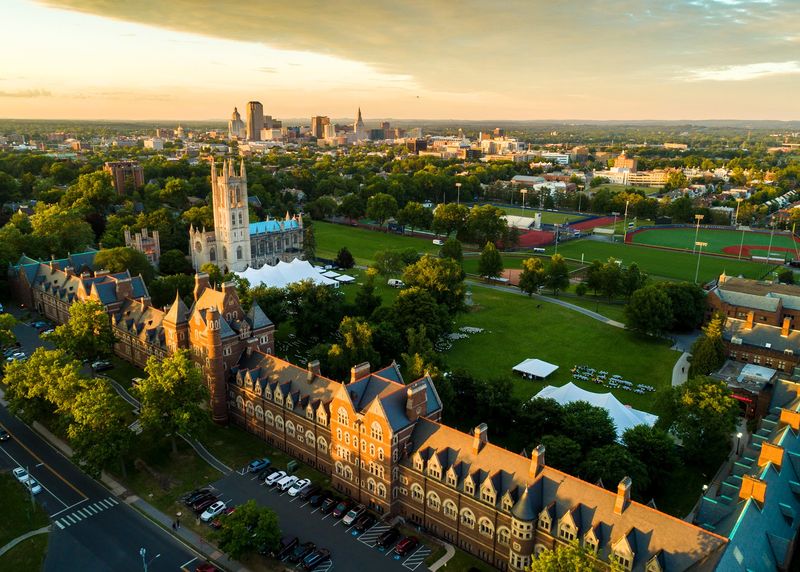
Just minutes from downtown Hartford, Trinity College offers a surprisingly peaceful setting filled with towering trees and historic buildings. The roughly 100-acre campus sits on elevated ground, giving visitors a lovely change of scenery while keeping city attractions close.
One of its biggest draws is the architecture. Architectural Digest has included Trinity among America’s 64 most beautiful college campuses, and a stroll through the grounds makes that recognition easy to understand.
The chapel is especially impressive, with beautiful stonework and details worth slowing down to admire. Nearby, the main quad provides plenty of green space where students gather between classes or settle down with a book.
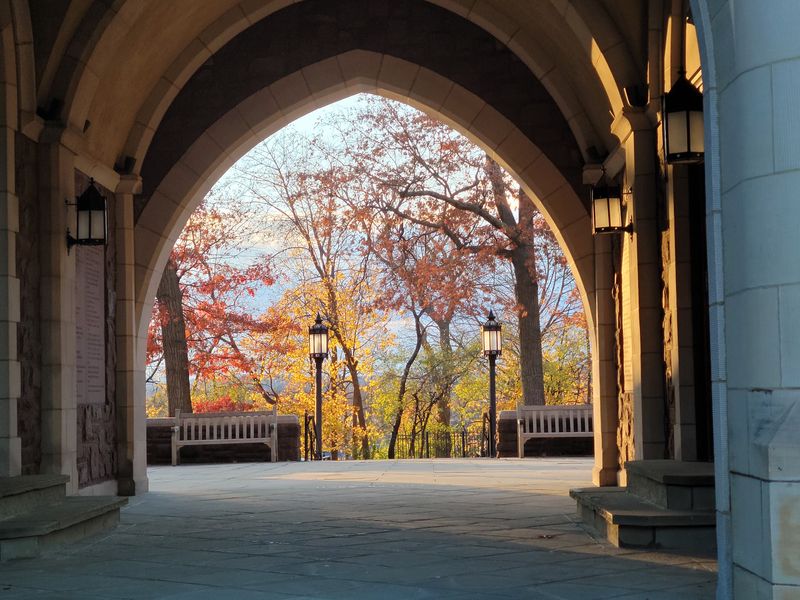
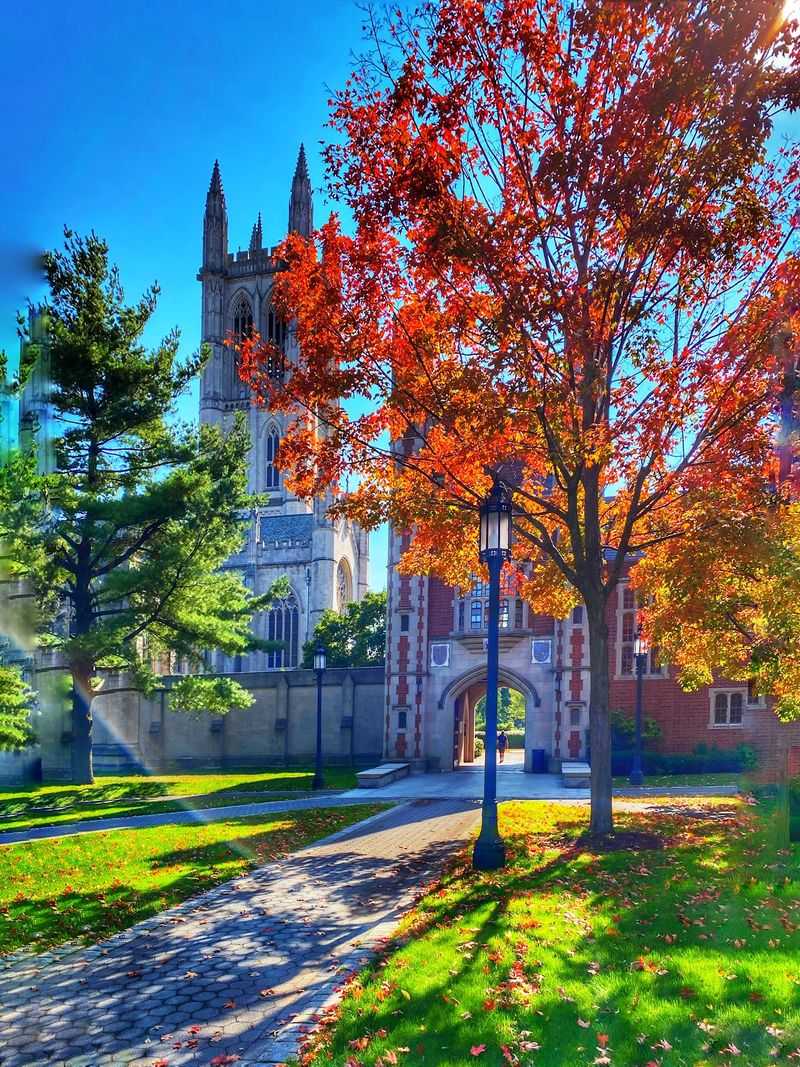
Seasonal changes make the campus interesting throughout the year. Autumn brings colorful leaves, while spring draws students outdoors to enjoy the warmer weather.
Students also benefit from being close to Hartford’s museums, hospitals, and cultural attractions.
The campus welcomes visitors at 300 Summit Street in Hartford, a short distance from downtown.
Wear comfortable shoes and leave time to explore. The historic buildings and peaceful grounds make even a casual stroll enjoyable.
3. Nearly Two Centuries Of Academic History
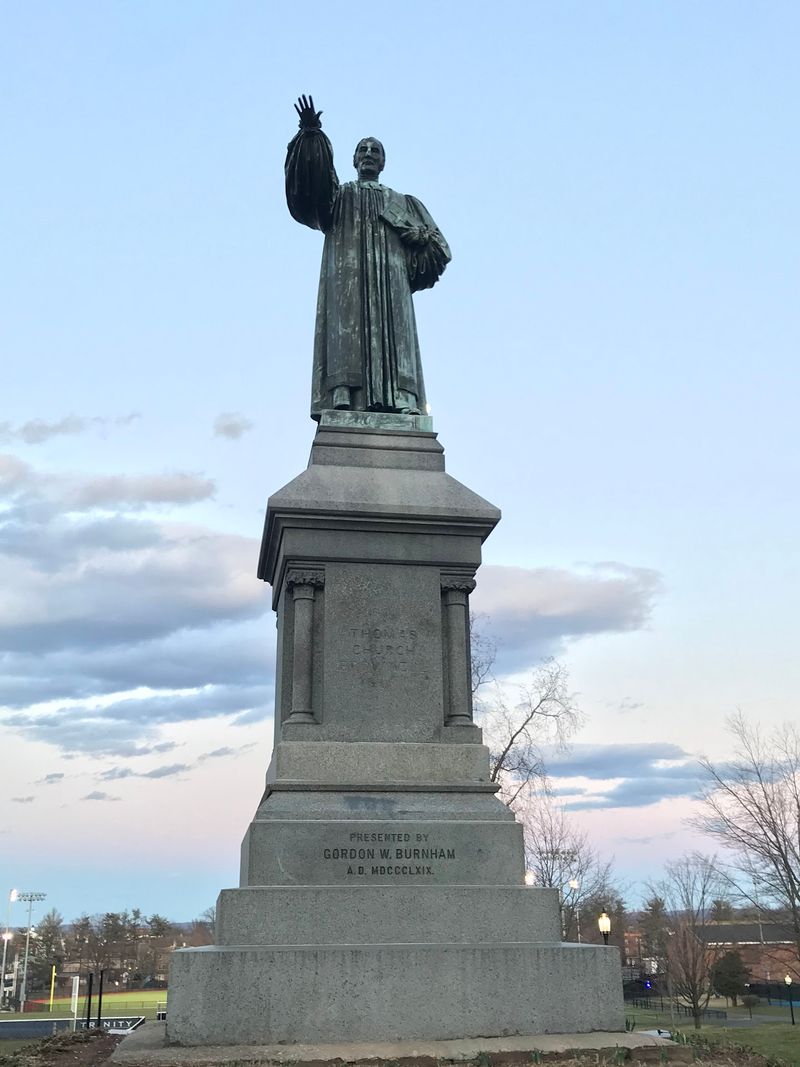
Back in 1823, when James Monroe was president, a new school opened in Hartford under the name Washington College. Only Yale is older among Connecticut colleges.
In 1845, the school took the name it still uses today, Trinity College.
Here is a fun detail. The college began with ties to the Episcopal Church, yet its founding charter said no religious standards could be forced on any student or teacher.
For the early 1800s, that was a pretty open-minded rule.
The school did not always sit on Summit Street, either. It moved to its current campus in 1878, and many of its oldest buildings date from that time.
Another big change came in 1969, when Trinity became coeducational and began welcoming women as students.
Today, Trinity offers more than 50 undergraduate majors, 45 minors, and two graduate programs. It has a reputation for a challenging liberal arts curriculum, which means students explore many subjects instead of just one.
Think of it as learning to connect ideas across history, science, art, and more. Nearly two hundred years later, that mission still shapes everyday life on campus.
4. Gothic Buildings And Impressive Architecture
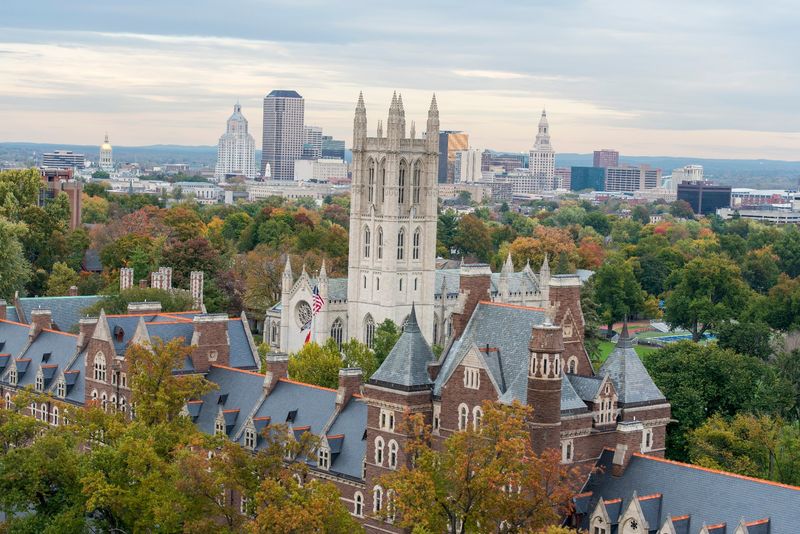
Pointed arches, tall towers, and carved stone give Trinity a look that feels almost medieval. That style has a name: Gothic.
And here is the surprising part. Trinity’s Long Walk helped establish a new standard for Gothic Revival college architecture in the United States.
The original design came from an English architect working in the High Victorian Gothic style. A local architect helped adapt the plans and oversee the building work here in the state.
The first big plan called for several enclosed courtyards, but the cost was too high, so the design was scaled back.
That change turned out to be a happy accident. Instead of many courtyards, the college got one long, dramatic row of connected buildings, which you will read about next.
Experts consider those buildings outstanding examples of Collegiate Gothic design.
Then there is the chapel, built in 1932, also in the Gothic style. Visitors often call it a highlight of any campus stroll, so do not skip it.
Look up at the stonework and windows, and notice how light moves across the walls. Even if you are not into architecture, you might find yourself snapping more photos than you expected.
5. The Famous Long Walk Across Campus
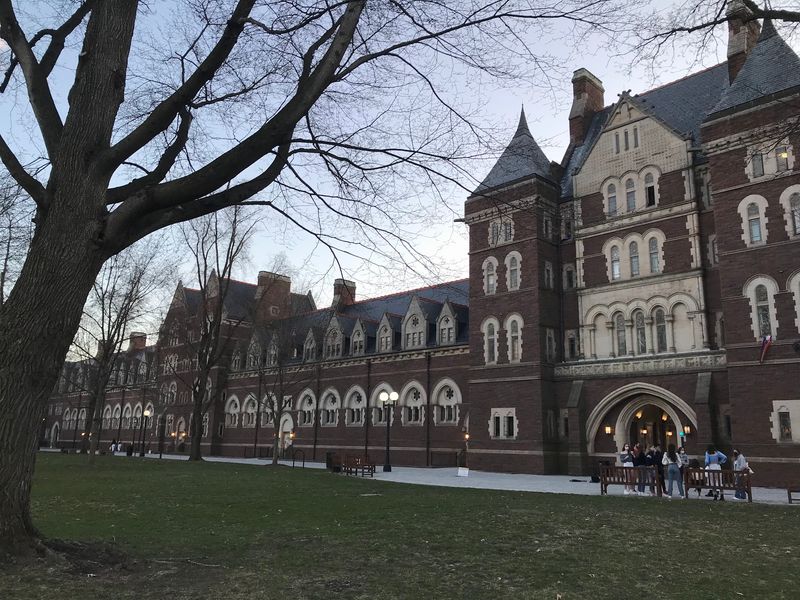
Some college buildings really know how to make an entrance. This one stretches across an entire side of the main green, with an impressive tower rising above the historic stonework.
Known as the Long Walk, this landmark is one of Trinity College’s most recognizable features. It consists of three connected sections: Seabury Hall and Jarvis Hall, both completed in 1878, and Northam Tower, which followed in 1883.
Together, they form the oldest buildings on the college’s present campus. The Fuller Arch beneath the tower is a particularly popular spot for photographs.
Keeping these historic structures in good condition has taken serious investment. A $32.9 million restoration and renovation project was completed in 2008, preserving their character while updating them for student life.
In 2024, the Long Walk earned a place on the National Register of Historic Places, adding another chapter to its long history.
The buildings also hold special meaning for graduates, with commencement traditions connecting generations of Trinity students to the same familiar setting.
Take your time exploring the full length of the walkway. Between the stone arches, towering architecture, and leafy Quad, it’s easy to understand why this part of campus means so much to its community.
6. Small Classes And A Close-Knit Community
Eighteen students. That is the average class size at Trinity, allowing for more personal attention and classroom discussion.
Over 73 percent of classes have fewer than 20 students, so hiding in the back row is not really an option.
With about 2,200 undergraduates and a student-to-faculty ratio of 9 to 1, students have more opportunities to build personal connections with professors. They can answer questions, give feedback on writing, and invite students to help with research.
Faculty at Trinity put a strong focus on connecting teaching with real research work.
Life outside class is close too. More than 80 percent of undergraduates live on campus, which means friends are usually just a short walk away.
Dining halls, the library, and sports games become everyday meeting places.
Visitors often notice how polite and helpful people are, whether they are students or staff. Many describe the atmosphere as welcoming and say the sense of community stands out on tours.
Thinking about what this means for you? If you learn best by talking things through and getting personal attention, a smaller school like this can be a great match.
It is easier to join clubs, try leadership roles, and feel like you belong.
7. Academic Opportunities Beyond The Classroom
Learning at Trinity does not stop at the classroom door. The school builds its education around critical thinking, strong writing, and lively discussion, and then pushes students to use those skills in the real world.
First-year students can join special Gateway Programs. These cover areas like interdisciplinary arts, sciences, cities, humanities, global health, and community action.
It is a smart way to start college with a group of classmates who share your interests.
Hartford itself becomes a learning tool. Students find internships and research projects through partnerships with local employers, and programs such as Urban Studies include community learning right in the city.
Future doctors and nurses can look into the Health Fellows Program, which offers hands-on clinical research at area medical centers.
Want to see the world? Trinity has its own campus in Rome, plus study-away programs in other international cities.
A few more surprises are worth knowing. Trinity was among the first liberal arts colleges in the country to offer a Human Rights Program.
It is also one of a small group of liberal arts schools with an engineering degree. Students can even design their own major if no existing one fits their goals.
8. A New England College Worth Knowing About

Hidden gems rarely stay hidden forever, and Trinity seems ready for more attention. Its mix of history, beauty, and strong academics makes a solid case for anyone building a college list.
Sports fans will be happy here too. Trinity is a member of the New England Small College Athletic Conference, known as NESCAC, which includes many respected liberal arts schools.
Visitors often say games on campus are fun to watch, no matter which sport you prefer.
The numbers tell a good story as well. About 90 percent of first-year students return for their second year, a sign that people like what they find.
Trinity’s graduation rate is about 83.8 percent within six years.
For families on the road, a campus tour is an easy way to get a feel for the place. Guests also mention concerts and an art-house movie theater, so check what events might be happening during your trip.
Whether you are a future student or simply curious, Trinity rewards a closer look. A historic school in a capital city, with small classes and stunning buildings, is not something you come across every day.
Consider this your invitation to discover it.