This Eerie Maryland Mansion Looks Like Something Straight Out Of A Post-Apocalyptic Movie
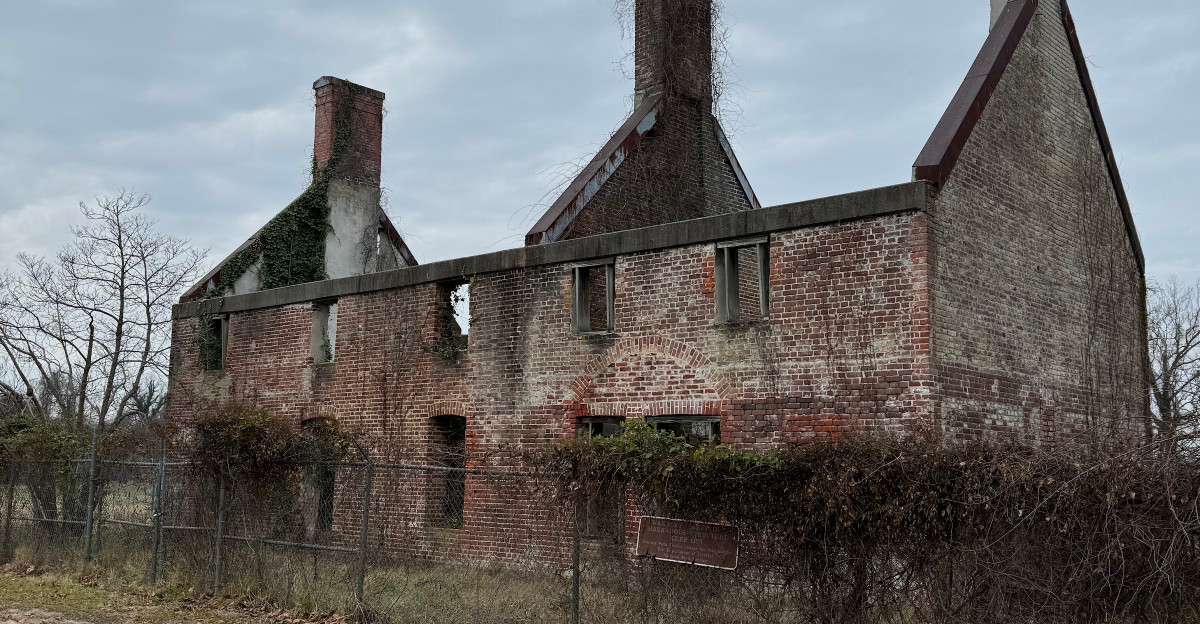
How does a mansion look beautiful and completely apocalyptic at the same time? This Maryland ruin manages both.
Vines climb tall brick walls, empty windows frame the sky, and the Potomac River moves calmly beyond a building that no longer has a roof.
The contrast makes the scene feel almost unreal! Its history stretches through several dramatically different chapters. That gives those surviving walls even more mystery.
Visitors can walk the grounds while imagining how much life once filled the property.
The mansion no longer needs furniture or polished rooms to command attention. Its empty shell tells a much stranger story now.
A Mansion Born From A Mistake
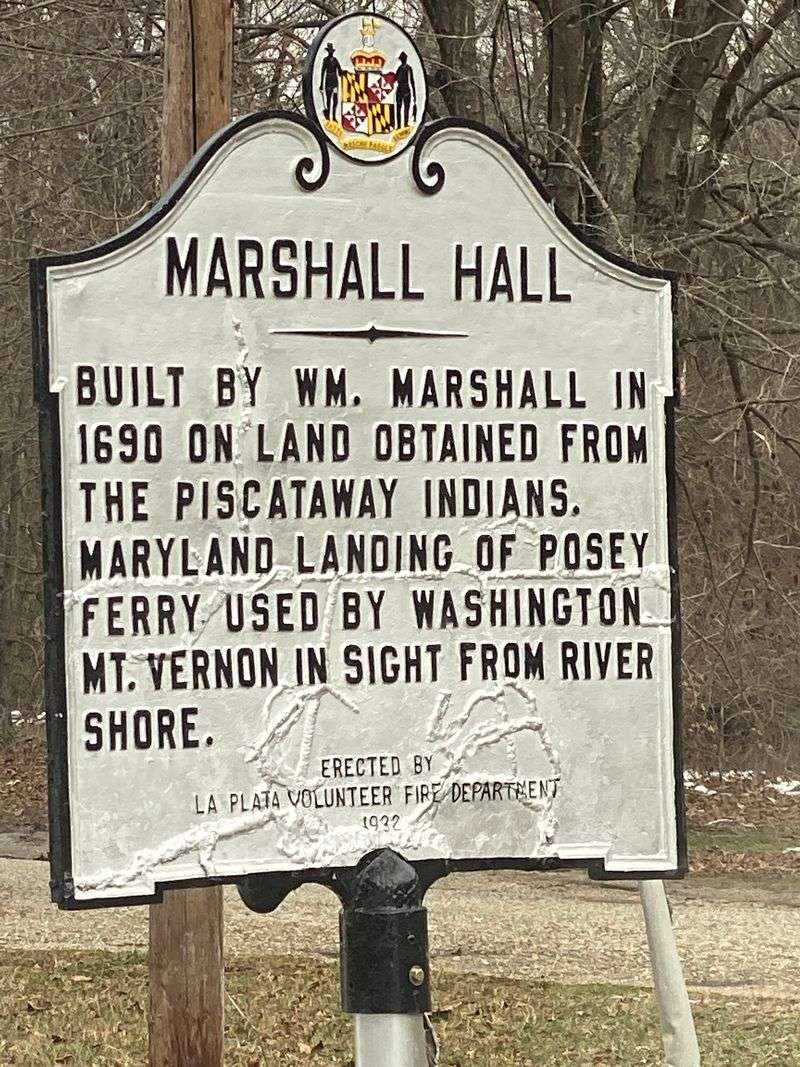
Funny enough, this grand estate started life with a very humble name. The property became associated with the name Mistake, a reference tied to surveying errors near the Potomac tidewater.
Thomas Marshall is believed to have built the main house around 1725. Two additional bays were added around 1760, expanding what was already an unusually substantial colonial residence.
Contemporary records made Marshall Hall one of the most important early houses in the region. It was the largest documented dwelling in Southern Maryland dating from before 1740.
The original house was five bays wide and two bays deep, with prominent chimneys and carefully worked brick details. The later addition extended the east side while keeping the earlier section clearly legible in the masonry.
The estate operated as a tobacco plantation and depended on coerced labor, an essential part of understanding how the property functioned and accumulated wealth.
A later member of the family knew George Washington, whose Mount Vernon estate sits directly across the Potomac. Records show the two were acquaintances who occasionally traded or sold crops.
By the early 1800s, the old Mistake name had given way to Marshall Hall. You can find the site at 1005 Marshall Hall Rd, Bryans Road.
Steamboats And Picnic Crowds
The next chapter arrived by water. After the Marshall family era ended, the riverfront property became a popular destination for excursions from Washington and Alexandria.
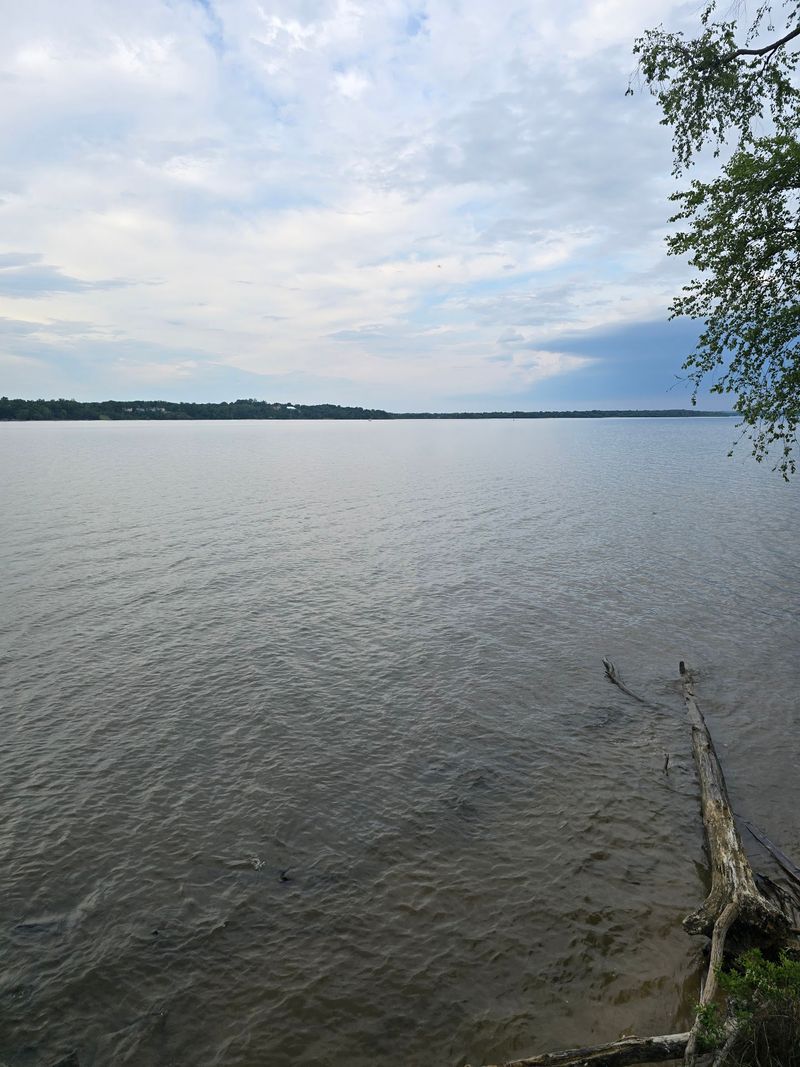
Location made all the difference here. Marshall Hall sits directly across the river from Mount Vernon, giving visitors an easy way to combine scenery, history, and recreation in one outing.
In the 1870s, steamboat operators purchased the property and established the Mount Vernon and Marshall Hall Steamboat Company. Boats carried passengers between Washington, Mount Vernon, and the riverside grounds.
The site soon developed into a busy pleasure resort. Plays, shows, sports, restaurants, and other public entertainment drew visitors well before the later amusement rides arrived.
Passenger service made the river function almost like a front entrance. Docks and landing areas connected the grounds directly with sightseeing routes traveling along the Potomac.
That history is easier to picture from the shoreline, where the Virginia side remains clearly visible across the water.
The river was more than scenery. For generations, it served as the main transportation route bringing visitors to the property.
Roller Coasters On The Riverbank
The riverside resort eventually grew into a full amusement park, especially as new attractions arrived during the twentieth century.
Families stepped off passenger boats and entered grounds filled with rides, midway attractions, food stands, and gathering spaces.
The amusement park included Ferris wheels, roller coasters, bumper cars, a carousel, and other attractions. Modern rides expanded substantially during the 1950s, turning the old excursion grounds into a much larger entertainment destination.
The old mansion remained part of the property while the amusement park developed around it. Historic photographs show the brick house standing near the busy recreation grounds and serving practical roles during the park era.
The riverfront setting remained one of the property’s defining features. Visitors could spend the day near the rides while still looking across the Potomac toward Virginia.
The grounds also continued older recreational traditions, so the site carried several layers of entertainment history at once rather than changing overnight.
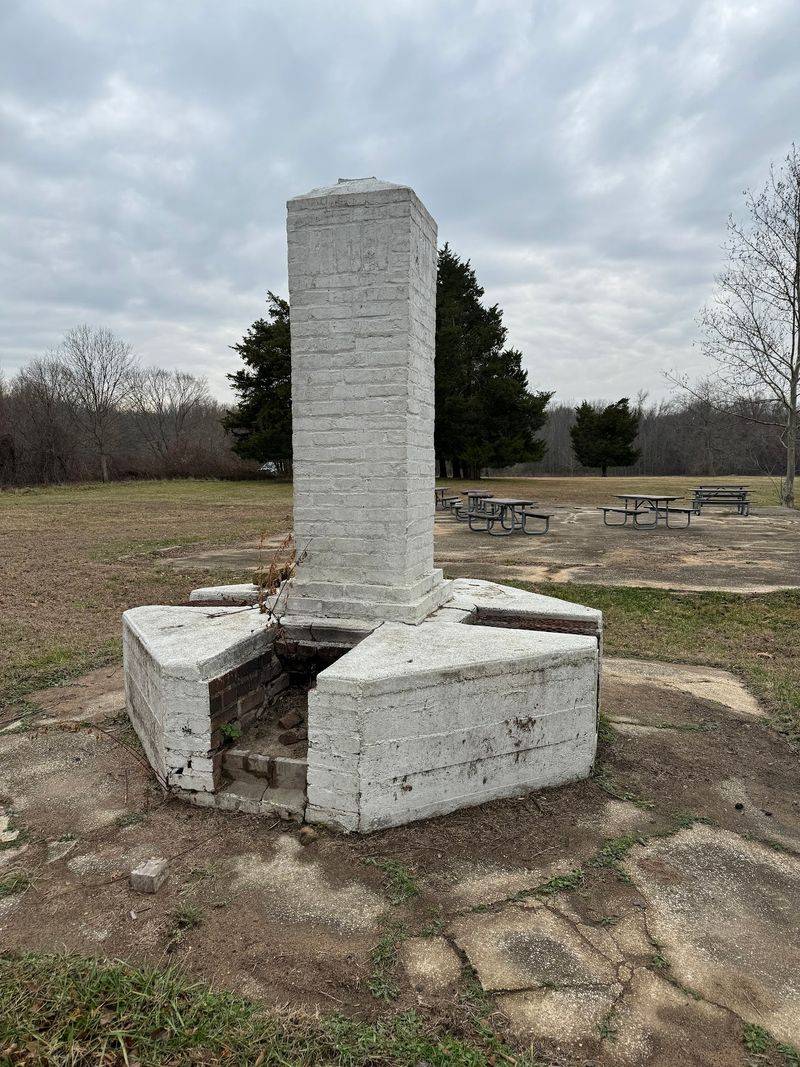
Today, none of those rides remain. The open landscape makes the contrast between the former amusement era and the surviving colonial brickwork especially striking.
When The Music Stopped
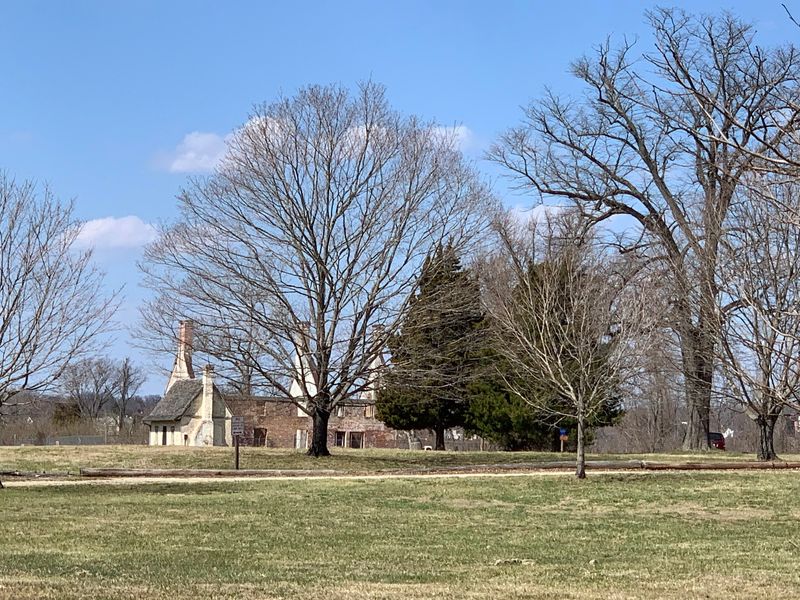
By the 1970s, the amusement park was facing growing competition and an aging collection of attractions.
A major windstorm in 1977 brought down the park’s principal roller coaster. Marshall Hall closed as an amusement park in 1979.
The property had already been added to Piscataway Park in 1975 as part of the effort to protect the historic Potomac viewshed from Mount Vernon.
The remaining amusement structures were removed by 1982, leaving the historic house and open riverfront landscape as the principal features of the site.
Marshall Hall itself had joined the National Register of Historic Places in 1976, recognizing both its architecture and its broader social history.
What feels quiet today once held rides, performance spaces, crowds, restaurants, and arriving passenger boats.
That change is one of the most interesting parts of a visit. Open grass, mature trees, and broad river views now occupy land that spent decades as a busy recreation destination.
How The Brick Shell Survived
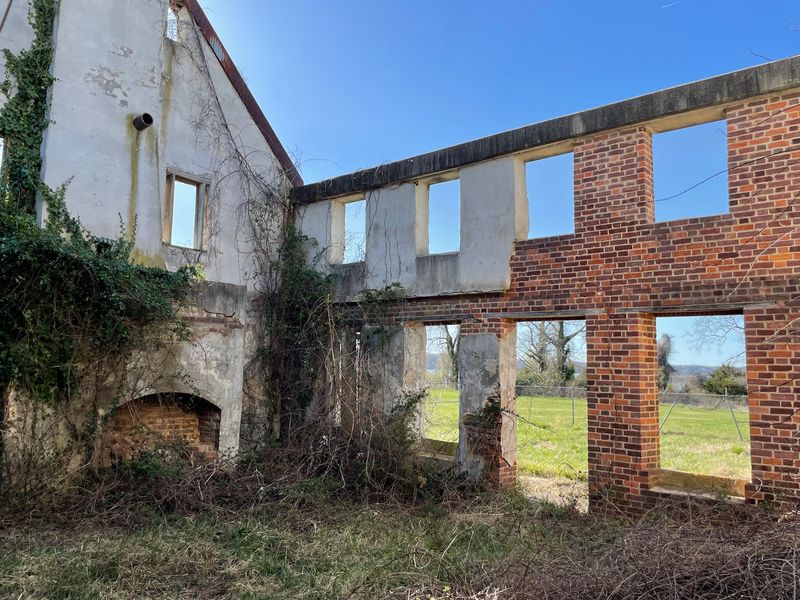
The mansion’s appearance changed dramatically during the early 1980s.
In 1981, the house lost its roof and most of its interior, leaving the historic brick exterior walls standing.
Another major structural event in 2003 removed much of the central portion of the remaining building. Stabilization work followed to protect the masonry that survived.
The result is the shell visitors see today: tall brick walls, open window spaces, twin chimneys, and large sections exposed to the sky.
The surviving structure remains architecturally significant. Its Flemish-bond masonry and early construction details once provided unusually valuable evidence about colonial building practices in the region.
Several original features were among the earliest datable examples documented locally, including decorative brick arches, early roof framing, and details around the chimneys.
A protective fence now surrounds the ruin, allowing visitors to study the structure without approaching fragile masonry.
From outside that boundary, the surviving brickwork still reveals different construction periods and changes made across nearly three centuries.
Rules Of A Protected Ruin
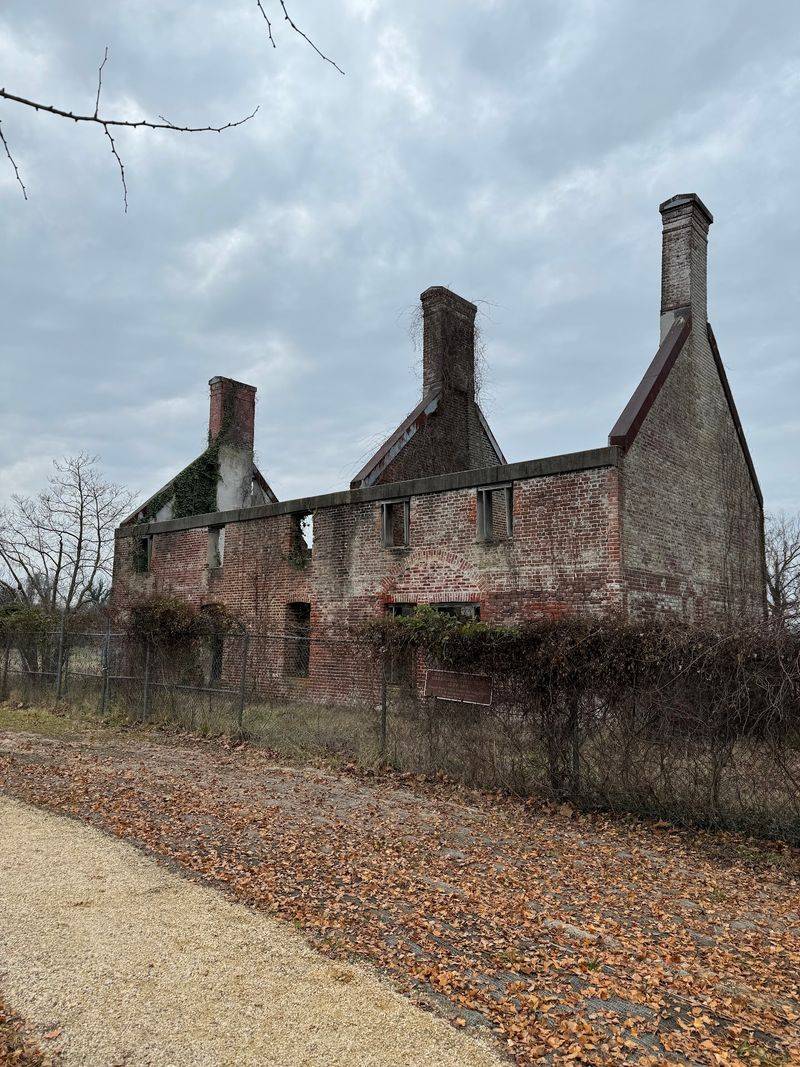
Marshall Hall is now a protected historic ruin within Piscataway Park.
The remaining brick shell stands behind a chain-link fence measuring roughly 110 by 115 feet. Visitors should remain outside the enclosed area.
A flat gravel path leads from the small parking area to the front of the ruins, and picnic tables sit on the lawn nearby. One accessible parking space is available beside the historic area.
The site is simpler than many developed park attractions. Marshall Hall has no running water or permanent restroom facilities, so bringing water and planning ahead makes the visit easier.
Piscataway Park currently allows pedestrian access from 6 a.m. to 10 p.m., while vehicle access through gated areas begins at 9 a.m.
The wider park was created to protect the historic Potomac viewshed from Mount Vernon, and Marshall Hall remains one of its most visible cultural landmarks.
A little background reading before the visit helps because the brick shell represents only one piece of a much longer Maryland story.
Snapshots Worth The Drive
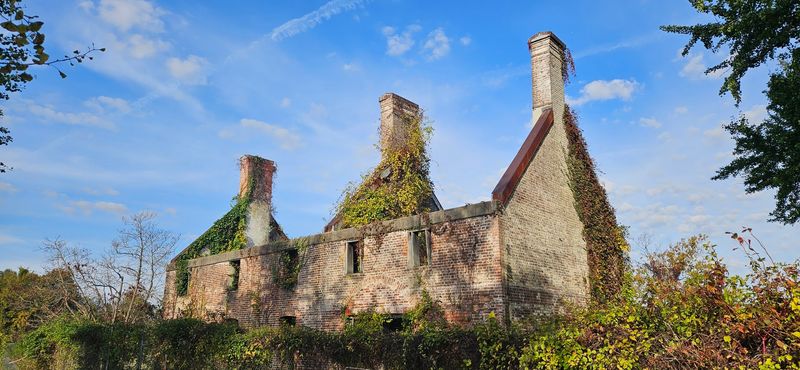
The ruin offers strong photographic angles without requiring access inside the fence.
Wide views capture the full brick shell against the sky, while tighter compositions reveal window openings, chimneys, vines, and changing masonry patterns.
The surviving walls use Flemish-bond brickwork, a pattern that alternates headers and stretchers to create a distinctive surface. Decorative brick arches and traces of different building phases add more detail around the openings.
Light changes the appearance throughout the day. Morning conditions can emphasize texture, while later light often brings warmer tones to the brick.
Seasonal changes alter the setting as well. Bare branches make the structure easier to see in colder months, while leafy growth creates a greener frame during warmer weather.
Handheld personal photography is generally allowed in open areas of the park. Larger staged shoots, exclusive use of an area, or larger groups may require authorization.
Keeping the lens close to the fence can make the wire less prominent in some photographs, while wider shots can use the barrier as part of the historic-site context.
Including the river in a composition helps explain why this location mattered for centuries.
River Views And Boat Ramp Fun
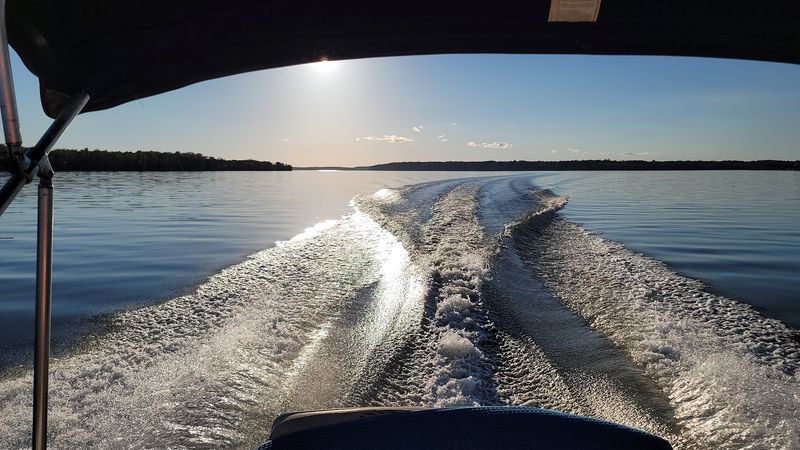
History is only part of the experience at this riverside stop. Marshall Hall also has a developed concrete boat ramp on the Potomac.
The launch accommodates motorized and hand-paddled watercraft, with a paved parking area for vehicles and trailers. A pier extends along the ramp and makes the river access easier to understand at a glance.
Picnic tables sit on the lawn near the ruins, making the grounds useful for a simple break beside the river.
Fishing is permitted along the Piscataway Park shoreline, and visitors who need a license must follow current Maryland fishing regulations.
The flat path to the ruins makes the historic area straightforward to explore, while the shoreline opens broad views toward Virginia and Mount Vernon.
There are no trails connecting every separate site within Piscataway Park, so Marshall Hall works best as its own stop rather than the beginning of a long connected hike.
The boat launch, lawn, historic shell, and river view sit close enough together to make a short visit easy, but the setting rewards a slower pace.