Halloween Legends Follow Visitors Through This Abandoned Idaho Mining Town After Dark
Two stone beehive kilns sit beside a narrow canyon road in central Idaho, and they were built to make charcoal for a silver smelter. The town that needed that charcoal still waits a few miles farther up the creek.
Nobody lives there now, yet weathered cabins, mill remains, and old mine workings still line the gulch. Signs explain the past, but the silence does most of the talking.
I like how quiet it gets once the sun drops behind the steep ridges. Empty windows start to feel a little too watchful, and every creak of old lumber sounds like a story trying to finish itself.
October makes that feeling even stronger, especially for anyone who loves a good campfire tale. So what exactly waits at the end of that gravel road?
A Silver Town Sitting Quietly In Idaho’s Mountain Backcountry
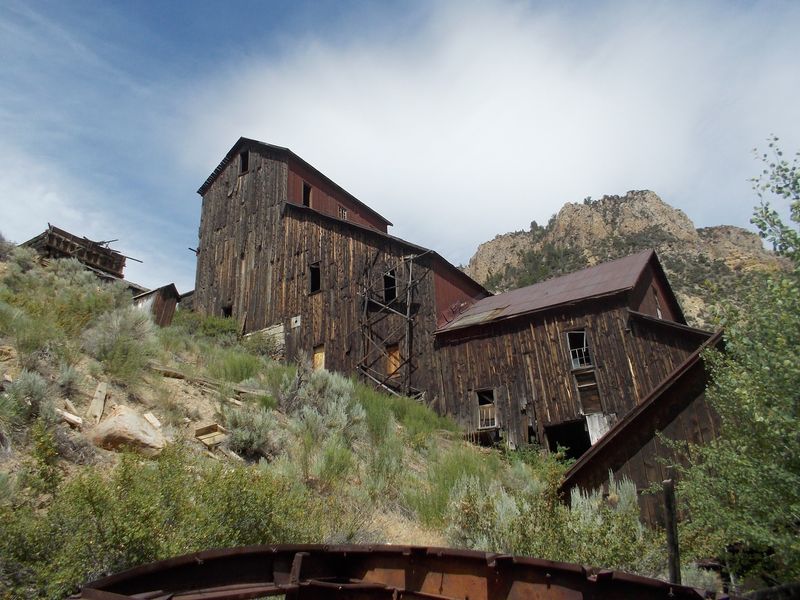
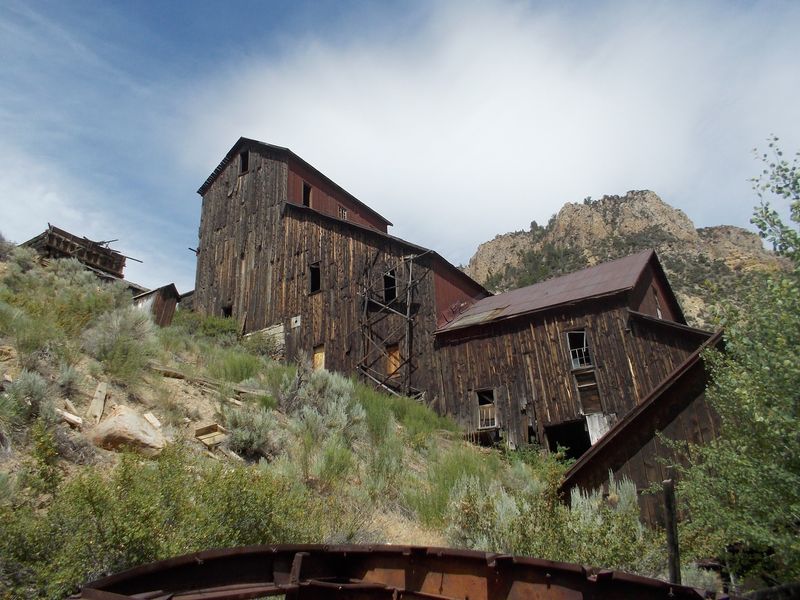
Bayhorse is the name, and it belongs to a ghost town in Custer County, Idaho. Founded in 1877, it sits in a tight canyon along Bayhorse Creek in the central part of the state.
The town lies west of Highway 75, the scenic route that links Challis with Clayton and the Salmon River country. Once you leave the pavement, the canyon narrows and the modern world starts fading fast.
Today, Bayhorse is part of Land of the Yankee Fork State Park. That matters, because the state park designation helps protect what remains and gives visitors a legitimate way to explore.
So this isn’t some trespassing adventure on private land. It’s a preserved piece of Idaho mining history that the public can actually see, read about, and appreciate.
The setting does a lot of the work here. Steep slopes press in on both sides, and the creek keeps up a steady soundtrack the whole way through.
Add a fall evening and fading light, and the place starts feeling like the opening scene of a mystery. Few spots in Idaho deliver that mood so naturally, with zero special effects required.
Silver Built This Place Fast, Then Slowly Let It Go
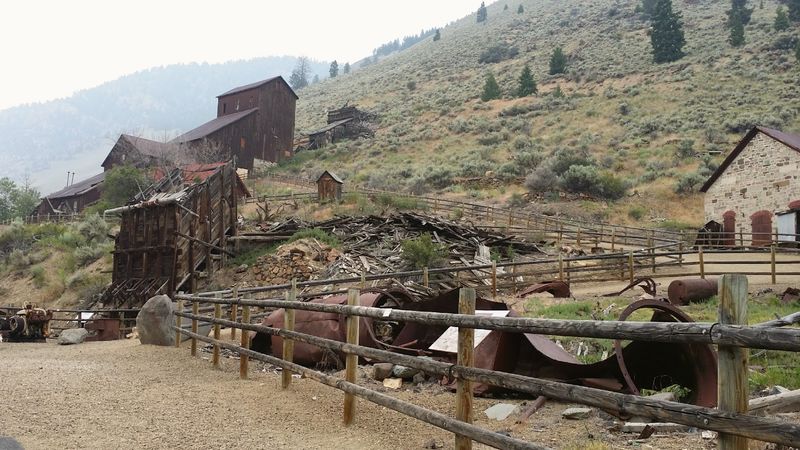
Silver is the whole reason Bayhorse exists. Large silver deposits nearby drew prospectors into this canyon, and the town was founded in 1877.
Here’s a curious twist, though. Real development didn’t kick off until 1880, so the town spent a few years as more promise than settlement.
Once building started, Bayhorse grew into a thriving mining town. Mines, a smelter, homes, and businesses filled the narrow gulch as people chased the ore in the hills above.
Life here revolved around digging silver out of the mountain and turning it into something worth shipping. Everything else, from housing to charcoal production, supported that single goal.
Mining towns rarely stay booming forever, and Bayhorse followed the familiar Idaho pattern. As the ore and the money shifted, residents drifted away and the buildings were left to weather in place.
That’s what makes the visit feel so personal. You aren’t looking at a recreation built for tourists.
These are the actual structures people used during the silver years. Knowing that turns an ordinary stroll into something closer to time travel, minus the dusty wagon ride.
Those Beehive Kilns Make One Eerie First Impression
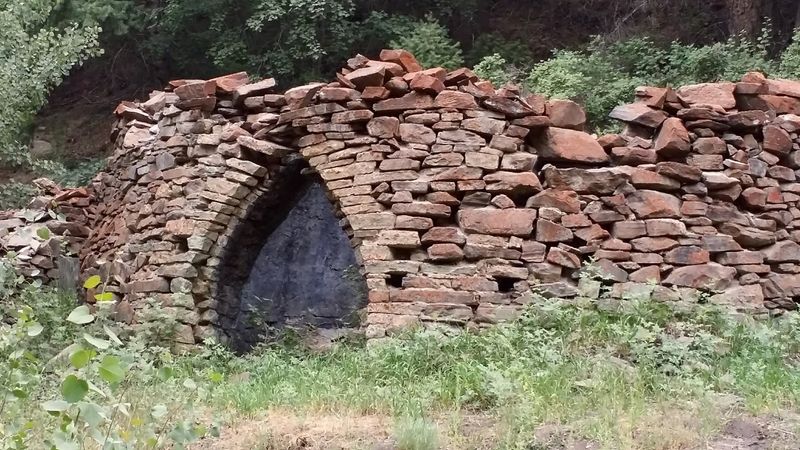
Long before the cabins appear, a pair of rounded stone kilns greets you along the Bayhorse road. They look a little like giant beehives, which is exactly why people call them beehive kilns.
Their job was practical, not spooky. Workers burned wood inside them to produce charcoal, which fueled the smelting operations that processed silver ore.
Of course, practical things can look pretty dramatic after a century of weather. The dark arched openings and thick masonry walls give them a serious presence against the canyon slopes.
On a gray October afternoon, they feel like silent gatekeepers. You almost expect someone to ask for a password before you continue up the creek.
They’re also a great reminder of how much labor went into frontier mining. Silver didn’t just come out of the ground ready to sell.
Every step required fuel, muscle, and serious engineering, much of it handled right here. Stopping at the kilns first sets the tone perfectly, and it gives your camera an early workout before the main event even begins.
Weathered Cabins Telling Stories Without A Single Word
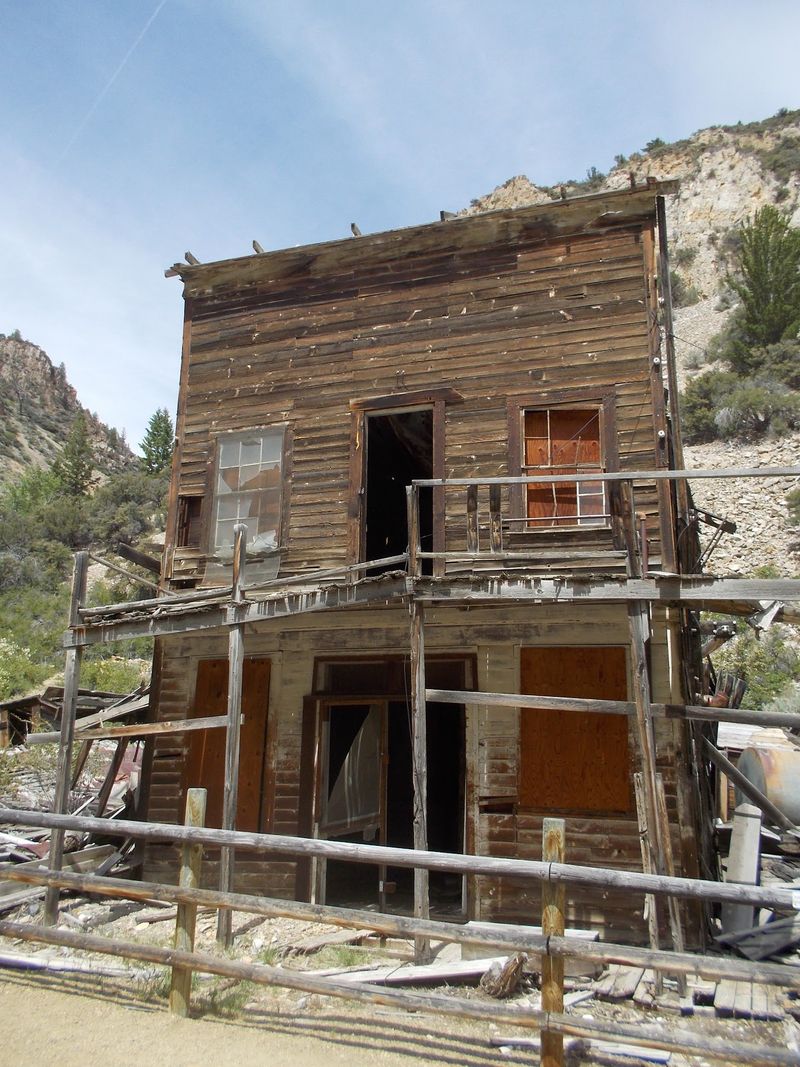
Empty windows have a funny way of staring back. Walk past the old cabins at Bayhorse and that feeling shows up quickly.
The buildings are weathered wood, worn gray by decades of mountain sun and snow. Some still stand fairly upright, while others lean like they’ve had a very long shift.
Interpretive signs help fill in what these spaces were once used for. That context turns a cluster of old walls into a neighborhood you can actually picture.
Think families cooking, miners heading uphill before sunrise, and shopkeepers keeping an eye on the road. The quiet now makes those everyday scenes easier to imagine, not harder.
Treat the buildings gently, because they’re fragile pieces of Idaho history. Staying on paths and respecting closures keeps them standing for the next curious visitor.
Photographers tend to find endless angles here, from rough doorframes to sagging rooflines. As shadows stretch across the canyon floor, each structure takes on a slightly different personality.
Some feel cozy and nostalgic. Others feel like they’re keeping a secret they have no intention of sharing.
Mill And Smelter Ruins That Show How Hard Silver Came
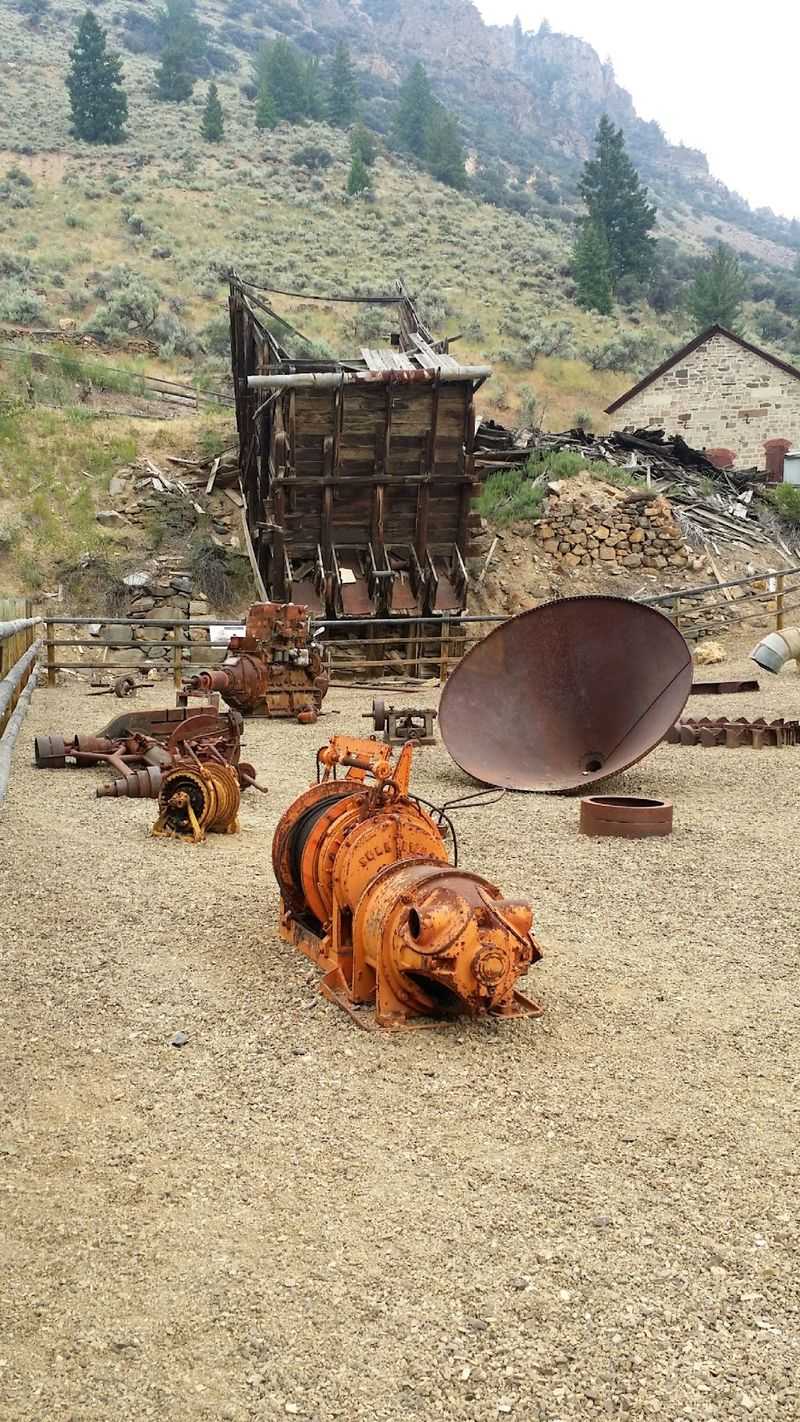
Silver ore was never a simple pick-it-up-and-go situation. At Bayhorse, the remains of milling and smelting operations show just how much industry it took to get from rock to profit.
Timber framework, stone foundations, and leftover workings cling to the canyon. They reveal a town that was serious about production, not just prospecting.
Picture the noise these operations once made in such a tight gulch. Machinery, workers, and wagons would have filled the canyon with constant activity.
Now the loudest sound is usually the creek. That contrast is a big part of what makes the place feel so haunting after the sun slips away.
Up on the slopes, old mine workings hint at where the silver actually came from. Viewing them from a safe distance is the smart move.
Old mine openings and unstable ground are no joke, and they aren’t for exploring. Stick to designated areas, keep kids close, and let the signs do the storytelling.
You’ll still come away with a strong sense of how hard this mountain made people work for every ounce.
When Darkness Falls, Your Imagination Takes Over
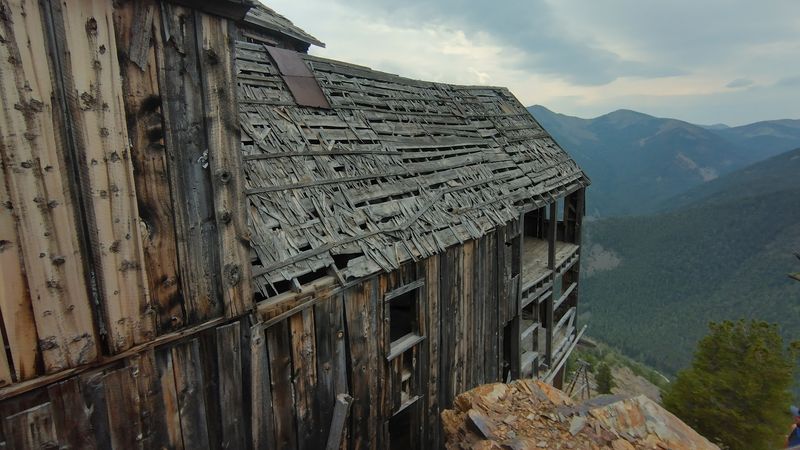
Ghost towns practically invent their own legends once the light fades. Bayhorse is no exception, and October gives that feeling an extra push.
Let’s be honest about one thing. There isn’t a famous, well-documented ghost story tied to Bayhorse the way some other Idaho towns claim.
What it has instead might be better. It has an empty canyon, silent buildings, and a history full of people who simply moved on and left their homes behind.
That gap between what you know and what you don’t is where Halloween legends grow. A loose board taps in the breeze, and suddenly you’re inventing a backstory.
Dusk in the canyon brings deep shadows that swallow details fast. Doorways turn into dark rectangles, and the kilns down the road look even more mysterious.
It’s the kind of setting that inspires campfire tales for years afterward. Families who like a gentle scare will find plenty of material without anything actually jumping out.
Just plan your timing wisely. Exploring in daylight and watching the mood shift as evening arrives is safer than fumbling around old ruins in full darkness.
One Stop On A Bigger Ghost Town Adventure
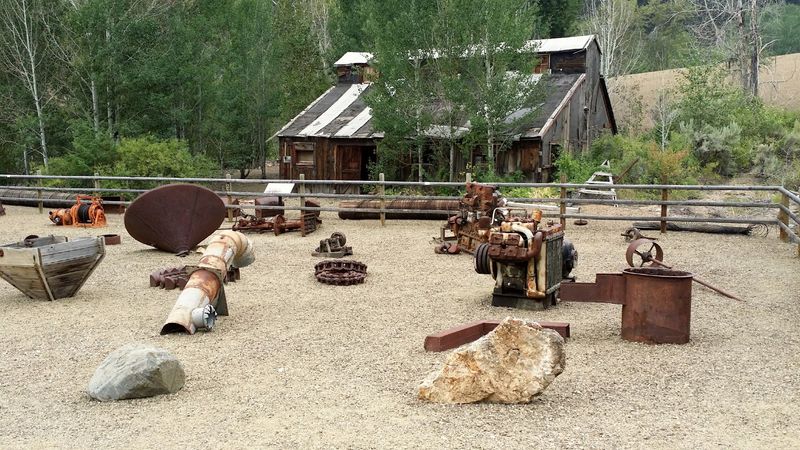
Here’s a bonus most first-timers don’t expect. Bayhorse belongs to Land of the Yankee Fork State Park, which ties together several mining sites around Custer County.
That means one Idaho road trip can easily stack up multiple chapters of frontier history. You can treat Bayhorse as the moody opener or the grand finale.
The park also includes the old mining towns of Custer and Bonanza along the Yankee Fork. Each one carries its own feel, so the day never turns repetitive.
Then there’s the Yankee Fork Gold Dredge, a massive floating machine that once churned through the valley floor for gold. Seeing its scale in person gives the whole region’s mining story some real muscle.
Near Challis, the park’s interpretive center helps connect all these dots before you head out. Stopping there first makes every site afterward more meaningful.
Highway 75 stitches much of this together through river canyons and mountain views. It’s a seriously scenic route, especially when fall color hits the cottonwoods and aspens along the water.
History Buffs And Spooky Season Fans Share This Canyon
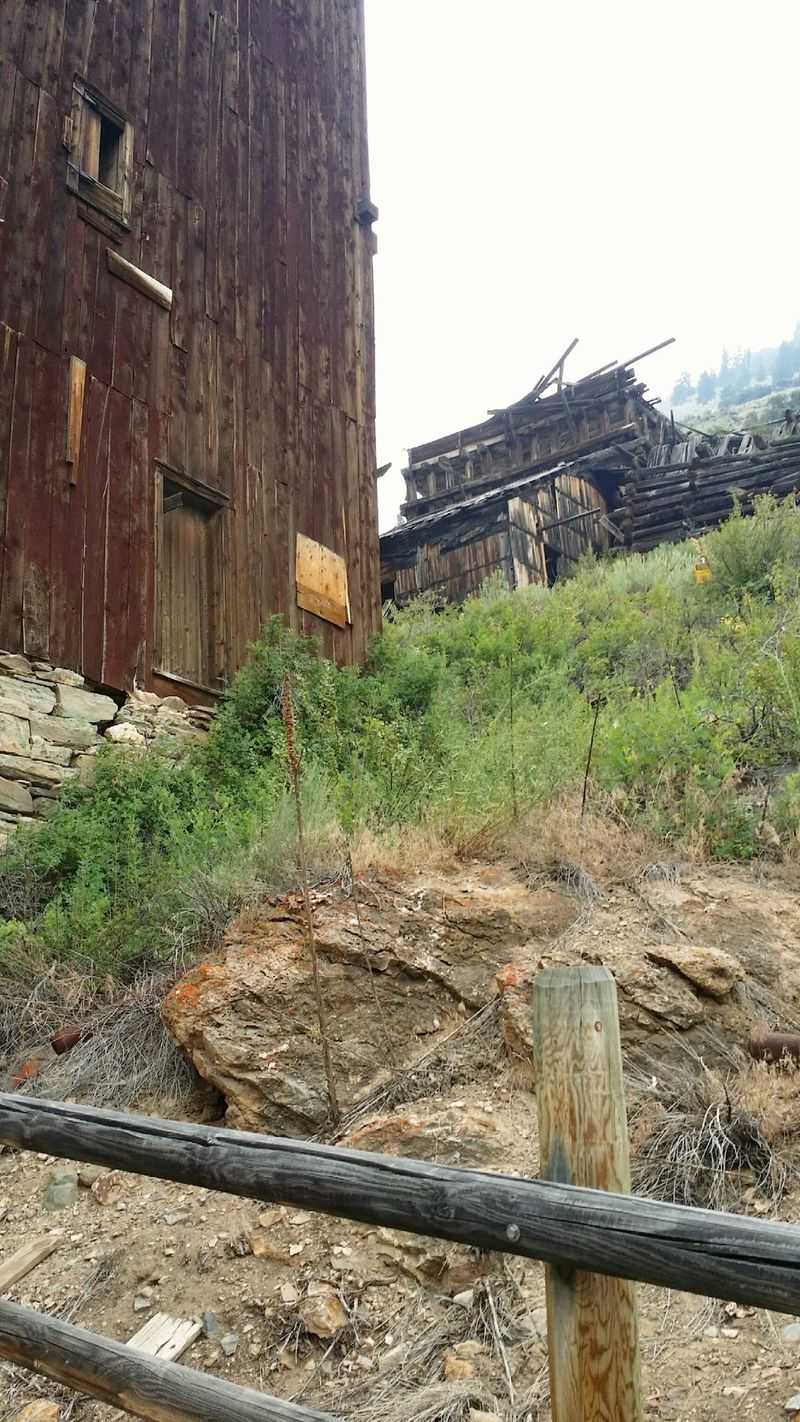
History lovers get the obvious payoff at Bayhorse. Real buildings, real ruins, and interpretive signs make it easy to understand how a silver town actually worked.
Photographers have a field day too. Weathered textures, stone kilns, and canyon light offer the kind of shots that don’t need filters.
Families looking for an affordable outing should also take note. Kids who roll their eyes at museums often light up when the history is outside and slightly creepy.
A little Halloween storytelling on the drive home can stretch the fun even further. Just set clear rules about staying on paths and away from old mine areas.
Quiet-seekers will appreciate the solitude. With no town around anymore and no modern buildings crowding the view, the canyon offers a rare break from noise.
On the other hand, anyone expecting snack bars or gift shops should adjust expectations. Bayhorse is about atmosphere and authenticity, not convenience.
Pack your own food, water, and layers. Mountain weather in central Idaho changes quickly, and that crisp fall air gets chilly once the canyon slips into shade.
A Gravel Road, A Full Tank, And A Little Planning
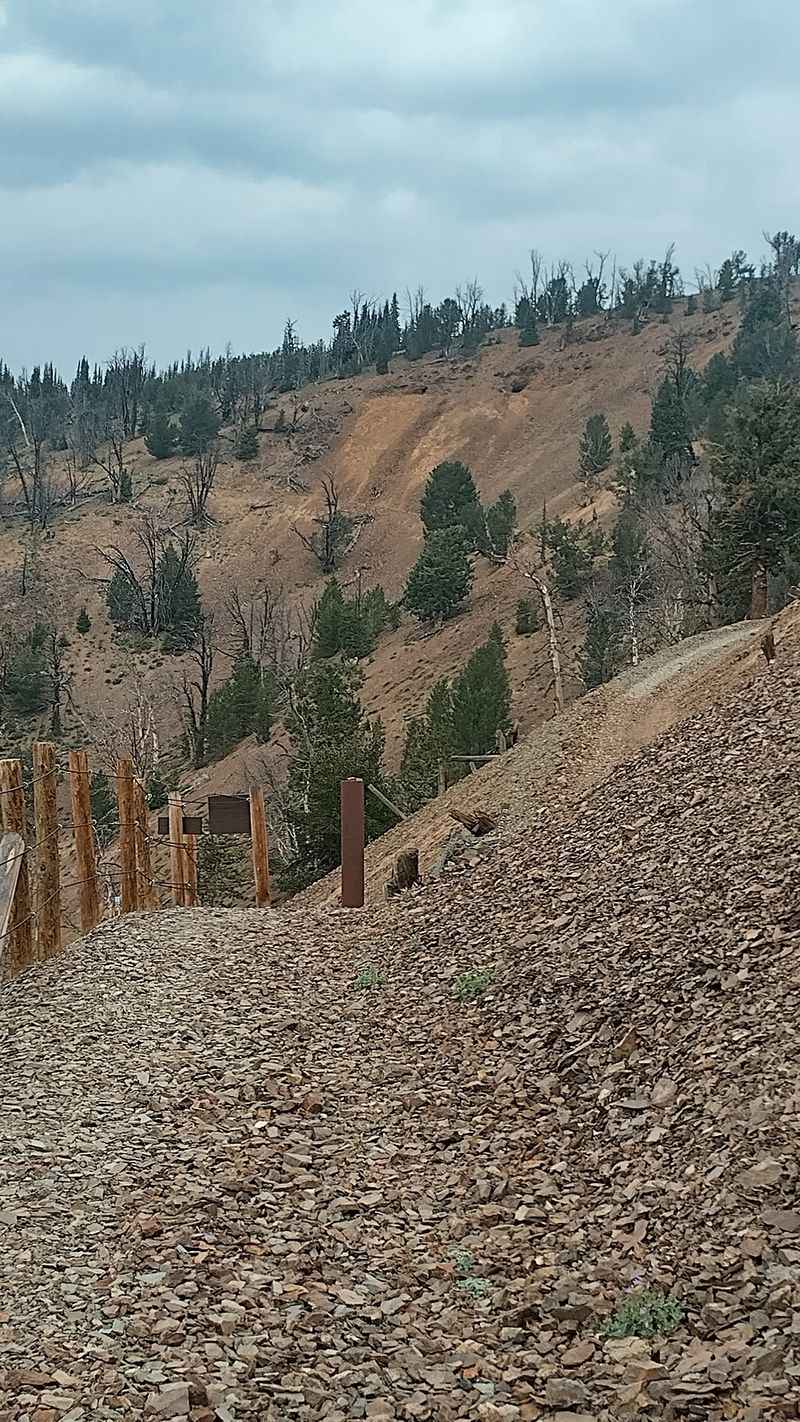
Getting there starts on Highway 75 between Challis and Clayton. From the highway, a gravel road climbs west up Bayhorse Creek toward the old town.
For mapping purposes, the location is listed as Bayhorse, Idaho 83226. Your GPS will get you close, but road signs and the canyon itself handle the rest.
The road is narrow and rough in spots, so take it slow. A vehicle with decent clearance makes the drive more relaxed.
Services are essentially nonexistent once you leave the highway. Fill your tank in Challis or nearby, and bring water, snacks, and a paper map.
Cell coverage in central Idaho canyons can be spotty at best. Tell someone your plans before heading up, especially on a late-season trip.
Access depends heavily on weather, since snow can make the road impassable in colder months. Summer through early fall is generally the friendliest window.
Conditions and park access can change, so check with Land of the Yankee Fork State Park before driving. A quick call to the park can save a very long, very disappointing detour.
Catch The Canyon’s Quiet Magic Before Winter Shuts The Door
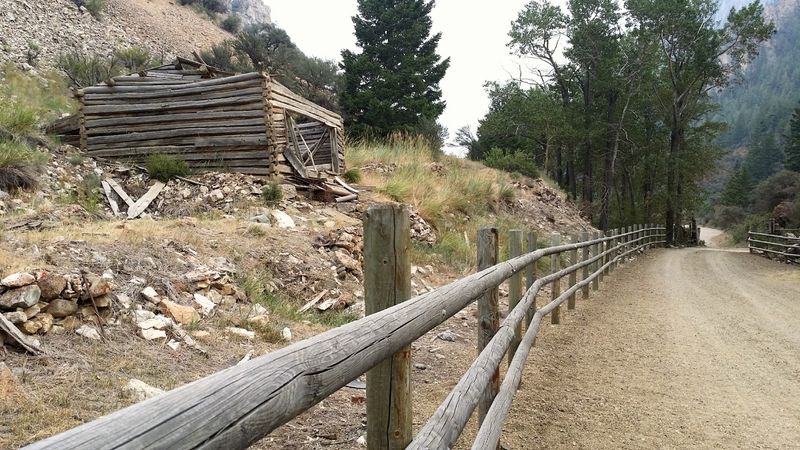
Fall might be the sweetest time to see Bayhorse. Crisp air, golden light, and that Halloween mood all line up before snow starts closing things down.
The canyon feels completely different from the summer version. Shadows arrive earlier, the creek sounds louder, and those empty windows look even more mysterious.
What I love most is how honest this place feels. Nothing is dressed up, and the history doesn’t need help to be interesting.
You get stone kilns, weathered cabins, and mining ruins in a quiet Idaho canyon. That combination delivers more goosebumps than any haunted attraction with fog machines.
Bayhorse also rewards curiosity. Pair it with Custer, Bonanza, and the gold dredge, and you’ve built a full day of Idaho backcountry history.
Bring layers, leave early, and give yourself time to linger. Just don’t wait too long to head out of the canyon once dusk arrives.
The stories feel best when you’re telling them safely back on the highway. And honestly, some legends are more fun when they stay right where they belong.