Stuhr Museum Rebuilt An 1890s Railroad Town In Nebraska Where Costumed Townsfolk Still Work
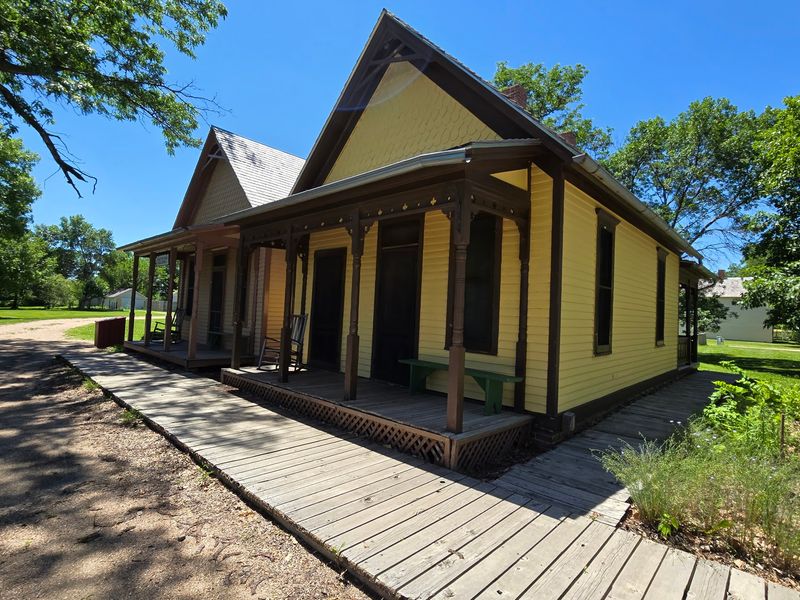
Henry Fonda’s boyhood home now sits on a street where the calendar seems stuck in the 1890s. The house was moved there on purpose, along with dozens of other old buildings.
Somebody gathered a bank, a post office, a blacksmith shop, and a general store, then built a whole prairie town from them. A railroad runs through it too.
In summer, costumed townsfolk report for work like the 1890s never ended.
I love that this happens in central Nebraska, an easy drive for most of the state. I can’t imagine a better way to show kids where their great-great-grandparents bought nails, mailed letters, and caught up on local news.
The hats get made by hand, the horseshoes get hammered, and the bread gets baked.
So who is minding the tin shop today, and what are they making?
A Whole Prairie Town Waiting Just Off Highway 34
Grand Island has a second downtown, and it runs on 1890s time. Railroad Town is the living history village inside the Stuhr Museum of the Prairie Pioneer.
The museum spreads across roughly 200 acres in south central Nebraska. That’s big enough that some folks treat it like a drivable museum, hopping between areas instead of hiking everything.
Railroad Town is the star of the campus. It recreates a working prairie village from the era when train tracks decided which towns grew and which faded.
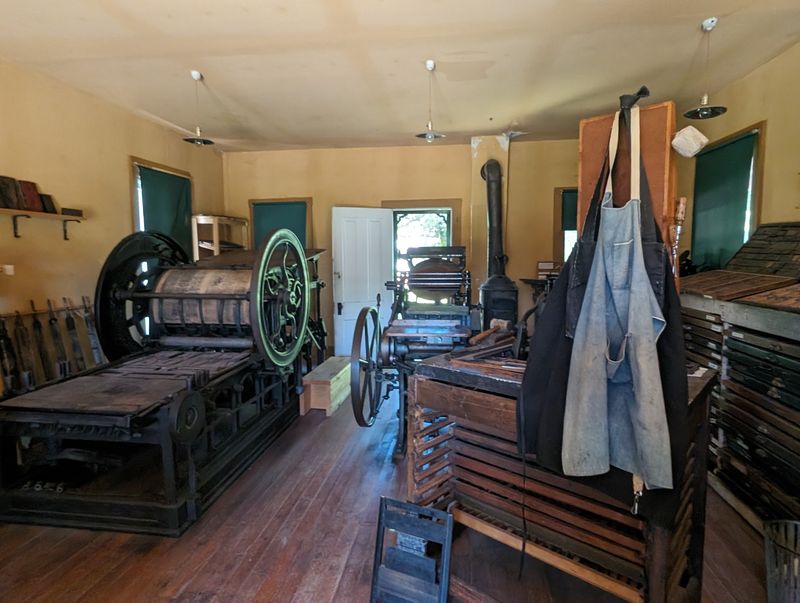
You’ll find homes, shops, a bank, a post office, and a newspaper office lined up like a real main street. Nothing here is a movie set made of plywood fronts.
The buildings are genuine, gathered from across the region and placed together to tell one story. Walking the streets feels less like a gallery and more like borrowing someone’s hometown for an afternoon.
The location adds a little extra meaning too. The museum sits near the Platte River and the old overland trails that carried pioneers west.
In other words, the town stands in the same neighborhood as the history it tells, which is a pretty tidy arrangement.
How One Pioneer Family’s Name Ended Up On A Museum
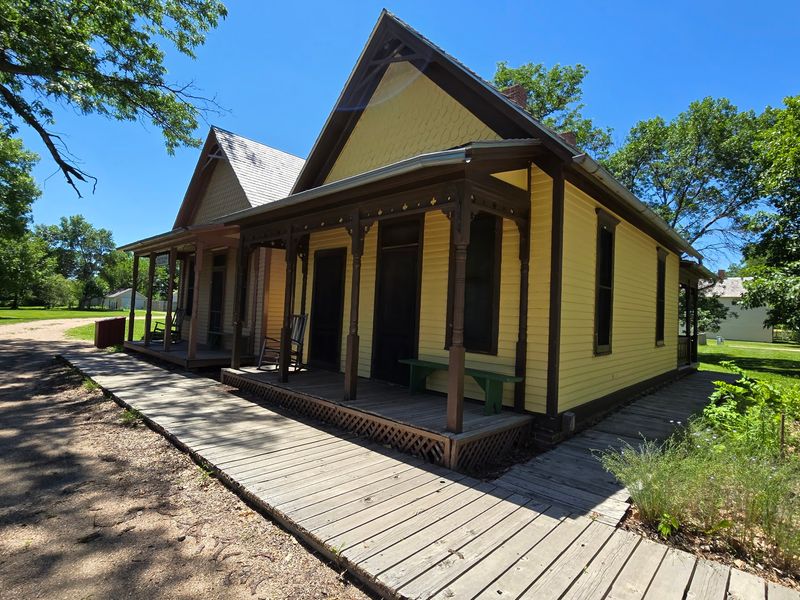
Back in 1857, the Stuhr family arrived among the first pioneer settlers of Hall County. More than a century later, their name landed on one of the state’s best-known museums.
The Stuhr Museum of the Prairie Pioneer opened its doors in 1967. It honors Leo Stuhr, whose family roots run deep in this patch of Nebraska soil.
That timing matters. By the 1960s, many original prairie buildings were aging, empty, or at risk of vanishing for good.
Collecting them in one place gave these structures a second life. A schoolhouse or storefront that might have quietly collapsed now teaches thousands of visitors every season.
The museum itself earned a spot on the National Register of Historic Places. So yes, the place that preserves history has become history too, which feels like a fun little loop.
Today the campus holds more than 140,000 historic artifacts. That number sounds abstract until you see the hand tools, wagons, kitchenware, and printing equipment that fill those buildings.
Every item points back to ordinary people building ordinary lives on the open plains. Honestly, that’s the kind of history most of us can relate to.
Over 100 Buildings Took A Road Trip To Get Here
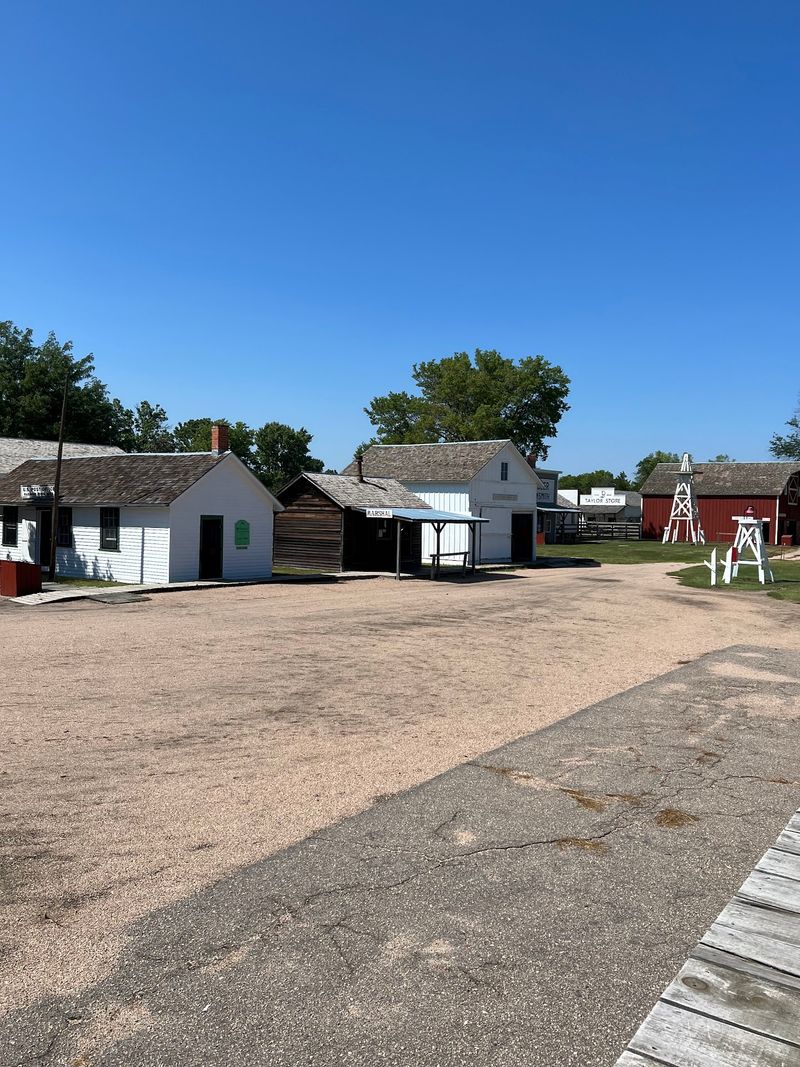
Most towns grow slowly over decades. Railroad Town grew by trailer, with old buildings hauled in from around the region and set down where they’d make the most sense.
The Stuhr campus counts more than 100 historic structures. Many of them sit in Railroad Town, decorated inside to match the late nineteenth century.
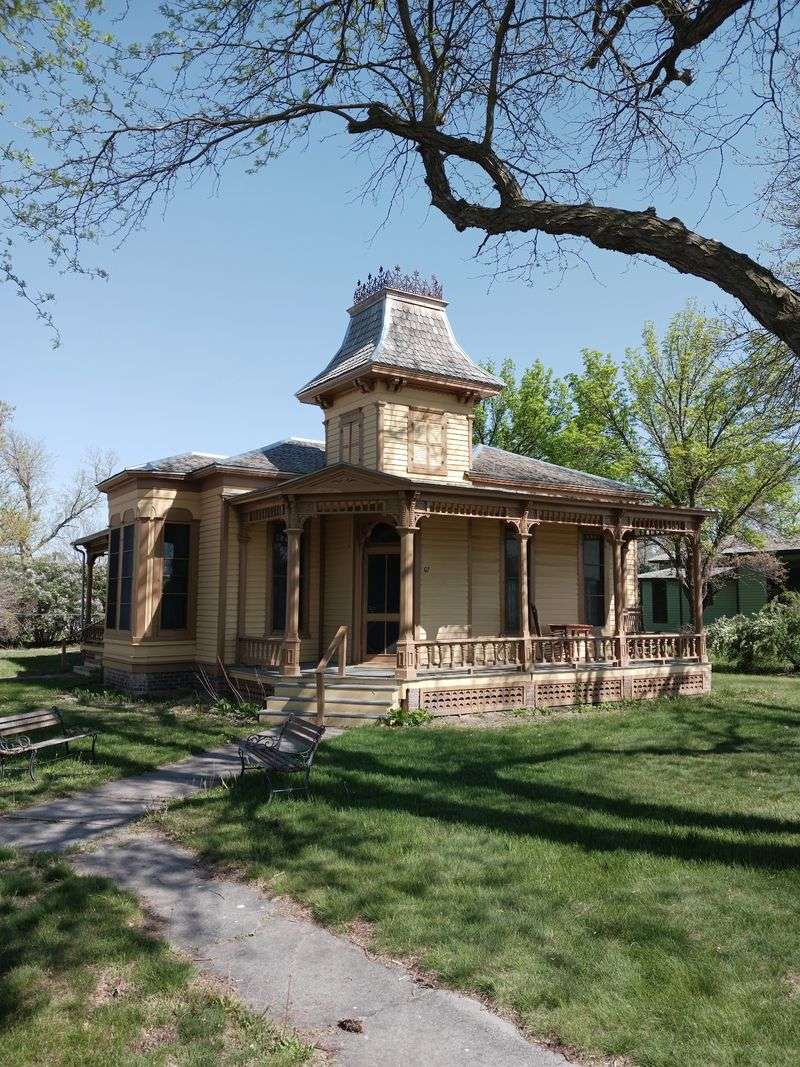
One house carries some Hollywood sparkle. The boyhood home of actor Henry Fonda stands among the buildings here.
Fonda was born in Grand Island, so his early home landing in this town feels fitting. It’s a fun reminder that famous careers often start in very normal Nebraska houses.
The Stuhr family home is part of the collection as well. You can peek at how a well-known local family lived during the era the museum celebrates.
Beyond the homes, the business lineup reads like a pioneer to-do list. There’s a bank, post office, general store, mercantile, newspaper office, planing mill, and more.
Each one handled a real need in a real prairie town. Put them side by side, and you start to see how a small railroad stop actually functioned day to day.
The Townsfolk Showed Up For Work In Long Skirts And Leather Aprons
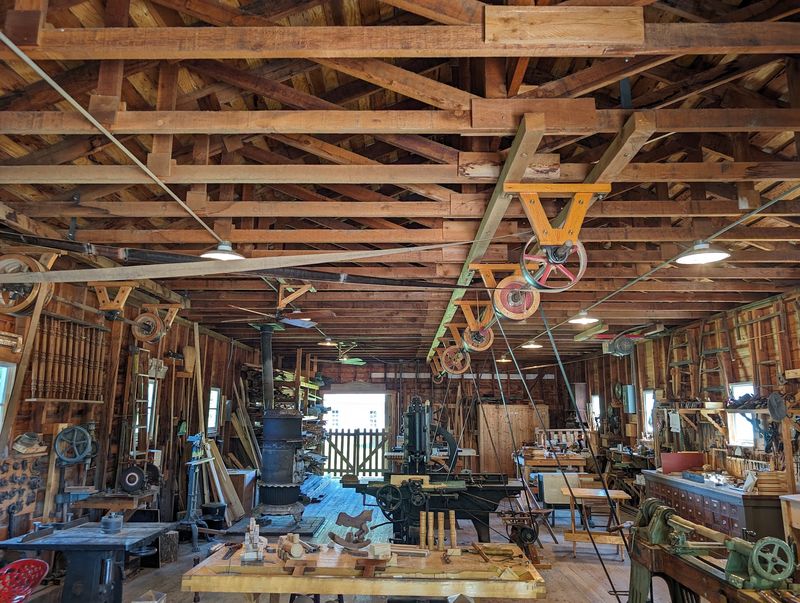
Sparks fly in the blacksmith shop, and nobody seems worried about it. That’s because the folks in period clothing actually know their trades.
Costumed interpreters bring Railroad Town to life during the busy season. They go about daily tasks the way townspeople did in the 1890s.
Some bake. Others hammer out horseshoes at the forge, shaping metal the old-fashioned way.
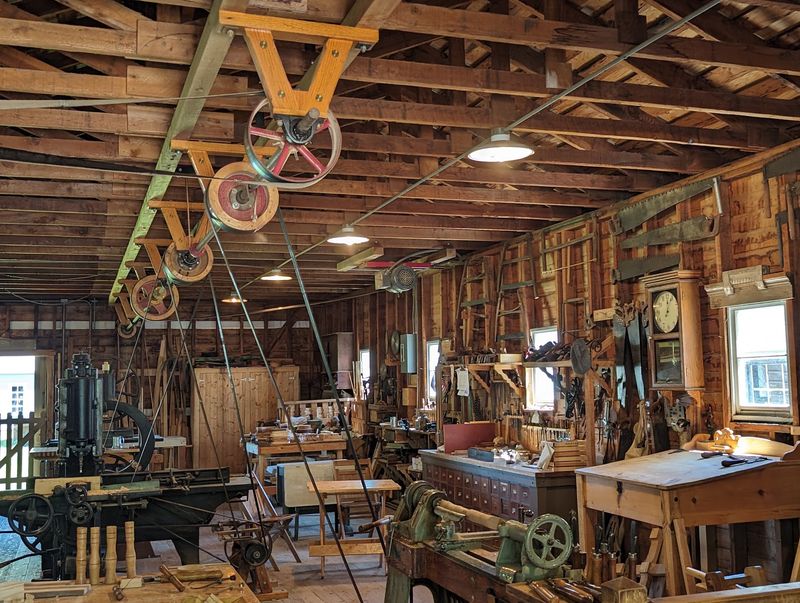
Over at the tin shop, tinsmithing gets its moment in the spotlight. Woodworking and millinery round out the skills on display, with hats made by hand instead of shipped in a box.
The best part is that these interpreters explain what they’re doing. Ask why a tool looks a certain way, and you’ll likely get a story along with the answer.
Volunteers play a big role here too. Their knowledge of the era turns a quiet building into a lively conversation about how people really lived.
Kids especially tend to perk up around the forge. Watching a glowing piece of iron become something useful beats any textbook chapter on pioneer life, and it sticks with them long after the trip.
Yes, There’s An Actual Railroad In Railroad Town
A town named Railroad Town without a railroad would feel like false advertising. Thankfully, the Stuhr Museum delivered.
An operational railroad is part of the village experience. A steam engine also sits on the grounds, giving train fans something big and iron to admire.
The railroad isn’t just decoration. In the 1890s, tracks were the lifeline of prairie towns across Nebraska.
Trains carried supplies in and crops out. They brought newspapers, mail, settlers, and the latest goods from back east.
A town with a depot had a fighting chance to thrive. A town the tracks skipped often shrank to a dot on an old map.
That’s why this whole village is built around the rails. Every shop and home makes more sense once you picture the train rolling in with fresh supplies.
Grand Island itself grew up around the railroad, so the theme hits close to home. If anyone in your group loves trains, plan on some extra time near the tracks.
Photographers also find plenty to work with here. Old iron, weathered wood, and wide prairie sky make a pretty great backdrop.
Try Your Own Hand At A Pioneer Trade
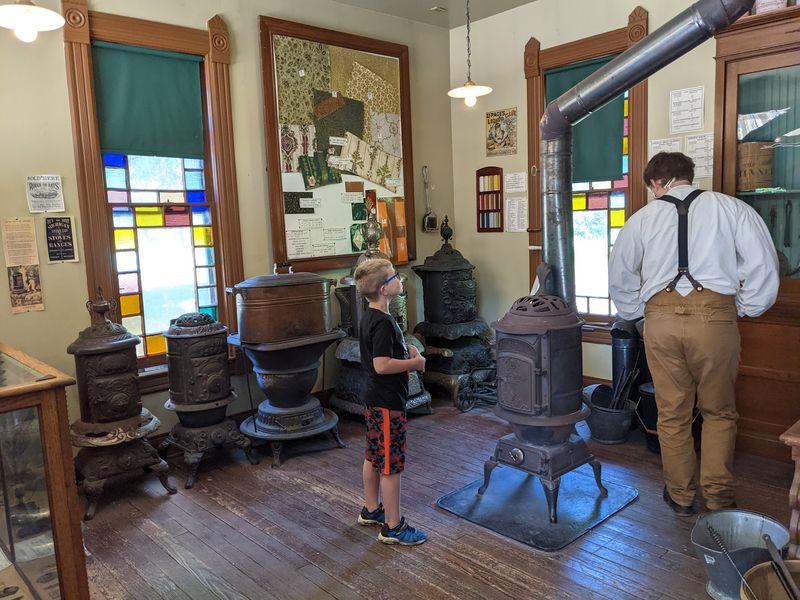
Watching is great, but making something yourself is even better. Railroad Town offers hands-on activities that let visitors step into the work instead of just observing it.
Some activities are self-guided and easy to jump into. You can explore at your own pace and try things as you wander.
There are also guided maker experiences connected to historical trades. A few of these come with a small extra fee, so it’s smart to check ahead.
The idea is simple and smart. People remember what they touch far better than what they read on a sign.
For kids, that can mean the difference between a polite museum visit and a story they tell all week. For grown-ups, it’s a reminder that pioneer chores took serious skill.
Families with curious little builders will feel right at home here. So will anyone who secretly wants to try old-time crafts without committing to a full blacksmith apprenticeship.
It also slows the pace in a good way. Instead of racing from building to building, you get to pause, focus, and actually make something worth bringing home.
Chickens, A Barn Classroom, And A Summer Kitchen
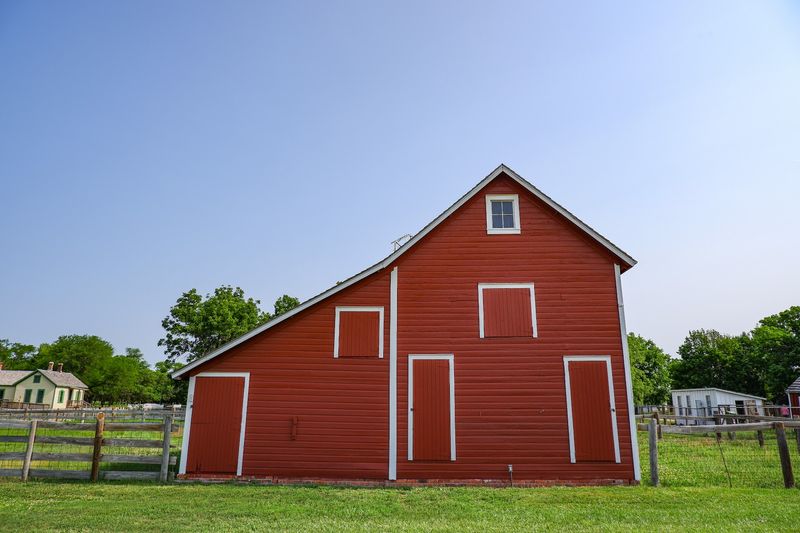
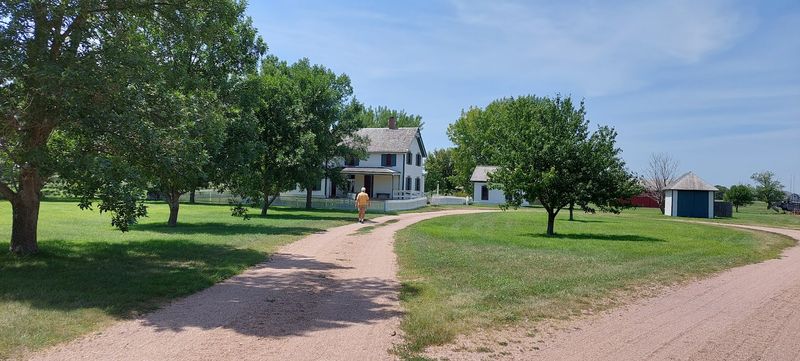
Town life was only half the pioneer picture. Out on the 1890s Farmstead, the Stuhr Museum shows how rural families kept things running beyond Main Street.
The farmstead includes a historic farmhouse. Nearby you’ll spot a barn classroom, a summer kitchen, and a chicken pen.
That summer kitchen is a clever detail worth noticing. Families cooked in a separate space during hot months to keep the main house cooler.
Little touches like that make the past feel practical rather than dusty. These folks solved problems with the tools and space they had.
The chicken pen adds some lively company to the scene. Kids usually find a farm animal far more interesting than a display case, and who can blame them?
The barn classroom points to the learning side of the farmstead. It gives the museum a spot to share how farm work fit into daily life on the Nebraska prairie.
Put the farmstead and Railroad Town together, and the full story clicks. Farmers grew the goods, the railroad moved them, and the town’s shops kept everyone supplied.
An Earth Lodge Tells A Story Older Than The Railroad
Long before rails crossed the plains, the Pawnee Nation built homes from the land itself. The museum gives visitors a chance to explore an authentic Pawnee earth lodge.
These rounded, earth-covered structures were sturdy homes. They suited the prairie climate and housed families through changing seasons.
Stepping inside offers a very different perspective from the wooden storefronts in town. The earth lodge helps explain the Pawnee way of life and their deep history in this region.
It’s an important part of the full picture. Nebraska’s story didn’t begin when the first settler wagon rolled in.
The Gus Fonner Memorial Rotunda builds on that history too. It displays extensive collections of Native American artifacts alongside cowboy items from the American West.
Fun fact for building lovers: the rotunda is shaped like a wagon wheel. It’s an easy one to remember when kids ask which building they liked best.
Visiting both the earth lodge and the rotunda adds real depth to the day. You leave with a fuller sense of everyone who called these plains home.
The Visitor Center Is A Landmark In Its Own Right
Edward Durell Stone, the architect tied to some famous American buildings, designed the main hub here. The Leo B.
Stuhr Building serves as the museum’s visitor center.
It’s considered architecturally significant, and it makes a striking first stop. Start here to get your bearings before heading out to explore the grounds.
Inside, you’ll find informative historic exhibits. Rotating art exhibits keep things fresh, so repeat visits don’t feel like reruns.
The Prairie Treasures Gift Shop lives in this building too. It’s the spot for souvenirs and gifts that feel a little more personal than a keychain.
Hungry? The Stuhr Bistro also operates here with year-round food service.
That mix makes the building a handy home base. You can learn, browse, grab a bite, and regroup before tackling the rest of the 200-acre campus.
Families with little ones will appreciate having a central meeting point. It’s much easier to say meet at the main building than to describe a particular tree in a very large field.
Sandwiches, Ice Cream, And Room For A Picnic
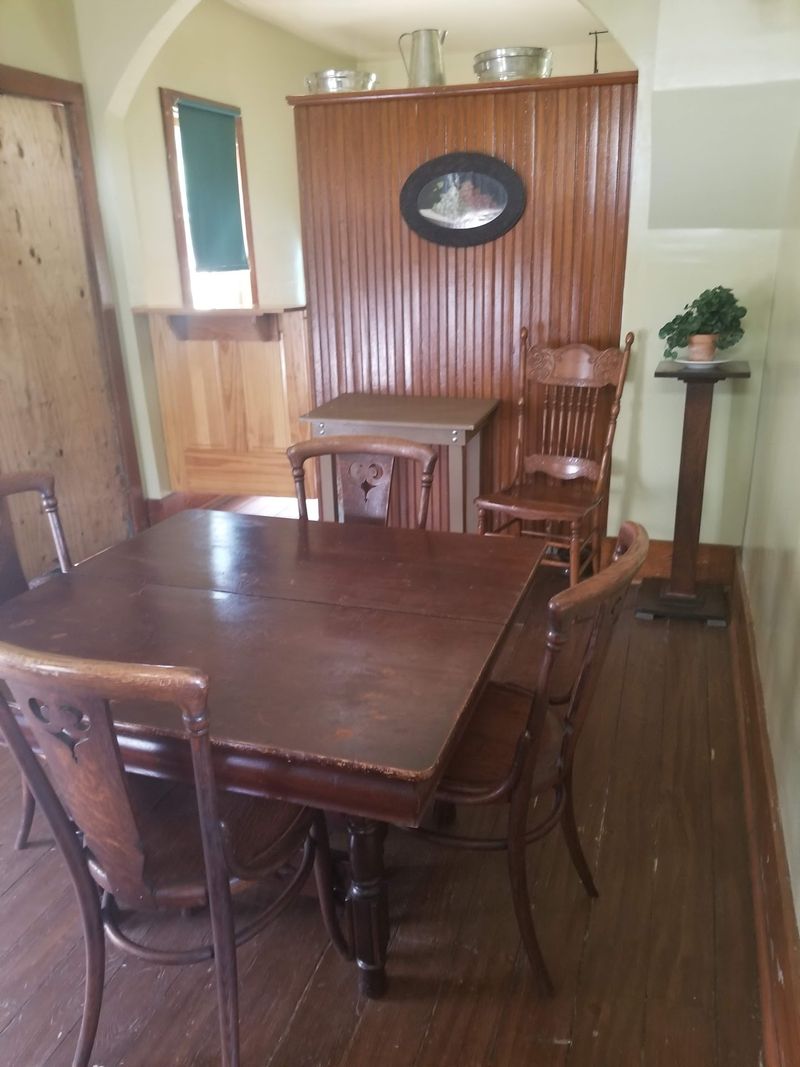
All that walking builds an appetite, and the museum has you covered. Two spots handle food on the grounds.
The Silver Dollar Cafe sits right inside Railroad Town. During the summer season, it serves sandwiches, cold drinks, and ice cream.
Ice cream on a warm Nebraska afternoon in a 1890s town? That’s a pretty easy sell for kids and grown-ups alike.
The Stuhr Bistro in the main building runs year-round. Its menu includes sandwiches, wraps, soups, and treats.
Prefer to pack your own lunch? Picnicking on the grounds has been part of past family visits, which makes this a budget-friendly option.
The STEAM Learning Center offers another fun break, and it’s open year-round as well. Antique vehicles and farm implements share space with interactive science, technology, engineering, art, and math activities.
It used to be the Farm Machinery and Antique Auto Collection Building. Now old tractors and hands-on experiments sit side by side, which is a clever combo for curious kids who need to touch everything.
Timing Your Trip Makes All The Difference
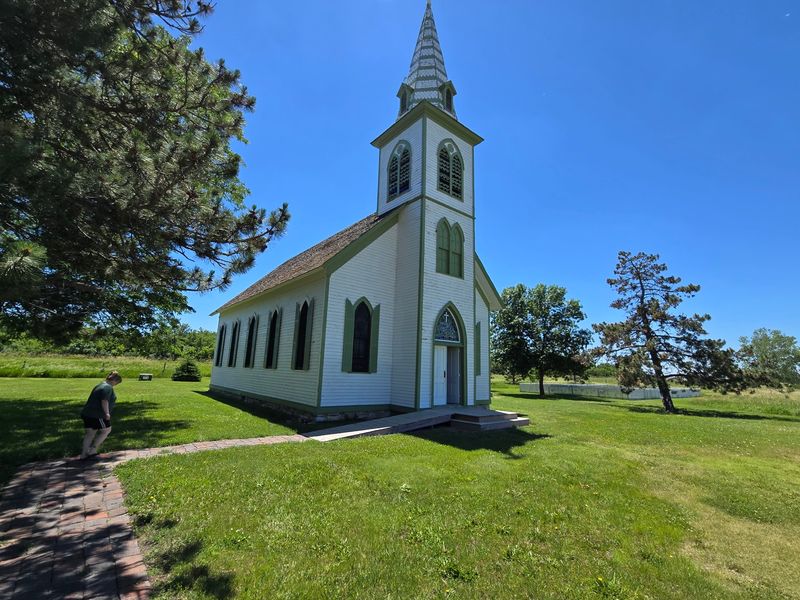
Want the full living-town experience? Aim for the window from May through mid-September, when Railroad Town is fully staffed with costumed interpreters.
Earlier in that stretch tends to be busier with interpreters. Late-season visitors may find fewer shops staffed, so earlier summer is a safer bet.
Fall and winter still have something to offer. You can enjoy exterior views of the town, and some special programming pops up.
Holiday events give the village extra sparkle. The town gets decorated for Christmas, and the old-time celebrations draw families back year after year.
Keep in mind the historic buildings aren’t heated. Cold-weather visits work better as a peek than a deep exploration.
The museum is open year-round, with longer warm-season hours and a winter schedule that closes Mondays. Check the current calendar before you drive.
You’ll find everything at 3133 W US Hwy 34, Grand Island, Nebraska 68801. Plan on several hours, since a full day here goes quickly and you probably won’t see everything on one trip.
Your Ticket To 1890s Nebraska Is Worth Buying
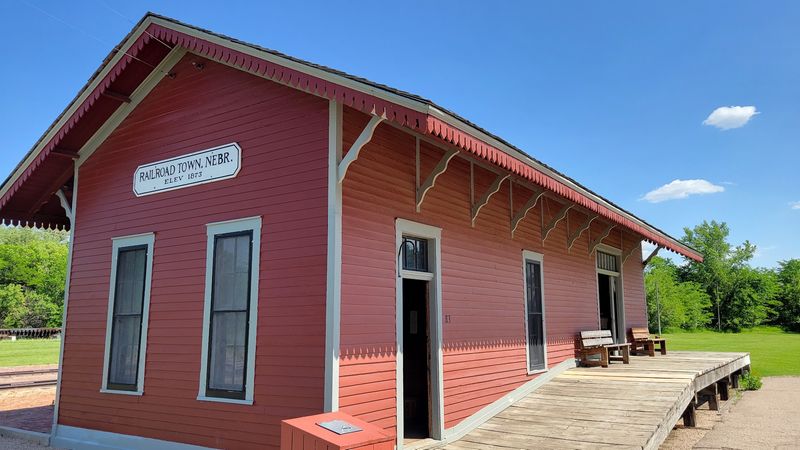
Getting into Railroad Town is simple. You buy a ticket to the Stuhr Museum of the Prairie Pioneer, and the town comes included.
Rates vary for adults, seniors, and youth. Children ages four and under get in free.
Discounts can help stretch the budget even further. Veterans, AAA members, and those receiving SNAP or WIC benefits can save on admission.
Local families may want to look at a membership. Season passes make quick evening strolls and holiday events much easier to enjoy.
A few practical notes help too. Some areas aren’t fully accessible, so plan ahead if anyone in your group uses a wheelchair or stroller.
Comfortable shoes are a must on a campus this size. You’ll cover plenty of ground between the town, farmstead, earth lodge, and main building.
So, is it worth the drive? For anyone who grew up in Nebraska, this is a chance to see where small-town life began.
For everyone else, it’s a full day of real history, hammered horseshoes, and handmade hats. That’s a pretty great trade for one ticket.