This Michigan Museum Pairs Classic German Cars With Brilliant Fall Color
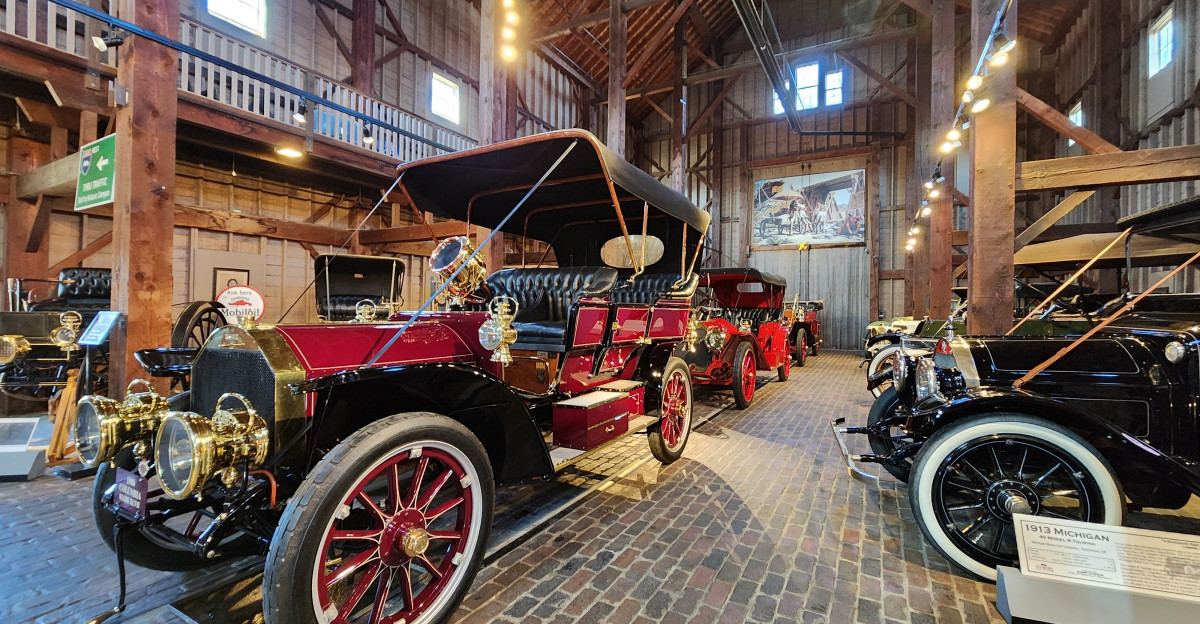
Car lovers could easily lose an entire afternoon here and still leave wondering what they missed.
This Michigan museum packs more than 400 vintage cars and motorcycles across a huge 90-acre campus. The visit feels more like a road trip than a quick museum stop.
Fall makes it even better!
You can wander through classic exhibits, grab pecan pie at a 1941 diner, and check out a recreated 1930s gas station before the next surprise appears.
German cars get plenty of attention too.
Add seasonal events and Oktoberfest fun, and this place gives autumn travelers far more than polished chrome to get excited about.
A Village Built For Car Lovers
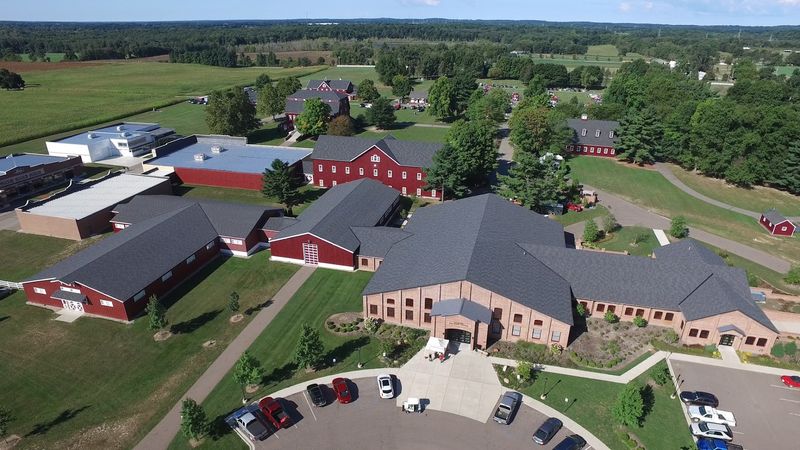
My first glance at the grounds made me forget I came to see a museum. It looked more like a tidy little town built just for cars. The Gilmore Car Museum spreads across 90 acres of rolling countryside.
Instead of one giant warehouse, the collection lives in many separate buildings. Each one holds its own theme, so every door brings a surprise. I loved walking outside between exhibits and catching fresh air.
Paved paths connect everything, and the layout feels calm and easy to follow. The buildings sit far enough apart to give each one room to breathe.
The scale here is honestly hard to picture until you arrive. North America’s largest auto museum needs a big footprint, and it uses every acre well. Benches along the way gave my tired feet some welcome breaks.
This sprawling setup in rural Michigan is part of the fun. It turns a simple visit into a slow and pleasant wander.
Comfortable shoes are a must, since you will cover plenty of ground. You can find this car-filled village at 6865 Hickory Rd in Hickory Corners.
German Engineering Takes The Stage
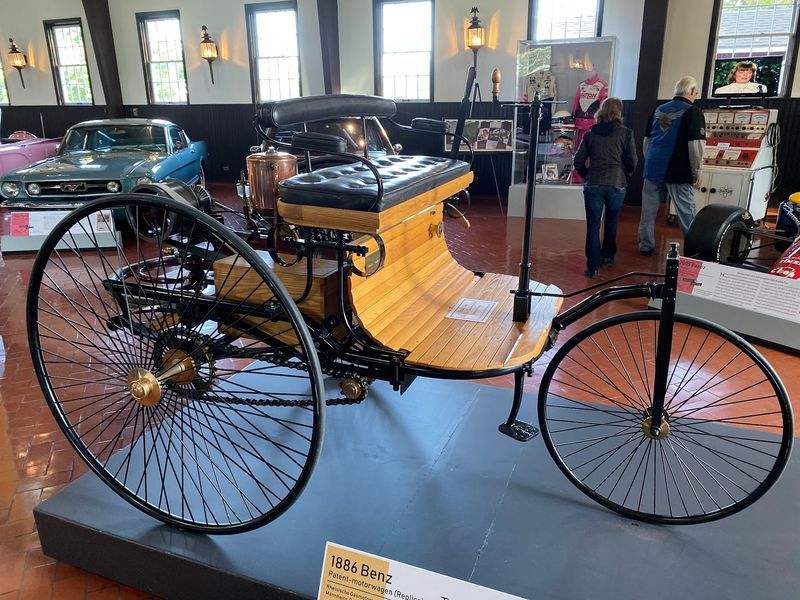
Here is a fun fact that surprised me. The very first automobile came from Germany, and its story begins right here on display. The museum shows a Benz-built recreation of the 1886 Benz Motorwagen.
Seeing it up close felt like meeting the great-grandparent of every car on the road. It has three spindly wheels and looks more like a buggy than a car. Still, this little machine started everything.
German cars also roll in by the hundreds once a year. The campus hosts DeutscheMarques, known as America’s largest all-German car show. Nearly 600 German cars filled the grounds for the 2025 event.
Brands like Audi, BMW, Mercedes-Benz, Porsche, and Volkswagen all show up. You might spot a shiny sports car beside a cheerful vintage Beetle. Owners bring everyday drivers along with rare weekend treasures.
The next show is set for July 11, 2026, so mark your calendar early. Summer brings the big crowd, but the German spirit stays strong all year.
I left with a new respect for how one country shaped driving. If you love clever engineering, you will feel right at home in this corner of Michigan.
Mercedes Legends With Secret Stories
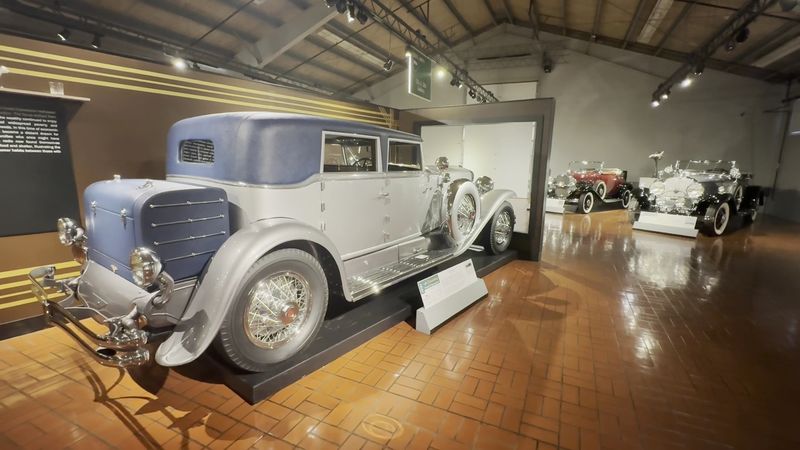
Some cars are pretty, and some cars come with plot twists. The museum has showcased ultra-rare Mercedes-Benz 540 K models that had both. These cars rank among the most valuable vehicles ever built.
The 540 K debuted at the Paris Motor Show in 1936. A supercharged eight-cylinder engine pushed it past 100 mph on the Autobahn. That was blazing speed for the 1930s.
One featured 1936 Special Roadster had only about 10,000 miles on it. It changed hands just three times over the decades. Experts consider it the most original survivor of its kind.
Then came my favorite tale of all. A 1938 Sport Tourer spent the Cold War hidden in a basement bunker in East Germany. People rediscovered it decades later, a real hide-and-seek champion.
Stories like these made me look at old cars in a whole new way. Each scratch and curve suddenly seemed to hold a memory. The long hoods and swooping fenders still look stunning today.
Special exhibits change over time, so check what is showing before your trip. The Gilmore Car Museum often rotates rare loans into its buildings.
When Maples Steal The Show
October turned this campus into a painting I could walk through. Maples blazed red, oaks went golden, and leaves crunched under every step. Honestly, the trees nearly upstaged the cars.
The old barns look even better with bright foliage behind them. Their deep red walls glow against yellow and orange branches. I kept stopping to snap photos every few feet.
Soft autumn light also does wonders for chrome and paint. Bumpers shine, fenders gleam, and colors look richer than in summer. Photographers, this is your season.
Cooler weather made the walks between buildings much more comfortable. Summer heat can make some exhibits feel warm and stuffy. Fall air kept me fresh and happy for hours.
Southwest Michigan usually reaches its peak color in mid to late October. The exact timing shifts a little each year with the weather. Checking a local fall color report before you go is a smart move.
A light jacket and a phone with extra storage were my best packing choices. I also suggest arriving early, when morning light hits the trees just right.
Backroads Fit For A Color Tour
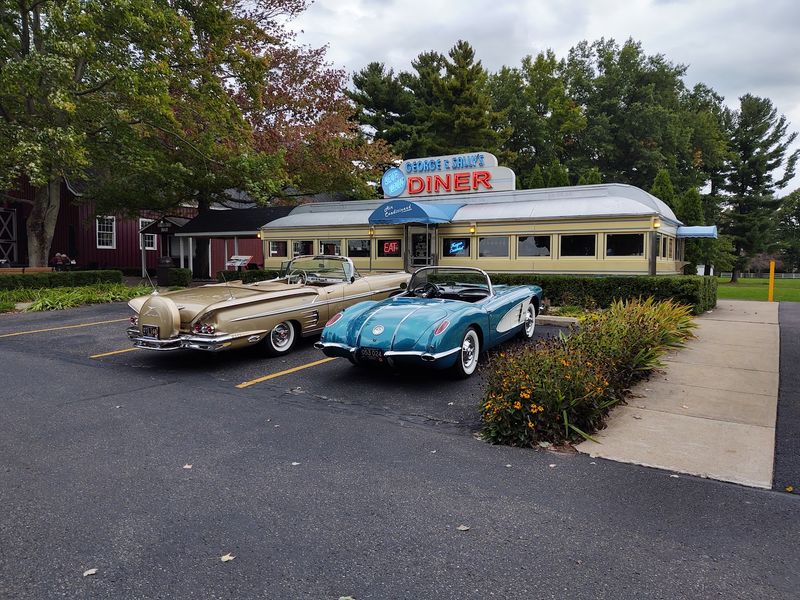
Ready to swap walking shoes for a steering wheel? The museum hosts a guided fall color tour that takes the fun onto open roads. It is a scenic drive through the Barry County countryside.
The route follows winding backroads chosen for peak autumn color. Every curve seemed to reveal a new hillside of red and gold. Farms, woods, and quiet lanes fill the views.
The tour starts right on the museum campus. From there, drivers head toward the shores of Lake Algonquin. A lakeside buffet lunch waits at the end of the ride.
This event is set for October 3, 2026. Spots for special events can fill quickly, so planning early pays off. Check the museum website for details and registration.
I liked how the tour connects the cars inside to the land outside. These roads are exactly where old cars were meant to roll. Driving them in fall makes the history feel alive.
Even without the official event, the drive into Hickory Corners is lovely. Country roads around the museum shine brightly in October.
Pretzels, Polka, And Porsches
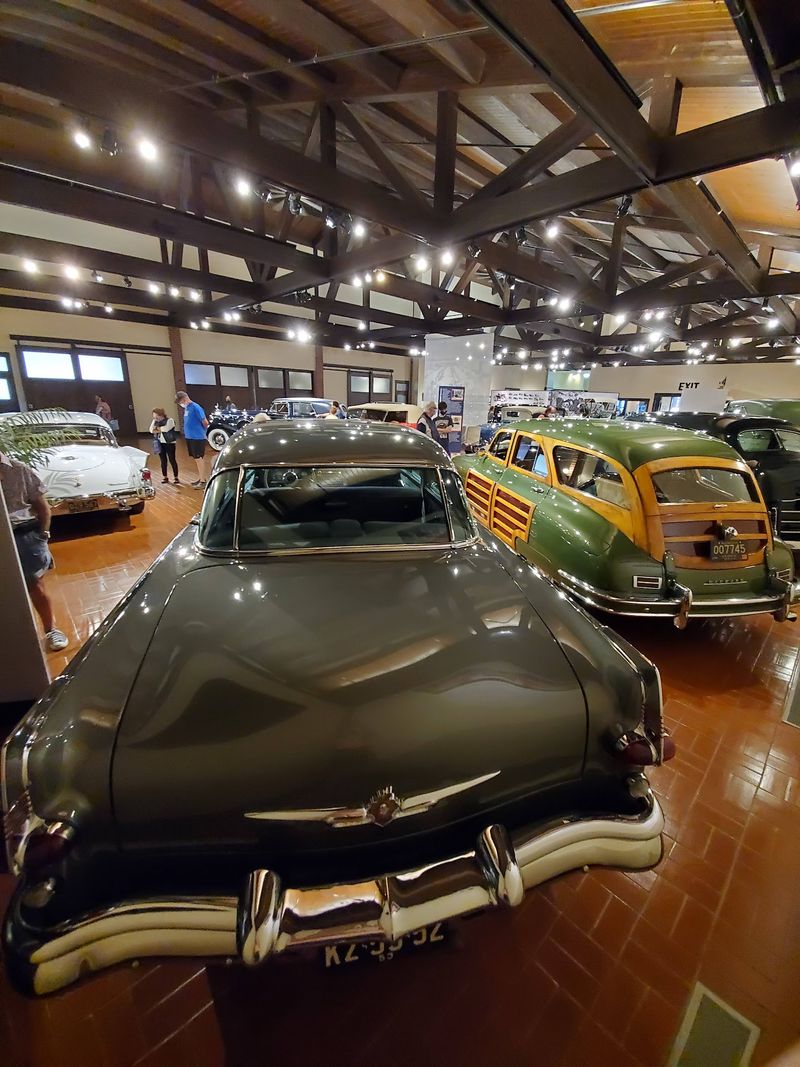
Few fall events match the museum’s German-car theme as closely as Oktoberfest. German culture, German vehicles, and autumn scenery come together during the October gathering.
The Oktoberfest and Color Tour is scheduled for October 17, 2026. A German Car Color Tour sends registered vehicles onto nearby roads in several groups, giving the event a direct connection to the changing landscape.
German food, an Oom-Pah band, traditional-dress contests, and family activities fill out the schedule. German cars remain a major part of the grounds throughout the event.
The wide lawns give the gathering room to spread out, while the regular museum buildings remain part of the day. Visitors can move between outdoor displays and the permanent collection.
The event also gives the summer DeutscheMarques theme a fall counterpart. Instead of concentrating only on parked show cars, the October program adds a countryside drive.
Schedules and access can vary during special events, so checking the official event page before arriving is useful. Layers also make sense for a full October day outdoors.
Pie, Pumps, And Old Showrooms
A real 1941 diner sits right on the grounds, and it still serves food. The Blue Moon Diner offers classic diner fare along with homemade pie and frozen custard.
The counter, booths, and period styling fit naturally into the historic campus.
Chicago-style and Coney-style hot dogs, soups, sandwiches, and rotating specials fill the menu during its seasonal operating period. The Pedal Car Cafe offers another place to stop for lunch.
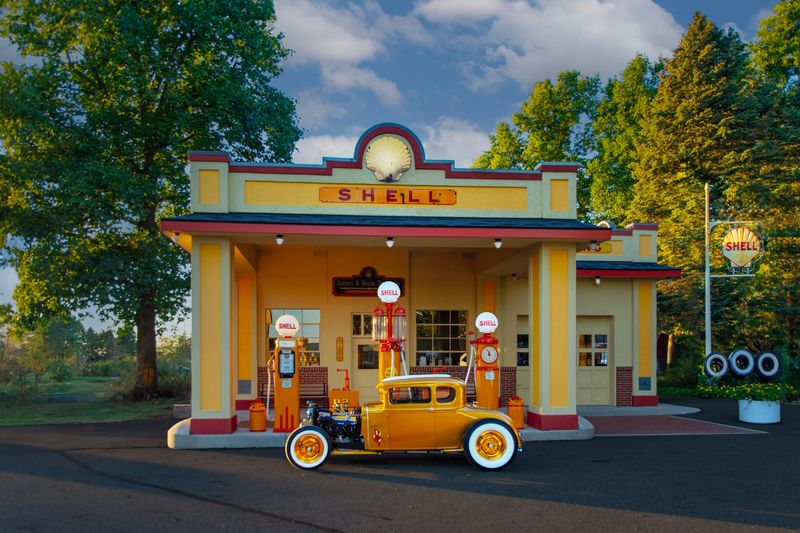
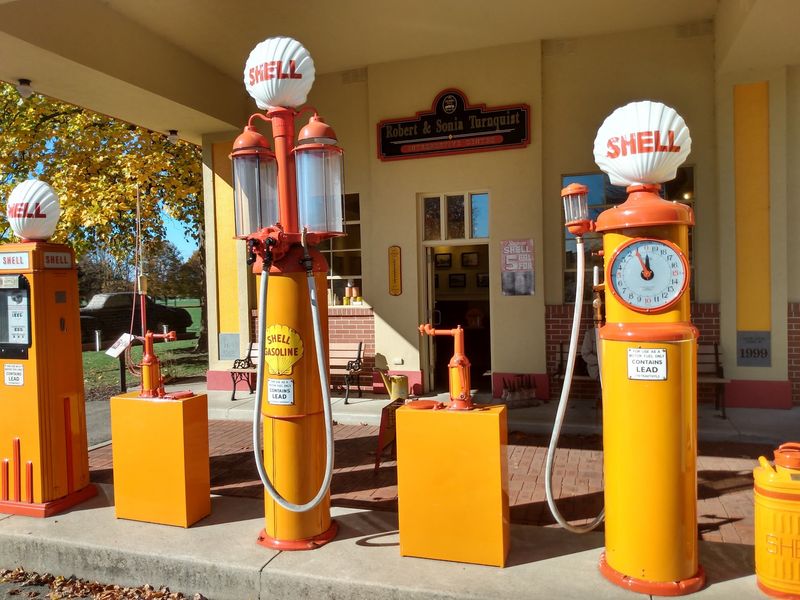
Nearby, a recreated 1930s Shell station adds another piece of roadside history. Period pumps, signs, and gas-station memorabilia recall an era when fuel stops looked very different.
An 1890s train depot adds even more old-time charm. It creates a useful comparison between rail travel and the automobile age that followed.
Then come the vintage dealerships. A Franklin showroom based on one from around 1918 sits among the buildings. You can also tour a 1928 Model A Ford dealer, a 1930s Lincoln dealer, and a 1948 Cadillac dealer.
Each showroom shows how buying a car once felt. Signs, furniture, and period settings give the vehicles more context than a plain display floor could provide.
Smart Tips For Your Visit
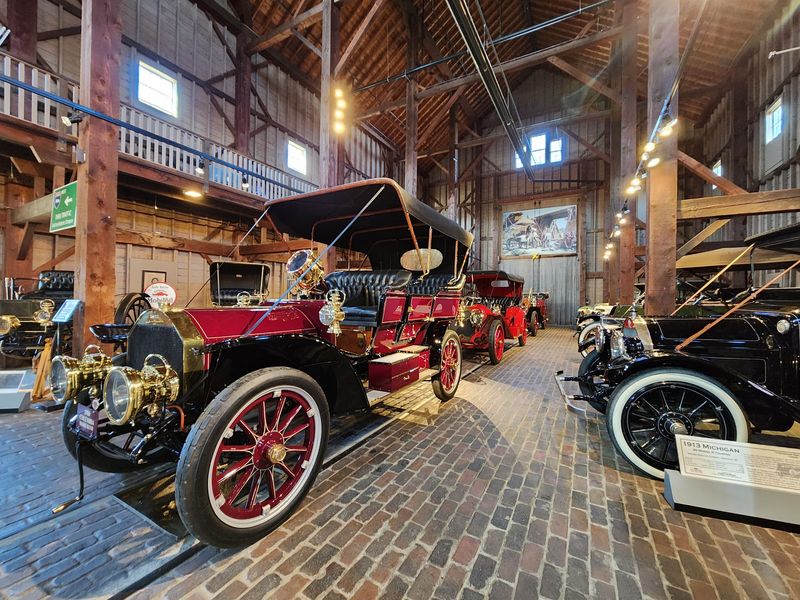
A little planning goes a long way on a campus this big. The museum recommends allowing four to six hours for a thorough visit. Set aside at least half a day if you can.
Current fall hours are 9 AM to 5 PM on weekdays. On Saturday and Sunday, the doors stay open until 6 PM. Hours shift seasonally, so double-check the official website before visiting.
Wednesday Night Cruise-Ins continue through October 14, 2026. The evening gatherings bring collector cars onto the grounds while most museum buildings follow separate operating hours.
The museum is accessible, with elevators providing access to second-floor exhibit spaces. Wheelchairs and mobility scooters are available in limited numbers on a first-come basis.
The story behind the place adds meaning to every step. Donald S. Gilmore began collecting automobiles in the early 1960s, and Genevieve Gilmore encouraged the idea of creating a public museum.
The Gilmore Car Museum opened on July 31, 1966, with 35 cars. Fall in Michigan passes quickly, so timing matters for anyone who wants both automotive history and changing leaves.