This 150-Year-Old North Carolina Victorian Mansion Stood Empty For Decades, And Its Ghost Stories Are Chilling
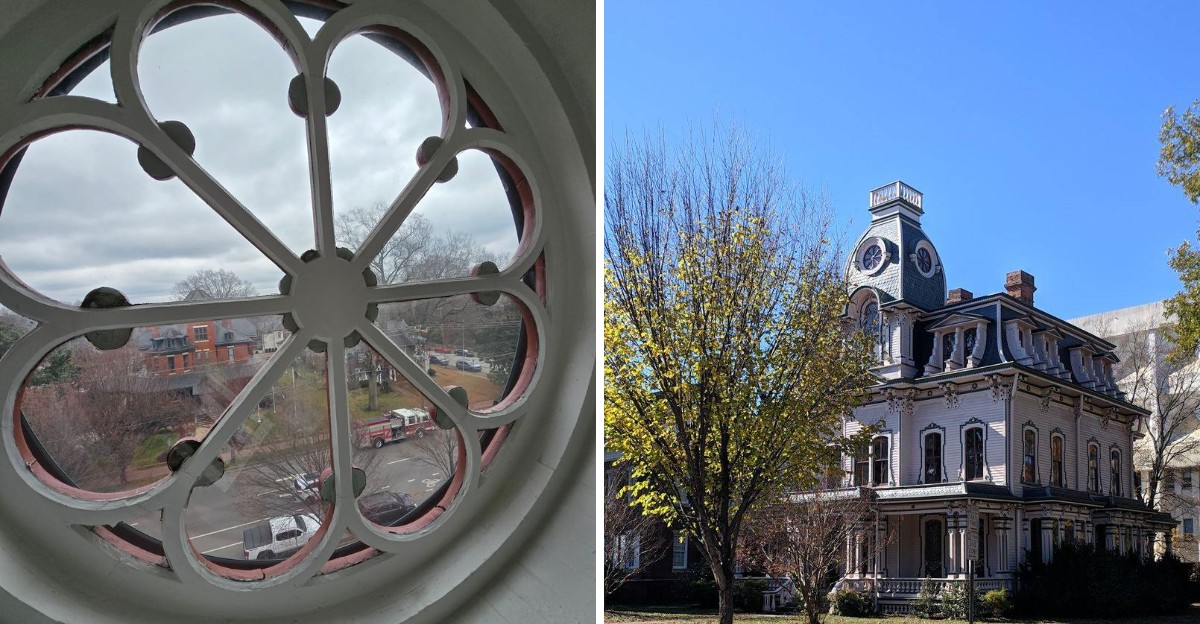
This mansion has survived enough drama to deserve its own television series.
Built nearly 150 years ago, the lavender Victorian has gone from fashionable family home to abandoned shell, local mystery, and carefully restored showpiece.
North Carolina has plenty of historic houses, but few have changed personalities quite this many times without ever leaving the same city block.
The tall tower only adds to the suspicion that the building knows more than it is telling. For years, rumors and spooky stories swirled around its empty rooms.
Now the doors are open again and the real history is even better than the legends.
Apparently, some houses do not fade away.
They just wait for their comeback.
This Victorian Mansion Sat Empty For Roughly Three Decades
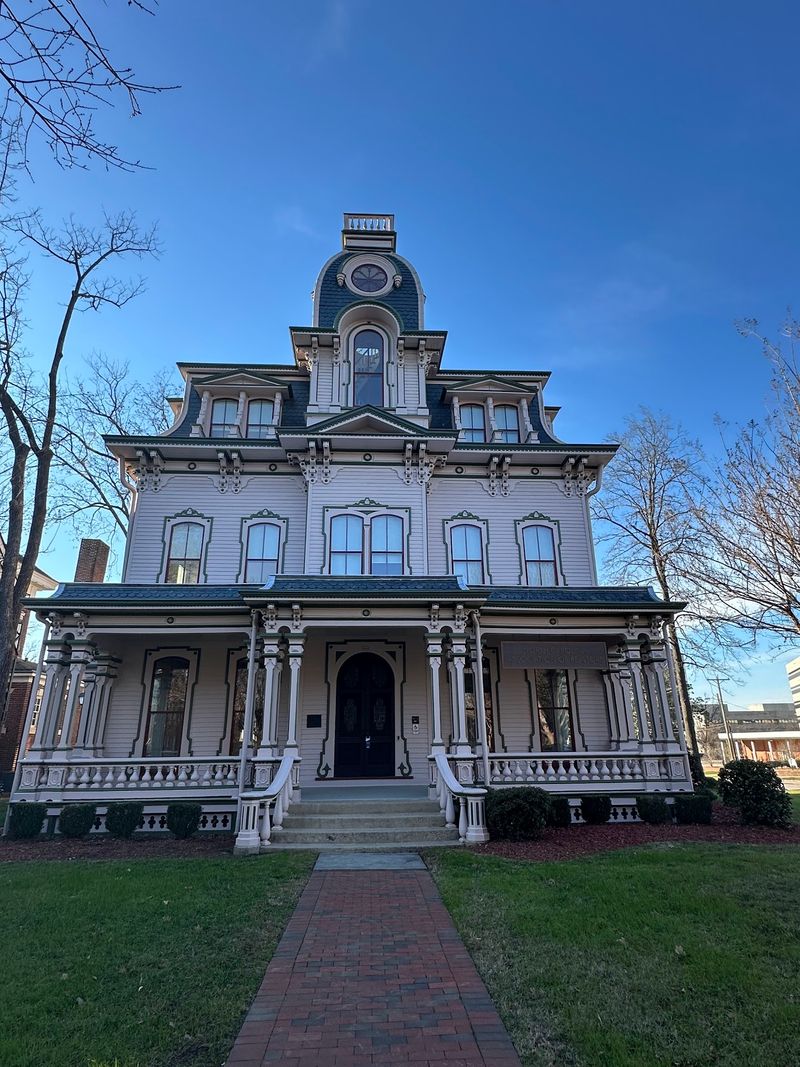
Picture a grand home with peeling paint, dusty floors, and silent rooms where footsteps once echoed every day.
For roughly thirty years, that was the reality inside one of Raleigh’s proudest Victorian treasures. Built around 1870 to 1872, the house ranks among the city’s earliest homes finished after the Civil War.
The Heck-Andrews House stayed lived in for more than a century before its story took a lonely turn.
In 1987, the State of North Carolina acquired the property, and soon the rooms went quiet.
Workers did refresh the outside, so people strolling past saw a tidy face on the street.
Behind the walls, though, plaster crumbled, moisture crept in, and the building slid closer to condemnation every year. Its empty stretch lasted far longer than anyone expected.
Rescue finally arrived in 2016, when a statewide Realtors association bought the mansion and launched a multi-million-dollar renovation.
The restored house was revitalized in 2020 after years of planning and construction.
Next time you pass an old, empty house, remember that patience and planning can bring even the saddest building back to life.
You can find it today at 309 North Blount Street, Raleigh.
Its Tower And Mansard Roof Made It One Of The City’s Most Striking Post-Civil War Homes
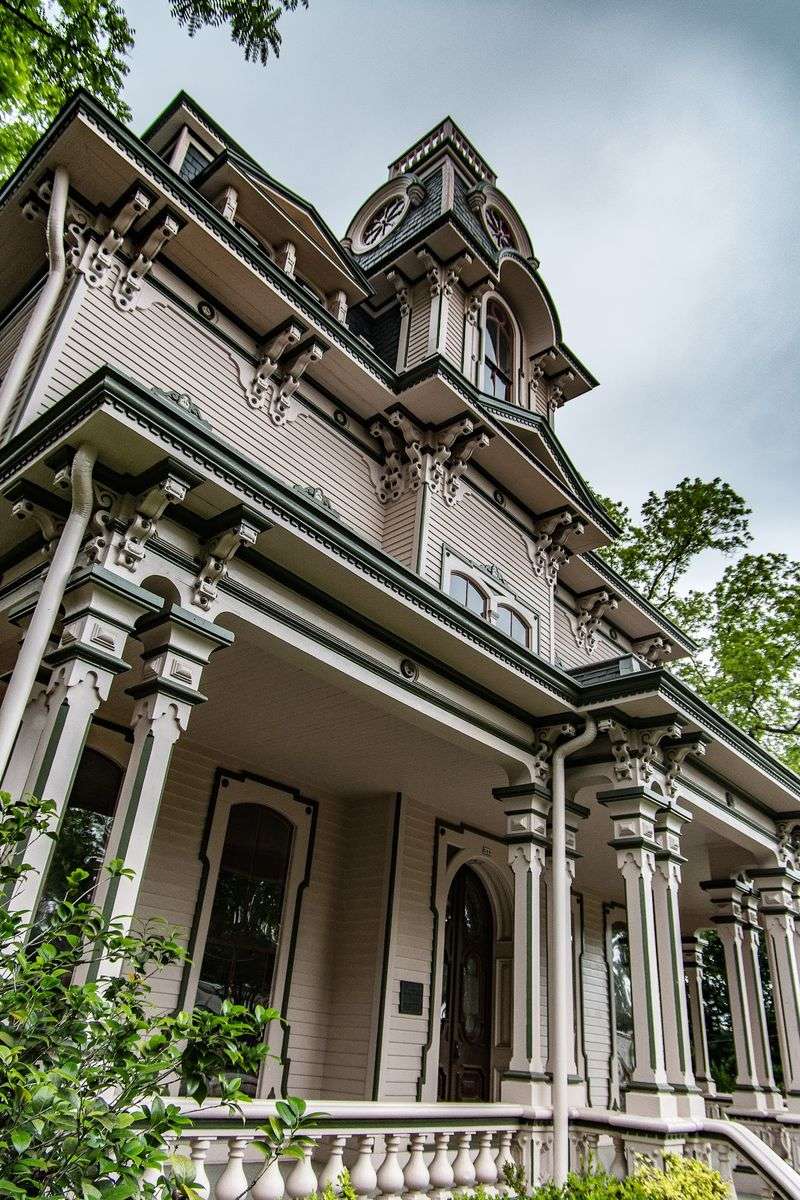
Stand on the sidewalk and tilt your head back.
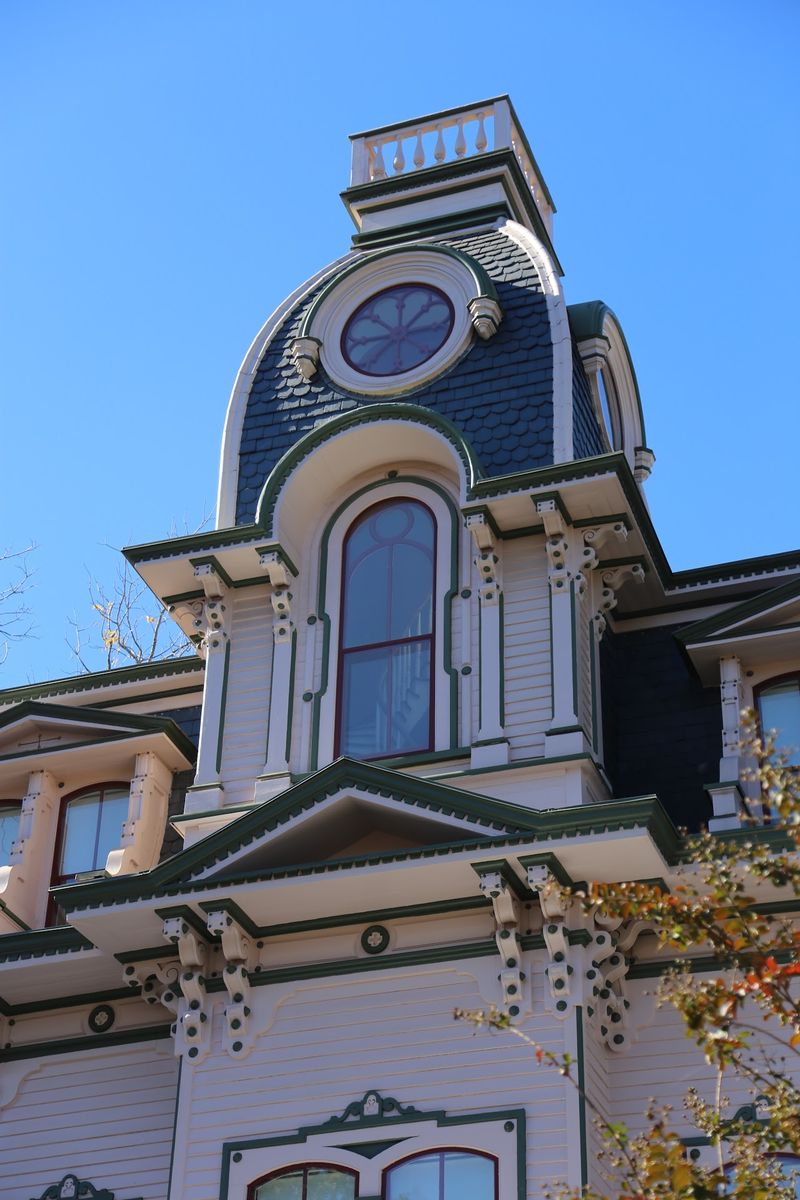
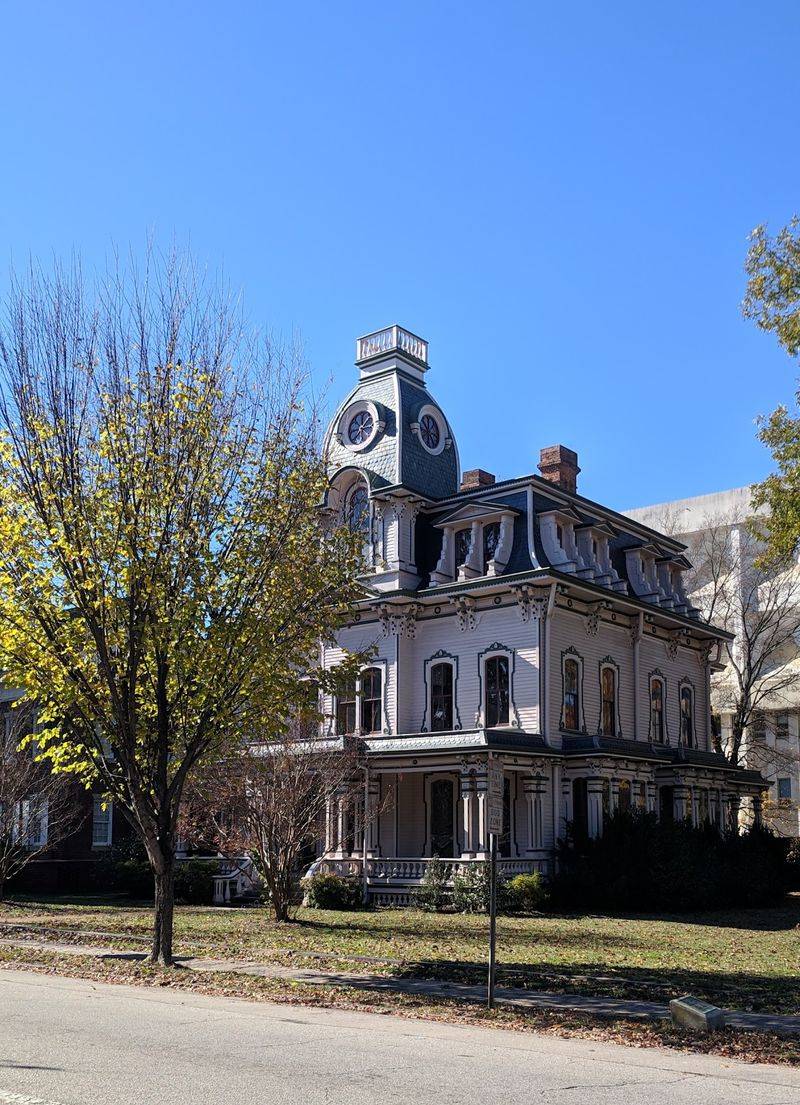
A tall central tower rises above the porch, wearing a curved, bell-like cap topped with a little railing called a balustrade. It looks almost like a crown made for a house.
Builders in the 1870s chose the Second Empire style, a fashion borrowed from France.
The main body of the two-and-a-half-story home sports a mansard roof that curves inward, covered with slate laid in neat patterns.
Meanwhile, the tower roof bulges outward, creating a playful contrast you can spot from down the block. Details pile up the closer you look.
Carved brackets tuck under the eaves like rows of fancy commas.
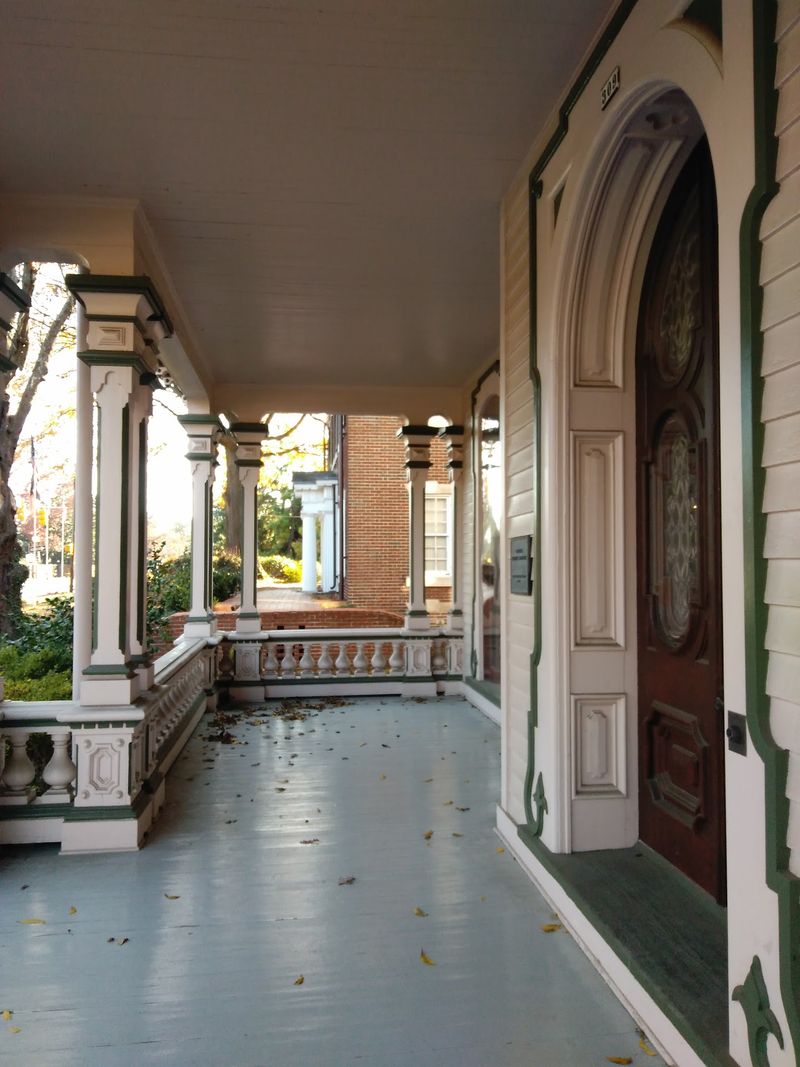
Window frames are dressed with decorative surrounds, and the porch posts show off careful woodwork painted in soft, pale shades.
Back then, Raleigh was still rebuilding after the Civil War, and most homes were far plainer.
This one announced that a new chapter had begun.
Try a fun game when you visit: count the different shapes in the roofline and windows, from ovals to arches.
You might be surprised how many hide in plain sight on that single elegant facade.
The Last Resident Became Known Around Town As The “Ghost Of Blount Street”
Long before any spirit stories began, there was a real woman named Gladys Perry.
She was the final private resident of the mansion, and she lived there alone as the years rolled by. Her life became one of the most talked-about chapters in the home’s history.
Neighbors remember her growing more and more isolated.
Local accounts describe her wandering the streets, sometimes gathering odds and ends she found along the way. According to the stories, she even painted her face bright white, added red lipstick, and wore dark clothing, perhaps hoping to frighten away curious visitors.
That unusual look earned her a nickname that stuck: the Ghost of Blount Street.
The state had begun acquiring and clearing properties around the Blount Street government district in the 1960s, and the Heck-Andrews House remained a private holdout into the mid-1980s. Perry refused to sell her share of the house, and a legal battle followed.
In 1987, after Perry was found malnourished and suffering from frostbite in the deteriorating house, she entered medical care and the state acquired full ownership of the property.
Her story is a gentle reminder that behind every spooky legend stands a real person.
Kindness and curiosity go a long way when learning about the people who shaped a place.
Stories Of Faces In Windows Helped Turn An Abandoned Mansion Into Local Haunted Lore
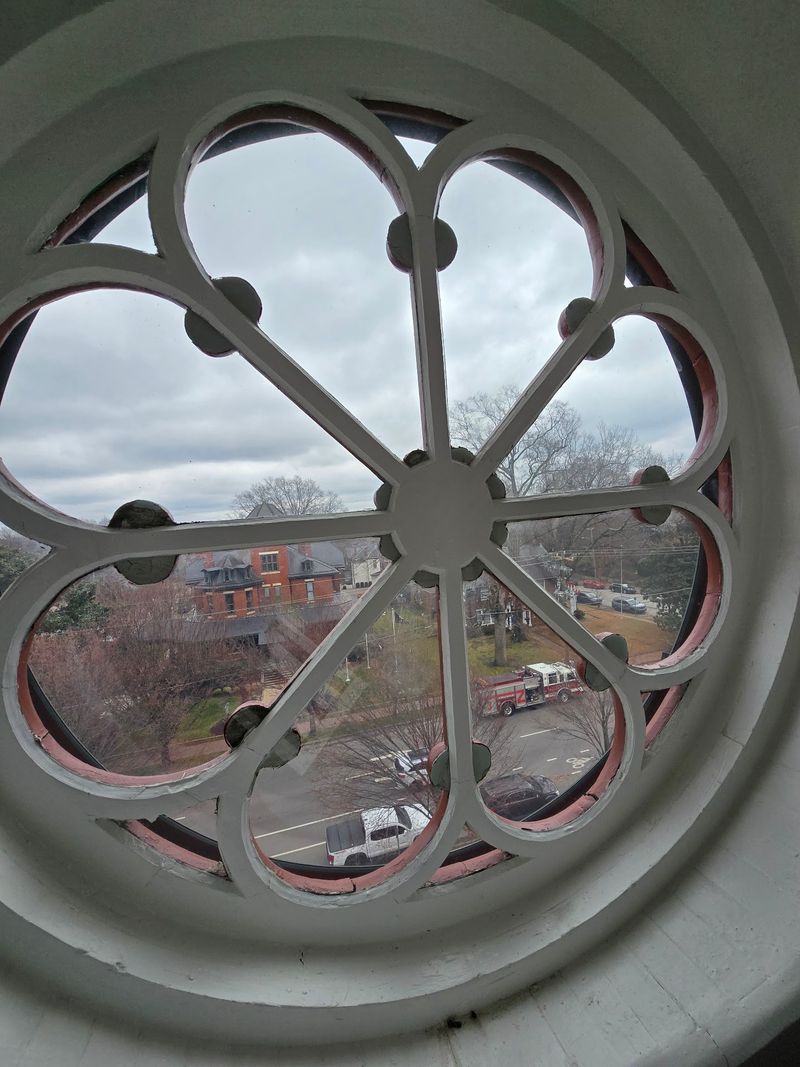
Cup your hands against dark glass, peer inside, and wait.
That is exactly what curious locals did after the mansion fell silent, and some claimed a pale white face stared right back. Many believed it belonged to Gladys Perry. The tales spread quickly.
Other witnesses said they spotted a shadowy figure strolling along Blount Street late at night, just as Perry once did.
Every retelling added a little more shiver to the legend. Inside, the stories grew stranger.
Paranormal-tour accounts eventually added stories of unusual sensations and cold spots inside the old house, although none has been independently verified.
Psychics and spiritual practitioners came to investigate, and one reportedly suffered weeks of unsettling dreams afterward, including a vision of something hidden beneath the basement floor.
Nobody has proven any of it, of course.
Still, these whispers turned an empty building into a star of local folklore.
Today the mansion is a featured stop on Raleigh ghost tours, where guides share the legends after dark.
Bring a light jacket and an open mind, and decide for yourself whether that window is simply reflecting the moon.
Imported French Glass Was Part Of The Home’s Original Over-The-Top Design
Here is a fun surprise: an old receipt still survives showing that some of the mansion’s window glass traveled all the way from France.
Ships carried it across the Atlantic Ocean to Baltimore, Maryland, which was a busy port at the time. From there it made its way south to Raleigh. Why go to all that trouble?
The Second Empire style was all about luxury, and builders wanted only the finest materials.
Ordinary glass simply would not match the fancy tower, carved brackets, and patterned slate roof. Think about what that meant in the 1870s.
There were no delivery trucks or quick online orders.
Fragile panes had to survive rocking waves, bumpy wagons, and careful unloading before anyone could fit them into a single window frame.
Old glass often has a slightly wavy look, with tiny bubbles caught inside. When sunlight pours through a pane like that, it can bend the light in soft, dreamy ways across the floor and walls.
Next time you study the windows of a historic home, look for small ripples or uneven spots.
Those little flaws are clues that hint at age, craftsmanship, and sometimes a long journey across the sea.
A Massive Restoration Brought The Crumbling Interior Back From The Brink
Demolition was a real possibility.
By the time a new owner stepped in, the inside of the house had decayed so badly that some feared it could not be saved at all. Things changed in 2016 when the North Carolina Association of Realtors purchased the property.
Architect James Grady and the team at Progressive Contracting led a multi-million-dollar effort with one big goal: make the mansion look the way it did in the 1870s.
That meant studying old layers of paint and choosing colors and materials that matched the original construction. Imagine the work involved.
Crews repaired walls, rebuilt damaged areas, and brought back fine details piece by piece.
Careful research guided nearly every choice, from trim to finishes.
The restoration was completed in 2020.
Today the bright rooms serve as the group’s Raleigh headquarters and also host special events, from gatherings to celebrations. There is a useful lesson within this success story: old buildings are worth fighting for.
Restoration takes money, skill, and lots of patience, yet the reward is a piece of history that future families can still walk through and enjoy.
The Mansion Once Stood At The Center Of The City’s Most Fashionable Neighborhood
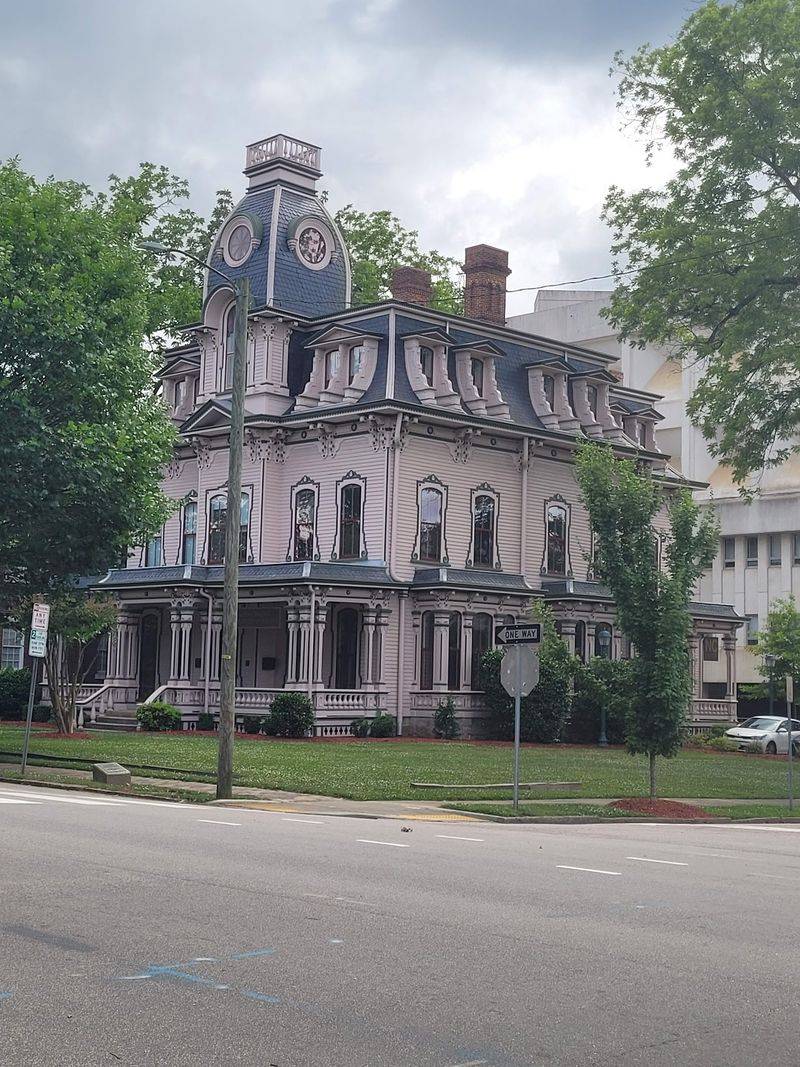
Back in 1869, Colonel Jonathan McGee Heck bought a plot of land near the northern end of Blount Street.
The road was still young then, with plenty of open space waiting to be filled.
His new home would soon change that. Once the tower rose, the house became a landmark everyone noticed.
Wealthy families wanted to live nearby, and the street turned into one of the most exclusive addresses in town.
In a way, the mansion acted like a lighthouse, guiding growth around it. Heck did not stop with one home.
He helped spark residential development in Raleigh’s northeast section, including the area that grew into the historic Oakwood neighborhood.
Many of those charming streets still showcase Victorian houses with wide porches and colorful trim. The location remains impressive.
A short stroll brings you to the Executive Mansion, where the governor lives, and the office of the Lieutenant Governor sits close by as well. For a pleasant afternoon, walk the length of Blount Street and into Oakwood.
Notice how the shady sidewalks, brick paths, and grand facades still hint at the elegant community this single house helped create.
Visitors Can See The Restored Landmark On Historic Architecture Tours Today
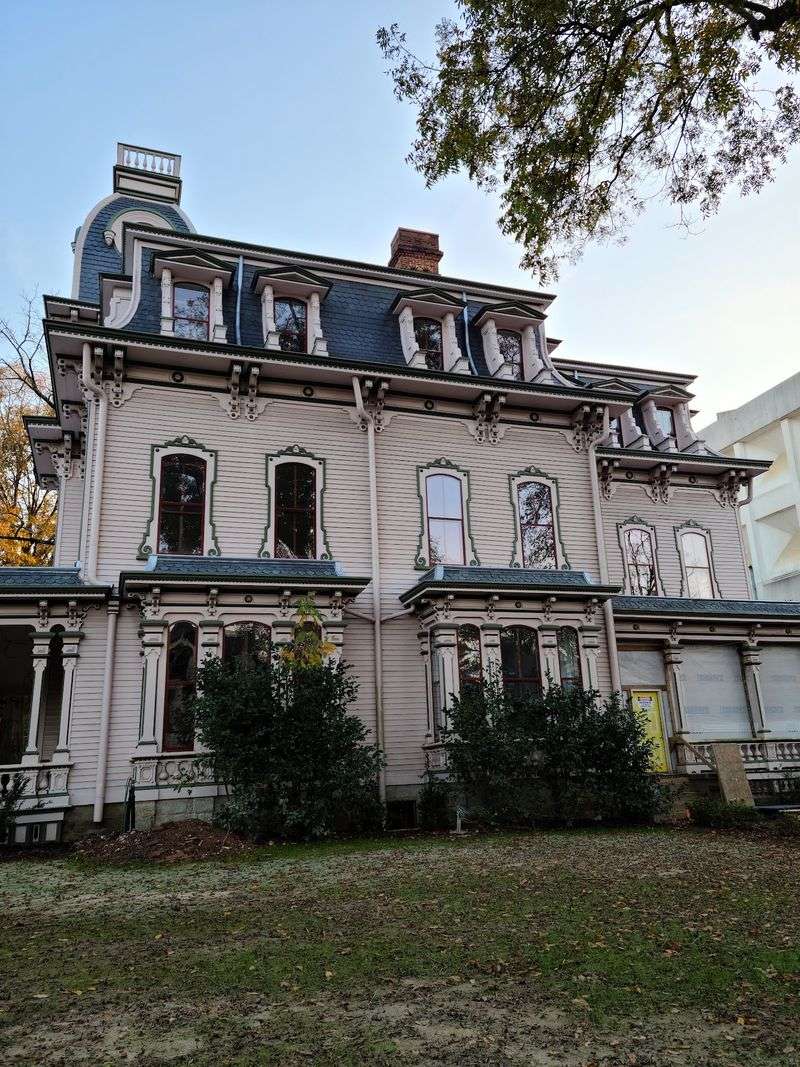
Sunshine on lavender paint, scalloped porch trim, and that famous tower against a blue sky make a lovely first impression.
The restored mansion now serves as NC REALTORS’ Raleigh office and event venue, while visitors can appreciate its exterior through walking tours and online views.
History fans can join the Historic Oakwood and North Blount: Architecture and History Tour, which runs weekly on Fridays. Guides point out building styles, share stories about early families, and help you spot details you might otherwise miss.
Comfortable shoes are a smart choice for this walk. Prefer a few goosebumps?
Several haunted history and ghost tours stop here after dark to share the legend of Gladys Perry and the faces in the windows. These evening strolls blend spooky fun with real local history.
The regular architecture tour does not include a public interior visit, although the house can be booked for private events and prospective event clients can arrange venue tours.
If you cannot step inside, a 360-degree video tour online lets you explore the rooms from home. Pair your visit with a stroll past the Executive Mansion nearby.
Together, they offer a memorable peek into one of the most storied corners of North Carolina, right in the heart of its capital city.