This Legendary South Carolina Restaurant Turns Whole-Hog Barbecue Into A Weekend Tradition
People plan entire weekends around this South Carolina barbecue stop, and the limited opening days only add to the hype.
The farmhouse serves whole hog the old-fashioned way, with plenty of smoke and patience behind every plate.
Then the mustard sauce hits. The hash and rice follow. Banana pudding makes leaving even harder!
This is not the kind of place you stumble across and forget by Monday. It has kept hungry drivers making the trip for years.
The countryside may feel quiet, but the tables tell a different story.
Once that first bite lands, the miles start feeling like a very small price to pay.
A Farmhouse Full Of History
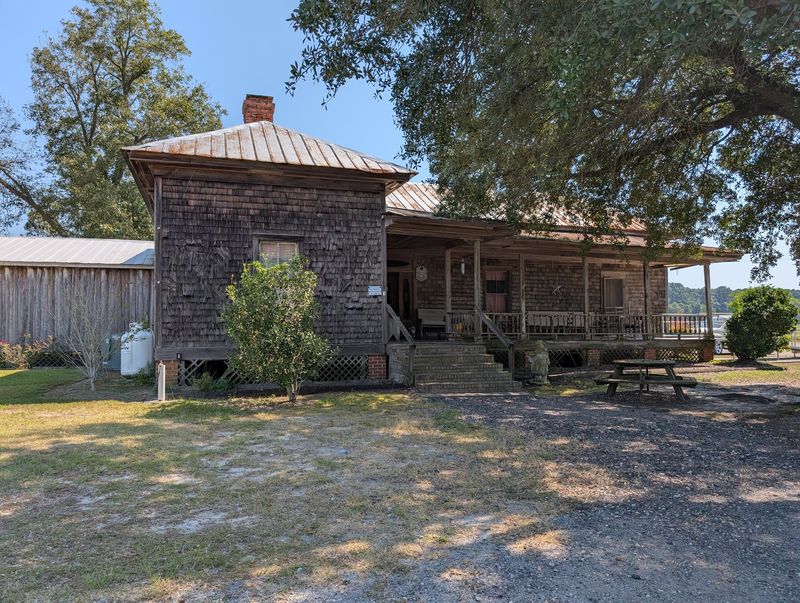
Sweatman’s story reaches back to 1959, when the Sweatman family opened an earlier barbecue business in Holly Hill.
That first restaurant was short-lived, but the family continued preparing barbecue for gatherings and special occasions.
A more permanent chapter began in 1977, when an old farmhouse in rural Orangeburg County became the home of Sweatman’s Bar-B-Que.
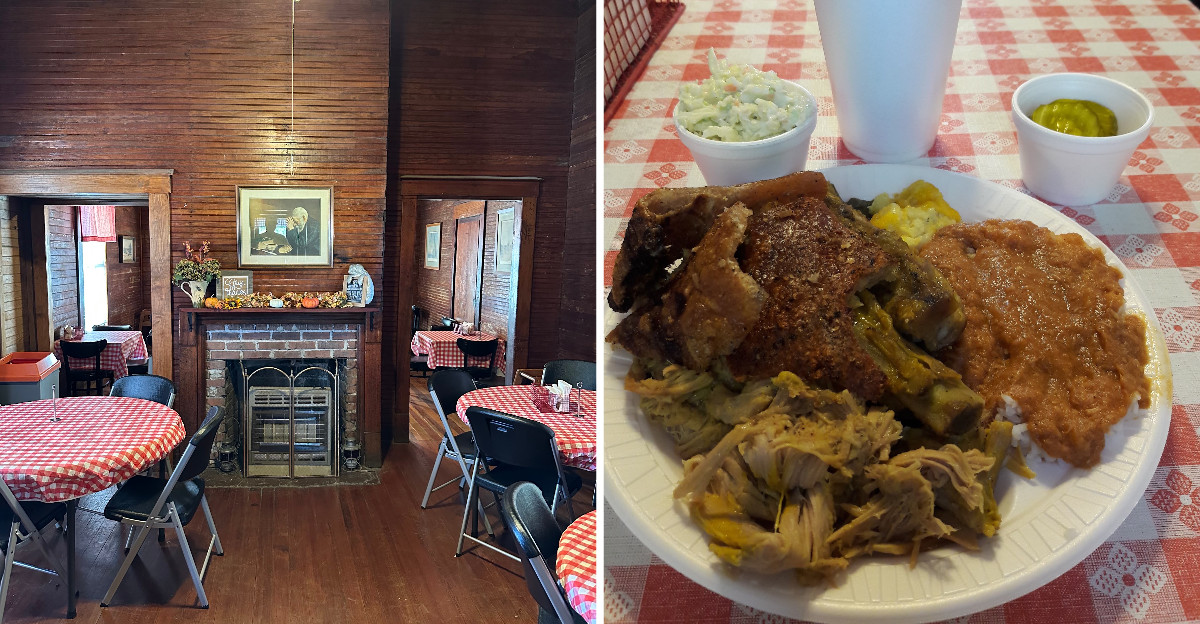
The farmhouse helped give the restaurant an identity that looked very different from a conventional roadside dining room. Multiple rooms, a broad porch, and a quiet country setting made the building part of the experience from the beginning.
The Sweatman family continued operating the restaurant until 2011. Ownership changed again in 2026, adding another chapter to a business that has now spent nearly five decades at the farmhouse.
The cooking equipment and service format have evolved over those years, yet whole-hog pork, ribs, mustard sauce, hash and rice, and the country setting remain central.
The restaurant stands at 1427 Eutaw Rd, Holly Hill, surrounded by fields and two-lane roads.
The Slow Art Of Whole Hog
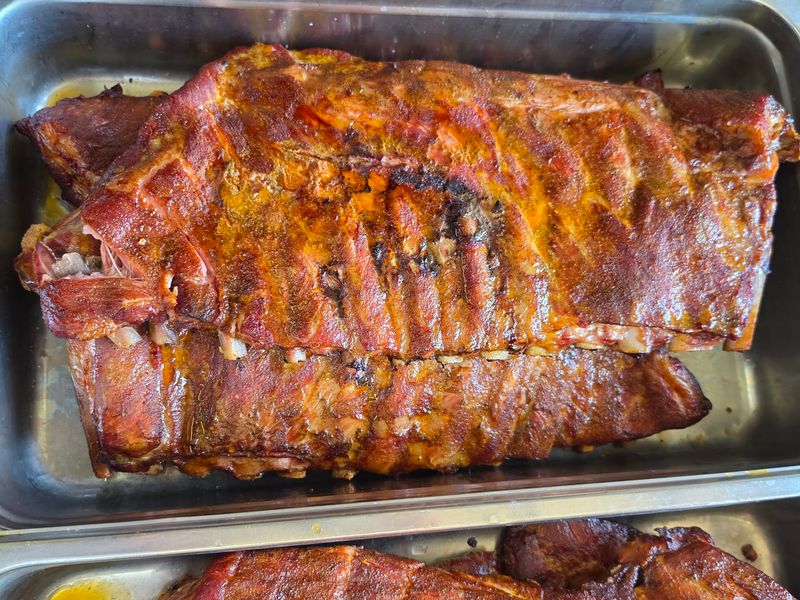
Whole-hog barbecue remains the centerpiece of the menu.
That method matters because South Carolina whole-hog barbecue uses meat from across the animal rather than relying on a single cut. Different sections contribute their own texture, richness, and flavor once the pork is prepared for serving.
Sweatman’s older cooking method became especially well known.
Whole hogs once cooked for roughly 12 to 14 hours on open concrete-block pits, using hardwood coals prepared from oak, hickory, and other local wood.
The restaurant no longer uses those original open pits. Southern Pride smokers eventually replaced that equipment, while whole-hog pork continued as the defining barbecue style.
That distinction is important because many older articles and television features show a cooking setup that is no longer in use.
The current approach still centers on slow preparation and traditional barbecue rather than quick cooking.
Ribs remain an important companion to the pulled pork, giving diners another way to experience the restaurant’s long connection to smoked meat.
Mustard Sauce Holds Its Place
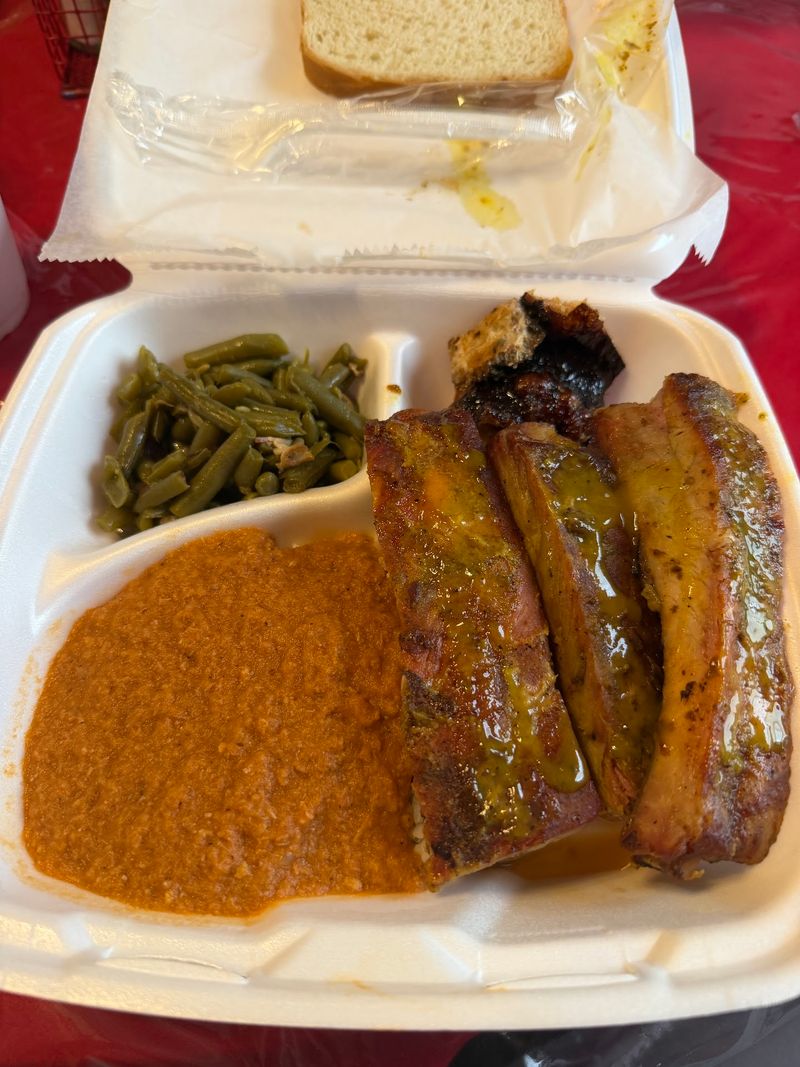
Mustard-based sauce is one of the clearest links between Sweatman’s and South Carolina’s barbecue traditions.
The bright sauce has long been closely associated with the restaurant, bringing tang and seasoning to the pork without turning the plate into something overly complicated.
Its history also reaches beyond one farmhouse. Mustard sauces developed deep roots in the central part of the state, where German food traditions helped influence the region’s barbecue style.
Sweatman’s became one of the best-known restaurants associated with that golden sauce, and the family name has appeared for decades in discussions of its early development.
Mustard remains the defining sauce here, while vinegar-pepper sauce has also been part of the restaurant’s established lineup.
The easiest approach is to add sauce gradually rather than cover the pork immediately. Whole-hog meat brings several textures together, so a smaller amount lets those differences remain noticeable.
Bottled sauce is also available to take home, extending one of the restaurant’s most recognizable flavors beyond the dining room.
Hash And Rice Still Matters
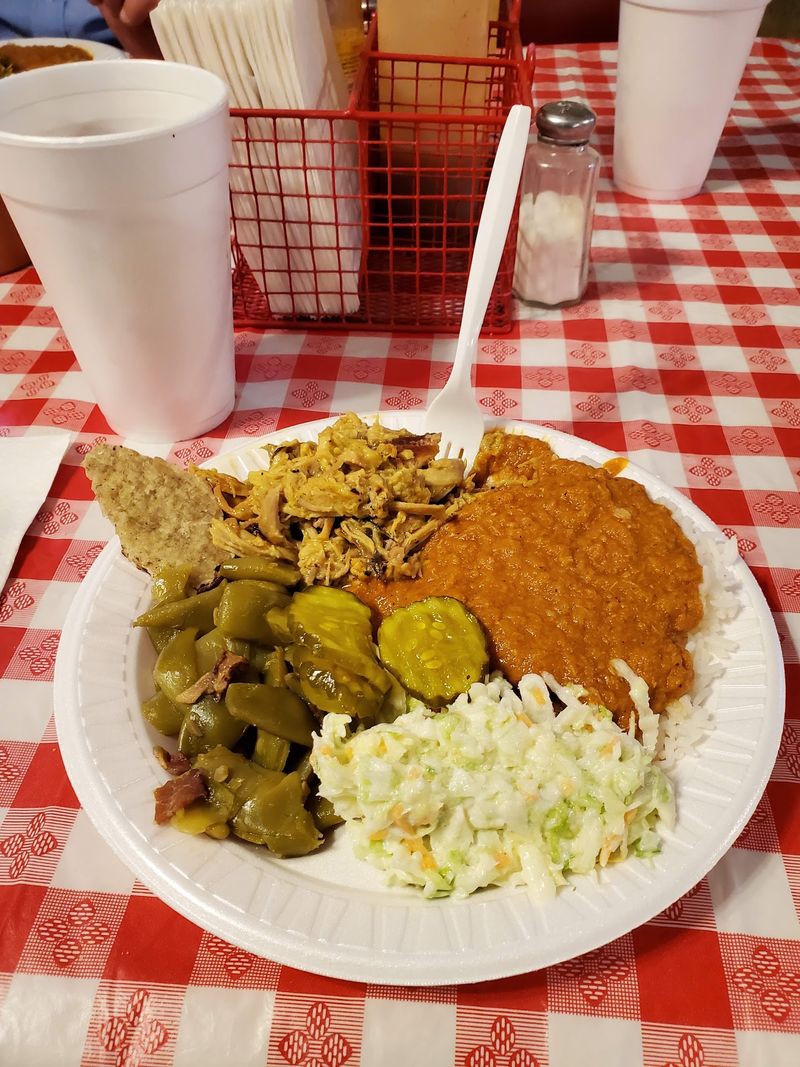
Hash and rice is a classic South Carolina side, and it remains one of the dishes most closely tied to Sweatman’s.
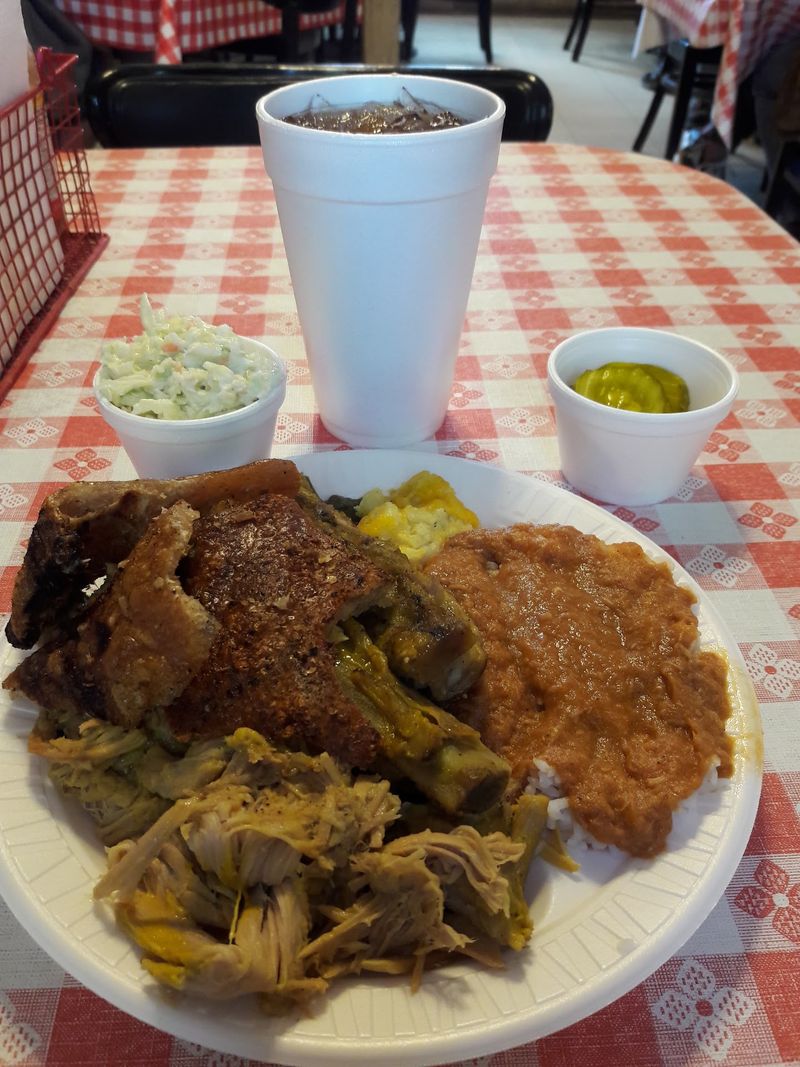
The combination pairs a thick, savory hash with plain white rice, creating a softer contrast to the pulled pork and ribs on the same plate.
Recipes for barbecue hash vary widely across the state, which is part of what makes the dish interesting.
Sweatman’s has maintained its own version through different eras of the business, although the exact preparation has not always remained publicly documented as ownership changed.
That makes the current dish more useful to understand by tradition than by a rigid ingredient list.
Rice provides a neutral base while the hash brings the concentrated flavor. Together they occupy a place somewhere between a side dish and a second centerpiece.
For anyone unfamiliar with regional barbecue, hash and rice is one of the clearest ways this meal differs from barbecue served elsewhere.
It also fits naturally beside mustard-sauced pork, which helps explain why the pairing has remained part of the restaurant’s identity for so long.
Ribs, Sides, And Sweet Endings
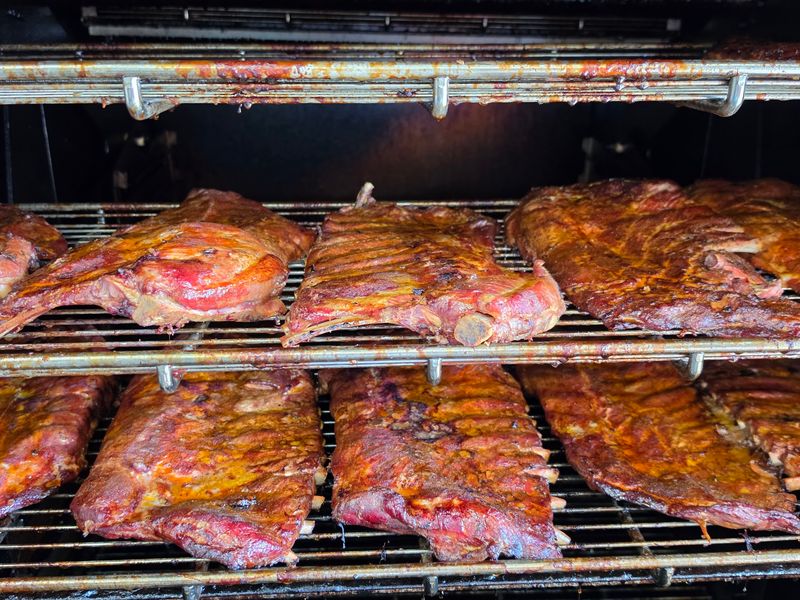
Whole-hog pork may lead the menu, but ribs remain another longstanding part of the meal.
The supporting dishes keep the plate rooted in familiar barbecue territory. Baked beans and slaw remain established sides, while pork skins are available when the kitchen has them.
Those crisp skins add a completely different texture beside softer pork and rice. They have been associated with Sweatman’s for years and remain part of the restaurant’s barbecue identity.
Banana pudding continues the meal in a traditional direction. The cool, creamy dessert has long appeared alongside the savory dishes and still holds a place on the current menu.
The exact selection can change, especially as a new ownership chapter develops, so the strongest reason to visit is the core combination rather than expecting every side from an older menu.
That core is straightforward: whole-hog pork, ribs, hash and rice, mustard sauce, and a group of simple accompaniments.
Nothing needs elaborate plating to make sense. The farmhouse setting and familiar serving style keep attention on the food itself.
The menu remains focused enough that those traditional elements do not get buried under a long list of unrelated dishes.
Your Weekend Barbecue Game Plan
For many years, Sweatman’s was famously associated with Friday and Saturday service.
The schedule is broader now. Current hours run Thursday through Saturday from 11 a.m. to 8 p.m., with Sunday service from 11 a.m. to 6 p.m. Monday through Wednesday are closed.
The former buffet is no longer part of the restaurant’s regular format. Meals are now ordered individually, and the official website also offers online ordering.
That change is worth knowing before arriving because older articles, videos, and photographs often show a very different setup.
Takeout remains an option, which can be useful for anyone continuing a road trip or planning a meal elsewhere.
The expanded four-day schedule makes the restaurant easier to work into a weekend without losing the limited-hours character that has long shaped visits.
Planning around the operating days is still important, especially for travelers coming from farther away. The farmhouse is not a seven-day stop, and that narrower schedule remains part of its rhythm.
Country Roads Lead Here
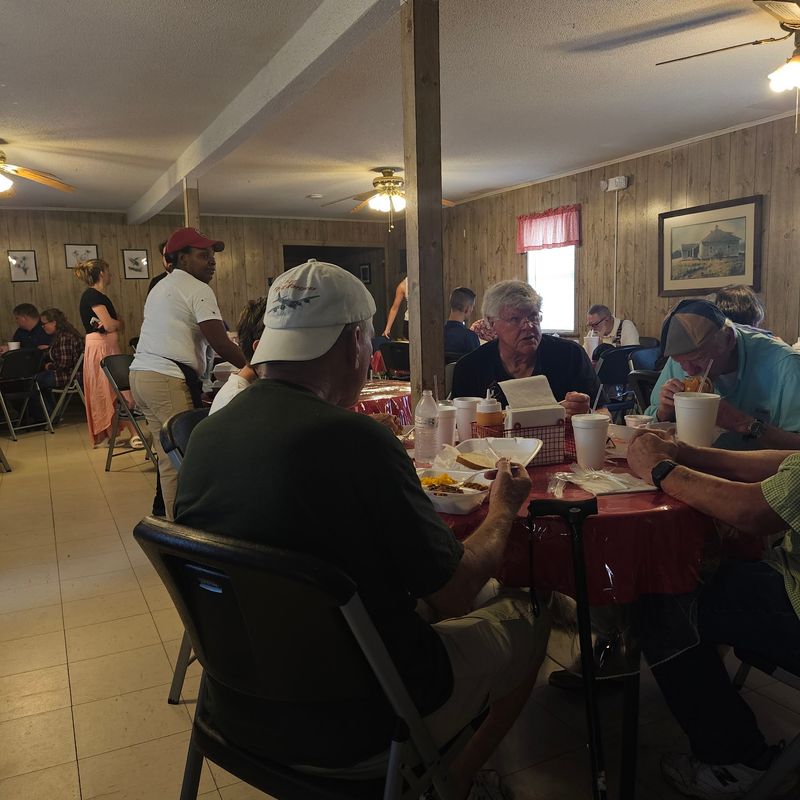
The setting has always been part of Sweatman’s appeal.
The farmhouse sits in rural Orangeburg County between Holly Hill and Eutawville, away from the busier restaurant corridors found closer to larger cities.
Fields, pines, scattered homes, and long stretches of two-lane road shape the final approach.
Charleston is roughly an hour away, while travelers using I-95 or I-26 can reach the restaurant with a detour through the countryside.
That location helps explain why the restaurant has long been treated as a destination rather than a convenient stop found beside an exit.
The drive also separates the experience from the faster pace of a typical highway meal.
Downloading directions before leaving a main route can make the final stretch simpler.
Once the farmhouse comes into view, there is little confusion about the character of the place. It looks like a country home adapted for barbecue rather than a restaurant designed to imitate one.
That authenticity has remained recognizable through several eras of the business. The quiet rural approach sets the tone before anyone even reaches the front door.
Where Tradition Keeps Evolving
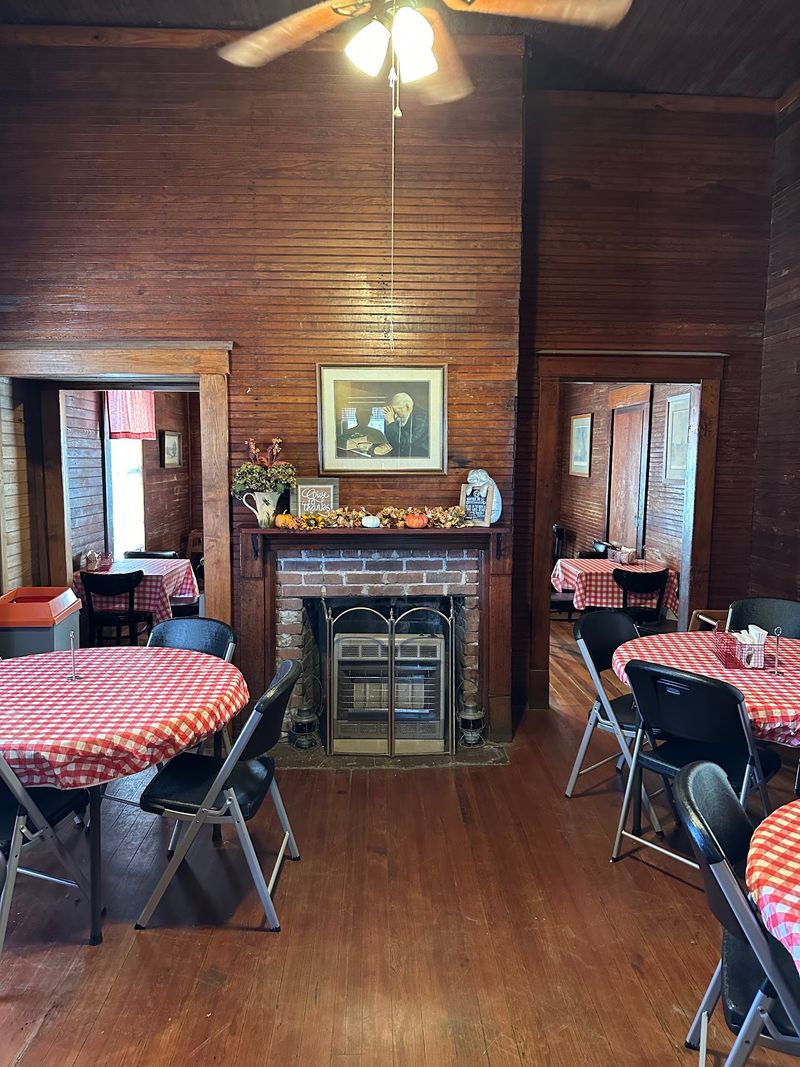
Sweatman’s today is not identical to the restaurant shown in older barbecue features.
The original open-pit system is gone, the buffet has been retired, and ownership has changed more than once.
Those differences matter, especially for visitors arriving with memories of an earlier version of the restaurant.
At the same time, several defining pieces remain in place. Whole-hog pork still anchors the menu. Mustard sauce and hash and rice remain important.
Ribs, familiar sides, and banana pudding continue the broader tradition.
The farmhouse itself still gives the meal a setting that is difficult to separate from the food.
That combination makes Sweatman’s interesting for more than nostalgia. It is a longstanding barbecue institution adapting while keeping recognizable parts of its original identity.
For first-time visitors, the strongest approach is to experience what is there now rather than expect a recreation of another decade.
A plate of pork, hash and rice, ribs, and mustard sauce still connects the present-day restaurant to the tradition that made this rural stop famous.