This Nonprofit California Craft Thrift Store Just Opened A Massive New Treasure Trove For Creative Minds
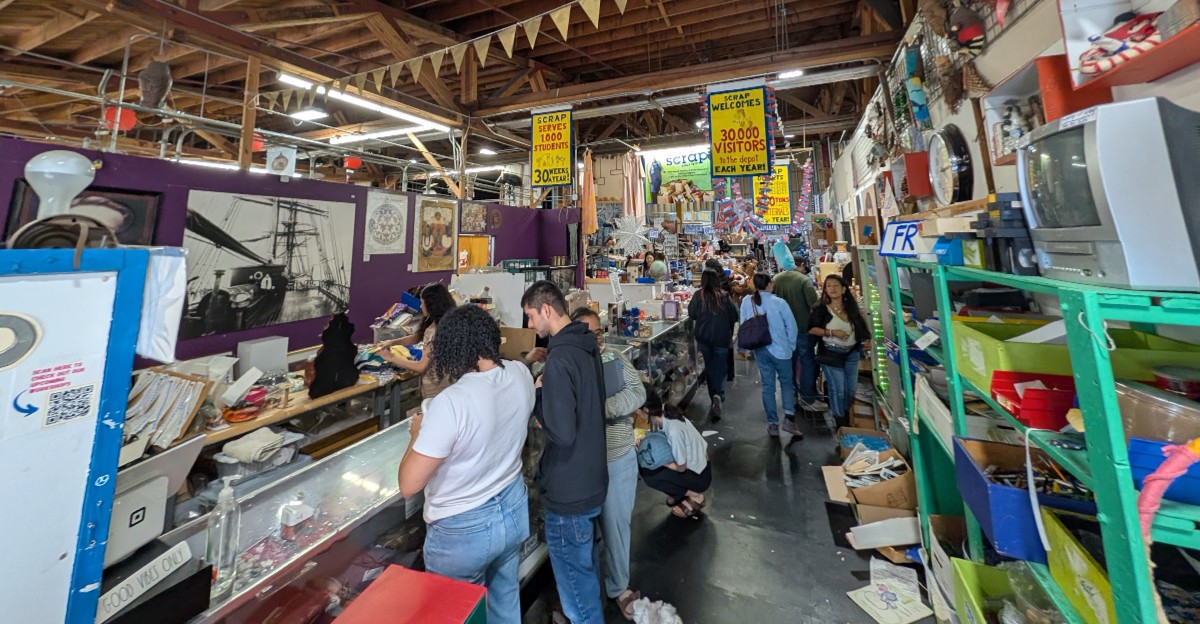
Ever walked into a craft store needing one small thing and left with enough ideas to keep you busy for six months?
Now consider what happens when the shelves are filled with donated materials waiting for someone to give them a second life.
One nonprofit creative reuse store has recently expanded into a massive new space, giving artists, crafters, and curious bargain hunters even more room to explore.
And unlike ordinary retail shopping, you never quite know what you might discover.
California’s creative community has a particularly exciting place to hunt for affordable supplies while keeping useful materials out of landfills.
The appeal is partly about saving money, but the real fun comes from seeing possibilities in unexpected objects.
Something that looks ordinary to one shopper might become the starting point for another person’s favorite project.
A Massive New Home For Creative Treasures
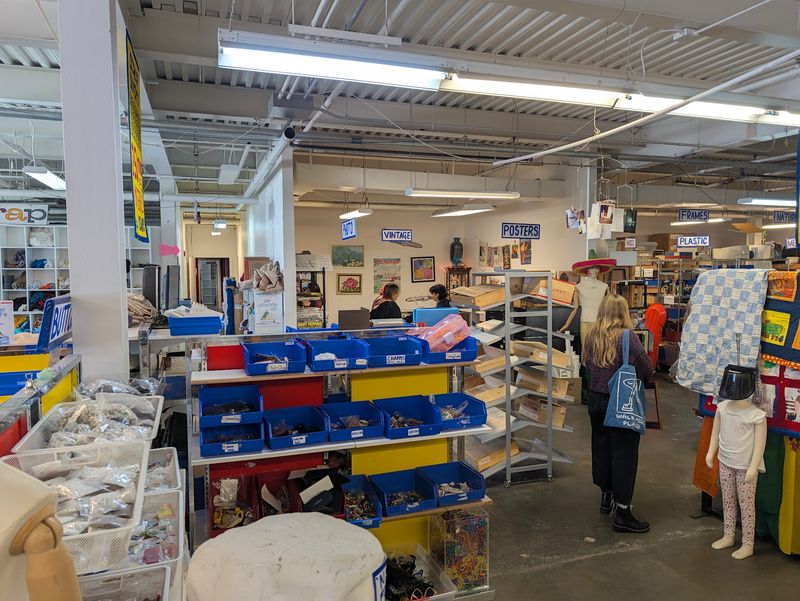
Bigger shelves and wider walkways arrived when SCRAP opened its new depot to the public on Saturday, August 15, 2026.
The building sits at 141 Industrial St #1, San Francisco, CA 94124, in the Bayview neighborhood.
Shoppers now have a retail floor of about 10,000 square feet to explore on the ground level.
The full building covers roughly 26,000 square feet, so the store is only one part of the picture.
The remaining space is set aside for workshop areas, offices, and shared rooms used by other arts groups.
That layout helps the organization handle more donations and keep programs running under one roof.
Estimates suggest the larger site may allow the nonprofit to accept around 100 more tons of materials each year.
More incoming materials could mean fuller shelves and a broader mix of supplies on any given day.
Wider aisles also make browsing feel calmer, especially for people pushing carts or shopping with children.
Owning a permanent home matters for a group like this one. Earlier locations depended on leases that could change, which created uncertainty about the future.
A stable address means teachers, artists, and families can count on the depot staying put.
A Nonprofit With A Mission Beyond Selling Supplies
Selling art supplies is only the visible part of what happens at SCRAP.
Behind the counters, the nonprofit gathers reusable materials from people, businesses, and institutions across the Bay Area.
Those materials then return to the community at low prices or sometimes for free.
The idea is simple but powerful. Useful items that might have been tossed out get another round of life in someone else’s hands.
Over the years, that approach has kept hundreds of tons of materials out of the waste stream annually. Money from purchases goes back into creative education programs.
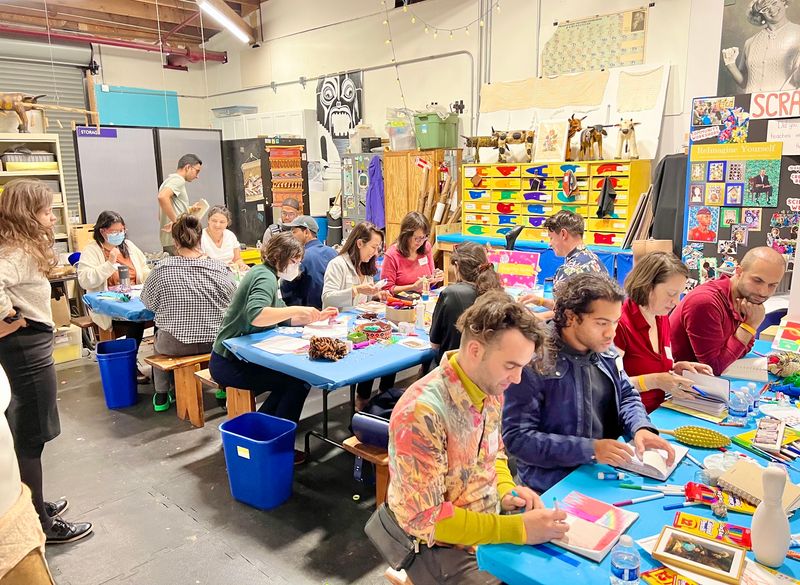
The organization offers workshops and classes for kids and adults, and it supports teachers with resources for their classrooms.
Field trips and school partnerships are also part of the work. Shopping here feels a bit different because of that bigger purpose.
A two dollar bundle of yarn or a stack of paper becomes a small donation toward art lessons in local schools.
Many longtime visitors describe the place as more of a community hub than a regular store.
Leftover craft goods, office supplies, and odd materials that other thrift stores may refuse could find a happy home on these shelves.
Craft Supplies At Thrift Store Prices
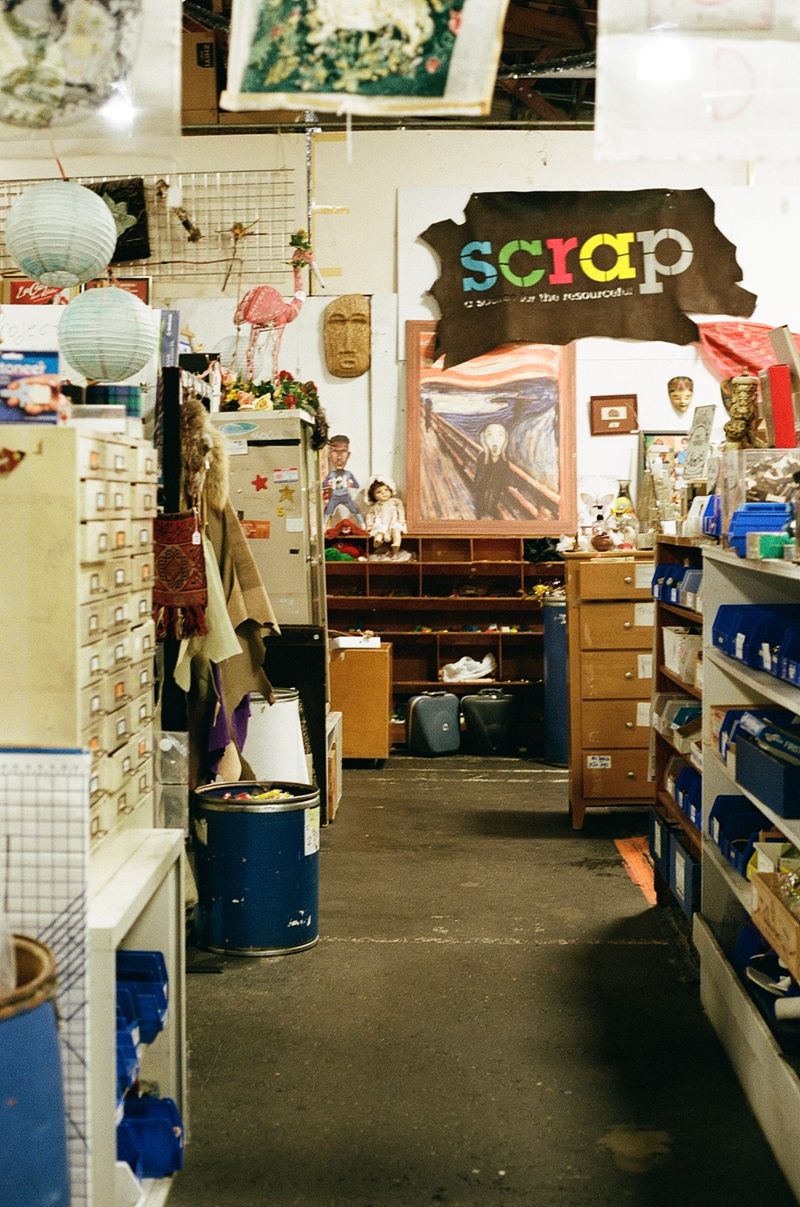
Anyone who has watched a craft store receipt climb past fifty dollars will understand the appeal right away.
Secondhand supplies at SCRAP usually cost far less than the same kinds of items at big retail chains. Shoppers often mention leaving with a full bag for just a few dollars.
Some items land in a free section, which may hold crayons, maps, calendars, or paper on certain days. Pricier pieces do exist, yet even those generally sit below typical retail prices.
Exact costs vary with each donation, so it helps to arrive with a flexible budget rather than a fixed list. Lower prices change how people approach creative work.
Trying a new hobby feels less risky when the materials cost pocket change.
Students, beginners, and artists on tight budgets can experiment freely without worrying about wasting expensive supplies.
Some donations come from companies clearing out warehouses, so certain items may be commercial grade or still unopened.
That mix can include materials that regular shoppers rarely see in ordinary stores.
A smart habit is to check the depot first before buying something new for a project.
A Paradise For Yarn Lovers And Fiber Artists
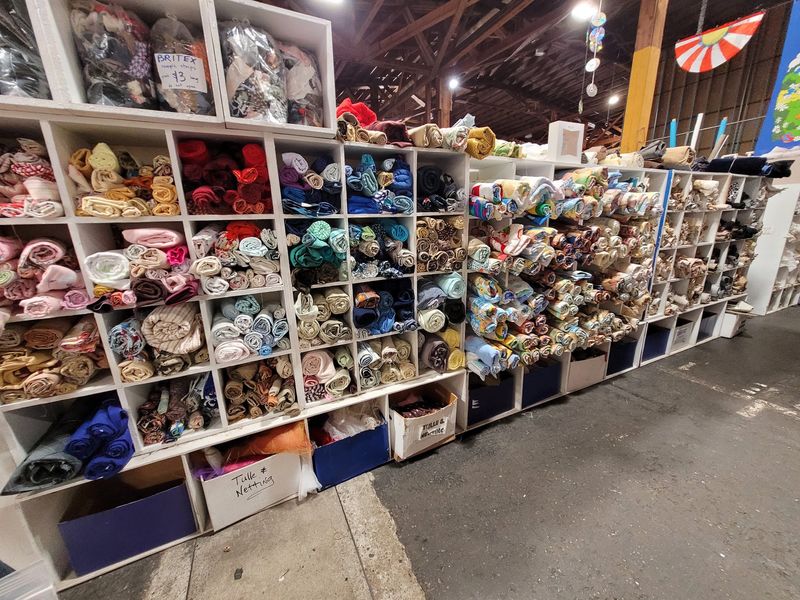
Squishy skeins in every shade can turn a quick stop into a long browse for knitters and crocheters.
Yarn appears regularly among the donations at SCRAP, though the exact mix changes often. Shoppers may find wool, cotton, acrylic, and blends in different weights.
Some bundles are perfect for a cozy scarf, while odd single skeins suit small projects like coasters or amigurumi animals.
Knitting needles, crochet hooks, and printed patterns sometimes sit nearby, which helps beginners gather a full starter kit.
Fiber artists who weave, embroider, or make wall hangings can also find threads and odd materials for texture.
Mixing leftover skeins often leads to playful color combinations that a single store-bought line would never offer.
Here is a practical tip for yarn shopping. Labels are not always attached, so a quick burn test at home or a careful feel in the store can hint at fiber content.
Buying enough of one color matters for larger projects, since a matching skein may not appear again.
Natural window light is helpful for judging true colors, so stepping toward brighter areas can make choices easier.
Scrapbooking And Paper Crafting Treasures
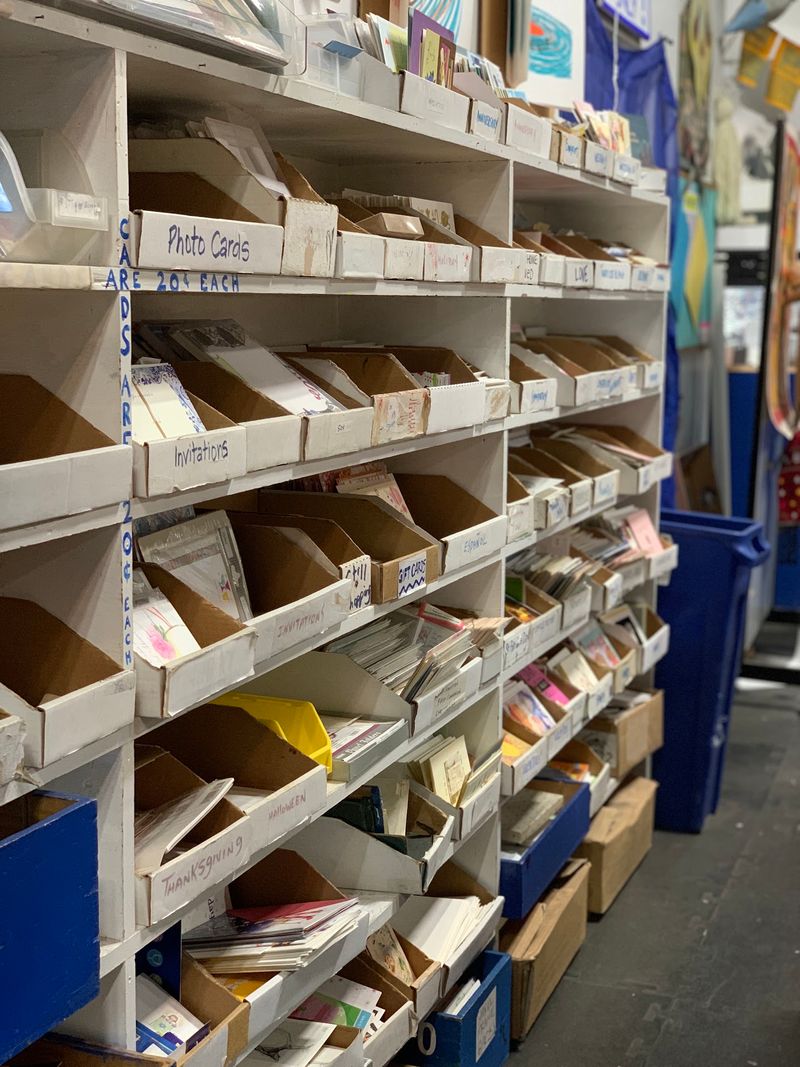
Paper lovers, the paper aisle might just become a favorite stop. Teachers and crafters alike often mention it as one of the most exciting sections at SCRAP.
Shelves can hold patterned sheets, cardstock, envelopes, note cards, and writing paper. Those basics make wonderful starting points for handmade birthday cards or thank-you notes.
Rubber stamps and stickers show up too, and they add quick charm to journals and scrapbook pages. Office supplies like clips and fasteners can double as clever design details in mixed-media collages.
Old maps, photos, and calendars sometimes appear, offering fun textures for collage work. Sketchbooks may be new or partly used, which still leaves plenty of fresh pages for drawing.
Artificial flowers and small embellishments can finish a card or gift box nicely. Inventory changes fast in this category.
A shopper who visits two weeks apart might find completely different stamps and papers each time.
Personalized gifts become easy and affordable with this kind of mix.
The Kind Of Unexpected Finds You Cannot Plan For
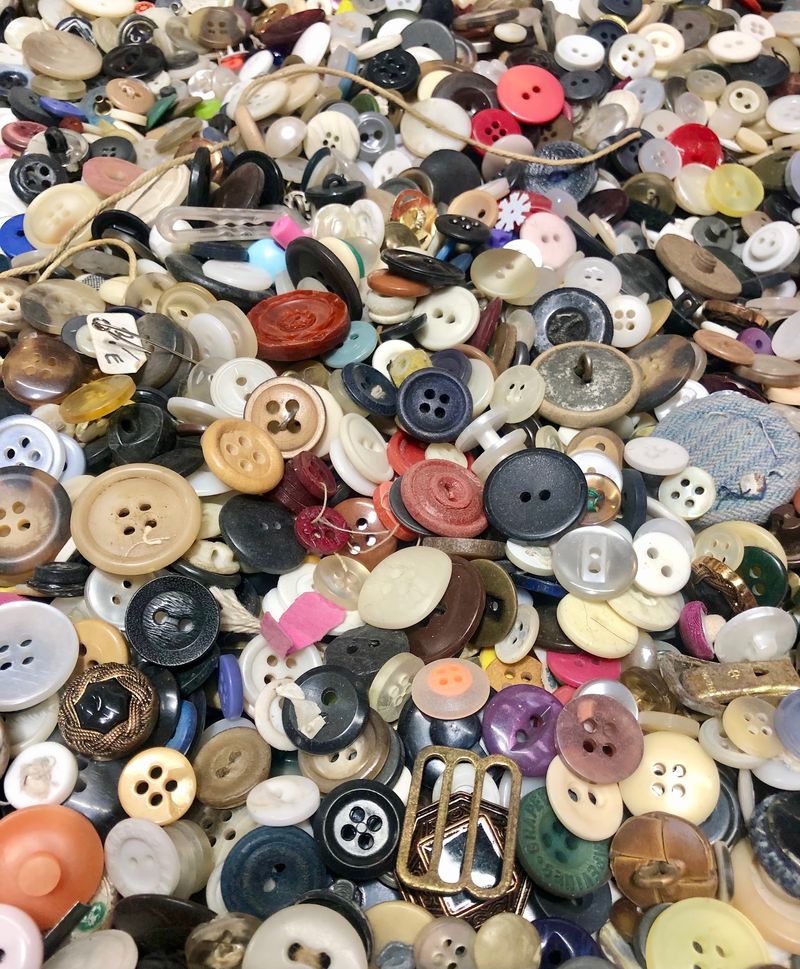
Buckets of buttons, mystery tiles, wooden scraps, and quirky trinkets make every aisle feel like a puzzle. Nobody can predict exactly what will be waiting at California’s SCRAP on a given day.
Everything depends on what people and companies decide to donate.
One visit might bring picture frames and glass pieces. Another might offer photo props, storage containers, or strange industrial parts with no clear purpose.
That uncertainty is a big part of the fun. Odd objects can spark fresh ideas that a regular store never would.
One couple once gathered nearly everything needed to build a cat tree, paying only a few dollars for the lot. Stories like that show how flexible thinking pays off here.
A simple rule helps many regulars. If something catches your eye and fits your budget, it may be wise to grab it, since it might be gone next time.
The store can feel busy and a bit chaotic in a cheerful way, so stepping back now and then helps with focus.
A Creative Playground For Families And Young Artists
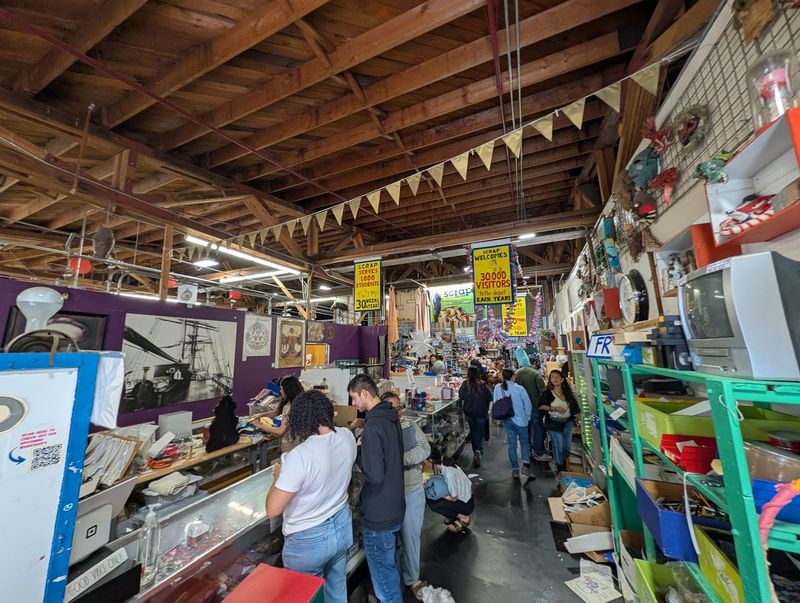
Kids tend to light up when an entire warehouse becomes their idea box. Parents often describe children happily browsing SCRAP for an hour or more.
Weird and wonderful objects invite young minds to wonder what they could build. Affordable prices mean children can choose freely without much worry about cost.
Some families have even left with small bags of selections at no charge, though that depends on the items and the day.
Compared with a new plastic toy, a handful of materials can lead to hours of making.
School projects become less stressful too. Poster supplies, cardboard, and decorations for book reports may all be found in one trip.
This California nonprofit also runs art education programs for K-12 students in San Francisco public schools.
Public workshops and events have included family-friendly activities like bookmaking and character design.
Schedules vary, so the official website is the best place to check for upcoming sessions.
Setting a small budget or bag limit can help kids practice making choices. A weekend crafting session afterward turns the shopping trip into a full family activity.
Planning Your First Treasure Hunt At SCRAP
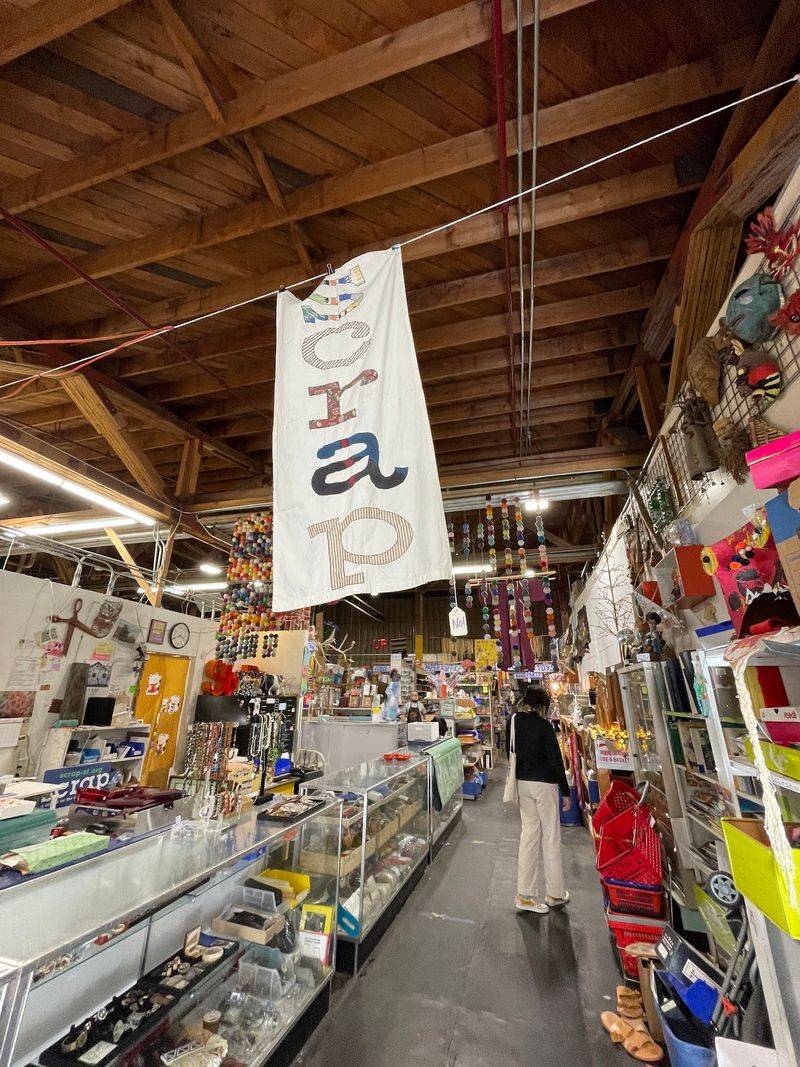
A little planning can make the first visit smoother and more relaxed.
The depot is located at 141 Industrial St #1, San Francisco, California 94124, in the Bayview area.
Shopping hours run from 10 AM to 6 PM, Tuesday through Sunday, and the store is closed on Mondays.
Donation times are separate from shopping hours and have shifted in the past. Reviewing the current donation guidelines helps avoid surprises at drop-off.
The new site offers a fenced parking lot, which many drivers appreciate. Riders using public transit may need to walk a fair distance, and staying aware of surroundings is sensible in the industrial area.
Time matters most of all. Some visitors spend two hours or more exploring, and even then they may not see everything.
Rushing through might mean missing a perfect find tucked on a lower shelf.
Bringing reusable bags, project measurements, and an open mind can make the trip more rewarding.