This Forgotten Kentucky Pioneer Village Is Free To Explore And Most People Have Never Heard Of It
Did you know salt was once so precious that armies tried to control it? It sounds like a trivia question, but one small Kentucky town lived that story.
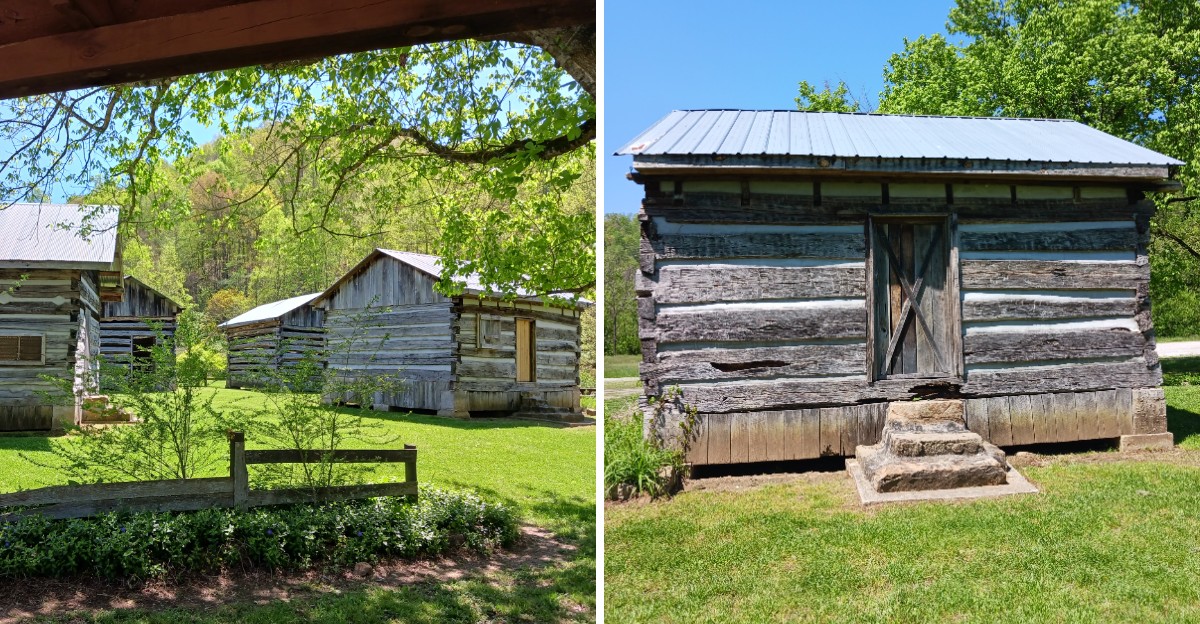
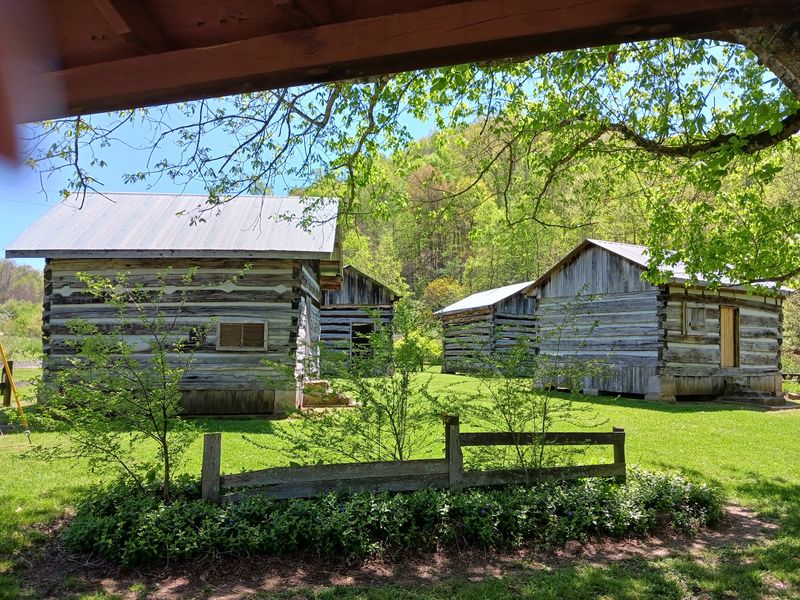
Today, that same ground holds a cozy little village of historic log cabins and barns. Each one was carefully moved and saved by local history lovers.
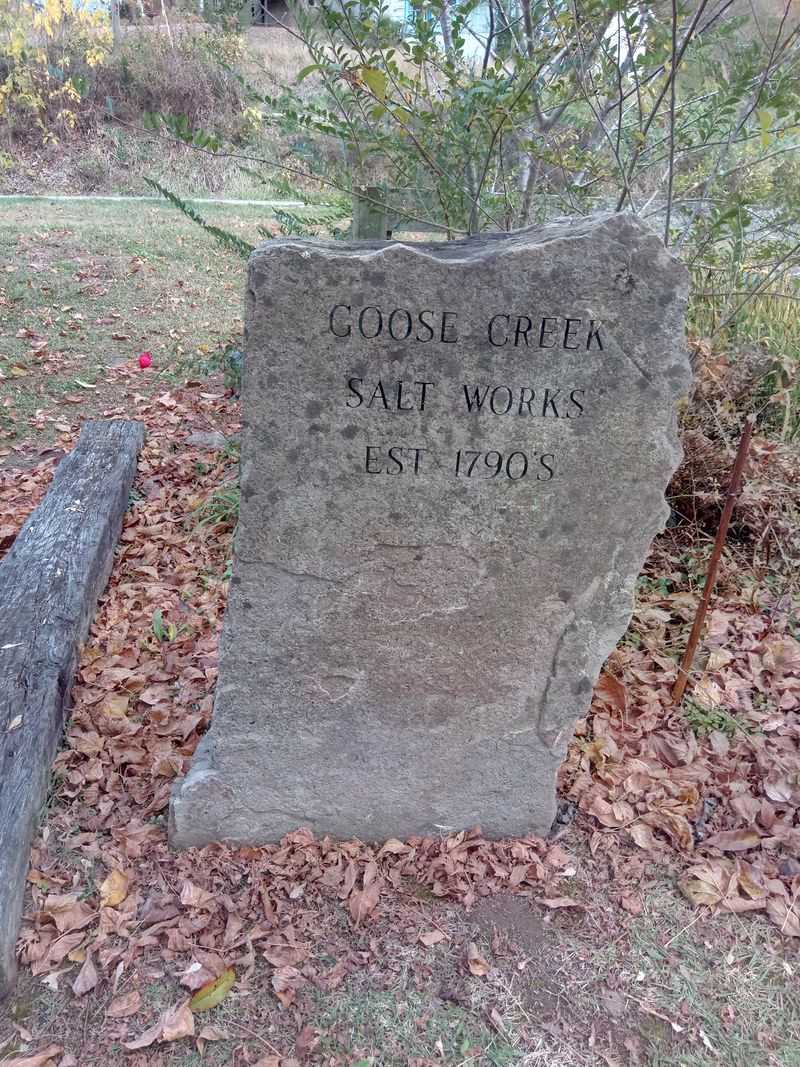
You can stroll past them and picture pioneer life without any velvet ropes. Friendly signs share the story of the salt works that thrived here in the 1800s.
During the Civil War, Union troops showed up to shut the whole operation down. Talk about a salty situation!
When your history lesson ends, a peaceful trail follows the creek for a lovely walk. Kids can run, grownups can wander, and nobody has to rush back home.
This is the kind of outing you will want to tell everyone about. So grab your walking shoes and let’s go.
A Free Ticket Back To The 1790s
Time travel is usually expensive, but this ride costs zero dollars.
The official name is Historic Goose Creek Salt Works Pioneer Village. It is an interpretive re-creation of an early settlement built around a historic salt works.
The village opened in 2009. The Clay County Genealogical and Historical Society created it with help from the City of Manchester.
Many locals call it one of the most historic sites in Clay County. Some say the same about all of southeastern Kentucky.
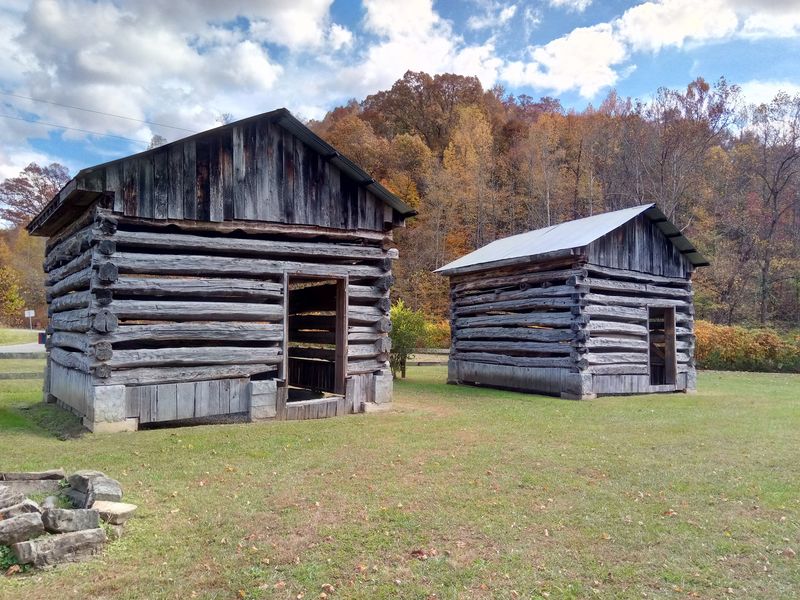
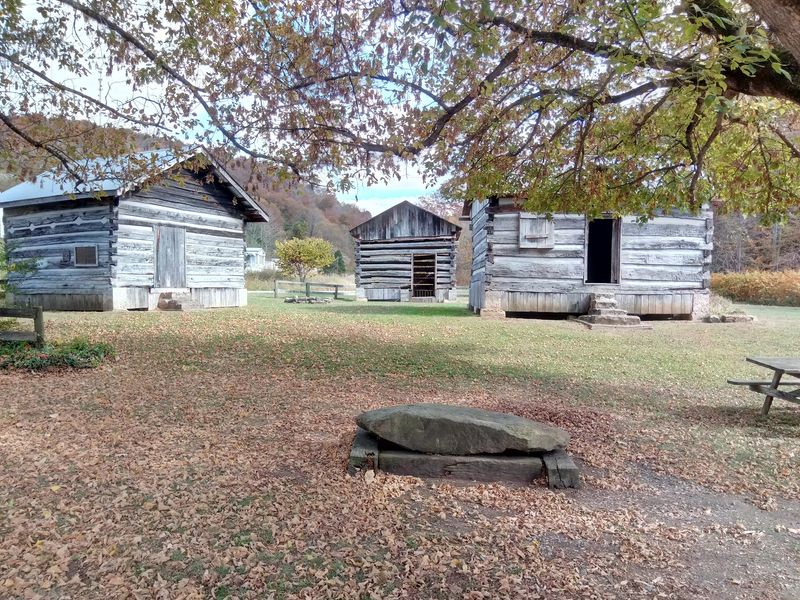
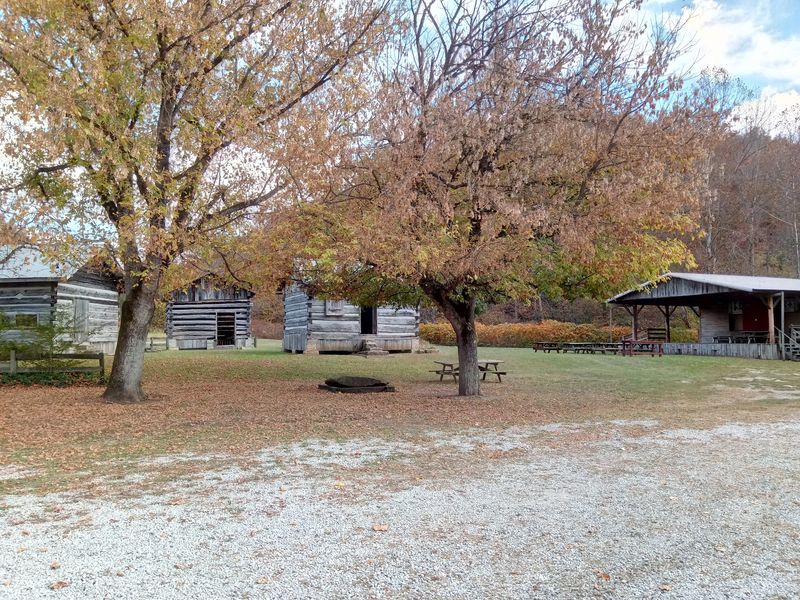
You will find old log cabins, barns, and signs that explain the past. Everything is spread out, so you can wander at your own pace.
Nobody rushes you here. There is no gift shop pushing souvenirs or a line of tour buses.
The site has strong ratings from visitors. People often describe it as pretty, quiet, and very clean.
That calm feeling is part of the charm. You can read a sign, look at a cabin, and actually think about it.
Bring a curious mind and comfortable shoes. A free afternoon rarely teaches you this much about where Kentucky began.
Salt Works Pioneer Village sits at 269 Railroad Avenue, Manchester, Kentucky.
Salt Was Once Worth Its Weight In Hard Work
Your kitchen salt shaker has a wild family history. At Salt Works Pioneer Village, that story starts with bubbling water and big iron pots.
Early settlers did not buy salt at a store. They made it by boiling brine, a salty mineral water from springs and wells.
Workers poured the brine into large iron kettles. Those kettles sat over furnaces built from stone.
As the water boiled away, salt crystals stayed behind. It was slow, hot, and tiring work.
So why all the effort? Salt helped preserve food before anyone had a refrigerator.
Meat and vegetables could last through long winters with salt. Families depended on it to stay fed.
That made salt one of Kentucky’s most important early industries. It was a big deal, not just a seasoning.
The first settlement in Clay County grew around the Langford Salt Works. That dates back to the mid-1790s.
Later, people called it Goose Creek Salt Works. The village today helps you picture that busy, smoky scene.
Next time you sprinkle salt on fries, you might pause. You will know how much sweat once went into every pinch.
Meet The Cabin Older Than Most History Books
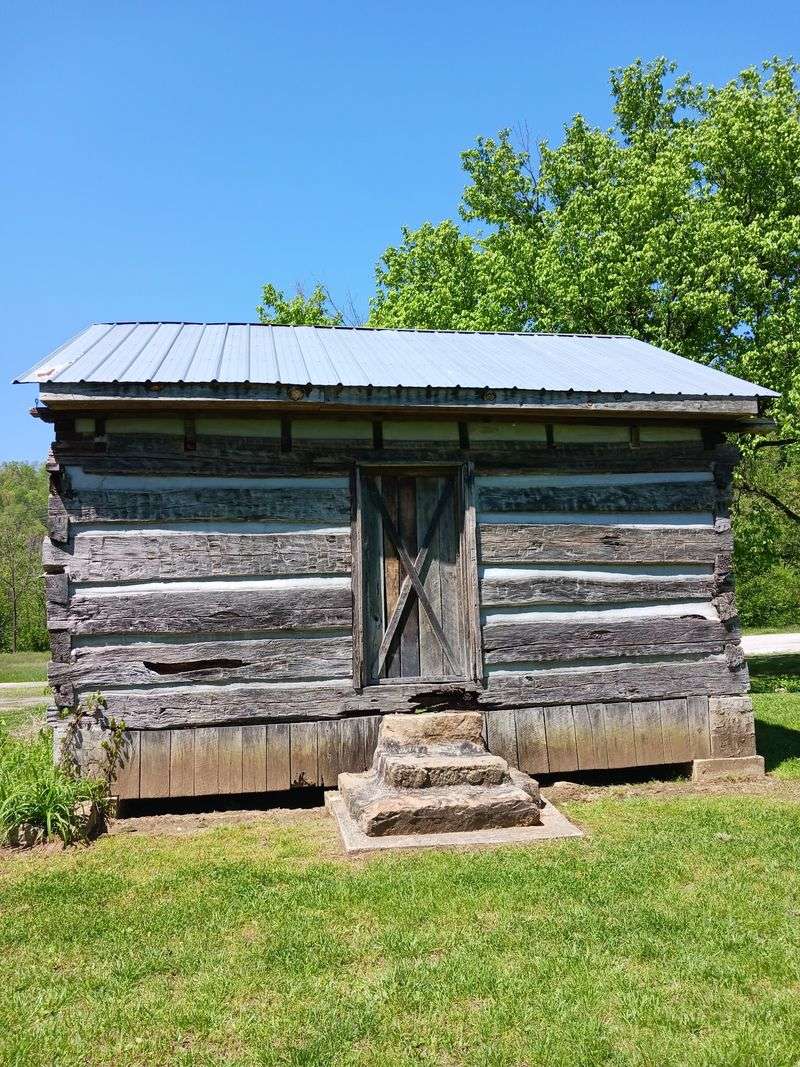
Some buildings get old gracefully, and some just keep going out of pure stubbornness. The Jesse Cotton Cabin might be both.
It is the centerpiece of the village. Experts estimate it is between 175 and 220 years old.
Some estimates place it as early as 1792. Others say it was at least built before 1800.
That makes it one of Kentucky’s oldest structures of its kind. Visitors often point out that it is over 200 years old.
The cabin stands in for Robert Baker’s cabin. That cabin played a huge role in local history.
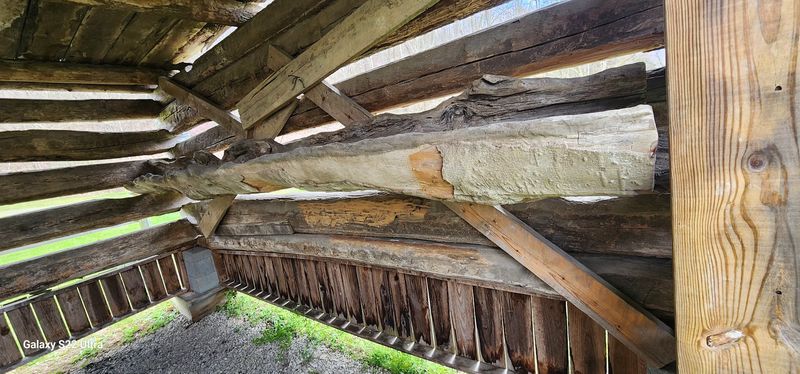
Look closely at the logs and corners. You can see how builders fit wood together without modern power tools.
The cabin did not always stand here. The City of Manchester helped move and rebuild it on this site.
The historical society raised money for roofing and fencing. That care keeps the old timbers protected.
Take a slow lap around the outside. Notice the shape of the doors and the size of the rooms.
Families once lived in spaces like this. Picture yourself sharing it through a snowy Kentucky winter.
Where A Whole County Got Its Start
Picture a courtroom with no marble floors, no fancy columns, and maybe a chilly draft. That was government in Clay County in 1807.
On April 13, 1807, the first county leaders met in Robert Baker’s cabin. Both county and circuit courts gathered there.
The salt works community became the first seat of government for Clay County. Big decisions happened in small rooms.
Even before the county existed, salt mattered to lawmakers. Early 1800s acts paid for roads leading to the salt works.
Think about that for a second. People built roads just to reach this salty spot.
Bronze signs on site honor the Baker and White families. Both families helped shape the early community.
Reading those signs feels like meeting the neighbors from long ago. You learn names, not just dates.
Here is a fun way to explore. Read a sign, then stand back and imagine the meeting it describes.
Kids especially enjoy pretending to be judges or settlers. It turns a history lesson into a little play.
You leave knowing how a frontier town became a real county. And it all started with salt and a cabin.
Shops, Homes, And The Workers Behind The Salt
Every village needs a place to buy supplies, and frontier Kentucky was no different. Hugh White’s store opened here in 1806.
One structure in the village represents that store. Settlers could trade for goods they could not make at home.
Other buildings show homes of Manchester’s first residents. Each one helps fill in daily life on the frontier.
The village also includes quarters for enslaved people. They did much of the hard labor in salt production.
That part of the story is important to remember. The salt industry relied on people who were not free.
Information boards give context for each building. Take your time with them, because they explain a lot.
Walking from building to building feels like reading chapters. Each cabin adds a new voice to the story.
A good tip is to visit in a loop. Start at one end and follow the signs in order.
That way, the history unfolds naturally. You will not miss a structure or a detail.
By the end, you see a full community, not just old logs. Real people built, worked, and lived here.
Footsteps Of Boone Along The Creek
Daniel Boone never had hiking boots, but he still got around. His old routes pass very close to this village.
The site sits where the ancient Warrior’s Path crossed Goose Creek. That trail was used for a very long time.
Native Americans traveled it first. Long hunters and explorers like Boone used it later.
Today, you can follow a similar route on the Riverside Trail. It begins right at the Pioneer Village.
The trail runs beside Goose Creek. It heads toward Rawlings and Stinson Park.
Along the way, you hear water moving and leaves rustling. It is an easy way to stretch your legs.
Goose Creek also had a job in the salt days. Salt traveled on 60-foot flat-bottomed barges during high water.
Locals called those winter and spring floods salt tides. Pack animals, carts, and wagons carried salt too.
Pack water and snacks before you head out. The walk feels better when nobody is hungry.
As you stroll, think about who came before you. Your sneakers are following some very famous footsteps.
A Bridge That Gives A Little Wiggle
Bridges usually stay still, which is exactly why this one is more fun. The Goose Creek Swinging Bridge links the village to downtown Manchester.
It is made for people on foot. You can park once and explore both areas without driving again.
Crossing over gives you a nice view of the creek. Take a moment in the middle to look up and down the water.
Kids usually love the experience. Just remind them to walk, not bounce.
Downtown, you can visit the Clay We Were Museum. It shares even more stories about local history.
Pairing the village with the museum makes a full day. One shows the buildings, the other fills in details.
The bridge also makes a great photo spot. Cables, planks, and trees create a cool frame.
Try snapping a picture from the end of the bridge. The lines lead your eye right across the creek.
We often forget that getting there can be half the fun. A swaying walk adds a little adventure to the trip.
So grab your camera and steady your feet. This crossing is short, sweet, and memorable.
Music, Festivals, And Easy Side Trips
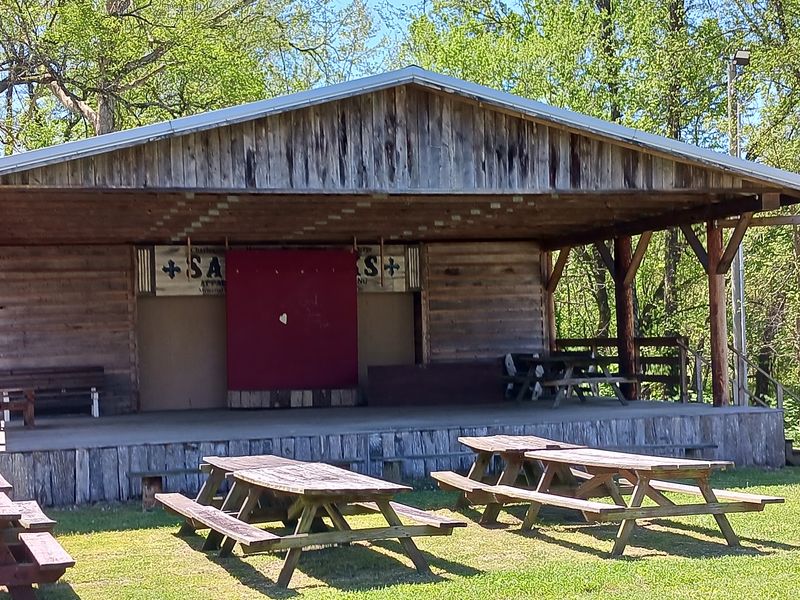
Old cabins look even better with a fiddle tune floating nearby. The village has an outdoor stage that comes alive during special events.
It hosts concerts and plays throughout the year. The big event is the annual Saltworks Appalachian Homecoming Festival.
A local group called Stay in Clay has helped these festivals grow. They added a stage, parking, and new landscaping.
An interpretive shelter on site gives you shade. It is handy for picnics or a quick rest.
Families often bring lunch and spread out on the grass. It is a peaceful place to just sit and relax.
Want more to explore? The Red Bird Petroglyph sits in Rawlings and Stinson Park nearby.
That sandstone boulder carries ancient Native American symbols. It is part of the same historical corridor.
Bert T. Combs Lake offers fishing in a calm, non-motorized boat setting.
The Daniel Boone National Forest also surrounds the area.
Check local event listings before your trip. Catching a festival makes the visit feel extra lively.
Leave room in your schedule for wandering. This little corner of Kentucky keeps handing out surprises.