This Old-School North Carolina Moravian Bakery Has Been Preserving Baking Traditions For Over 200 Years
Two centuries of baking is a very long time to perfect a cookie.
In North Carolina, one little brick bakery has been proving that point since 1800, keeping Moravian traditions alive while nearly everything outside its walls changed.
The giant wood-fired oven still gives the place serious time-machine energy. So does the smell.
Spice hangs in the air, sugar cake tempts from the counter, and suddenly modern self-control feels wildly overrated.
The real magic is knowing generations before you walked through the same doors chasing many of the same treats.
History lessons rarely smell this good. Honestly, if every museum came with fresh-baked cookies, attendance would probably skyrocket.
The Original Wood-Fired Oven Is Still Baking More Than Two Centuries Later
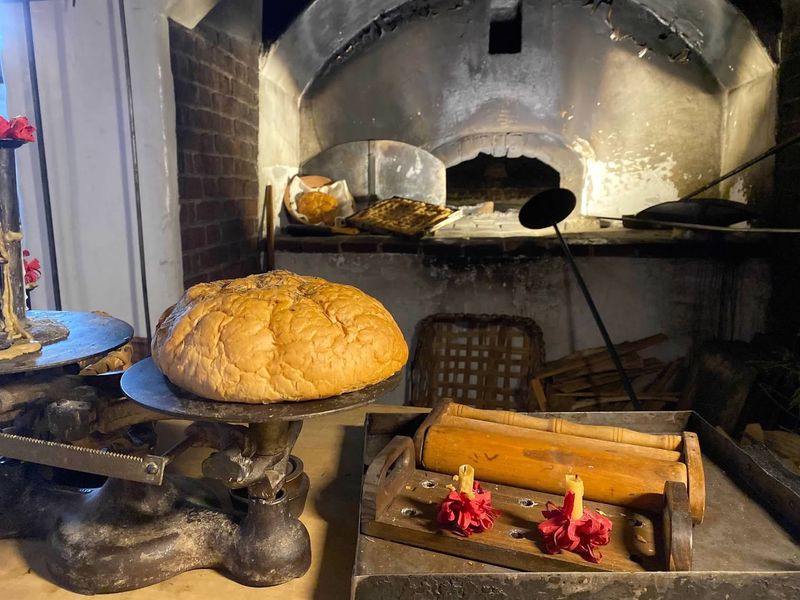
Imagine a brick oven shaped like a giant beehive, big enough that bakers once slid dozens of loaves inside at a time. Few kitchens in America can claim a tool this old that still works.
The Moravian congregation commissioned the bakery in 1799, and the building and its wood-fired oven date to 1800.
Back then, bakers built a fire right inside the oven, waited for the bricks to soak up the heat, then swept out the ashes before baking.
No dials, no timers, just skill and patience.
The historic oven is still heated with wood and continues to be used for traditional baking and interpretation.
Some high-volume products have been produced elsewhere, but current Old Salem information does not say that most everyday baking has moved off-site.
Want the best chance to see it in action? Check the Old Salem events calendar before your trip.
Watching flames roar inside a 200-year-old oven is a memory that sticks with kids and grown-ups alike.
You can find the bakery on a cobblestone street in Old Salem at 521 South Main Street, Winston-Salem, NC 27101.
Moravian Sugar Cake Comes Out Rich With Butter, Brown Sugar And Cinnamon
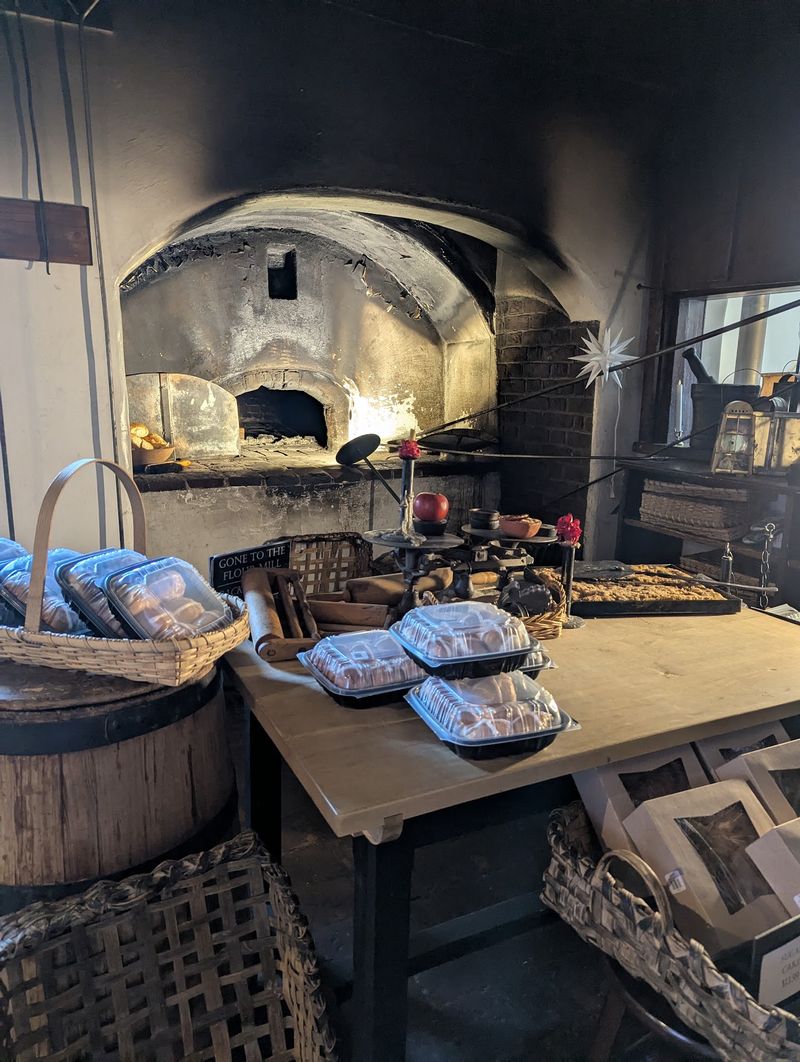
Forget frosting. Moravian sugar cake gets its magic from little wells poked into soft, yeasty dough and then filled with butter, brown sugar, and cinnamon.
As it bakes, those pockets melt into sticky, golden puddles that make every bite a little different.
Moravian settlers brought this treat with them, and it became a favorite in Salem for breakfast, holidays, and family gatherings.
Many North Carolina families still serve it on Christmas morning.
At Winkler Bakery, it ranks as one of the most popular items people come looking for. Here is a handy tip.
Sugar cake tastes best fresh, so plan to enjoy it within a day or two.
If you are driving home a long way, warm a slice in the oven for a few minutes to bring back that soft, gooey texture.
A quick zap in the microwave works in a pinch too.
Pair it with a cup of coffee or a glass of cold milk, and you will understand why locals get so excited about it.
Some folks even buy an extra pan to share with neighbors, which feels very much in the spirit of the old Moravian community.
Lovefeast Buns Keep One Of The Community’s Most Meaningful Food Traditions Alive
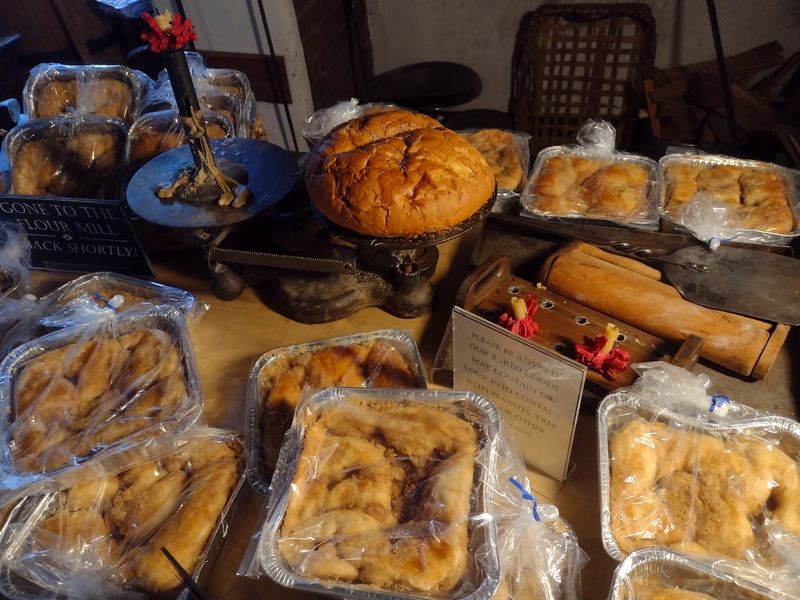
Imagine a church service where everyone shares a simple meal of sweet bread and coffee, served right in the pews.
That is a Moravian lovefeast, a gathering meant to show friendship and unity. The star of the meal is a soft, round roll called the lovefeast bun.
Moravians have held lovefeasts for centuries, and the tradition remains strong in Winston-Salem, especially around Christmas.
The buns are not fancy, yet they carry a lot of meaning.
Sharing the same food reminds people that they belong to one community. So what makes them special?
The current Winkler Lovefeast Bun Mix uses instant mashed potatoes and yeast as part of its dough.
Its published ingredient list includes nutmeg as the principal spice rather than the full citrus-and-mace combination found in some older recipes.
Try one slightly warmed with a little butter, or go the traditional route and dunk it into a mug of coffee with cream.
Kids often love them plain.
Either way, you are tasting a recipe that has helped bring people together for generations, which is pretty amazing for a humble roll.
Christian Winkler Bought The Bakery In 1807 And His Family Ran It For Generations
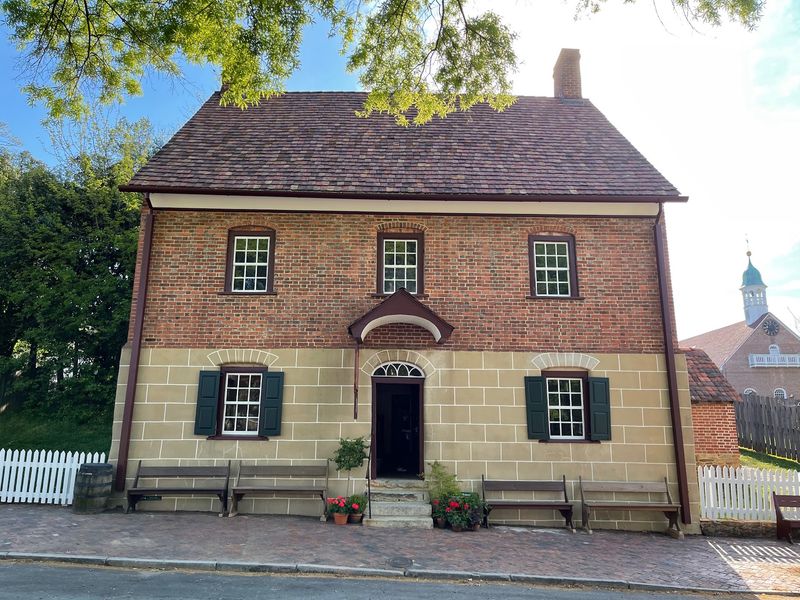
A Swiss-born baker named Christian Winkler arrived in Salem with skills in his hands and big plans.
In 1807, he purchased the bakery that the Moravian Church had built just eight years earlier.
Little did he know his last name would stay on the building for over two hundred years.
The building was designed to be more than a workplace. It served as both a bakery and a home for the baker and his family, so daily life and daily bread happened under one roof.
Children grew up surrounded by the smell of fresh loaves and the crackle of the oven.
Members of the Winkler family kept the ovens going for generations, running the business until 1926.
That is well over a century of one family feeding the town. Few small businesses anywhere last that long, let alone with the same family in charge.
Today, the bakery belongs to Old Salem Museums and Gardens, which uses it to teach visitors about early baking and Moravian life.
When you step inside, take a moment to imagine the Winkler kids racing down the stairs for breakfast.
History feels a lot more real when you know the names behind it.
Period-Dressed Bakers Show Visitors How Baking Worked Centuries Ago
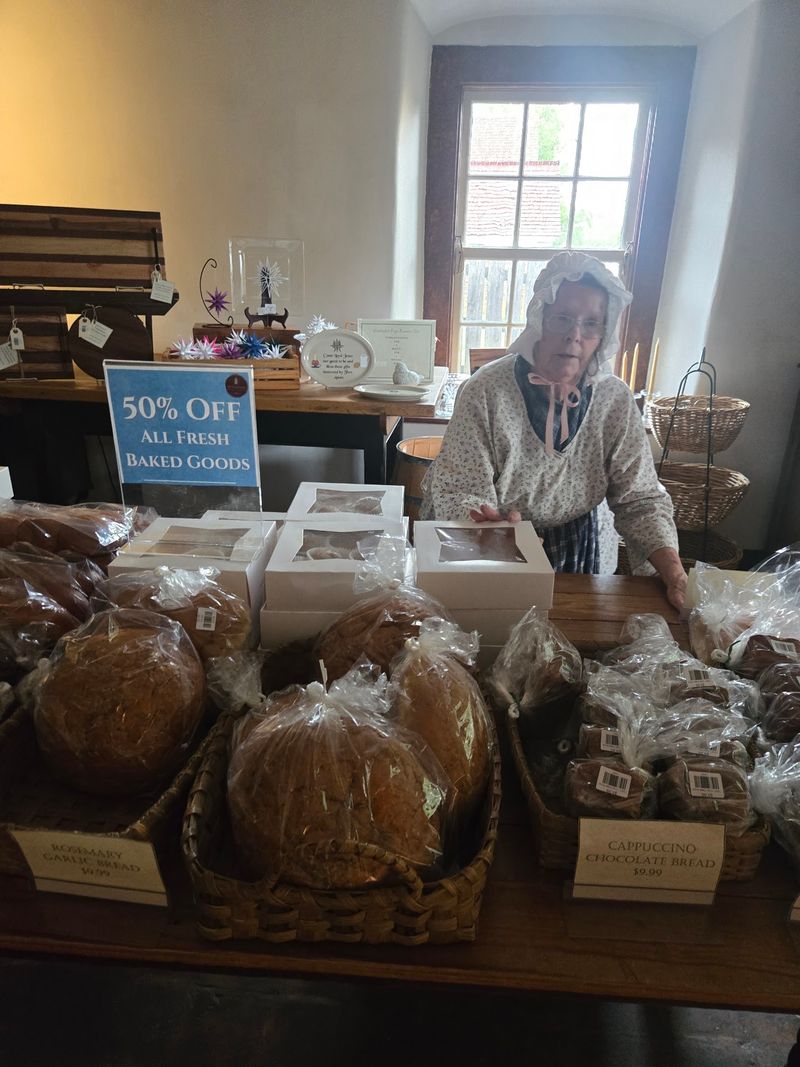
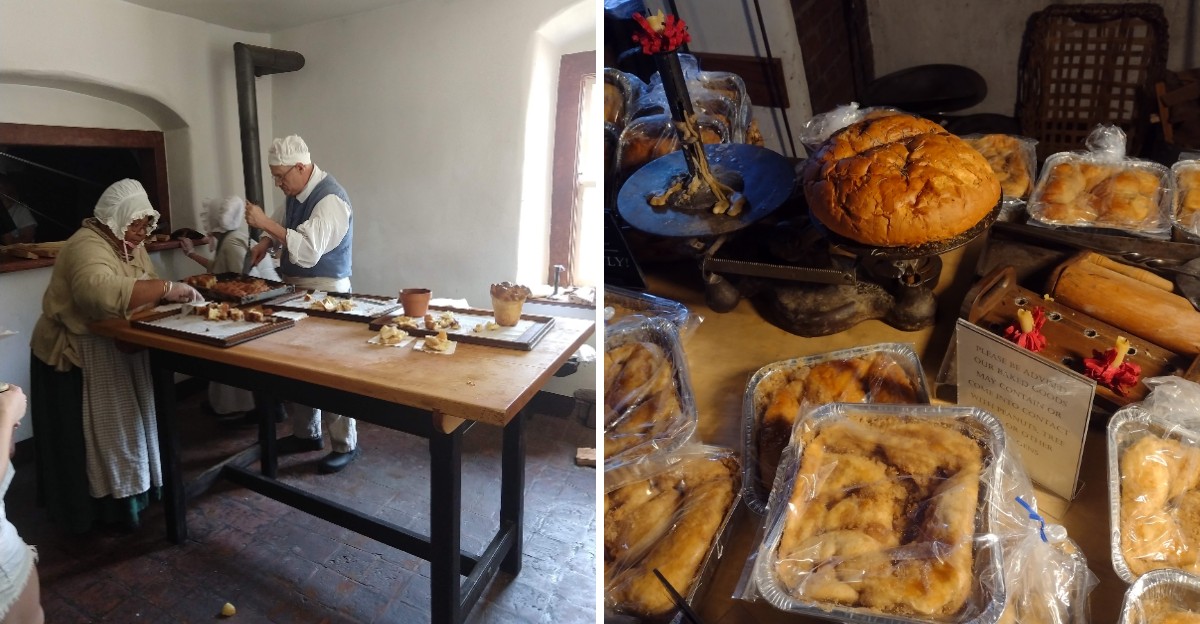
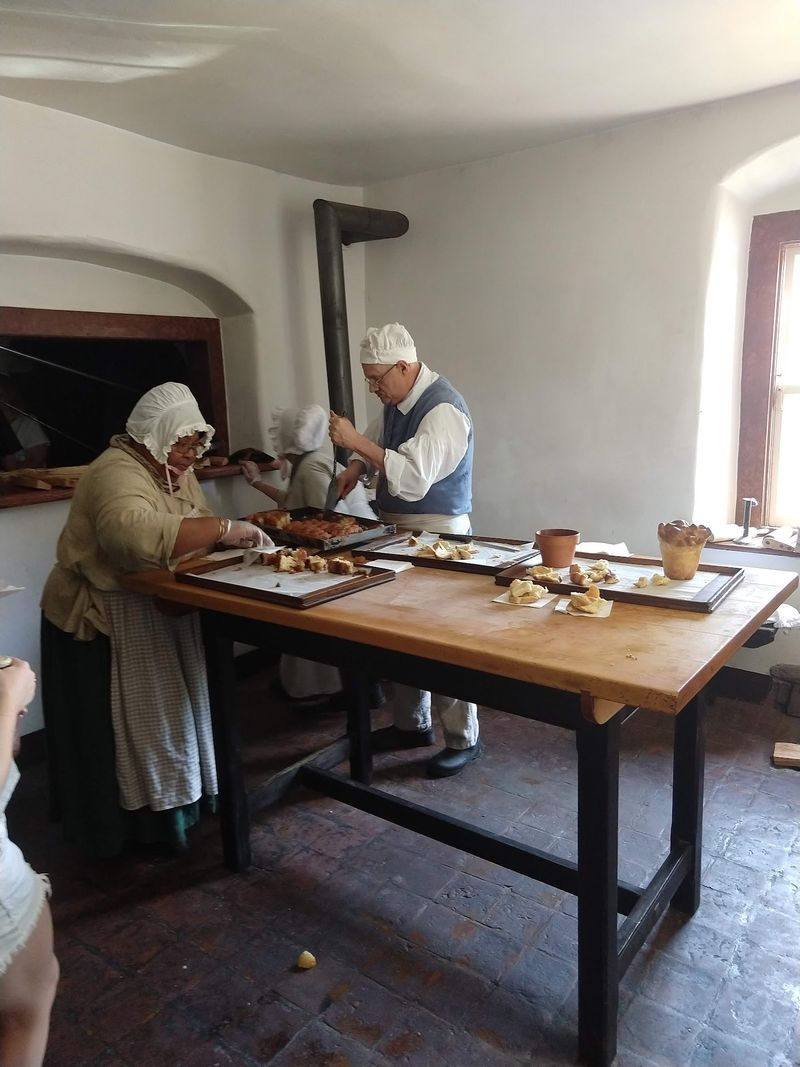
Bonnets, aprons, and linen shirts might seem like a costume party, but at Winkler Bakery they are part of the lesson.
Staff dressed in clothing from long ago help bring the past to life.
Suddenly, history is not just words on a sign.
These interpreters explain how bakers mixed dough by hand, judged oven heat without a thermometer, and baked bread for an entire town. During demonstrations, you might see them work near the old oven or share samples of freshly baked goods.
Questions are welcome, so do not be shy.
Families with kids will find this especially fun.
Ask the bakers how long it took to heat the oven, or what a typical day looked like for a young apprentice. Their answers often include surprising details you would never find in a textbook.
One small tip: demonstrations depend on the day and the event schedule, so check ahead if seeing bakers at work is your top goal.
Visiting earlier in the day can also mean fewer crowds and more time to chat.
Bring curiosity, and you may leave knowing more about bread than you ever expected, plus a sweet treat in hand.
The Famous Moravian Cookies Are So Thin They Have Earned A Remarkable Nickname
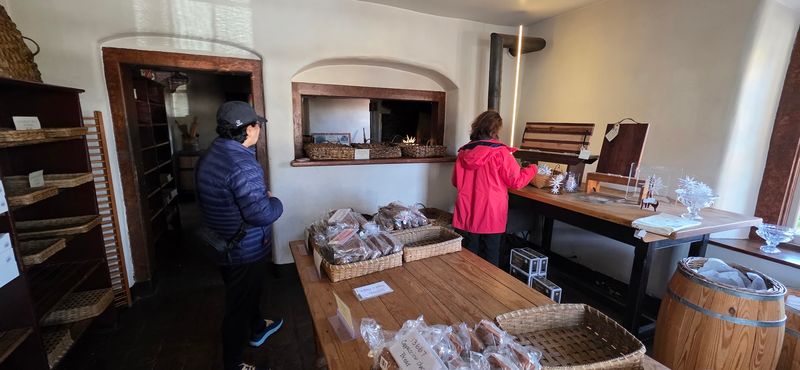
Hold one of these cookies up to a window and you might almost see light shining through it.
Moravian cookies are so incredibly thin that many people call them the world’s thinnest cookie. Snap one in half and you will hear a crisp, satisfying crack.
Getting dough that thin takes serious rolling skills.
Bakers roll it out until it is nearly paper flat, then cut and bake the cookies quickly so they turn crunchy instead of chewy. The result is light, crispy, and packed with flavor.
Ginger is the classic choice, loaded with warm spices like cinnamon and cloves.
Winkler Bakery also offers sugar and lemon flavors, so there is something for every taste.
Spice lovers tend to go straight for ginger, while lemon makes a bright, refreshing pick. Because they are so crisp and sturdy in their packaging, these cookies make an excellent souvenir or gift.
They travel well and stay tasty for a while, unlike softer baked goods.
Grab a tin for a friend, a teacher, or yourself.
Fair warning, though, stopping at just one is a real challenge, since they are so thin it barely feels like eating a cookie at all.
You Can Visit The Historic Bakery Without Buying An Old Salem Admission Ticket
Good news for budget travelers: you do not need a ticket to step inside.
Old Salem charges admission for many of its historic buildings, but Winkler Bakery and its gift shop are open to anyone who walks through the door. That makes it a perfect stop if you only have an hour or two.
You can stroll the cobblestone streets, admire the old buildings, and pop into the bakery for treats without spending money on admission.
If you fall in love with the area, you can always buy a ticket later to explore more.
Timing matters, though. The bakery is open Wednesday through Saturday from 10 AM to 4 PM and is closed Sunday through Tuesday.
It also closes for the entire month of January, so winter planners should take note.
A smart plan is to arrive mid-morning, grab a snack at the bakery, and then wander the historic district at your own pace.
Wear comfortable shoes, since cobblestones can be bumpy.
Bringing a reusable tote is handy too, because it is easy to leave with more goodies than you planned.
A free visit with a sweet reward is tough to beat on a lazy weekend.
Head Upstairs And A Hidden Gift Shop Adds Another Reason To Explore The Building
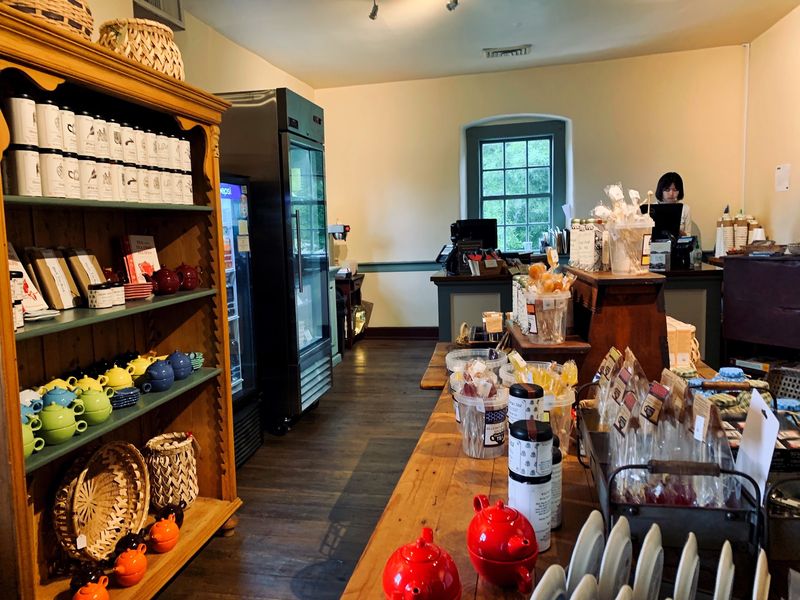
Plenty of visitors buy their cookies and walk right back out, never realizing there is a whole second floor waiting above them.
Climb the stairs and you will find a charming gift shop upstairs in the historic building.
The shelves are filled with handcrafted items, books, jewelry, and Moravian-inspired decor.
You may spot keepsakes that reflect the area’s heritage, such as pieces featuring the famous Moravian star. It is a great place to find something more lasting than a snack.
Shopping here also lets you see more of the old house itself.
Remember, this building was once home to the baker’s family, so walking through its rooms gives you a feel for how people lived and worked in the same space.
The creaky floors and old woodwork add plenty of character. Looking for a holiday gift?
This shop is a fun spot to pick up ornaments, cookbooks, or decorations with a story behind them.
Pair a book about Moravian traditions with a tin of cookies from downstairs, and you have a thoughtful present ready to go.
Take your time browsing, since the best finds are often hiding on the lower shelves or in quiet corners.