Why This Charming New Mexico Desert City Is Considered One Of America’s Top Retirement Spots
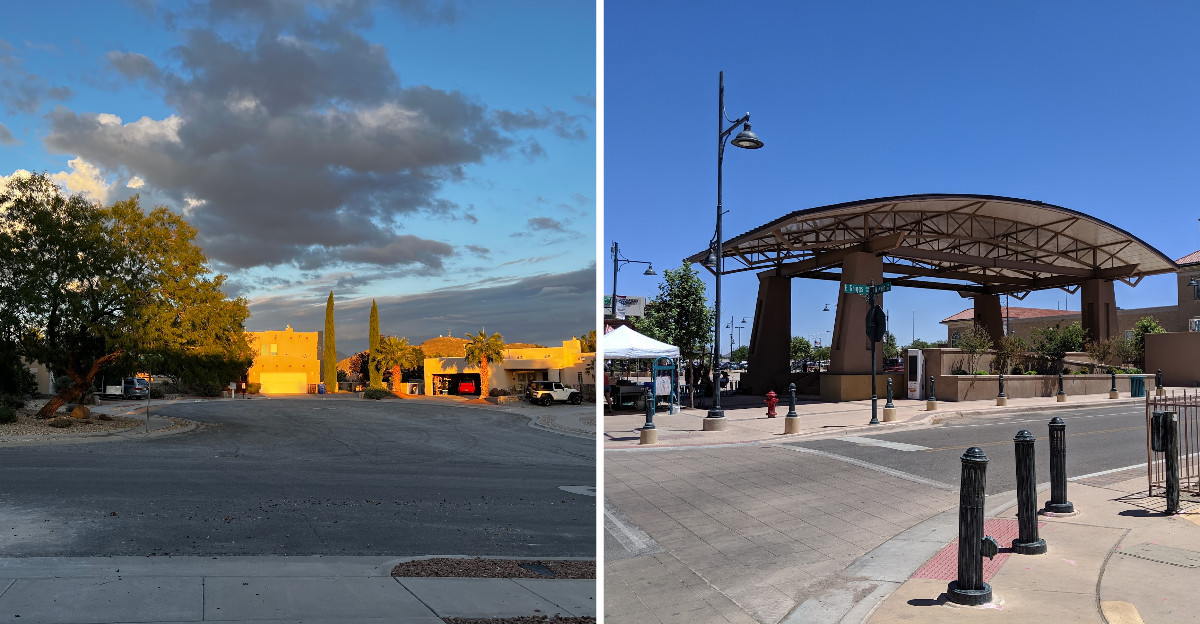
I expected Las Cruces to feel like a nice desert stop, but it started making a surprisingly strong case for staying longer.
The sunshine helps. So do the mild winters, mountain views, and trails that sit close enough for an easy morning escape. Then the city adds even more to the argument.
A major university keeps things lively, the Saturday market gives weekends some personality. The Rio Grande landscape makes everyday errands feel less ordinary.
I found myself imagining what a slower routine might look like here.
By the end, retirement in southern New Mexico sounded a lot less like an idea and a lot more like a plan.
A Golden Chapter Under Sunshine
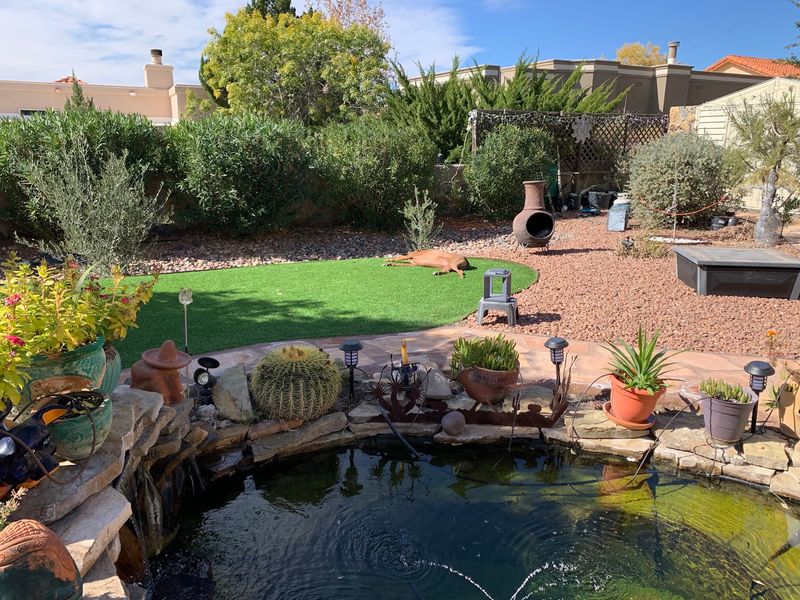
Retirement lists come and go, but this city keeps showing up on them. Forbes named Las Cruces one of the Best Places to Retire in 2024.
The climate is an obvious part of the appeal. Las Cruces sits at about 3,900 feet in the Chihuahuan Desert and averages roughly 320 days of sunshine each year.
Winters are generally mild enough to keep walking, golf, gardening, and other outdoor routines in play through much of the season.
The city also gives older residents several ways to stay connected.
Senior Programs operates recreation and community services through five centers, while New Mexico State University adds public lectures, museums, performances, and other campus events.
Residents age 65 and older who meet state requirements can also qualify for reduced tuition at the university.
Downtown errands can be simple as well. Free public parking is available throughout the district, and the visitor center at 336 S. Main Street offers maps and local information.
A longer visit gives a better sense of daily life than a packed weekend.
Stories Behind The Crosses
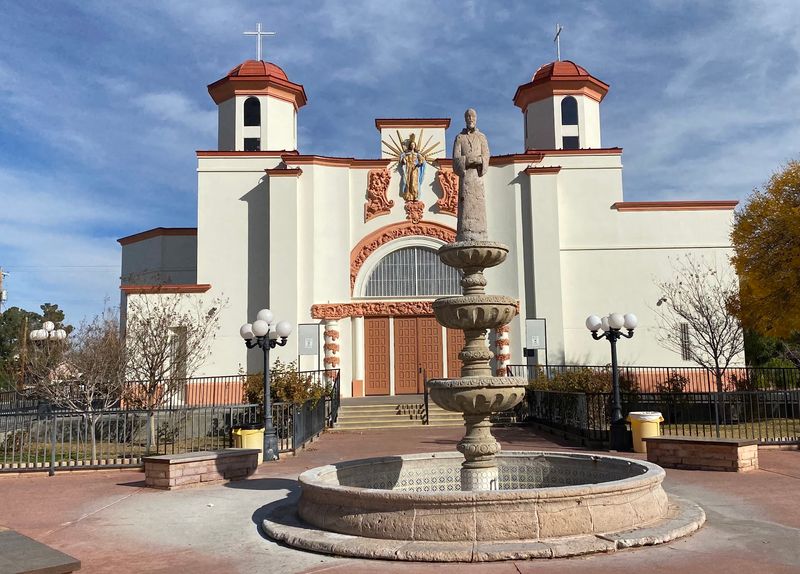
Las Cruces was laid out in 1849, when a U.S. Army surveyor plotted the early town blocks.
The community developed along the Rio Grande corridor as settlement and commerce expanded through the Mesilla Valley.
The exact origin of the city’s name is uncertain. Las Cruces translates to “the crosses” in Spanish, and several local traditions have tried to explain why that name took hold.
The town officially incorporated in 1907. Five years later, New Mexico became the 47th state, which means Las Cruces had already been an established community for decades before statehood.
The first train arrived in 1881, connecting the area more directly with regional trade and helping the population grow.
That story is still easy to explore at the Las Cruces Railroad Museum. It occupies the historic 1910 Santa Fe depot at 351 N. Mesilla Street and includes railroad artifacts, interactive displays, and model trains.
Peaks, River, And Endless Sky
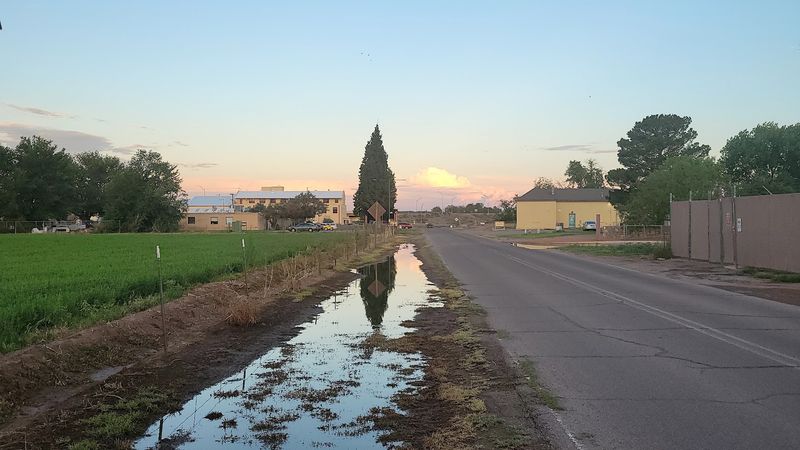
Sunrise here is basically free entertainment. The Organ Mountains glow pink and orange along the eastern edge of town, and their sharp spires resemble the pipes of an organ.
The city sits around 4,000 feet up in the Chihuahuan Desert. That elevation creates broad views across the Mesilla Valley, with the Robledo and Doña Ana Mountains adding more rugged outlines to the horizon.
To the west, Picacho Peak rises above neighborhoods and open desert. Down in the valley, the Rio Grande passes through a landscape shaped by irrigated farmland, orchards, wetlands, and desert vegetation.
That contrast is one of southern New Mexico’s defining visual features. A short drive can take the view from dry slopes and cactus to greener agricultural land along the river corridor.
The climate stays sunny for much of the year, but summer afternoons can be intense. Early mornings and evenings are often better choices for outdoor plans during the hottest stretch of the season.
Trails, Dunes, And Desert Thrills
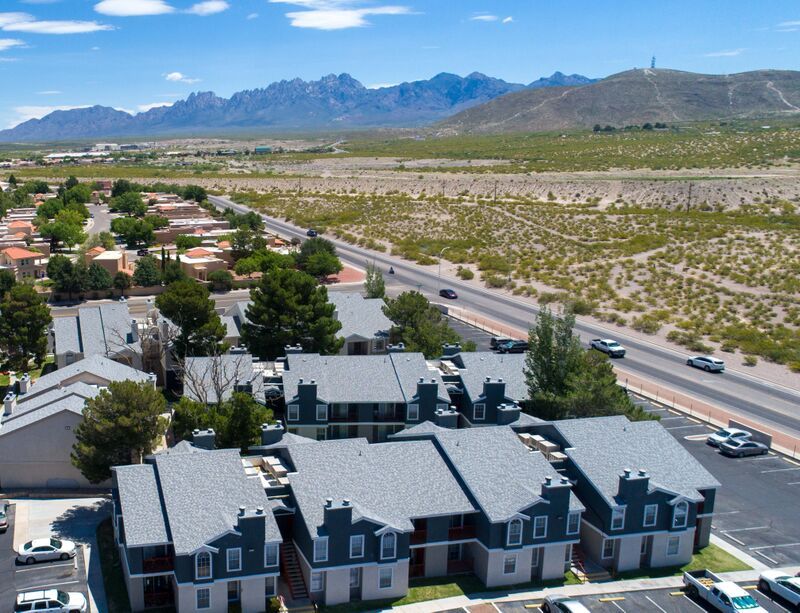
Adventure starts close to the city limits. Organ Mountains-Desert Peaks National Monument protects roughly 496,000 acres of mountain ranges, volcanic landscapes, desert basins, and cultural sites around Las Cruces.
Dripping Springs Natural Area sits about ten miles east of town and offers more than four miles of relatively easy trails.
The route passes desert scrub, low-elevation woodland, rocky slopes, and historic structures beneath the Organ Mountains.
On the opposite side of the range, Aguirre Spring Recreation Area opens toward the Tularosa Basin. Its hiking options include the four-mile Pine Tree Trail and the longer Baylor Pass route.
The broader monument also supports horseback riding, mountain biking, rock climbing, and limited motorized recreation in designated areas.
About an hour east, White Sands National Park shifts the scenery completely. Bright gypsum dunes stretch across the basin, and sand sledding remains one of the park’s signature activities.
Ranger-led Sunset Strolls run on selected evenings, while ticketed Moonlight Hikes are scheduled around full-moon periods from spring through late fall.
Back near town, Mesilla Valley Bosque State Park protects about 305 acres beside the Rio Grande.
Its 2.3 miles of trails, restored wetlands, wildlife blinds, and birding opportunities make it an easier outing when a mountain hike feels like too much.
Chile, Art, And Local Flavor
Fair warning: you may leave here with a mild chile obsession. Peppers and pecans are a huge part of local pride, and nearby Hatch is widely promoted as the Chile Capital of the World.
Las Cruces is home to the Chile Pepper Institute at NMSU. It is the world’s only international nonprofit organization dedicated specifically to research and education related to chile peppers.
The institute welcomes visitors at its University Avenue location with educational materials and chile-related resources.
Art gives the city another layer. Murals and public installations appear around town, while the Las Cruces Museum of Art hosts changing contemporary exhibitions and studio programs downtown.
The university’s art museum adds rotating exhibitions, lectures, workshops, and gallery programs.
Annual festivals and community events add live performances, crafts, food, and local traditions to the calendar. The city’s Renaissance-themed arts fair remains one of its longstanding creative events.
A chile ristra also makes an unmistakably regional souvenir. Strings of dried red chiles appear across the Mesilla Valley and bring a bit of local color home.
Quirky Sights Worth A Detour
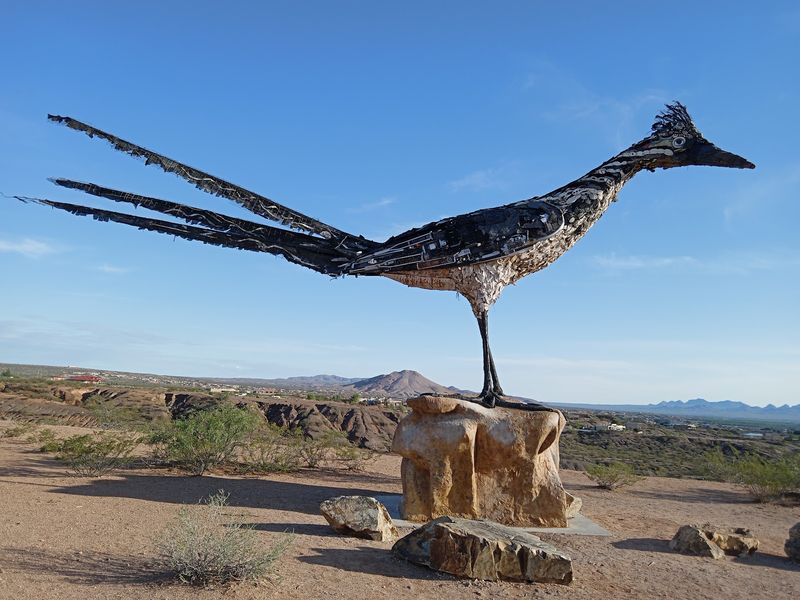
Who knew discarded materials could look this good? The Recycled Roadrunner stands about 20 feet tall and 40 feet long at the eastbound Interstate 10 rest area.
The sculpture was built from material salvaged from a former city landfill, and the roadrunner is the state bird.
Prehistoric Trackways National Monument goes much farther back. The 5,280-acre monument in the Robledo Mountains protects fossil trackways dating to roughly 280 million years ago.
The preserved traces include evidence from reptiles, amphibians, insects, plants, and other life from the Early Permian period. The terrain is rugged, so sturdy footwear and extra water matter.
The future has a foothold nearby too. Spaceport America is the world’s first purpose-built commercial spaceport, but it is an active facility rather than an open drop-in attraction. Public access is limited to scheduled tours and special events.
For a much easier roadside photo, the giant red chile on West Picacho Avenue measures about 47 feet long. It is oversized, playful, and perfectly suited to a city that takes chile seriously.
Smart Tips For Visiting
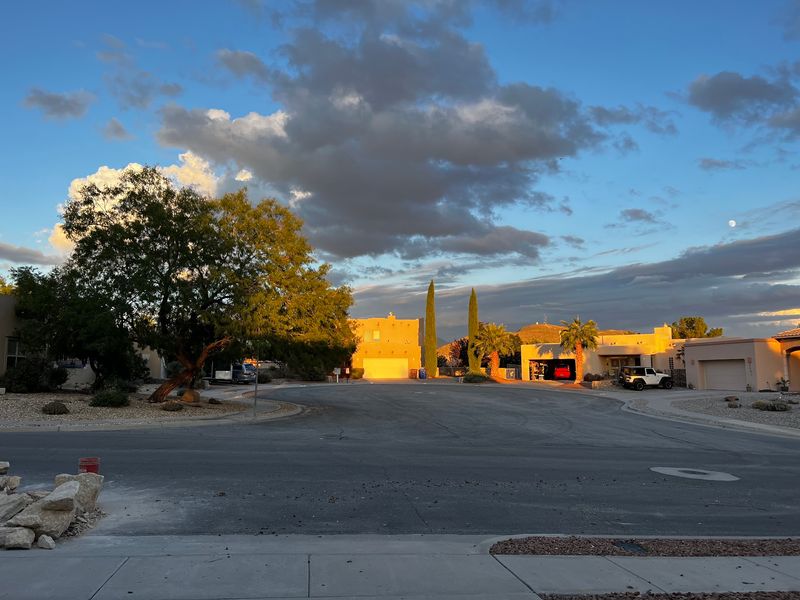
Timing can make or break a desert trip. Spring and fall usually provide the easiest conditions for long walks, outdoor markets, and trips into the surrounding public lands.
Summer brings much hotter afternoons, so trails are better tackled early or later in the day.
Winters are generally mild and dry, though mornings and nights can still feel cold at this elevation. Layering works better than assuming desert weather stays warm all day.
A car remains the easiest way to reach the national monument, White Sands, Mesilla Valley Bosque, and other attractions spread beyond central Las Cruces.
El Paso International Airport is about 50 miles south and is the airport many visitors use for the region.
Downtown and the university area become easier to explore once the longer drives are out of the way. Leaving a little flexibility in the schedule also helps when weather or an unexpected stop changes the plan.
Event calendars are worth checking before a trip. Markets, university programs, museum exhibitions, and seasonal events can change the rhythm of a weekend considerably.
Saturday Markets And Aggie Spirit
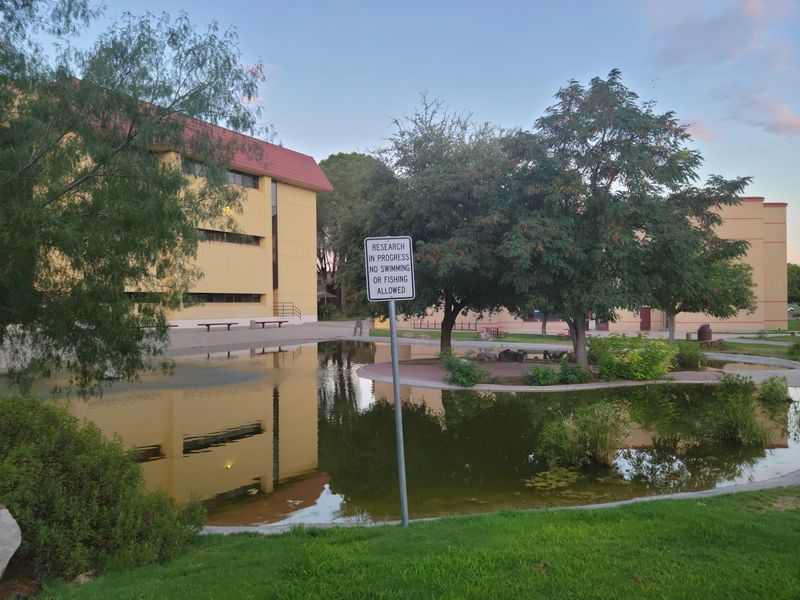
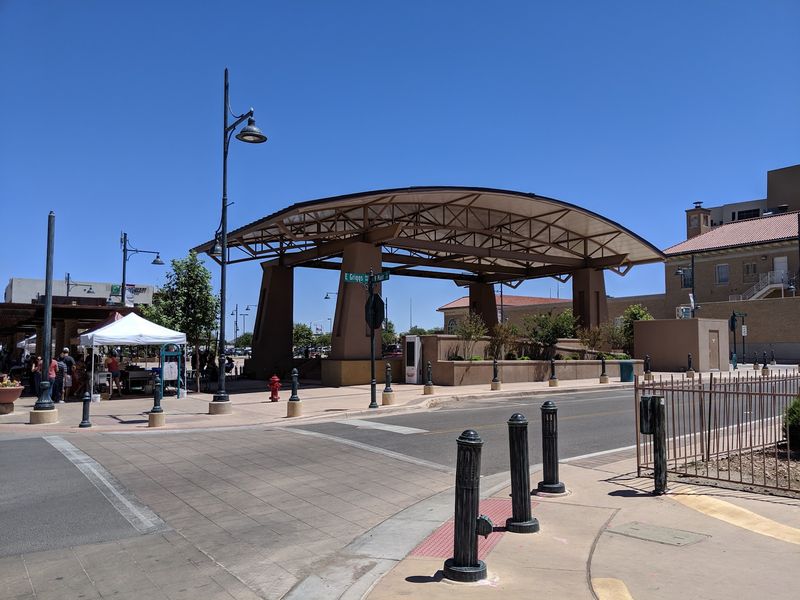
Saturday mornings here have a sound all their own. Street musicians play while vendors fill Downtown Main Street with produce, art, baked goods, crafts, and locally made products.
The Farmers & Crafts Market of Las Cruces runs year-round on Saturdays and stretches across seven downtown blocks. A smaller Wednesday market operates at Plaza de Las Cruces.
The market has earned national recognition and features hundreds of rotating vendors.
Free parking throughout the district makes it easier to stay awhile. Nearby museums, shops, galleries, and cafes can extend the visit without moving the car.
The university keeps the calendar active with museums, galleries, public lectures, performances, and athletic events.
The Academy for Learning in Retirement adds another option for people interested in continuing education, with presentations on varied subjects by university faculty and other specialists.
Do not miss the New Mexico Farm and Ranch Heritage Museum on Dripping Springs Road either.
The 47-acre museum combines indoor exhibits with livestock, gardens, demonstrations, and displays covering thousands of years of regional agriculture.