This North Carolina Fall Festival Is All About Shucking Corn, Working Gristmills, And Forgotten Farm Traditions
One farm here keeps around 800 apple trees growing more than 400 heritage varieties.
That orchard is rare in the whole country, and it sits beside a working farm stuck happily around 1900.
Every October, the place throws a party built around corn.
People shuck it, shell it, and grind it, often with a working gristmill doing the heavy lifting.
Add blacksmiths, quilters, sorghum syrup, and bluegrass, and the day fills up fast.
I like how nothing here feels staged for a quick photo. The farmhouse, barns, and animals tell a real North Carolina family story.
Even the festival food sounds like a church supper cooked by somebody’s grandmother.
I have a feeling most of us would arrive thinking corn shucking looks easy.
Give it ten minutes, and that gristmill may suddenly start looking like the smartest invention on the farm.
Corn Shucking Turns Into A Full-Blown Party Here
Back around 1900, neighbors turned a tedious chore into a social event. Horne Creek Living Historical Farm keeps that idea alive with its annual Cornshucking Frolic every October.
The 33rd Annual Cornshucking Frolic lands on Saturday, October 17, 2026. Gates run from 10 a.m. to 5 p.m., so you get a full day of old-time harvest fun.
The star of the show is corn, from start to finish. You can see harvesting, shucking, shelling, and grinding demonstrations all in one place.
That full journey matters more than you might think. Most of us only know corn as something that shows up in a can or a cereal box.
Here, you watch the whole process unfold the way farm families once handled it. Kids can see that cornmeal actually comes from somewhere, which feels like a small miracle these days.
Admission costs a modest fee for adults and children ages 6 to 12. Little ones 5 and under get in free.
One weather note is worth knowing before you go. Heavy rain cancels the event, so check the forecast that morning before loading the car.
Watch Dry Corn Become Meal Right Before Your Eyes
Grinding corn used to be a serious weekly job. At the frolic, a working gristmill often handles that task while visitors gather close to watch.
The process looks simple, but it carries a lot of history. Shelled kernels go in, and meal comes out ready for cornbread, mush, or biscuits.
Shelling comes first, and it’s surprisingly satisfying. Those dried kernels have to leave the cob before any grinding can begin.
Families once depended on this rhythm to keep food on the table all winter. Watching it happen makes a bag of store-bought cornmeal feel almost too easy.
Bring curious kids right up front for this part. Ask the demonstrators questions, because they clearly enjoy explaining how each step works.
Grinding demonstrations pair nicely with the shucking piles nearby. Together, they show the full trip from field to kitchen in a single afternoon.
Honestly, it’s a better science lesson than most textbooks offer. You get motion, noise, and a finished product you can actually picture on a plate.
Plan to circle back later in the day too. Demonstrations repeat, so you can catch details you missed the first time around.
The house sits at 308 Horne Creek Farm Rd, Pinnacle, NC 27043. On regular days, the farm is open Tuesday through Saturday from 9 a.m. to 5 p.m.
Old Skills Get Their Moment In The Spotlight
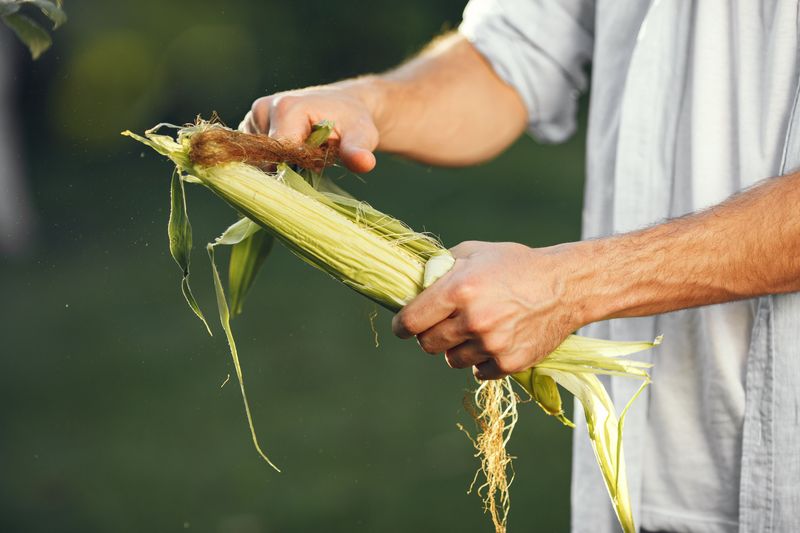
Sparks fly at the blacksmith’s anvil while quilters work quietly nearby. That mix of loud and calm sums up the heritage side of the Cornshucking Frolic.
Demonstrations cover a wide range of old farm skills. You’ll find quilting, basket weaving, knitting, blacksmithing, and log hewing across the grounds.
Log hewing deserves special attention. Workers shape rough logs into flat-sided beams using hand tools, which takes serious muscle and patience.
Plowing demonstrations show how fields were prepared long before tractors took over. It’s a reminder that farm work once moved at the speed of people and animals.
Cooking demonstrations add another layer to the day. Watching food prepared the old way helps explain why farm meals were such a big deal.
Exhibits of quilts and antique farm equipment round out the scene. Some of those tools look puzzling until someone explains their purpose.
Here’s a practical tip for families. Give kids a mission to find one skill they’d want to learn, then talk about it on the ride home.
You might leave inspired to pick up knitting needles. Or at least you’ll respect your grandmother’s hobbies a whole lot more.
Your Stomach Will Lead You Straight To The Food Tents
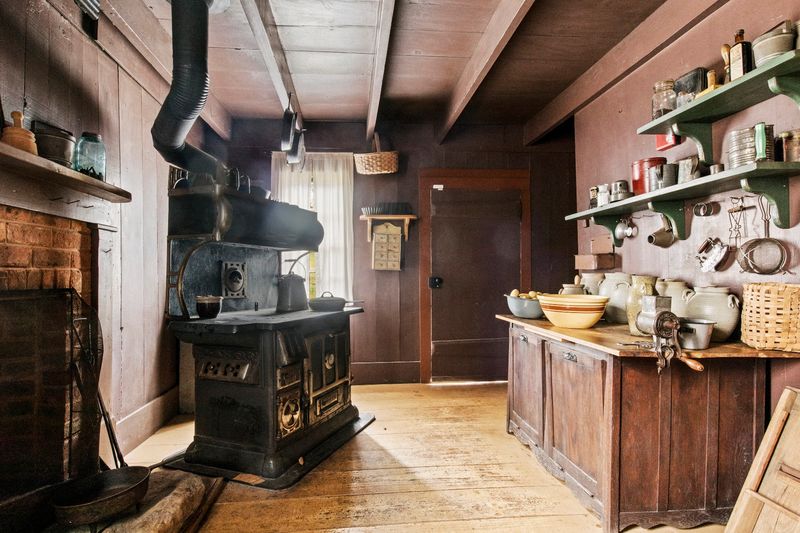
Ham biscuits, chicken stew, and fried pies. If that list didn’t make you hungry, please check your pulse.
Food vendors at the frolic lean hard into country cooking. Options have included BBQ, chicken stew, ham biscuits, hotdogs, donuts, fried pies, and pintos.
Apple cider fits the season perfectly. Sipping it on a crisp October day at a farm with a famous orchard just feels right.
Apple butter and sorghum syrup making also happen at the event. Those slow, old-fashioned processes fill the air with that fall feeling everyone chases.
Sorghum syrup was a sweetener many rural families made themselves. Watching it cook gives you a peek into how people stocked their pantries long ago.
A smart move is grabbing lunch a little early. That way you can enjoy your plate before heading back to the demonstrations.
Bring some cash for convenience, since vendor setups can vary. Having a little on hand keeps things simple when the donuts start calling your name.
The event is also alcohol-free. That keeps the mood relaxed and family-friendly from the first biscuit to the last fried pie.
Bluegrass, Gospel, And A Wagon Ride Make Everything Better
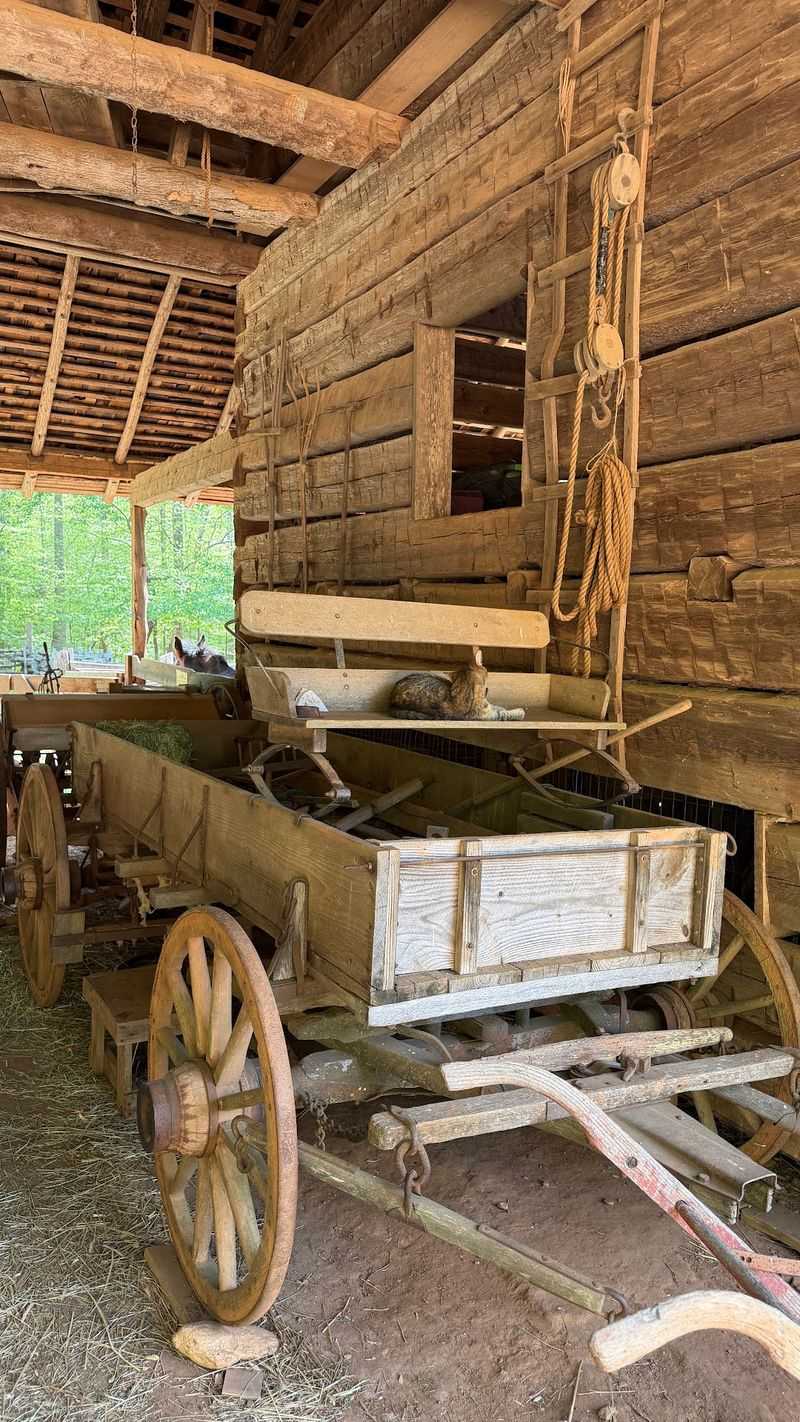
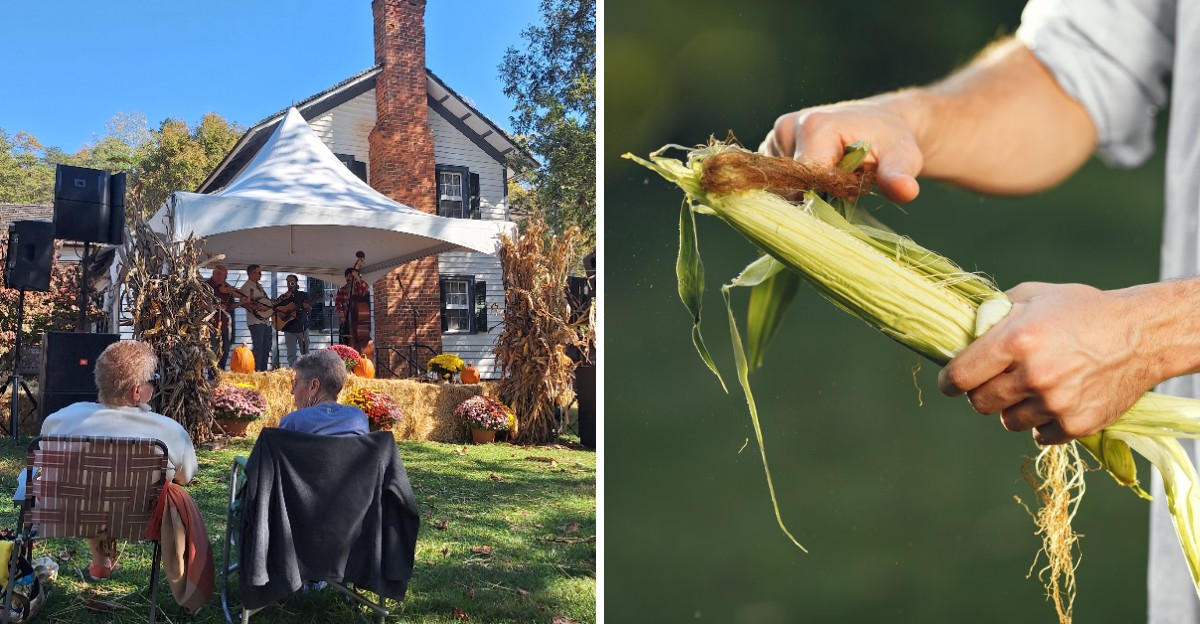
A banjo sounds better outdoors. That’s just science, or at least it feels that way at Horne Creek Living Historical Farm during the frolic.
Traditional bluegrass and gospel music drift across the grounds during the event. It gives the whole festival a soundtrack that matches the old farm setting.
Music like this has deep roots in the North Carolina foothills. Hearing it near barns and fields makes it feel right at home.
Wagon rides are usually offered too. They’re a fun way to rest tired legs while still seeing more of the farm.
Kids tend to treat wagon rides like the main event. Parents tend to treat them like a well-earned break, so everyone wins.
Find a spot near the music when you need a pause. Eating your lunch with live bluegrass nearby beats any food court playlist.
Gospel performances add a warm, community feel to the afternoon. Those songs once filled rural churches and front porches across the region.
Don’t rush this part of the day. Sometimes the best festival moments happen while you’re just sitting still and listening.
The Hauser Farmhouse Still Looks Ready For Supper
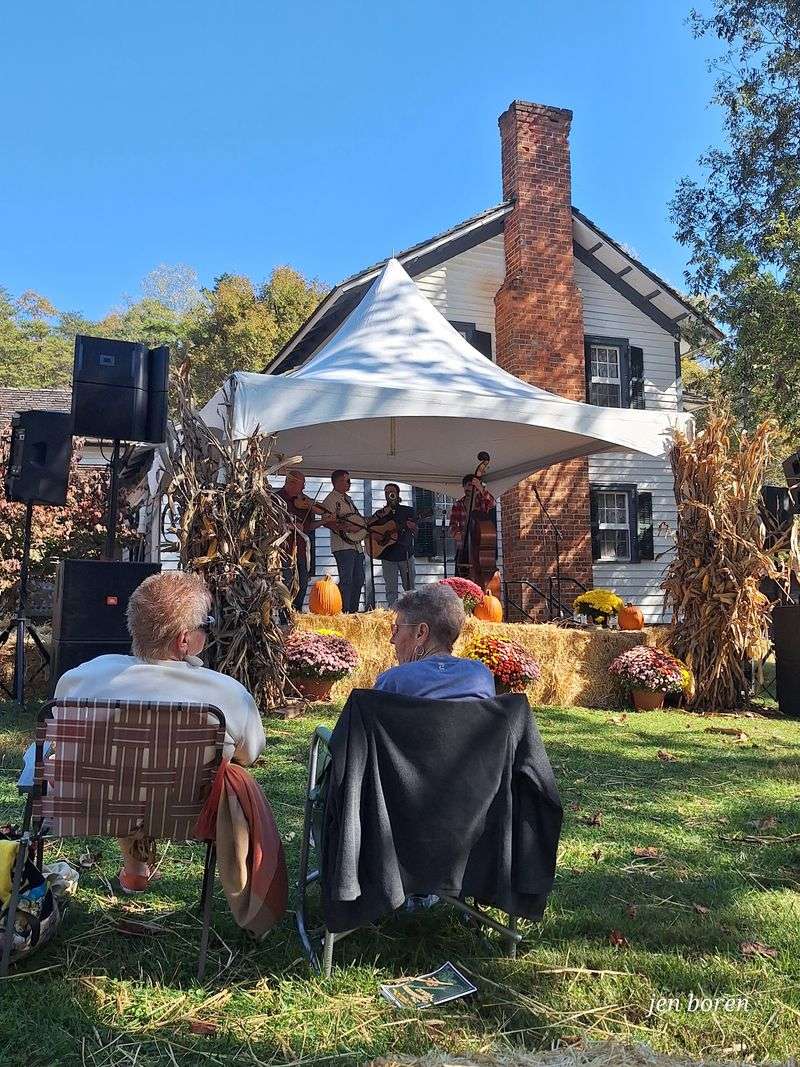
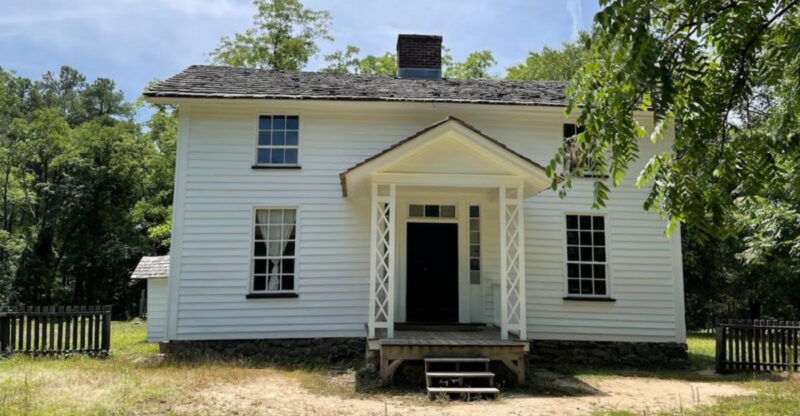
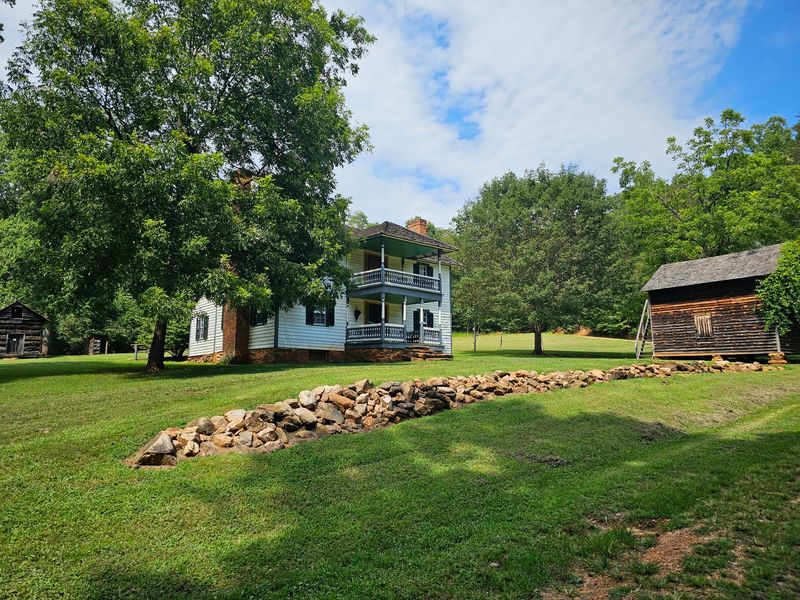
The Hauser family built their farmhouse around 1880. Today it’s restored and furnished to reflect the years between 1900 and 1910.
That time window is the whole point of this North Carolina State Historic Site. The farm shows daily life in the state’s northwestern Piedmont around 1900.
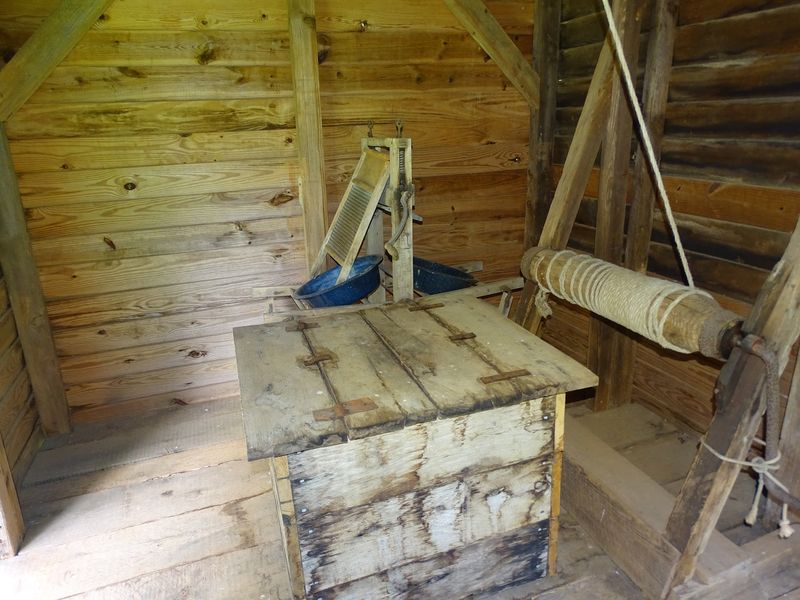
Outbuildings tell just as much of the story as the house. You’ll find a well and wash house, fruit house, smokehouse, and corncrib.
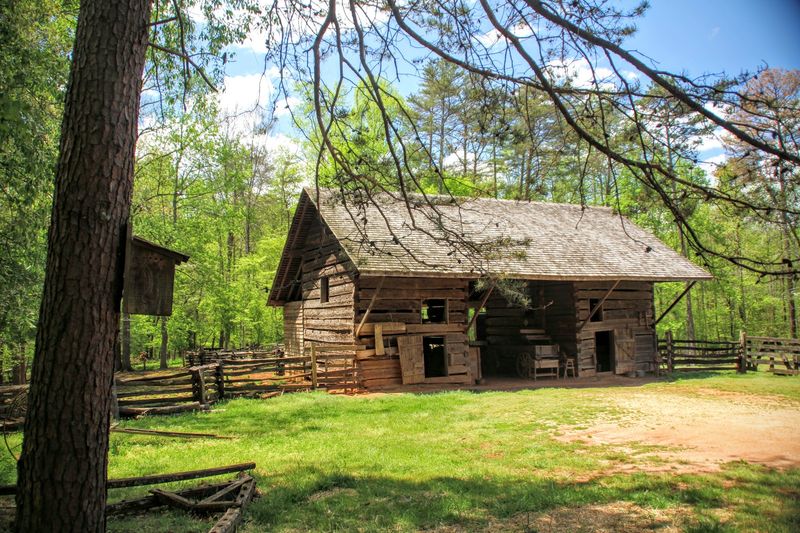
A double-crib log feed barn and a curing barn stand on the property too. There’s also a reconstructed fruit and vegetable dry house.
Each building had a specific job. Together, they show how much planning it took for one family to feed itself through the seasons.
General admission is free on normal visiting days. Guided tours carry a fee, but they add helpful background to everything you see.
Wear comfy shoes for this part. The buildings are spread out, and you’ll want to peek into every one.
Hundreds Of Apple Varieties Grow In One Remarkable Orchard
Most grocery stores carry maybe a handful of apple types. The Southern Heritage Apple Orchard here holds more than 400.
About 800 trees fill the orchard, representing heritage varieties from across the South. It’s considered a unique resource in the United States.
Many of these apples nearly vanished as farming changed. Big commercial orchards favored a few popular types, and older ones slipped out of sight.
Preserving them keeps a piece of Southern farm history alive. Each variety once had a job, whether for eating fresh, cooking, drying, or making cider.
That connection ties right back to the dry house and fruit house. Apples were a serious part of how families stored food for winter.
The orchard makes a fall visit even more meaningful. Standing among all those trees, you start to realize how much flavor history we’ve almost lost.
Apple fans should keep this place on their radar year-round. It’s a living library, just with leaves and fruit instead of books.
Take a slow walk past the rows if you can. It’s one of the quietest, most interesting corners of the whole farm.
Say Hello To The Farm’s Four-Legged Crew
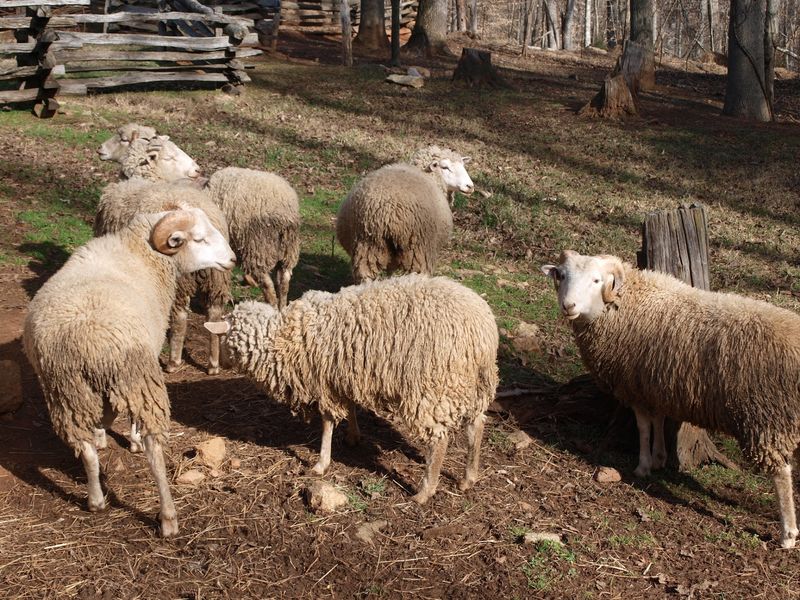
Animals here aren’t props. Horne Creek Living Historical Farm is a working farm with livestock, poultry, dogs, and cats.
That means the place feels lively instead of frozen in time. The animals help show how farm families depended on creatures big and small.
Kids usually head straight for the pens. Seeing real farm animals up close beats any picture book.
There’s one rule pet owners need to remember. Only service animals are allowed on the historic grounds.
Good news, though, if your dog rides along. The farm offers a kennel and crates for visitors to use while touring.
That setup protects the resident animals and keeps everything calm. It also saves you from guilt-tripping puppy eyes in a hot car.
Move slowly and quietly around the animal areas. Calm visitors make for relaxed animals, and you’ll get better looks too.
Talk with kids about what each animal provided back then. Eggs, wool, and help in the fields were part of everyday survival.
Those small lessons stick. A friendly farm cat can teach more history than you’d expect.
Come Back When The Corn Is Gone
October isn’t the only season worth marking on your calendar. The farm hosts special events all year that spotlight life in the early 1900s.
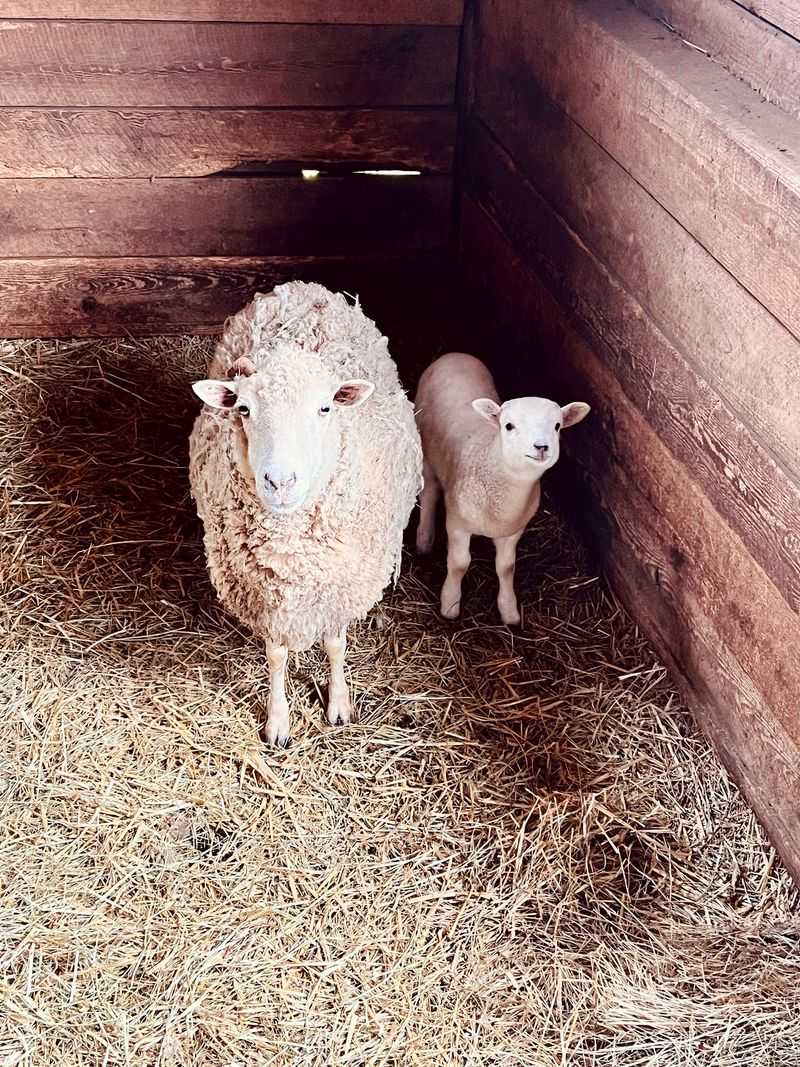
Past events have included old-fashioned ice cream socials and sheep shearing. Christmas by Lamplight brings a cozy holiday twist to the historic setting.
On quieter days, the Horne Creek Walking-Nature Trail is a nice bonus. This moderate quarter-mile loop passes a family cemetery and follows Horne Creek.
It’s short enough for younger kids. Still, it adds a peaceful outdoor stretch to your visit.
The temporary visitor center holds exhibits, restrooms, and a gift shop. Shoppers can find historical replicas, homemade jams, and jellies there.
A jar of jam makes a sweet souvenir. It’s a lot more useful than another fridge magnet, too.
Remember the farm closes Sundays, Mondays, and state holidays. Plan your trip around that schedule so you don’t arrive to locked gates.
This corner of North Carolina rewards repeat visits. Each season brings a new reason to return, though the corn shucking might stay your favorite.