You Won’t Believe This Kentucky Floodwall Was Turned Into A Free Outdoor Art Gallery
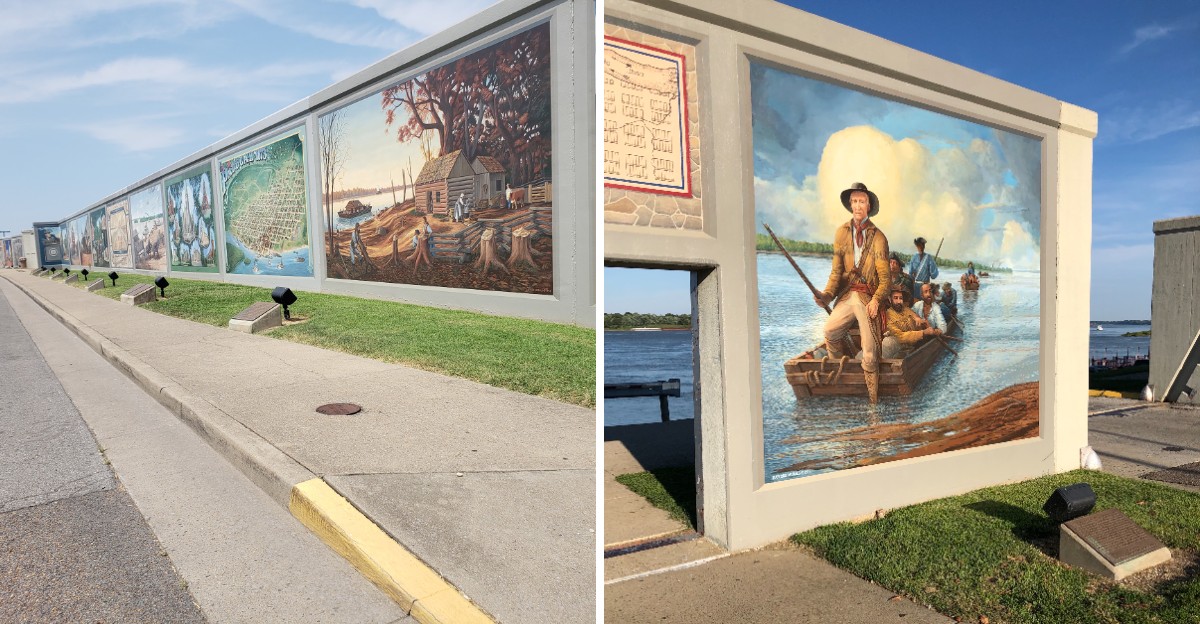
A concrete wall built to hold back a raging river now holds more than 50 giant, photo-realistic paintings. Nobody charges a dime to see them.
The gallery never closes, not even at midnight.
I like how the same wall that protects a whole downtown also tells that town’s life story. The paintings stand 14 feet tall.
Each one comes with a bronze panel that lights up after sunset, so the stories keep going after dark.
I can’t imagine a better way to turn a flood barrier into something people actually want to visit. This stretch of Kentucky riverfront mixes art, history, and river views in one easy stroll.
Bring the dog if you like, as long as it’s on a leash.
So how did a plain gray wall become one of the most talked-about walks in the South?
A Wall Built For Floods Became A Canvas For Stories
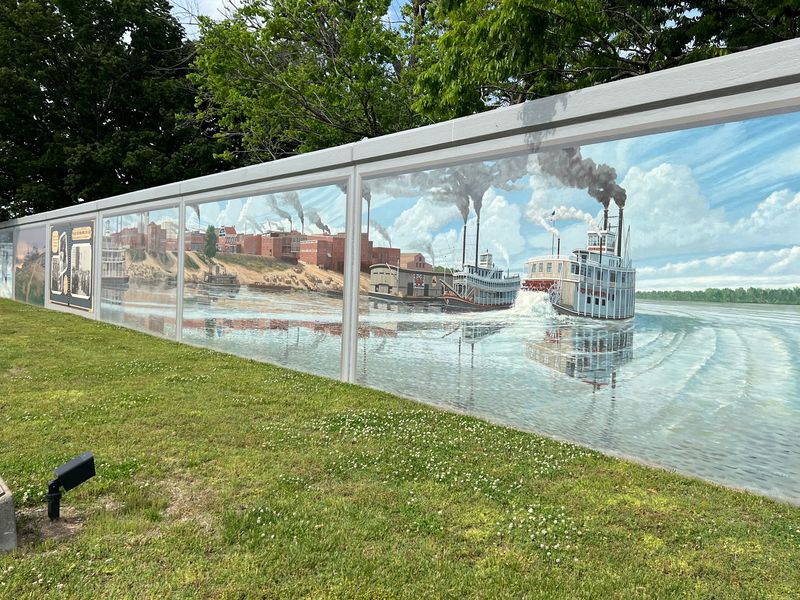
Paducah Wall to Wall started with a problem nobody wanted to look at. After the 1937 Ohio River flood swamped the city, workers built a concrete and earthen levee system between 1939 and 1949.
That wall did its job, but it wasn’t exactly pretty. Downtown Paducah, Kentucky had a 14-foot slab of concrete standing between its streets and its riverfront.
Then came a bold idea in 1995. Local leaders invited Louisiana muralist Robert Dafford to see if the wall could hold paint and serve as art.
His answer was clearly yes. By spring 1996, Dafford and his team were officially hired to start painting.
The project began with private money and an all-volunteer group pulling it together. Today the City of Paducah keeps it maintained, which shows how much the town values it.
I love that the community didn’t tear the wall down or hide it. They gave it a new job instead, while it still guards the city from high water.
Think of it as a security guard with a second career as a storyteller. Few walls anywhere can claim that kind of glow-up.
Even fewer manage it while keeping the river on the right side.
Your Eyes Will Swear These Paintings Are Photographs
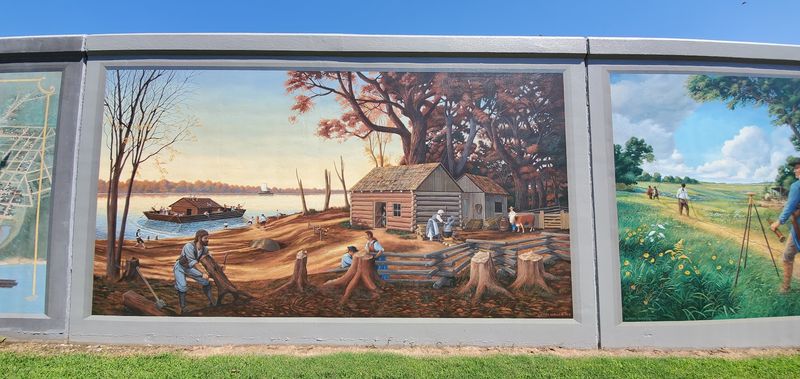
Step close to one panel and the details start messing with your brain. The murals are photo-realistic, meaning they’re painted to look almost like real photos.
More than 50 life-sized panoramic scenes line the wall, and some counts put the total above 60. That’s a lot of brushwork for one walk.
Most of the work came from Robert Dafford and the Dafford Murals Team. Dafford is a well-known American muralist, and his crew has painted on walls far beyond Kentucky.
Herb Roe has been part of the team since 1996. He still returns each year to help create and restore panels at Paducah Wall to Wall.
Here’s a fun way to look at them. Stand far back first and take in the whole scene like a movie poster.
Then walk right up and study the small stuff. Look at the faces, the windows, the shadows, and the tiny background details.
Many visitors only see the big picture and keep moving. Slow down, though, and you’ll notice how much patience each panel needed.
A quick glance just doesn’t do these artists justice, so give each scene a real moment.
Three City Blocks Of History Fit Into One Easy Stroll
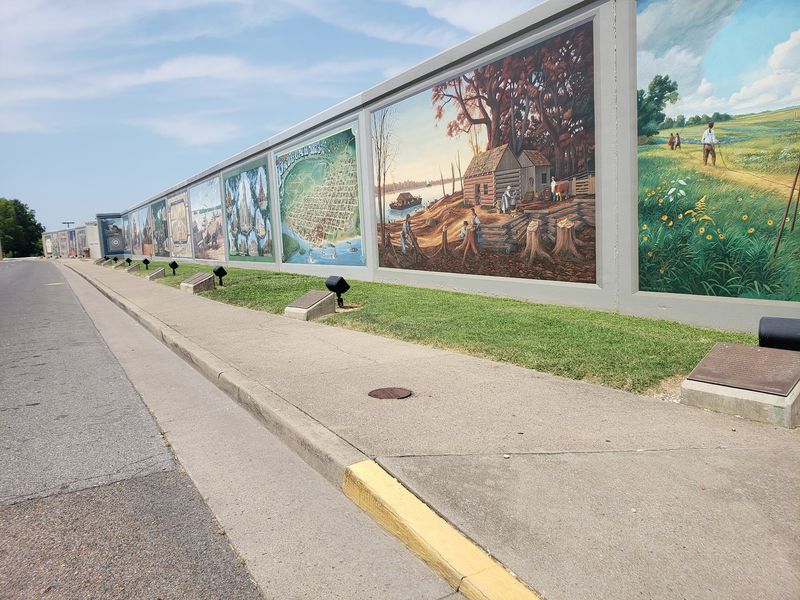
History class never looked this good. The murals, often called Portraits from Paducah’s Past, stretch across three blocks of the downtown floodwall.
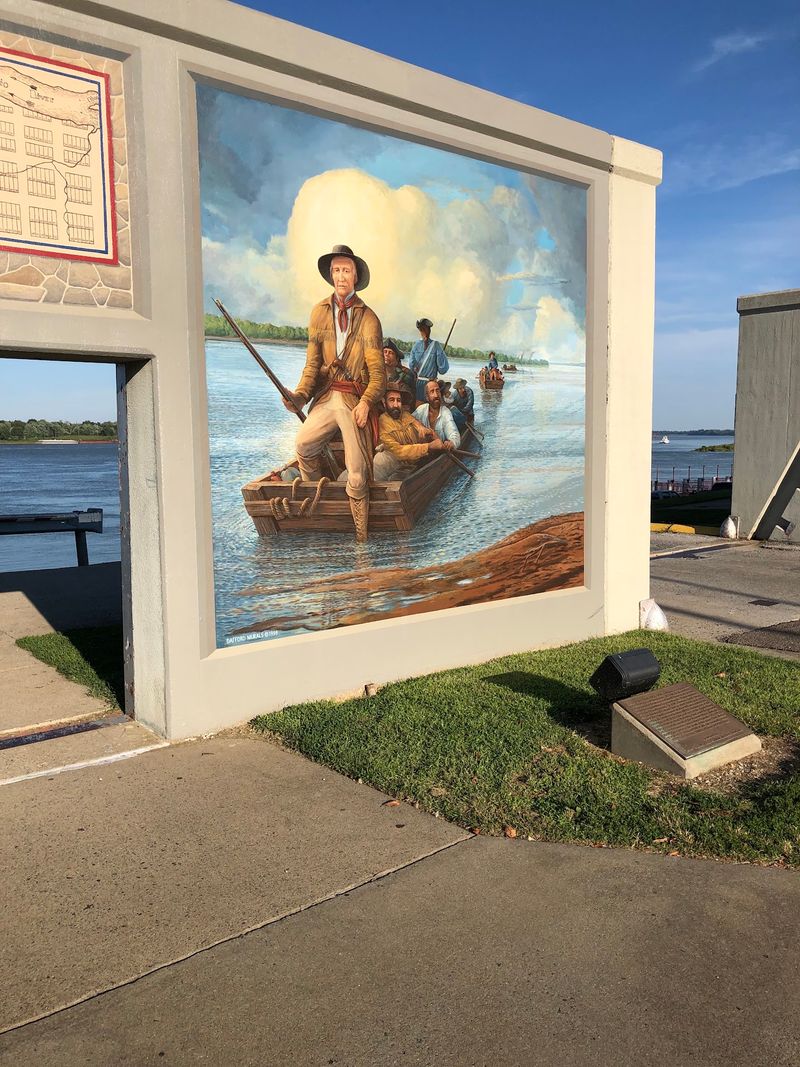
Each panel tells a piece of the city’s story in rough timeline order. You’ll see scenes from before European settlers arrived, plus nods to American Indian heritage in the region.
The Lewis and Clark Expedition shows up too, along with the famous Clark brothers. Those names make sense here, since the rivers shaped so much early American travel.
Later panels move into the 1937 flood, which explains why the wall exists at all. That one hits a little differently when you’re standing right beside the barrier it inspired.
The story keeps rolling into the 1950s. One scene shows Paducah during its Atomic City era, when the town was known for its role in the atomic age.
My advice is to walk the wall in order if you can. It reads like a book that way.
Kids may enjoy turning it into a game. Have them find the oldest scene and the newest one, then guess which came first.
Bronze Plaques Spill The Backstory On Every Scene
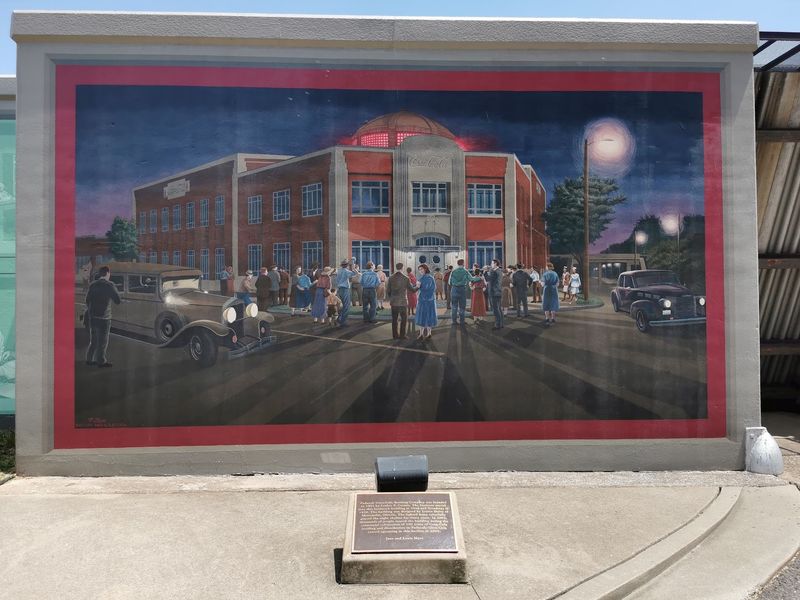
Ever stare at a painting and wonder what on earth is happening in it? Paducah Wall to Wall fixes that problem nicely.
Each mural comes with a bronze interpretive panel. These plaques explain the story behind the scene, so you’re never left guessing.
That small touch changes the whole visit. You’re not just admiring pretty colors anymore, you’re learning why a moment mattered to the town.
The panels also light up after sunset. So an evening walk works just as well as a morning one.
I believe that’s one of the smartest features here. Plenty of outdoor art goes quiet once the sun drops, but this wall keeps talking.
Reading every plaque takes time, so plan for it. If you’re short on minutes, pick a handful of scenes that grab you and read those closely.
Parents, this is your sneaky educational win. Kids pick up local history without anyone calling it homework.
Bring your phone camera for the text too. Snapping a photo of a plaque lets you finish the story later at dinner, which beats squinting while someone tugs your sleeve.
Midnight Art Walk? The Gallery Never Locks Its Doors
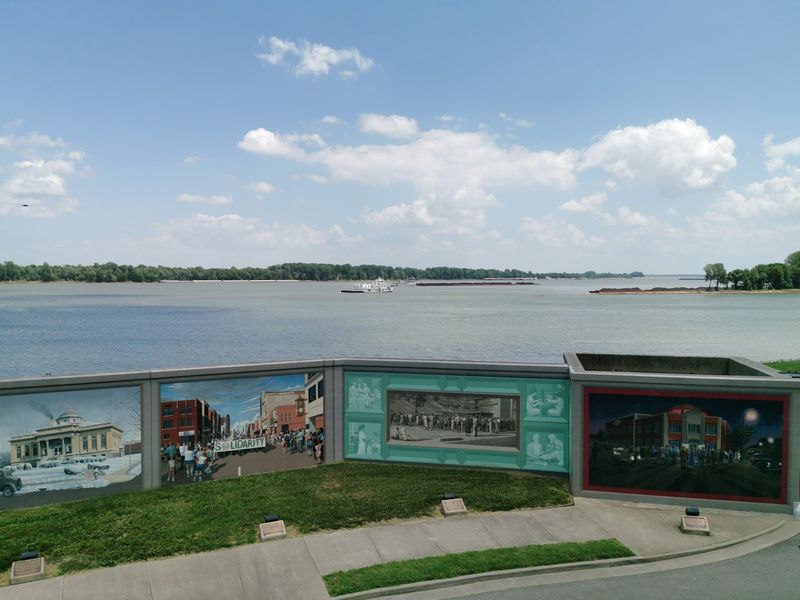
No tickets, no turnstiles, and no closing time. Paducah Wall to Wall is open 24 hours a day, every day of the year.
That makes it one of the easiest stops you could add to a trip through Kentucky. Early riser?
Night owl? The art waits either way.
It’s also completely free. The whole experience is self-guided, so you set the pace.
Want to sprint past the highlights in twenty minutes? Go for it.
Prefer to linger over every brushstroke for an hour or more? Nobody’s rushing you.
Four-legged friends can tag along too. Dogs are welcome, as long as they stay on a leash.
Summer afternoons can get toasty along the concrete, so timing matters. Mornings and evenings tend to feel more comfortable for a long, slow look.
Wear good walking shoes and carry water on warm days. The path itself is easy, but you’ll be on your feet the whole time.
One more perk of an always-open gallery is flexibility. If rain spoils your plans, simply circle back later.
The murals aren’t going anywhere, and that’s kind of the point of painting them on a floodwall.
Cardinals And Wildflowers Steal A Few Scenes
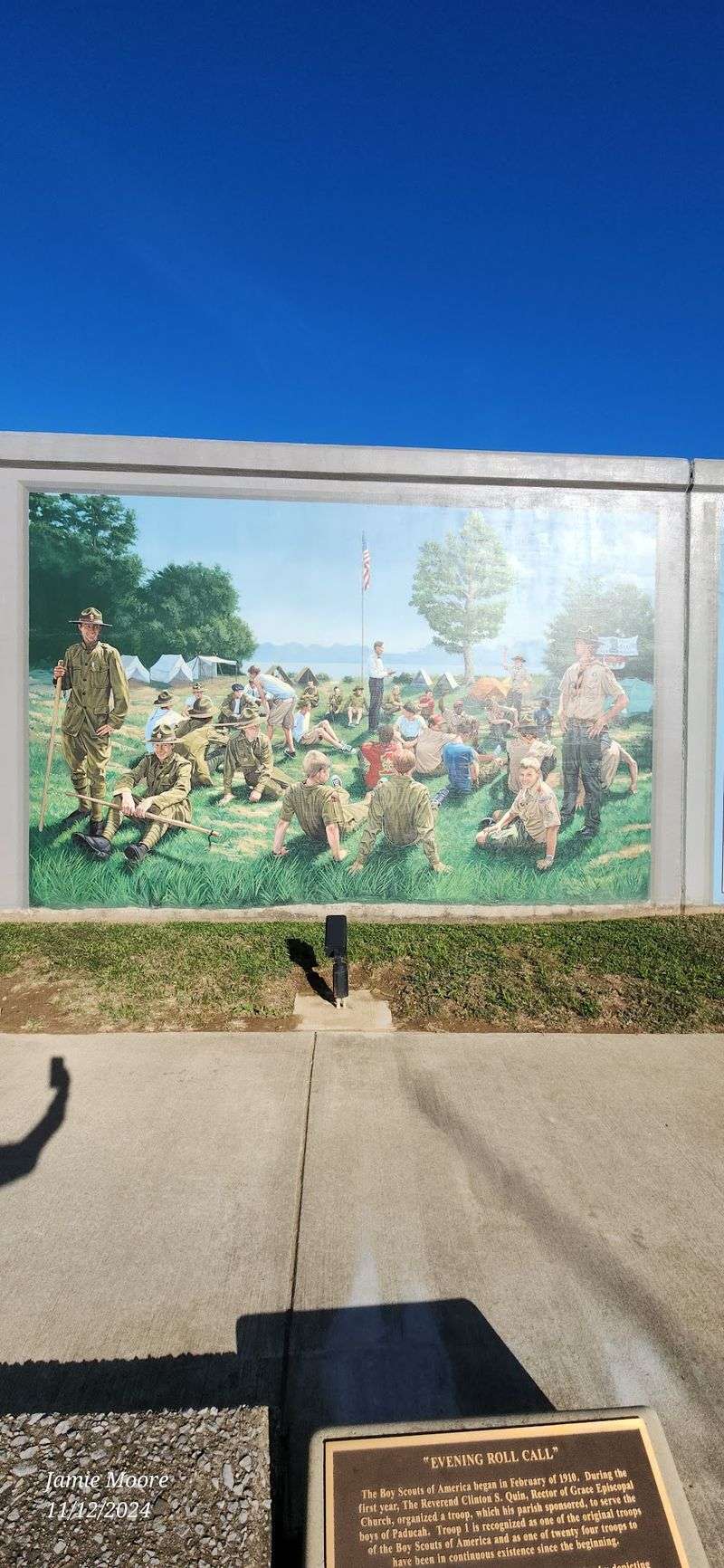
Not every panel is about people and riverboats. Some of the murals celebrate the wild side of Kentucky, featuring native plants and animals.
Keep an eye out for the cardinal. It’s the official state bird, and that bright red feather coat is hard to miss against painted greenery.
These nature scenes give your eyes a nice breather. After a run of historic streets and floods, a burst of wildlife feels like a quick nature break.
They also remind you where this town sits. Paducah grew up beside two big rivers, surrounded by forests, fields, and plenty of creatures.
Bird lovers can turn this into a scavenger hunt. See how many species you can spot before you reach the end of the wall.
Little kids especially enjoy hunting for animals. It keeps small legs moving and small eyes busy.
And here’s a bonus. The real river sits right on the other side of the wall, so you may catch live birds nearby too.
Comparing the painted version to the real thing is half the fun. Just don’t expect the real cardinals to hold still for photos as nicely.
Quilts So Real You’ll Want To Touch Them
Paducah calls itself Quilt City USA, and the floodwall proves it. A separate series called the Quilt City USA Murals adds giant painted quilts to the concrete.
These panels show actual quilts, recreated in photo-realistic detail. The stitching and patterns look so convincing that you may lean in for a closer check.
The quilt murals sit at 415 Park Street, beside the Schroeder Expo and Carroll Convention Center. They’re a short hop from the historic panels, so seeing both is easy.
This project began unveiling murals in 2017. It honors Paducah’s status as a UNESCO Creative City of Crafts and Folk Arts.
That title is a big deal. UNESCO, part of the United Nations, picks cities around the world for strong creative traditions.
Even if you’ve never threaded a needle, the color work is worth a look. Bold geometric patterns read beautifully from a distance.
I like how the quilt panels add a modern chapter to the wall’s story. The history murals look back, while these celebrate what makes the town special today.
Together they paint a pretty complete picture of local pride.
Peek Behind The Wall For A Riverfront Surprise
Most people stare at the painted side and forget to look around the corner. That would be a mistake.
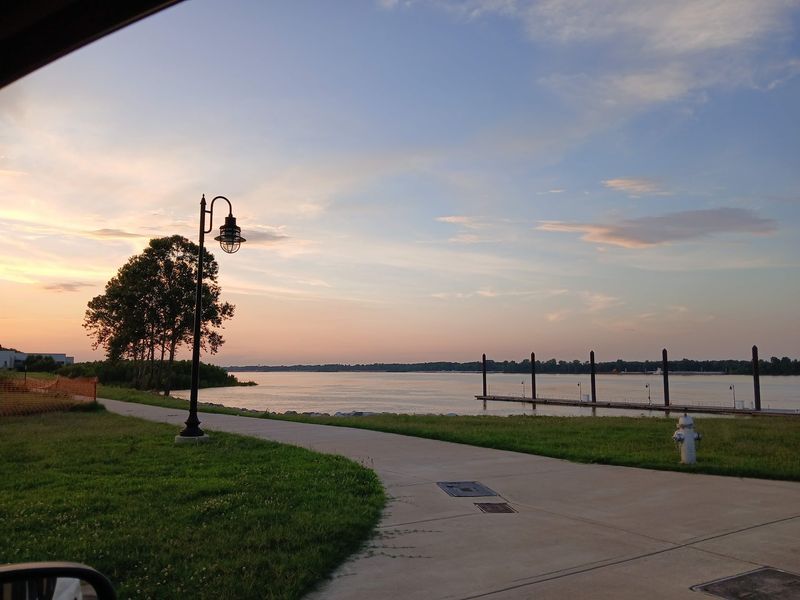
The floodwall overlooks the spot where the Tennessee River meets the Ohio River. Walk through to the river side and you’ll find open water views.
You’ll find the murals along Water Street, between Jefferson and Washington Streets, in Paducah, KY 42001. Downtown sits right there too, so the art connects easily to the rest of your day.
The full floodwall runs about 3 miles of concrete. Only part of it carries the famous murals, but that short stretch packs plenty of punch.
The river side makes a great spot for a breather. Bring a snack, find some shade, and watch the water drift by.
I can’t imagine a better way to cool off after reading history panels. One minute you’re learning about a flood, the next you’re looking at the river that caused it.
That contrast gives the walk real meaning. It’s peaceful now, but those murals remind you the river once had very different plans for this town.
Fresh Paint Keeps The Story Looking Brand New
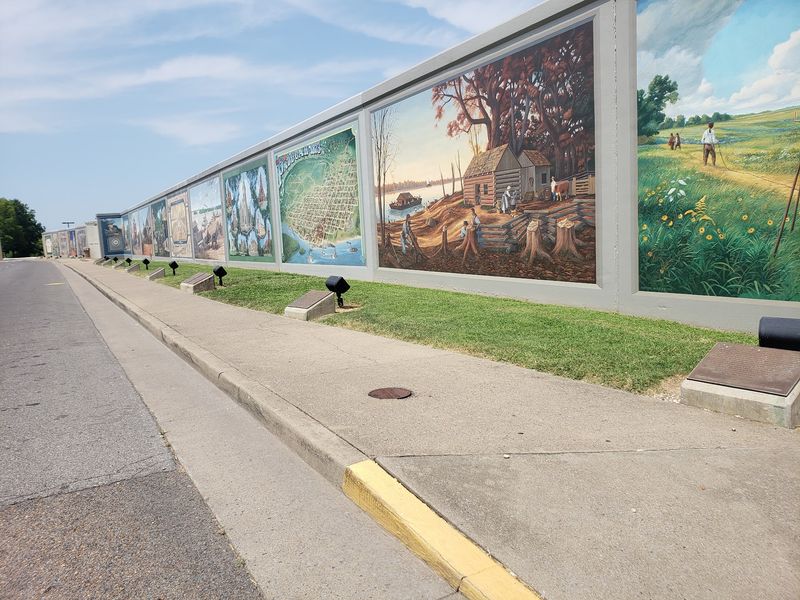
Outdoor art has a tough life. Sun, rain, heat, and cold all chip away at paint over time.
That’s why Robert Dafford’s team comes back every year. They touch up older panels and repaint where needed, keeping colors bright.
The project grew in stages over many years. The first twenty-panel timeline wrapped up in 2001, and the three blocks on the city side were done by 2007.
Then came 2022, when the last painting in that original three-block section was unveiled. Upkeep and new work have continued since then.
Visit during maintenance season and you might spot scaffolding in front of a panel. Watching artists at work adds a cool behind-the-scenes moment.
Back in 2014, TripAdvisor named Paducah Wall to Wall the most popular tourist attraction in Kentucky. Not bad for a wall that started as plain concrete.
I believe that steady care is the secret here. Plenty of towns paint a mural and walk away, but Paducah keeps showing up for its art.
So the next time someone says a wall can’t be interesting, send them here. The proof is fourteen feet tall and still getting fresh coats.