9 Enchanting Places In Vermont That Will Transport You To Game Of Thrones
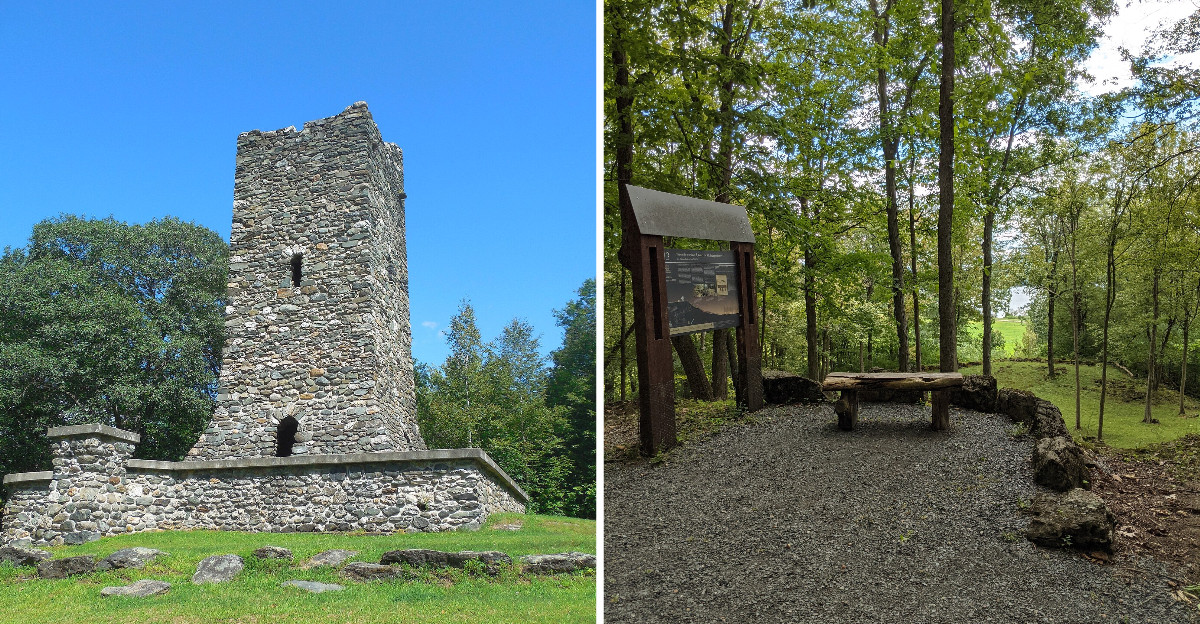
Castles and old forts can turn a Vermont weekend into something far stranger than a normal sightseeing loop.
Add dramatic estates, stone towers, and a few places with stories that sound almost too theatrical, and the route starts feeling pleasantly unpredictable.
The appeal is not just how these places look. History, odd details, and unexpected uses give each visit its own personality.
You may start with one destination in mind and end up adding two more before lunch.
That is where the fun lives, in the detours, the discoveries, and the places that make an ordinary Saturday feel slightly epic.
1. Wilson Castle, Proctor
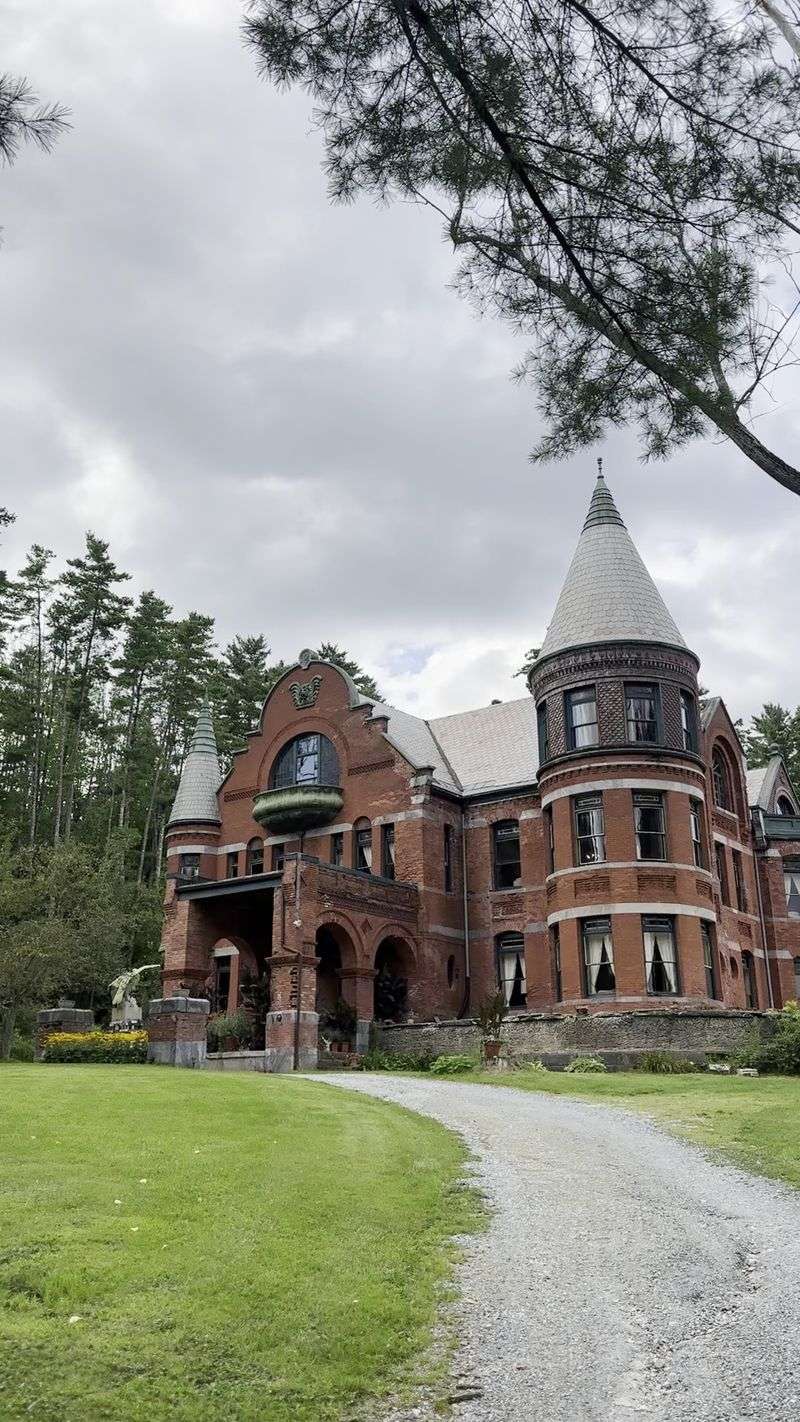
Would you believe me if I told you a real castle hides in the Green Mountains? No crown is required, and the drawbridge is just a driveway.
Wilson Castle began taking shape in 1885 and took more than seven years to complete.
Its architectural blend draws on several European traditions, with brick walls, marble details, a turret, and nineteen open arches giving the exterior a theatrical presence.
Inside, three floors contain 32 rooms, 84 stained-glass windows, and thirteen fireplaces decorated with imported tile and bronze.
Antique furnishings, decorative statues, and carved details make the interior feel more like an elaborate private residence than a film set.
The 115-acre estate also includes former agricultural buildings and a carriage house. Wide views across the surrounding hills give the castle an impressive backdrop, especially when autumn foliage fills the valley.
The Wilson family acquired the property in 1939, and public tours began in 1962. Members of the family still oversee the castle, along with ongoing preservation work that keeps its historic character intact.
Guided visits operate seasonally, generally Thursday through Monday, with the final tour before closing. The address is 2970 West Proctor Road in Proctor.
For a Game of Thrones comparison, those arched openings and towering rooflines do most of the storytelling. A grand entrance, elaborate windows, and a little imagination are more than enough.
2. Hildene, The Lincoln Family Home, Manchester
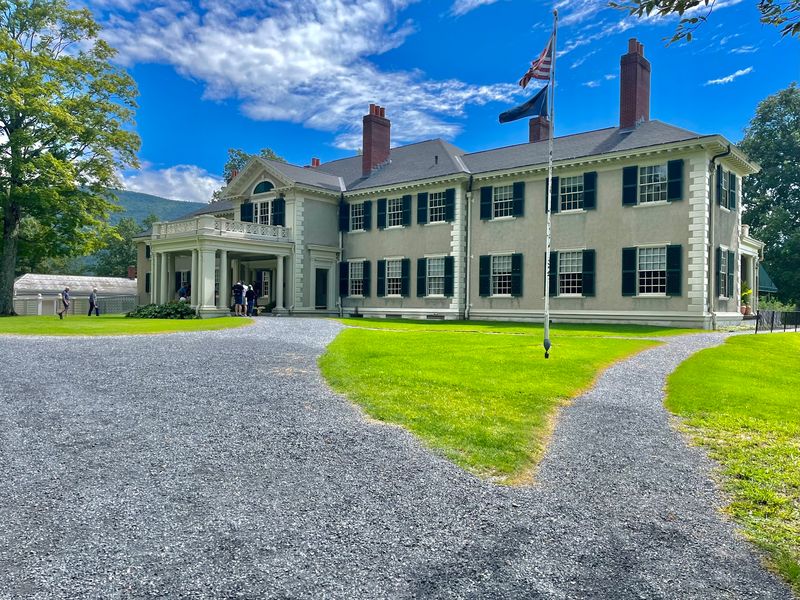
Just imagine for a second sipping cool lemonade where a presidential family once relaxed. Great houses in Westeros rarely look this calm and cheerful.
Completed in 1905, Hildene was the summer home of Robert Todd Lincoln, the son of President Abraham Lincoln.
Its Georgian Revival architecture, broad lawns, and commanding position above the Battenkill Valley give the house an unmistakably grand presence.
Inside, preserved furnishings and family possessions reveal how the estate functioned as a country retreat. The formal garden, designed in 1908 by Lincoln’s granddaughter, takes inspiration from the pattern of a stained-glass window.
The grounds extend across 412 acres, with roughly twelve miles of walking trails leading through woodland, meadows, and wetlands. At Hildene Farm, sheep and other livestock add a working agricultural dimension to the estate.
One particularly unusual attraction is Sunbeam, a restored 1903 Pullman railcar associated with luxury rail travel.
The property also includes Robert Lincoln’s observatory, although it is the historic structure rather than a regularly scheduled public stargazing program that draws interest.
Hildene is open year-round with seasonal operating days. Admission includes self-guided access to the home, gardens, farm, and railcar. Begin at the Welcome Center at 1005 Hildene Road.
It is the kind of peaceful royal estate a fictional dynasty might choose between adventures, with the gardens and sweeping mountain scenery providing an especially convincing backdrop.
3. Mount Equinox Skyline Drive, Arlington
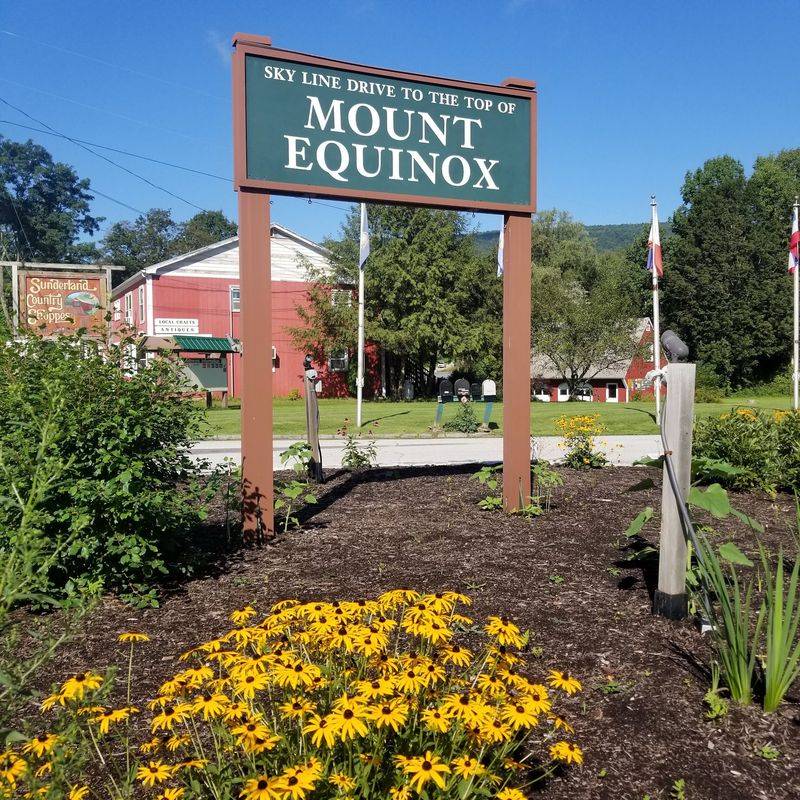
Here’s a thought worth chewing on. What if you could reach a mountaintop without a single blister?
Mount Equinox Skyline Drive answers with a winding paved road that reaches the highest summit in the Taconic Range. The route climbs 3,248 feet over 5.2 miles, passing through four distinct forest types on the way upward.
Completed in 1947, the privately maintained scenic toll road begins along historic Route 7A. Several overlooks and picnic areas break up the climb, giving passengers time to enjoy the changing mountain landscape.
At 3,848 feet above sea level, the summit opens onto views of the Green Mountains and, in clear conditions, New Hampshire’s White Mountains. Looking west can reveal the Adirondacks across the New York border.
The Saint Bruno Scenic Viewing Center provides a sheltered stop and panoramic perspectives.
From the mountain, the Charterhouse of the Transfiguration can also be seen below. This Carthusian monastery is the only one of its kind in North America.
The drive operates seasonally from Memorial Day weekend through October 31, weather permitting. Vehicles are admitted from morning until late afternoon, with a firm final entry time. Start at 42 Skyline Drive in Arlington.
Those layered peaks feel remarkably close to a fantasy kingdom, except the ascent comes with roadside viewpoints rather than a demanding mountain expedition on foot with a heavy pack.
4. Fairbanks Museum & Planetarium, St. Johnsbury
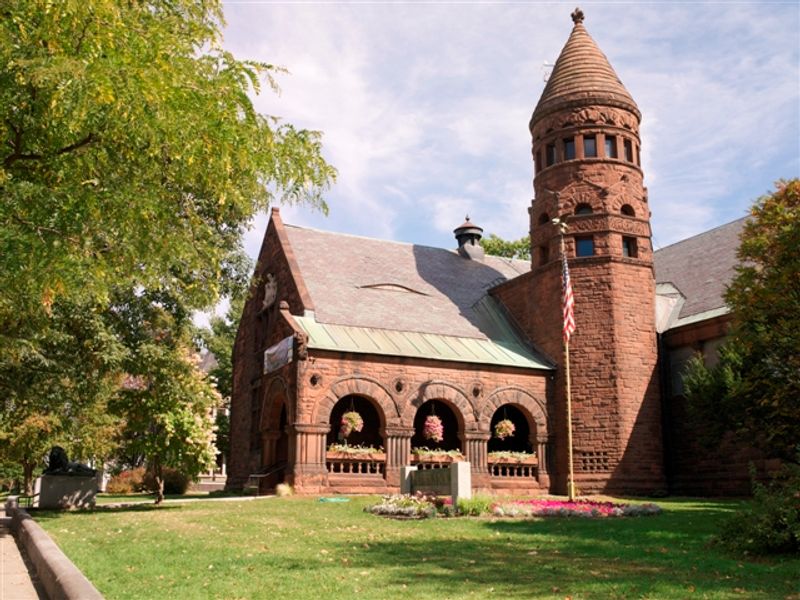
It makes you wonder, doesn’t it, where curious minds go to study stars and strange creatures. In Westeros, that would be the Citadel.
Fairbanks Museum & Planetarium offers a real-world answer inside a striking Victorian building.
Founded in 1889, the museum grew from the natural-history interests of Franklin Fairbanks and remains a fascinating place to explore scientific collections.
The main hall features preserved birds, mammals, fish, insects, and other specimens alongside shells, fossils, minerals, and objects collected from around the world.
Its richly detailed architecture gives the exhibits the atmosphere of an old scholar’s collection.
Beyond the historic displays, hands-on stations explore light, sound, gravity, electricity, and motion. They bring familiar scientific ideas into focus through experiments that are easy to approach at different ages.
The Lyman Spitzer Jr. Planetarium opened in 1961 and remains Vermont’s only public planetarium. Astronomy presentations and immersive shows give the domed theater an appeal of its own.
The museum also has a broadcasting tradition. Since 1981, its meteorologists have produced the Eye on the Sky forecasts heard on regional radio.
At 1302 Main Street, the museum operates throughout much of the year, with occasional holiday and maintenance closures.
A planetarium program can turn an ordinary museum visit into a journey through the stars, worthy of any fictional academy filled with maps, instruments, and old scientific mysteries.
5. Hubbardton Battlefield State Historic Site
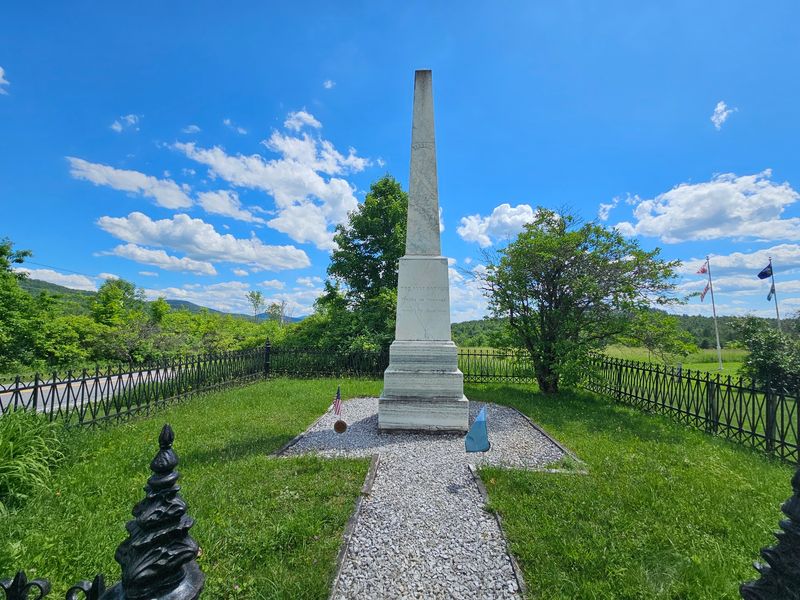
Quiet hills can carry surprisingly dramatic stories. The open meadows at Hubbardton still mark a pivotal moment in early American history.
On July 7, 1777, American forces made a determined stand here while the main Continental force moved south from Fort Ticonderoga.
The engagement was the only major Revolutionary-era encounter fought entirely within the borders of what became Vermont.
Approximately 1,200 American troops faced 850 British and 180 German soldiers. Although British forces held the field, the American rear guard bought valuable time for the larger force to continue its movement.
The landscape remains an important part of the experience. Rolling meadows, wooded slopes, and distant mountain views help explain why the terrain mattered to the opposing columns.
A marble monument erected in 1859 stands among the earliest American commemorations of an engagement from the Revolution. Interpretive displays in the small museum provide context about the people and decisions connected with this site.
The historic grounds also offer walking routes across the hillside, where the spacing between ridges becomes easier to understand on foot.
In 2026, museum hours extend from May 22 through October 18, Wednesday through Sunday. The address is 5696 Monument Hill Road.
For the fantasy connection, think less about spectacle and more about a strategically placed hill where geography, planning, and determination changed the course of important events.
6. Hubbard Park Tower, Montpelier
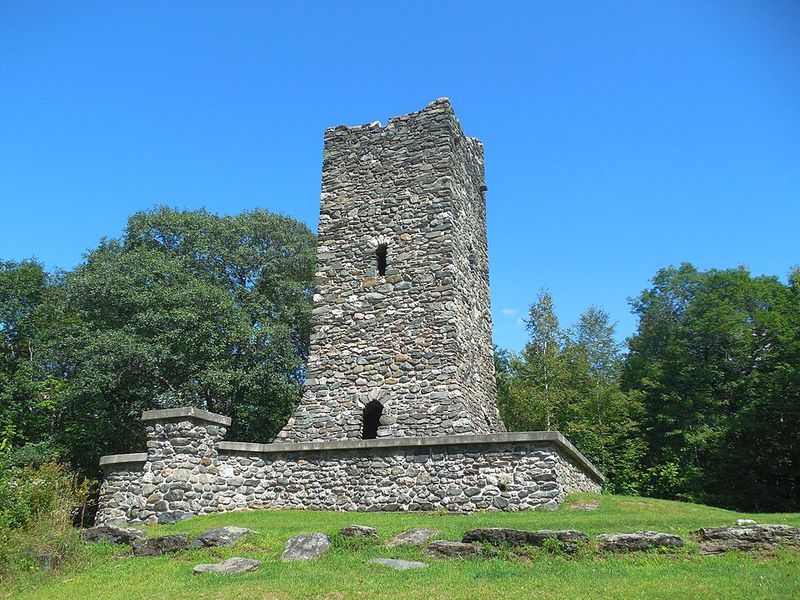
A capital city with a stone watchtower in its woods sounds like fantasy. Montpelier actually has one.
Hubbard Park Tower rises from the highest point of a forested park overlooking downtown.
Construction began in 1915 and was completed in 1930, creating a 54-foot observation tower with an unmistakably medieval silhouette.
Stone walls and narrow openings add to the fortress-like appearance. A climb up the interior staircase leads to views of the city, surrounding hills, and the distinctive golden dome of the State House.
The park itself covers more than 200 acres and includes over seven miles of trails used for walking and seasonal recreation. Paths weave through mixed woodland, linking the tower with picnic areas and open spaces.
Two shelters offer places to gather, while a small pond, meadow, and sledding hill expand the options beyond the central lookout. The Seven Fireplaces area is another curious landmark within the park’s trail network.
Autumn is especially colorful around the tower as trees change across the hillside. In winter, the park remains popular for snowshoeing and cross-country skiing, although conditions influence access to individual paths.
The park can be reached from 400 Parkway Street, with several entrances and parking areas nearby. Consult the trail map when choosing an approach to the tower.
A stone lookout above a tiny capital feels perfectly suited to a kingdom with more forests than castles.
7. Merck Forest & Farmland Center, Rupert
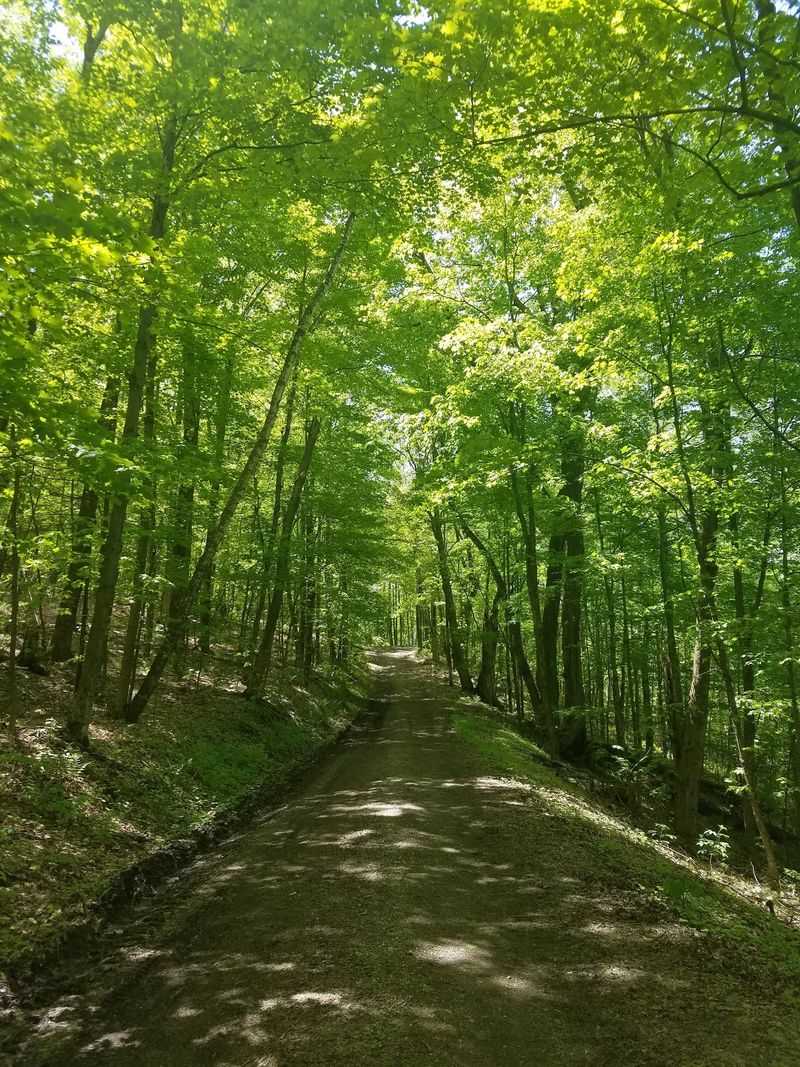
Every grand fantasy kingdom needs fields, flocks, and forests. This one has all three.
Merck Forest & Farmland Center combines a working farm with a vast stretch of conserved woodland in the Taconic Mountains. The property encompasses more than 3,500 acres, including pastures, forest roads, and scenic ridgelines.
The organization traces its roots to land restoration efforts in the 1940s, followed by the creation of a conservation foundation in 1950. Today, sustainable forestry and ecological agriculture shape its educational mission.
A sixty-acre farm provides a place to encounter heritage livestock and learn about how grazing, soil care, and seasonal growing practices fit together.
In spring, maple sugaring activities highlight one of the region’s longstanding agricultural traditions.
More than thirty-five miles of trails lead through fields and hardwood forests. Some routes offer gentle walking, while others climb toward higher viewpoints. A map from the visitor center helps with choosing a suitable route.
Rustic cabins and shelters can be reserved for overnight stays amid the surrounding woodland. Seasonal programs and wagon rides add opportunities to explore the working landscape.
The property is accessible daily from dawn to dusk, and the visitor center generally opens from 9 a.m. to 4 p.m. Find it at 3270 Route 315.
For a glimpse of rural Vermont with a storybook atmosphere, these rolling pastures and quiet forests deliver plenty of character.
8. Marsh-Billings-Rockefeller National Historical Park, Woodstock
Some forests feel old enough to whisper secrets to anyone who walks slowly. The wooded slopes above Woodstock create that impression.
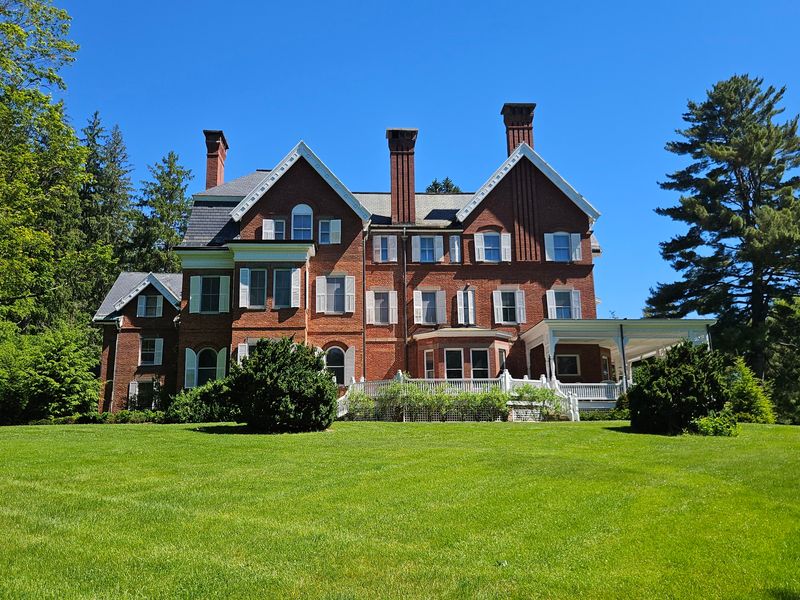
Marsh-Billings-Rockefeller National Historical Park preserves an estate connected with generations of American conservation.
A mansion originating in 1805 anchors the landscaped grounds, while the nearby Mount Tom Forest reflects more than a century of careful stewardship.
The property passed through families associated with early environmental thinking and forest management. Their approach transformed the grounds into a lasting example of how working landscapes and natural areas can coexist.
Twenty miles of trails and carriage roads lead through mature trees, gentle hills, and carefully designed woodland routes. The Pogue, a fourteen-acre pond created in the nineteenth century, provides a tranquil destination.
A hike toward Mount Tom’s South Peak opens up views across Woodstock. On the estate below, formal gardens and historic rooms add a stately counterpoint to the surrounding forest.
Guided mansion visits and ranger programs are offered during the main visiting season, generally Thursday through Monday from late May through October. The trails remain accessible throughout the year during daylight hours.
Parking is shared with Billings Farm & Museum at 69 Old River Road, followed by a short walk to the national park entrance.
Few settings capture the idea of a woodland realm quite like this one, where gardens, paths, and a grand house share the hillside.
9. Mount Independence State Historic Site, Orwell
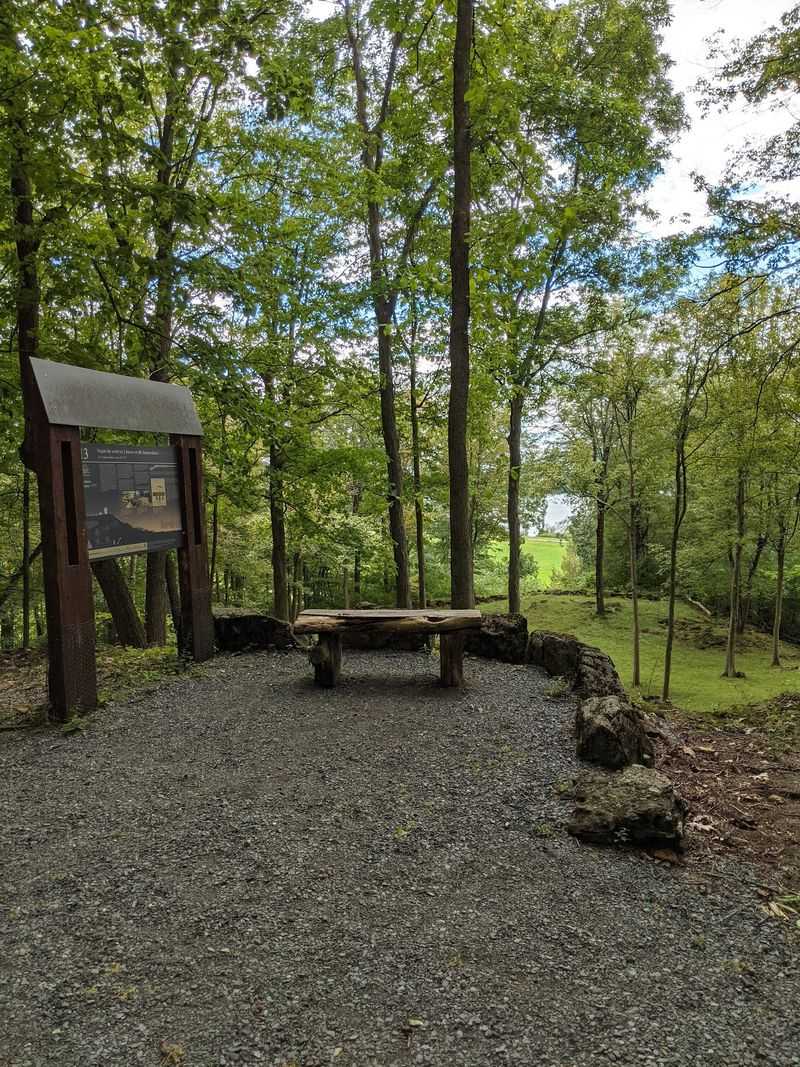
A rocky peninsula once guarded a young nation, and traces of its defenses remain across the landscape. Lake Champlain supplies the dramatic backdrop.
Mount Independence State Historic Site preserves extensive fortifications established by American forces beginning in July 1776.
The peninsula overlooks an important stretch of water opposite Fort Ticonderoga, where controlling movement along the lake carried strategic significance.
Originally known as East Point, the hill was renamed after news of the Declaration of Independence reached the troops stationed here.
Soldiers built defensive positions, storehouses, shelters, and other structures across the wooded heights.
Today, approximately six miles of trails connect archaeological features with open views of the lake. The 1.6-mile Baldwin Trail has a compacted surface and gentle grades suitable for outdoor wheelchairs and strollers.
Interpretive stops identify former blockhouses, storage buildings, and military quarters. Longer routes lead toward the star-shaped fort area and overlooks facing the opposite shore.
The visitor museum features artifacts and exhibits explaining daily life at the site. A short introductory presentation adds background before exploring the trails.
The museum operates daily from May 22 through October 28 in 2026, while trails can be used throughout the year. The entrance is at 497 Mount Independence Road.
With wooded approaches, elevated defenses, and wide lake views, this remarkable peninsula could inspire the setting for an entire fantasy stronghold.