This Georgia Filipino Food Spot Brings Traditional Island Flavors To A Busy Local Market
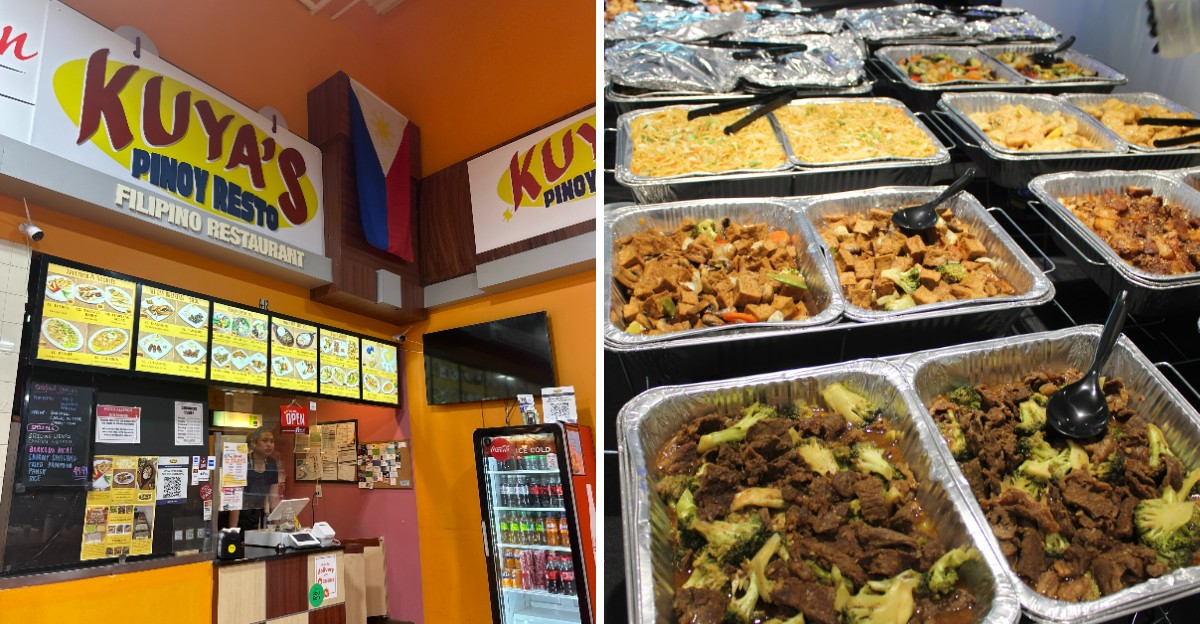
The best lunch in a busy market rarely comes with a big sign. Sometimes it just comes with a line.
This Filipino counter has the kind of line worth joining. Shoppers push carts past it all day.
The smart ones stop. Garlic rice sizzles on the stove.
Lumpia crackle in hot oil. A pot of adobo sends out a rich, tangy smell that cuts right through the market noise.
I have a weakness for food that tastes like someone’s family recipe, and this menu reads like one. You will find pancit piled high, crispy lechon kawali, and purple ube treats that look almost too pretty to eat.
It is a small taste of the islands in the middle of an everyday Georgia shopping trip. If your idea of a good afternoon includes bold flavors and a full plate, this Georgia food spot belongs on your radar.
A Food Court Counter With Big Island Roots
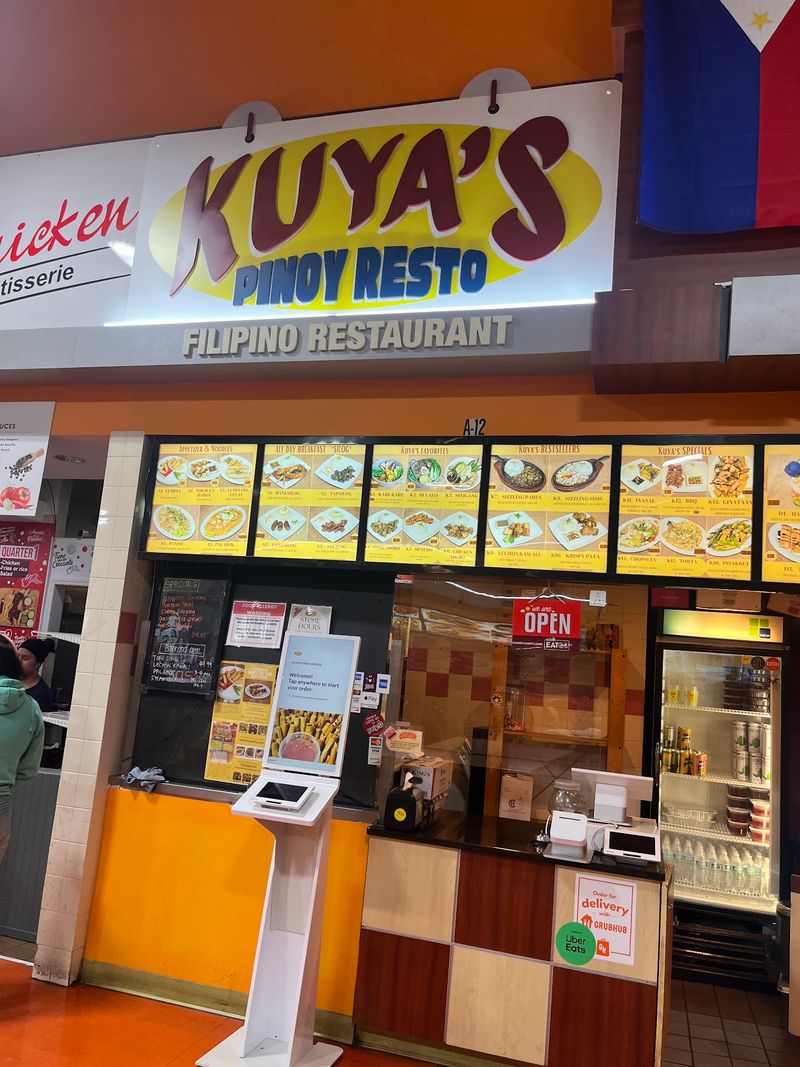
Great food does not always need a fancy dining room. Sometimes it just needs a counter, a menu board, and a kitchen that knows its stuff.
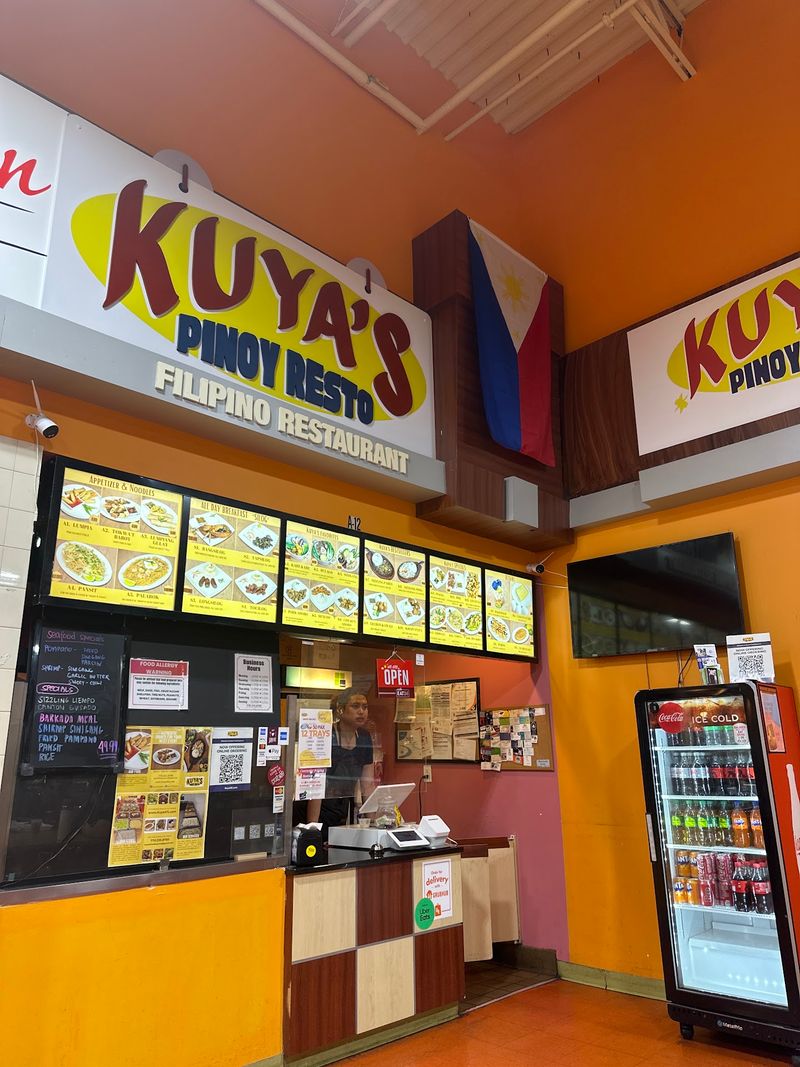
This place runs on quick counter service inside a lively market food court. You order, grab a buzzer, and wait while the kitchen gets to work.
The setup is simple and casual, which makes it easy for first-timers. Nobody expects you to know every dish, and questions are welcome at the counter.
Shoppers drift past with carts full of produce while trays of adobo and pancit land on tables. That mix of errands and comfort food gives the space a fun, everyday energy.
The menu covers a wide stretch of traditional Filipino cooking. You will find stews, noodles, grilled meats, soups, vegetables, and sweet treats all in one spot.
Many people consider it one of the earliest Filipino restaurants in the metro Atlanta area. That long run shows in how confident and steady the cooking feels.
It also offers dine-in, takeout, and catering, so it fits almost any kind of day. Quick lunch or full party spread, the kitchen handles both.
If you are curious, the spot to find is Kuya’s Food Express inside City Farmers Market in Duluth, Georgia. You will find the counter at 1630 Pleasant Hill Rd, Duluth, GA 30096.
Bring an appetite, a shopping list, and maybe a friend to share bites with.
Adobo That Tastes Like A Family Recipe
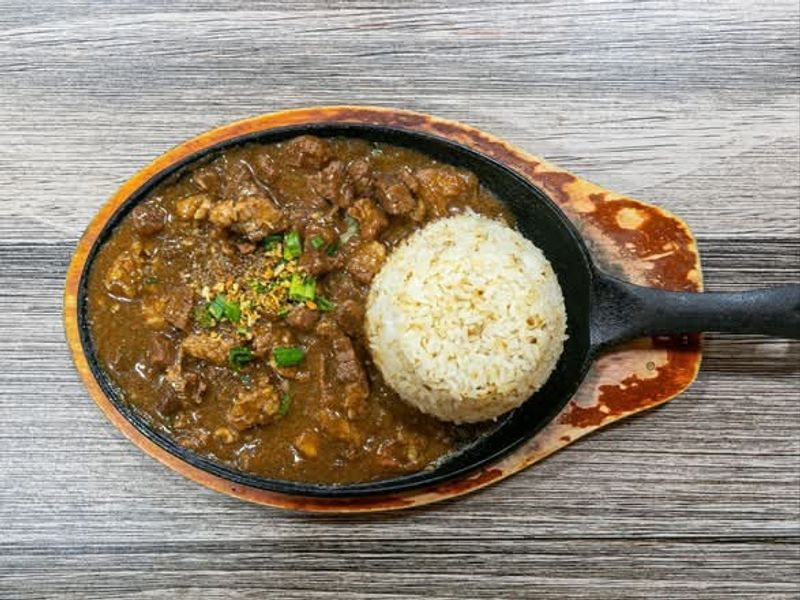
Ask ten Filipino families about adobo and you may get ten different recipes. Each one swears theirs is the right way, and honestly, they are all a little correct.
Here, the kitchen offers both Chicken Adobo and Pork Adobo. Each is braised in soy sauce and vinegar until the meat turns tender and glossy.
The sauce is the real star. It is salty, tangy, and just a bit sweet, with a garlicky smell that hits you before the plate does.
My move is simple. I spoon extra sauce over the white rice and let it soak in before taking the first bite.
Adobo is often called the unofficial national dish of the Philippines. The vinegar once helped keep food fresh in a warm climate, long before fridges existed.
That history makes every bite feel connected to home kitchens across the islands. It is comfort food with a story behind it.
If you are new to Filipino food, this is a smart first order. The flavors are familiar enough to feel safe but bold enough to surprise you.
Pick chicken for something lighter. Choose pork if you want richer, deeper flavor in every forkful.
Crunch Time With Lechon Kawali
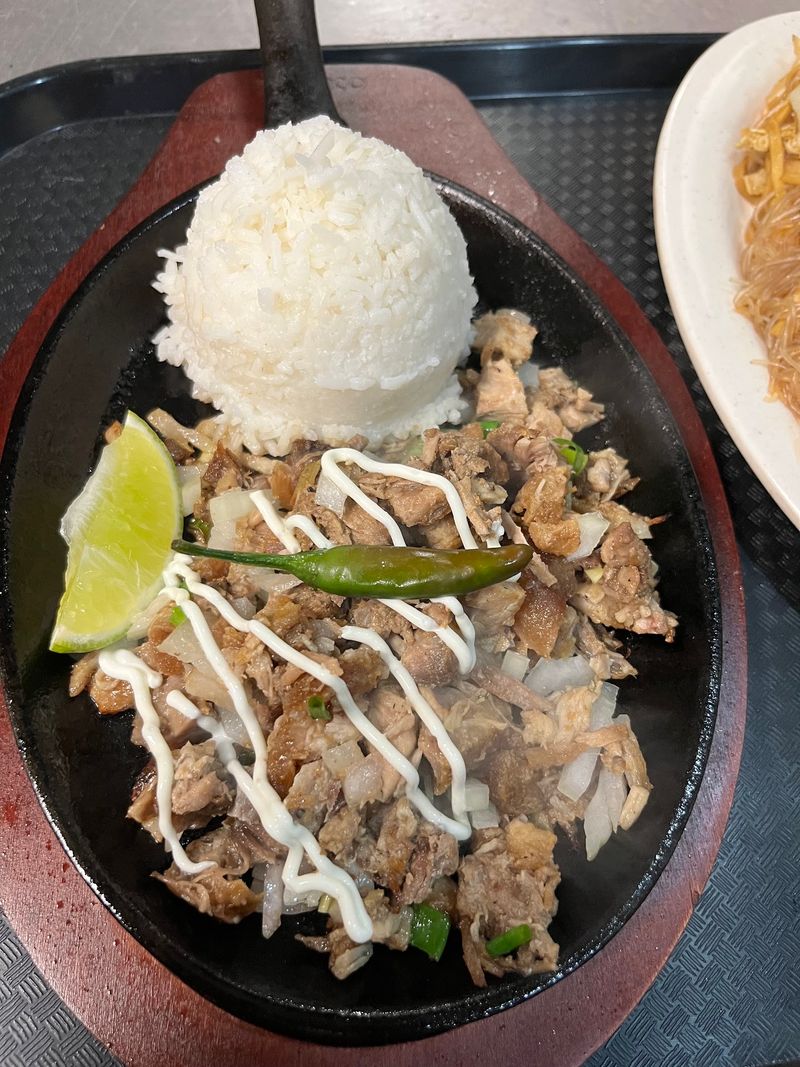
Some sounds belong in a movie theater, and the crackle of pork belly skin is one of them. That first crunch could probably wake up the whole food court.
Lechon Kawali is crispy pork belly served with white rice. The skin turns golden and crackly while the meat underneath stays juicy and soft.
It ranks among the most talked-about orders here, and I can see why. The chunks come in hearty pieces that feel generous on the plate.
A little dipping sauce brings a tangy kick that balances all that richness. Ask at the counter if you want something extra on the side.
For bigger gatherings, the kitchen also makes a rolled pork belly called Bellychon. It shows up often at parties catered by this team.
The word kawali means pan or wok in Filipino. That name tells you exactly how this dish gets its famous crunch.
Here is a tip from experience. Eat the crispy skin first while it is hot, because it softens as it sits.
Pair it with a vegetable dish if you want balance. Or just enjoy the crunch and plan a long walk through the market afterward.
Sizzling Sisig Brings The Drama
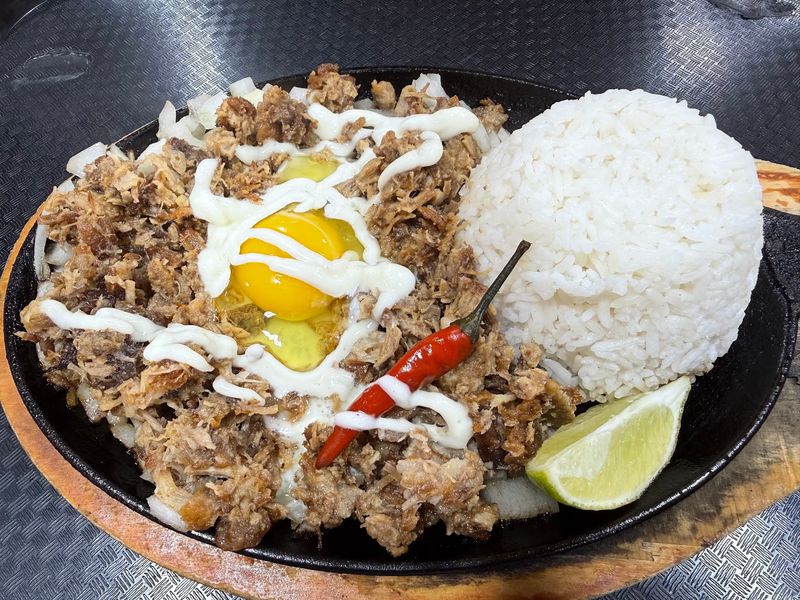
Nothing turns heads in a food court like a plate that is still sizzling. You hear it before you see it, and everyone nearby suddenly gets hungry.
Sizzling Sisig features chopped pork tossed in a sour dressing. It arrives on a hot plate and gets topped with an egg.
Stir the egg in quickly while the plate is still hot. It cooks right into the pork and makes everything rich and creamy.
A squeeze of lime wakes up all the flavors. The sour, salty, and savory notes start bouncing off each other in a fun way.
It comes with rice, which is a big help. Mixing the sisig into the rice spreads that bold flavor into every single bite.
Sisig is linked to Pampanga, a province often called the culinary capital of the Philippines. Cooks there turned simple pork into a dish people now crave worldwide.
Fans of strong flavors will love this one. If you like heat, ask for hot sauce on the side.
One warning from me. Do not touch the plate itself, because it stays hot far longer than your patience will.
Kare Kare And A Bowl Of Sinigang
Peanut butter in a beef stew sounds odd until you taste it. After one spoonful, you will wonder why nobody told you sooner.
Kare Kare combines tripe and beef in a creamy peanut sauce. Various vegetables join the pot, adding color and a nice bite.
The sauce is mild and nutty on its own. Many Filipino families add bagoong, a salty shrimp paste, to bring out the full flavor.
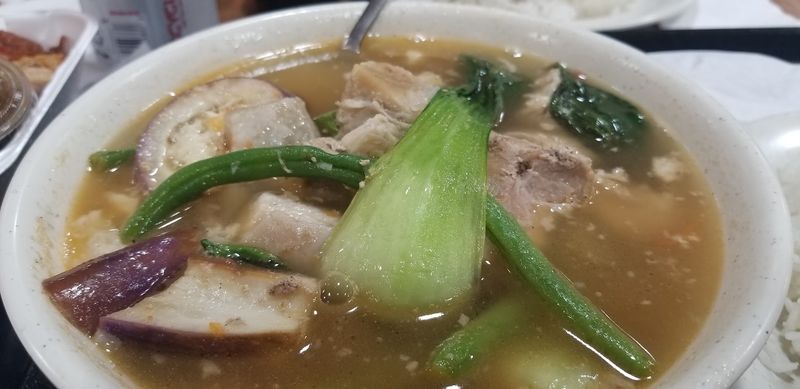
On the other side of the flavor map sits Sinigang. This classic sour tamarind soup is bright, tangy, and very soothing.
It is sometimes made with shrimp here. The broth feels light, yet the sour kick makes it surprisingly bold.
Bulalo, a beef shank soup, is another warm option on the menu. It is perfect on chilly Georgia days when you need something cozy.
Ordering a stew and a soup together makes a great shared meal. You get creamy and sour in one sitting.
My advice is to grab extra rice. These dishes are made for spooning over grains, and you will not want to waste a drop.
Noodles, Lumpia, And Grilled Inasal
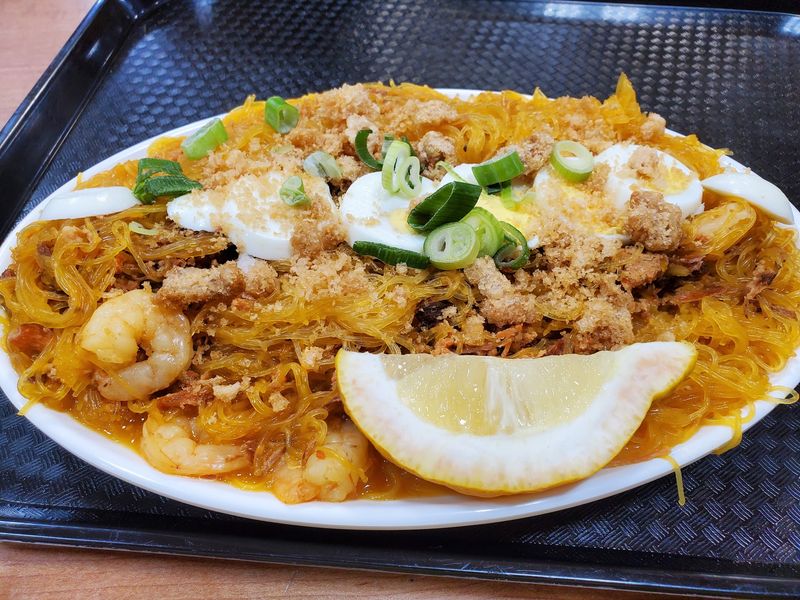
Long noodles in Filipino culture often stand for long life. That makes ordering pancit feel like a small wish for good luck.
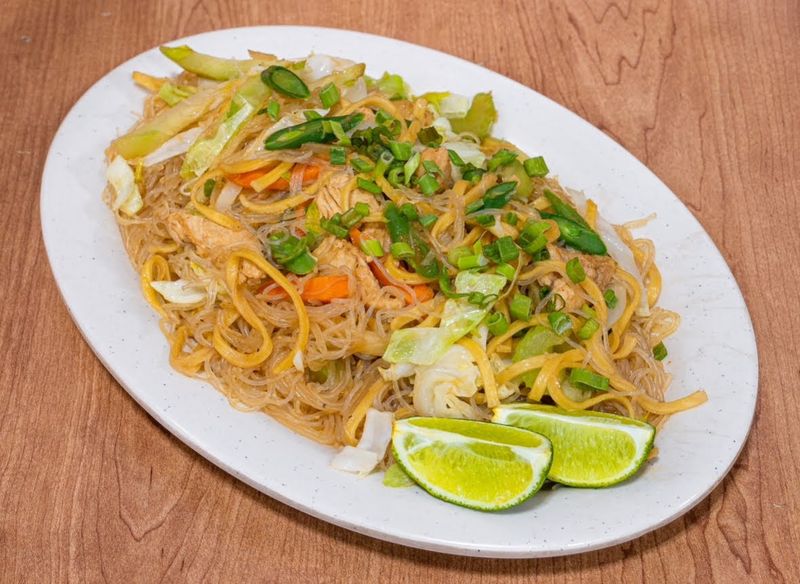
The Pancit here mixes stir-fried bihon and canton noodles. Vegetables join the mix, plus your choice of chicken or shrimp.
It comes out hot and full of flavor. A squeeze of citrus on top brightens every forkful.
Palabok is another noodle favorite, topped with a rich orange sauce. It is a fun pick when you want something a little different.
Lumpia might be the most popular item in the whole place. These golden rolls are crunchy outside and tender inside, with a sweet dipping sauce.
Try a little of that sweet sauce on your main dishes too. It adds a nice balance to salty and savory plates.
Chicken Inasal is the grilled pick of the menu. It is marinated in ginger, lemongrass, vinegar, and other spices before hitting the heat.
The result is smoky, zesty, and juicy. Order a mix of noodles, lumpia, and inasal for a sampler that covers lots of ground.
Vegetables That Steal The Spotlight
Vegetables rarely get top billing at a pork-loving counter. Yet a few of these dishes deserve their own fan club.
Pinakbet offers mixed vegetables in a savory shrimp sauce. Expect squash, eggplant, bitter melon, and green beans in the mix.
Bitter melon is exactly what it sounds like. If you are brave, it adds a sharp flavor that Filipino food lovers adore.
Tortang Talong is a simple eggplant omelette that feels homey and soft. It is a gentle choice for anyone easing into new flavors.
Ginataan is another standout. Beans and squash cook in coconut milk and shrimp paste until creamy and rich.
For a crunchy starter, try Tokwa’t Baboy. Crispy pork and tofu come with spiced vinegar for dipping.
The menu also includes vegan and vegetarian choices. Ask at the counter which ones fit your needs that day.
Balancing a meaty plate with a veggie dish makes the meal feel lighter. It also lets you taste a side of Filipino cooking many people never try.
Sweet Endings Worth Saving Room For
Dessert at a Filipino counter is never just one flavor. It is more like a colorful party in a cup.
Halo-Halo is the famous pick here. The name means mix-mix, and you are supposed to stir everything together.
It usually layers shaved ice with sweet toppings and purple ube ice cream. Seeing all the colors stacked up is half the fun.
Ube is a purple yam with a gentle, sweet taste. Some first-timers say it reminds them of vanilla with a nutty twist.
Cassava Cake is a cozy option if you want something warm. It is chewy, soft, and not overly sweet, which makes it easy to enjoy.
For parties, desserts like turon and buko pandan often show up too. Turon is a crispy banana roll, while buko pandan is a creamy coconut treat.
My strategy is simple. Order dessert after your meal so the halo-halo does not melt while you eat.
Sharing works well too. One cup with two spoons is a sweet way to end a market trip.
Market Errands, Party Trays, And Smart Timing
Lunch and grocery shopping in one trip feels like a small life hack. Your stomach and your fridge both win.
The surrounding market is packed with fresh produce, meats, and live seafood. You can grab ingredients for dinner right after finishing your meal.
Many Filipino pantry items are sold in the aisles too. It is handy if a meal inspires you to try cooking at home.
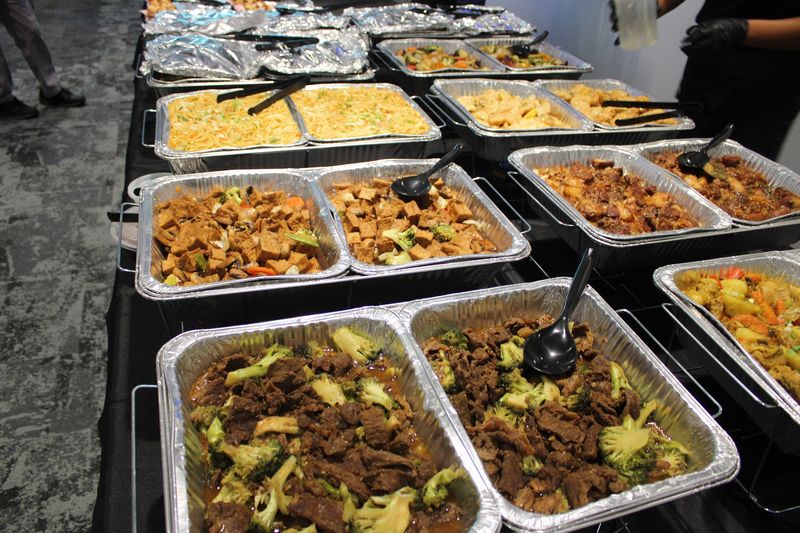
Planning a party? The kitchen offers catering with full trays of favorites like pancit, adobo, lumpia, and pork belly.
Tray packages can feed large groups for birthdays, showers, and graduations. Ordering ahead is the easy way to make guests happy.
Timing matters for walk-in visits. Hours run 11 AM to 7 PM Tuesday through Thursday and Sunday, with later closing at 8 PM on Friday and Saturday.