Over 400,000 Sandhill Cranes Roost At This Nebraska Sanctuary And Viewing Blinds Book Up By Winter
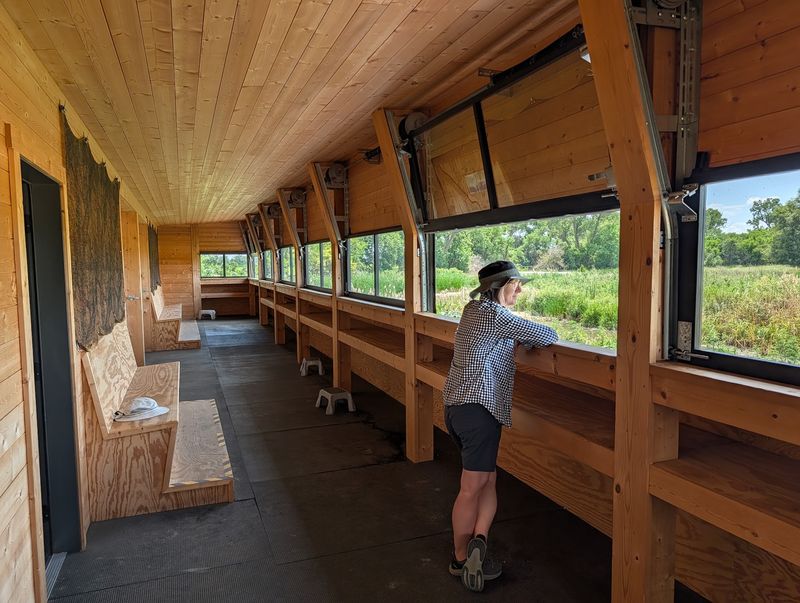
The rules inside these riverside blinds are so strict that a crinkly granola bar wrapper counts as a real problem. Out on the water, hundreds of thousands of sandhill cranes are trying to rest, and nobody wants to be the one who startles them.
The blinds sit right along the Platte River in central Nebraska. Small guided groups slip inside before sunrise or near sunset, then everyone waits in near silence while the river fills with gray birds.
What happens next is anything but quiet. At dawn, thousands of cranes can lift off together, and the flapping sounds like stomping feet and incoming airplanes.
I like how the only noisy guests allowed here are the ones wearing feathers.
The catch is simple. Seats in those blinds are limited, and they disappear long before spring arrives.
So how early is early enough?
A Riverbank Sanctuary Built Around One Very Big Bird Party
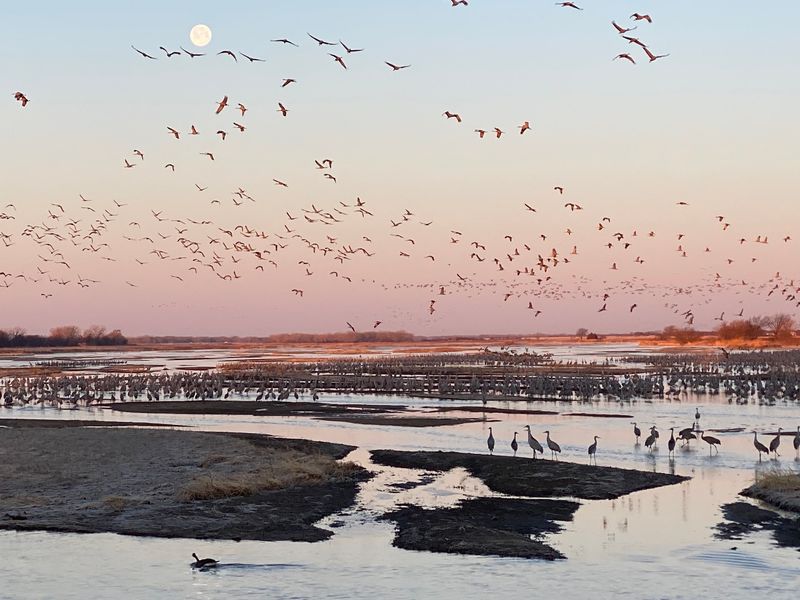
Few places in Nebraska get this crowded without selling a single ticket to a concert. The Iain Nicolson Audubon Center at Rowe Sanctuary sits on the Platte River near Gibbon, right where sandhill cranes gather each spring.
It’s run by Audubon as a wildlife refuge, and the whole operation centers on giving cranes a safe place to rest. People get to watch, but the birds always come first.
That priority shapes everything, from the trail rules to the lighting outside. Even the parking lot and building use red lights at night to reduce disturbance to local wildlife.
The center itself sits right on the riverbank. You can see the Platte straight from the building, which feels like having a front-row ticket before the show even starts.
Cranes are the headliners, of course. The sanctuary also works as a year-round spot for bird watching, short trail walks, and learning about the Platte River ecosystem.
So yes, this is a place with a famous spring rush. It’s also a place worth knowing in the quieter months, when the river is calmer and the crowds are mostly made of ducks.
Why the Platte River Turns Into Crane Central Every Spring
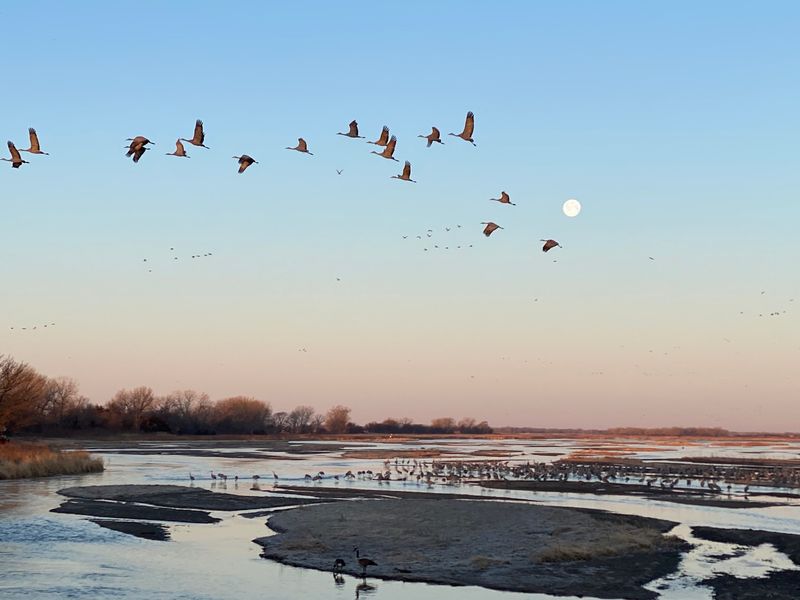
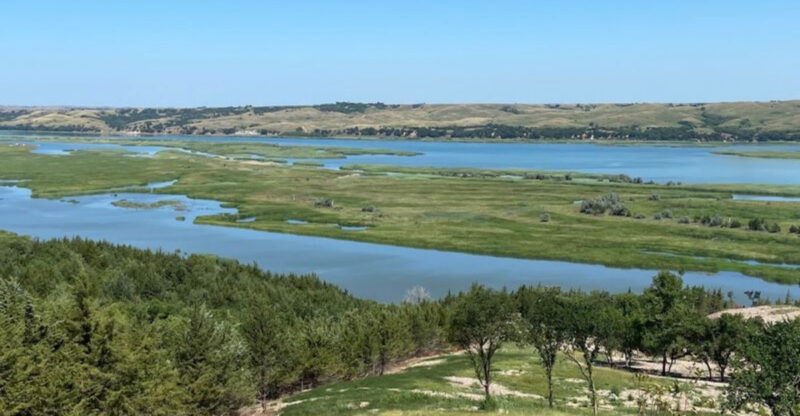
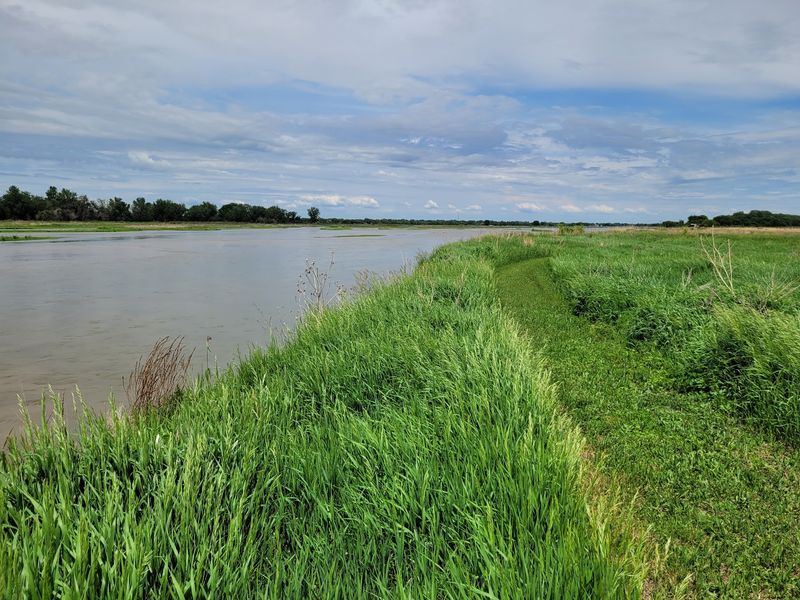
Shallow water is the secret ingredient here. The braided channels of the Platte give cranes sandbars to stand on overnight, safely surrounded by water.
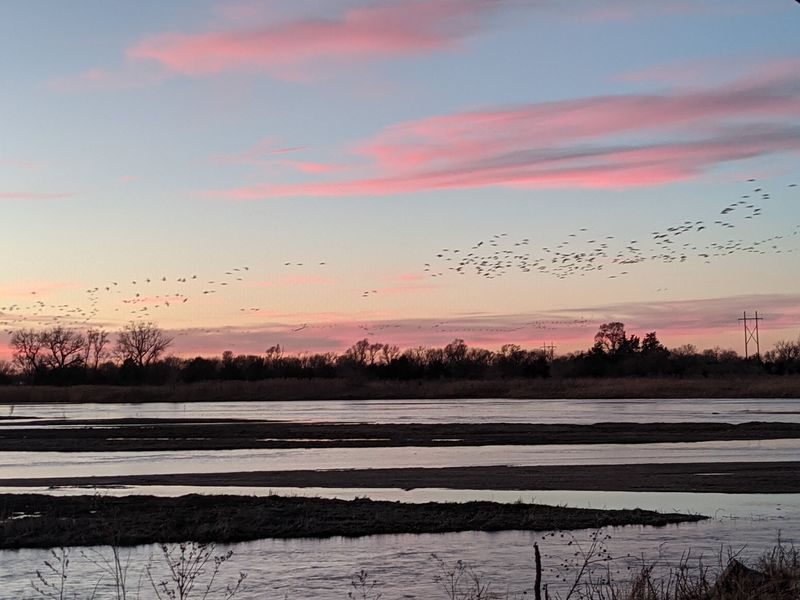
During the day, the birds fly out to nearby fields to feed. Come evening, they stream back to the river to roost, packed shoulder to shoulder.
The numbers along this stretch of Nebraska are hard to wrap your head around. Hundreds of thousands of cranes can crowd the central Platte during peak migration.
That’s what makes Rowe Sanctuary such a natural viewing spot. The center sits beside a section of river the cranes rely on, so the action happens practically in its backyard.
The birds are on a long trip north, and this stretch of river works like a giant rest stop. They rest, refuel, and socialize before heading on toward their breeding grounds.
For anyone who grew up near Kearney or Grand Island, the sound of cranes overhead is a familiar sign of spring. Seeing them up close on the river, though, is a completely different level.
It turns background noise into a full-blown spectacle.
Riverfront Blinds That Put You Inside the Crane Show
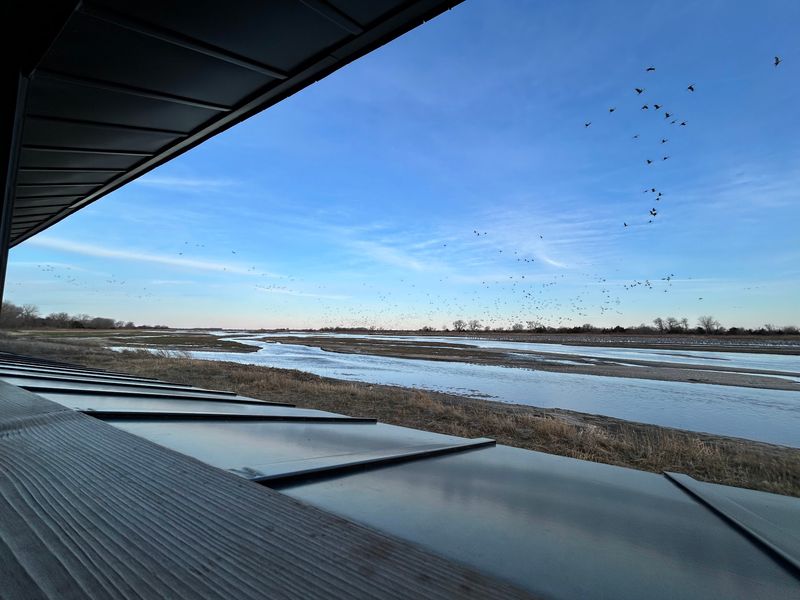
Benches, a warming room, and wide viewing windows facing the river. That’s the setup inside the blinds at the Iain Nicolson Audubon Center at Rowe Sanctuary.
The blinds are spacious, even for larger groups. Nobody has to fight for elbow room while thousands of cranes settle on the water just outside.
The walk out to the blinds is easy to manage for most people. For guests who have trouble walking, the sanctuary has golf carts available to help with the trip.
That warming room matters more than you’d guess. Early spring in Nebraska can swing from mild to bitter, and a sheltered spot makes a long, quiet wait far more comfortable.
Inside, staff and volunteers are on hand to answer questions. They know their cranes, and they clearly enjoy sharing the experience with each new group.
The blinds also protect you from the direct elements, which helps on blustery days. Wind still finds its way around, but the view makes up for a few chilly fingers.
Think of it as a cozy living room with the best wildlife channel in the state.
Sunrise Liftoff or Sunset Arrival, and Why You May Want Both
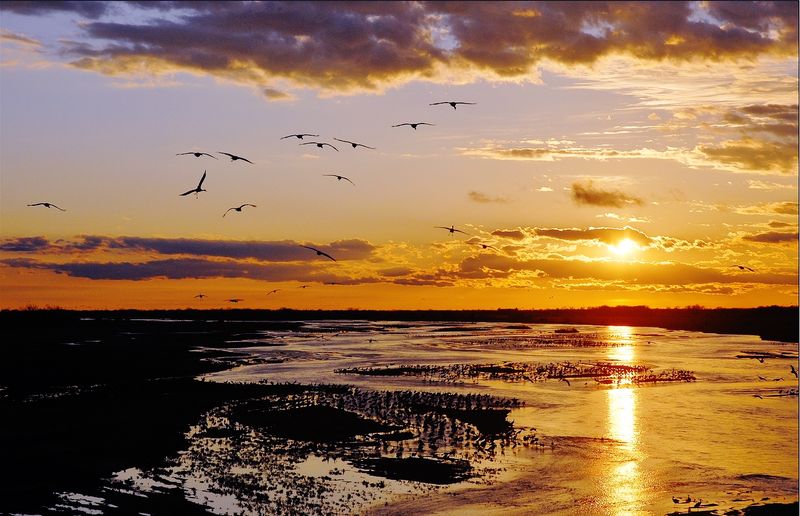
Choosing between the morning and evening tours sparks real debate at Rowe. The sanctuary itself admits the question gets heated, and plenty of folks settle it by booking both.
Morning tours start in the dark, with cranes still roosting on the river. As light builds, thousands can take off together in a roar of wings that sounds like stomping and inbound airplanes.
Evening flips the script entirely. Groups watch as cranes return from the fields, dropping onto the river in waves as the sun goes down.
Sunset viewing is a big favorite for good reason. The sky puts on its own show while the birds pour in overhead.
Both tours are guided, and both happen during the spring migration season. The experiences feel so different that doing just one can leave you wondering what you missed.
Keep in mind that this is wild nature, not a scheduled performance. Cranes sometimes leave earlier or arrive later than expected, which is part of the thrill.
Every tour is a little different, and that unpredictability keeps people coming back year after year.
The Golden Rule of the Blinds Is Silence
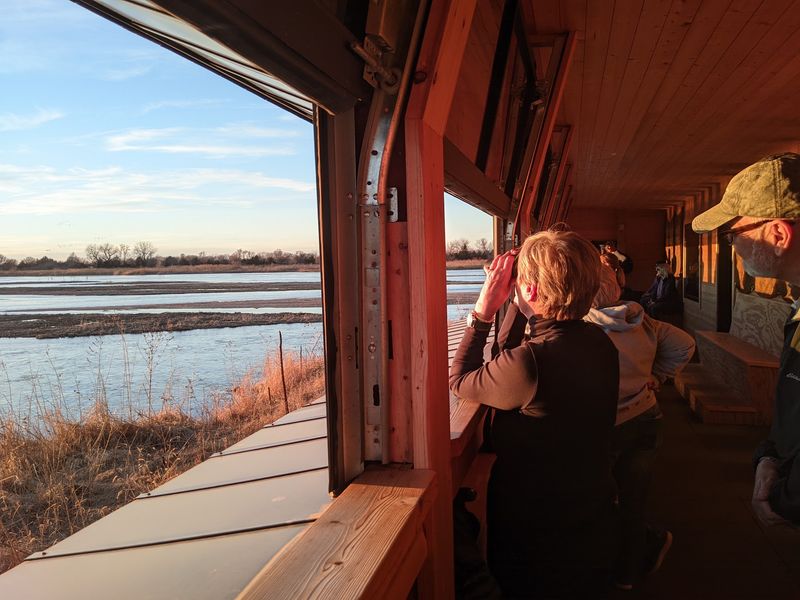
Picture-perfect quiet is not optional here. Loud noises are off-limits on tours because startled cranes can take off suddenly and strike nearby power lines.
That’s why guides keep groups hushed from start to finish. Snack wrappers, chatty phone calls, and sudden laughter all stay outside.
Photography follows careful rules too. On guided crane experiences, cameras come out only when light sensors show that screens won’t backlight visitors and spook the birds.
On many mornings, cranes linger on the river long after photos are allowed. Some days they leave early, and that’s simply how wildlife works.
Serious shutterbugs have their own option. Rowe offers a dedicated Photography Experience that costs more and allows tripods, while still keeping crane safety the top priority.
Some trails also close during crane season, and visitors can’t walk right up to the river’s edge. It might feel strict, but those rules protect natural roosting and feeding behavior.
Honestly, sitting in the dark with dozens of silent strangers while half a million birds chatter outside is part of the magic. Where else does a whole room agree to whisper?
Book Early or Watch From the Roadside
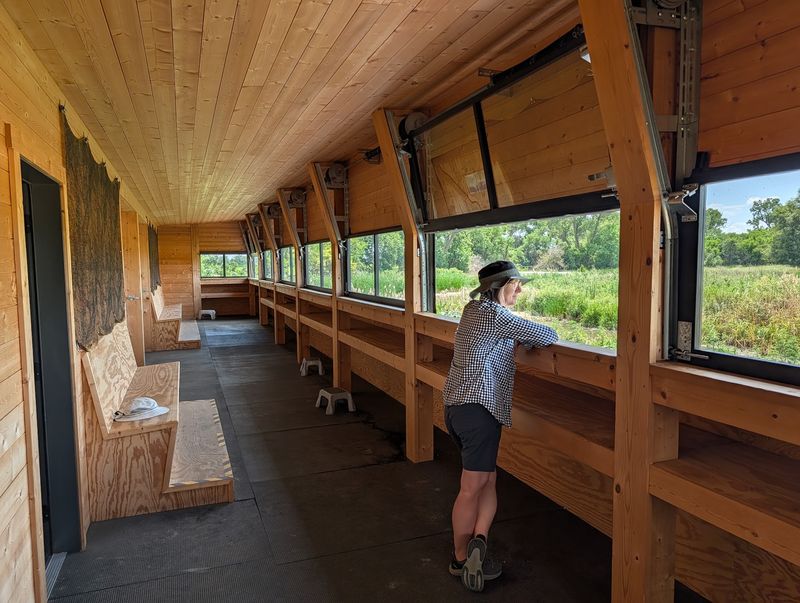
Spring seats get claimed while snow is still on the ground. Guided blind tours at Rowe have limited space, so planning ahead during winter is the smart move.
Waiting until cranes show up on the news is a classic mistake. By then, the best sunrise and sunset slots are often long gone.
Several experiences are worth considering when you book. There’s the standard guided crane viewing, the photography option, and educational sessions like Crane Basics held during the day.
Pairing a dawn blind visit with a later Crane Basics session makes for a full day. You see the birds first, then learn what you just watched.
Missed out on a reservation? Rowe points visitors toward public pull-off locations where cranes can often be seen and photographed during the day.
Proceeds from tours support the sanctuary itself, which makes the booking feel a little better. Your seat helps keep the river safe for the birds you came to see.
It’s the rare trip where planning months ahead pays off in feathers, not just convenience.
A Fresh Visitor Center With the River Right Outside
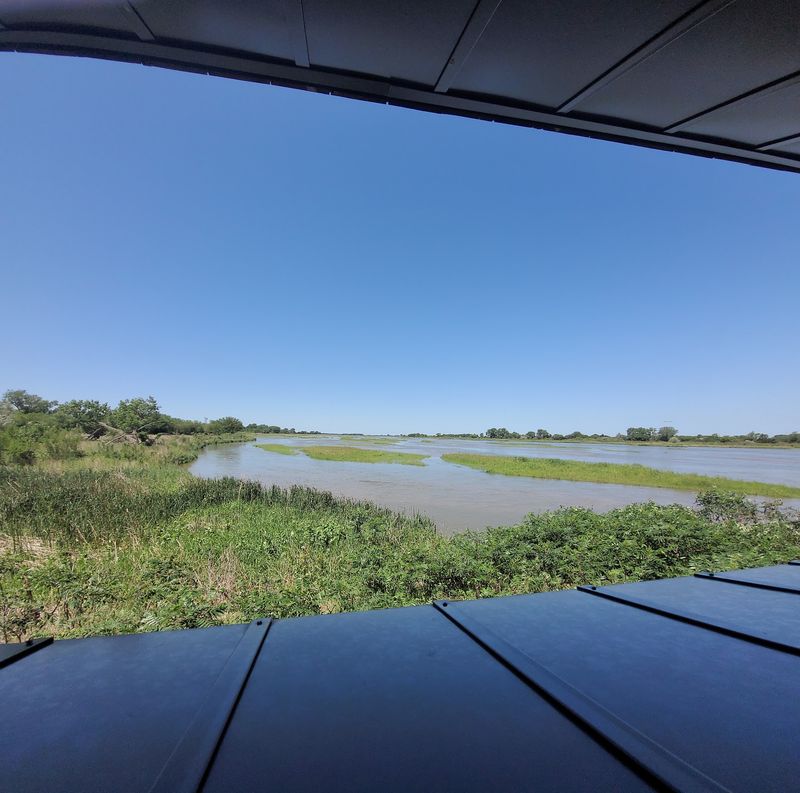
A newly renovated building now greets guests at the sanctuary. It brought a new parking lot and more educational space inside, while keeping the same well-loved blinds.
The exhibit area covers sandhill cranes and the Platte River ecosystem. There’s also a self-guided educational room where you can learn at your own pace.
Crane folklore gets attention too. Those stories add a cultural layer that goes beyond feathers and flight patterns.
A gift shop sits inside the building as well. It’s a handy stop for a souvenir that proves you really did wake up before dawn.
Big windows offer a view of the Platte straight from indoors. On a chilly day, that’s a pleasant way to scan the river without bundling up.
Drivers with electric vehicles will appreciate the ChargePoint charging on site. It’s a small detail, but a welcome one when the nearest town isn’t next door.
Staff and volunteers are around to help, and questions are always encouraged. Just ask, and you’ll likely get more crane trivia than you bargained for.
Trails, Breakfast Walks, and Birds Beyond the Cranes
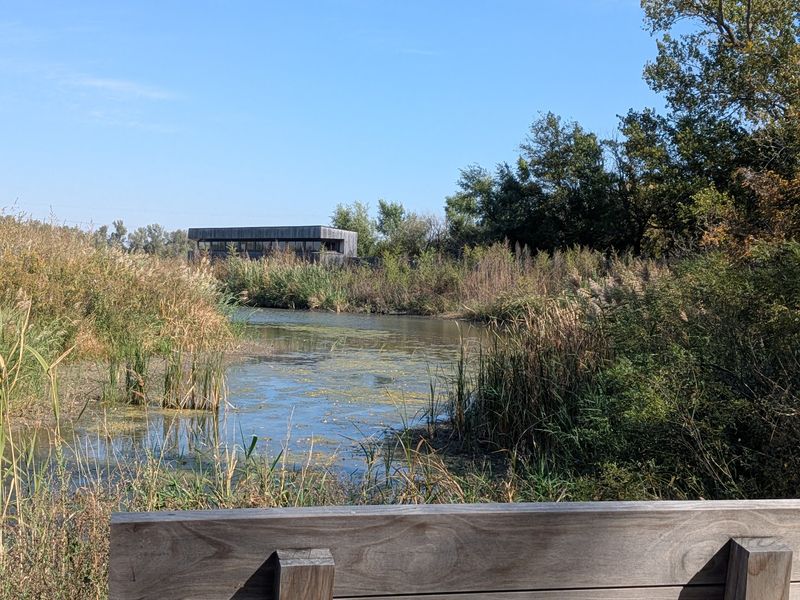
Thirty-plus bird species on a single morning walk is a pretty solid return. That’s what one recent Breakfast with the Birds outing turned up at Rowe.
These guided walks are free, and they’re friendly to total beginners. First-time bird watchers often find them peaceful and surprisingly relaxing.
The sanctuary’s walking trails are well maintained. A couple of routes let you explore the prairie and river habitat at an easy pace.
Outside crane season, more trail access opens up. It’s a good chance to enjoy the land without the springtime rush.
Birding here doesn’t stop when the cranes fly north. Many other species use the river and surrounding habitat throughout the year.
That makes the Iain Nicolson Audubon Center at Rowe Sanctuary a solid stop any time you’re traveling through central Nebraska. A quick walk, a peek at the exhibits, and a look at the river can easily fill an afternoon.
Bring binoculars if you have them. Bring curiosity either way, because the volunteers love pointing out what most folks miss.
Getting There, Hours, and Who Will Love It
Finding the place is easier than finding a quiet seat on the interstate. The center sits at 44450 Elm Island Rd, Gibbon, NE 68840, just south of Interstate 80 country.
It’s an easy drive for folks in Kearney and Grand Island. Omaha and Lincoln families can turn it into a full day trip with a crane payoff.
The building is open Tuesday through Saturday. It’s closed on Sundays and Mondays, so plan your drive around that.
Crane season brings guided blind tours at dawn and dusk. Those require reservations, while the free Breakfast with the Birds walks offer a lower-key way to visit.
Wildlife lovers and photographers will feel right at home. Retirees making it an annual tradition fit in perfectly, and some come back season after season.
Families with patient kids can have a blast too. Just make sure everyone understands the silence rule before heading into the blinds.
Anyone hoping for zoo-style close-ups should adjust expectations. This is wild Nebraska, and the cranes decide the schedule.
A Spring Ritual Worth Setting Your Alarm For
Not many Nebraska traditions involve standing in the dark, whispering, and grinning like a kid. The crane migration at Rowe Sanctuary manages all three.
It pairs a world-class natural event with a center that takes protecting it seriously. The rules can feel strict, but they exist so the birds keep coming back.
The Iain Nicolson Audubon Center at Rowe Sanctuary gives you comfortable blinds and helpful guides. It adds a fresh building, quiet trails, and free bird walks for the off-season.
I believe this is one of those experiences Nebraskans should claim with pride. People travel across the country to see what’s happening right along the Platte.
If cranes are on your list, start thinking about reservations while winter still holds on. Spring seats move faster than a startled flock.
And if you miss out, don’t sweat it. Roadside pull-offs, daytime visits, and next year’s booking window will all be waiting.
The cranes have been making this trip for ages. They’ll be back, and so, probably, will you.