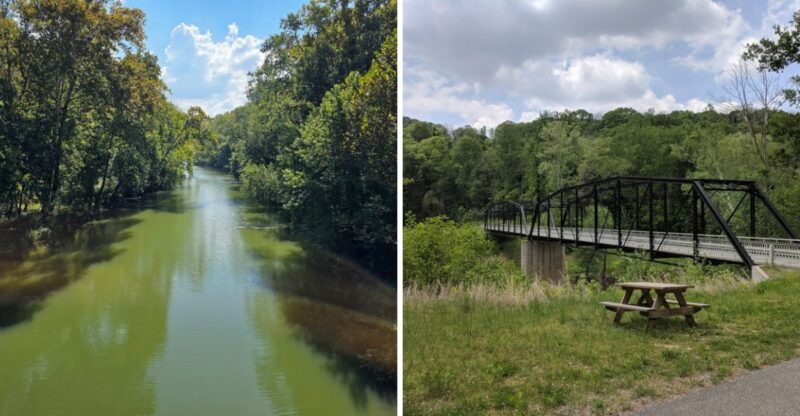
This Tiny Indiana River Town Hides A Free-Flowing Natural Spring Locals Swear By
Free water with a fan club sounds ridiculous until you see people pulling up with empty jugs and leaving with gallons.
This Indiana roadside spring has been doing that for generations.
No pump handles the job. Underground pressure keeps the cold water flowing, which gives the whole stop a slightly magical edge without any fuss.
The best part is how personal the tradition feels. Families who once came here by wagon now return with kids and grandkids.
It takes almost no planning, yet somehow feels like a tiny local ritual. Clean containers may be all the excuse you need today.
Free Water That Flows Without A Single Pump
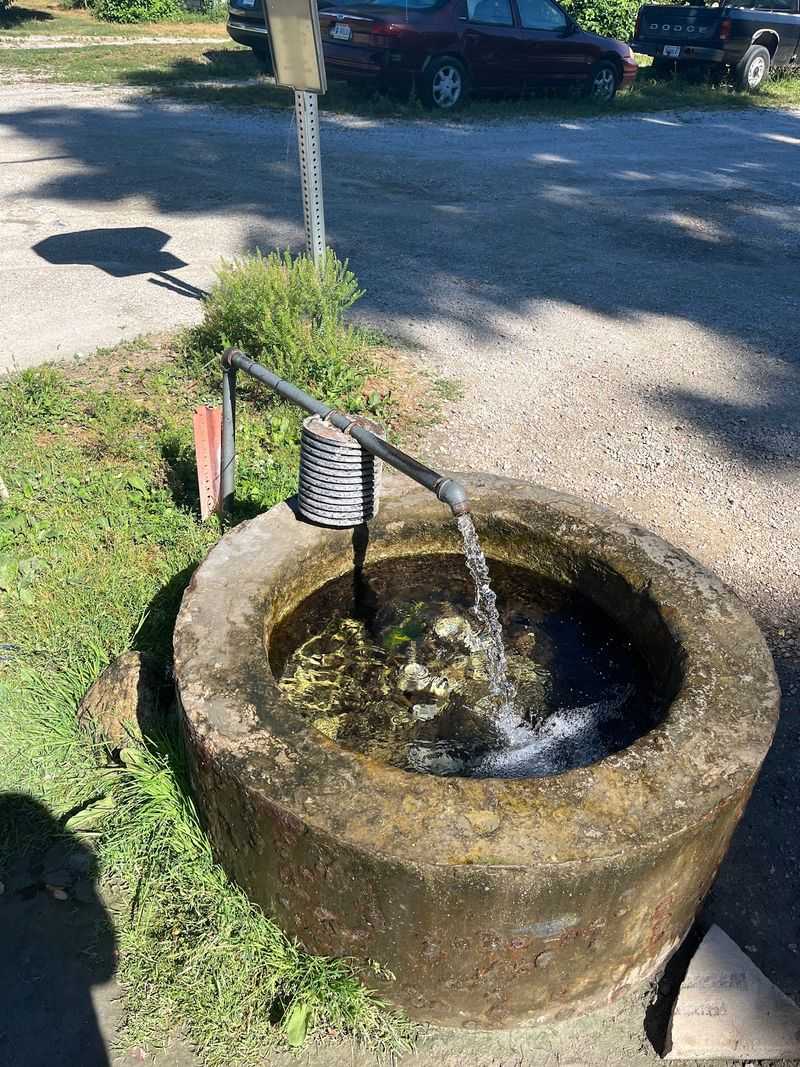
Nature runs the show at the Pittsburg Artesian Spring. Water flows from the outlet without a motor or hand-operated mechanism keeping it moving. The secret is an underground supply held under pressure.
Rain and other precipitation gradually replenish groundwater, which travels through layers of rock and sediment.
Where an aquifer is confined beneath less permeable material, pressure can push water upward when a well reaches it.
That is what makes a flowing artesian well different from one that needs a mechanical pump. The water rises to an outlet because its underground pressure is high enough to carry it there. The result looks remarkably simple.
Water emerges through a roadside pipe into a modest collection area. Its motion makes the unseen movement of groundwater suddenly visible.
Indiana has numerous wells and springs, but this example puts the mechanics of groundwater right in front of anyone stopping by. It makes an easy illustration of geology normally happening out of sight.
Your Jugs Will Get A Serious Workout Here
Five-gallon containers are the unofficial membership card at this spring. Its practical purpose is obvious as soon as someone arrives carrying more than one empty jug.
Bring containers that have already been washed and rinsed.
Wide openings are easier to position beneath the pipe, while tight-fitting lids help keep collected water contained during the drive home. A crate helps keep bottles upright in the car. A towel is useful if drops collect around the caps.
There is a little arithmetic involved. One gallon of water weighs about eight pounds, so a full five-gallon container weighs more than forty pounds before accounting for the container itself.
Smaller bottles can be easier to carry when collecting several at once.
A funnel may be helpful with narrower openings, although the roadside setup is simpler than a staffed filling station. Bring only what you can carry, and leave room for others.
Taking containers home is straightforward. Whether that water is suitable for drinking, however, depends on up-to-date testing rather than how clear it looks or how long the well has been used.
Cold Groundwater Makes The Stop Interesting
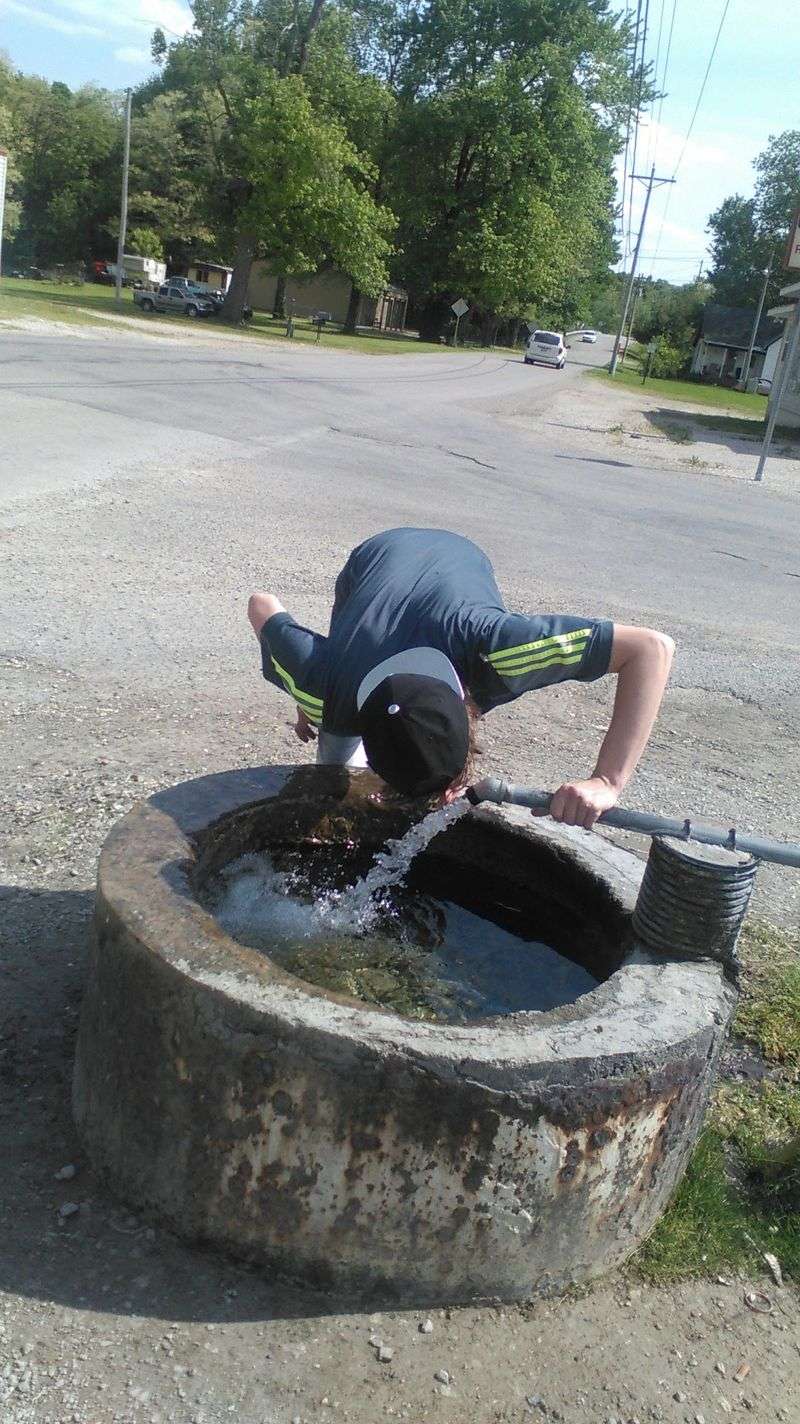
Cold is the first thing that stands out when water rises from below the surface. A flowing artesian well can maintain a steadier temperature than a shallow puddle warming in summer sunshine.
The explanation is underground, where soil and rock provide insulation against rapid changes in the weather.
Groundwater temperature reflects conditions below the surface rather than whatever the afternoon thermometer happens to show. Water can also pick up minerals from rock. Its steady flow invites comparison between the water and the outdoor air.
Those minerals may influence taste, but appearance and flavor are not reliable guides to purity.
A clear stream can still require laboratory analysis to establish whether it meets drinking-water standards. The science is part of what makes the stop worth understanding.
Without tasting anything, notice the unassisted flow and how it continues between containers.
For a child curious about Indiana’s natural resources, the setup offers a simple comparison with a household faucet. Unlike a managed water system, this well demonstrates underground pressure directly.
A Familiar Ritual With A Long Backstory
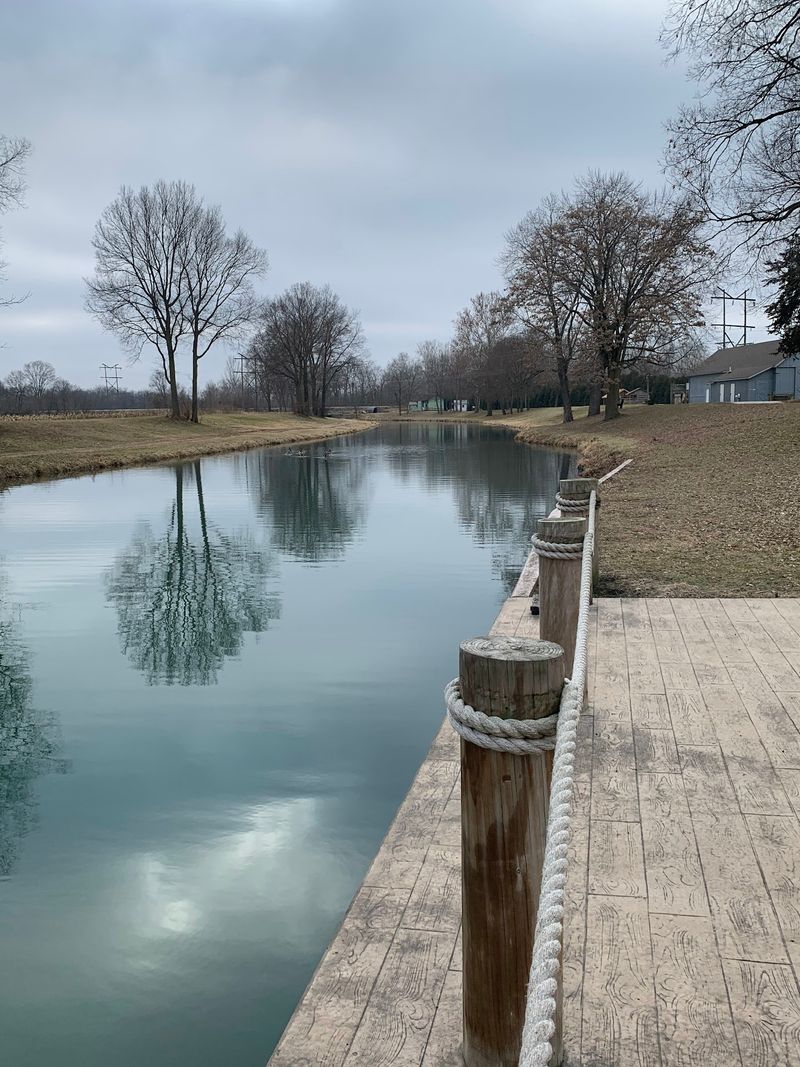
Stories at the Pittsburg Artesian Spring stretch back a long way. Its history is closely linked with the small riverside community rather than a modern roadside attraction.
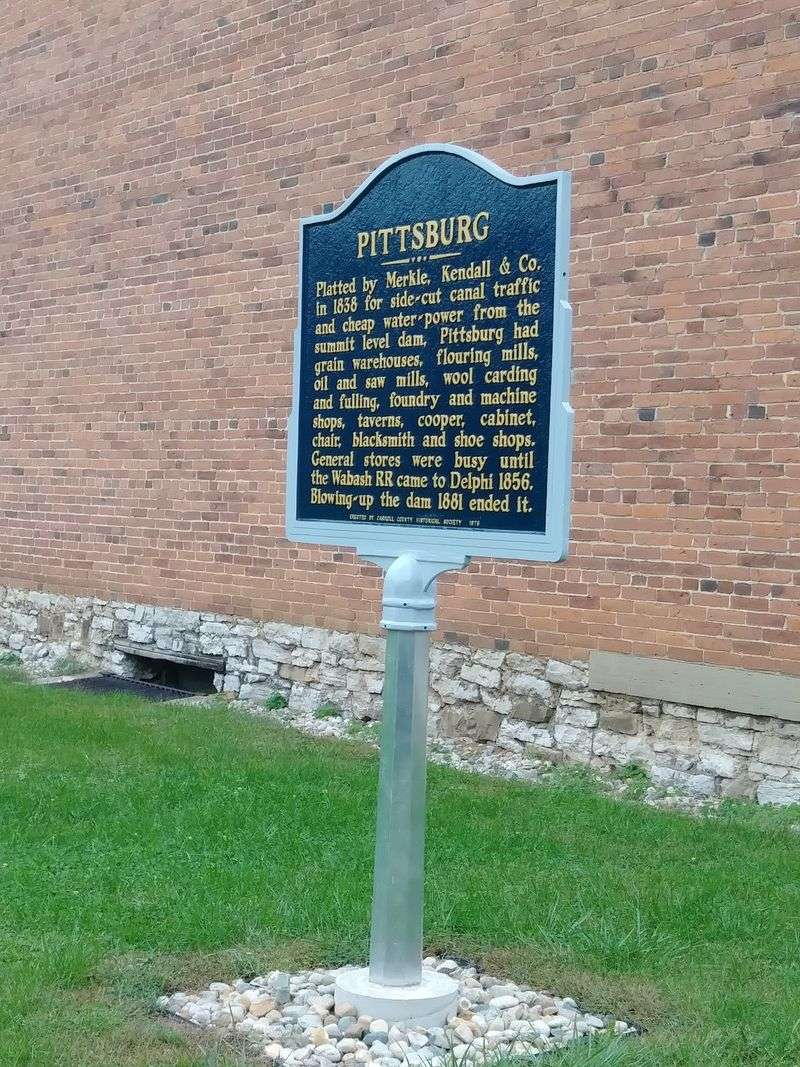
Pittsburg grew by the Wabash River in the nineteenth century, supported by canals and mills. Local historical markers recall grain warehouses, flour mills, and workshops that once supported a much busier river settlement.
The well has its own chapter in that history. When a highway expansion threatened its original outlet, the water was piped to its present place so the public could continue using it.
The arrangement preserved a familiar resource. That relocation explains why the collection point looks more practical than historic.
Photographs and historical writing document people gathering water there in the early twenty-first century, and local use reaches further back. A refill can become a family routine, with generations returning to the same spot.
Unlike an indoor exhibit, the site remains part of a working neighborhood. Its value lies in that everyday connection between groundwater, local history, and the people who use both.
Midnight Refill? Go Right Ahead
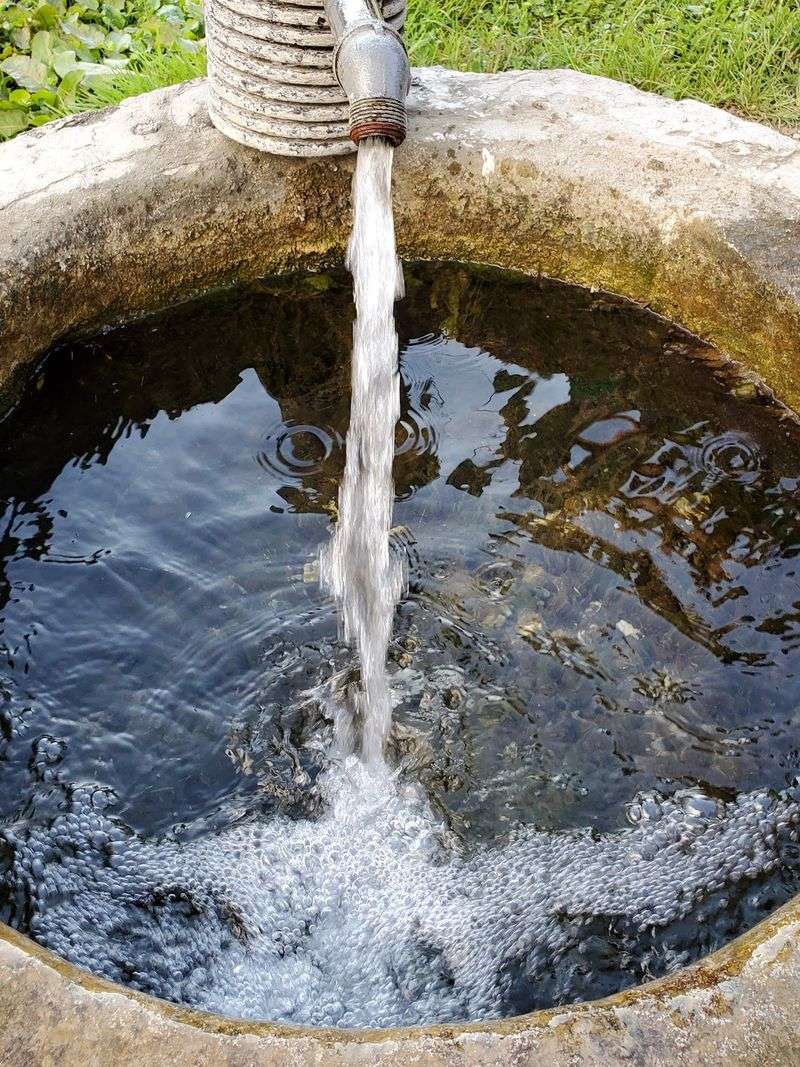
Open 24 hours a day, seven days a week. The artesian well is a roadside facility rather than a business with a counter and closing time.
People can stop in the morning or evening. Water is normally free-flowing, although conditions or temporary public-health restrictions can affect access. Checking locally before making a lengthy trip is sensible.
The surroundings are simple. There are no staffed services, formal tour programs, or visitor amenities to plan around. Daylight makes a first visit easier.
Anyone coming after dark should bring adequate lighting and take care around the roadside and wet ground. The well sits near homes, so quiet conversations and considerate parking matter as much as keeping the collection area tidy.
The uncomplicated setup is its charm. Instead of planning an elaborate outing, visitors can see a working artesian well during an ordinary drive through Carroll County.
The sound of flowing water alone invites a pause. A longer trip still deserves a quick check of local conditions before setting out.
Finding The Pipe Takes A Little Know-How
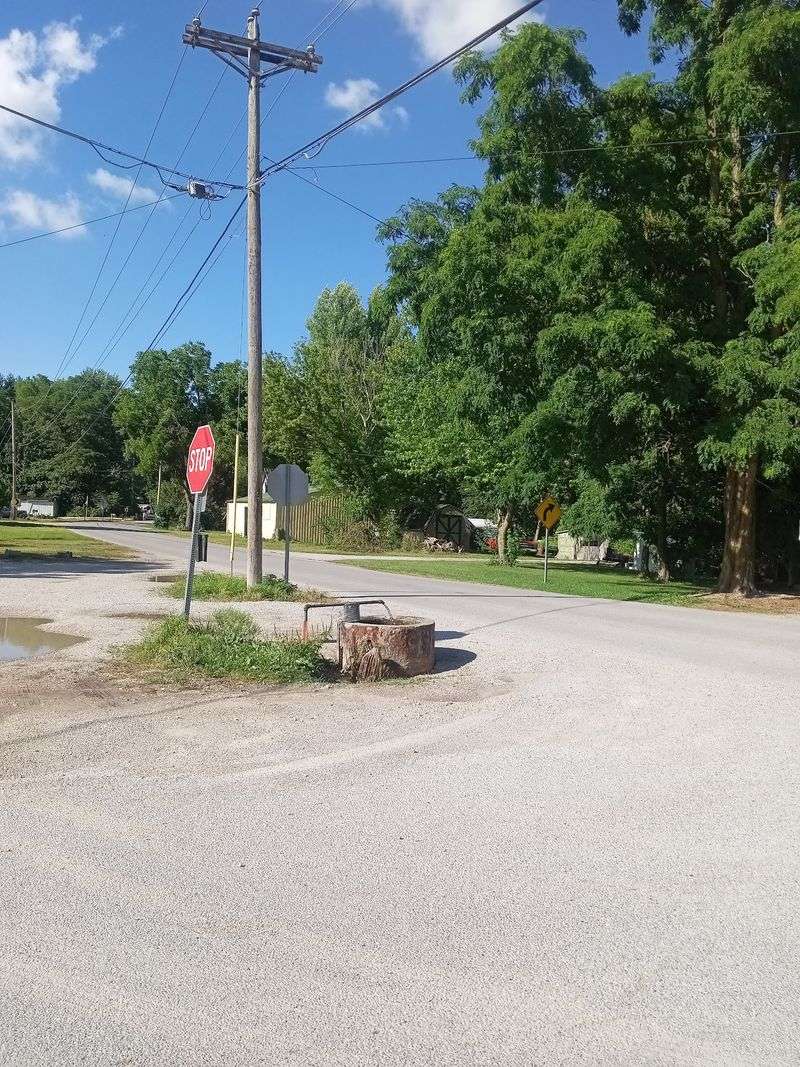
GPS can get a little confused out here. The community is called Pittsburg, but map listings commonly use a Delphi mailing address for the spring.
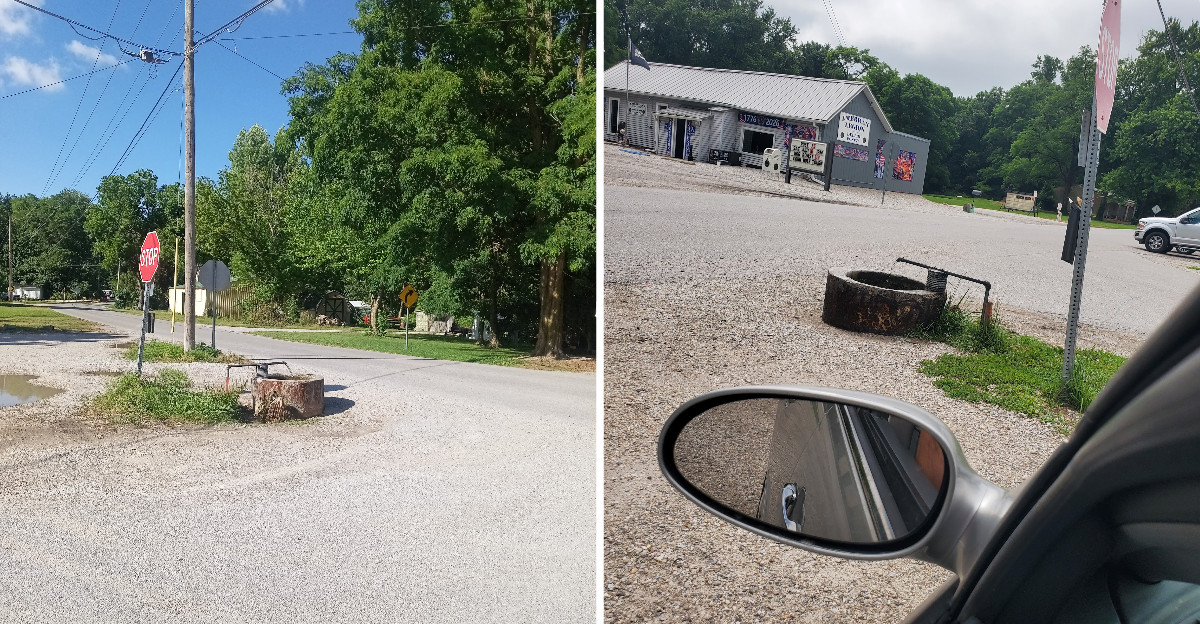
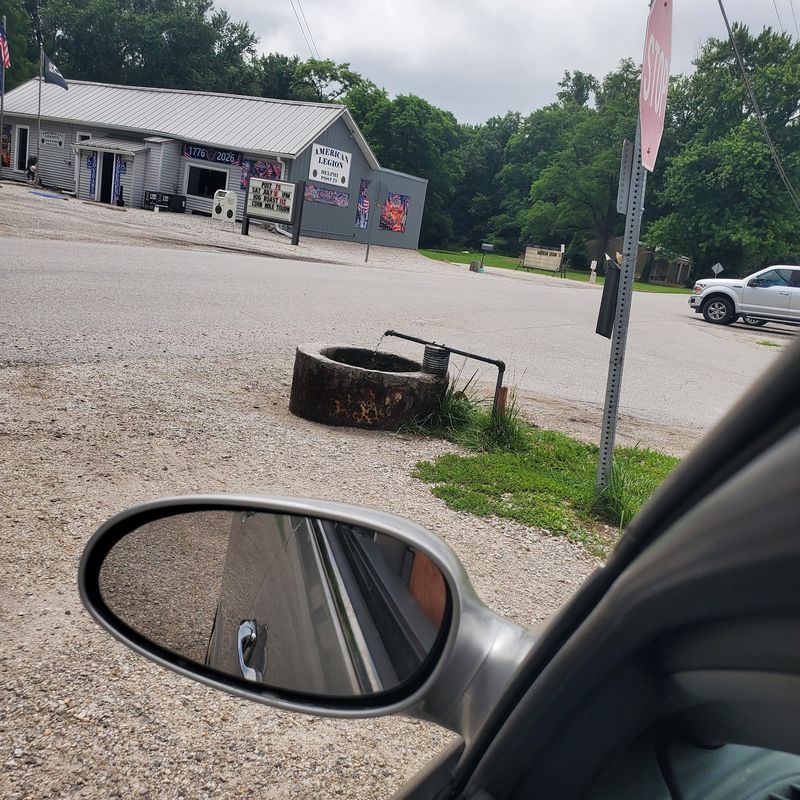
The useful landmark is Howard Street near Washington Street, also known in this area as West County Road 310 North.
Pittsburg lies across the Wabash River from Delphi in Carroll County, and the well stands in a modest roadside spot rather than inside a park building.
The American Legion building across the street is another commonly used reference point. Watch for the low collection structure and exposed pipe rather than expecting a tall fountain or a large entrance sign.
The address generally displayed for the spring is Howard Street, Delphi, Indiana 46923. That identifies the site rather than a staffed office. A map pin at the intersection is more helpful than searching for a numbered storefront.
Leave space for neighboring vehicles, and avoid blocking the road while carrying containers. Water can splash around the outlet, so shoes with good grip are useful.
No trail or long hike is required. Finding the correct corner is the main challenge, after which the stream itself makes the destination obvious.
Smart Sippers Keep Water Safety In Mind
Safety questions are fair when water comes from a roadside pipe.
The important distinction is between a well that people have used for years and water that has been tested recently enough for a drinking decision.
Carroll County’s health department publishes laboratory records for the Pittsburg Artesian Well. A sample collected in December 2025 showed no total coliform bacteria detected.
That result describes one sample, not the water’s condition today. Read each report with its collection date and the substances that were actually tested.
The well is separate from Delphi’s municipal water supply, so the city’s regular water report is not a substitute for information about this outlet.
The county’s environmental health office is the appropriate place to check the latest testing and any current notices before collecting water for consumption.
Wash containers, keep openings clear of the pipe, and seal lids afterward. If additional testing is needed, a certified drinking-water laboratory can explain which tests address bacteria and dissolved substances.
Natural pressure makes the stream fascinating, but it does not remove the need for current water-quality information.
A Landmark Built On Sharing

For a simple pipe beside the road, the Pittsburg artesian well has a surprisingly rich story. Its long public use sets it apart from a decorative fountain designed solely for visitors.
The surrounding community was once connected to canal boats and busy riverside mills.
As transportation patterns changed, the town became quieter, while the well remained part of its everyday landscape. The contrast between that history and today’s modest collection point is striking.
The steady flow also underscores the value of shared places. There is no elaborate entrance or scheduled tour. Keep the area tidy, share the outlet, and respect nearby homes.
A public resource stays welcoming when visitors treat it with care.
For anyone exploring Indiana’s Carroll County, the stop provides an unusually tangible connection to local geography.
You can see where an underground aquifer reaches the surface and stand in a community that has maintained public access through changes to the surrounding roads.
Perhaps that is why the scene stays memorable. A steady stream and a little patience turn a roadside corner into a place with a story.